
Reviewed · WINE TOURS
Trier: Discovery Tour – Germany’s Oldest Wine Cellar
Trier’s most unusual wine stop is below ground: a cellar built around 330 AD, when the city was a Roman imperial capital. This was not designed as a wine attraction. It served as a magazine and storage house for local citizens, making the tour a useful link between Roman Trier and the region’s continuing wine life.
I like the short one-hour format and the fact that two selected wines are included rather than sold as an extra. I also like the setting: you are tasting in an actual historic Roman building, not in a modern shop dressed up with a few old props. The main drawback is language. The live guide speaks German, and some content remains in its original language, so non-German speakers may miss parts of the explanation.
Key points
- Roman cellar from around 330 AD: See a building connected to Trier’s time as an imperial city.
- Two wines included: The tasting is part of the tour price, not an optional add-on.
- One-hour visit: A compact choice for a morning, afternoon, or gap between Trier sights.
- German-language guiding: Useful for German speakers, less complete for visitors who need English.
- All-weather activity: The tour runs in rain or cold, so dress for the conditions.
- Not wheelchair accessible: Expect access limits in the historic cellar.
A Roman storage house with a wine story
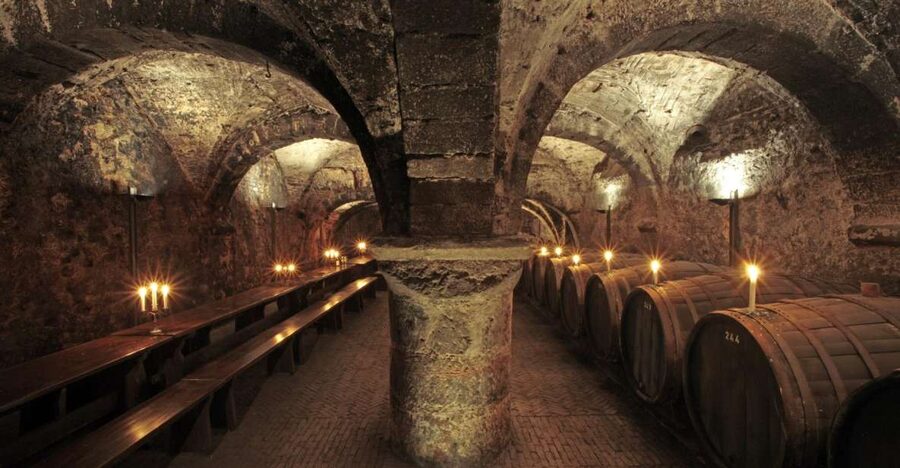
The central appeal is the cellar itself. Built around 330 AD, it belonged to Roman Trier and served as a storage and supply building for citizens. That gives the visit a stronger sense of place than a standard tasting room, because the room was part of the city’s working life long before modern wine tourism existed.
I find that context important. You are not only sampling two local wines. You are standing in a Roman structure that later became linked with Trier’s wine culture. The tour connects two things the city is known for: its ancient past and its place in Germany’s wine-producing Rhineland-Palatinate region.
The experience is presented as a living place of discovery rather than a dusty museum. That distinction matters. You should expect a guided walk through the cellar, stories about its changing role, and a tasting in the historic setting. It is a small experience, but the location does most of the heavy lifting.
The available information does not give a full stop-by-stop route or the name of the guide. That means you should think of this as a focused cellar visit, not a broad walking tour of Trier. It will not replace the city’s Roman monuments, but it can add a useful indoor chapter to a day spent exploring them.
More Wine Tours across Germany
- Trier: Guided City Walk with Wine Tasting
★ 4.8 · 979 reviews - Hamburg: Harbor Cruise with Wine and Cheese
★ 4.7 · 795 reviews - Exclusive Wine & Food Tasting in Historic Cellar | Mainz Old Town
★ 5.0 · 42 reviews
What happens during the one-hour visit
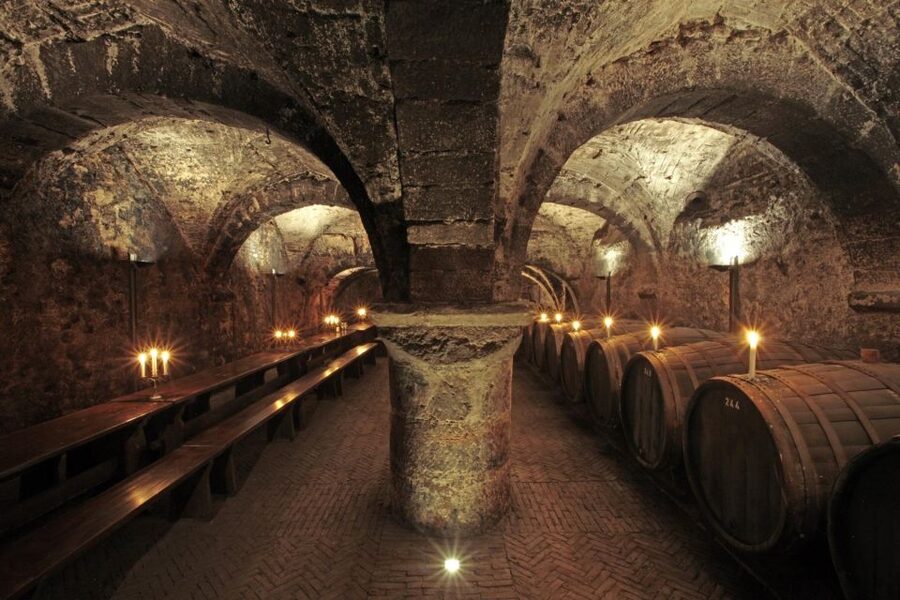
The tour lasts one hour, so the pace is likely to be tidy and concentrated. You begin with the cellar walk, where the guide explains its Roman origin and its role as a magazine and storage house. The word magazine here means a storehouse, not a place for printed publications.
That basic fact helps you read the building correctly. The cellar was built for practical use, not for modern wine tastings. Its value lies in the structure and the stories attached to it. Pay attention to how the guide explains the building’s place in the Roman imperial city, since that is the part that turns an old room into a meaningful stop.
After the historical portion, you taste two selected wines from the house. The tasting takes place in the cellar, giving the final part of the visit a clear connection to the surroundings. You are not being asked to commit to a long flight of wines or a full meal. Two glasses offer a brief introduction to the estate and the local wine tradition.
One hour is enough for this format. It keeps the tour easy to fit into a busy day, especially if you have already planned visits to Trier’s Roman sights. At the same time, the short length limits how much detail the guide can provide. A recent rating of 4.7 from 218 reviews reflects strong overall satisfaction, but the supplied comments also show the tradeoff: one German-speaking visitor felt that the cellar itself deserved more explanation because the wine and winery received more attention.
That is useful advice. If your main interest is Roman architecture, listen closely during the first part and use the tasting as a pleasant finish. If wine is your priority, the balance may feel just right.
Why the Roman setting changes the tasting
A wine tasting can happen almost anywhere. The Roman cellar is what gives this one its identity. You are tasting in a place tied to the daily supply needs of a city that was important to the Roman Empire, rather than in a generic retail room.
I like that the experience does not treat the building as a lifeless exhibit. Wine makes the cellar feel connected to the present. The two selected house wines show how the site is used today, while the Roman structure supplies the long view.
This also makes the tour a good choice for visitors who want more than a list of dates. The cellar tells a practical story. Roman citizens needed places to store supplies. Centuries later, the same setting helps explain why wine remains part of Trier’s local identity. You may not get a full lecture on Roman engineering or regional grape varieties, but the combination gives you a clear, memorable outline.
Keep your expectations in proportion. The tour does not promise a large wine education class, a meal, or a broad survey of the region’s producers. It offers two wines and a short guided introduction. For some people, that restraint will be a strength. You can enjoy the setting without giving up half a day.
The wine tasting: two selected house wines
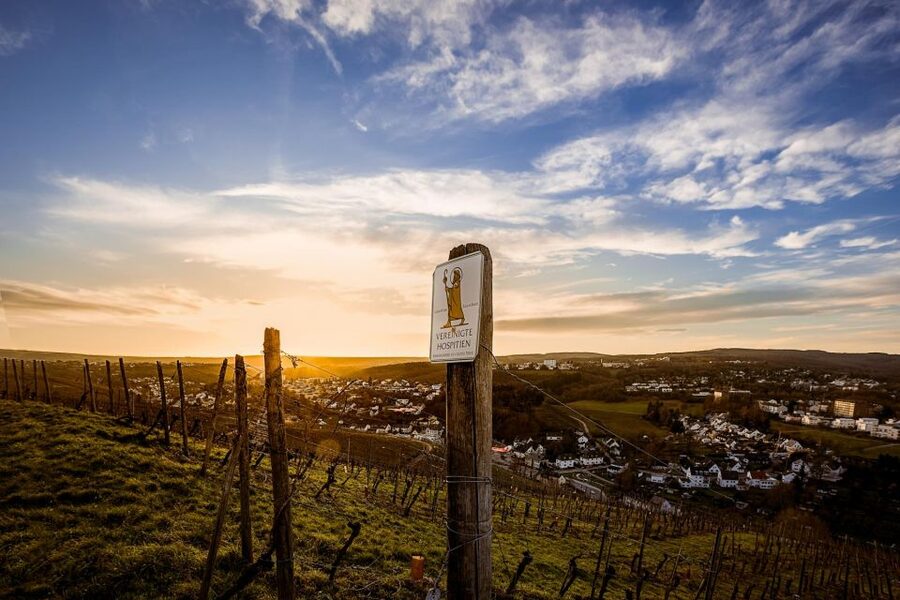
The tasting includes two wines chosen by the house. The supplied details do not identify the varieties, vintages, sweetness levels, or serving sizes, so you should not book this expecting a specific bottle or style.
What you can count on is a modest introduction rather than a full tasting menu. Two wines are enough to give you a sense of the producer, and they add real value to a $20 ticket. If you planned to buy wine during your time in Trier, this tasting can also help you decide what sort of house wine interests you.
The wine is not a separate side activity. It is built into the hour and forms part of the experience in the cellar. That makes the visit feel complete: first the building and its past, then the drink associated with its current use.
The balance may not suit everyone. A visitor who wants a detailed account of the unique cellar could find the winery discussion too prominent. If you are primarily seeking archaeological information, this is a wine-culture tour with Roman surroundings, not an archaeology lecture with a token sip at the end.
Same base, a different kind of day out:
- Berlin: Reichstag, Dome and Government District Guided Tour
★ 4.7 · 18,288 reviews - Berlin: 1-Hour City Tour by Boat with Guaranteed Seating
★ 4.3 · 16,993 reviews - Hamburg: Sex and Crime in St. Pauli Tour for Ages 18+
★ 4.7 · 15,447 reviews - Hamburg: 1.5-Hour Harbor and Speicherstadt Day Cruise
★ 4.6 · 14,200 reviews
German guiding and what it means for you
The live tour guide speaks German. Some content is shown in its original language. That is the clearest practical limitation for international visitors.
If you understand German, you can follow the explanations directly and get the full value of the stories. If you do not, the atmosphere and the physical space will still be accessible, but the spoken history may be harder to follow. The available details do not promise an English guide, translation, or printed English explanation, so you should plan on German being the main language.
This point is more important than it might seem. The cellar itself is the visual draw, but the tour’s meaning comes from the guide’s account of its Roman use and later wine connection. A non-German speaker may enjoy the visit, yet receive less historical detail than a German speaker.
I would book it confidently if you speak German or are comfortable with some original-language content. If every word of the explanation matters to you, check the language situation before reserving. The high overall rating does not remove this limitation.
Price and the value of a short visit
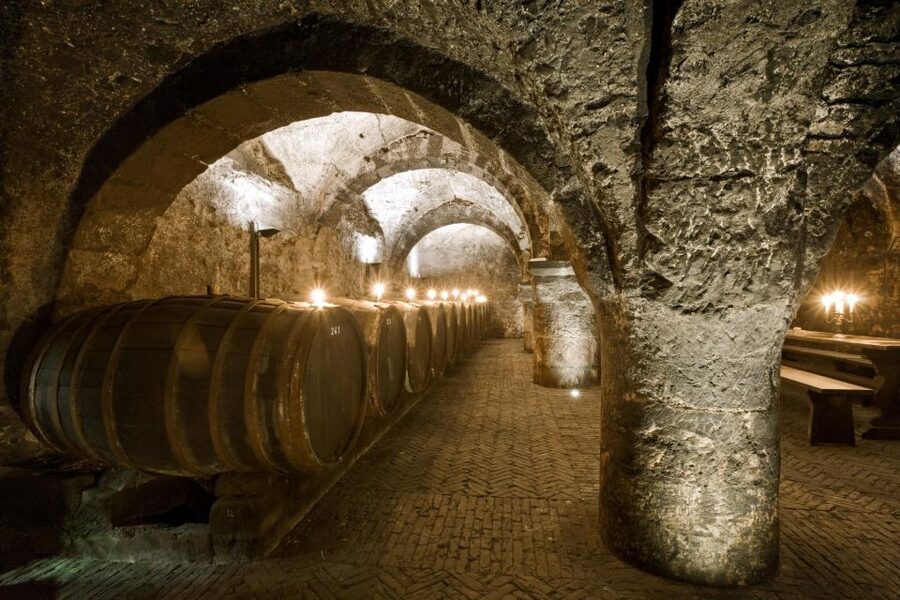
At $20 per person, the price is reasonable for a one-hour guided experience that includes two wines and access to a distinctive Roman building. The value comes from the combination, not from quantity. You are paying for a compact cultural visit, a guided explanation, and a tasting in a setting with genuine historical use.
That price compares well with a simple wine tasting because you also get the cellar tour. It may feel less attractive if you are interested only in drinking wine, since two wines is a small pour by the standards of a longer tasting. It may also feel high if you want a detailed archaeological tour and expect the entire hour to focus on the Roman structure.
I would treat the ticket as a good add-on to a Trier sightseeing day. It is short enough to fit around other plans, and the tasting gives you a clear ending. The value is strongest for someone who appreciates both the building and the wine.
The activity also offers free cancellation up to 24 hours before the start, with a full refund, and you can reserve now and pay later. Those terms are useful if your schedule in Trier is still shifting. They do not change the content of the tour, but they make a short booking easier to fit into a wider itinerary.
Weather, comfort, and access
The tour operates in all weather conditions. That makes it dependable, but you should dress for the day rather than assuming the cellar will solve every comfort problem. A rainy day may make an indoor historic visit appealing, while cold or damp conditions could still matter on the way there and during the tour.
The cellar is not suitable for wheelchair users. This is a firm planning point, not a minor footnote. If you need step-free access or have limited mobility, choose another Trier activity unless the provider confirms that conditions have changed.
The supplied details do not state the group size, the exact meeting point, the number of stairs, or the cellar temperature. I would not invent those details. If stairs, confined spaces, or cool interiors affect your comfort, ask the provider before booking.
Who will enjoy this experience most
I would recommend this tour to you if you want a short, specific activity that links Trier’s Roman past with its wine culture. It suits German speakers, wine-curious visitors, and people who prefer a historic setting to a modern tasting counter.
It is also a good fit for a rainy-day plan because the visit continues in all weather. The hour-long format works well for a first afternoon in town, a break between major sights, or a final cultural stop before dinner.
Families may appreciate the brief duration, though the wine tasting naturally appeals more to adults. History fans should book it if they like practical stories about old buildings and city life, but not if they expect a detailed archaeological investigation.
I would be more cautious if you need English guiding, wheelchair access, or a long tasting with several wines. The tour is focused, and its limits are easy to understand before you commit.
My booking verdict
Book this if the idea of tasting two house wines inside a Roman storage building appeals to you. For $20, you get a concise guided visit, a real historic setting, and two wines without spending half a day.
Skip it if your priority is a fully English-language explanation, extensive archaeology, or a large wine flight. The strongest version of this experience is simple: a one-hour German-language tour that brings a Roman cellar and Trier’s wine culture into the same room.
FAQ
How long does the Trier wine cellar tour last?
The tour lasts one hour.
How much does the experience cost?
The listed price is $20 per person.
What is included in the price?
The price includes the cellar tour, two selected wines, and the tasting in the historic setting.
What language is the tour conducted in?
The live tour guide speaks German. Some content is shown in its original language.
Is the cellar really from Roman times?
The building was constructed around 330 AD in the Roman imperial city of Trier.
What was the building originally used for?
It served as a magazine and storage house for Roman citizens.
Does the tour run in bad weather?
Yes. The tour takes place in all weather conditions.
Is the tour wheelchair accessible?
No. The activity is not suitable for wheelchair users.
Can I cancel the booking?
You can cancel up to 24 hours in advance for a full refund. You can also reserve now and pay later.
Just added in Germany
- Berchtesgaden: Via Ferrata Beginner Tour of Schützensteig★ 4.7 · 15 reviews
- Berlin: Energizing 2-Hour Morning Segway Tour★ 4.7 · 35 reviews
- Berlin: Thrilling E-Scooter Adventure Tour★ 4.4 · 66 reviews
- Bayreuth: German City Walking Tour (Tourist Info)★ 4.7 · 202 reviews
- Beelitz-Heilstätten: Baum&Zeit Tree Top Walk Entry Ticket★ 4.9 · 7 reviews
- Beer Bike & Party Bike: Unforgettable Berlin City Tour incl. pickup★ 5.0 · 5 reviews
- Bavaria: Beginner Canyoning Tour★ 4.5 · 10 reviews
- Bayreuth: Christmas city tour in German★ 4.9 · 12 reviews
Wine Tours, compared.
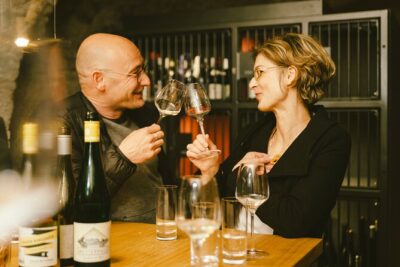
Exclusive Wine & Food Tasting in Historic Cellar | Mainz Old Town
Read our review →
Guided wine hikes with 4wines and cable car ride
Read our review →Browse the lists this tour appears in