
Reviewed · MUSEUMS
Speyer: Technik Museum Speyer Ticket with an IMAX Dome Film
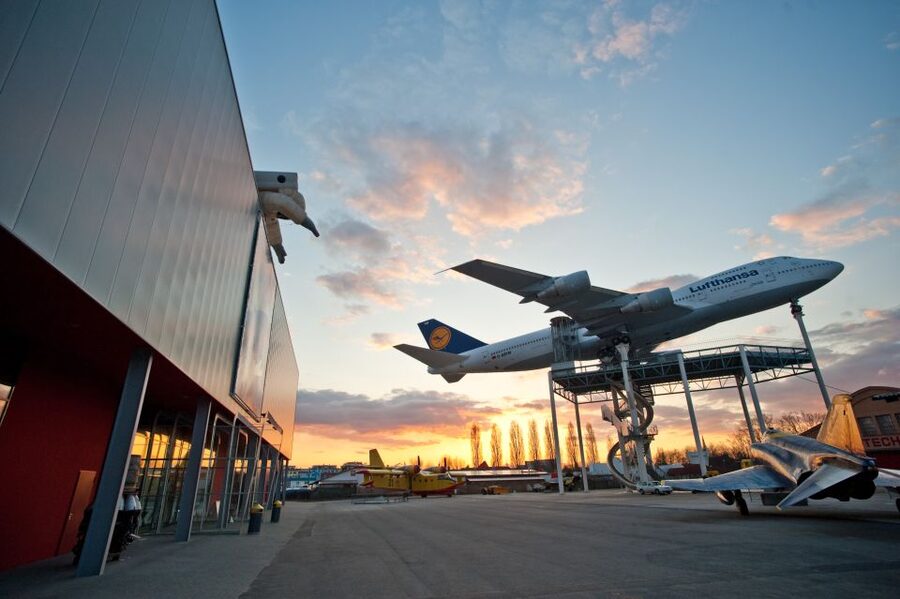
The most surprising part of Technik Museum Speyer is its scale. You can walk through a Boeing 747, enter a Bundeswehr submarine, examine a Space Shuttle prototype, and then turn a corner to find locomotives, racing motorcycles, historic fire engines, and mechanical oddities. I like the sheer variety, and I especially like that the museum lets you experience machines from inside rather than only viewing them behind glass.
The ticket also includes one IMAX Dome documentary, which gives the day a strong finale or a useful mid-visit break. The main drawback is the loose arrangement: motorcycles may appear near the space exhibits, and a carousel can sit among cars. If your family prefers a tidy, tightly organized museum, or if your children need constant hands-on action, the $35 price may feel high.
Key things to know before you go
- Climb inside a Boeing 747: The aircraft gives you a clear sense of how large a Jumbo Jet really is.
- Enter a real submarine: The narrow interior shows how sailors lived and worked below the water.
- See Buran and Europe’s major aerospace collection: The space exhibits give the museum its biggest visual punch.
- Save time for the IMAX schedule: Only a few documentaries run each day, so check the times before wandering too far.
- Expect a five-hour visit or longer: There is enough here for a full day, especially with children who enjoy machines.
- Know the access limits: Most public areas are barrier-free, but some upper levels and roof-mounted aircraft are not.
Why Speyer’s museum feels different from a normal technology exhibit
Technik Museum Speyer is not a quiet row of polished display cases. It is a large collection of full-size machines, unusual objects, and working parts spread across indoor halls and outdoor grounds. You are not simply looking at the past. You are trying to understand its size, noise, cramped spaces, and practical demands.
I find that approach especially useful with transport exhibits. A photograph of a submarine cannot tell you much about its tight passageways. Walking through one does. The same goes for the Boeing 747. Once you see the aircraft from inside and outside, the word Jumbo begins to make sense.
The collection covers the underwater world, air travel, space exploration, road transport, railways, engines, musical instruments, historic clothing, and military technology. That range is both the museum’s strength and its weakness. You get constant surprises, but the story can feel scattered.
The museum does not force you into one perfect chronological route. Instead, you build your own path. I suggest accepting the informal arrangement and treating the visit as a treasure hunt rather than a textbook lesson.
More Museums across Germany
- Berlin: Jewish Museum Berlin Entrance Ticket
★ 4.5 · 8,393 reviews - Berlin: DDR Museum Tickets
★ 4.3 · 3,443 reviews - Berlin: Natural History Museum Entrance Ticket
★ 4.6 · 3,382 reviews
Starting with the Boeing 747 and aircraft collection
The Boeing 747 is one of the best first stops because it gives the museum an immediate sense of scale. You can enter the fully accessible aircraft and see how much structure and space sits inside an airliner that most people know only from the passenger cabin.
For children, the aircraft works as a giant physical object. For adults, it helps explain the practical side of air travel. You can think about the size of the fuselage, the different levels, and the machinery needed to keep a large aircraft in the air.
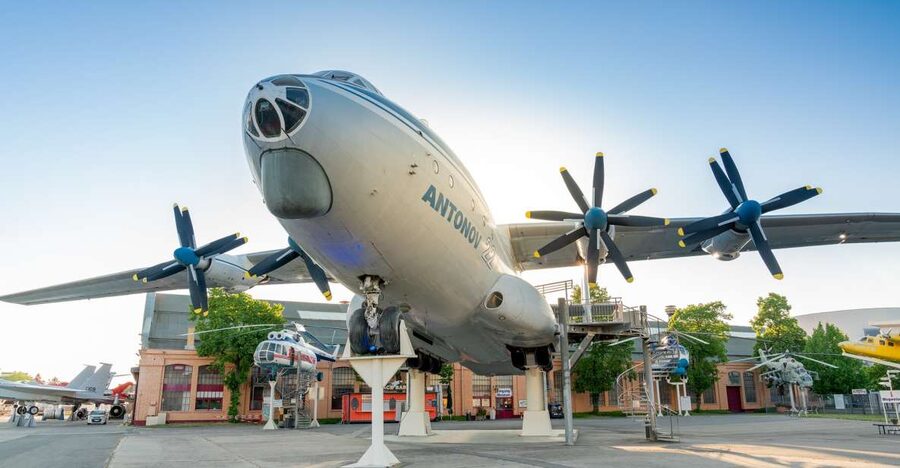
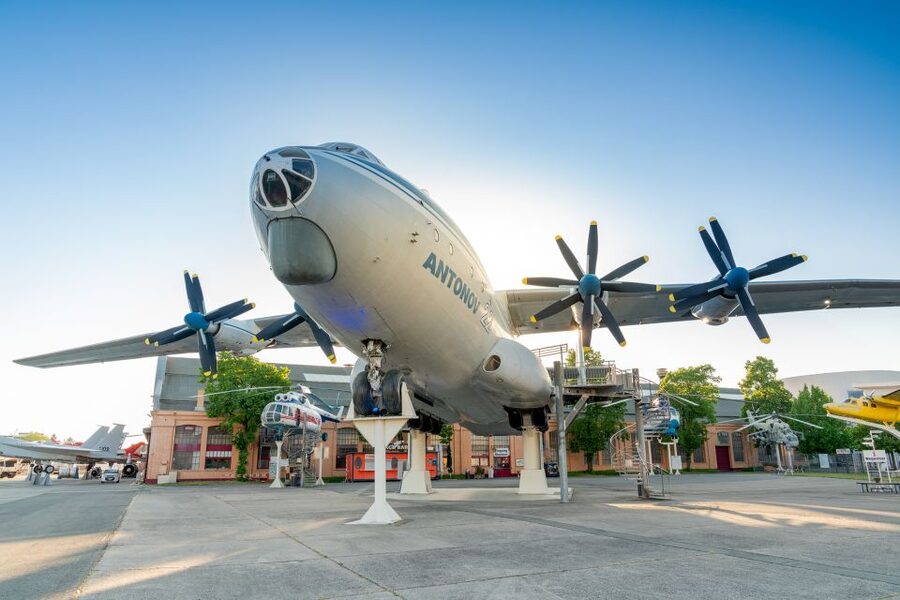
The museum’s aircraft collection continues outside and across the grounds. Some aircraft are displayed in positions that make them easy to photograph and easy to compare. Others are placed on the museum roof or upper areas. Those higher exhibits are not accessible to people with mobility impairments or to visitors using buggies, so you should not expect every aircraft to be reachable.
That limitation matters if your main reason for visiting is the roof display. The museum itself is largely barrier-free, including the parking area, restaurant, lobby, ticket office, open-air ground, and ground floor. Still, the collection is not fully step-free from end to end.
Inside the Bundeswehr submarine
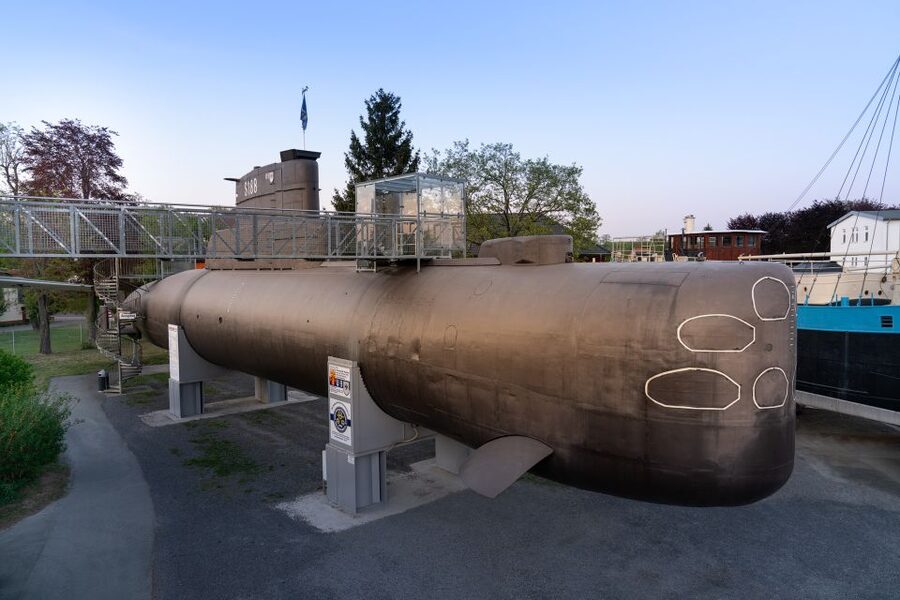
The submarine is one of the most memorable parts of the museum. Once inside, you get a direct sense of the narrow corridors and compact working areas needed aboard a military vessel. This is not just a large object sitting outdoors. You enter its interior and see how little spare room the crew had.
The submarine also gives useful context to the museum’s naval exhibits. Nearby displays explain the equipment and systems needed for underwater travel and show what a sea cruiser requires to operate. Even if you are not interested in military history, the physical experience makes the subject easy to grasp.
I would allow extra time here because the submarine is the kind of exhibit that rewards slow looking. Notice the confined layout, the machinery, and the practical arrangement of the interior. The space can feel tight, so visitors who dislike enclosed areas may want to keep their visit brief.
For families, this is often one of the strongest stops because it feels like an adventure. It is also one of the exhibits that makes the $35 admission easier to understand. You are gaining access to spaces that a standard vehicle museum could never provide.
Buran and the space section
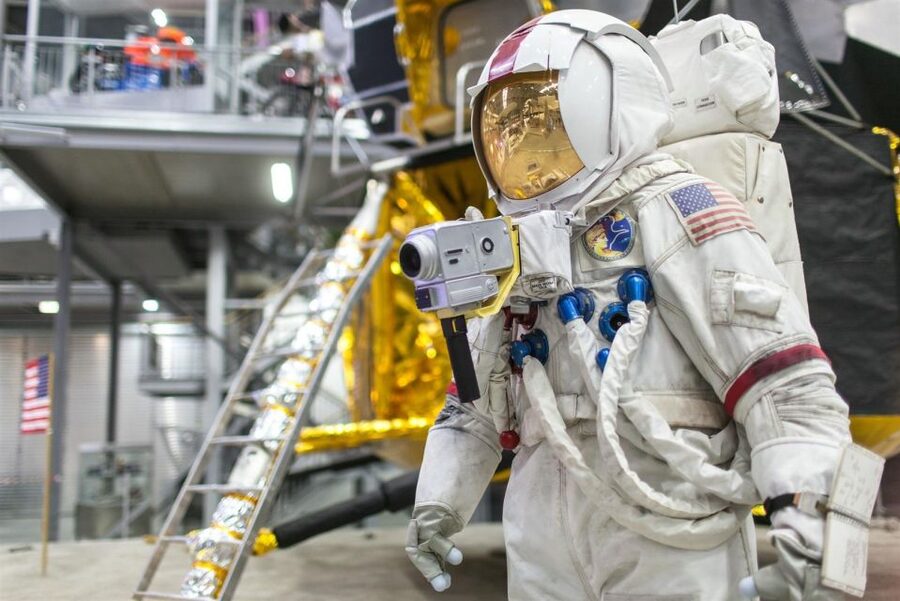
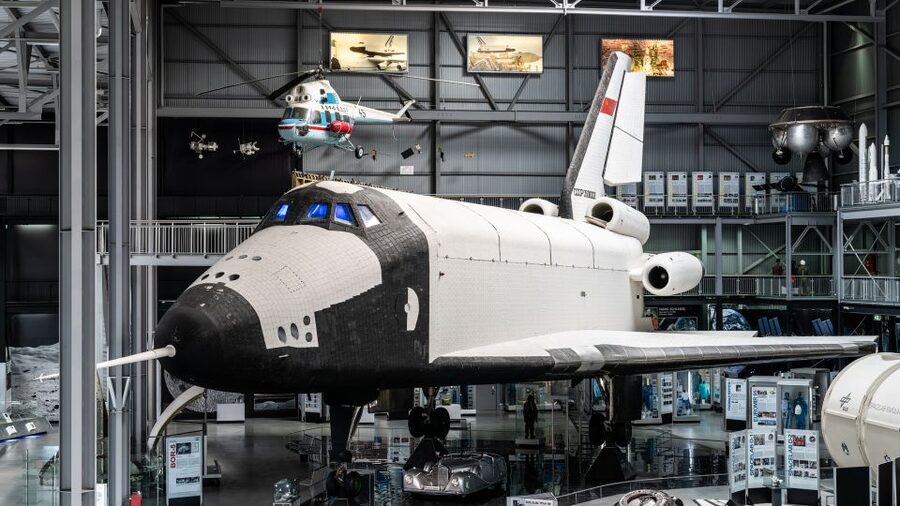
The Space Shuttle prototype Buran gives the museum another major visual anchor. Its presence changes the scale of the visit again, taking you from underwater technology to one of the boldest chapters in space travel.
The museum presents Buran as part of one of Europe’s largest aerospace and naval collections. You can trace the development of technology from aircraft and engines to space vehicles, while also seeing the physical size of the hardware involved.
I like this section because it connects engineering with human ambition. A space shuttle is not only a machine. It represents years of testing, huge technical risks, and an effort to move people and equipment beyond Earth. The museum’s format makes that story tangible.
The space exhibits also show why the collection can feel slightly chaotic. Motorcycles may be located near space displays rather than in a carefully separated vehicle hall. If you want a strict timeline or a clear division between subjects, you may need to make your own connections.
That loose layout does not ruin the visit, but it does affect how you read the museum. I would focus less on finding the perfect route and more on noticing the odd combinations. A motorcycle beside a spacecraft may seem misplaced, yet it also keeps the next discovery unpredictable.
A few more things to do in Germany worth a look
- Dresden: Semperoper Tickets and Guided Tour
★ 4.7 · 12,102 reviews - Berlin: Berlin Story Bunker Entry Ticket
★ 4.6 · 6,759 reviews - Hamburg: Hamburg Dungeon Admission Ticket
★ 4.7 · 5,745 reviews - Munich Hop-On Hop-Off Tour: 1-Day or 2-Day Ticket
★ 4.3 · 4,161 reviews
Locomotives, cars, motorcycles, and fire engines
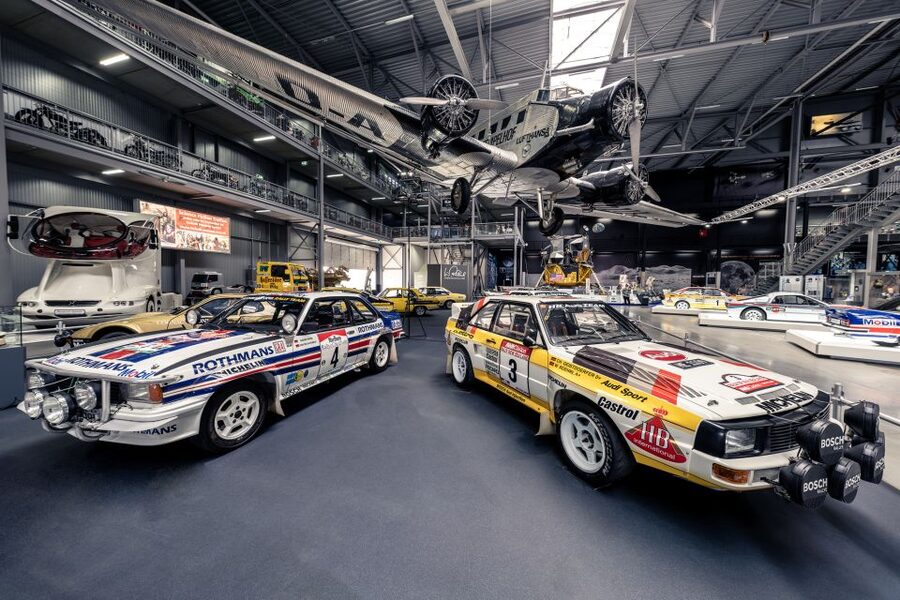
The road and rail collections give the museum plenty of familiar subjects, but the size and range keep them from feeling ordinary. You can see classic cars, racing motorcycles, historic fire engines, steam locomotives, and other vehicles from different periods.
A Chinese steam locomotive is one of the collection’s more unusual stories. Its presence in Speyer invites the obvious question: how did a locomotive from China end up here? That kind of detail is valuable because it turns a large object into a travel story, not just a technical specimen.
The motorcycles and cars may appeal most to visitors who enjoy design and mechanical detail. You might find vintage fashions and mechanical instruments nearby, adding social context to the machines. Clothing, instruments, and vehicles show how technology affects daily life, not only factories or military programs.
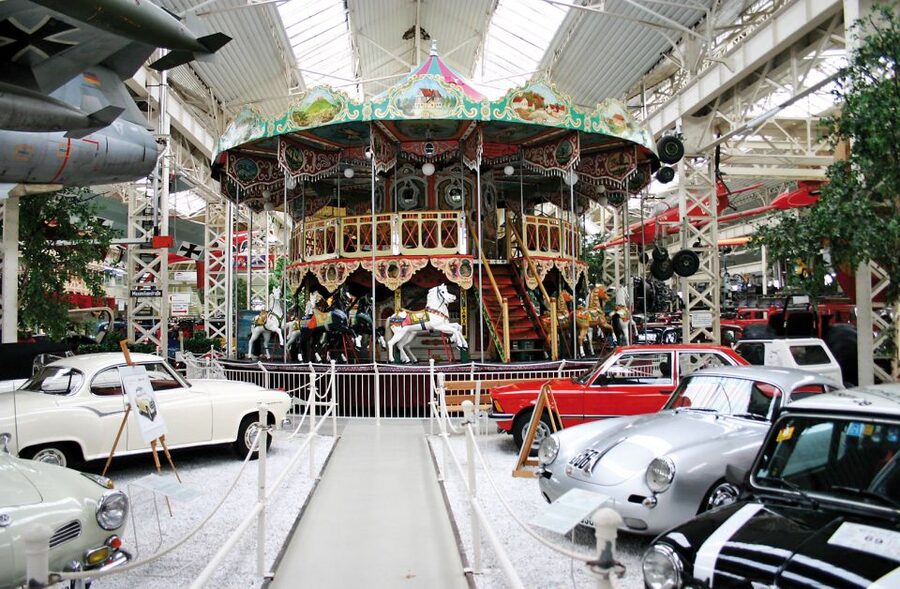
The arrangement can be playful rather than academic. A children’s carousel may appear in the automobile area, and motorcycles may sit closer to the space section. I would treat this as a family museum with serious exhibits, not as a specialist archive arranged for experts.
The annual Brazzeltag event in May adds another layer for people who love engines. Vehicles with very large cylinder capacity, high horsepower, and unusual designs are brought to life for the event. If you plan a May visit, check whether Brazzeltag matches your dates. It is a special occasion, not part of the standard daily ticket experience.
The IMAX Dome is part of the value
Your admission includes one documentary at the museum’s IMAX Dome cinema. The theater uses a 1,000-square-meter dome projection area, a 22,000-watt, six-channel sound system, and a large-format image designed to surround you.
I would not leave the film as an afterthought. Check the day’s documentary schedule when you arrive, then fit the museum around it. Only a few screenings run each day, and the subjects vary. If you wait until the end, the remaining film may not interest you, or you may find that the timing no longer works.
This scheduling point is one of the most practical details of the entire visit. A five-hour museum day can pass quickly, especially if you stop for food or spend time inside the larger exhibits. Set your film plan early.
The IMAX Dome can work as a change of pace after the outdoor grounds and vehicle halls. It gives you a seated break while keeping the focus on science, technology, or the natural world, depending on the documentary offered that day.
The intense sound and image may be too much for very young children. The cinema is recommended for children aged four and over because of the strong audiovisual effects. That does not mean every older child will enjoy every film, so the title still matters.
How long you should allow
The ticket is valid for one day, and I would plan on at least half a day. Five hours is a realistic target if you want to explore the main halls, enter the submarine and Boeing 747, visit the outdoor displays, eat, and watch the IMAX film.
You could move faster, but that would reduce the value of the ticket. A quick look at the biggest aircraft and vehicles will not give you much time for the smaller objects, stories, and mechanical details that fill out the collection.
Families should allow extra time because the museum has enough variety to keep changing direction. One child may prefer aircraft while another stops at cars or locomotives. A short visit can work, but the full-day format makes more sense for the price.
At $35 per person, this is not a cheap museum admission. The value depends on how much of the day you use. If you stay for several hours and watch the IMAX documentary, the ticket covers a large collection plus a separate cinema experience. If you mainly want one aircraft or one film, the cost may feel less convincing.
Food and restrooms are available at the museum, and the facilities are described as clean. The on-site dining option is useful because you do not need to leave during a long visit. That matters when you are traveling with children or planning to spend the whole day at the site.
Who will enjoy it most

I would recommend Technik Museum Speyer to people who like machines in physical form. Aircraft fans, train enthusiasts, car and motorcycle collectors, space followers, and families with children who enjoy exploring can all find a good reason to visit.
It also suits mixed-interest groups. One person can spend time with naval technology, another with vintage cars, and another with space hardware. The wide subject range is helpful when your group cannot agree on one museum theme.
Children are less predictable here. Some may spend five hours happily moving from aircraft to vehicles and back again. Others may find the collection slow, especially if they prefer interactive games or a tightly organized story. A 10-year-old who is not interested in older machines may get bored.
I would be cautious about choosing this as a rainy-day family fallback unless your children already like transport and technology. The museum has plenty to see, but it is not designed around nonstop rides or games. The carousel adds a light moment, yet most of the appeal comes from real machines and their scale.
Accessibility and practical limits
Most of the museum is barrier-free. That includes the parking area, restaurant, lobby, ticket counter, outdoor grounds, and ground floor. The museum is therefore workable for many visitors with mobility needs.
You should plan around the exceptions. Upper floors and some exhibits, including aircraft displayed on the roof, are not accessible to people with mobility impairments or visitors using buggies. If a particular aircraft is your main goal, confirm its location and access before committing to the visit.
Pets are not allowed. Transportation is not included with this ticket, and there is no guide included, so you explore independently and exchange your voucher at the Technik Museum Speyer ticket counter.
The booking terms are flexible: you can cancel up to 24 hours before the visit for a full refund, and the reserve-now, pay-later option can help if your schedule is still moving. Check the available date and starting time when booking, since the ticket is valid for one day.
Should you book the Speyer museum ticket?
Book it if you want a long, varied day built around real machines. The submarine, Boeing 747, Buran, locomotives, and IMAX Dome make this more than a standard vehicle display, and the experience works especially well for families with mixed interests.
Think twice if you want a calm, carefully ordered museum with a single clear story. The collection can feel scattered, and the price is hard to justify for a short visit. I would also check the IMAX schedule before booking, since the included film adds real value only if one of the available subjects suits you.
My practical plan would be simple: arrive with several hours free, check the documentary time first, visit the submarine and Boeing 747 early, then work through the aerospace, road, rail, and outdoor collections at your own pace. That approach gives you the best chance of turning a $35 ticket into a full day rather than an expensive quick stop.
FAQ
Where is Technik Museum Speyer?
Technik Museum Speyer is in Speyer, in Rhineland-Palatinate, Germany.
What does the ticket include?
The ticket includes admission to Technik Museum Speyer and entrance to one documentary at the IMAX Dome cinema.
How long is the ticket valid?
The ticket is valid for one day.
Is transportation included?
No. Transportation is not included in the ticket.
Is a guide included?
No. The experience is self-guided, with no guide included.
Can I enter a real submarine?
Yes. The museum ticket includes access to a Bundeswehr submarine.
Can I go inside a Boeing 747?
Yes. The museum has a fully accessible Boeing 747 that you can enter.
Is the museum wheelchair accessible?
Most areas are barrier-free, including the parking area, restaurant, lobby, ticket office, outdoor grounds, and ground floor. Upper floors and some exhibits, including aircraft on the museum roof, are not accessible to people with mobility impairments or buggies.
Are pets allowed?
No. Pets are not allowed.
Is the IMAX Dome suitable for young children?
The museum recommends the IMAX 3D cinema for children aged four and over because of the intense audiovisual effects. Check the documentary schedule when you arrive, since only a few screenings take place each day.
Just added in Germany
- Berchtesgaden: Via Ferrata Beginner Tour of Schützensteig★ 4.7 · 15 reviews
- Berlin: Energizing 2-Hour Morning Segway Tour★ 4.7 · 35 reviews
- Berlin: Thrilling E-Scooter Adventure Tour★ 4.4 · 66 reviews
- Bayreuth: German City Walking Tour (Tourist Info)★ 4.7 · 202 reviews
- Beelitz-Heilstätten: Baum&Zeit Tree Top Walk Entry Ticket★ 4.9 · 7 reviews
- Beer Bike & Party Bike: Unforgettable Berlin City Tour incl. pickup★ 5.0 · 5 reviews
- Bavaria: Beginner Canyoning Tour★ 4.5 · 10 reviews
- Bayreuth: Christmas city tour in German★ 4.9 · 12 reviews
Museums, compared.






Skip-the-Line: Berlin Wall Museum at Checkpoint Charlie
Read our review →
Browse the lists this tour appears in