Reviewed · TOURS IN BERLIN
Guided Insider Tour Government and Parliament District
Berlin’s government district is easy to admire and hard to understand from the outside. This small-group walk gives you the unusual perspective of an insider who worked for the company that built the new Chancellery, Parliament offices, committee buildings, and the renewed Reichstag. You’ll hear how politics, architecture, art, and construction decisions met in one of Berlin’s most important building projects.
I like the six-person limit, which should make it easier to ask questions, and I like the guide’s rare professional background as an architect and political scientist. The strongest praise focuses on clear explanations of politics, architecture, and art. The main drawback is simple: you do not go inside the buildings, except that the Reichstag roof terrace can be visited separately with advance booking.
Key points to know before booking
- A builder’s inside perspective: The guide worked for the Federal Construction Company Berlin and handled the offices of its CEO and CFO.
- A compact government-district walk: The 1.5-hour route links the Gustav-Heinemann-Brücke, Chancellery, Paul-Löbe-House, Reichstag, and Brandenburg Gate.
- Politics, art, and architecture together: The tour explains design competitions, urban planning, construction choices, and art projects.
- Very small groups: A maximum of six participants creates a more personal format than a standard city walk.
- Outdoor sightseeing only: You should book this for stories and context, not for access to government interiors.
- Useful practical setup: The tour is offered in English, German, or French, and comfortable shoes are a good idea.
Why this Berlin government tour is different
Most visitors see the Federal Chancellery and Reichstag as striking pieces of modern architecture. You can take photographs, read a plaque, and move on. That gives you the outline, but not the decisions behind the buildings.
This walk adds the back story. The guide worked for seven years on a construction program worth about 1.8 billion euros. That program included the new Federal Chancellery, new office and committee buildings for the German Parliament, and the renovation of the Reichstag.
The guide also ran the offices of the company’s chief executive and chief financial officer. In practical terms, major strategic decisions crossed the guide’s desk. That background matters because the tour is not based only on general architectural knowledge. You get an explanation of how a large public building program was organized and why certain choices became part of Berlin’s post-reunification identity.
The guide was also responsible for art projects in the buildings. I like that this gives the walk a broader focus. You are not simply looking at concrete, glass, and stone. You are considering how a democratic government presents itself through public art and architecture.
A few more things to do in Berlin worth a look
- Berlin: Reichstag, Dome and Government District Guided Tour
★ 4.7 · 18,288 reviews - Berlin: Government District around the Reichstag Guided Tour
★ 4.7 · 8,447 reviews - Berlin: Hidden Backyards Guided Walking Tour
★ 4.8 · 5,360 reviews
Starting at the Gustav-Heinemann-Brücke
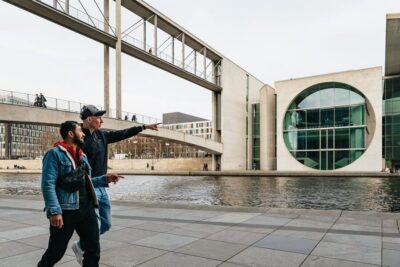
The tour begins on the Gustav-Heinemann-Brücke, a bridge over the Spree. Look for the guide wearing a white bicycle helmet. That detail should make the meeting point easier to spot, especially in a busy central Berlin area.
Starting on the bridge is useful because it gives you an immediate view toward the government quarter. The river, bridges, open spaces, and large public buildings help explain how this part of Berlin was planned after reunification.
Bring comfortable shoes and clothing suitable for walking outdoors. The tour lasts about 90 minutes, so it is not a strenuous full-day outing, but you will be on your feet and moving between several major sites.
The group limit is six people. That is one of the best features for anyone who enjoys asking questions about design details or political symbolism. In a larger group, the guide would have less time to explain why a particular building looks the way it does. Here, the format should feel closer to a guided conversation.
The Federal Chancellery and the question of power
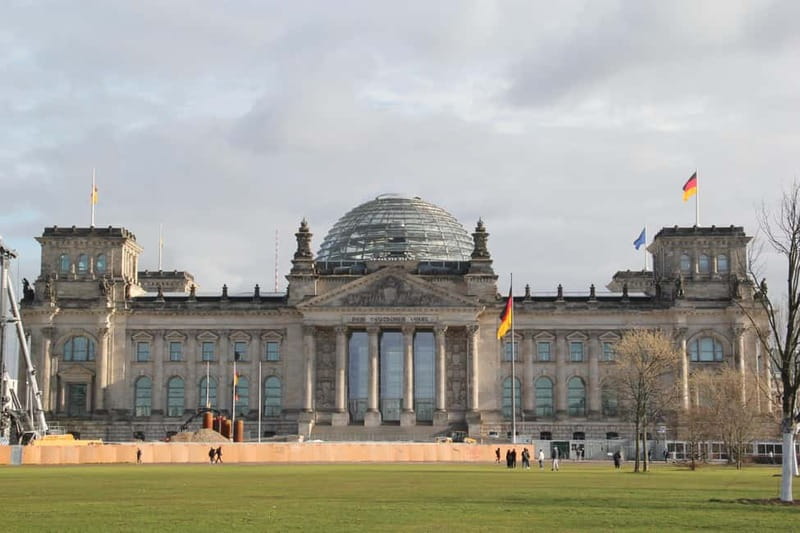
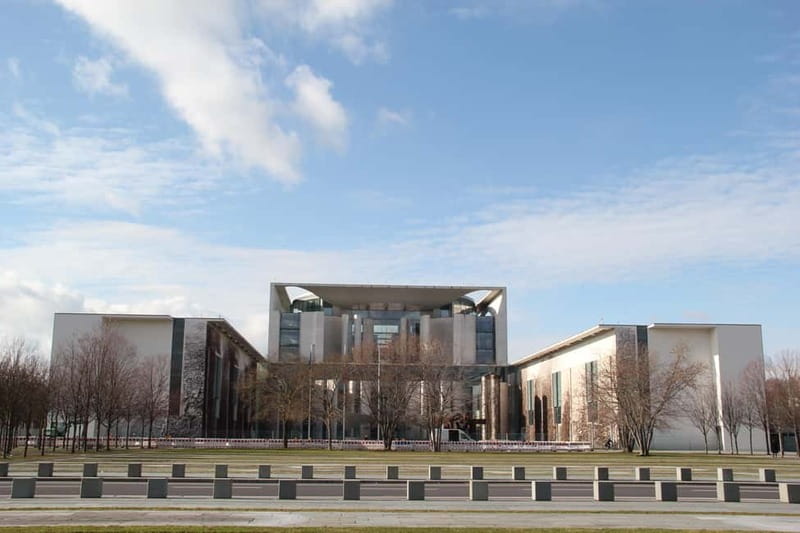
The Federal Chancellery is one of the tour’s main stops. From outside, it is a bold modern government building, and its scale makes a strong impression. The guide’s role is to place it within the wider plan for Berlin’s federal government district.
You will hear about the urban planning behind the area and the decisions that shaped the new government center. This is particularly helpful if you are curious about how a reunited Germany presented its federal institutions in a capital that had been divided for decades.
The important point is that the Chancellery was not planned as an isolated office building. It forms part of a larger group of government and parliamentary structures along the Spree. The walk gives you a way to read those buildings as a connected project rather than a collection of unrelated sights.
Do not expect to enter the Chancellery. This is an outdoor explanation of the building, its setting, and its construction story. If you want interior access, this is not the right tour.
Paul-Löbe-House and the working Parliament
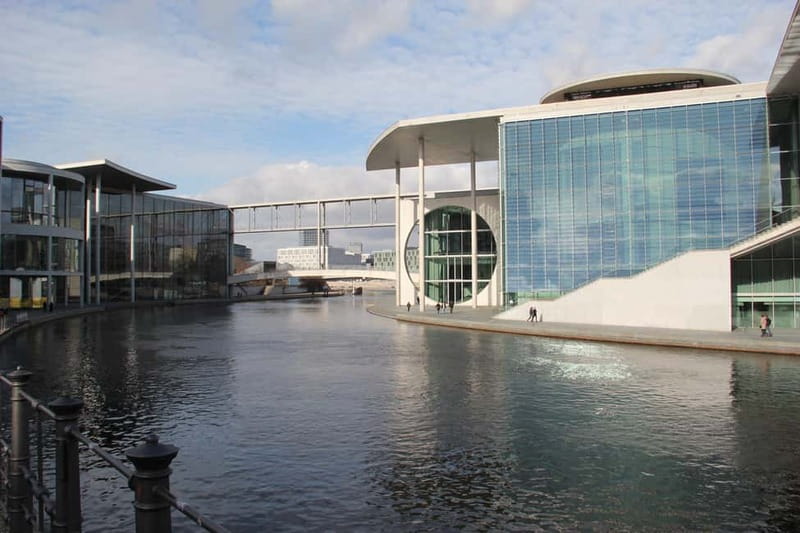
The route continues to the Paul-Löbe-House, one of the Parliament buildings in the district. The building is associated with the practical work of the Bundestag, including offices and committee functions.
This stop should appeal to you if you want to understand how a parliament operates in physical terms. The Reichstag is the famous symbol, but parliamentary work also depends on offices, meeting rooms, corridors, committees, and administrative spaces. The Paul-Löbe-House helps make that less visible side of government easier to picture.
The guide can connect the building to the wider construction program and explain how the architectural competitions and planning process shaped the result. You will also hear about the political dimensions of the buildings, not just their appearance.
Again, you will view the building from outside. That limitation is worth keeping in mind. The value here comes from interpretation, not access. If you already know a great deal about German parliamentary architecture, you may want more time inside the buildings. For most visitors, though, the context can make the exterior far more meaningful.
Same base, a different kind of day out:
- Berlin: 1-Hour City Tour by Boat with Guaranteed Seating
★ 4.3 · 16,993 reviews - Berlin: Boat Tour Along the River Spree
★ 4.4 · 11,252 reviews - Discover Berlin Half-Day Walking Tour
★ 5.0 · 9,624 reviews - Berlin: Hop-on Hop-off Bus Tour with Live Commentary
★ 4.3 · 8,579 reviews
The Reichstag, from symbol to working building
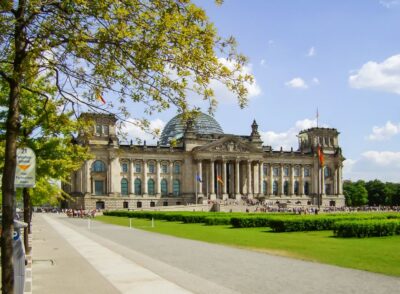
The Reichstag is the best-known stop. Its historic shell and modern renovation make it a natural focus for a tour about Berlin’s government architecture.
The guide’s connection to the Reichstag renovation gives this part of the walk unusual weight. You can ask about the construction process, the choices made during renewal, and the way the building’s past was balanced with its role as a modern parliament.
You should not confuse this guided walk with a visit to the Reichstag’s roof terrace. The tour does not include building interiors. The roof terrace is accessible separately, it is free, and it comes with an audio guide. You need to reserve a time slot online or at the counter in front of the west façade several days in advance.
That separate visit can pair well with this tour. The guided walk explains the decisions and stories from outside, while the roof terrace lets you see part of the building for yourself. The two experiences serve different purposes, so you should plan them separately rather than expecting the walk to provide entry.
Architecture, art, and politics in one conversation
The most useful part of this experience may be its mix of subjects. A standard architecture walk might focus on materials, shape, and famous designers. A political tour might focus on institutions and historical events. This one connects both with public art.
Because the guide was responsible for art projects in the buildings, you can expect attention to the artistic choices made for government spaces. The point is not simply to identify an artwork. It is to consider why art belongs in a public institution and what a government wants its buildings to communicate.
The tour also covers architectural competitions. Those competitions can have a major effect on public buildings, since they bring different ideas into the process before a final design is selected. Hearing about that process helps you understand that the buildings were not inevitable. They came from choices, arguments, compromises, and practical construction demands.
The political side matters too. These buildings represent the Federal Republic, but they also occupy a part of Berlin shaped by division, reunification, and the return of federal government functions. You do not need a degree in German politics to follow the tour. The guide is also a political scientist, and the format is designed to give you an overview rather than bury you in technical terms.
Finishing near the Brandenburg Gate
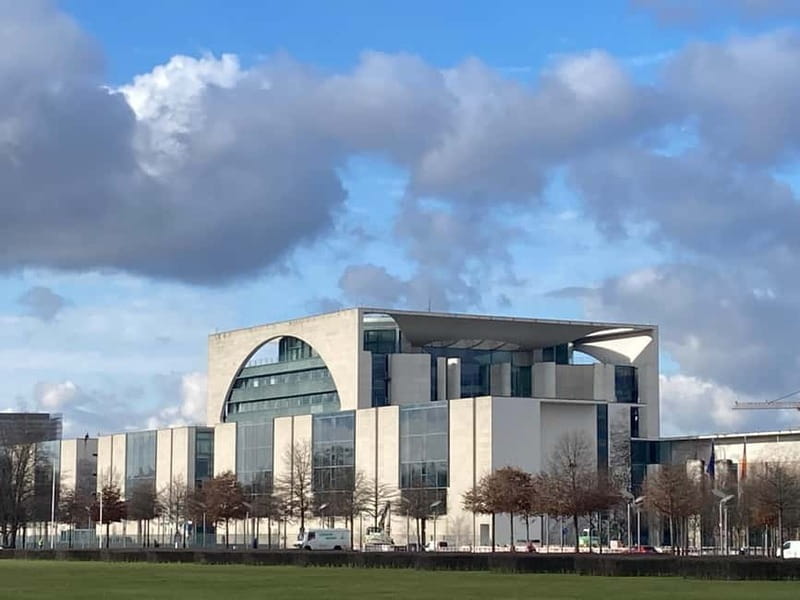
The stated route continues toward the Brandenburg Gate. That gives the walk a natural visual link between the modern government district and one of Berlin’s best-known historic symbols.
The Brandenburg Gate is not just a convenient photo stop. It helps you compare different eras of German public architecture. The government buildings along the Spree express a modern federal state, while the gate carries layers of Prussian, divided-city, and reunification history.
There is a small logistical point to clarify before you go. The route information names the Brandenburg Gate as the finish, while the meeting-point details also say the activity ends back at the meeting point. Confirm the exact ending point when you book, particularly if you have a timed museum entry, restaurant reservation, or transport connection afterward.
What the $44 price gets you
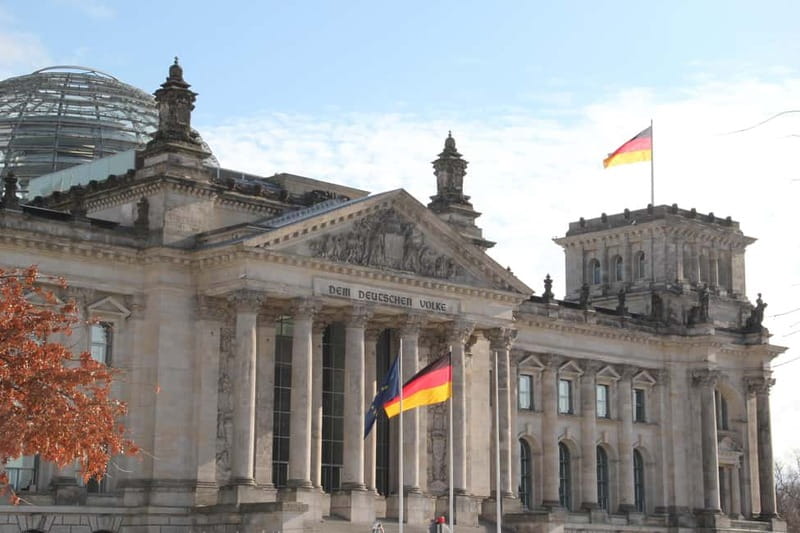
At $44 per person, this is not the cheapest way to see Berlin’s government district. You can walk around the area independently at no cost, and you can visit the Reichstag roof terrace for free if you reserve ahead.
The question is what you are paying for. The price buys a 90-minute explanation from someone who worked directly on the construction program. That is the part you cannot reproduce simply by strolling around with a guidebook.
The value is strongest if you care about architecture, public art, urban planning, or the way democratic institutions use buildings. It is also a sensible choice if you prefer a small group and want the freedom to ask specific questions.
The value is weaker if your main goal is interior access. You will not enter the Chancellery, Paul-Löbe-House, or Reichstag as part of this activity. You might prefer to spend the money on a museum or another tour if you want to see rooms and exhibitions rather than hear the stories behind the exteriors.
A 4.5 out of 5 rating from 22 ratings supports the idea that the guide’s explanations are the main strength. The strongest feedback praises the guide’s clear, informed approach and the way politics, architecture, and art are explained together.
Who should take this tour?
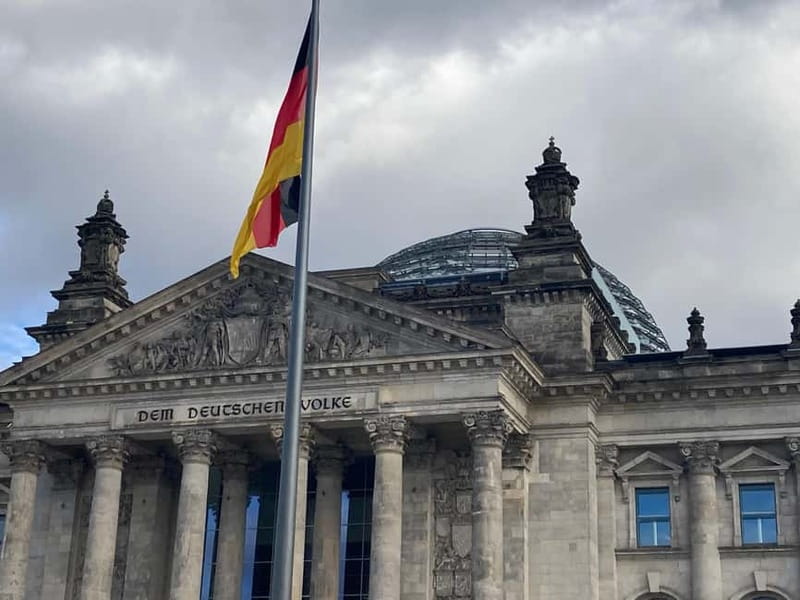
I would recommend it to you if you have already seen Berlin’s major sights and want a closer look at how the modern capital was built. It is especially suitable for architecture students, design-minded visitors, politically curious travelers, and anyone who wonders why the government quarter looks the way it does.
It also suits a first-time visitor who wants a short introduction before exploring the area independently. The tour gives you a framework for understanding the Chancellery, parliamentary buildings, and Reichstag instead of treating them as isolated landmarks.
The small group is a good match for people who dislike crowded walks. The live guide speaks English, German, or French, so choose the language in which you can comfortably discuss complicated political and architectural ideas.
I would think twice if you need a highly active tour with lots of interior visits. This is primarily an outdoor walking and storytelling experience. It is also not suitable for people over 95, according to the activity information.
Cancellation is flexible, with a full refund available when you cancel at least 24 hours ahead. You can also reserve now and pay later, which helps if your Berlin plans are still shifting.
Should you book the Government and Parliament District tour?
Book it if you want the story behind Berlin’s federal buildings, not just a quick photograph of them. The guide’s direct connection to the construction program, work with senior company leadership, and responsibility for art projects gives this walk a point of view you are unlikely to get from a general city tour.
Skip it if entering buildings is your top priority. For the best experience, pair the walk with a separately reserved Reichstag roof-terrace visit. That way, you get both the insider explanation and a chance to see part of the Reichstag from inside.
FAQ
How long does the tour last?
The tour lasts 1.5 hours.
Where does the tour begin?
The meeting point is on the Gustav-Heinemann-Brücke. The guide wears a white bicycle helmet.
Where does the tour finish?
The route information names the Brandenburg Gate as the finish. The meeting-point information also says the activity ends back at the meeting point, so confirm the exact ending location when booking.
Which buildings are included?
The route includes the Federal Chancellery, Paul-Löbe-House, Reichstag, and Brandenburg Gate, with the walk beginning at the Gustav-Heinemann-Brücke.
Can you enter the government buildings?
No. The tour does not include building interiors.
Can you visit the Reichstag roof terrace separately?
Yes. The roof terrace is free and includes an audio guide, but you must reserve a time slot online or at the counter in front of the west façade several days ahead.
What languages are available?
The live tour is available in English, German, and French.
How many people are in the group?
The tour is limited to six participants.
Is the tour wheelchair accessible?
Yes, the activity is listed as wheelchair accessible.
Just added in Berlin
- Private One way Airport Transfer Berlin Airport To Berlin★ 3.5 · 17 reviews
- Private Walking Tour: Berlin Wall, Cold War and Checkpoint Charlie★ 5.0 · 37 reviews
- Modern Berlin Private Walking Tour: Diverse, Vibrant and Exciting German Capital★ 5.0 · 13 reviews
- Private Day Trip to Potsdam from Berlin by Train★ 4.5 · 27 reviews
- City Explorer: Potsdam Private Day Trip★ 4.5 · 10 reviews
- Berlin Private Custom 5-Hour Tour by Car★ 5.0 · 30 reviews
- Private Half-Day Sightseeing Tour in Berlin★ 3.5 · 6 reviews
- Berlin Private Custom Tour in a Minivan, East and West★ 5.0 · 123 reviews
Tours in Berlin, compared.
Reichstag, Dome and Government District Guided Tour
Read our review →
1-Hour City Tour by Boat with Guaranteed Seating
Read our review →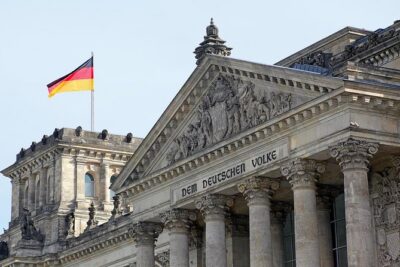
Reichstag, Plenary Chamber, Cupola & Government Tour
Read our review →