
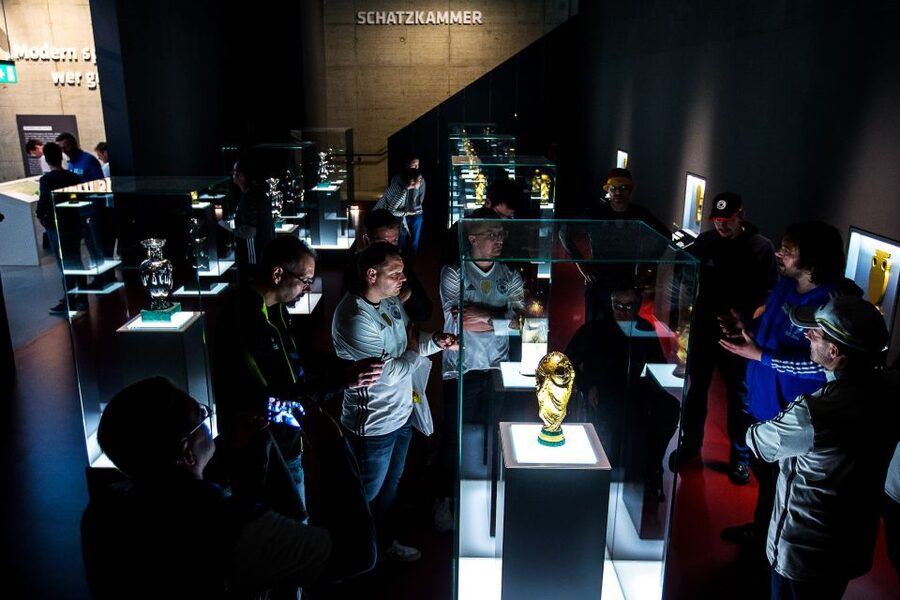
Reviewed · MUSEUMS
Dortmund: German Football Museum
Dortmund’s German Football Museum turns the national game into a hands-on story. You can relive the Miracle of Bern, meet the 2014 world champions in a 3D cinema, and step into a reporter’s booth to call the action yourself. It is part museum, part media studio, and part small football arena.
I like the 1,600 exhibits, which give the visit enough range to cover famous victories, players, referees, women’s football, men’s football, amateurs, and professionals. I also like the mix of looking and doing: the Sky Reporter Room and small playing field keep this from becoming a long march past glass cases. The main consideration is simple: if football does not interest you, the $23 admission may feel steep for a visit that can fill much of a day only if you take time with the displays.
Key points at a glance
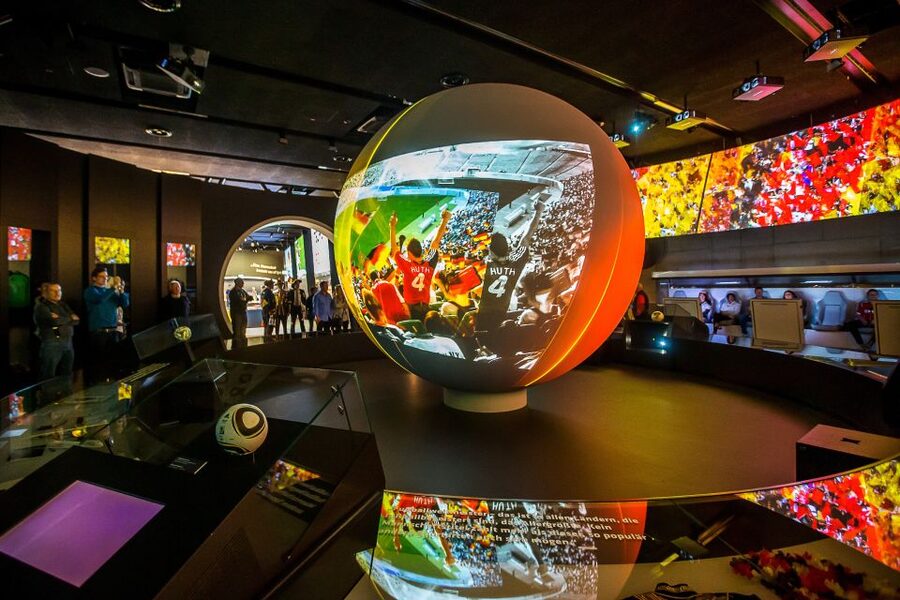
- The Miracle of Bern: Revisit the famous 1954 World Cup moment and its place in German football memory.
- Sky Reporter Room: Try calling a match yourself in the reporter’s cabin.
- 2014 champions in 3D: See Germany’s World Cup winners presented in a cinema setting.
- Hands-on football: Children can take to the small pitch in the multifunctional arena.
- Broad coverage: The displays bring together fans, referees, amateurs, professionals, women’s football, and men’s football.
- Easy one-day plan: Admission is valid for one day, with dining options available for a half-time break.
Entering Dortmund’s football story

The museum is at Platz der Deutschen Einheit 1, 44137 Dortmund. That address puts you in a city strongly associated with football, so the subject feels at home here rather than dropped into an unrelated sightseeing district.
Inside, the exhibition uses modern scenography to connect objects, images, sound, film, and interactive stations. You are not simply reading a timeline. You are moving through the different roles that make the sport work: player, referee, commentator, supporter, coach, and ordinary fan.
The collection contains around 1,600 exhibits. That number matters because it lets the museum tell more than a short story about World Cup trophies. You can expect a wider look at German football and the people around it, including both women’s and men’s football, and both amateur and professional play.
I would allow plenty of time rather than treating this as a quick stop between trains. The admission is valid for one day, and the museum is designed for a full visit. You can move at your own pace, stop at the interactive sections, and take a break when the exhibition begins to feel like a long match without half-time.
More Museums across Germany
- Berlin: Jewish Museum Berlin Entrance Ticket
★ 4.5 · 8,393 reviews - Berlin: DDR Museum Tickets
★ 4.3 · 3,443 reviews - Berlin: Natural History Museum Entrance Ticket
★ 4.6 · 3,382 reviews
Reliving the Miracle of Bern
The Miracle of Bern is one of the central historic moments presented here. Germany’s 1954 World Cup victory has a weight that goes beyond the final score, and the museum uses it as a way to take you back to an earlier era of national football.
You will find this section especially useful if you want context rather than just names and dates. The museum presents football as part of public memory, showing why major matches can remain important long after the final whistle.
This is also a good early anchor for the visit. Starting with a famous turning point gives you a frame for the later material. As you move forward, the story reaches other generations, teams, and forms of the sport.
The drawback is that a display centered on famous moments may work best for someone who already has some interest in German football. If you know little about the subject, you may need to spend more time with the explanatory material to understand why each moment matters. That is not a flaw, but it does make this more rewarding for curious football fans than for someone looking for a quick general museum visit.
Meeting the 2014 world champions in 3D
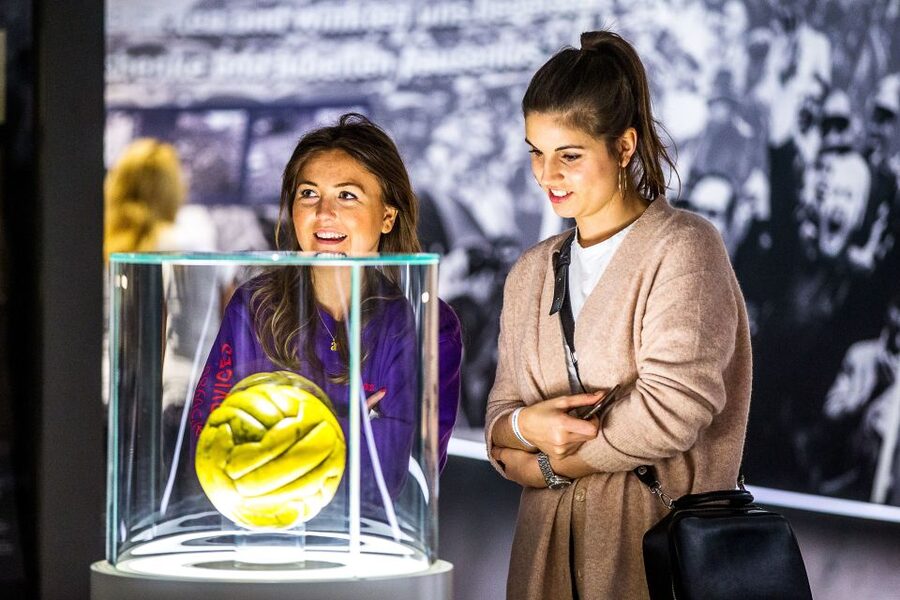
The 2014 German world champions appear in a 3D cinema, giving the museum a modern way to present a recent team. This part should appeal to fans who remember that tournament and want something more visual than a standard display of shirts or photographs.
A cinema presentation also changes the pace. After walking through exhibits and absorbing facts, you get a more focused, screen-based experience. It gives the team a larger presence and helps connect individual players with the shared achievement of winning the World Cup.
You should not mistake this for a live match or a long film program. The supplied information describes a 3D cinema encounter with the 2014 champions, so treat it as one feature within the wider museum rather than the whole reason to buy a ticket.
I like the balance here. The Miracle of Bern represents an earlier generation, while the 2014 section brings the story closer to the present. Together, they show how the sport changes while certain emotions remain familiar: pressure, pride, surprise, and the joy of a winning team.
Taking the microphone in the Sky Reporter Room
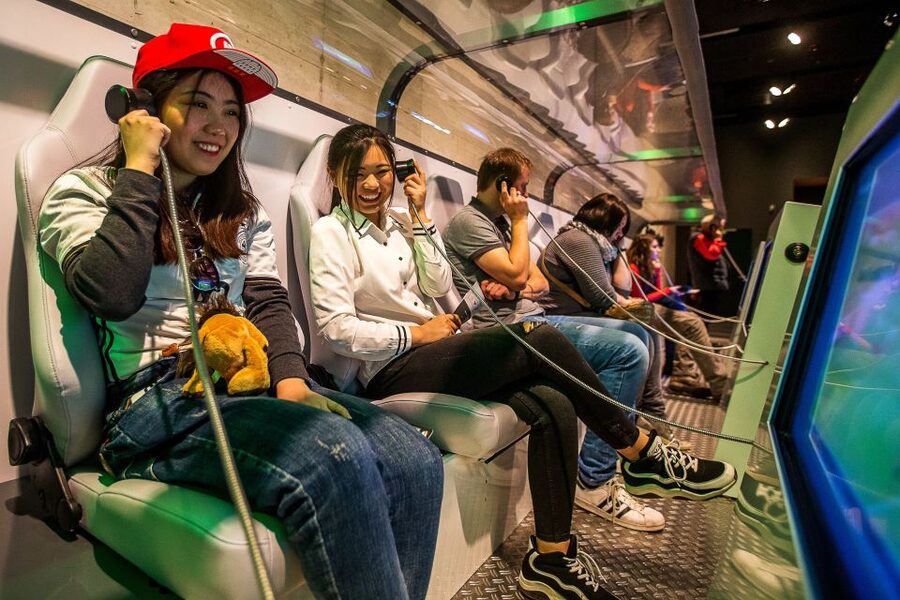
The Sky Reporter Room is one of the museum’s most personal activities. Instead of only watching a professional commentator, you become the voice describing the match. You can test your timing, energy, and ability to make a moment sound important.
This is a small feature, but it has real value. Football on television depends heavily on narration. A player may make a clever pass, but the commentator tells you how to notice it and why it matters. The reporter’s cabin lets you try that job for yourself.
I would make this a priority if you are visiting with children or teenagers. It gives them a clear task and a memory to take home, rather than asking them to stand quietly while adults examine exhibits.
It may also be popular, so you might need patience if someone ahead of you takes time with the station. The available information does not give a waiting time or explain how recordings are handled, so plan on this being an interactive stop rather than a timed appointment.
Same base, a different kind of day out:
- Berlin: Reichstag, Dome and Government District Guided Tour
★ 4.7 · 18,288 reviews - Berlin: 1-Hour City Tour by Boat with Guaranteed Seating
★ 4.3 · 16,993 reviews - Hamburg: Sex and Crime in St. Pauli Tour for Ages 18+
★ 4.7 · 15,447 reviews - Hamburg: 1.5-Hour Harbor and Speicherstadt Day Cruise
★ 4.6 · 14,200 reviews
Testing your football skills on the small pitch
The multifunctional arena includes a small playing field where children can try their ball skills. This is the museum’s most active area and a useful release after the quieter exhibition sections.
The wording points mainly to children, so families should set expectations accordingly. It is not described as a full-size pitch or a formal coaching session. Think of it as a chance for the younger members of your group to kick a ball and see how they handle the pressure of a football setting.
That family focus is one of the museum’s strengths. A football museum can easily become an adult history lesson, but the small arena gives children something immediate to do. You can look at the displays while they burn off some energy, then meet again for the next section.
If you are visiting alone or with adults only, this area may hold less interest than the historical displays or reporter’s booth. The museum works best when your group has a mix of interests and you use the different zones according to age and enthusiasm.
How the exhibition brings the sport together
The museum’s concept reaches beyond star players. It brings together fans and referees, amateurs and professionals, and women’s and men’s football. That broad view is important because football is not only what happens on the pitch during a final.
A referee sees the game differently from a supporter. An amateur player experiences it differently from a professional. A women’s match has its own stories and milestones, even when public attention has often focused elsewhere. By placing these parts of the sport in one exhibition, the museum gives you a fuller sense of how football operates as a shared culture.
This approach should also help mixed groups. One person can focus on famous teams and trophies, while another looks at the role of supporters, officials, or everyday players. You do not need to care equally about every section to find a worthwhile route through the building.
The modern staging helps keep these themes connected. Expect a combination of exhibits and interactive features rather than a strictly chronological museum. That can make the visit more lively, though visitors who prefer a simple, clearly dated timeline may need to pay attention to how each section fits into the larger story.
Is $23 good value for a full day?
Admission costs $23 per person. That is fair value if you plan to spend several hours with the exhibits, try the interactive stations, and take time with the films and football displays. It is less attractive if you only want a quick look at a few famous objects.
The strongest value comes from the range of the visit. You are paying for access to around 1,600 exhibits, the 3D cinema, the Sky Reporter Room, and the small playing field. The museum offers more than a display case experience, which makes the ticket easier to justify for families and committed football fans.
Food and drinks are not included, but you will find a variety of dining options for your half-time break. That is useful because a full museum visit can stretch across a meal. You can plan a pause without leaving the experience entirely, though the supplied details do not identify the specific food outlets or prices.
There is no guide included. I would see that as a benefit if you prefer to set your own pace, but a drawback if you want a person to explain every exhibit. The museum’s interactive design gives you plenty to do independently, yet you should not book this expecting a guided tour with commentary from a named expert.
Planning your day at Platz der Deutschen Einheit 1
The activity is valid for one day, and you can check availability for starting times. The booking includes skip-the-ticket-line access, which can save time when you arrive, though it does not mean every interactive station will be free at once.
You can cancel up to 24 hours in advance for a full refund. A reserve-now, pay-later option is also available, so you can hold a place without paying on the day you book. Those terms are helpful if your Dortmund schedule may change.
Keep your plan flexible around the museum rather than squeezing it into a narrow gap. The displays cover a large subject, and the best parts invite you to stop, watch, listen, and take part. If you rush in and out, you may see the building but miss what makes it different from a conventional football archive.
Because food and drinks are not part of admission, decide in advance when you want your half-time break. The museum specifically provides dining options, so you can treat the pause as part of the day rather than an emergency search for lunch.
Who will enjoy it most?
I would recommend this experience first to football fans, families with children, and anyone interested in how sport becomes part of national identity. The combination of major World Cup moments and hands-on activities gives different age groups a reason to pay attention.
It is also a good choice for a mixed group. One person can focus on German football history, another can try the reporter’s booth, and children can use the small pitch. That variety reduces the usual museum problem where one enthusiastic person leads and everyone else follows politely.
You may want to skip it if you have only a few hours in Dortmund and no particular interest in football. The $23 price makes sense when you use the interactive features and spend real time with the collection. It is not the best choice as a quick rainy-day filler unless your group is happy to explore the subject at its own pace.
The high 4.6 rating from 484 bookings fits the experience’s strongest qualities: it is informative, well suited to football fans, and staff are described as friendly and helpful. One recent German-language response called it interesting and informative and specifically recommended it for people interested in football. Another response in Chinese described learning about German football history as worthwhile. Those points match the museum’s design: it gives you both information and things to do.
Should you book the German Football Museum?
Book it if you want more than trophies behind glass. The Miracle of Bern, the 2014 champions in 3D, the Sky Reporter Room, and the children’s pitch create a varied visit with genuine appeal for families and serious fans alike.
Think twice if your Dortmund schedule is tight or your interest in football is low. At $23, the museum rewards time. For the right visitor, it is a strong one-day indoor activity that turns German football from a list of winners into a story you can watch, hear, and partly play yourself.
FAQ
Where is the German Football Museum located?
The museum is at Platz der Deutschen Einheit 1, 44137 Dortmund, Germany.
How much does admission cost?
Admission costs $23 per person.
How long is the ticket valid?
Your admission is valid for one day.
What is included in the ticket?
The ticket includes access to the German Football Museum.
Is food included?
No. Food and drinks are not included, but dining options are available for your half-time break.
Is a guide included?
No. A guide is not included with admission.
Can I skip the ticket line?
Yes. The activity includes skip-the-ticket-line access.
Can I cancel for a refund?
Yes. You can cancel up to 24 hours in advance for a full refund.
Do I have to pay when I book?
No. A reserve-now, pay-later option lets you book without paying immediately.
What interactive activities are available?
You can call the action in the Sky Reporter Room, watch the 2014 world champions in a 3D cinema, and use the small playing field in the multifunctional arena.
Just added in Germany
- Berlin: Thrilling E-Scooter Adventure Tour★ 4.4 · 66 reviews
- Berchtesgaden: Via Ferrata Beginner Tour of Schützensteig★ 4.7 · 15 reviews
- Berlin: Energizing 2-Hour Morning Segway Tour★ 4.7 · 35 reviews
- Bayreuth: German City Walking Tour (Tourist Info)★ 4.7 · 202 reviews
- Beelitz-Heilstätten: Baum&Zeit Tree Top Walk Entry Ticket★ 4.9 · 7 reviews
- Beer Bike & Party Bike: Unforgettable Berlin City Tour incl. pickup★ 5.0 · 5 reviews
- Bavaria: Beginner Canyoning Tour★ 4.5 · 10 reviews
- Bayreuth: Christmas city tour in German★ 4.9 · 12 reviews
Museums, compared.
Skip-the-Line: Berlin Wall Museum at Checkpoint Charlie
Read our review →
Browse the lists this tour appears in