
Reviewed · MUSEUMS
Cologne: Ticket for the German Sport & Olympia Museum
The German Sport & Olympia Museum turns sports history into something you can touch, test, and play. Inside a former customs hall from 1896, you move from ancient Greek athletics to modern competition, then try hands-on stations such as the original ZDF goal wall and a bicycle wind tunnel. I especially like the mix of 2,000 sports objects with active displays, and the free balls and equipment that let children burn off energy instead of simply looking at cases. The main drawback is that some play areas can get crowded, especially when several families want the same basketball or football space.
I also like the museum’s Rhine-side setting and its rooftop play areas, where you can take in the city while the children keep moving. A full-day ticket gives you time to see the exhibits at your own pace, though this is a self-guided visit, not a guided tour with a host explaining each section.
Key points to know before you go
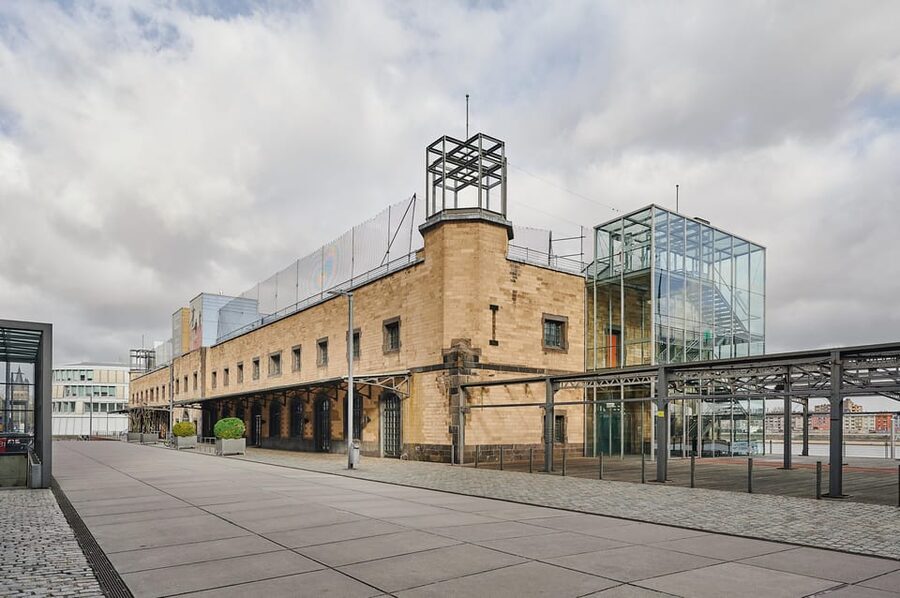
- A 1896 customs hall beside the Rhine: The setting gives the museum a memorable industrial character and makes it easy to pair with time along the river.
- Sports history from ancient Greece to today: About 2,000 objects and installations cover victories, defeats, politics, social issues, and the everyday side of sport.
- Hands-on activities for children and adults: Try the original ZDF goal wall, ride in a bicycle wind tunnel, and borrow sports equipment for play areas.
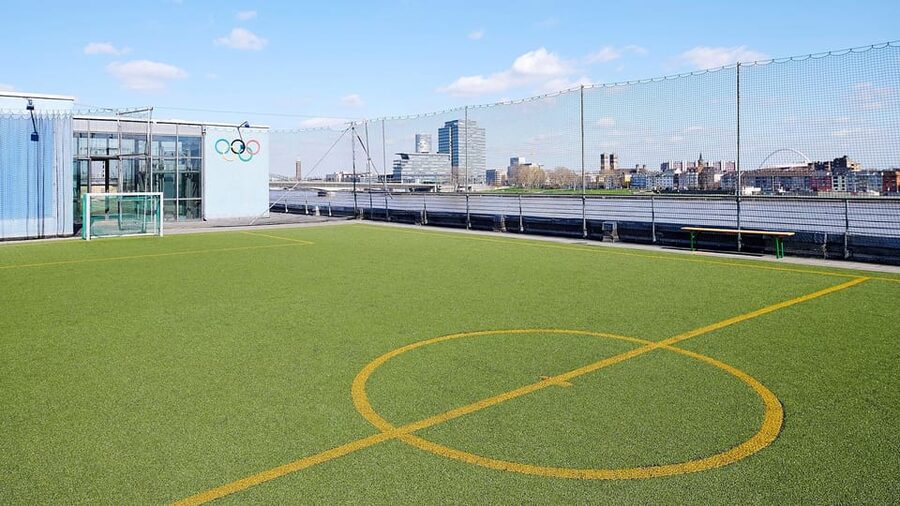
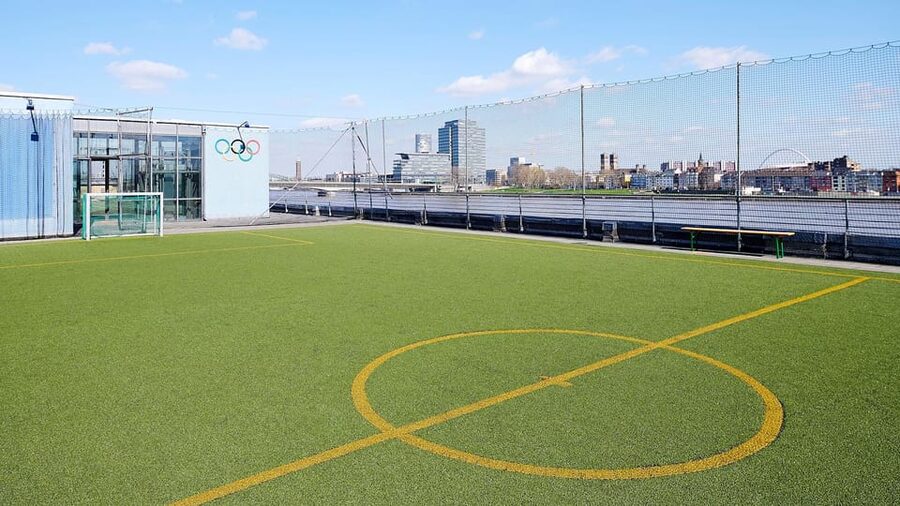
- Two rooftop play areas: You can let children run and play above the museum while enjoying wide views from the building.
- Good value for active families: The ticket costs about $12 per person, and sports equipment such as footballs and basketballs is included.
- Plan for an independent visit: German and English are available, but a guided tour is not included.
A sports museum with room to move
Many sports museums ask you to look quietly at old jerseys, trophies, and photographs. This one gives you reasons to move. The collection tells the story of sport, but activity stations keep the visit from becoming a long march past glass cases.
You can expect a broad look at sport rather than a museum devoted to one team, one athlete, or one event. The displays cover ancient Greece, modern Olympic competition, football, and the wider social role of sport. The museum also addresses the less comfortable side of competition, including painful defeats, winners and losers, and the risks connected with athletic performance.
That balance matters. Sport is not only about medals and record times. It can shape politics, national identity, business, education, and daily life. The museum presents sport as a major social subject, even though many people jokingly call it a minor part of life.
The collection includes around 2,000 selected objects. That number gives you plenty to see, but the museum does not ask you to absorb every item in one pass. You can focus on the sports you know, pause at the interactive stations, and keep the visit light if you are with young children.
Other museums and galleries in Cologne:
- Cologne: Chocolate Museum Entrance Ticket
★ 4.4 · 2,790 reviews - Cologne: HOUSE OF BATES // CONTENT GALLERY
★ 4.7 · 46 reviews - Berlin: Jewish Museum Berlin Entrance Ticket
★ 4.5 · 8,393 reviews
Inside the 1896 customs hall
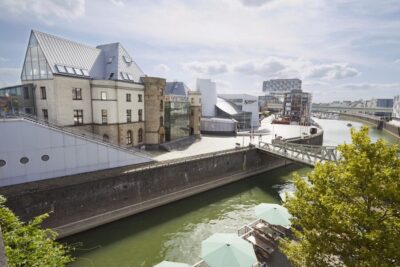
The building is part of the experience. The museum occupies an old customs hall dating from 1896, directly beside the Rhine in Cologne. That gives you a spacious setting with an industrial past rather than a modern shopping-center feel.
The location is practical for a day in Cologne. You can combine the museum with a walk along the river, and the rooftop areas give you a chance to look out over the city without leaving the building. The setting also helps the museum feel connected to Cologne’s working waterfront and urban life.
The building may be especially useful on a rainy day. You have indoor exhibits, activity stations, and play areas in one place. Still, the museum is not a quiet refuge for close study at every moment. The hands-on design attracts active families, and the entry hall and sports areas may become noisy or busy.
If you prefer a traditional museum visit, set aside time for the historical displays before heading to the play areas. If you are visiting with children, you might want to do the opposite and use the active stations early, then look at the objects when everyone has settled down.
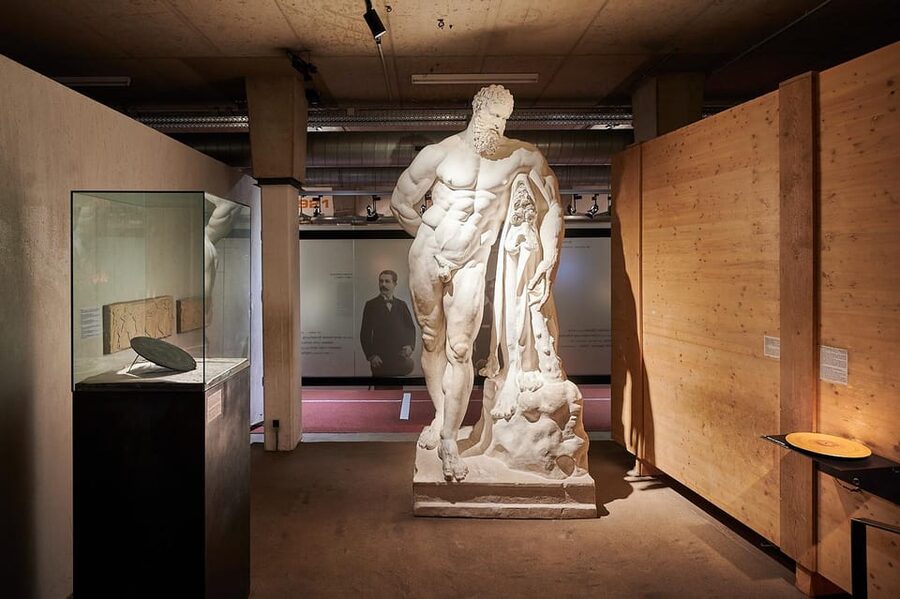
From ancient Greece to modern sport
The historical route reaches from ancient Greece to the present day. That long span lets you see how sporting ideals have changed, and how some ideas have stayed in place.
Ancient Greek sport provides an early reference point for competition, physical skill, and public performance. From there, the museum follows sport through later periods toward the modern Olympic era and today’s professional culture. The displays connect athletic achievement with larger questions about society and politics.
You will see the good side of competition, including outstanding victories and the discipline behind them. You will also encounter the harder side: defeat, pressure, exclusion, risk, and the way sport can become tied to political and social causes.
This is one reason the museum works for adults as well as children. Younger children may remember the goal wall or rooftop play area, while adults can spend more time thinking about how sport has changed from a local contest into a major public industry.
The museum does not appear to depend on a guided lecture to make the collection useful. Instead, you can choose your own pace. That freedom helps families, but it also means you need to read the displays and make your own connections. If you want a detailed explanation from a guide, this ticket does not include one.
The goal wall, wind tunnel, and other hands-on stops
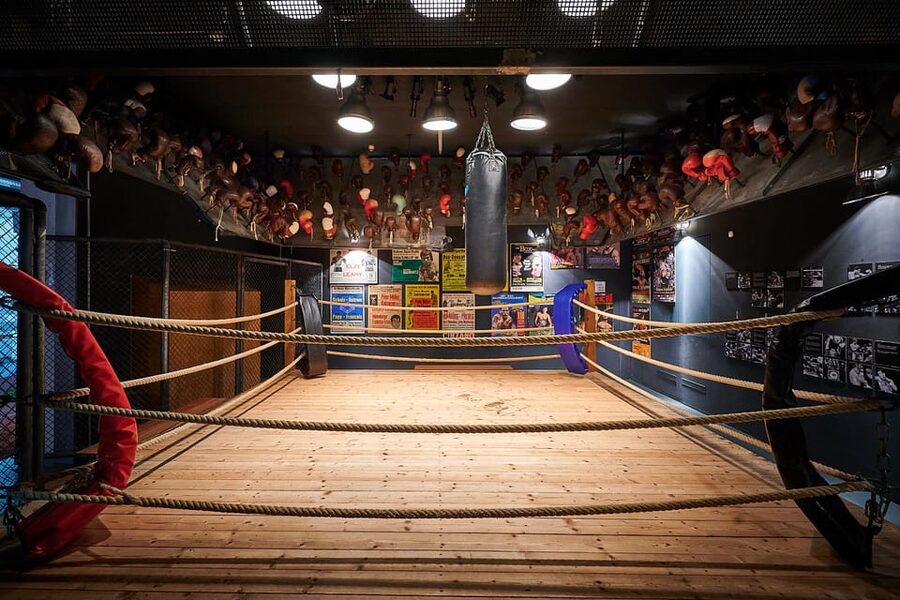
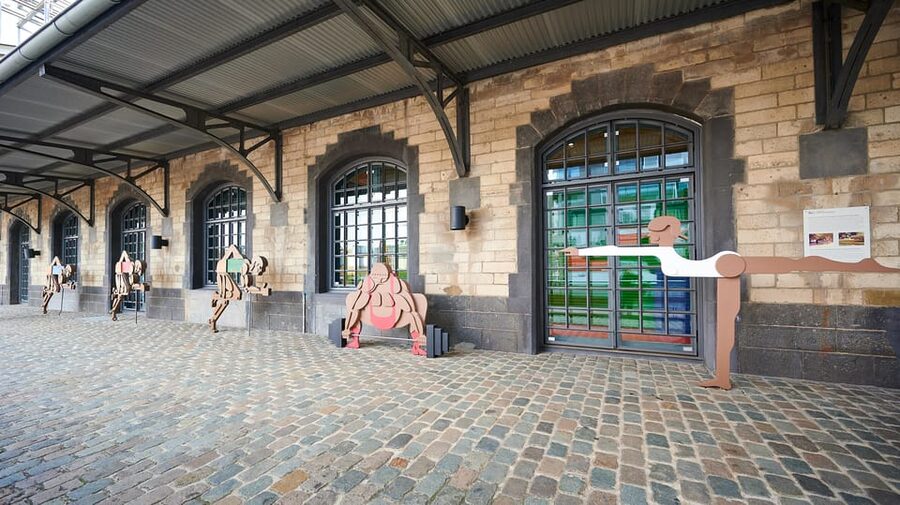
The activity stations are the museum’s biggest practical advantage. The original goal wall from the ZDF studio gives you a chance to test your football accuracy. It is a simple idea, but it changes the mood quickly: you are no longer only looking at sport, you are trying a small piece of it.
You can also ride a bicycle in a wind tunnel. This station lets you feel how air resistance affects cycling, turning an abstract idea from physics into a short physical challenge. You do not need to be a serious cyclist to understand the point.
Other stations invite you to test your coordination, strength, or aim. The exact mix of activity can matter more to families than the historical displays, since children often need a reason to keep moving. Adults may also find themselves joining in, particularly when the activity is easy to understand and does not require special training.
Sports equipment is available at no extra charge for dedicated play areas. The supplied gear includes footballs and basketballs, along with other equipment. This is a helpful detail: you do not need to pack a ball or pay another fee once you are inside.
There is one sensible limitation. A popular play station may not be free when you want it. A second basketball ring would make the football area easier to share, and a table-tennis area could add another option. If the museum is busy, be ready to wait or shift to another exhibit rather than expecting uninterrupted time at one station.
A few more things to do in Cologne worth a look
- Cologne: 24h Hop-On Hop-Off Sightseeing Bus Ticket
★ 4.3 · 2,735 reviews - Cologne: Virtual Reality Time Travel Experience Ticket
★ 4.6 · 1,958 reviews - Cologne: IceBar Entry Ticket with Drinks
★ 3.3 · 770 reviews - Cologne: Cologne Zoo and Aquarium Entry Ticket
★ 4.6 · 764 reviews
Rooftop play areas with a Rhine view
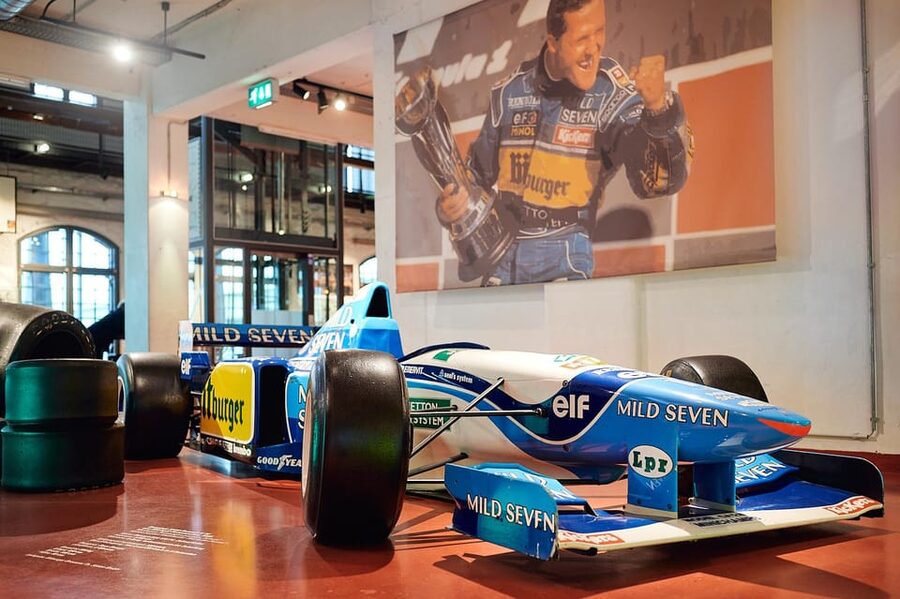
The museum has two rooftop play areas, described as the highest and most attractive play areas in the city. The exact appeal is easy to understand: children get open-air activity, while adults get a view over Cologne and the Rhine.
This is a strong feature for families with different interests. One person can watch the children play, another can take photographs, and everyone gets a break from the indoor displays. The roof also gives the visit a clear ending point. After working through the exhibits, you can head upstairs and let the children run.
The rooftop areas are not just a bonus for warm weather. They can help break up the museum visit at any time, though your enjoyment will depend on the day’s conditions. The museum information does not promise a particular weather setup or special roof programming, so treat the outdoor spaces as an added feature rather than the whole reason to buy a ticket.
Borrowing equipment for the roof makes the visit more active and keeps costs down. You can use footballs, basketballs, and similar gear in the designated areas. As always, shared play spaces work best when you are prepared to take turns.
How much time should you allow?
The ticket is valid for one day, not for a timed short visit. That gives you flexibility. You can spend a quick couple of hours on the main exhibits, or make the museum part of a longer family outing with repeated visits to the activity areas.
The experience provider does not set out a fixed route or schedule. You can move through the collection, try the interactive stations, go to the roof, and return to exhibits that caught your attention. That open format is useful with children, since you do not have to keep everyone quiet or on a strict timetable.
A full day may be more time than some adults need if they are mainly interested in sports artifacts. For a family, though, the play areas and free equipment can stretch the visit in a useful way. You are paying for access to the whole museum for the day, not for a short guided performance.
If you want to cover everything carefully, allow plenty of time. If your schedule is tight, concentrate on three parts: the main historical displays, the goal wall and wind tunnel, and the rooftop play areas. That gives you the museum’s strongest mix of culture, action, and views.
Is the $12 ticket good value?
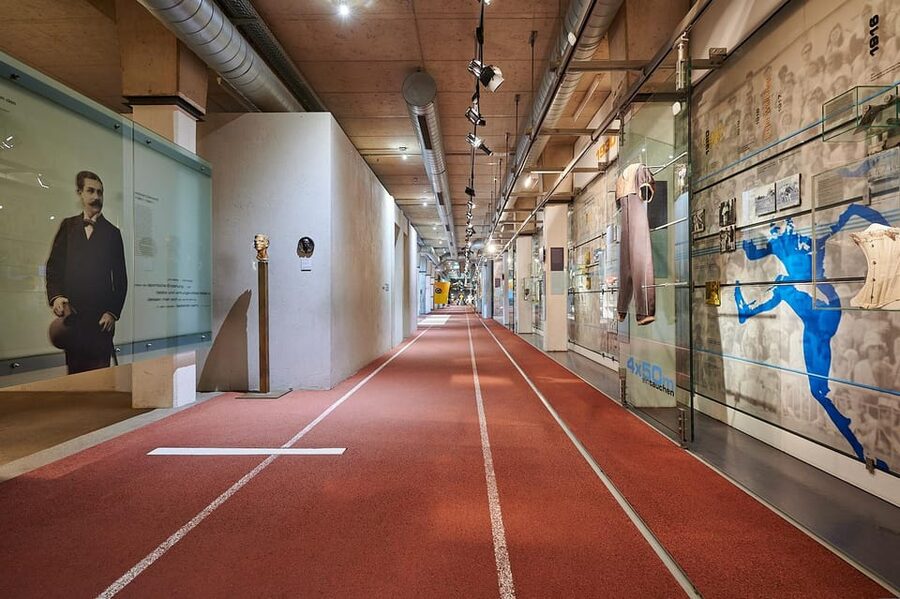
At about $12 per person, the ticket is fairly priced for a full-day museum with interactive stations and free sports equipment. The value is strongest for families, since children can do more than look at objects and the rooftop spaces add another activity without a separate charge.
A family ticket for two adults and two children costs 25 euros when bought on-site. That can be a better deal than four individual admissions, so families should check the on-site option before booking separate tickets. Family tickets are currently available only at the museum.
Reduced adult prices for people with disabilities and KölnPass holders are not offered through the online booking option described here. If you qualify and can show proof at the entrance, the booking instructions say to choose the student-with-ID ticket option online. Check the conditions carefully before payment.
The ticket does not include a guided tour. That is not a serious problem if you like to browse independently, but it matters if you want a specialist to explain the collection or lead your group from room to room. German and English are available, and the host or greeter can communicate in either language.
Who will enjoy this museum most?
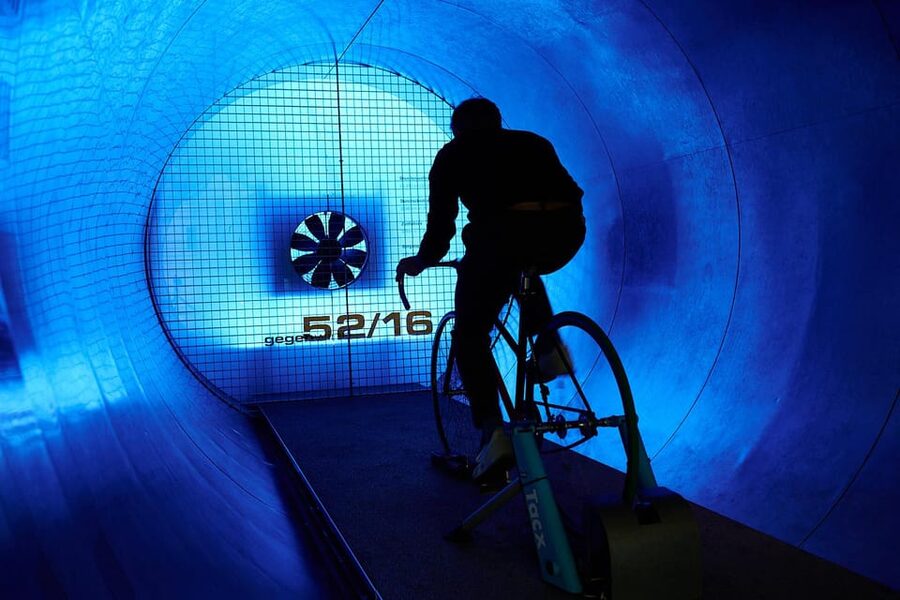
I would recommend this museum first to families with school-age children who need a cultural stop that does not require long periods of stillness. The goal wall, wind tunnel, balls, and rooftop play areas give children several ways to stay involved.
It also suits sports fans who want more context than a stadium tour usually provides. You can look at the history of competition, the Olympic tradition, and the social effects of sport in one visit.
Adults without children can enjoy it too, especially if they are interested in football, cycling, the Olympics, or sports culture. The museum’s broad subject matter gives you more than a collection of team memorabilia. Still, if you want a quiet, highly specialized art museum, this is not the right choice.
The museum is wheelchair accessible, which makes it a practical option for many visitors with mobility needs. The information provided does not list every access detail inside, so you may want to ask the museum directly about any specific requirement before arriving.
A few practical ways to plan your visit
Start with the historical exhibits if you want to give them your full attention. Children may be more willing to look at objects after they have tried a hands-on station, so you can also use the activity areas as a reward between sections.
Keep some flexibility in your plan. The museum is designed for movement and shared play, and the busiest station may not be available at the moment you arrive. Move on to another section, then return later.
If you are traveling with a family of four, compare the 25 euro family ticket bought on-site with the online individual price. The family ticket is not currently available through the online option.
The cancellation terms are generous for a prebooked ticket. You can cancel up to 24 hours before the visit for a full refund, and the reserve-now, pay-later option lets you hold a place without paying immediately. Availability and starting times should still be checked for your chosen date.
The visit is listed for small groups of up to 10 people. Since this is a museum visit rather than a guided walking tour, that group size is most relevant to the booking format and general entry experience.
Should you book the German Sport & Olympia Museum?
Book it if you want a family-friendly museum that combines sports history with actual play. The strongest reasons are the original ZDF goal wall, the bicycle wind tunnel, free sports equipment, and the two rooftop play areas beside the Rhine.
Think twice if you want a guided, highly structured tour or a quiet museum focused on detailed object study. You may also need patience when the football and basketball areas are busy.
For about $12 per person, this is a useful Cologne choice on a flexible day, especially for families and sports fans. The museum gives you history, activity, and a city view in one stop, with enough freedom to shape the visit around your own energy level.
FAQ
Where is the German Sport & Olympia Museum?
It is in Cologne, directly beside the Rhine, inside a former customs hall dating from 1896.
How long is the ticket valid?
The ticket is valid for one day. You can check the available starting times when selecting your date.
What does admission include?
Admission includes entry to the German Sport & Olympia Museum and free rental of sports equipment for designated play areas, including footballs and basketballs.
Is a guided tour included?
No. The ticket provides museum admission, but a guided tour is not included.
What languages are available?
The available languages are German and English. The host or greeter can also communicate in German or English.
Is the museum wheelchair accessible?
Yes, the museum is listed as wheelchair accessible.
Are family tickets available?
Yes. A family ticket for two adults and two children costs 25 euros, but family tickets can currently be bought only on-site.
Are reduced adult tickets available online?
The booking platform does not provide reduced adult prices for people with disabilities or KölnPass holders. If you can show proof at the entrance, the instructions say to choose the student-with-ID ticket option when booking online.
Can I cancel my booking?
Yes. You can cancel up to 24 hours in advance for a full refund. A reserve-now, pay-later option is also available.
Just added in Cologne
- The rather unknown Melaten★ 4.9 · 26 reviews
- Rickshaw Glühwein Ride★ 4.6 · 24 reviews
- Informative and fun brewery tour in German, public★ 4.9 · 47 reviews
- Public brewhouse tour Cologne in English★ 4.9 · 154 reviews
- Private photoshoot in Cologne★ 5.0 · 5 reviews
- Cologne: Old City Guided Walking Tour★ 4.9 · 63 reviews
- Cologne-Nippes: wine hopping (wine trip)★ 4.9 · 7 reviews
- Cologne-Nippes: Gourmet wine tasting with cheese platter★ 4.6 · 26 reviews
Museums, compared.
Skip-the-Line: Berlin Wall Museum at Checkpoint Charlie
Read our review →
Browse the lists this tour appears in