
Reviewed · SIMULATORS & VR EXPERIENCES
Cologne: Virtual Reality Time Travel Experience Ticket
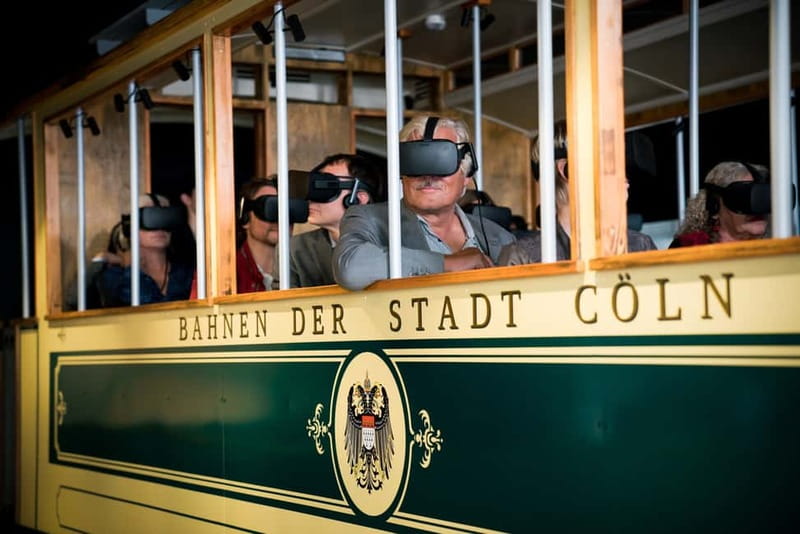
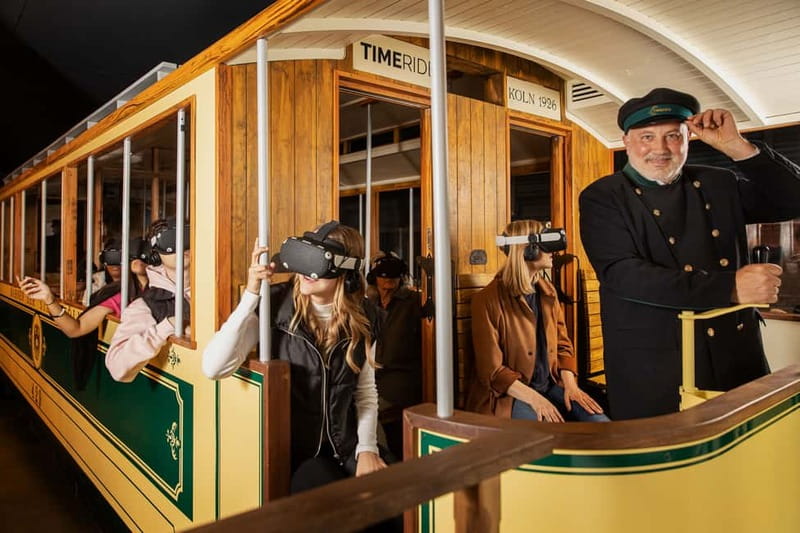
Cologne’s vanished city center comes back to life in this 45-minute time-travel experience, where you ride a virtual electric streetcar through 1926. The best part is seeing places such as the old main station, city hall, and Cologne Cathedral’s surroundings before World War II changed them beyond recognition. I like the 360-degree view and the clear three-part format: cinema, hat shop, then VR ride.
I also like that the experience works well on a wet afternoon and gives you more than a screen-based attraction. The hatter’s store adds real objects and a human story, while the short film sets the historical scene. The main drawback is length: the hat shop can feel rushed, and the $23 price may seem high if you mainly want the VR section.
Key points to know
- Three 15-minute sections: A period film, a recreated 1920s hat shop, and the virtual streetcar ride each take about 15 minutes.
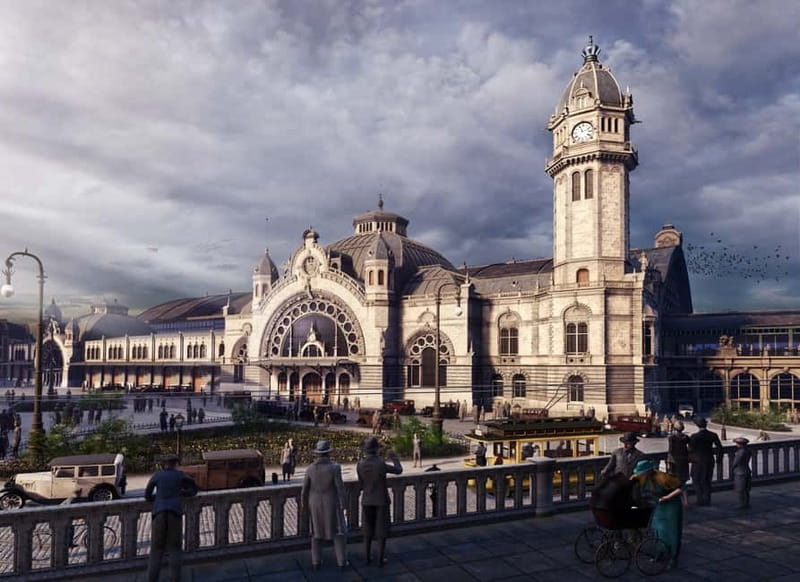
- Cologne before its wartime destruction: The VR route shows old landmarks, including the main station, city hall, theater, and Cathedral area.
- A story with named characters: Hatter Tessa and streetcar driver Pitter guide the story through postwar Cologne and carnival.
- The VR ride is the main event: You get a panoramic view from a virtual electric streetcar in 1926.
- Good for a rainy-day stop: The entire experience is indoors and lasts less than an hour.
- Practical limits: It is mostly visual, welcomes glasses, and has room for one wheelchair per tour.
A short trip to Cologne before World War II
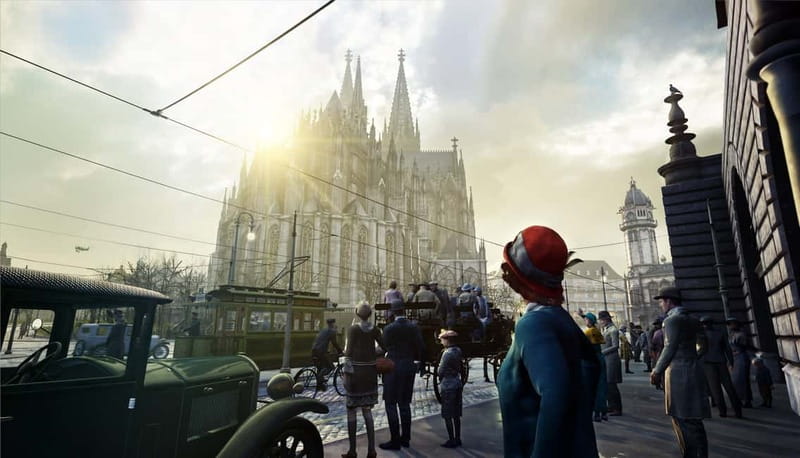
TimeRide Cologne focuses on the city in the 1920s, a period filled with sharp contrasts. The First World War had ended, British forces occupied the city, the Spanish flu had caused widespread fear, and everyday life was taking on a more modern style.
That setting gives the experience useful focus. You are not being asked to absorb the whole history of Cologne in one sitting. Instead, you follow a small story through fashion, cinema, public transport, and city life. The final VR ride then lets you see how much of the built city later disappeared or changed.
The attraction is especially useful if you have already walked around central Cologne and want to see familiar places in another era. The Cathedral area, Neumarkt, the main station, and city hall are easier to appreciate when you can compare their present appearance with the streets of 1926.
The tone is light and theatrical rather than academic. That makes it accessible for families and first-time visitors, though the story may feel a little corny if you prefer a serious museum presentation.
Other indoor experiences in Cologne:
- Cologne Cathedral Walking Tour around the cathedral with VR
★ 4.6 · 216 reviews - Dresden: Virtual Reality Time Travel Experience Ticket
★ 4.5 · 748 reviews - Frankfurt: Virtual Reality Time Travel Experience Ticket
★ 4.5 · 658 reviews
The cinema sets the 15-minute scene
Your first stop is a period-style cinema, presented as a grand movie palace from the 1920s. You take a seat for a short film of about 15 minutes, designed in the style of the period.
This section explains how Cologne developed during the decade and introduces the social mood of the time. Cinemas were not just places for entertainment. They also offered news and images of a changing world, making them an effective way to frame the city’s postwar years.
I like this opening because it gives you basic context before the more technical part of the attraction. You get a sense of the decade’s clothing, public life, and political setting without sitting through a long lecture. The film also helps younger visitors understand that the VR ride is about a particular point in time, not a general trip through all of Cologne’s past.
The limitation is that the film is short. It can only touch on major events, so you should not expect a full account of the British occupation or the Spanish flu. If those subjects interest you, treat this as an introduction rather than a substitute for a museum visit.
Language matters here. English and German options are available, but the scheduled language should be checked carefully. A change from English to German can make the film and introduction harder to follow, especially since much of the experience depends on narration.
Inside Tessa’s hat shop
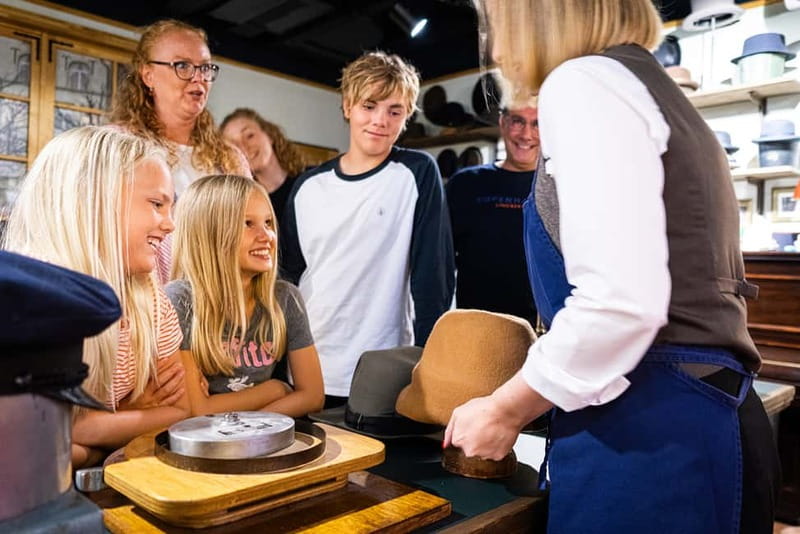
The second stop moves into the recreated store of the Riedschneider hat-making family. Here, Tessa introduces you to the fashion of the 1920s and explains what hats revealed about a person’s clothing and social position.
This is more than a display of costumes. The shop includes original hat-making objects from Cologne’s Diefenthal family of hat makers. Those pieces give the stop a physical quality that the film and VR cannot provide. You can see the tools and materials associated with the craft, and the setting helps explain why hats were part of ordinary public dress at the time.
The experience also follows Tessa’s urgent special order. The question is whether the delivery can reach Neumarkt on time with help from Pitter, the Cologne streetcar driver. That simple plot connects the hat shop to the final ride and gives the three sections a shared thread.
You may get a chance to try on hats, which is one of the most playful parts of the visit. It adds a hands-on moment for families and makes the fashion story easier to remember. The hat shop has also been praised for its friendly staff and interactive approach.
Allow about 15 minutes here, but keep your expectations realistic. The shop is compact, and the time can feel tight if you want to study the original pieces or spend longer trying on hats. Some visitors would prefer more explanation in this section, while others will appreciate that the attraction keeps moving.
The 1926 streetcar ride is the highlight
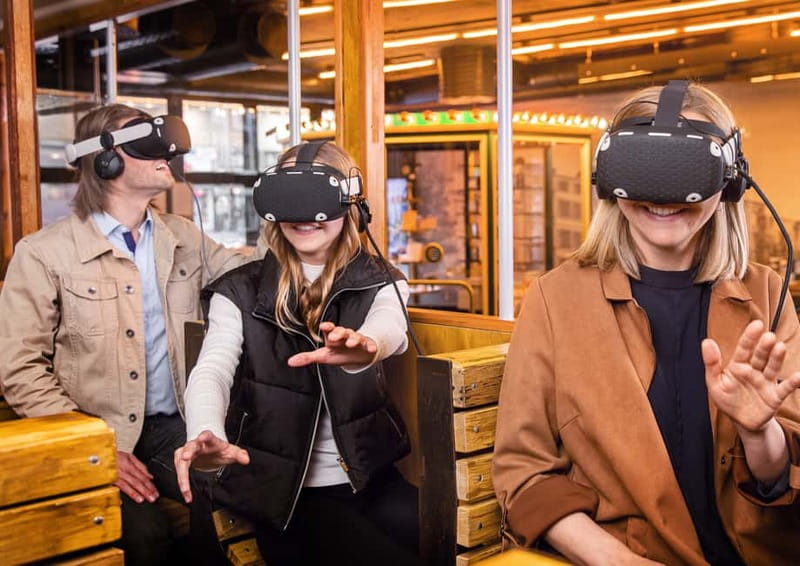
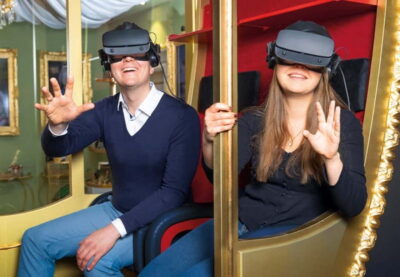
The final 15 minutes are devoted to the VR ride, and this is where the attraction delivers its strongest sense of time travel. You put on VR goggles and take a virtual trip aboard Cologne’s first electric streetcar, set in 1926.
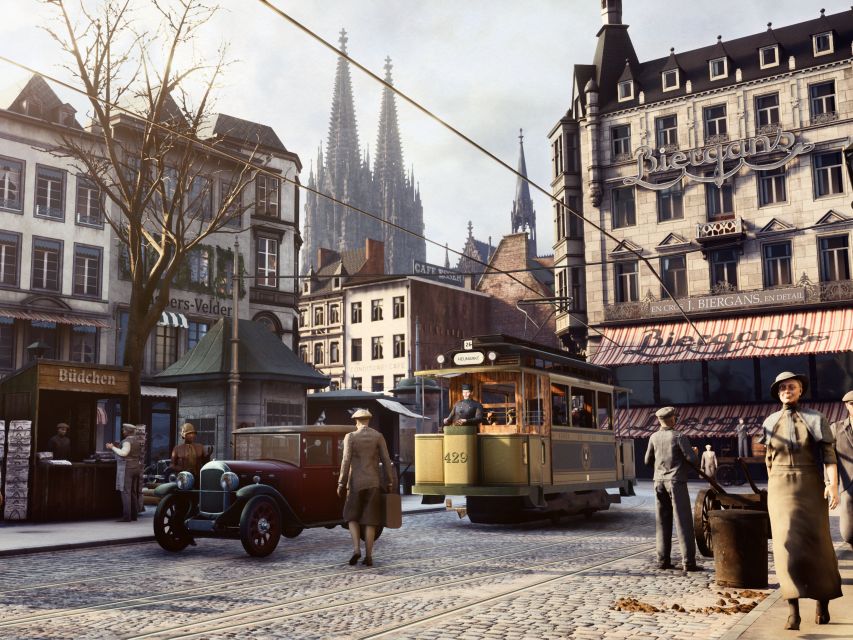
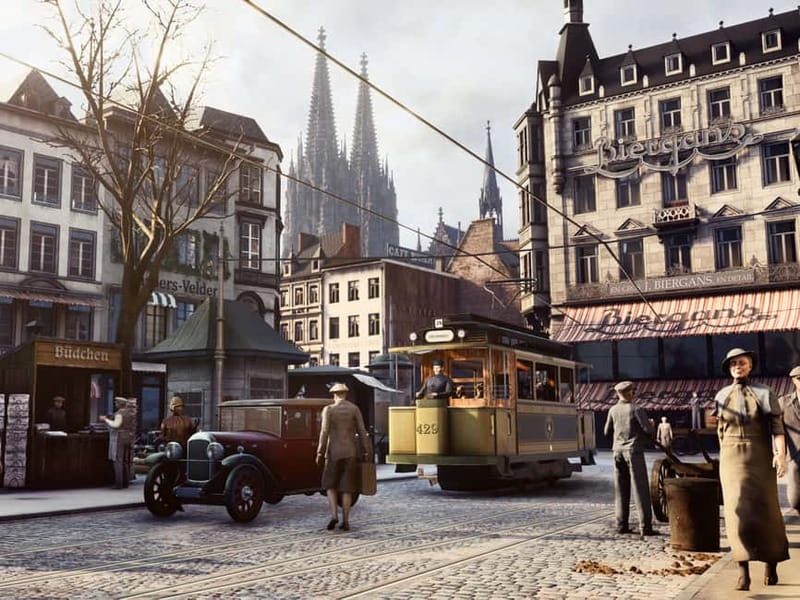
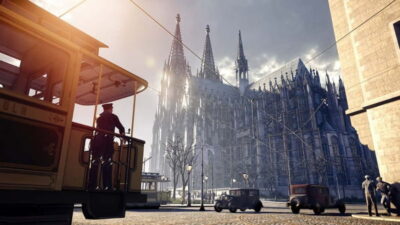
The 360-degree view lets you look around rather than stare at a fixed screen. You can follow the route through old Cologne and see major locations from street level. The ride includes the area around Cologne Cathedral, the old main train station, the Schauspielhaus theater, city hall under Konrad Adenauer, and other parts of the city that are now gone or difficult to recognize.
That ability to look around is important. You are not simply shown a collection of old photographs. The virtual streetcar gives you a sense of distance and movement, helping you understand how the center connected together. You can look toward buildings and streets as the ride unfolds, much as you would from a real tram.
The journey ends at Neumarkt during carnival, with a colorful final scene. This gives the ride a cheerful finish after the more serious references to war, disease, and occupation. It also returns to the delivery story introduced in the hat shop.
The VR graphics are the strongest part for most people who enjoy the experience. Some compare the ride to a video game, though the attraction is designed as a historical tour rather than an interactive game. You are there to look and listen, not to control the streetcar or make choices.
The ride is also brief. If you are mainly booking for VR, 15 minutes may leave you wishing for more. The short duration works well for families and for people who do not want a long headset session, but it limits how much of old Cologne can be shown.
A few more things to do in Cologne worth a look
- Cologne: Chocolate Museum Entrance Ticket
★ 4.4 · 2,790 reviews - Cologne: 24h Hop-On Hop-Off Sightseeing Bus Ticket
★ 4.3 · 2,735 reviews - Cologne: IceBar Entry Ticket with Drinks
★ 3.3 · 770 reviews - Cologne: Cologne Zoo and Aquarium Entry Ticket
★ 4.6 · 764 reviews
What the experience gets right
The strongest feature is the link between the physical setting and the virtual city. The cinema gives you the period mood, the hat shop brings in real objects and a personal story, and the streetcar shows the city at scale.
I also like the way the experience presents Cologne before its wartime destruction without turning the entire visit into a memorial. You see ordinary details: hats, movie theaters, public transport, city streets, and carnival. Those details help you picture how people lived, not just which buildings existed.
The attraction is particularly useful for visitors who want a quick introduction before exploring the city on foot. Afterward, places such as Neumarkt and the Cathedral area can feel less fixed. You begin to notice layers of the city rather than seeing only the current streetscape.
The staff are another strength. The experience includes a live guide in English or German, and staff have been described as friendly and helpful. That matters when using the equipment or switching languages. Still, check the selected language at booking and arrival, since the schedule may change.
What could be better
The story can feel slightly forced. Tessa and Pitter make the material approachable, but the dialogue and plot may not suit everyone. If you like traditional historical tours with documents, dates, and longer explanations, this attraction may feel more like a polished introduction.
The amount of content is another trade-off. The cinema, shop, and ride each have roughly 15 minutes, so the structure is easy to follow but not expansive. The hat shop in particular can feel hurried. You will get the main idea of hat-making and fashion, but not a detailed craft lesson.
Technology can also be imperfect. Small technical problems have occurred, and a language mismatch can reduce the value of the film and introduction. The VR section is still the main draw, but you should allow for the possibility of a brief wait at the entrance or minor delays.
At $23 per person, the price is reasonable if you value the complete package: a film, a staffed historical setting, equipment, and the VR ride. It is less convincing if you see the attraction as a 15-minute VR video with two short introductions. The value improves for families, rainy-day planners, and visitors who enjoy attractions that mix theater, objects, and technology.
Who will enjoy the 45-minute format
This is a good fit for families with children aged six and older. The hat try-on element and short sections help hold attention, and the total visit is long enough to feel worthwhile without taking over your day.
It also suits first-time visitors who want a quick overview of old Cologne. You do not need specialist knowledge to follow the story, and the familiar city landmarks make the VR route easy to place.
Residents and repeat visitors can find something here too. Seeing known streets before the war can change how you look at modern Cologne, even if you already know the center well.
I would be more cautious about recommending it to someone who dislikes headsets, theatrical storytelling, or short attractions. The experience is mostly visual, and there is no food or drink included. It is also not designed as a full-day historical program.
The attraction is wheelchair accessible, but space is limited to one wheelchair per tour. It is suitable for people who wear glasses. Pets are not allowed, and flash photography is not permitted.
Practical tips before you go
Book a time that fits your walking route through central Cologne, since the attraction is described as central and accessible for tourists. At $23, it works best as one stop within a day of sightseeing rather than the sole reason for visiting the city.
Allow a little extra time at the entrance in case there is a wait. The scheduled experience lasts 45 minutes, but the entrance process and equipment fitting may add some time.
If English is important to you, confirm the language before the session begins. The attraction is offered in English and German, but a schedule change can affect the film and introduction.
Keep an open mind about the hat shop. It is not just a pause before the VR ride. The original hat-making objects and the chance to try on hats give the experience its most tangible connection to 1920s daily life.
Finally, do not expect the VR ride to cover every period of Cologne’s past. It focuses on 1926 and ends with carnival at Neumarkt. If you want postwar Cologne or a longer sequence of historical periods, you may find the scope too narrow.
Should you book Cologne TimeRide?
Book it if you want a short, indoor introduction to old Cologne with strong visuals, friendly staff, and a well-made VR streetcar ride. It is especially useful on a rainy day, for families, and for visitors who want to see vanished landmarks before walking through the modern city.
Think twice if $23 feels steep for 45 minutes or if you want a serious, detailed history lesson. The hat shop and cinema are worthwhile parts of the program, but the VR ride is the clear highlight. For most people, the attraction earns its price when treated as a compact entertainment experience with historical value, not as a substitute for a museum or walking tour.
FAQ
How long does the Cologne Virtual Reality Time Travel Experience last?
The experience lasts about 45 minutes. The cinema, hatter’s store, and VR ride each take approximately 15 minutes.
What time period does the experience show?
The main VR journey is set in 1926 and presents Cologne during the city’s Golden Twenties.
What are the three parts of the experience?
The program includes a short film in a period-style cinema, a visit to the Riedschneider hatter’s store, and a VR ride aboard a virtual electric Cologne streetcar.
Which Cologne landmarks appear during the VR ride?
The ride shows the surroundings of Cologne Cathedral, the old main train station, the Schauspielhaus theater, city hall associated with Konrad Adenauer, and other historic locations.
Is the experience available in English?
Yes. Live guides and the experience are available in English and German. You should check the selected session language because schedules can change.
Can I wear the VR equipment with glasses?
Yes. The experience is suitable for people who wear glasses.
Is the attraction wheelchair accessible?
Yes, it is wheelchair accessible. The provider has space for one wheelchair per tour.
Is the experience suitable for young children?
Children under six are not permitted. The short format can suit older children, especially those interested in hats, cinema, and VR.
Are food and drinks included?
No. Food and drinks are not included in the ticket.
Can I cancel the booking?
You can cancel up to 24 hours in advance for a full refund. A reserve-now, pay-later option is also available.
Just added in Cologne
- AXE THROWING & CRAFT BEER EXPERIENCE IN COLOGNE★ 4.9 · 19 reviews
- Cologne: Private Rickshaw Tour★ 5.0 · 98 reviews
- Cologne Sightseeing rickshaw tour★ 4.5 · 35 reviews
- Cologne Cathedral Walking Tour around the cathedral with VR★ 4.6 · 216 reviews
- City Tour per Rikscha in Cologne★ 5.0 · 26 reviews
- Cologne: Rickshaw Sightseeing Tour★ 4.8 · 180 reviews
- Cologne: Moulin Rouge! The Musical Entry Ticket293 reviews
- Cologne: 1-hour Rhine Cruise in Cologne★ 4.4 · 407 reviews
Simulators & VR Experiences, compared.
Cologne Cathedral Walking Tour around the cathedral with VR
Read our review →
Airbus Flightsimulator | Flying Experience | adults&children
Read our review →Browse the lists this tour appears in