
Reviewed · TOURS IN COLOGNE
Cologne: Cologne Zoo and Aquarium Entry Ticket
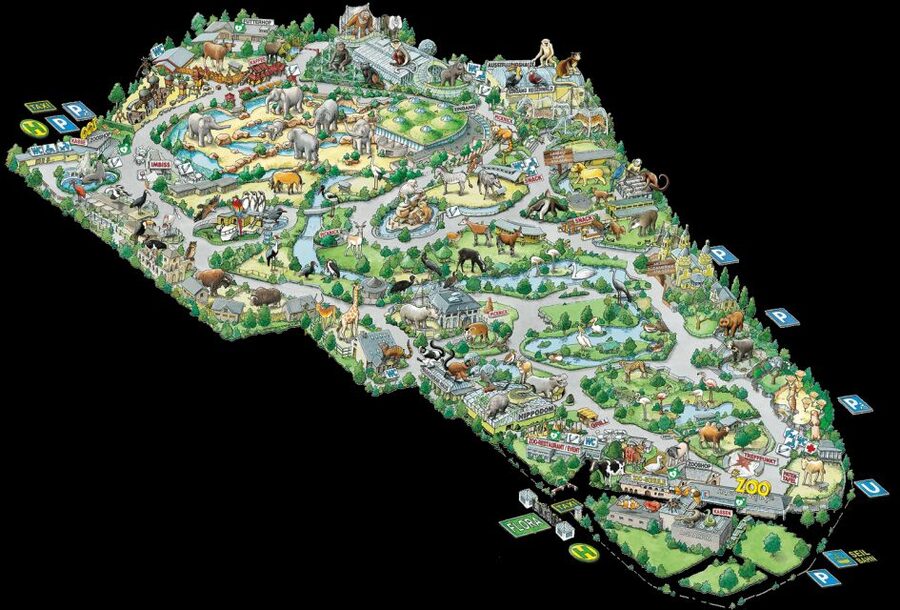
Cologne Zoo’s 2-hectare Asian elephant park is the headline act. You can watch a whole herd move together in one of the zoo’s largest and most striking spaces, then continue to hippos, crocodiles, monkeys, sloths, tropical birds, and a fine collection of family attractions. The giant dinosaur figures, including a 15-metre Argentinosaurus, add a playful extra layer.
I especially like the wide variety of animals and the thoughtful viewing points, which often let you see creatures from more than one angle. I also like the practical layout, with indoor houses, shaded places to rest, playgrounds, and plenty to keep children busy. The main caution is the aquarium: it is included and worthwhile as an add-on, but it is much smaller than the zoo and some areas may feel tired.
Key points to know before you go
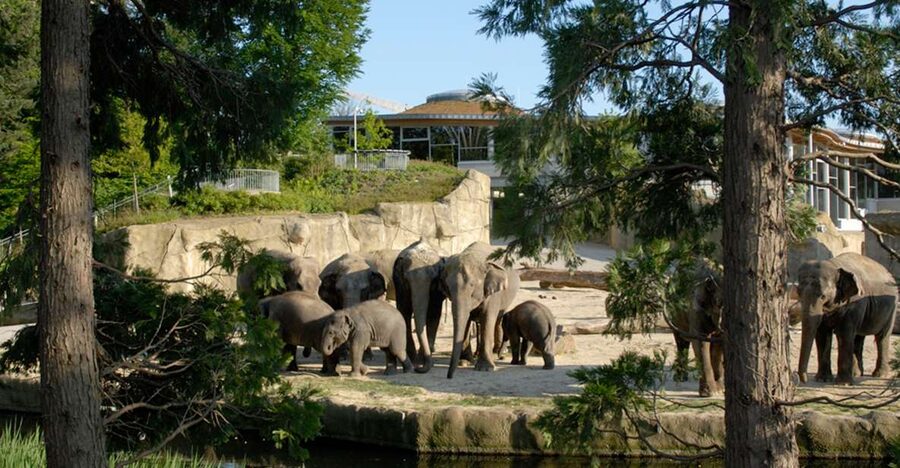
- The elephant park is the star: See Asian elephants roaming together in a spacious 2-hectare habitat, with baby elephants sometimes present.
- Plan at least four hours: The zoo is larger than many first-time visitors expect, and the aquarium is a separate stop.
- Indoor areas help in poor weather: The bird, monkey, rainforest, and other animal houses provide shelter on rainy days.
- The dinosaur figures are huge: A 15-metre Argentinosaurus and a 12-metre Tyrannosaurus rex are among the most memorable family sights.
- The aquarium is modest: It adds useful variety to the ticket, but it is not a full-day aquarium attraction.
- The Tropical House is closed until mid-2026: Energy refurbishment means you should not plan your visit around that building.
Why Cologne Zoo works so well for a full family day
At $27 per person, this is not a quick stop you squeeze between Cologne Cathedral and dinner. It is a proper day out, or at least a solid four-hour visit if you move at a brisk pace. You receive entry to both the zoo and aquarium, and the grounds offer enough variety that children and adults can follow different interests without running out of things to see.
The zoo houses more than 10,000 animals from 850 species. That number matters less than the way the collection is arranged. You move between large outdoor habitats, themed animal houses, historic buildings, play areas, and small details such as native farm animals. The result feels varied rather than like a long row of similar enclosures.
I would allow four to five hours if you want to see the main animal areas without hurrying. Some people spend less time and still have a good visit, but the zoo is easy to underestimate. Bring the map, especially if you are visiting with children and want to return to a favorite enclosure or playground.
Other zoos near Cologne:
- Leipzig Zoo: Entry Ticket
★ 4.8 · 1,209 reviews - 1-day ticket for Schwerin Zoo
★ 3.8 · 11 reviews
The elephant park deserves first place on your route
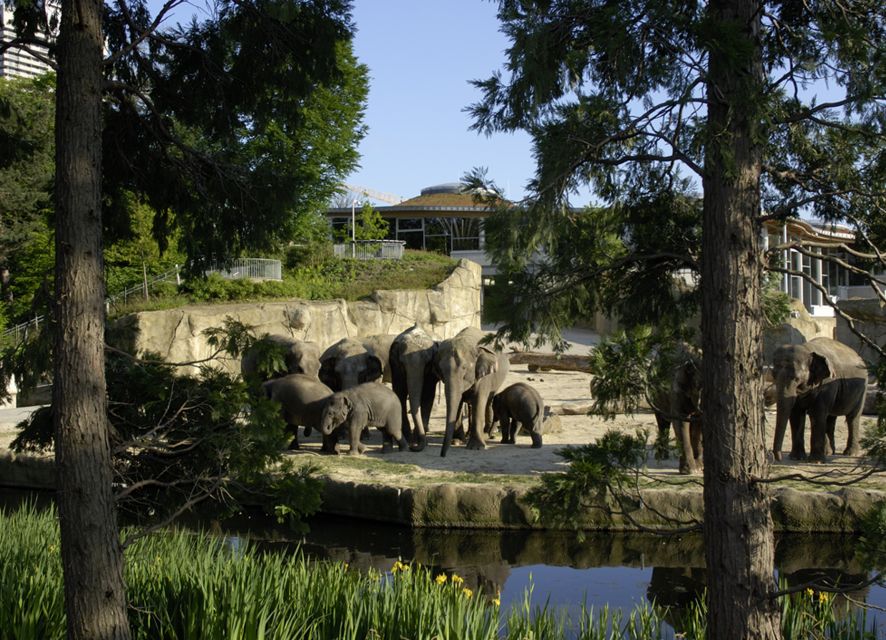
Start with the Asian elephant park if the animals are a priority. At 2 hectares, it gives the herd room to move together rather than presenting one elephant at a time in a narrow setting. The scale is the point: you can watch the group’s movement and social behavior across a broad area.
This is also a strong stop for families because the elephants make an immediate impression, even on children with short attention spans. Baby elephants have been present at times, adding an especially memorable sight, but you should not count on seeing a young animal on every visit.
The viewing design lets you get close enough for good views without losing the sense that these are large, powerful animals with room around them. The zoo’s broader approach to viewing is one of its strengths. Many habitats provide more than a single straight-on window, so you can sometimes see animals from different levels or angles.
Hippodom brings African river life indoors
The Hippodom recreates an African river setting and includes hippos, Nile crocodiles, and Sitatunga antelope, along with smaller species. It gives you a useful change of pace after the elephants, moving from a large Asian mammal habitat to a more enclosed, water-focused setting.
Hippos can be difficult to see clearly in many zoos, so the indoor design matters here. Crocodiles add the still, watchful contrast you expect, while the Sitatunga antelope brings a less familiar species into the picture. If you are visiting with children, this is a good place to point out how different animals share river environments without treating the exhibit as only a display of famous species.
The Hippodom is also one of the better choices when the weather turns wet. Indoor houses and covered spaces help keep the day moving instead of forcing you to choose between getting soaked and cutting your visit short.
The Rainforest Hall brings monkeys, sloths, and free-flying birds close
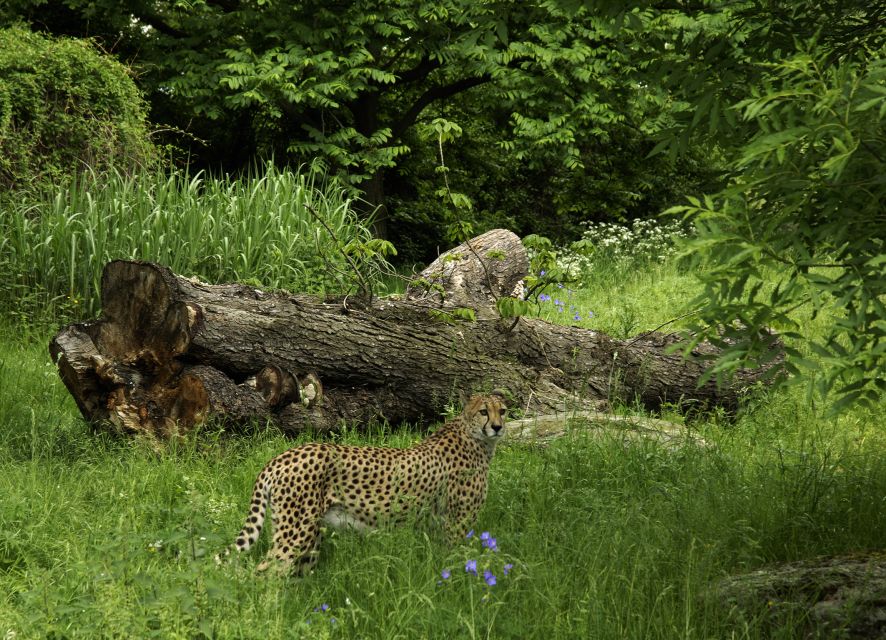
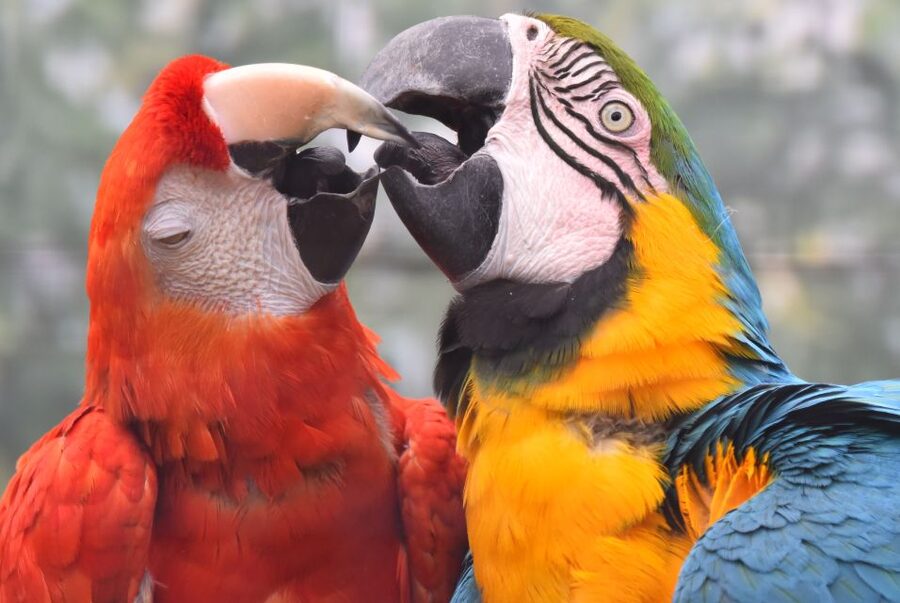
The Rainforest Hall focuses on Central and South American jungle species. You can see sloths, howler monkeys, piranhas, reptiles, and tropical birds flying freely through the hall. The enclosed setting makes this one of the zoo’s most atmospheric areas, though you should expect animals to be spread through foliage and overhead spaces rather than lined up for easy viewing.
Sloths are a particular favorite, and the building gives you a chance to see them at close range when they are positioned well. Howler monkeys and free-flying birds add movement above and around you, while piranhas and reptiles provide smaller points of interest.
Do not confuse this hall with the Tropical House. The Tropical House is closed for extensive energy refurbishment until mid-2026. The Rainforest Hall remains the relevant place for jungle species in the current visit plan, but check conditions before you go if a particular tropical building is important to you.
Same base, a different kind of day out:
- Cologne: Panoramic City Cruise
★ 4.3 · 5,698 reviews - Cologne: Brewery Tour with 3 Kölsch Beer Tastings
★ 4.7 · 3,108 reviews - Cologne: Top Sights Rhine River Cruise – Skyline Tour
★ 4.4 · 3,030 reviews - Cologne: Chocolate Museum Entrance Ticket
★ 4.4 · 2,790 reviews
The Historical South America House adds smaller, stranger animals
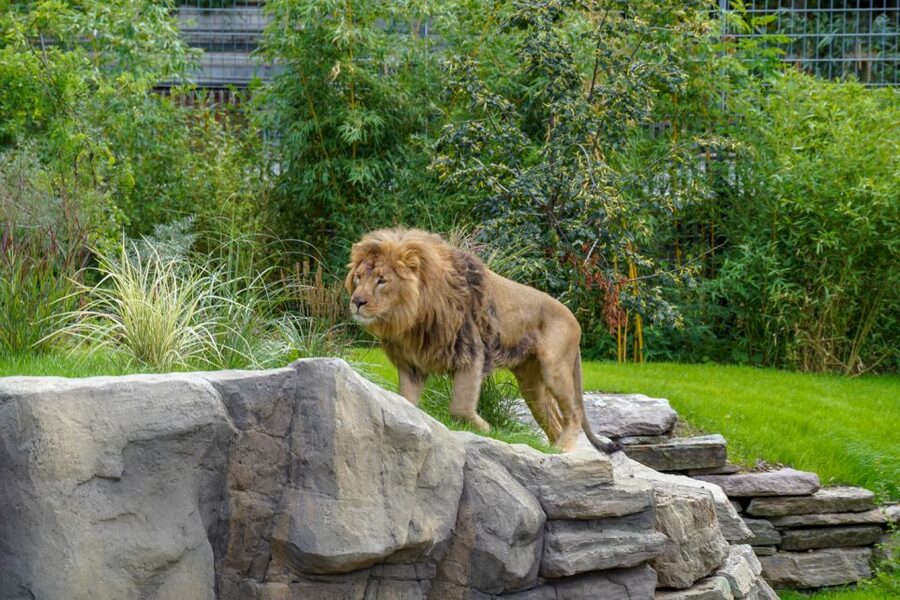
The Historical South America House takes you through Central and South American animal life, including sloths, armadillos, salt cats, howlers, monkeys, piranhas, and other species. It is a useful stop for anyone who prefers unusual animals to the usual headline mammals.
The value here comes from variety. Armadillos and salt cats do not draw the same crowds as elephants, but they give you a broader sense of the region’s animal life. Monkeys and howler species can be lively, while sloths may reward patience more than speed.
I would visit this building when you have time to look rather than treating it as a quick checklist stop. The zoo has enough major exhibits to tempt you onward, but the smaller houses are where the collection feels most different from a standard large-zoo route.
Amur tigers offer a close look at big cats
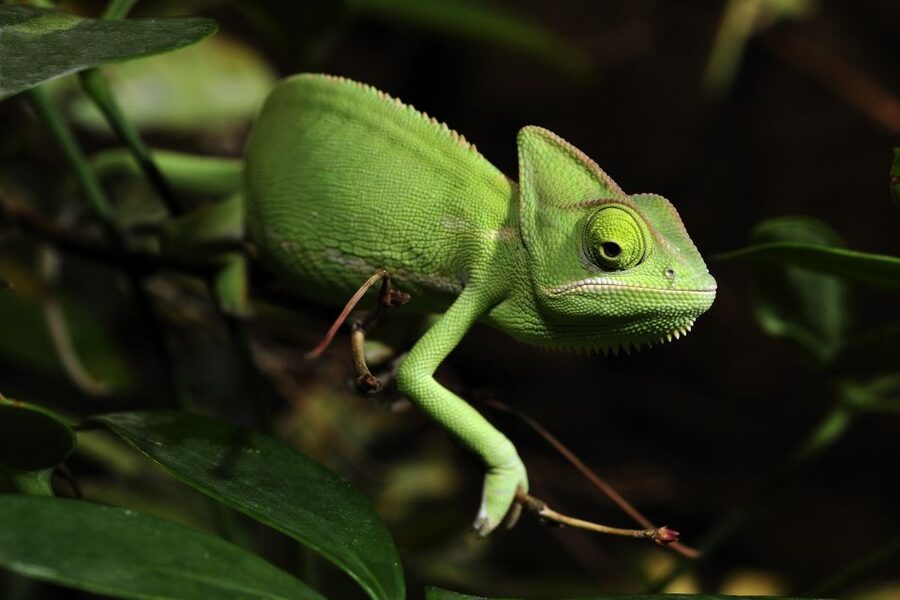
The Amur Tiger facility is one of the newer highlights. Big cats can spend part of the day resting or staying out of direct view, so your experience will depend on timing and animal behavior. Still, the facility gives you a chance to observe these rare-looking cats at close range when they are active and visible.
This is another reason not to rush through the zoo in a single loop. If tigers matter to you, check back later rather than assuming a quiet first viewing means you have missed them entirely. The same principle applies across the zoo, since some animals nap during the warmer parts of the day.
Clemenshof is the easy family stop
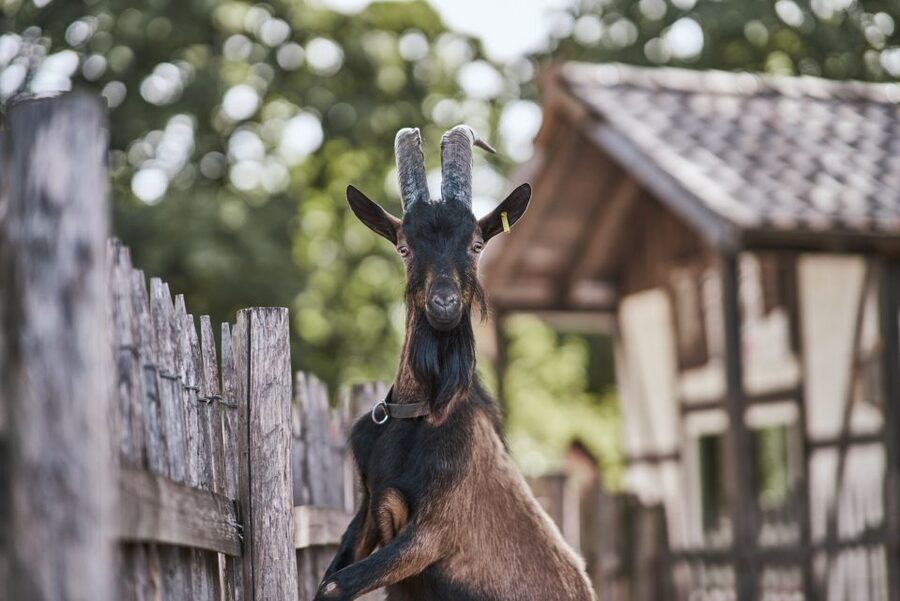
Clemenshof is a replica of a traditional German farm and home to native German species. At the petting area, only goats and sheep may be touched. That rule is worth noting, especially if children expect to handle every animal they see.
The farm setting gives the day a local touch. After elephants, crocodiles, and tropical birds, goats and sheep provide a simple, familiar encounter. It also works well for younger children who may not yet have the patience for a long look at a distant animal.
You must not feed the animals, and other restrictions include no touching outside the permitted goat and sheep area, no riding animals, and no pets apart from assistance dogs. These rules protect both visitors and animals, so explain them before entering the petting area.
The dinosaur trail is more than a small extra
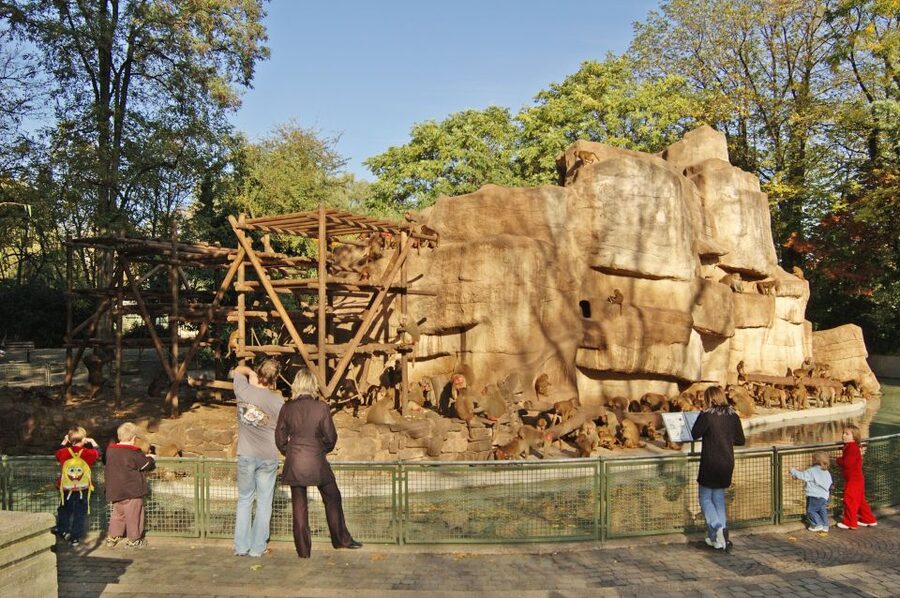
Cologne Zoo’s dinosaur figures are unusually large and designed with moving parts. The 15-metre-high, 35-metre-long Argentinosaurus is placed on the meadow near the Old Rhino House. A 3.5-metre-high, 12-metre-long Tyrannosaurus rex is staged by the large zoo pond, while a Velociraptor appears near baboon rock.
Other figures include a 7-metre Hypselosaurus near the pelican enclosure, an 8-metre Europasaurus at the main entrance, and a 10-metre Triceratops with its young near the tapir outdoor enclosure. Many open and close their mouths, which gives them more presence than static garden figures.
I like this feature because it gives children another reason to stay engaged between animal houses. Adults may see it as a light diversion, but the size makes the dinosaurs hard to ignore. The placement also helps you recognize where you are in the zoo, especially near the entrance, pond, and major outdoor areas.
The aquarium is included, but keep your expectations measured
Your ticket includes aquarium access, which improves the overall value of the $27 price. It gives you a cooler, quieter change of pace after hours outdoors and adds fish and aquatic species to a day otherwise focused on land animals.
Still, this is a smaller aquarium, not a separate major attraction. If you have visited large specialist aquariums, you may find the collection limited. One practical approach is to see the zoo first, then use the aquarium as a final indoor stop rather than planning the whole day around it.
The condition of individual displays can vary. Some areas have drawn criticism for dirty artificial foliage, cobwebs, dusty bins, or filtration concerns. I would not make the aquarium the deciding reason to book, but I would still use the included access if you already plan to visit the zoo.
Timing, food, shade, and getting around
The zoo is open from 9 am to 6 pm from March 1 through October 31, with last entry at 5:30 pm. From November 1 through February 28, it opens from 9 am to 5 pm, with last entry at 4:30 pm. Animal houses close at the last-entry times, so arriving late leaves less time than the closing hour suggests.
Morning is a sensible choice if you want to see active animals and make room for feeding times. Feeding schedules are available, and checking them before arrival can help you plan the route. A visit around 2 pm may still work, but some animals may be resting by then.
The grounds include shaded seating and several children’s play areas. That matters on hot days, since you can take a break without abandoning the animal route. Indoor bird and monkey areas also provide useful shelter in rain.
Food and drinks are not included. Food outlets may be limited depending on the day, and some people find the prices high for the quality. I would budget for refreshments, but consider eating before or after the visit if you want to keep costs down.
The zoo is at Rieler Str. 173, 50735 Cologne. From Cologne main station, take underground line 18. From Ebertplatz, bus line 140 reaches the zoo. A parking garage is available, and a parking ticket can be validated at the park entrance.
Accessibility and family rules
The zoo is wheelchair accessible, and wheelchairs can be borrowed free of charge if reserved in advance by contacting [email protected]. Visitors with disabilities pay the standard entry price. If a disability badge is marked B, one accompanying person aged 13 or older enters free.
Children aged 12 and under must enter with an adult. Dogs are not allowed for safety and health reasons, though assistance dogs are permitted. You also cannot bring bikes, scooters, skateboards, skates, drones, alcohol, drugs, or explosive substances.
Handcarts can be hired on site without advance reservation. That can be useful for young children, jackets, and supplies during a long visit, though the rental fee is separate from admission.
Who will get the most from this ticket?
I would choose this outing for families, animal lovers, and anyone spending more than a quick weekend in Cologne. The playgrounds, farm animals, dinosaurs, and indoor houses give younger children plenty of variety, while the elephants, tigers, primates, and river habitats give adults solid reasons to stay.
It also suits couples who want a relaxed half-day or full-day activity. The layout allows you to walk at an easy pace, stop often, and return to favorite areas. A short visit is possible, but the ticket earns its value when you give the zoo several hours.
If your main interest is a large aquarium, I would choose a specialist aquarium instead. If the Tropical House is your top priority, wait until its refurbishment ends in mid-2026. For a broad zoo day with a modest aquarium included, Cologne is a strong choice.
Should you book Cologne Zoo and Aquarium?
Book it if you want a large, varied animal park with excellent elephant viewing, well-liked indoor houses, family play areas, and memorable dinosaur figures. The $27 price is fair when you use the full day and visit the aquarium as well.
Skip it if you only have a short window in Cologne, dislike large zoo grounds, or expect the aquarium to be the main attraction. Arrive early, check feeding times, allow at least four hours, and treat the aquarium as an included extra rather than the star. With those expectations, this is one of the better-value family outings in the city.
FAQ
How much does the Cologne Zoo and Aquarium ticket cost?
The listed price is $27 per person. It includes entry to Cologne Zoo and access to the aquarium.
How long should I plan for Cologne Zoo?
Allow at least three to four hours, and more if you want to see the major animal houses, outdoor habitats, aquarium, playgrounds, and dinosaur figures without rushing.
What are Cologne Zoo’s opening hours?
From March 1 through October 31, the zoo is open from 9 am to 6 pm, with last entry at 5:30 pm. From November 1 through February 28, it is open from 9 am to 5 pm, with last entry at 4:30 pm.
Is the zoo wheelchair accessible?
Yes. Wheelchairs can be borrowed free of charge if reserved in advance by contacting [email protected].
Can children enter Cologne Zoo without an adult?
No. Children aged 12 and under must be accompanied by an adult.
Are dogs allowed inside Cologne Zoo?
Dogs are not permitted. Assistance dogs are allowed.
Is the Tropical House open?
No. The Tropical House is closed until mid-2026 for extensive energy refurbishment. The Rainforest Hall is a separate attraction featuring Central and South American jungle species.
Just added in Cologne
- AXE THROWING & CRAFT BEER EXPERIENCE IN COLOGNE★ 4.9 · 19 reviews
- Cologne: Private Rickshaw Tour★ 5.0 · 98 reviews
- Cologne Sightseeing rickshaw tour★ 4.5 · 35 reviews
- Cologne Cathedral Walking Tour around the cathedral with VR★ 4.6 · 216 reviews
- City Tour per Rikscha in Cologne★ 5.0 · 26 reviews
- Cologne: Rickshaw Sightseeing Tour★ 4.8 · 180 reviews
- Cologne: Moulin Rouge! The Musical Entry Ticket293 reviews
- Cologne: 1-hour Rhine Cruise in Cologne★ 4.4 · 407 reviews
Tours in Cologne, compared.

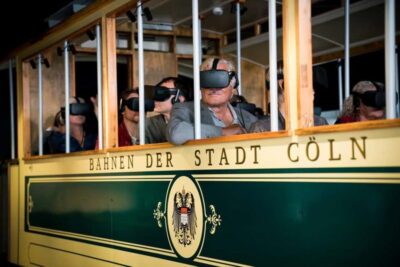
Virtual Reality Time Travel Experience Ticket
Read our review →
The Night Watchman Old Town Walking Tour in German
Read our review →Browse the lists this tour appears in