Reviewed · TOURS IN BERLIN
Berlín y el Nacionalsocialismo. Group Tour in Spanish
Berlin’s Nazi past is not confined to a museum. It is spread through ordinary streets, government buildings, embassies, memorials, and an unmarked patch of ground where Hitler spent his final days. This four-hour Spanish walking tour gives those places a clear timeline, from the Treaty of Versailles and the Weimar Republic to the collapse of the Third Reich.
I like the route for two reasons: it connects political history to real addresses, and it includes less obvious stops such as the Italian and Japanese embassies and the Luftwaffe Ministry. Guides named Sam, Martín, and Celia have received especially warm marks for clear information, patience, and helpful attention.
The main thing to consider is the length. Four hours on foot, with public transport needed in the wider Berlin route, can feel heavy if you want a light introduction. The pauses may also feel longer than necessary if you already know the subject.
Key points to know before you go
- Hitler’s rise is explained in context: The tour begins with the Treaty of Versailles and the Weimar Republic rather than jumping straight to 1933.
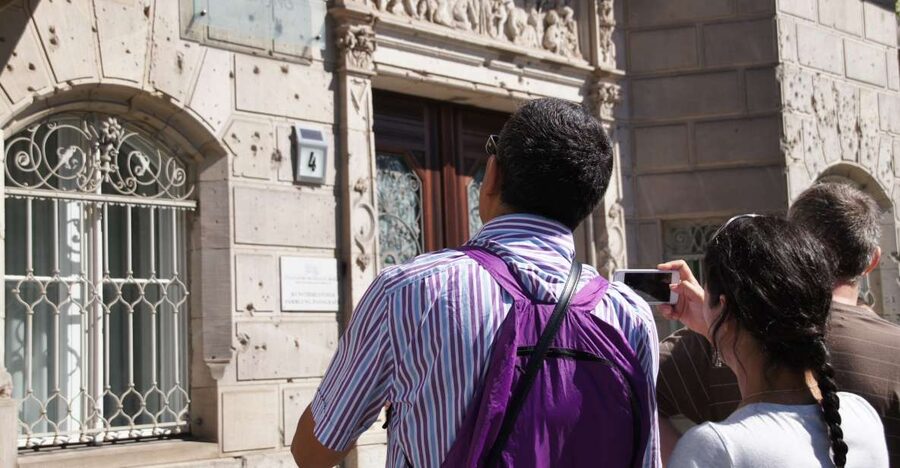
- The route uses real Nazi-era addresses: You walk along Wilhelmstrasse to the Luftwaffe Ministry and former Propaganda Ministry.
- The Rome-Berlin-Tokyo alliance gets a physical setting: The Italian and Japanese embassies help explain Germany’s wartime partnerships.
- The Germania plan adds a wider view: You learn how the Nazis imagined Berlin as the capital of a future world empire.
- The endpoint is the former bunker site: The tour finishes where the Führer Chancellery once stood, with Hitler’s final days as the focus.
- Budget for local transport: A Berlin AB ticket is required and is not included in the $29 price.
Why this Nazi Berlin walk works best with a timeline
A tour about the Third Reich can easily become a string of grim locations with no clear connection. This one begins earlier, with the Treaty of Versailles and the troubled Weimar Republic, so you can follow the political conditions that helped Hitler gain power.
That sequence matters. You are not simply being shown where events happened. You are given a framework for understanding how a democracy weakened, how propaganda helped shape public life, and how the Nazi leadership turned Berlin into the center of a criminal dictatorship.
The route also includes figures around Hitler, including Joseph Goebbels and his propaganda programs. That makes the tour useful if you want to understand more than military campaigns. You will hear about the way Nazi messaging operated and how public opinion was managed under National Socialism.
I appreciate this approach because it keeps the focus on cause and effect. The subject is still difficult, but a well-organized explanation helps you place each building and memorial in the right period.
Other trips people book in Berlin:
- Berlin: Reichstag, Dome and Government District Guided Tour
★ 4.7 · 18,288 reviews - Berlin: 1-Hour City Tour by Boat with Guaranteed Seating
★ 4.3 · 16,993 reviews - Berlin: Boat Tour Along the River Spree
★ 4.4 · 11,252 reviews
Alexanderplatz is a practical starting point
The meeting point is beside the only entrance to the Fernsehturm, Berlin’s television tower, at Alexanderplatz. Look for a green flag marked tours en español, near the Espresso House and between the tower and Alexanderplatz railway station.
This is a useful place to begin because Alexanderplatz is easy to recognize. The railway station and television tower make the meeting point simpler to find than a small street corner or a private address.
Give yourself enough time to locate the exact side of the tower. The directions refer to the only tower entrance, the station, and the café, but Alexanderplatz is a large public area with several paths and exits. Arriving early reduces the risk of starting the morning by hunting for a green flag.
The tour is conducted in Spanish, so it suits you best if you want detailed explanations in that language rather than a quick bilingual overview. The guide may be Sam, Martín, Celia, or another member of the team. Sam has been praised for exceptional attention and information, Martín for his strong guiding, and Celia for patience and willingness to help.
The Treaty of Versailles and the Weimar Republic
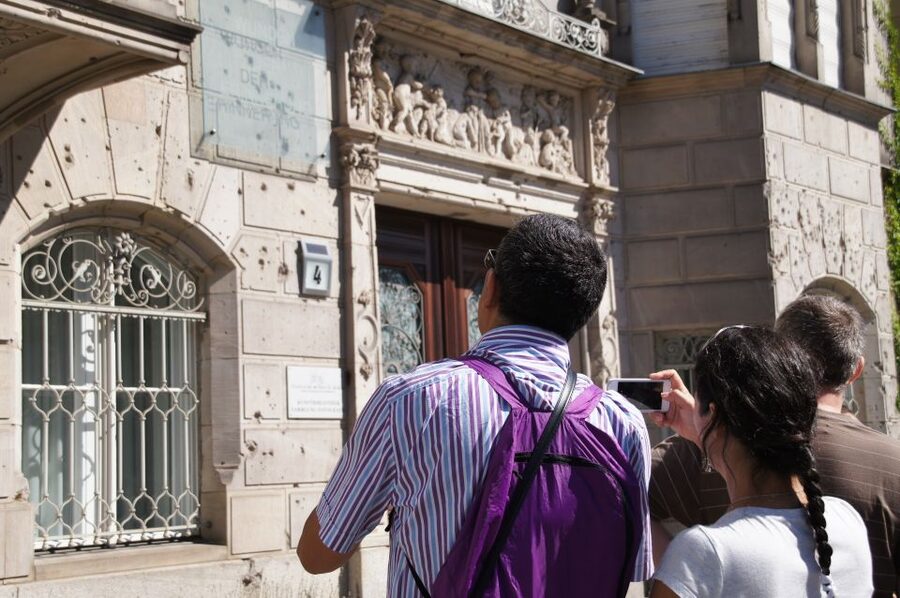
The early part of the walk sets up the political story. You begin with the Treaty of Versailles and the Weimar Republic, two essential pieces of background for understanding Hitler’s rise.
The value here is context. Without it, Nazi Berlin can seem to appear from nowhere, as if the dictatorship simply arrived with Hitler. By starting before the Nazi period, the guide can explain the unstable setting in which extremist politics gained ground.
You should expect more listening than sightseeing at this point. The important material is the explanation itself, and some of it may be familiar if you have studied twentieth-century European history. If you know the basic story already, use this section to ask how events in Germany affected Berlin specifically.
The tour then turns toward Hitler and the leading figures around him. Goebbels receives attention for his propaganda programs, which adds a useful look at the machinery behind the regime. This is one of the better reasons to choose a guided walk instead of simply following a map of former Nazi sites.
The Sinti and Roma memorial and the Nazi vision of Germania
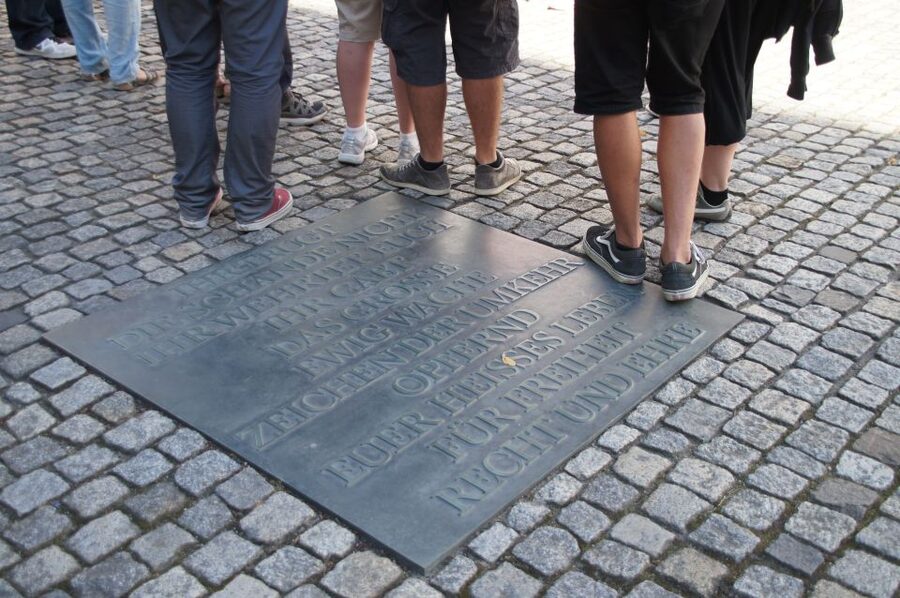
The route passes the Memorial to the Sinti and Roma Victims of National Socialism. This is an important change of focus. The tour is not only about Hitler’s offices, military administration, and final bunker. It also addresses people persecuted and murdered by the Nazi regime.
The memorial helps place Nazi planning and racial policy within the same story. You learn about the Nazis’ proposed Germania, a remade Berlin intended to become the capital of the world. That plan shows the scale of the regime’s ambition and its desire to reshape the city as a political symbol.
This section is especially valuable because it links ideology with urban planning. The Nazi government was not only fighting a war or controlling newspapers. It was imagining a new capital and a new social order, with enormous consequences for the people the regime classified as enemies.
The information provided does not promise a long stop at the memorial, so expect the guide to explain its significance as part of the walking route. If this subject matters greatly to you, pay close attention and ask your guide for clarification while the group is there.
Same base, a different kind of day out:
- Discover Berlin Half-Day Walking Tour
★ 5.0 · 9,624 reviews - Berlin: Hop-on Hop-off Bus Tour with Live Commentary
★ 4.3 · 8,579 reviews - Berlin: Government District around the Reichstag Guided Tour
★ 4.7 · 8,447 reviews - Berlin: Reichstag, Plenary Chamber, Cupola & Government Tour
★ 4.6 · 8,422 reviews
Rome, Berlin, and Tokyo outside the embassies
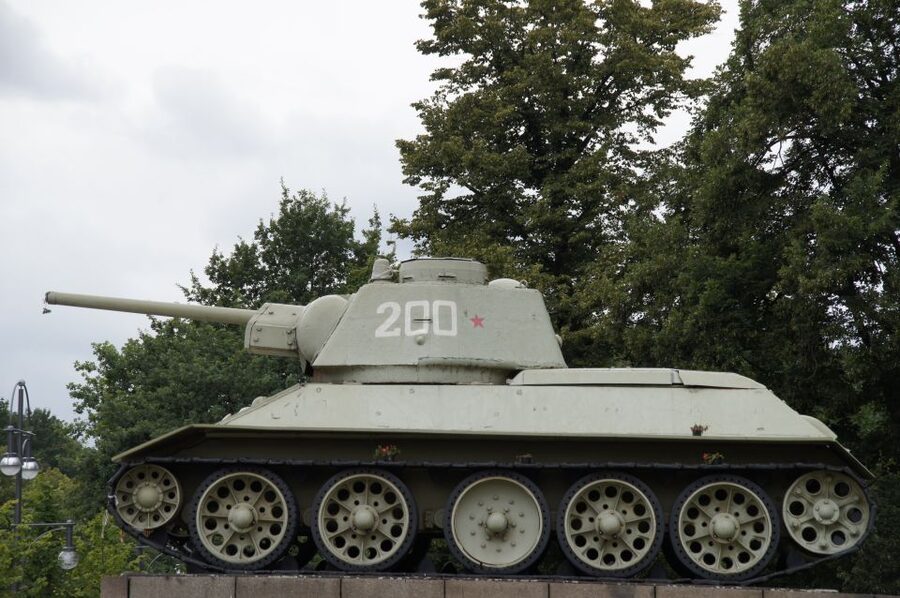
One of the route’s more distinctive moments comes in front of the Italian and Japanese embassies. Here the guide explains the Berlin, Rome, and Tokyo axis, Germany’s wartime alignment with Italy and Japan.
This is a smart use of place. Instead of discussing alliances only in abstract terms, the tour places the subject near the diplomatic addresses connected with those countries. The stop gives the political relationship a physical setting, even though the buildings themselves are not presented as museum exhibits.
Do not expect an interior embassy visit. The listed experience is an explanation from outside, folded into a walking tour. That is still useful, particularly if you want to understand how Germany positioned itself internationally before and during the war.
The embassy stop also breaks up the focus on Hitler’s domestic rule. You get a wider view of diplomacy, alliance-building, and the international ambitions of the Nazi government.
Wilhelmstrasse and the Luftwaffe Ministry
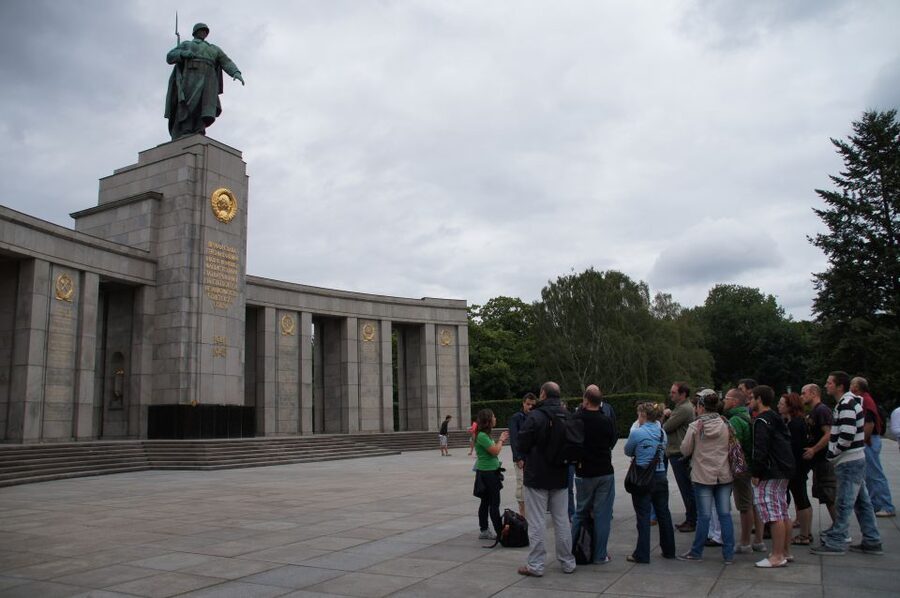
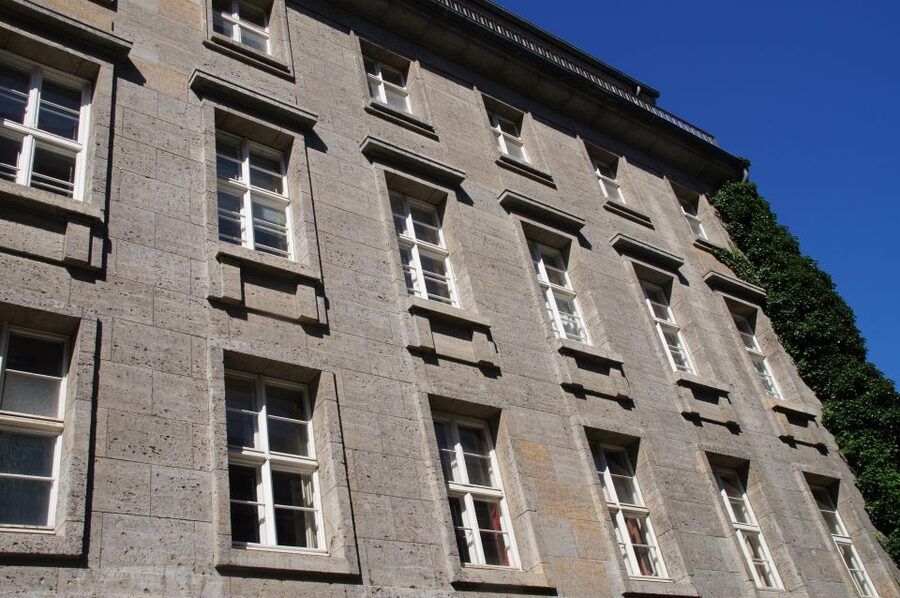
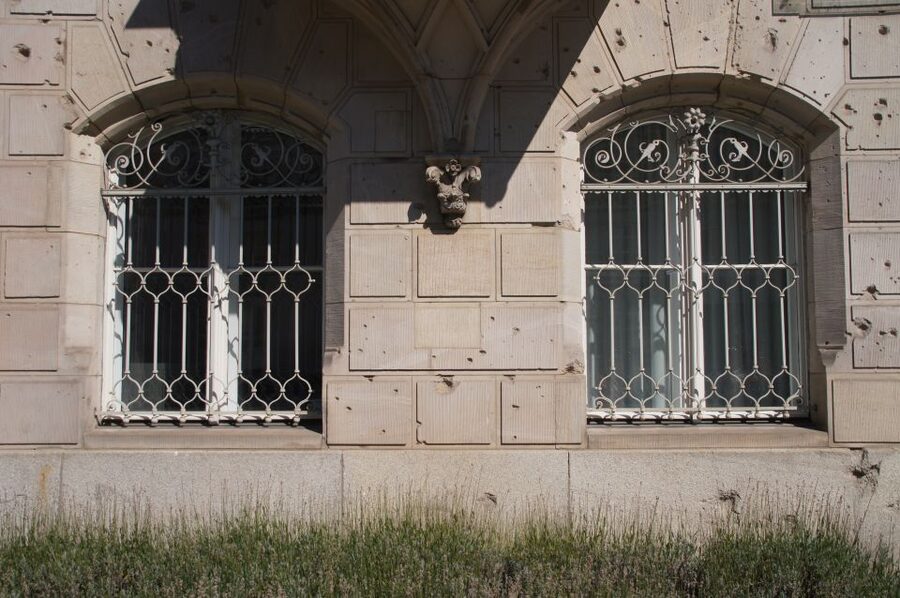
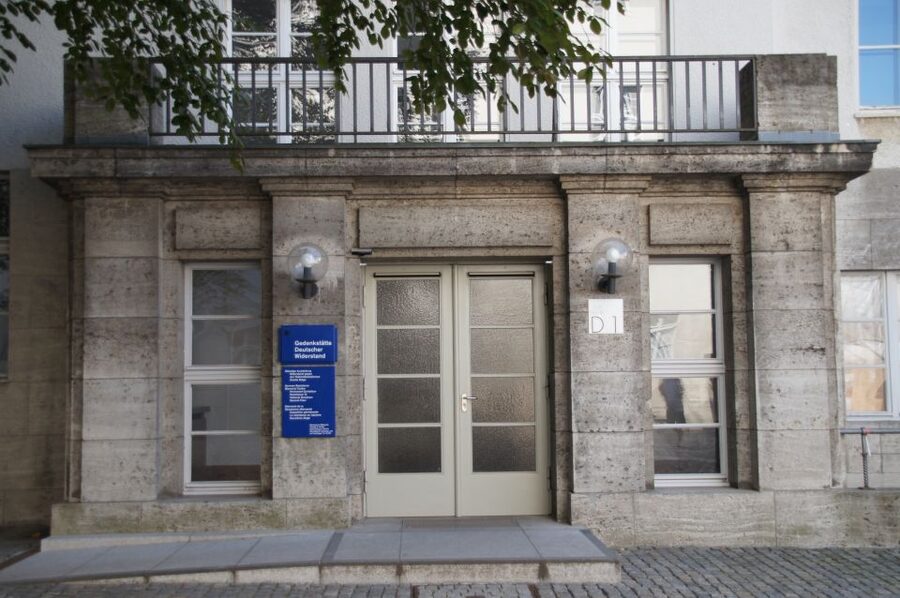
The walk continues along Wilhelmstrasse toward the Luftwaffe Ministerium, or Air Defense Ministry. This section brings you into the administrative center of Nazi power.
Wilhelmstrasse is important because the story here is about government offices and decision-making, not just famous personalities. As you walk, the guide can connect the street to the institutions that directed military and political policy.
The Luftwaffe Ministry adds a military dimension to the route. Its presence helps you see how Berlin’s government district was tied to wartime command. This is one of the stops where a guide’s commentary matters more than the exterior alone. The building is part of the evidence, but the explanation tells you what role it played.
The tour then includes the former Nazi Propaganda Ministry. That creates a strong pairing with the earlier discussion of Goebbels. You move from the person and his propaganda programs to the administrative setting that supported the regime’s public message.
I like this part of the itinerary because it makes Nazi rule feel organized and institutional. The dictatorship did not depend only on speeches and rallies. It operated through ministries, offices, military structures, and a carefully controlled public story.
The former Chancellery and the bunker’s final chapter
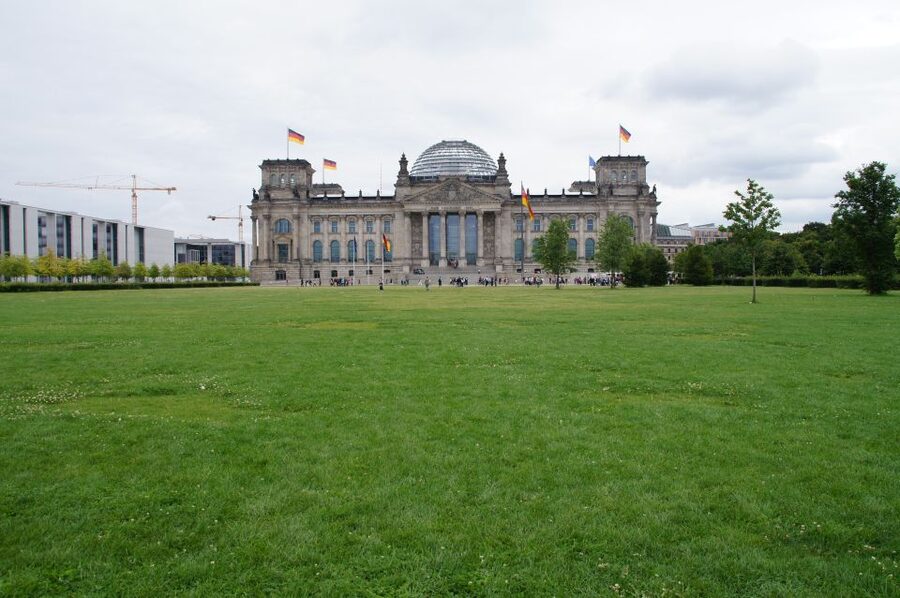
The tour finishes at the exact spot where the Führer Chancellery once stood. From there, the guide explains Hitler’s final days in his famous bunker.
The end point is powerful partly because so little remains above ground. You do not get a grand preserved interior or a dramatic museum room. Instead, the location asks you to imagine the final stage of the regime from an ordinary city setting.
That can be more useful than a theatrical presentation. The guide’s job is to separate fact from myth and explain the end of the Nazi government without turning Hitler into a romantic figure. The subject is grim, but the location brings the story to a clear finish.
Ending here also gives the walk a natural chronology. You have followed Hitler’s rise, the regime’s propaganda and administration, its international alliances, its plans for Germania, and finally its collapse.
If you are particularly interested in the bunker, keep your expectations realistic. The tour takes you to the site of the former Chancellery and explains the final days, but the provided details do not promise access to an underground bunker or a reconstructed interior.
What four hours feels like on foot
Four hours is long enough to cover the political story without reducing every stop to a rushed photograph. It also means you should treat this as a serious half-day commitment, not a quick orientation walk.
The route combines walking with public transport, and you must have a ticket for Berlin zones AB. That ticket is not included in the $29 price, so add the transport cost before comparing this activity with shorter city walks.
The transport requirement is a small but important practical detail. Berlin is spread out, and using public transit allows the route to connect sites that are not all clustered around Alexanderplatz. Buy or arrange the correct AB ticket before the tour begins, since the guide does not supply it.
The tour is listed as wheelchair accessible. Still, you should confirm any personal mobility needs when booking, since the experience covers several outdoor locations and includes transport between parts of the city.
The information does not specify group size, the exact number of transport rides, or the distance walked. Plan for a substantial amount of time standing and moving through the city. Comfortable shoes and weather-ready clothing are sensible, even though no special equipment is required.
One short review in French found some pauses unnecessary. That suggests the pacing may not suit everyone. If you prefer a brisk walk with minimal stopping, tell the guide early. If you want time to absorb difficult material, the pauses may work in your favor.
Is $29 good value for this history walk?
At $29 per person, the price is reasonable for a four-hour guided experience in central Berlin, especially because the route covers several separate themes and districts. You are paying for a Spanish-speaking guide who connects the sites rather than simply pointing them out.
The value depends on how much explanation you want. If you already know the political history and only want to see the former bunker site, you may find a shorter self-guided visit enough. If you want the Treaty of Versailles, the Weimar Republic, Goebbels’ propaganda, the embassies, Germania, the ministries, and Hitler’s final days placed into one story, the half-day format earns its price.
Remember that the transport ticket costs extra. That does not make the tour poor value, but it means the advertised price is not your full out-of-pocket cost.
The booking terms also reduce some risk. You can cancel up to 24 hours ahead for a full refund, and you can reserve now and pay later. Those options help if your Berlin schedule is still shifting.
Who should choose this Spanish-language experience?
I would choose this walk if you want a serious introduction to Nazi Berlin and prefer to learn in Spanish. It suits you especially well if you value political context, city planning, and government history as much as famous names.
It is also a good fit for anyone who wants to connect scattered sites. Berlin’s Third Reich locations can feel disconnected when visited alone. This route gives you a beginning, middle, and end, from the postwar political crisis to the bunker.
You may want another kind of activity if you have limited time, dislike long walks, or want an indoor museum experience. Four hours is a commitment, and the route deals with painful material throughout.
Families and school-age visitors may find the subject valuable, but the tone is historical rather than light. Use your judgment based on age and interest. The tour is not presented as entertainment, and its strongest material concerns dictatorship, persecution, war, and collapse.
Should you book the Berlin National Socialism tour?
Book it if you want a Spanish-language explanation of Nazi Berlin that goes beyond Hitler’s bunker. The route’s strongest features are its clear historical sequence, the visit to the Sinti and Roma memorial, the embassy discussion, and the walk along Wilhelmstrasse to the military and propaganda ministries.
The highly praised guides add to the appeal. Sam, Martín, and Celia are noted for strong information, patience, and attentive service. Since a specific guide is not guaranteed, book for the route and language first, then treat the individual guide as an added benefit.
Skip it if you only want a quick photo stop or if four hours of walking and public transport sounds tiring. For $29, plus the AB ticket, this is a solid choice for a focused half-day lesson in Berlin’s Nazi past, provided you are ready for a serious subject and a full schedule.
FAQ
Where does the tour meet?
Meet beside the only entrance to Berlin’s television tower, the Fernsehturm, at Alexanderplatz. Look for a green flag marked tours en español, next to the Espresso House and between the tower and Alexanderplatz railway station.
How long does the tour last?
The tour lasts four hours.
What language is the tour conducted in?
The tour is conducted in Spanish with a live Spanish-speaking guide.
Is public transportation included?
No. You need a public transport ticket for Berlin zones AB, and that ticket is not included in the price.
What does the $29 price include?
The price includes the Spanish-speaking guide and the four-hour tour. Public transport is not included.
Is the tour wheelchair accessible?
Yes. The activity is listed as wheelchair accessible.
Can I cancel if my plans change?
Yes. You can cancel up to 24 hours in advance for a full refund. You can also reserve now and pay later.
Just added in Berlin
- Private One way Airport Transfer Berlin Airport To Berlin★ 3.5 · 17 reviews
- Private Walking Tour: Berlin Wall, Cold War and Checkpoint Charlie★ 5.0 · 37 reviews
- Modern Berlin Private Walking Tour: Diverse, Vibrant and Exciting German Capital★ 5.0 · 13 reviews
- Private Day Trip to Potsdam from Berlin by Train★ 4.5 · 27 reviews
- City Explorer: Potsdam Private Day Trip★ 4.5 · 10 reviews
- Private Half-Day Sightseeing Tour in Berlin★ 3.5 · 6 reviews
- Berlin Private Custom Tour in a Minivan, East and West★ 5.0 · 123 reviews
- Berlin Private Custom 5-Hour Tour by Car★ 5.0 · 30 reviews
Tours in Berlin, compared.
Reichstag, Dome and Government District Guided Tour
Read our review →
1-Hour City Tour by Boat with Guaranteed Seating
Read our review →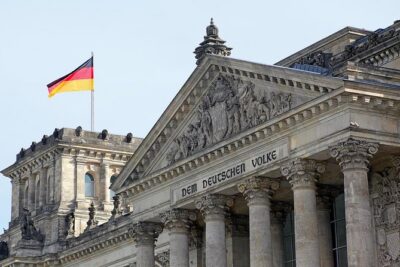
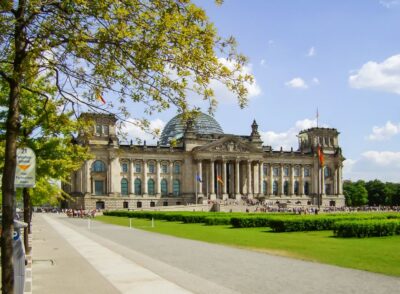
Reichstag, Plenary Chamber, Cupola & Government Tour
Read our review →