
Reviewed · MUSEUMS
Berlin: The Wall Museum East Side Gallery Ticket
The Wall Museum puts Berlin’s Cold War story inside a useful setting: right beside the East Side Gallery, the longest surviving section of the Wall. You move through 13 themed rooms filled with films, interviews, documents, and artifacts, tracing the city from the postwar years to the Wall’s fall. I like the clear time line and the mix of personal testimony with political history. I also like that the ticket is valid for a full day, so you can pair the museum with the murals outside without rushing.
The main consideration is presentation. The museum’s overall score is 4.1 from 292 ratings, and the responses are not uniform. Some visitors find it very informative, while one recent visitor described the presentation as poor. If you prefer a polished, highly guided museum, keep that in mind. This is best for travelers who want context before or after walking the Wall, not for anyone expecting a large national museum.
Key Points
- Thirteen themed rooms: Follow Berlin’s story through film, interviews, documents, and objects.
- East Side Gallery location: Combine the indoor museum with the remaining Wall section and its outdoor murals.
- Skip-the-line entry: Spend more of your available day inside rather than waiting at the ticket counter.
- Cold War focus: Learn about postwar Berlin, the Wall’s construction in 1961, divided daily life, and the fall in 1991.
- Flexible planning: Your ticket is valid for one day, with free cancellation up to 24 hours ahead.
- Accessible and multilingual: Wheelchair access is available, and host or greeter support is offered in German, English, Spanish, and Italian.
Starting Beside Berlin’s Best-Known Wall Murals

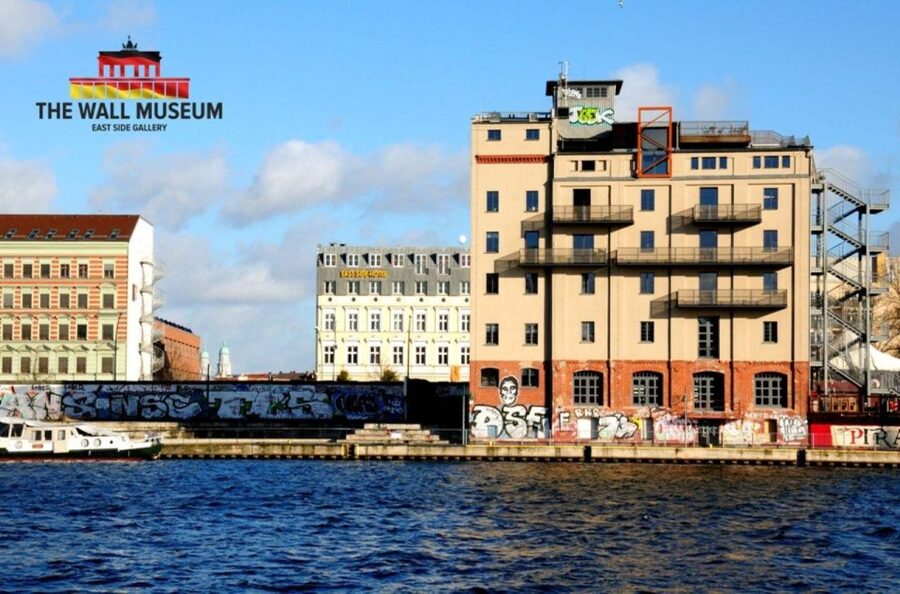
The meeting point is Mühlenstraße 78-80, 10243 Berlin, at the Mühlenspeicher building beside the Pirates Restaurant. The museum is on the second floor, next to the East Side Gallery.
That location matters. You are not visiting an isolated exhibit in a distant part of the city. The museum sits beside a long surviving stretch of the Berlin Wall, now known for its painted murals. You can use the indoor display to understand the barrier, then step outside and see how that same structure has been turned into a public art site.
Look for the Mühlenspeicher building and the Pirates Restaurant when you arrive. The address is specific, but the East Side Gallery is the more useful landmark for getting oriented. If you are meeting a host or greeter, the available languages are German, English, Spanish, and Italian. No individual guide names are provided, so you should think of this as a museum visit with language support rather than a named, personal walking tour.
The skip-the-line entry is a small but practical benefit. It does not turn the museum into a private visit, but it can save time at a busy point along the East Side Gallery. That is especially useful if you have planned the museum between other Berlin sights.
Other museums and galleries in Berlin:
- Berlin: Jewish Museum Berlin Entrance Ticket
★ 4.5 · 8,393 reviews - Berlin: Natural History Museum Entrance Ticket
★ 4.6 · 3,382 reviews - Berlin: Neues Museum Entry Ticket
★ 4.6 · 3,261 reviews
Room One: Berlin After the War
The visit begins with Berlin after the Second World War. This opening section gives you the setting needed for everything that follows: a damaged city, political tension, and a capital divided among competing powers.
You will encounter the story through a mix of film, documents, and objects. That variety is important because the Wall was not only a physical structure. It was also the result of political decisions that changed where people could live, work, study, and visit.
The museum’s format aims to make the period easier to follow for people who do not already know Berlin’s history. If you are visiting with teenagers or with someone new to the subject, this first stage can help connect the later events to the city’s postwar condition.
Do not expect every room to offer the same level of polish. The available feedback includes strong praise for the information and a sharp complaint about the presentation. I would treat the museum as a useful historical stop, while keeping your expectations measured about display design and production quality.
Room Two: The Wall Goes Up in 1961
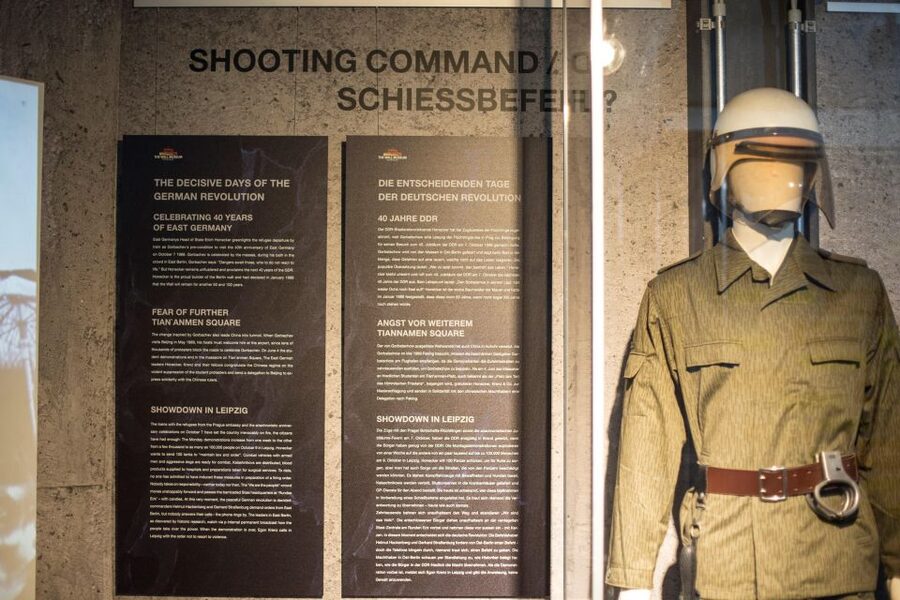
One of the central moments is the erection of the Wall in 1961. The museum explains this event as a turning point rather than merely showing photographs of concrete and barbed wire.
Films and documents help show how quickly the city was divided. A line that had once been crossed by people moving around Berlin became a hard border. The power of this section comes from seeing the Wall as a sudden change to ordinary routines, not just as a later symbol of the Cold War.
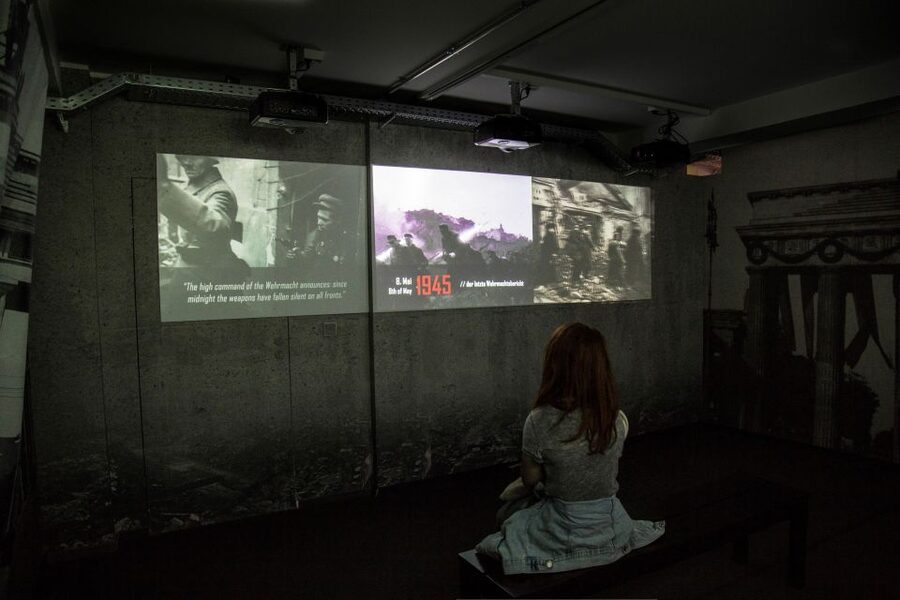
This is also where the museum’s multimedia approach can work well. A film can give you the scale of the event, while an interview can bring the effect down to a personal level. Artifacts and documents add a physical link to the period.
The material is emotional by design. Some people will find that direct approach helpful. Others may find the presentation heavy-handed or uneven. The 4.1 rating from 292 ratings suggests a generally positive but not unanimous response, which fits a museum that is more focused on impact and storytelling than quiet academic study.
Room Three: Life in a Divided City
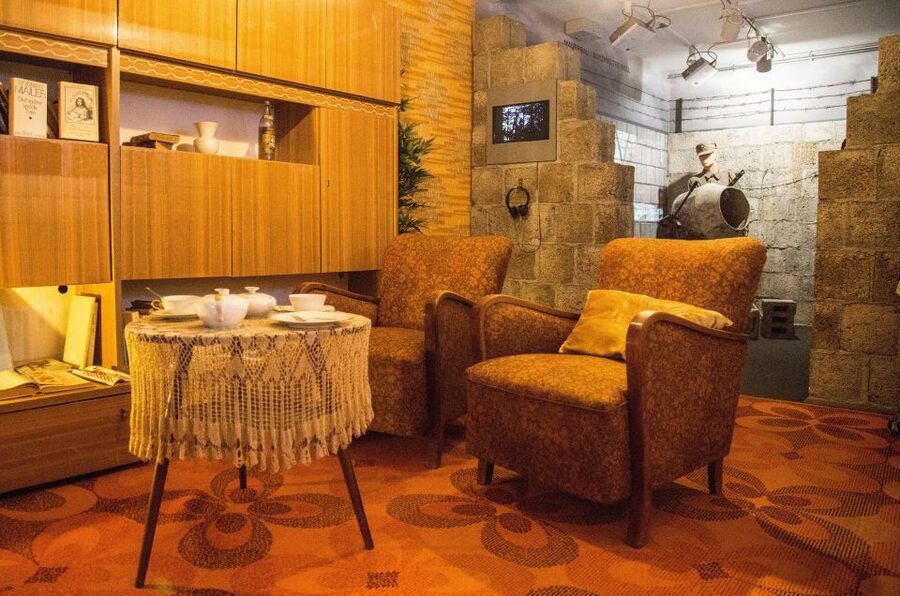
The most useful part for many people will be the account of daily life after the Wall went up. Political history can feel distant, but the question of how people lived under division is immediate.
You can expect interviews and documentary material about the experience of a divided city. The museum asks you to consider what it meant to have family, friends, work, or familiar streets on the other side of a barrier. These personal accounts give the historical dates a human scale.
The museum does not simply present Berlin as a place where dramatic events happened. It shows how the Wall changed the city itself. That makes the visit worthwhile before you walk the East Side Gallery, since the murals alone do not explain why the remaining structure matters.
Take your time in these rooms. A one-day ticket gives you room to avoid treating the museum as a quick photo stop. You can pause at a film, read a document, and return to a section if a detail catches your attention.
A few more things to do in Berlin worth a look
- Berlin: Berlin Story Bunker Entry Ticket
★ 4.6 · 6,759 reviews - Berlin: Illuseum Berlin Entrance Ticket
★ 4.1 · 3,970 reviews - Berlin: Madame Tussauds Admission Ticket
★ 4.6 · 3,941 reviews - Berlin: Charlottenburg Palace Entry Ticket
★ 4.4 · 2,076 reviews
Film, Interviews, and Artifacts: What the Format Adds
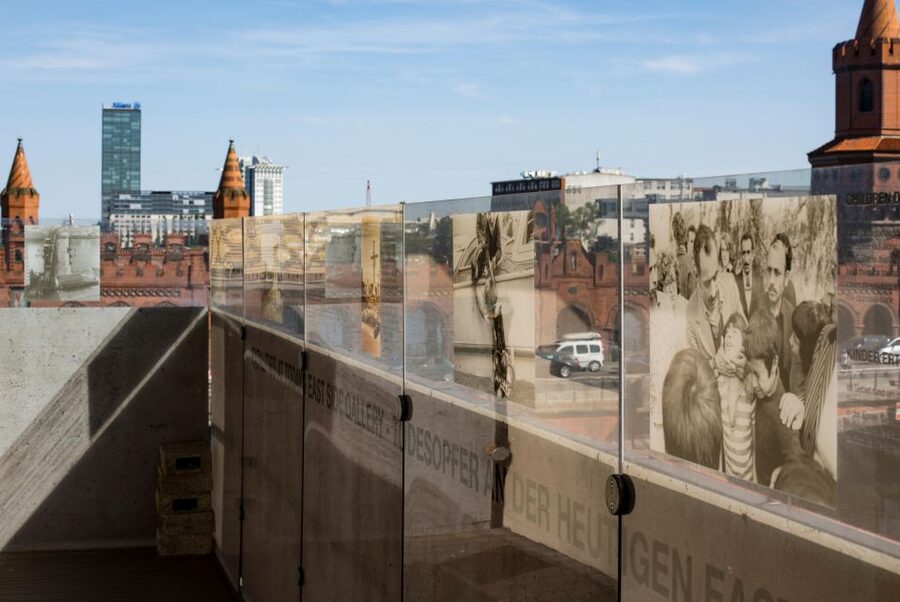
The 13 rooms use several kinds of material rather than relying only on text panels. Films create a sense of period and place. Interviews add individual voices. Documents and artifacts provide evidence that feels more concrete than a simple summary on a wall.
I like this combination because Berlin’s Wall story has two sides that need to be held together. You need the political sequence, including the postwar division and the 1961 construction. You also need the human result, which is harder to understand from dates alone.
The multimedia format also helps if you are not a museum reader. Long blocks of text can lose younger visitors or anyone already tired from sightseeing. The films and interviews offer another way into the subject.
Still, this format is not automatically better. A multimedia display depends on sound, screens, and presentation quality. If the production feels dated or poorly arranged, it can reduce the impact. The negative response about the presentation is worth taking seriously. Book this for the content and location first, not because you expect a high-end technology show.
The Fall of the Wall and Berlin’s Next Chapter
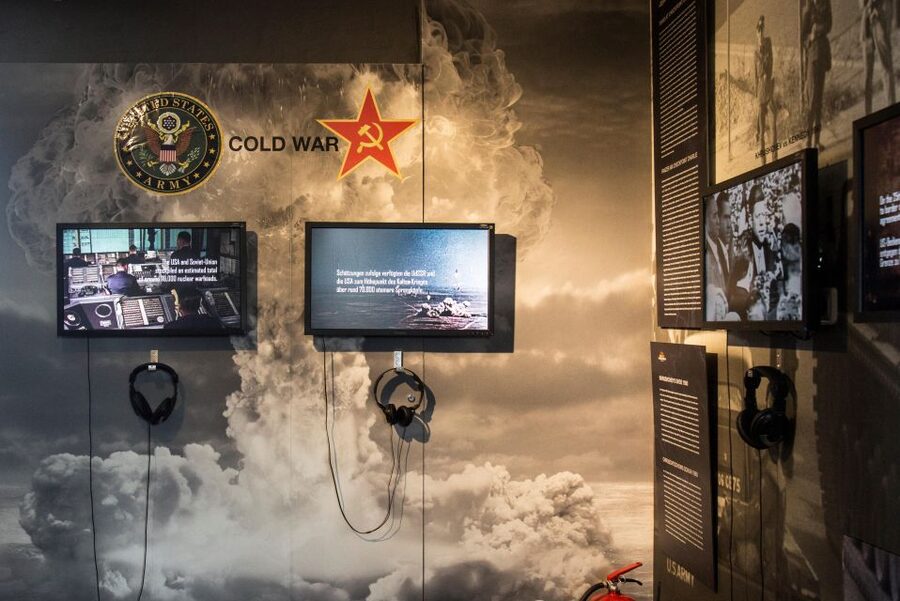
The final part follows the dramatic fall of the Berlin Wall in 1991 and considers how the event changed the city. The museum presents the fall as the end of a long period of division, but also as the start of a new Berlin.
This section gives the earlier rooms a sense of direction. You have seen the city divided, watched the Wall go up, and considered daily life behind it. The fall then becomes more than a famous news image. It becomes the release of a city that had been physically and politically split.
You should allow time here rather than rushing straight outside. The surviving Wall next door is powerful, but it can be easy to see only the murals and miss the structure’s original role. The museum supplies the background that helps you read the outdoor site with more care.
The supplied information dates the fall to 1991, and that is how the museum experience is described here. The key point for your visit is the change that followed: Berlin moved from a divided capital toward a shared city, while parts of the Wall remained as reminders and public art.
Pairing the Museum With the East Side Gallery
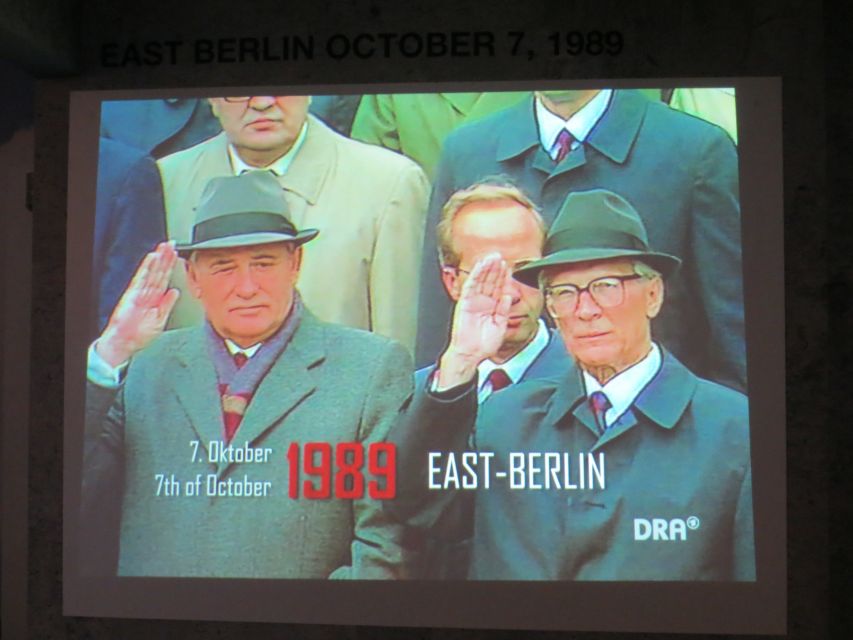
The best way to plan this visit is to treat the indoor museum and the outdoor Wall as two connected stops. Start with the museum if you want the historical frame first. Then walk along the East Side Gallery and look at the murals with the political story in mind.
You can also reverse the order. The outdoor section gives you an immediate sense of the Wall’s length and location, while the museum later explains what the barrier meant. Since the ticket is valid for one day, you have some freedom in how you arrange the two parts.
Do not assume that the museum itself replaces a walk along the East Side Gallery. The outdoor section is one of the major reasons to come to this part of Berlin, and the ticket covers the Wall Museum rather than every attraction in the area. The value comes from combining the two nearby experiences.
The setting also makes this a convenient choice for a half-day plan. You can spend time indoors, walk the Wall, and then continue elsewhere in Berlin without committing to a full-day guided excursion.
Price, Time, and What You Get for $14
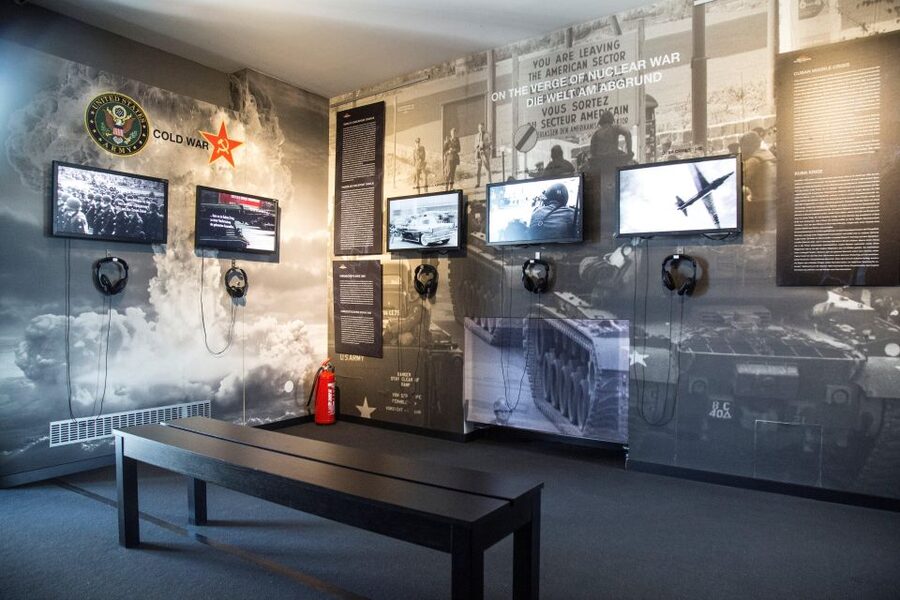
At $14 per person, the ticket is reasonably priced if you want a focused account of Berlin’s Wall history. The value is strongest when you use the ticket as part of a larger East Side Gallery visit. You are paying for access to 13 themed rooms and the multimedia material, while the nearby outdoor Wall adds another layer without requiring a separate long journey.
The price is less compelling if you want a short, highly polished attraction with a named expert guide. No private guide is included, and no individual guide names are provided. The available support is a host or greeter who may speak German, English, Spanish, or Italian.
Skip-the-line entry adds modest practical value. At a $14 price point, even a short wait can feel like a large part of the cost. The benefit is most useful when you have a tight schedule or are visiting during a busy period.
The full-day validity is another plus. You do not need to race through all 13 rooms in one sitting, though the available details do not promise multiple entries. Plan on using the ticket during the same day and check the available starting times when booking.
Who Will Get the Most From This Visit
I would recommend the museum to first-time Berlin visitors who want a clear introduction to the Wall. It also suits families and school-age visitors who respond better to films and interviews than to a long book or lecture.
History fans will appreciate the mix of political events and personal accounts, but the museum may feel too introductory if you already know the subject well. Its strength is putting the main story in order and connecting it to the actual Wall nearby.
This is also a good choice if you have limited time in Berlin. The East Side Gallery location lets you cover an important historical site and a famous public art area in one outing.
You may want to skip it if your main goal is a quiet, object-heavy museum with detailed academic interpretation. The multimedia presentation may not satisfy everyone, and one recent response found the presentation especially weak. For most people, the content is likely to matter more than the display technology.
Booking Flexibility and Access
You can cancel for a full refund up to 24 hours before the visit. A reserve-now, pay-later option is also available, which helps if your Berlin schedule is still moving around.
The activity is wheelchair accessible. Language support is listed in German, English, Spanish, and Italian, both for the host or greeter and for the wider language offering.
The ticket is valid for one day. Starting times depend on availability, so check the date and time before you commit your sightseeing plan. Since no transport is included, arrange your own way to Mühlenstraße 78-80 and use the East Side Gallery and Pirates Restaurant as nearby reference points.
Should You Book the Wall Museum?
Book it if you want a concise, multimedia account of Berlin’s divided past and plan to visit the East Side Gallery. The location, 13 themed rooms, films, interviews, and skip-the-line access make $14 fair for a focused historical stop.
Skip it if you expect a flawless museum production, a private guide, or a long list of rare objects. The mixed 4.1 rating and the sharp criticism of the presentation suggest that the experience will not suit everyone.
My practical advice is simple: use the museum to understand the Wall, then go outside and see the surviving section for yourself. That combination gives you more than either stop alone.
FAQ
Where is the Wall Museum located?
It is at Mühlenstraße 78-80, 10243 Berlin, Germany, beside the East Side Gallery. The entrance is in the Mühlenspeicher building on the second floor, next to the Pirates Restaurant.
What does the museum explain?
It covers Berlin after the war, the construction of the Wall in 1961, daily life in the divided city, and the fall of the Wall in 1991.
How many rooms are in the museum?
The museum has 13 themed rooms.
What can I see inside the rooms?
You can see films, interviews, documents, and artifacts about Berlin and the history of the Wall.
Is skip-the-line entry included?
Yes. The ticket includes skip-the-line entry.
How long is the ticket valid?
The ticket is valid for one day. You should check availability for the starting times offered on your chosen date.
What languages are available?
Host or greeter support is available in German, English, Spanish, and Italian. These four languages are also listed for the activity.
Is the museum wheelchair accessible?
Yes, the activity is listed as wheelchair accessible.
Can I cancel the booking?
Yes. You can cancel up to 24 hours in advance for a full refund. A reserve-now, pay-later option is also available.
Just added in Berlin
- Berlin: Energizing 2-Hour Morning Segway Tour★ 4.7 · 35 reviews
- Berlin: Thrilling E-Scooter Adventure Tour★ 4.4 · 66 reviews
- Beelitz-Heilstätten: Baum&Zeit Tree Top Walk Entry Ticket★ 4.9 · 7 reviews
- Beer Bike & Party Bike: Unforgettable Berlin City Tour incl. pickup★ 5.0 · 5 reviews
- AXE THROWING EXPERIENCE IN BERLIN★ 4.7 · 24 reviews
- Alternative Berlin / Street art tour – Private group★ 5.0 · 6 reviews
- Berlin: Alternative & Street Art Tour★ 4.5 · 6 reviews
- Berlin: 2.5-Hour Beer & Sunset Sightseeing Boat Cruise★ 4.6 · 61 reviews
Museums, compared.
Skip-the-Line: Berlin Wall Museum at Checkpoint Charlie
Read our review →
Browse the lists this tour appears in