Reviewed · TOURS IN BERLIN
Berlin: The Feuerle Collection Guided Tour and Entry Ticket
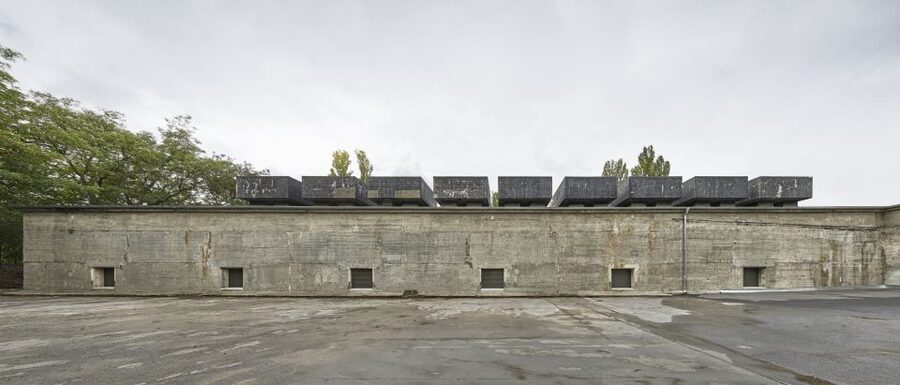
The Feuerle Collection turns a former World War II telecommunications bunker into one of Berlin’s most unusual art spaces. Inside, Khmer sculptures, Imperial Chinese furniture, and modern photography share dark rooms, still water, and carefully controlled light.
I like the thoughtful meeting of old and new, and I like the calm, almost ceremonial atmosphere. The main caution is time: the tour is sold as one hour, but some departures may last only 35 to 40 minutes.
Key points to know
- A bunker unlike Berlin’s usual museums: John Pawson transformed the former telecommunications bunker into a spare, shadowy setting for art.
- Ancient and modern works share the same rooms: Expect Khmer stone, bronze, and wood sculpture beside Imperial Chinese furniture and contemporary art.
- The underground lake shapes the mood: Water, darkness, and light are part of the experience, not just decoration.
- The tour is short and focused: Allow one hour, but be prepared for a shorter guided visit on some departures.
- Silence is part of the visit: Phones, cameras, video recording, food, drinks, and touching the exhibits are not allowed.
- Best for adults and older teenagers: Children under 16 cannot join, and the English tour is wheelchair accessible.
Entering the former telecommunications bunker
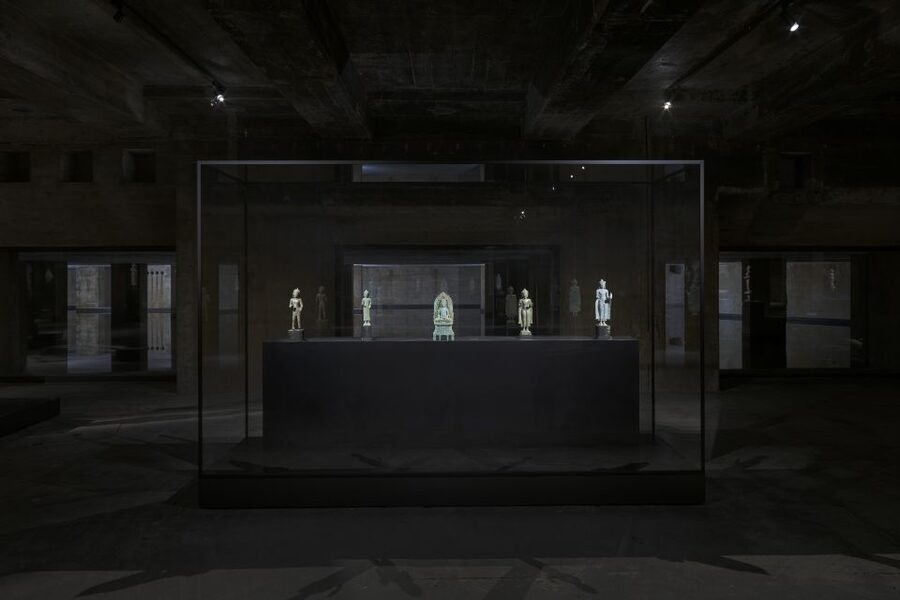
The Feuerle Collection is housed in a former World War II telecommunications bunker, and the building does much of the storytelling before the guide says a word. You do not enter a bright gallery with white walls and obvious labels. You move into a controlled, quiet space where darkness, stone, water, and narrow sightlines shape your attention.
Architect John Pawson renovated the bunker with restraint. The design does not compete with the art through colorful walls or theatrical decoration. Instead, the building feels stripped back and serious, allowing the objects to carry the weight.
I find this setting especially useful for understanding why the collection is arranged in such a specific way. A Khmer sculpture can feel very different when seen under low light beside an ancient piece of furniture than it would in a busy museum room. The bunker creates a pause between the outside city and the objects inside.
The quiet is not a minor detail. One person described the calm as a major pleasure, and you should expect a visit where silence matters. If you prefer lively museum commentary, crowds, and lots of written information, this may feel too controlled. If you want a short period of stillness in central Berlin, the atmosphere works in its favor.
A few more things to do in Berlin worth a look
- Berlin: Jewish Museum Berlin Entrance Ticket
★ 4.5 · 8,393 reviews - Berlin: Berlin Story Bunker Entry Ticket
★ 4.6 · 6,759 reviews - Berlin: Illuseum Berlin Entrance Ticket
★ 4.1 · 3,970 reviews
The first look at Khmer sculpture
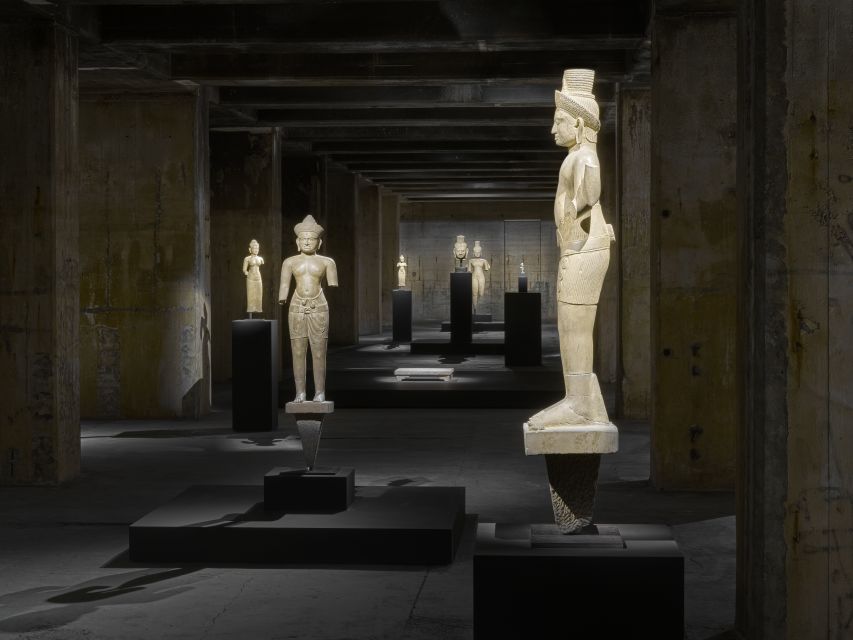
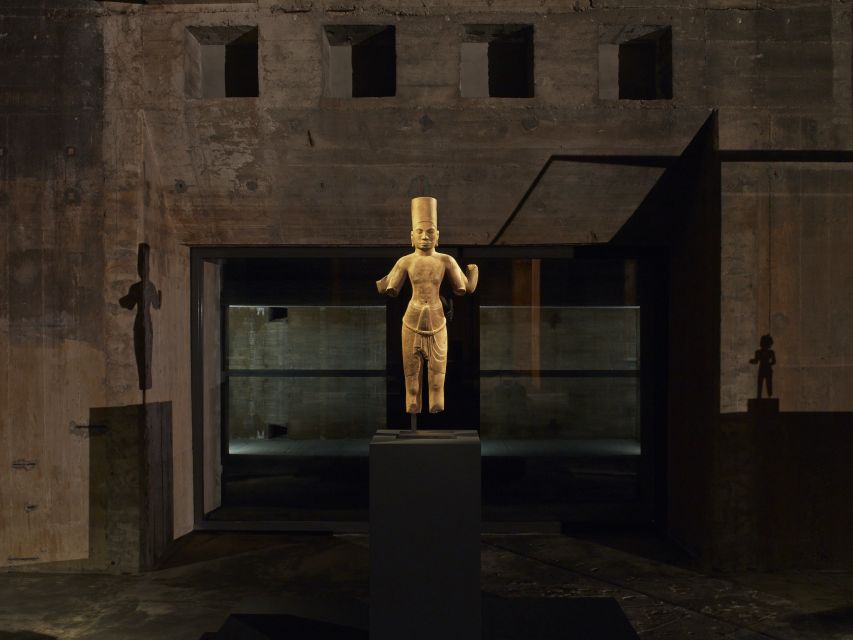
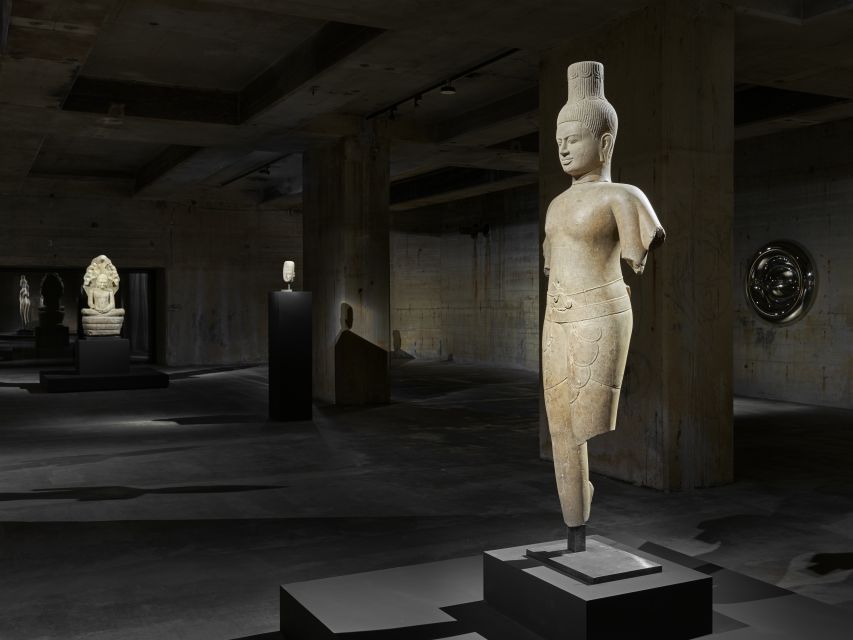
The tour introduces you to Khmer works in stone, bronze, and wood, dating from the seventh to the thirteenth century. These pieces represent ancient Southeast Asian art and give the visit its oldest historical layer.
The variety of materials matters. Stone can suggest weight and permanence, while bronze and wood bring different textures and details. The low-lit rooms encourage you to examine the surfaces slowly rather than glance at each object while moving through a large exhibition hall.
Your English-speaking guide explains the works and the thinking behind their placement. The point is not simply to identify dates or materials. The tour helps you see how an ancient sculpture can enter a conversation with a much newer work nearby.
The limited duration means you should not expect a long academic lecture on every object. This is a compact introduction, with the building, lighting, and arrangement doing part of the work. Pay close attention during the explanations, since the visit can move quickly.
Imperial Chinese furniture with unusual detail
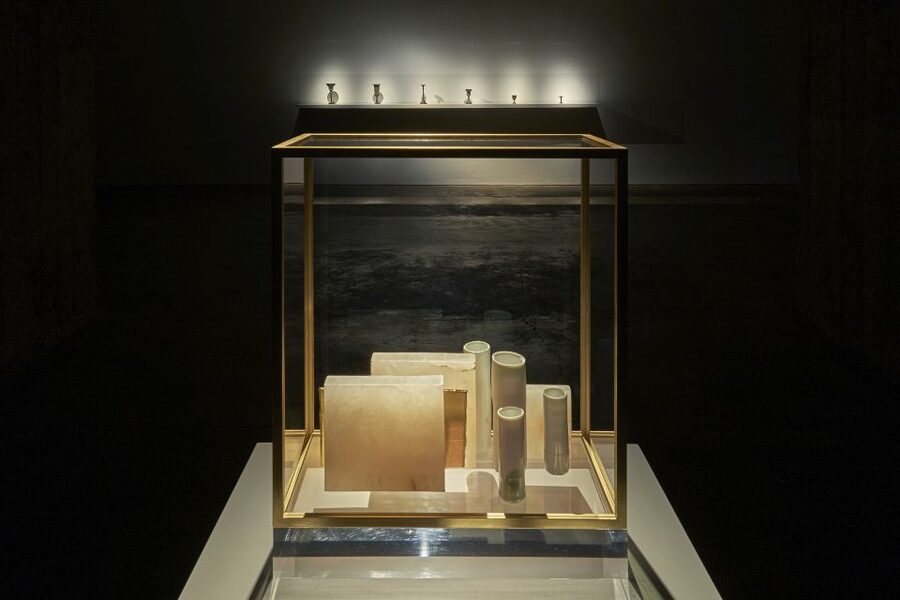
The next part focuses on Imperial Chinese furniture, including lacquer and stone pieces. These objects reward close attention to craft, surface, shape, and proportion.
Furniture can be easy to overlook in a museum because it is familiar in function. Here, the setting asks you to see it as art. Lacquer catches limited light in a different way from stone, and the dark rooms help you notice the finish and construction.
I like this part of the visit because it broadens the usual idea of an art collection. You are not looking only at paintings or statues. Chairs, tables, and other furniture become evidence of design skill, status, materials, and cultural tradition.
The collection also places Imperial Chinese objects beside modern art. That choice may not work for every taste. Some people prefer clear divisions between ancient and contemporary galleries, while others enjoy being asked to compare works from distant periods.
The underground lake and the light design
An underground lake is one of the collection’s most distinctive features. It fits into the bunker’s light design and adds a reflective, almost dreamlike element to the visit.
You should not think of the lake as a separate attraction that you rush toward. It forms part of the overall arrangement of the museum. Water, darkness, architecture, and objects share the same visual space, so the building feels like one connected installation.
This is also where the experience becomes less like a standard museum tour. You are not simply walking from one labeled room to the next. The environment slows you down and makes you aware of sound, distance, and the direction of the light.
The drawback is that the controlled lighting may make photography difficult, but cameras and cellphones are not allowed anyway. The restrictions are strict: no photographs, no video, no phone use, and no touching the exhibits. Plan to enjoy the space without trying to document it.
Same base, a different kind of day out:
- Berlin: Reichstag, Dome and Government District Guided Tour
★ 4.7 · 18,288 reviews - Berlin: 1-Hour City Tour by Boat with Guaranteed Seating
★ 4.3 · 16,993 reviews - Berlin: Boat Tour Along the River Spree
★ 4.4 · 11,252 reviews - Discover Berlin Half-Day Walking Tour
★ 5.0 · 9,624 reviews
Contemporary art beside ancient objects
The collection includes contemporary artists such as Nobuyoshi Araki and Adam Fuss. Their works are presented alongside ancient Southeast Asian sculpture and Imperial Chinese furniture.
Désiré Feuerle, the collection’s founder, is known for bringing antiquities and contemporary art into the same conversation. The guide explains why these choices were made and how the pieces relate across time and culture.
That contrast is the heart of the tour. You may find yourself comparing a modern photograph with the shape or mood of a much older sculpture. You may also notice how an object changes when the surrounding works shift your attention toward texture, absence, scale, or human form.
This approach is not designed to provide a complete survey of Asian art or contemporary art. It is a focused presentation built around connections. I would recommend it to you if you enjoy making your own comparisons and thinking about why two very different objects appear together.
If you want a traditional chronological museum route, the arrangement may seem hard to follow. The guide is important here because the connections are not always obvious at first glance. Listen for the explanation of Feuerle’s choices rather than expecting every relationship to speak for itself.
What the one-hour guided tour feels like
The experience begins at the entrance of The Feuerle Collection, where you meet the guide. The tour is conducted in English, and the guide leads you through the bunker, the ancient works, the furniture, the contemporary art, and the underground lake.
The advertised duration is one hour. That is a reasonable amount of time for a compact, concentrated visit, but you should leave some flexibility around the booking because one recorded experience lasted about 35 to 40 minutes. If you are planning another appointment immediately afterward, do not assume the visit will fill exactly 60 minutes or that the pace will be slow.
The short format can be a benefit. You get a distinct art experience without giving up half a day. It fits neatly between other Berlin plans, especially if you want something quieter than the city’s larger museums.
The tradeoff is depth. You will not have time for a long independent wander after the guide finishes, and the presentation may feel rushed if you want to study every object. For a more relaxed visit, treat the hour as a concentrated introduction rather than a full afternoon museum session.
The scent room and other expectations
The collection is associated with a sensory approach to the museum, but the scent room may not be available during your visit. Do not book this experience expecting every special feature to be operating.
The bunker, lake, lighting, and objects remain the central parts of the tour. Still, availability can affect how complete the experience feels, especially if you are particularly interested in the sensory side of the design.
The strict rules also shape the visit. Pets are not allowed, and neither are food or drinks. You cannot use a cellphone, camera, or video recorder, and you must not touch the exhibits.
These restrictions may sound severe, but they suit the quiet character of the space. They also mean you should check messages, use the restroom, and put away your phone before entering. The collection asks for your full attention.
Who will get the most from this visit
I would choose this tour if you enjoy small, highly focused art experiences and unusual buildings. It is a good match for someone who wants to see how ancient objects and modern art can be placed together without following a conventional museum layout.
It also suits repeat visitors to Berlin who have already seen the major museums and want something less familiar. The bunker setting gives the collection a strong sense of place, and the tour lasts long enough to make the visit worthwhile without taking over your day.
Older teenagers and adults are the intended audience. Children under 16 are not permitted, so this is not a family option for younger children.
The English-speaking guided format helps if you want context rather than a silent entry ticket. You do not need to work out the connection between Khmer sculpture, Chinese furniture, and contemporary art entirely on your own.
I would be more cautious if you mainly want a large collection, extensive labels, or freedom to photograph the displays. The experience is short, quiet, and controlled. Its appeal comes from the atmosphere and the unusual arrangement, not from the number of rooms or objects.
The museum is wheelchair accessible, which makes it a practical choice for visitors who need step-free access. The available information does not specify every detail of the route, so you may want to confirm any particular access needs before booking.
Is $25 a fair price?
At $25 per person, the ticket includes the entrance fee, the English-speaking guide, and the guided museum tour. You are paying for a compact presentation rather than a large museum admission.
The price makes sense if you value interpretation and atmosphere. A guide helps explain Désiré Feuerle’s approach, the links between ancient and modern works, and the role of the bunker itself. Without that context, some of the pairings could seem random.
The value is less certain if you measure a museum visit by time alone. A full hour is already brief, and a 35 to 40 minute tour gives you less time per dollar. The collection’s unusual setting and the quality of the objects are the main reasons to choose it, not the length of the visit.
You can reserve now and pay later, and cancellation is free up to 24 hours before the tour for a full refund. Those terms are useful if your Berlin schedule is still changing, but they do not alter the basic question: are you interested in a quiet, highly designed art experience?
Practical advice before you book
Meet at the entrance of The Feuerle Collection. The information provided does not include individual guide names, so you should expect an English-speaking live guide rather than a named specialist.
Wear or bring nothing that you need to eat or drink during the tour. Food and drinks are not allowed, and the no-phone rule means you should not plan to check directions once inside.
Set aside one hour, but do not build an important connection around the exact finishing time. The tour can be shorter, yet the arrival and departure process may still take a little planning.
Most important, arrive ready to look rather than record. You cannot take photographs or video, and you cannot touch the exhibits. The reward is a more focused encounter with the art and the bunker.
Should you book The Feuerle Collection tour?
Book it if you want an unusual Berlin art stop built around silence, shadow, and contrast. The combination of a former telecommunications bunker, Khmer sculpture, Imperial Chinese furniture, contemporary art, and an underground lake is genuinely different from a standard museum visit.
Skip it if you want a long tour, a broad collection, or a relaxed photo stop. The possible 35 to 40 minute duration and the unavailable scent room on some visits are worth considering.
For the right audience, $25 is reasonable because the guide gives meaning to an arrangement that could otherwise feel puzzling. I would place it on a Berlin itinerary for adults and older teenagers who enjoy architecture, Asian art, contemporary art, and quiet spaces with a strong point of view.
FAQ
Where does the Feuerle Collection tour meet?
You meet your guide at the entrance of The Feuerle Collection in Berlin.
How long does the tour last?
The advertised duration is one hour. Some departures may finish after about 35 to 40 minutes, so allow flexibility in your schedule.
What language is the guided tour in?
The live guided tour is conducted in English.
What does the $25 ticket include?
The price includes the English-speaking guide, the museum tour, and entrance to The Feuerle Collection.
Are children allowed on the tour?
Children under 16 are not permitted to join this experience.
Is the collection wheelchair accessible?
Yes, the experience is listed as wheelchair accessible.
Can I take photographs or record video?
No. Cameras, cellphones, and video recording are not allowed inside.
Can I bring food or drinks?
No. Food and drinks are not allowed during the visit.
Are pets allowed?
No. Pets are not permitted.
Can I cancel the booking?
Yes. You can cancel up to 24 hours in advance for a full refund. You can also reserve now and pay later.
Just added in Berlin
- Private One way Airport Transfer Berlin Airport To Berlin★ 3.5 · 17 reviews
- Private Walking Tour: Berlin Wall, Cold War and Checkpoint Charlie★ 5.0 · 37 reviews
- Modern Berlin Private Walking Tour: Diverse, Vibrant and Exciting German Capital★ 5.0 · 13 reviews
- Private Day Trip to Potsdam from Berlin by Train★ 4.5 · 27 reviews
- City Explorer: Potsdam Private Day Trip★ 4.5 · 10 reviews
- Berlin Private Custom 5-Hour Tour by Car★ 5.0 · 30 reviews
- Private Half-Day Sightseeing Tour in Berlin★ 3.5 · 6 reviews
- Berlin Private Custom Tour in a Minivan, East and West★ 5.0 · 123 reviews
Tours in Berlin, compared.
Reichstag, Dome and Government District Guided Tour
Read our review →
1-Hour City Tour by Boat with Guaranteed Seating
Read our review →



Reichstag, Plenary Chamber, Cupola & Government Tour
Read our review →