
Reviewed · MUSEUMS
Berlin: Museum Island Guided Walking Tour
Berlin’s Museum Island is not just a cluster of museums. It is a grand architectural record of Berlin, and this tour helps you read it. In two hours, you move from the Bode Museum to the Altes Museum, Neues Museum, Humboldt Forum, Berlin Cathedral, and several lesser-known sites while hearing how war, politics, art, and royal ambition shaped the area.
I like the access to selected interiors, especially the Altes Museum rotunda, the sculpture collection inside Friedrichswerdersche Kirche, and the Schlüter Courtyard at the Humboldt Forum. I also like the focus on orientation: after the walk, you can choose which museum deserves your limited time.
The main drawback is simple: museum admission is not included. This is an introduction to Museum Island, not a full museum tour, so art lovers hoping to see major collections will need to return on their own.
Key points to know before you book
- Klaus Wehner leads a lively, highly informed tour: His background as a freelance artist and guide adds useful detail about architecture, sculpture, and Berlin’s past.
- You enter selected historic spaces: The tour includes the Altes Museum rotunda, Humboldt Forum’s Schlüter Courtyard, and the sculpture collection at Friedrichswerdersche Kirche.
- You see all five major Museum Island museums from outside: The route covers Bode, Pergamon, Altes, Neues, and Alte Nationalgalerie, plus the Humboldt Forum.
- The Granitschale gives the walk a memorable oddity: You hear the story behind the world’s largest granite bowl.
- Two hours gives you a clear plan, not a complete museum visit: You learn what each building offers, then decide where to spend more time.
- The tour costs $34 per person: That is fair if you value context and planning, but less attractive if you only want a quick exterior stroll.
Why Museum Island makes a good walking tour
Museum Island can feel confusing at first. The buildings sit close together, but each has a different purpose, period, and collection. You can easily spend a morning admiring grand facades without understanding why the museums were built in that order or how their collections fit together.
This walk puts the pieces together. You hear about Germany’s first purpose-built museum building, learn how Berlin’s museum district developed, and follow the story from royal collections to modern public culture. The guide also connects the museums to the wider story of Berlin, including war, political change, rebuilding, and the city’s changing idea of national identity.
That context matters. The Altes Museum is not simply an attractive neoclassical building. The Neues Museum is not just a place to see ancient objects. The Bode Museum is not merely a riverside landmark. Each building reflects a different moment in Berlin’s cultural and political life.
I especially like this format for a first visit. You are not expected to absorb every object or remember every date. Instead, you get a framework that helps you make better choices later.
Other museums and galleries in Berlin:
- Berlin: Jewish Museum Berlin Entrance Ticket
★ 4.5 · 8,393 reviews - Berlin: Natural History Museum Entrance Ticket
★ 4.6 · 3,382 reviews - Berlin: Neues Museum Entry Ticket
★ 4.6 · 3,261 reviews
Starting at the Bode Museum
Meet your guide at the bottom of the stairs in front of the Bode Museum’s main entrance. Look for the guide wearing a name tag. The tour begins with roughly ten minutes in the Bode Museum, including its grand entrance area.
The Bode Museum is an excellent starting point. Its location at the northern tip of the island gives you an immediate sense of the setting, with the building facing the river and its rounded form easy to recognize. Inside, the entrance architecture gives you an early taste of the decorative style found across Museum Island.
The focus here is not a full visit to the sculpture collection or coin displays. Instead, you learn what makes the building important and how it fits into the museum group. Guide Klaus Wehner is repeatedly praised for making architectural details easy to follow without turning the walk into a dry lecture.
That is important in an area where the buildings can blur together. A good guide gives you visual clues to remember.
Pergamon Museum and the limits of the visit
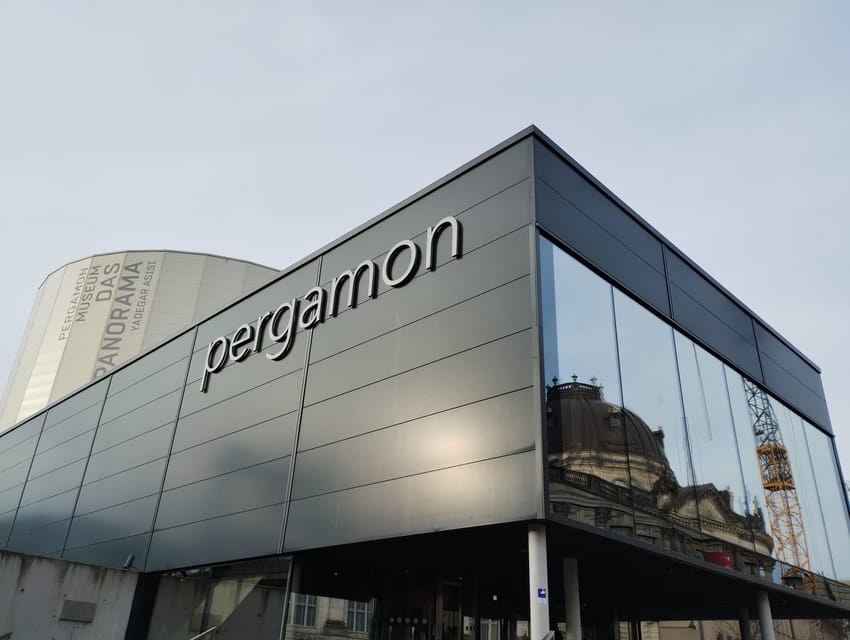
The next stop is the Pergamon Museum. You examine the building and hear about its role on Museum Island, but admission to the museum is not part of the $34 tour.
This is one point to keep clear when booking. The Pergamon Museum is famous for its monumental ancient architecture, but this walking tour does not take you through its full collection. You get background and an outside view, then you can plan a separate visit if the museum is open and fits your schedule.
The practical value is that you learn how the Pergamon Museum differs from the Altes, Neues, and Bode museums. If ancient civilizations are your main interest, this stop helps you decide whether to return for a longer visit. If not, you can avoid spending valuable time in a museum that may not match your priorities.
The museum area has changed over time, and the guide explains those changes as part of the wider story of Museum Island. Expect interpretation rather than a gallery-by-gallery tour.
The Old Arsenal and Berlin’s difficult past
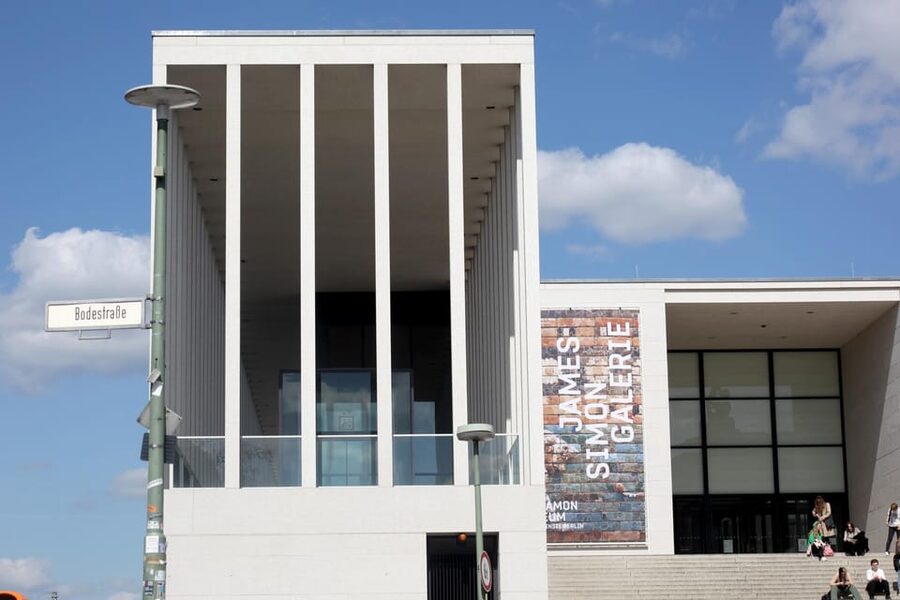
The route continues to the historic Old Arsenal, or Zeughaus, on Unter den Linden. Today, it houses the German Historical Museum. The building’s story follows Berlin’s own changes through the centuries, making it a useful bridge between the museum district and the city beyond the island.
You hear about the building and its place in Berlin’s past. This section adds political and historical context to what could otherwise be a purely architectural walk. The tour does not include admission to the German Historical Museum, so again, think of this as a guided introduction rather than a museum visit.
I find this part useful because Museum Island can seem sealed off from the rest of Berlin. The Old Arsenal links the museums to Unter den Linden, one of the city’s major historic streets. It also reminds you that these institutions were shaped by more than art. They were tied to power, national identity, and the way Berlin presented itself to the public.
Other walks around Berlin:
- Discover Berlin Half-Day Walking Tour
★ 5.0 · 9,624 reviews - Berlin: Third Reich and Cold War 2 Hour Walking Tour
★ 4.9 · 6,830 reviews - Berlin: Discover Berlin Walking Tour
★ 4.9 · 5,998 reviews - Berlin’s Best: 2 Hour Walking Tour Third Reich and the Cold War
★ 5.0 · 5,486 reviews
Neue Wache and Friedrichswerdersche Kirche
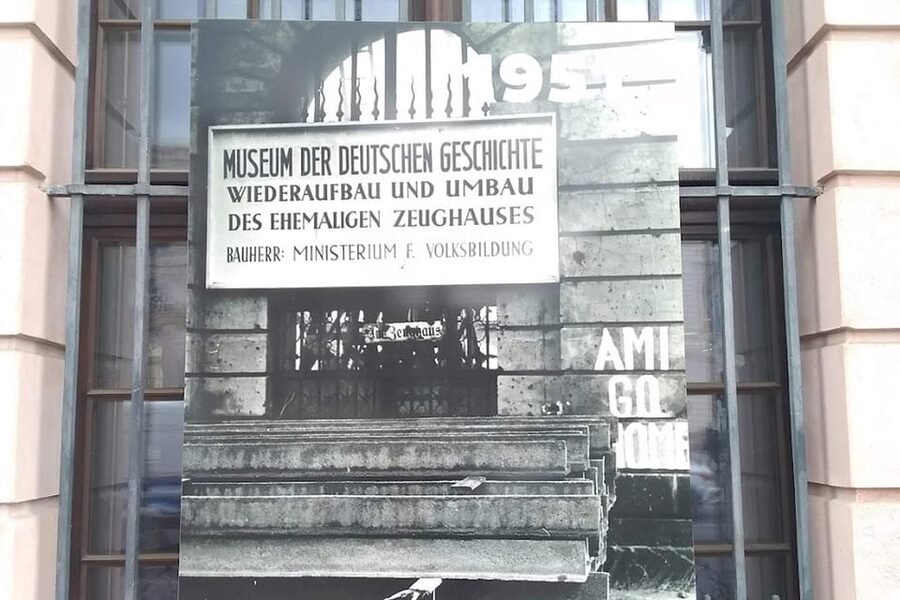
The stop at Neue Wache brings a more solemn note. You hear about the building and its place in Berlin’s history before continuing to Friedrichswerdersche Kirche.
Friedrichswerdersche Kirche is one of the tour’s most valuable inclusions because you enter its sculpture collection. This is more than a quick look at another facade. The church provides a quieter setting and a change of pace from the large museum buildings.
The sculpture collection gives the guide a chance to discuss individual works and the relationship between art and architecture. The exact amount of time available can vary with the pace of the group, but the visit is included, unlike entry to the major museums.
I would pay attention here if you enjoy smaller cultural sites. The major museums draw the crowds, but this church offers a more intimate stop and helps break up the grand scale of the island.
Humboldt Forum and the Schlüter Courtyard
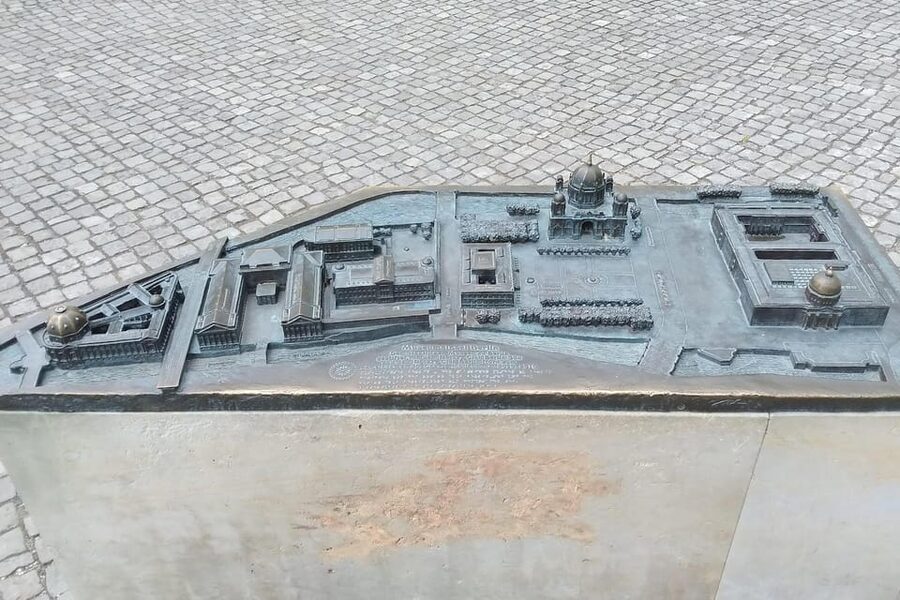
The Humboldt Forum is one of the most interesting modern additions to the route. It occupies the site associated with the former Berlin Palace and combines a reconstructed historic exterior with a newer cultural institution.
You enter the Schlüter Courtyard, one of the tour’s included spaces. This gives you a closer look at the building rather than only viewing it from a street or plaza. The guide explains how the Humboldt Forum connects Berlin’s past with its present cultural ambitions.
This is also a place where the tour can raise useful questions about reconstruction and memory. Berlin has repeatedly had to decide what to preserve, what to rebuild, and how to explain difficult chapters of its past. You get that context without needing to know the city’s architectural debates in advance.
The Humboldt Forum is a good example of why this walk is more than a checklist of museum names. The important issue is not just what the building looks like, but why it looks that way and what it is intended to represent.
Lustgarten, Berlin Cathedral, and the Granitschale

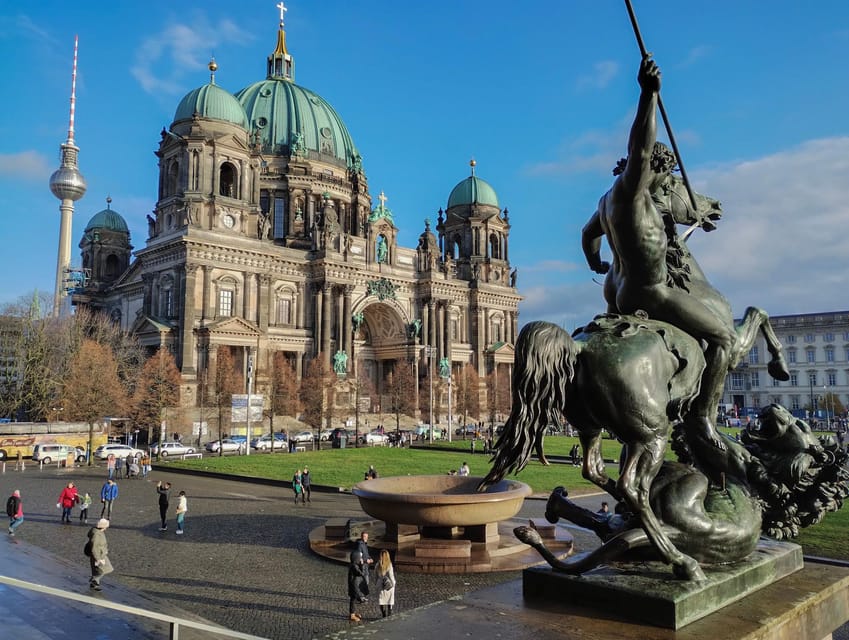
At Lustgarten, you see one of the island’s major public spaces. The area gives you a broad view of several important buildings and helps you understand the physical relationship between the museums, the cathedral, and the surrounding city.
Berlin Cathedral provides another major architectural landmark. The guide explains its role in the area and places it beside the museums rather than treating it as an isolated church. You get a better sense of how the square functions as a cultural and civic center.
One particularly memorable detail is the Granitschale, the enormous granite bowl in Lustgarten. The tour includes the story of what is described as the largest granite dish in the world. It is exactly the kind of detail that makes a walking tour stick in your mind. Grand buildings are easy to photograph and forget. A giant stone bowl gives you a useful story to retell later.
This section also offers some of the best visual orientation on the walk. You can look around and understand where you have been, where the museums sit, and how the island’s open spaces tie everything together.
The Altes Museum and its famous rotunda
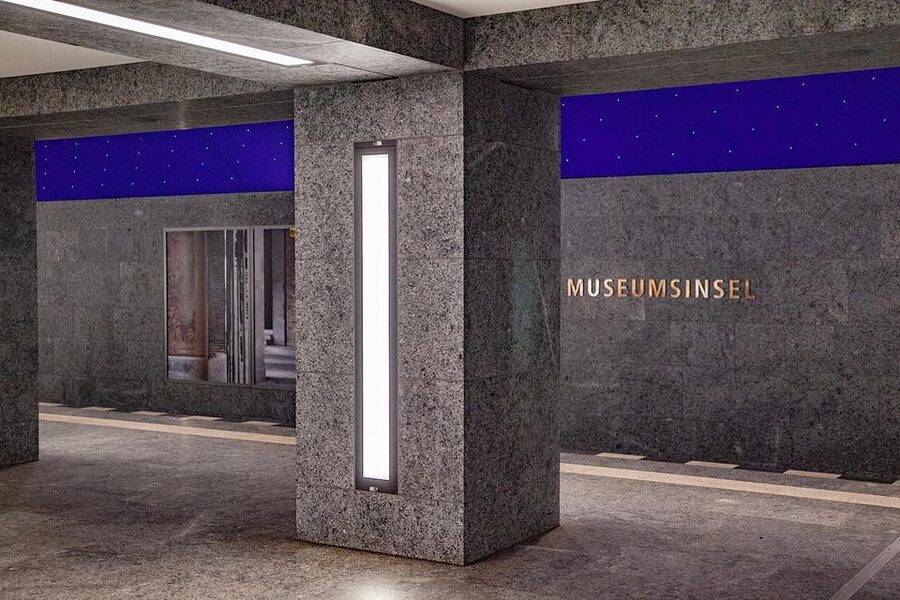
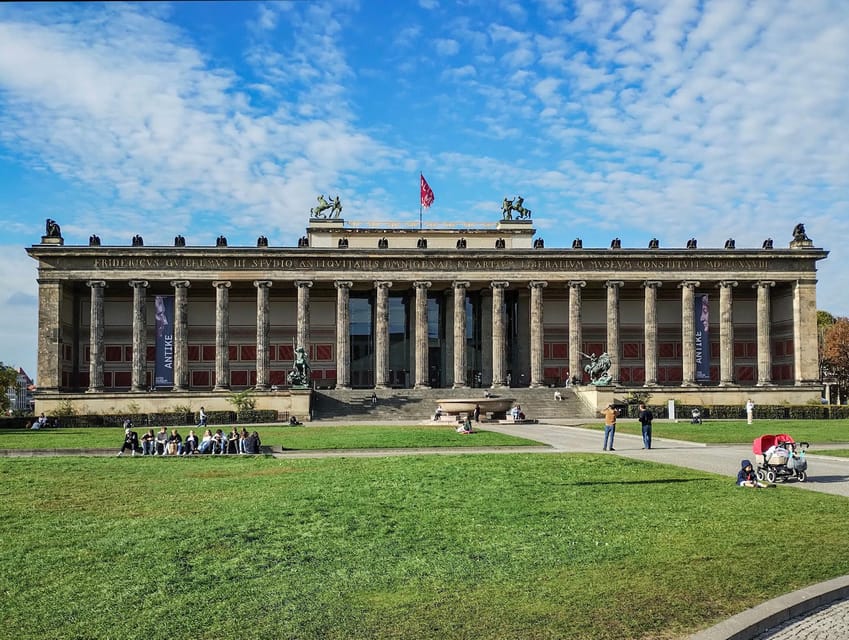
The Altes Museum is central to the story of Museum Island. It is associated with Germany’s first purpose-built museum building, and the tour includes entry to its rotunda.
The rotunda is an important inclusion because it lets you experience the architecture from inside. You are not only hearing about columns, symmetry, and classical design from the pavement. You are standing in a space designed to make art and public education feel grand and important.
The guide uses the building to explain how museums changed from private royal collections into public institutions. That shift helps you understand why the Altes Museum was so important when it opened.
You should not expect a complete visit to the museum’s galleries. The included access is focused on the rotunda, and museum admission is not included. Still, this brief interior visit gives the tour a stronger sense of place than a walk that remains entirely outdoors.
Alte Nationalgalerie and Neues Museum
The Alte Nationalgalerie is the next major building on the route. From the outside, you learn about its architecture and purpose. The building’s elevated position gives it a distinct presence among the surrounding museums, and the guide explains how it fits into the development of the island.
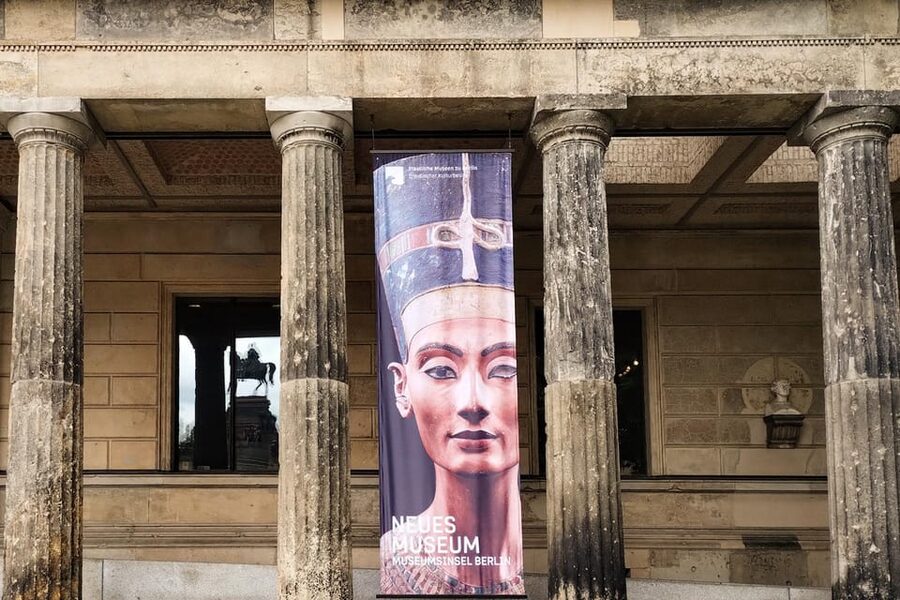
The Neues Museum follows. Its story is especially useful because the building’s appearance reflects both the original nineteenth-century design and its later restoration. The tour helps you understand how the museum survived Berlin’s upheavals and returned as part of the modern Museum Island complex.
Again, the emphasis is on the building and its setting rather than a full gallery visit. If you want to see the Neues Museum’s collections, including its famous ancient Egyptian displays, plan extra time and purchase separate admission.
The sequence of these stops is one of the tour’s strengths. By seeing the museums together, you can compare their styles and purposes. The Alte Nationalgalerie feels different from the Altes Museum. The Neues Museum tells a different story from the Bode Museum. A guide makes those differences easier to notice.
What the two hours feel like
The route includes many stops, generally about ten minutes each. That means the pace is steady, with frequent pauses for explanation. You walk between buildings and enter several selected spaces, but this is not a strenuous hike.
The tour is wheelchair accessible, and a private group option is available. The guide speaks English or German. If you are traveling with a seven-year-old, the pace can work well, especially with a guide willing to adjust the explanations and timing.
The strongest praise for Klaus Wehner focuses on his enthusiasm, clear explanations, and ability to answer questions. He is described as a freelance artist as well as a guide, which may explain the attention to architecture and sculpture. The best fit is a guide who enjoys connecting buildings, artworks, and history rather than simply reciting dates.
Still, two hours is short for such a large subject. You will not receive detailed treatment of every museum, and you will not see all the major artworks. That is not a flaw if you treat the tour as a starting point. It can be disappointing if you expect a complete art tour.
Is $34 a fair price?
At $34 per person, the tour offers reasonable value if you want expert orientation and access to selected interior spaces. You are paying for two hours of guiding, the sculpture collection at Friedrichswerdersche Kirche, the Schlüter Courtyard, and the Altes Museum rotunda.
The price is less appealing if you plan to walk around Museum Island independently and only want exterior views. Much of the route is publicly visible, and no major museum admission is included. You will need to budget separately for any museums you choose to visit afterward.
I see the best value for first-time visitors, short stays, and anyone who feels overwhelmed by the choices. The tour can save you from wandering past five museums without a plan. It also helps you choose which collections deserve a longer visit.
Flexible booking helps too. You can cancel up to 24 hours in advance for a full refund, and you can reserve now and pay later. Check the available starting times when booking.
Who should book this Museum Island walk?
Book it if you want a clear introduction before visiting the museums on your own. It suits art lovers, history fans, architecture enthusiasts, and curious visitors who want more than a photo stop.
It is also a good choice if your time in Berlin is limited. The tour gives you a fast but useful look at the island and the surrounding historic area. Families can benefit from the steady pace, especially when the guide adapts the explanations for younger children.
I would skip it if you already know Museum Island well or want a detailed tour inside one particular collection. In that case, spend the $34 on museum admission and explore independently.
Should you book it?
Book this tour if you want to understand how Museum Island works before choosing your museums. The combination of grand exteriors, selected historic interiors, the Granitschale, and Berlin’s complicated past gives you far more than a basic orientation walk.
The strongest reason to go is the guide. Klaus Wehner’s enthusiasm and ability to connect architecture with history are central to the experience. Just remember that the tour introduces the museums rather than replacing them. Plan extra time, and extra admission money, for the collections you want to see inside.
FAQ
How long does the Museum Island tour last?
The tour lasts two hours.
How much does the tour cost?
The price is $34 per person.
Where do I meet the guide?
Meet in front of the main entrance of the Bode Museum, at the bottom of the stairs. The guide wears a name tag.
Which languages are available?
The tour is available in English and German.
Does the tour include museum admission?
No. Entry to the museums is not included. The tour does include selected spaces, including the sculpture collection in Friedrichswerdersche Kirche, the Schlüter Courtyard at the Humboldt Forum, and the Altes Museum rotunda.
Is the tour wheelchair accessible?
Yes, the activity is wheelchair accessible.
Can I cancel the booking?
Yes. You can cancel up to 24 hours in advance for a full refund. You can also reserve now and pay later.
Just added in Berlin
- Private One way Airport Transfer Berlin Airport To Berlin★ 3.5 · 17 reviews
- Private Walking Tour: Berlin Wall, Cold War and Checkpoint Charlie★ 5.0 · 37 reviews
- Modern Berlin Private Walking Tour: Diverse, Vibrant and Exciting German Capital★ 5.0 · 13 reviews
- Private Day Trip to Potsdam from Berlin by Train★ 4.5 · 27 reviews
- City Explorer: Potsdam Private Day Trip★ 4.5 · 10 reviews
- Private Half-Day Sightseeing Tour in Berlin★ 3.5 · 6 reviews
- Berlin Private Custom Tour in a Minivan, East and West★ 5.0 · 123 reviews
- Berlin Private Custom 5-Hour Tour by Car★ 5.0 · 30 reviews
Museums, compared.
Skip-the-Line: Berlin Wall Museum at Checkpoint Charlie
Read our review →
Browse the lists this tour appears in