Reviewed · TOURS IN BERLIN
Berlin: David Bowie in 1970s West-Berlin
West Berlin helped David Bowie reset his life, sharpen his sound, and create some of his most lasting work. This private tour follows that change through Hansa Studios, Potsdamer Platz, the former Dschungel and Chez Romy Haag, and the flat where Bowie lived. I like the way it links music to actual streets, rather than treating Bowie’s Berlin years as a playlist with a few photo stops. I also like the flexible private format and Martin Sauter’s personal, humorous way of explaining both Bowie and Berlin.
The main drawback is simple: the price is $288 per person, so this makes sense mainly for committed Bowie fans or travelers who value a private guide. Some stops are former clubs or buildings seen from outside, and Berlin’s 1970s nightlife has changed beyond recognition. The tour is about context, memory, and atmosphere, not preserved interiors.
Key points at a glance
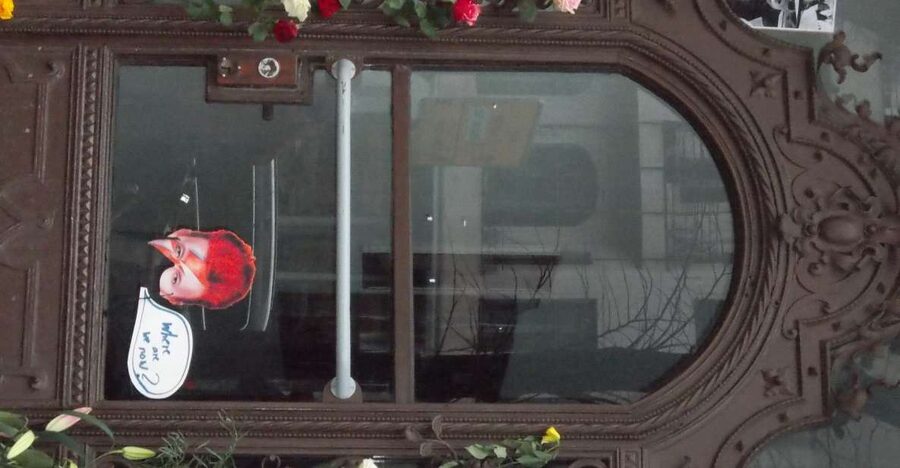
- Hansa Studios: See the building tied to Bowie’s Berlin recording years and the sound of Heroes.
- Bowie’s West Berlin circuit: Connect Potsdamer Platz, KaDeWe, the former Dschungel, and Chez Romy Haag.
- Martin Sauter as guide: Expect a detailed, friendly tour in English, French, or German.
- Private three-hour format: The pace and conversation can be shaped around your interests.
- Walking plus bus travel: You walk through central stops, then ride to Bowie’s former Berlin home.
- Hotel pickup available: Request pickup if you want a simpler start to the outing.
Why Bowie chose West Berlin in the 1970s
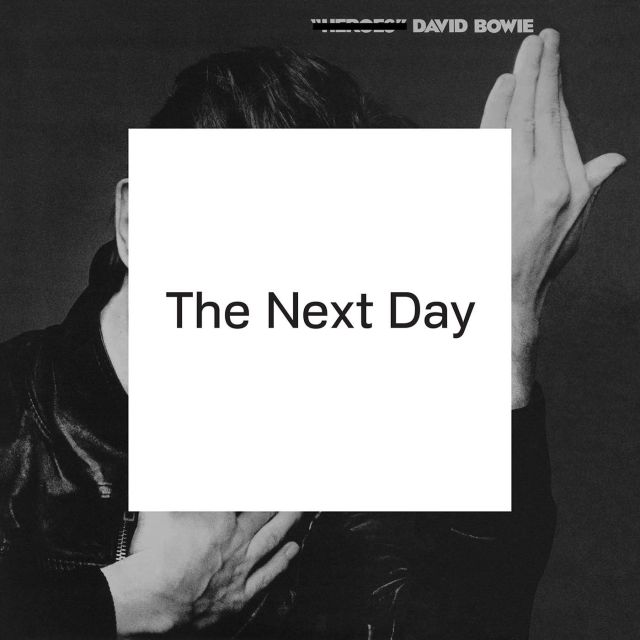
David Bowie arrived in Berlin after completing Nicolas Roeg’s The Man Who Fell to Earth. He was trying to leave his previous life behind, and West Berlin offered the right mix of distance, creative energy, and electronic experimentation.
That move had more than one cause. Bowie was drawn to the emerging electronic sound coming from Germany, especially the work associated with Düsseldorf and West Berlin. Before finding his own flat, he stayed in the apartment of Edgar Froese, founder of Tangerine Dream. That detail gives the tour an immediate musical connection: Bowie was not simply visiting Berlin as a famous outsider. He was placing himself near musicians and sounds that could push his work in a new direction.
I find this background useful because it explains why the city mattered. Bowie’s Berlin period was not just a change of address. It was a deliberate break from the habits and pressures of his earlier career. The tour uses the city to show how that break affected his music and daily life.
You will hear about the songs tied to this period, including Heroes, Boys Keep Swinging, Yassassin, and Neuköln. Bowie deliberately misspelled the last title, and the song carries a direct connection to Berlin. This is the kind of detail that makes the city feel relevant rather than decorative.
Other trips people book in Berlin:
- Berlin: Reichstag, Dome and Government District Guided Tour
★ 4.7 · 18,288 reviews - Berlin: 1-Hour City Tour by Boat with Guaranteed Seating
★ 4.3 · 16,993 reviews - Berlin: Boat Tour Along the River Spree
★ 4.4 · 11,252 reviews
Starting at Martin Gropius Bau and Potsdamer Platz
The tour begins at Martin Gropius Bau, the setting for the major David Bowie exhibition held in 2014. That location gives you a useful starting point, even though the exhibition itself is no longer the focus of the outing.
Your guide will be holding a David Bowie album, book, or CD, making the meeting point easy to identify. Martin Sauter leads the tour, and his approach combines Bowie facts with wider Berlin background. That matters here because the city’s political and cultural divisions shaped daily life in the 1970s.
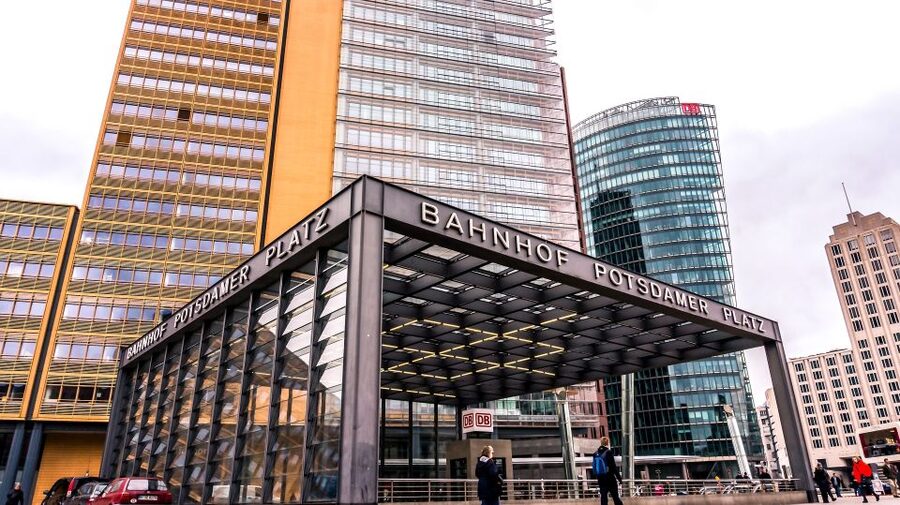
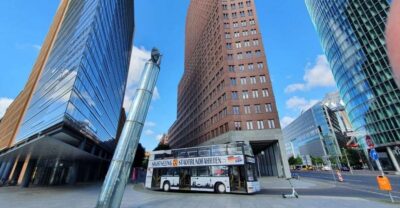
From Martin Gropius Bau, the route continues toward Potsdamer Platz. Today, the area is known for modern buildings and a very different urban feel, but Bowie later returned to it in Where Are We Now, released in 2012. The tour uses that connection to tie Bowie’s Berlin memories to a place that has changed greatly.
I like this early part of the route because it sets up the central idea: you are looking at two Berlins at once. One is the present city around you. The other is the West Berlin Bowie experienced between 1976 and 1978, when the neighborhoods, clubs, and boundaries carried a different weight.
Hansa Studios and the sound of Heroes

Hansa Studios is the musical centerpiece. You stand outside the building associated with Bowie’s Berlin recording years and the work that produced Heroes. For fans, this is the stop that gives the tour its strongest physical connection to the music.
Do not expect a museum visit or a studio tour inside. The value comes from standing at the location while Martin explains its place in Bowie’s career and the wider Berlin music scene. If you have listened to Heroes for years, seeing the studio exterior can sharpen your sense of where the record came from.
The tour also places Bowie’s work alongside the electronic music movement that attracted him to Germany. His interest was not limited to one city or one sound. Düsseldorf and West Berlin both played a role in the electronic direction he was exploring, and the guide explains how that interest affected his Berlin years.
This is a good place to bring headphones, though food and drinks are not included and the tour does not provide them. You can prepare by listening to Heroes, Neuköln, Yassassin, and Boys Keep Swinging before you arrive. That is not required, but it will make the explanations easier to follow.
KaDeWe, Dschungel, and the lost nightlife of City West
After Hansa Studios, the route continues into City West. You pass KaDeWe and the former locations of the Dschungel and Chez Romy Haag, places connected with the nightlife Bowie encountered and, at times, frequented.
These stops require the right expectations. The clubs are former locations, not preserved Bowie attractions. You are seeing the streets and buildings that remain while listening to an account of what once happened there. For me, that is part of the appeal. Berlin’s cultural history often survives through addresses, memories, and changing facades rather than neat museum displays.
Chez Romy Haag adds another layer to the story. The club was associated with the performer Romy Haag and the nightlife of West Berlin. Standing outside the former site helps you picture the city’s more adventurous social world, even if the original club atmosphere is gone.
The Dschungel stop works in much the same way. Its significance comes from the place it held in Bowie’s Berlin routine and the scene around it. The guide’s role is especially important here because an empty or altered building cannot explain itself.
KaDeWe provides a useful contrast. It is a familiar City West landmark, but on this tour it becomes part of Bowie’s everyday Berlin circuit rather than just a shopping stop. Martin connects the locations so you understand how they fit together geographically and socially.
Same base, a different kind of day out:
- Discover Berlin Half-Day Walking Tour
★ 5.0 · 9,624 reviews - Berlin: Hop-on Hop-off Bus Tour with Live Commentary
★ 4.3 · 8,579 reviews - Berlin: Government District around the Reichstag Guided Tour
★ 4.7 · 8,447 reviews - Berlin: Reichstag, Plenary Chamber, Cupola & Government Tour
★ 4.6 · 8,422 reviews
Bowie’s Berlin home and the final bus ride
The last stage uses a bus to reach David Bowie’s Berlin home. This change in transport gives your legs a break after the central walking route and lets the tour cover more ground within three hours.
The tour ends outside the home, rather than turning it into an interior visit. That is appropriate. You are being shown the place where Bowie lived during his Berlin period, with the guide explaining why it matters and how it fits into the larger story.
I appreciate that the route finishes here. The tour begins with public cultural landmarks and recording history, then moves through nightlife locations before ending at the private place where Bowie actually lived. It creates a clear arc from career and city to daily life.
The home stop also keeps the experience grounded. Bowie’s Berlin story was not only about studios and famous clubs. It was also about choosing a place to live, finding a new routine, and using the city as a base for creative work.
What Martin Sauter adds to the experience
Martin Sauter is the named guide for the experience, and the strongest praise centers on his delivery. He is described as charming, communicative, passionate, and very well informed about Bowie and Berlin. Those qualities matter because the tour depends heavily on spoken context.
You are not simply being led from one address to another. Martin explains why Bowie came to Berlin, how the city influenced his music, and how specific places fit into the story. He also adapts a private tour to your needs, which is useful if you want more music discussion, more general Berlin context, or a stronger focus on nightlife.
The private format should make the experience feel more like a conversation than a fixed group presentation. You can ask about a particular song, the recording period, Edgar Froese, or the places along the route. The tour is available in English, French, and German, so you can choose the language that lets you follow the details most easily.
One especially useful feature is Martin’s wider Berlin knowledge. If you already know Bowie’s biography, the city context can still give you something new. If you are a casual listener, the explanations help you understand why this short period became so important.
Is $288 per person a fair price?
At $288 per person, this is not a casual sightseeing bargain. The value depends on how much you want a private, specialist-led experience.
You are paying for three hours with a dedicated guide, a route covering several parts of West Berlin, a bus transfer to Bowie’s home, and the ability to shape the conversation around your interests. Hotel pickup is also available if desired, which can make the outing easier to organize.
The price is easier to justify for a small private group than for one person booking alone. It also makes more sense if Bowie is a major reason for your Berlin visit. The experience is not built around paid admissions, food, or special access inside the former clubs and studio. Much of the value sits in Martin’s explanations and the connections he makes between places.
If you only want to photograph Hansa Studios, you could visit the exterior independently for far less. You would miss the route through the former clubs, the musical context, the discussion of Bowie’s reasons for moving to Berlin, and the final visit to his former home.
I would think of this as a specialist walking and driving tour, not a standard sightseeing excursion. For a dedicated fan, that distinction matters. For a casual visitor trying to keep costs down, the price may be harder to defend.
Who will enjoy this most?
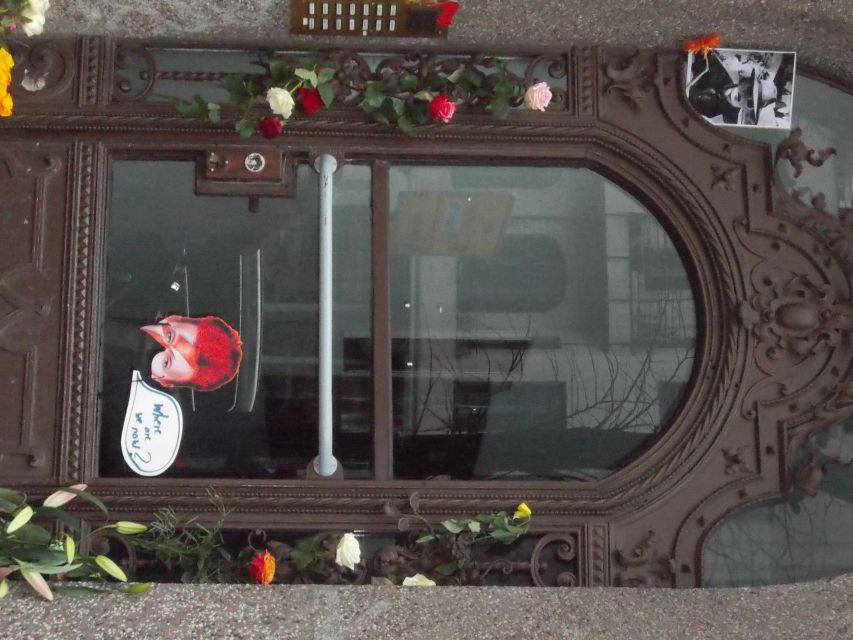
I would choose this tour if you have a strong interest in Bowie’s music, the Berlin Trilogy period, or the city’s 1970s creative scene. It suits fans who want places, not just facts.
It also works well for someone who knows Berlin but wants a new angle on City West. The route shows how familiar places such as Potsdamer Platz and KaDeWe connect with Bowie’s life, while the former clubs add a more specific nightlife story.
The tour is less suitable if you want to enter historic buildings, visit a functioning museum, or see original Bowie objects. The major locations are viewed from outside, and the experience depends on the guide’s storytelling.
It is also worth remembering that the tour lasts three hours and includes walking before the bus ride. Wear comfortable shoes and allow space in your schedule for conversation at the stops. The tour is private, so the pace may be more relaxed than a large group outing, but it is still a city route with several locations.
Practical details before you book
The meeting point is Martin Gropius Bau, and your guide will hold a Bowie album, book, or CD. That is a clear marker, but it is still smart to arrive with enough time to find the building and settle in.
You can request hotel pickup if that is more convenient. The route includes walking through central Berlin and a bus ride to the home where the tour ends, so your final location will not be the starting point.
English, French, and German are available. Food and drinks are not included, so bring water or plan for a stop before or after the tour.
You can cancel up to 24 hours in advance for a full refund, and you can reserve now while paying later. Those policies are useful if your Berlin schedule is still shifting.
The experience has a rating of 4.9 from eight published ratings, with repeated praise for Martin’s detail, humor, communication, and passion. One rating gave four stars rather than five, so I would not treat the near-perfect score as a guarantee of a flawless experience. Still, the pattern is clear: the guide is the main reason this tour works.
Should you book the David Bowie Berlin tour?
Book it if Bowie’s West Berlin years are central to your visit and you want a private guide to connect music, nightlife, recording history, and daily life. Martin Sauter appears to be the right kind of guide for this subject: focused, personal, and able to add general Berlin context without losing the Bowie thread.
Skip it if you mainly want low-cost sightseeing or access inside historic venues. At $288 per person, the tour asks you to value expert interpretation more than entry tickets or physical displays.
For the right fan, the route offers something a book or playlist cannot: a sense of distance between the places, a clearer picture of Bowie’s routine, and a better understanding of why West Berlin helped change his work.
FAQ
How long does the David Bowie Berlin tour last?
The tour lasts three hours.
What languages are available?
The tour is available in English, French, and German.
Is the tour private?
Yes. It is offered for a private group.
Where does the tour begin?
The tour begins at Martin Gropius Bau. The guide will be holding a David Bowie album, book, or CD.
Where does the tour end?
The tour ends at David Bowie’s Berlin home after a bus ride from the earlier stops.
Does the tour include Hansa Studios?
Yes. You will stand outside Hansa Studios and hear about its connection to Bowie’s Berlin recording period.
Does the tour include hotel pickup?
Hotel pickup is available if desired.
Are food and drinks included?
No. Food and drinks are not included.
Can I cancel the tour for a full refund?
Yes. You can cancel up to 24 hours in advance for a full refund.
Just added in Berlin
- Modern Berlin Private Walking Tour: Diverse, Vibrant and Exciting German Capital★ 5.0 · 13 reviews
- Private One way Airport Transfer Berlin Airport To Berlin★ 3.5 · 17 reviews
- Private Walking Tour: Berlin Wall, Cold War and Checkpoint Charlie★ 5.0 · 37 reviews
- Private Day Trip to Potsdam from Berlin by Train★ 4.5 · 27 reviews
- City Explorer: Potsdam Private Day Trip★ 4.5 · 10 reviews
- Berlin Private Custom 5-Hour Tour by Car★ 5.0 · 30 reviews
- Private Half-Day Sightseeing Tour in Berlin★ 3.5 · 6 reviews
- Berlin Private Custom Tour in a Minivan, East and West★ 5.0 · 123 reviews
Tours in Berlin, compared.
Reichstag, Dome and Government District Guided Tour
Read our review →
1-Hour City Tour by Boat with Guaranteed Seating
Read our review →
Reichstag, Plenary Chamber, Cupola & Government Tour
Read our review →