
Reviewed · TOURS IN BERLIN
Alternative Berlin / Street art tour – Private group
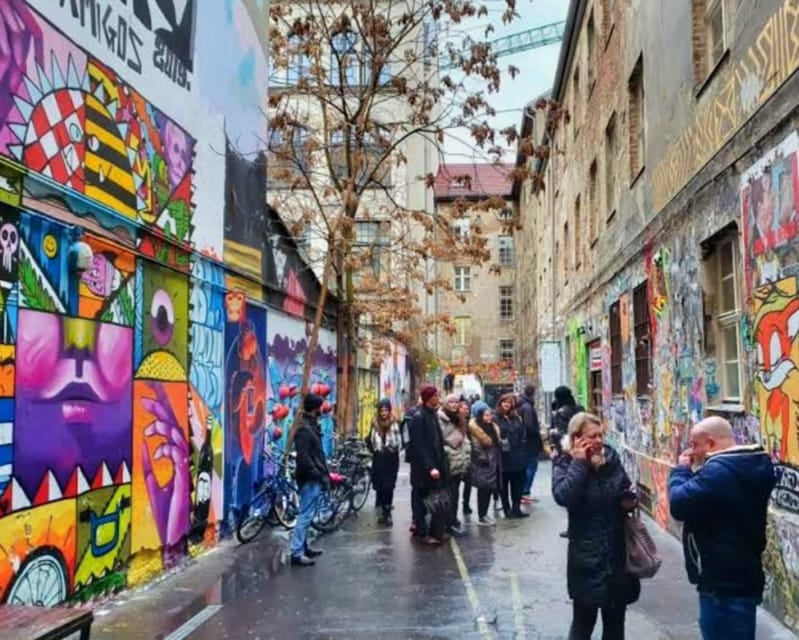
Berlin’s alternative side is more than a wall covered in spray paint. On this three-hour private tour, Adrian connects street art with the people, politics, music, and housing experiments that shaped the city after the Berlin Wall fell. You’ll move through alleys, industrial spaces, creative projects, and local Kiez neighborhoods while hearing the stories behind the art.
I like two things here. First, Adrian has been involved with Berlin’s alternative tour scene since he helped create the concept in 2006. Second, the tour looks beyond famous murals to explain what stood on a site before the current artwork appeared. The main consideration is that you need an AB public transport ticket, and the route is built around walking and moving between areas rather than sitting in one district.
Key points to know
- Street art with context: Learn about artists, changing murals, and the social or political ideas behind the work.
- A personal guide: Adrian leads the tour himself and brings long-term contact with Berlin’s graffiti and street art scene.
- Alternative Berlin beyond the postcard: See creative housing projects, communal apartments, squats, wagon communities, and sustainability projects.
- Music and nightlife insight: Get background on punk, hip hop, jazz, metal, electronic music, fetish clubs, burlesque, and Berlin’s club culture.
- Private group value: The $176 rate covers up to 20 people, making the cost more appealing for a family, school group, or circle of friends.
- Practical setup: The tour lasts three hours, runs in English, begins near Warschauerstrasse, and requires an AB transport ticket.
Why this is not just a graffiti walk
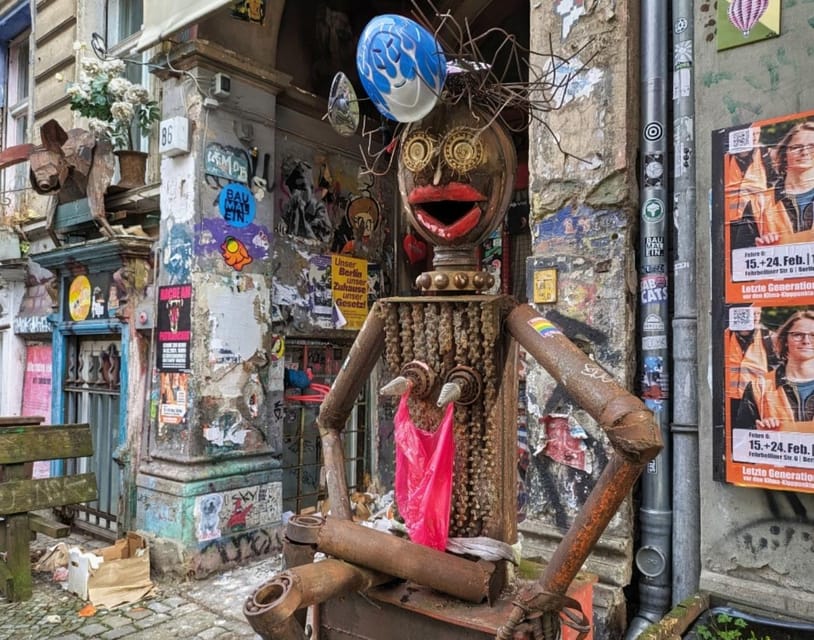
Many street art tours can become a parade of colorful walls. You stop, take a photo, hear an artist’s name, and move on. This experience aims to do more. Adrian uses the artwork as a doorway into Berlin’s social changes.
The fall of the Berlin Wall created open space, cheap buildings, and a sense that normal rules had loosened. Artists, musicians, squatters, filmmakers, immigrants, startup founders, and people simply looking for a different way to live began using parts of the city in new ways. That period still shapes Berlin’s identity.
You’ll hear how creative living spaces and communal projects developed, along with the tensions that came with them. The city’s alternative communities do not exist in perfect harmony. They share streets and buildings with residents, businesses, property owners, nightlife crowds, and new development. That friction is part of the story.
I like this wider frame because it keeps the art from becoming decoration. A mural may express protest, identity, humor, anger, or pride. It may also replace an earlier piece, mark a change in the neighborhood, or reflect a debate about who gets to use public space.
Other street art to go and find in Berlin:
- Berlin: City Street Art Guided Walking Tour
★ 4.8 · 886 reviews - Berlin: 3-Hour Street Art Tour
★ 4.7 · 778 reviews - Berlin: Alternative & Street Art Tour
★ 4.5 · 6 reviews
Starting near Warschauerstrasse
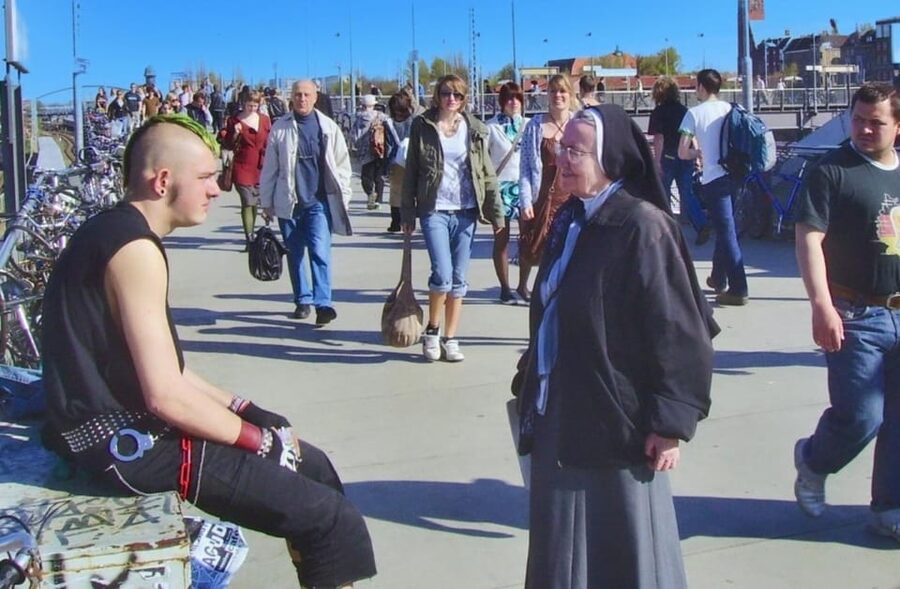
The meeting point is on the corner of Revalerstrasse and Warschauerstrasse, in front of a kebab shop. This puts you in an area strongly associated with Berlin’s alternative nightlife, street art, clubs, and creative spaces.
Give yourself enough time to find the exact corner. The meeting point is specific, but it is not a major museum entrance or a large tour office with obvious signs. You’ll also need your AB transport ticket ready. The ticket is not included, and it matters because public transport forms part of the movement through the city.
The starting area is a useful first lesson in Berlin’s changing character. Streets that once felt rough and improvised now attract nightlife, food businesses, visitors, creative workers, and new investment. Adrian can help you read those changes instead of seeing only the surface.
The tour is private, so your group does not have to fit the rhythm of a large public outing. A group of friends can ask about clubs and food. A school group can focus on street art, history, and youth culture. A group of longtime Berlin residents can ask more pointed questions about how the city has changed.
Reading the walls instead of just photographing them
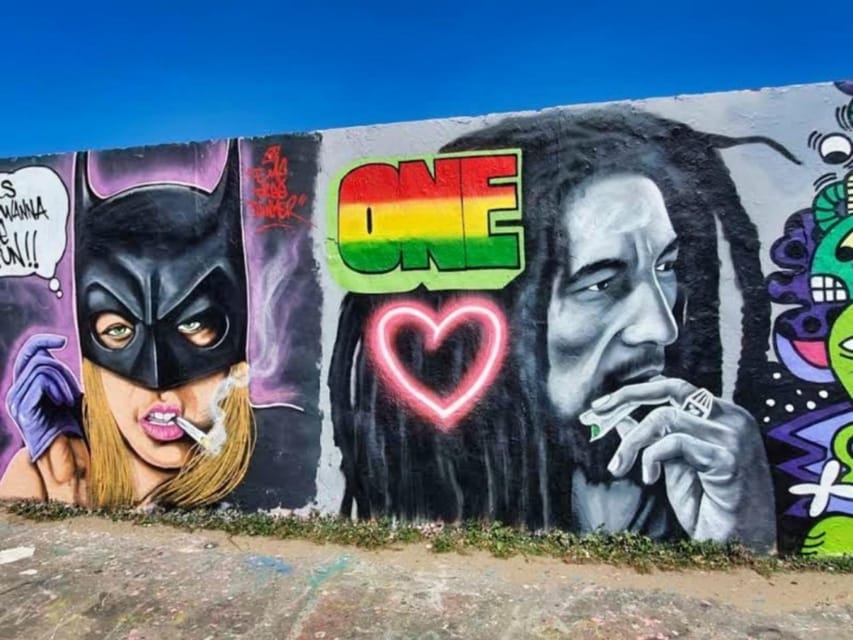
The art portion covers graffiti, large murals, creative urban projects, and pieces selected as personal favorites. The useful difference is the attention to authorship and meaning.
Adrian explains who made the work and what social or political message may be present. He also discusses what was there before, which helps you understand street art as a changing layer rather than a permanent monument. A wall can be painted over, altered, removed, or claimed by another artist.
That context is especially useful in Berlin, where outdoor art changes quickly. If you return to a street later, the image may be gone. The value of the tour is not only in seeing specific pieces. It is in learning how to look at the next wall you find on your own.
You may see art in alleys, former industrial spaces, and places away from the standard sightseeing circuit. The description does not promise a fixed list of murals, which is worth noting. Street art changes, and the route may respond to current pieces and local conditions. If you need a guaranteed visit to one famous work, ask for details before booking.
The tour also appears suited to people who already know Berlin. One participant who had lived in the city for more than five years found that Adrian revealed corners and stories that had changed their view of familiar areas. That is a strong sign of the tour’s focus: it is not only an introduction for first-time visitors.
Alternative housing and new ways to live
Berlin’s counterculture is tied closely to housing. After reunification, empty buildings and unused spaces gave people room to create communal apartments, squats, housing projects, and wagon communities. Some projects were temporary. Others became lasting parts of the city’s identity.
The tour visits or discusses creative living spaces, self-sustainability projects, and communal arrangements. You should not expect every place to function as a formal attraction. Some are working neighborhoods or private communities, so the experience depends on viewing them respectfully from public areas and listening to the explanation.
This part matters because it shows how politics can become physical. Housing is not an abstract debate when people organize buildings, share resources, grow food, or challenge ordinary ideas about ownership. It also helps explain why Berlin attracted people who wanted a less conventional life.
There is a fair warning here. Alternative projects can be complicated. Some have faced pressure from redevelopment, rising rents, or disagreements within the community. Others may look untidy or improvised beside newer businesses and renovated buildings. If you want polished architecture and formal exhibits, this is not the right tour. If you want to understand how people have tried to shape their own surroundings, it is a strong fit.
A few more things to do in Berlin worth a look
- Berlin: Private Reichstag and Glass Dome Tour
★ 4.8 · 2,226 reviews - Berlin Private Complete History All Day Walking Tour
★ 5.0 · 474 reviews - Private Walking Tour Berlin Third Reich Hitler and World War II
★ 5.0 · 360 reviews - Private Berlin: Iconic Sights and Hidden Gems Walking Tour
★ 5.0 · 292 reviews
Kiez neighborhoods, food, and local advice
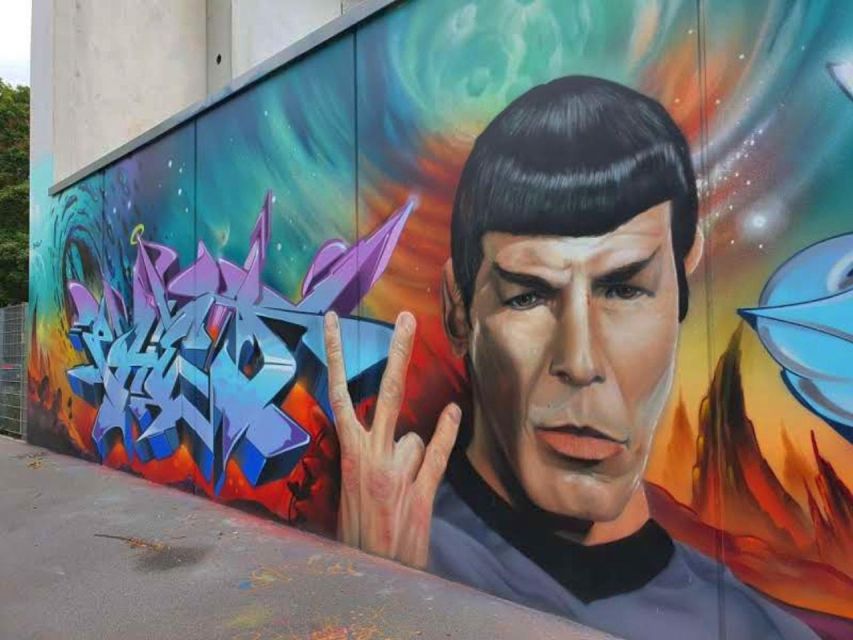
The route includes stops in local and multicultural neighborhoods, known in Berlin as Kiez. These districts are part of what makes the city feel like a collection of small communities rather than one uniform center.
You may have the chance to try local food or drink if your group wants to stop. Food is not included in the price, so plan to pay separately. One group stopped for lunch at a place Adrian recommended and enjoyed the break. That detail points to one of the practical strengths of a private tour: you can discuss what your group wants instead of following a fixed meal schedule.
Do not expect a restaurant tour with a set tasting menu. The food stop is optional and shaped by the group. That is useful if you want a quick snack, need a relaxed pause, or would rather keep moving. It is less useful if you are looking for a formal culinary experience with included dishes.
Adrian also gives advice on bars, clubs, and nightlife. He can help you sort through Berlin’s huge after-dark scene, including areas connected with electronic music, punk, hip hop, jazz, metal, and other styles. These suggestions are best treated as local orientation rather than guarantees. Clubs and events change, and the tour does not include admission to nightlife venues.
Berlin music, rebellion, and after-dark culture
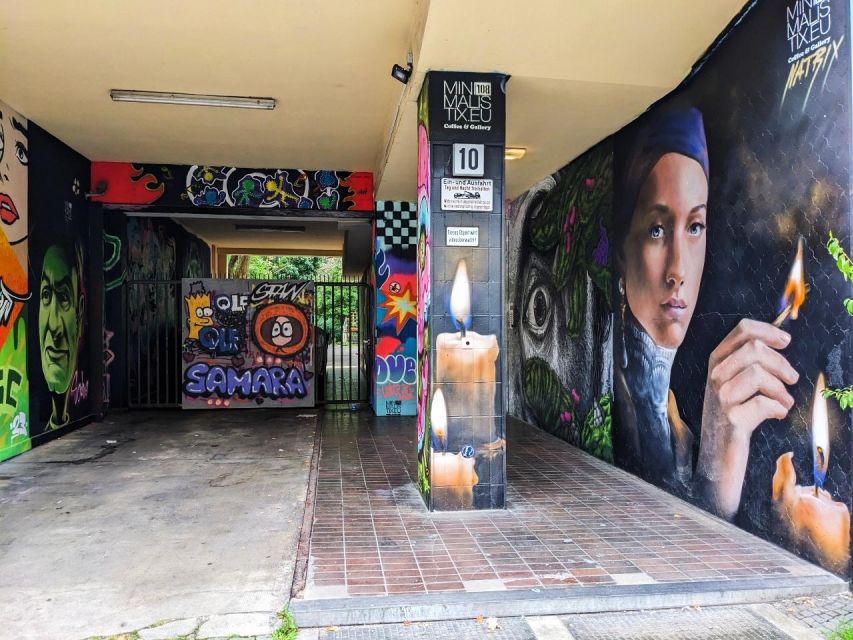
The music section reaches beyond modern electronic clubs. It includes Berlin’s gramophone parties of the 1920s and 1930s, which were held as acts of resistance to National Socialist control and compulsory youth organizations. The tour also covers jazz, blues, and swing events that were forbidden at the time.
That historical thread gives the city’s nightlife a sharper edge. In Berlin, music has often been more than entertainment. It has offered a place to reject official rules, form a community, or express an identity that did not fit public expectations.
The discussion also includes punk, hip hop, metal, electronic music, underground fetish clubs, and burlesque traditions with roots in the 1920s. Not every group will spend the same amount of time on each subject. The private format lets you ask Adrian to follow the styles that interest you most.
This is a particularly good match for young adults, music students, artists, and anyone curious about how clubs and subcultures develop. A group of dance students aged 18 to 23 found the subject matter a good fit, with both students and teachers responding well to the tour. The material can be lively, but some themes are mature, especially when discussing fetish culture and nightlife.
What the three-hour format means
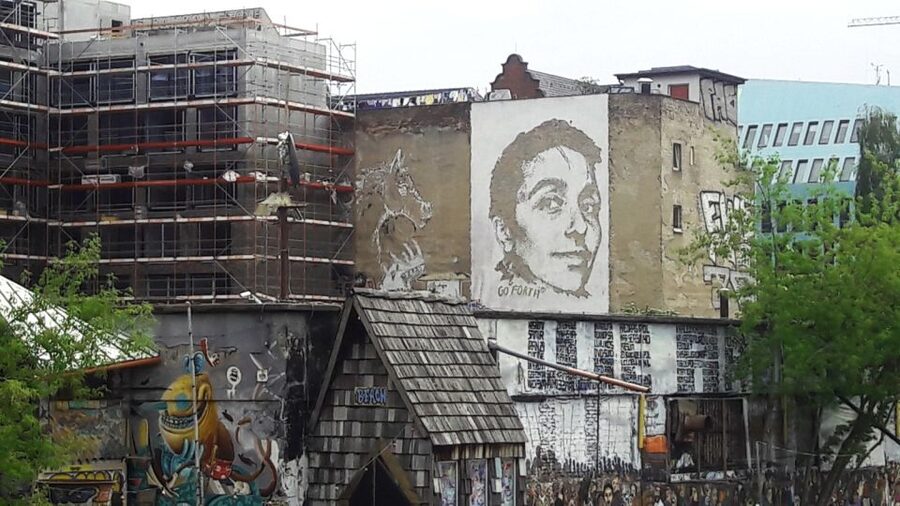
Three hours is enough time to combine walking, public transport, several neighborhoods, art stops, and conversation without turning the day into a full marathon. Still, you should wear comfortable shoes and expect to be outdoors for much of the experience.
The exact balance depends on the group and the route. A group that asks many questions about artists may spend longer at murals. Another group may focus on housing projects, music, or nightlife. This flexibility is one of the private tour’s best features, but it also means you should not expect a rigid minute-by-minute program.
The tour is listed as wheelchair accessible. Because it includes streets, alleys, public transport, and urban spaces, anyone with specific mobility needs should confirm route details before booking. Accessibility can depend on the current path and transport conditions.
The tour runs in English. Adrian’s storytelling is a central part of the experience, so this is not ideal for anyone who wants a mostly silent photo walk. You will get more from it if you enjoy asking questions and connecting individual places to wider themes.
Is $176 good value for a private group?
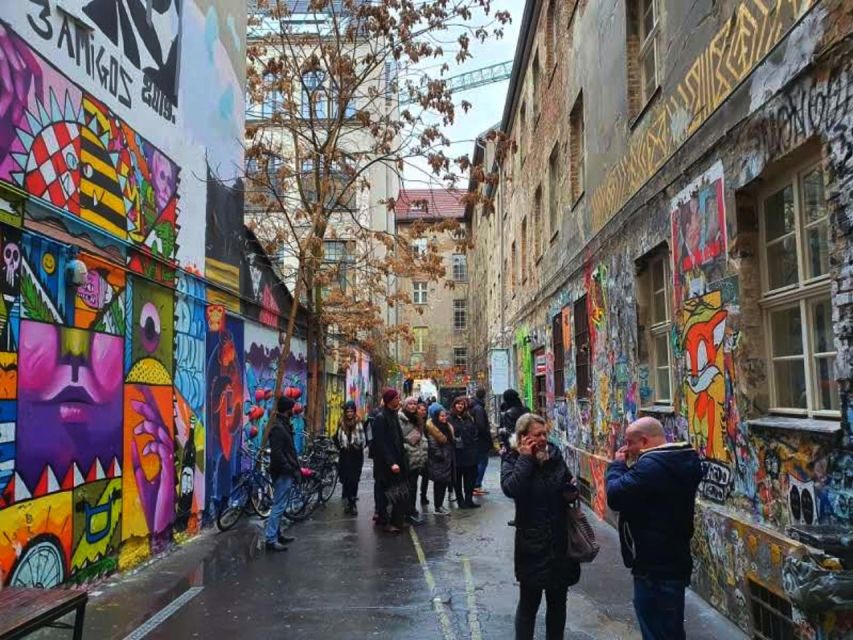
The price is $176 for a group of up to 20 people. That works out well for a full group, at about $8.80 per person before transport, food, or drinks. For two people, it is a much larger spend per person, so the value depends on how much you want a private guide and a tailored conversation.
Compared with a standard public walking tour, the private format costs more for a small group. In return, you are paying for Adrian’s long involvement with the alternative tour concept, a route focused on lesser-known places, and the ability to shape the discussion around your interests.
For a school group, creative organization, family gathering, or large circle of friends, the price is easier to justify. The group can stay together, ask direct questions, and avoid paying separate individual rates. If you are alone or traveling as a couple, compare the cost with a public street art walk before booking.
Remember the extra expenses. Your AB transport ticket is required, and food or drinks are not included. The tour itself includes the guide only.
Who will get the most from this tour?
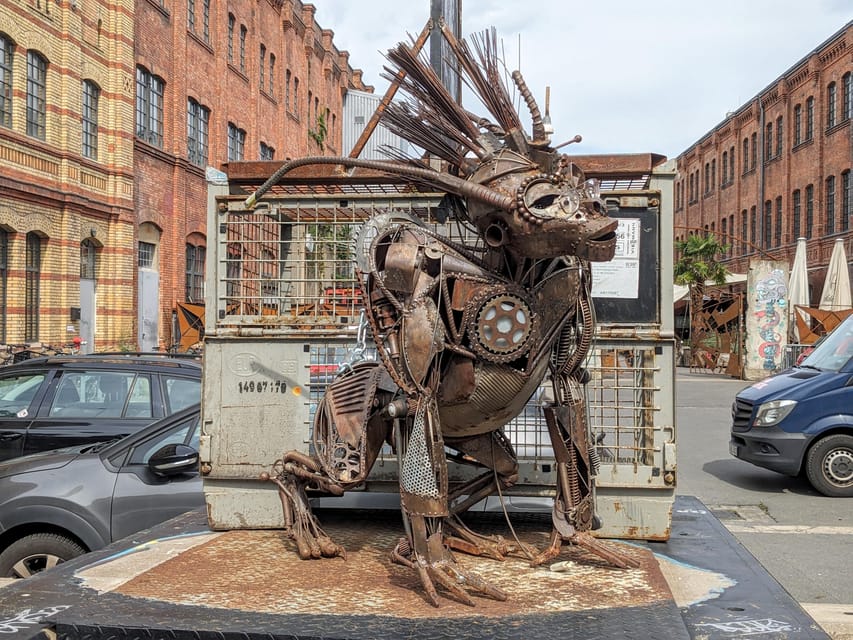
I would recommend it most strongly to people who want the story behind Berlin’s appearance. It suits:
- First-time visitors who want an alternative introduction to the city
- Repeat visitors who have already seen the major sights
- Residents who want a new way to understand familiar neighborhoods
- Street art fans interested in artists and political messages
- Students studying art, music, urban life, or social change
- Groups interested in clubs, bars, food, and local nightlife advice
- Private groups that want a flexible conversation rather than a standard script
It may not suit you if you want a short list of famous sights, a museum-style presentation, or a guaranteed schedule of named murals. It is also not a food tour, club crawl, or ticketed nightlife experience. Think of it as a guided reading of Berlin’s alternative culture, with street art as the main visual thread.
Should you book the Alternative Berlin tour?
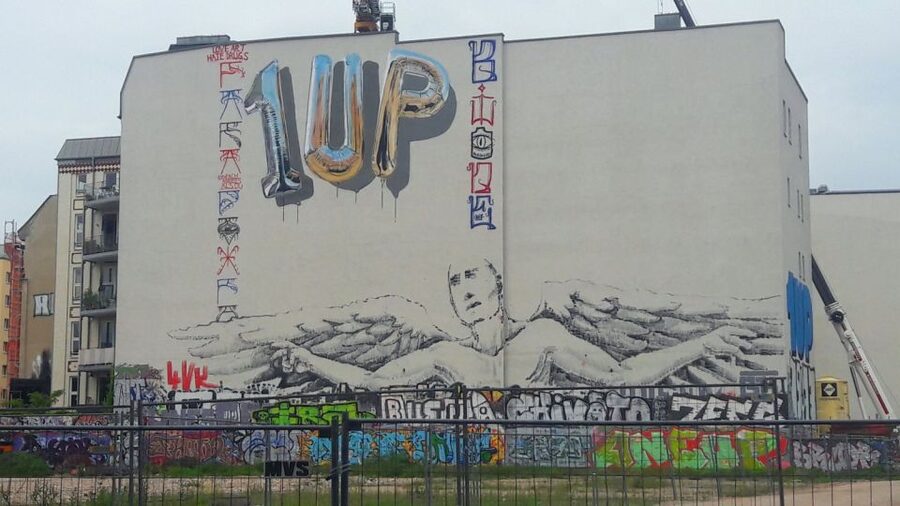
Book it if you want Berlin explained from the ground up, through its walls, housing projects, music scenes, and local neighborhoods. Adrian’s long connection with the alternative tour concept gives the experience a personal angle, and the strongest feature is his ability to link current street art with the city’s political and social changes.
For a large private group, $176 is a sensible price. For a small party, decide if the personal format is worth the higher per-person cost. Bring an AB transport ticket, expect plenty of walking, and leave room for the route to change with the city’s art.
If you are curious about why Berlin attracts artists, musicians, outsiders, and people building unusual communities, this tour offers a useful three-hour window into that side of the city.
FAQ
How long is the Alternative Berlin tour?
The tour lasts three hours.
Where does the tour meet?
The meeting point is on the corner of Revalerstrasse and Warschauerstrasse, in front of a kebab shop.
What language is the tour conducted in?
The tour is conducted in English.
Is public transport included?
No. You need to bring an AB public transport ticket.
How many people can join the private group?
The price covers a private group of up to 20 people.
Is the tour wheelchair accessible?
Yes, the activity is listed as wheelchair accessible.
Just added in Berlin
- Berlin: Energizing 2-Hour Morning Segway Tour★ 4.7 · 35 reviews
- Berlin: Thrilling E-Scooter Adventure Tour★ 4.4 · 66 reviews
- Beelitz-Heilstätten: Baum&Zeit Tree Top Walk Entry Ticket★ 4.9 · 7 reviews
- Beer Bike & Party Bike: Unforgettable Berlin City Tour incl. pickup★ 5.0 · 5 reviews
- AXE THROWING EXPERIENCE IN BERLIN★ 4.7 · 24 reviews
- Berlin: Alternative & Street Art Tour★ 4.5 · 6 reviews
- Berlin: 2.5-Hour Beer & Sunset Sightseeing Boat Cruise★ 4.6 · 61 reviews
- Berlin City: 2 Hour Guided Fat Tire E-Scooter Tour★ 4.8 · 16 reviews
Tours in Berlin, compared.
Reichstag, Dome and Government District Guided Tour
Read our review →
1-Hour City Tour by Boat with Guaranteed Seating
Read our review →
Reichstag, Plenary Chamber, Cupola & Government Tour
Read our review →
Browse the lists this tour appears in