
Reviewed · WALKING TOURS
Bonn: Private Guided Walking Tour
Bonn’s story is unusually concentrated: Roman beginnings, medieval church power, the Electors, Beethoven, and the city’s role as West Germany’s capital all fit into a 90-minute private walk. You’ll see the main landmarks without being herded into a large group, and the route keeps the focus on the city center.
I like the flexible pace and the chance to ask questions as you go. Guides have adjusted comfortably to groups ranging from children to older adults, including one eight-person group with ages from 7 to 80. I also like the mix of famous sights and less cheerful history, including coronations and witch burnings during the Black Death. The main limitation is time: this is a brisk introduction, and entrance fees are not included.
Key points to know before booking
- Beethoven is part of the walk, not the whole walk: You pass Beethoven’s birthplace and house, the Beethoven Monument, and hear about his life and compositions.
- Roman to modern Bonn in 90 minutes: The guide connects the city’s ancient origins with its time as Germany’s former capital.
- Private means adaptable: Your group can ask questions and request a slower pace without keeping up with strangers.
- The major sights are exterior stops: Bonn Minster, the Electoral Palace, Old Town Hall, and Beethoven sites are included in the route, but admission charges are separate.
- Best for a first look at Bonn: The tour gives you a useful map of the historic center before you explore on your own.
- English and German are available: You choose between a live guide in either language when checking times.
A compact tour through Bonn’s long story
Bonn can seem quiet at first glance, especially beside larger German cities such as Cologne. That calm surface hides a complicated past. Roman soldiers established a settlement here, medieval church leaders shaped the town, the Electors left grand buildings behind, and Beethoven gave Bonn its most famous name.
This tour works because it presents those layers in a walkable order. Instead of treating each landmark as a separate photo stop, your guide can explain how Bonn changed from a Roman settlement into an ecclesiastical center, then into a political capital and a modern university city.
I find that approach more useful than a simple list of dates. You leave with a sense of why the city looks the way it does, not just a folder of disconnected facts.
The private format matters here. Bonn’s history covers many subjects, and your group may care most about Beethoven, architecture, religion, politics, or local legends. A private guide can spend more time on the theme that interests you rather than following a fixed script for a mixed crowd.
Other walks around Bonn:
- Bonn: Private City Highlights Walking Tour
★ 4.9 · 35 reviews - Bonn : Private Walking Tour With A Guide ( Private Tour )
★ 4.5 · 9 reviews - Discover Berlin Half-Day Walking Tour
★ 5.0 · 9,624 reviews
Meeting at the tourist office
The tour begins in front of the tourist office. That is a practical central meeting point, especially if Bonn is new to you. You do not need to find a distant neighborhood or arrange transportation before the walk begins.
I would arrive with a few minutes to spare and keep the start point easy to spot. Since the tour lasts only 90 minutes, a late start takes a noticeable bite out of the experience.
The route is on foot through Bonn’s Old Town and central historic area. Wear comfortable shoes, since the value comes from moving between several nearby sights rather than settling in one place. The supplied information does not specify the exact street route or pavement conditions, so you should be ready for normal city walking.
The Electoral Palace and the age of the Electors
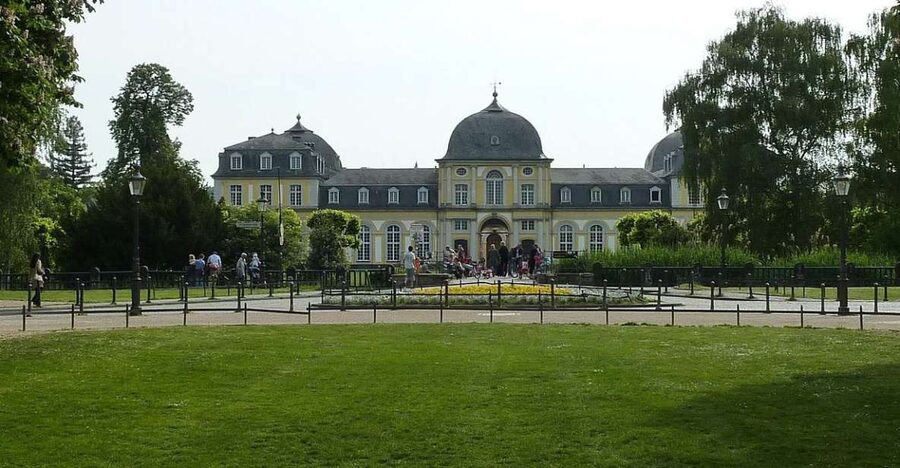
One of the early visual anchors is the Electoral Palace. Its size and formal design introduce you to Bonn’s years as the seat of the Electors of Cologne. This is where the city’s political and religious importance becomes visible in stone and proportion.
Your guide can explain the monuments and buildings connected with that period, giving the palace a setting beyond its grand facade. Bonn was not simply a small town with an oversized building. It had a role in regional power, and the Electors shaped the city’s appearance and importance.
This stop is especially useful if you do not know German political history. The term Elector can sound abstract in a guidebook, but it makes more sense when connected to the palace, church authority, and the ceremonies that took place in Bonn.
You should not expect an extended palace visit during this walk. The tour is built around seeing the city and hearing its story, and entrance fees are not included. If entering the palace or another attraction is a priority, plan that as a separate activity.
Bonn Minster and two royal coronations
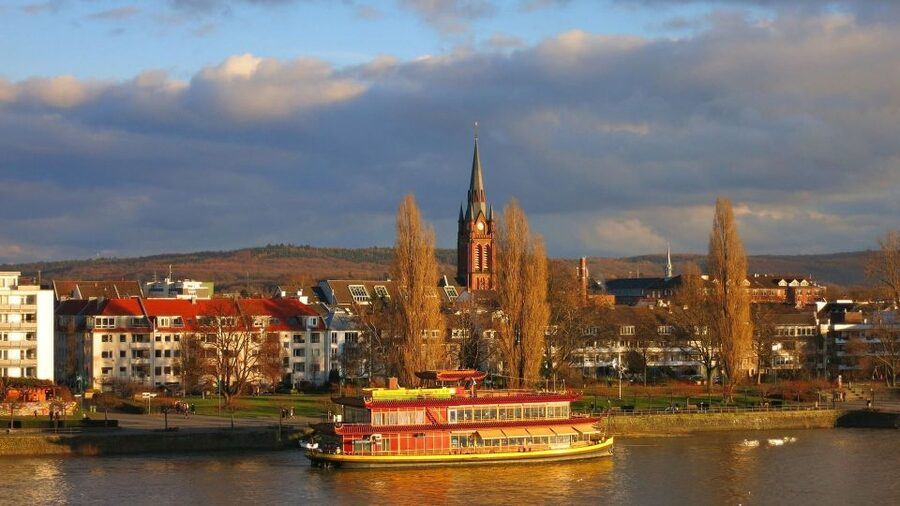
Bonn Minster brings a different kind of history into view. The church has almost 800 years of history, and its age gives the central city a strong medieval presence.
The guide explains the Minster’s role in two coronations. That detail helps you understand why this church mattered beyond local worship. Bonn was tied to major political and religious events, and the Minster was one of the places where that importance was made public.
I like this part of the route because it adds ceremony to the city’s story. The Electoral Palace shows political power through architecture, while the Minster shows how religion and rulership overlapped.
The tour does not include entrance fees, and the supplied details do not promise an interior visit. You should treat the Minster as a key exterior landmark with historical explanation unless your guide confirms otherwise.
A few more things to do in Bonn worth a look
- Bonn: Former Government District Private Tour
★ 5.0 · 127 reviews - Berlin: Private Reichstag and Glass Dome Tour
★ 4.8 · 2,226 reviews - Berlin Private Complete History All Day Walking Tour
★ 5.0 · 474 reviews - Munich Private Tour with a Local – Highlights & Hidden Gems
★ 5.0 · 469 reviews
Beethoven’s birthplace, house, and monument
Beethoven is Bonn’s most famous son, and his presence shapes much of the city center. The walk takes you past his birthplace and house, then brings in the Beethoven Monument as another visible reminder of his connection to Bonn.
For many people, this will be the emotional center of the tour. You hear about Beethoven’s life, compositions, and hometown rather than seeing his name reduced to a plaque. The guide links the composer to the streets where his early life unfolded.
There is an important distinction here. Passing Beethoven’s birthplace and house is not the same as visiting the museum interiors. Admission is not included, so you should budget separately if you want to see displays inside.
That can actually make the walk a good first step. You get the wider city context before deciding how much time you want to give Beethoven House afterward. If music is your main reason for visiting Bonn, I would consider pairing this tour with a separate interior visit.
The tour also helps put Beethoven alongside the rest of Bonn’s history. He is not presented as an isolated celebrity. His story becomes one chapter in a city shaped by Roman settlement, church authority, political power, and modern government.
Roman origins and the city’s former capital years
The Roman beginning gives Bonn a much older foundation than its elegant central streets may suggest. Your guide introduces the city’s founding in Roman times, creating a starting point for the rest of the walk.
From there, the story moves through the medieval period, the Electors, Beethoven, and Bonn’s role as the former capital of West Germany. That range is one of the strongest reasons to choose this tour instead of a walk focused only on architecture.
You get a useful timeline in a short period. The guide can explain how Bonn moved from an ancient settlement to a city connected with church rule, music, and modern national politics.
The tour cannot explore every period in equal detail. Ninety minutes is enough for an overview, not a full political history of postwar Germany or a specialist study of Roman Bonn. I would see it as a framework that helps you decide what deserves a closer look later.
The darker stories behind the pretty streets
A good city walk needs more than pleasant buildings. This one includes the witch burnings during the time of the Black Death, adding a darker and more human side to Bonn’s past.
That material may surprise you. The grand palace, old church, and Beethoven associations can make Bonn seem polished and gentle. Stories of fear, disease, accusation, and punishment remind you that earlier generations lived with dangers and beliefs very different from our own.
I appreciate the inclusion of difficult history because it prevents the tour from becoming a collection of cheerful civic highlights. Ask questions if this subject interests you, since the private setting gives you room to discuss how these events affected local society.
The supplied details do not say how much time the guide spends on this topic. It is best understood as one part of the larger historical arc, not a dedicated tour of Bonn’s darker past.
The Rhine and the Sieben Mountains
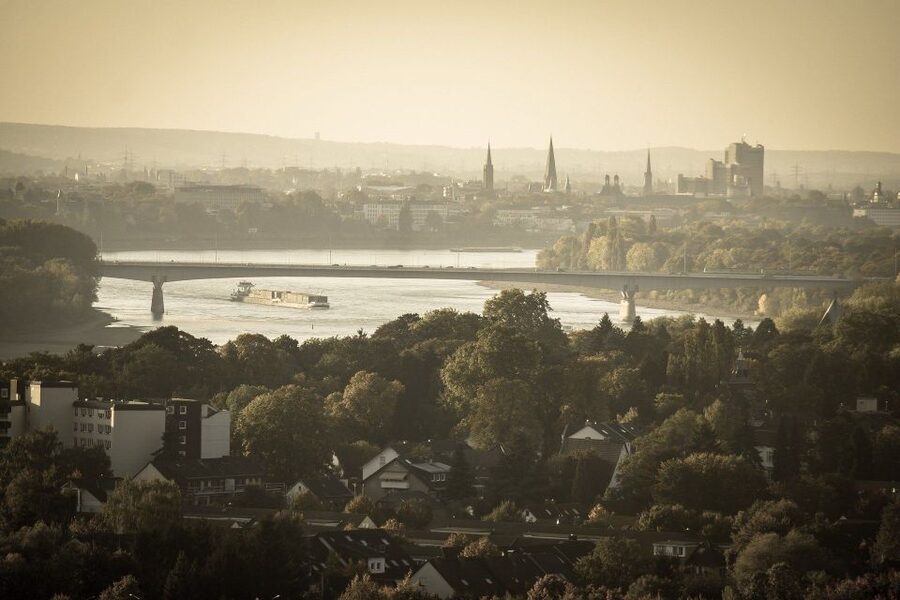
Bonn is split in two by the Rhine, an important fact for understanding the city’s setting. The tour also gives you views toward the Sieben Mountains in the distance.
These views add a sense of place to the history. Bonn is not only a group of old buildings in a city center. The river and distant hills help explain its broader setting and give you visual breaks between the architectural stops.
The information does not specify a riverbank walk or a dedicated viewpoint, so do not book this expecting a long Rhine promenade. Instead, think of the river and Sieben Mountains as part of the wider scene you can see during the route.
What the private format really gives you
The group limit is 15 people, but the booking is private. That means the guide is assigned to your party rather than combining you with unrelated people.
The value is greatest when your group has its own rhythm. A family with children can ask for pauses. Older adults can request a slower pace. A group of friends can spend more time on Beethoven or local politics. One especially useful example comes from a mixed-age group of eight, ranging from 7 to 80, where the guide adapted walking speed and allowed both children and older adults time to stop.
That flexibility is not a minor perk. In a large public tour, one person’s question can hold up the whole group, while a child who needs a pause may feel like a problem. Here, the guide can respond directly to your group.
The private setup is also good for language comfort. The live tour is available in English or German. If some members of your group are more comfortable in German and others in English, confirm the language arrangement when booking, since the listed options are German and English rather than a multilingual promise.
Guide quality and the feel of the walk
The strongest pattern in the available feedback is the guide’s personal approach. People have described the delivery as lively, clear, friendly, and full of background information. One guide also kept the explanation understandable while dealing with the noise of a city festival.
That last point matters. Bonn can have public events and street activity, and a good guide needs to keep a group focused without simply shouting facts over the noise. The experience is not designed as a silent museum visit. It is a live conversation in the city.
The guide’s ability to answer questions is another practical strength. You are not limited to memorized highlights if your group wants to ask about Beethoven, the Minster, coronations, or the city’s political past.
No guide names are provided in the booking information, so you should not expect to select a particular person. The quality can depend on the individual guide assigned to your date, but the experience is designed around a local live guide rather than an audio device or printed route.
Is $276 good value for up to 15 people?
The listed price is $276 for the group, not per person. At the full limit of 15 people, that works out to about $18.40 per person. A group of eight would pay about $34.50 per person, while a couple would pay the full group rate between them.
That makes the tour most attractive for families, reunions, school-age groups, and larger parties. If you have 10 to 15 people, the private format can offer solid value because you receive a dedicated guide without paying an individual rate for every participant.
For one or two people, the price is harder to justify if you only want a quick orientation. A shared walking tour or self-guided route may cost less, though it would not give you the same private attention.
You also need to allow for entrance fees. The price covers the private walking tour and guide, but not admission to attractions. Since the itinerary focuses on exterior sights and storytelling, the extra cost may be limited unless you decide to enter Beethoven House or another site afterward.
The 90-minute duration keeps the total commitment manageable. You can fit it before lunch, after arriving in Bonn, or before a separate museum visit. The tradeoff is that you will not get a long break or much time inside individual buildings.
Who will get the most from this Bonn walk?
I would recommend it most to:
- Families who need a guide willing to adjust pace and attention.
- Groups of friends or relatives who want a private introduction to Bonn.
- First-time visitors who want the historic center explained before exploring alone.
- Beethoven fans who want his story connected to the city around him.
- History-minded readers who enjoy moving from Roman origins to modern political history.
- Visitors with only a short window in Bonn.
I would be more cautious if your priority is a long museum visit, a detailed Beethoven study, or a full-day examination of Bonn’s Roman remains. This is an overview walk, and its strength is the range of subjects covered in a short time.
Book this Bonn private walking tour if you value a flexible guide, want the main historic sights in one sitting, and have a group large enough to share the price. It is particularly sensible for families and groups with mixed ages. If you are traveling alone or as a couple on a tight budget, compare the group price with other city walks first. For most people, the best use of this tour is as a lively orientation, followed by independent time inside the places that catch your interest.
FAQ
How long does the Bonn private walking tour last?
The tour lasts 90 minutes.
What language is the tour offered in?
A live guide is available in German or English.
Is this a private tour?
Yes. The tour is for a private group, with up to 15 people.
Where does the tour meet?
You meet the guide in front of the tourist office.
Which Bonn sights are included in the route?
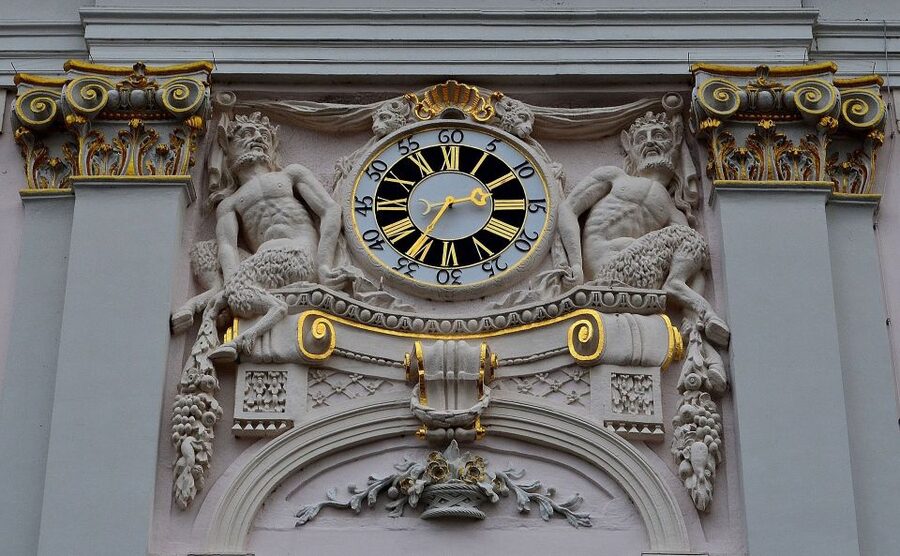
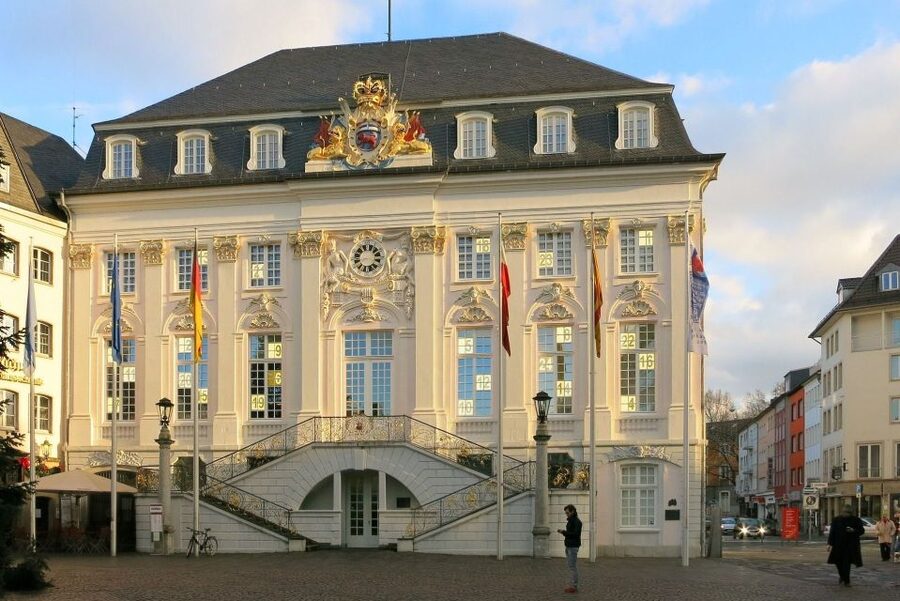
The walk includes Bonn’s Old Town, Beethoven’s birthplace and house, Bonn Minster, the Old Town Hall, the Electoral Palace, the Beethoven Monument, and views toward the Sieben Mountains.
Are entrance fees included?
No. The price includes the private walking tour and guide, but entrance fees are not included.
Can I cancel the booking for a full refund?
Yes. You can cancel up to 24 hours in advance for a full refund.
Just added in Bonn
- Panorama tour between Bonn and Königswinter★ 4.7 · 63 reviews
- RhineRiverBoatTour from Bonn to Königswinter with Live Guide★ 4.3 · 13 reviews
- Bonn: Sunday Brunch Buffet with Cologne live music★ 5.0 · 5 reviews
- Bonn: Sunset Boat Tour on the Rhine★ 4.7 · 11 reviews
- Bonn Regio WelcomeCard with Guidebook★ 4.3 · 15 reviews
- Bonn : Private Walking Tour With A Guide ( Private Tour )★ 4.5 · 9 reviews
- Bonn: 3,5 hours Guided Bike Tour★ 4.4 · 8 reviews
- Bonn: Private City Highlights Walking Tour★ 4.9 · 35 reviews
Walking Tours, compared.

Third Reich Berlin: Hitler and WWII Walking Tour
Read our review →
Browse the lists this tour appears in