
Reviewed · MUSEUMS
Berlin: Interactive DeJa Vu Museum Entrance Ticket
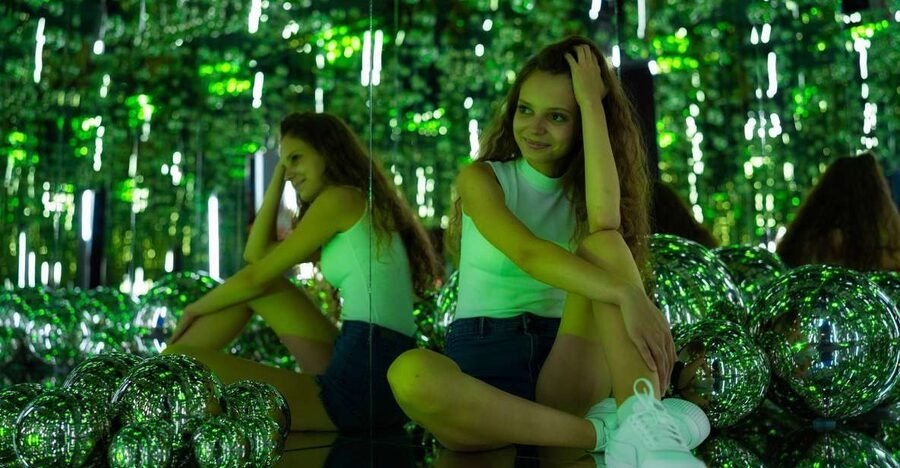
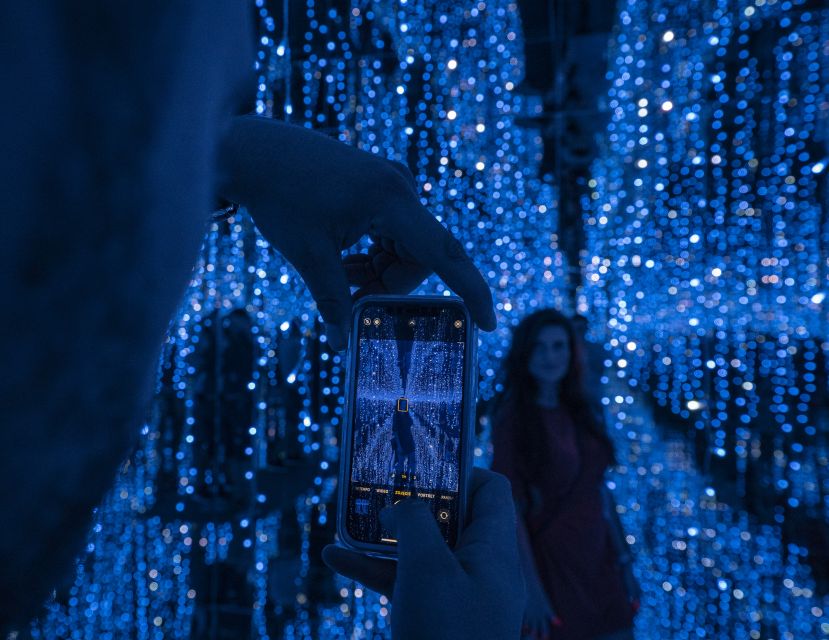
The cleverest part of Berlin’s DeJa Vu Museum is that you become part of the artwork. Your eyes misread shapes, size, depth, and motion, while rooms such as the Starroom and Abyss turn a simple museum visit into a camera-ready puzzle. I especially like Oleg Shupliak’s portrait gallery, where faces appear through layers of other images, and the hands-on exhibits that make you test the illusion instead of merely looking at it.
I also like the museum’s convenient spot, only about 300 meters from the Fernsehturm at Alexanderplatz, and its friendly price of $17 per person. The main caution is time and crowding: some visitors move through in 30 minutes, while the advertised visit lasts about 1.5 hours, and small rooms designed for two people can create waits on busy weekends.
Key points at a glance
- Oleg Shupliak’s portraits: Study paintings that reveal more than one image, then guess who or what is hidden within each composition.
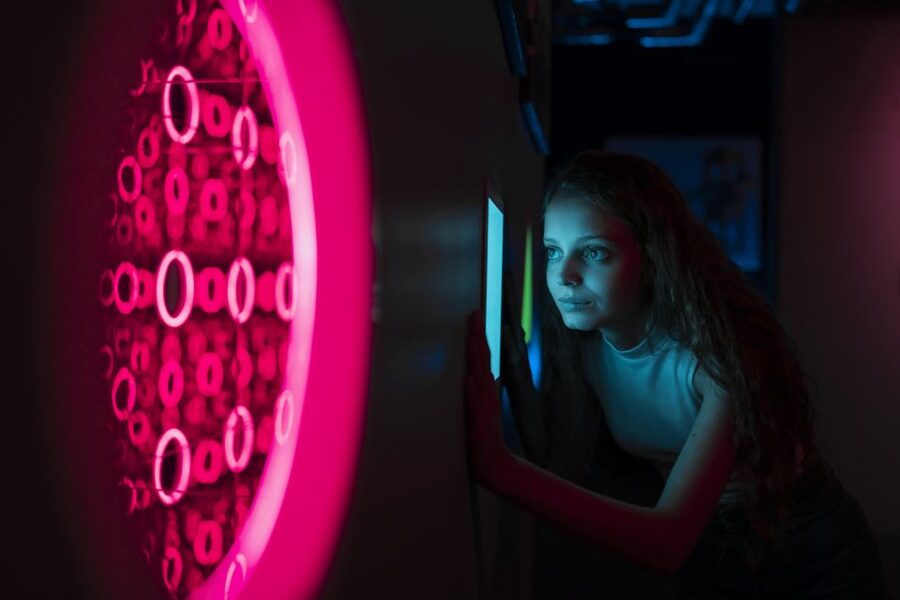
- Two floors of hands-on exhibits: Try the Beuchet-Stuhl, Dark Room, Interactive Sandbox, puzzles, and projector rooms.
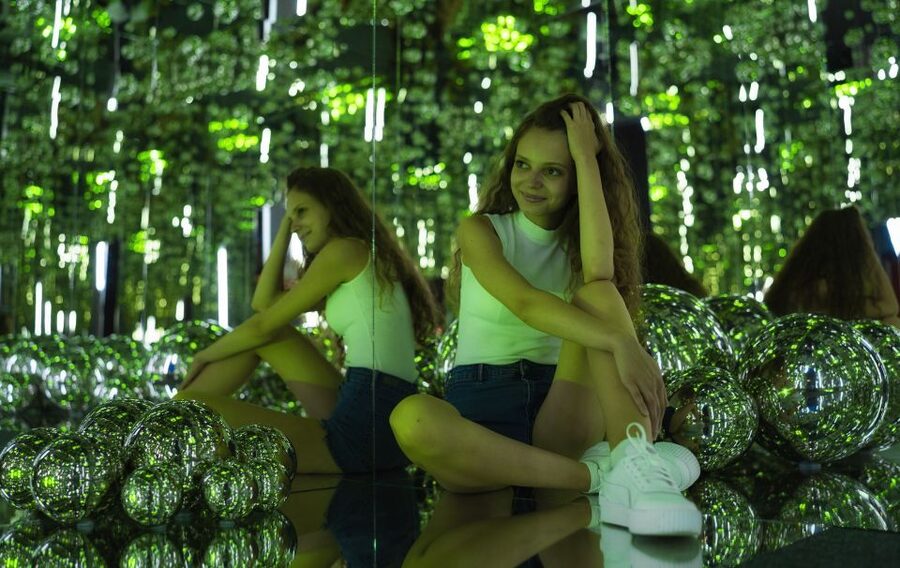
- Mirror rooms made for photos: The Starroom, Abyss, and colorful kaleidoscope displays create unusual backgrounds for photos and video.
- Easy Alexanderplatz location: Find the entrance roughly 300 meters from Berlin’s Fernsehturm.
- Good for families and teenagers: The museum turns visual science into something you can touch, test, and share.
- Plan around crowds: Small rooms may hold only two people, so weekends can slow your progress.
What the DeJa Vu Museum actually offers
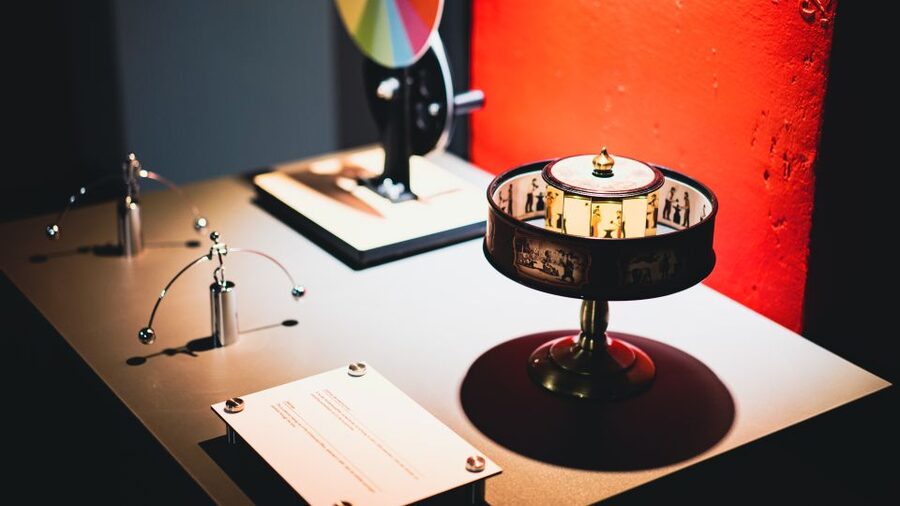
This is not a quiet art museum where you walk from frame to frame and keep your hands behind your back. The DeJa Vu Museum asks you to take part. You stand in a strange room, operate an exhibit, solve a visual puzzle, or place yourself inside a projected illusion.
That difference matters. Optical illusions are easier to understand when your own eyes make the mistake. You may know that a display is playing with perspective, but the effect still catches you for a moment. The museum uses that brief confusion as its main attraction.
You get two floors of exhibits, gallery spaces, mirror rooms, puzzles, and interactive stations. The mix keeps the visit moving, although the experience is not equally strong in every room. Some displays offer a clear surprise, while others may feel like a variation on an idea you have already seen.
The museum works best as a social outing. With friends or family, you can take turns trying each station, explain what you see, and take photos for one another. Children and teenagers have plenty to do, but adults who enjoy photography, puzzles, or visual tricks should not feel left out.
Other museums and galleries in Berlin:
- Berlin: Jewish Museum Berlin Entrance Ticket
★ 4.5 · 8,393 reviews - Berlin: Natural History Museum Entrance Ticket
★ 4.6 · 3,382 reviews - Berlin: Neues Museum Entry Ticket
★ 4.6 · 3,261 reviews
Starting near Alexanderplatz
The museum sits right by Alexanderplatz, with the entrance about 300 meters from the Fernsehturm. That makes it easy to add before or after time at the square, and it is a practical choice when you want a short indoor activity in central Berlin.
I like this location because it does not require a separate cross-town trip. You can pair the museum with other Alexanderplatz plans, though the activity itself needs enough attention to avoid feeling rushed. Allow around 1.5 hours if you want to try the exhibits, study the art, and take photos.
The actual pace depends on the crowd. A quiet visit may let you move from room to room without waiting. At busy times, smaller exhibits can hold only two people, which creates a bottleneck. One weekend account described long waits for these rooms, so I would aim for a quieter time if your schedule allows.
The museum does not permit pets, food, drinks, alcohol, or drugs. Those rules are easy to follow, but remember them if you are planning a long day around Alexanderplatz.
The first gallery spaces and visual puzzles
Begin in the gallery areas, where the museum introduces the basic idea: your eyes are useful, but not always reliable. The displays play with perspective, scale, reflections, shadows, and visual layering.
The Beuchet-Stuhl is one of the more memorable examples. It uses a distorted chair setup to change the way the human body appears in relation to the furniture. The result is simple to understand once you see the trick, but the photo can look wonderfully wrong.
The Dark Room changes the mood. Instead of relying only on bright colors and obvious props, it uses darkness to alter what you notice. You may find that your eyes need time to adjust before the display makes sense.
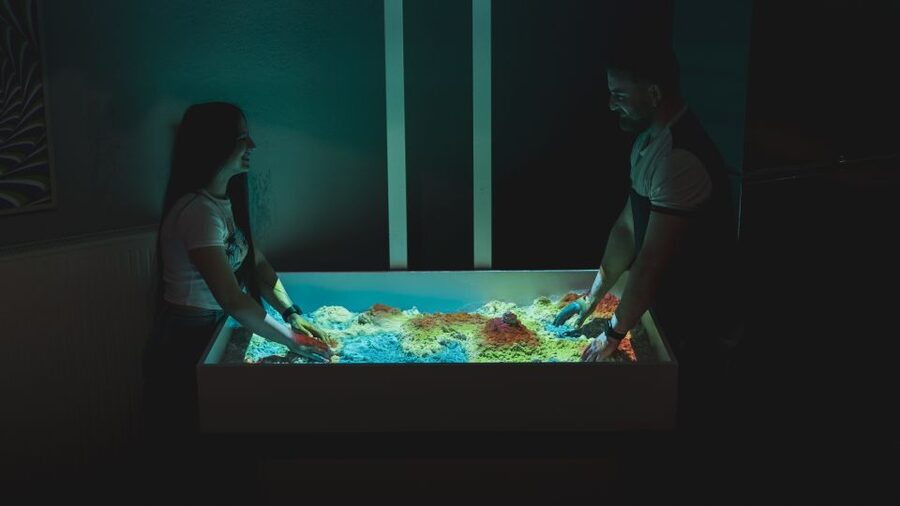
The Interactive Sandbox adds a hands-on element. Rather than standing back, you work with the exhibit and watch the result change. That makes it a useful stop for children, since the lesson comes through play rather than a written explanation.
Puzzles are spread through the museum as well. Some ask you to identify an image or understand a visual effect, while others invite trial and error. Do not rush past the instructions. The point is not simply to photograph the final result, but to see how the trick works.
Oleg Shupliak’s portraits reward a slower look
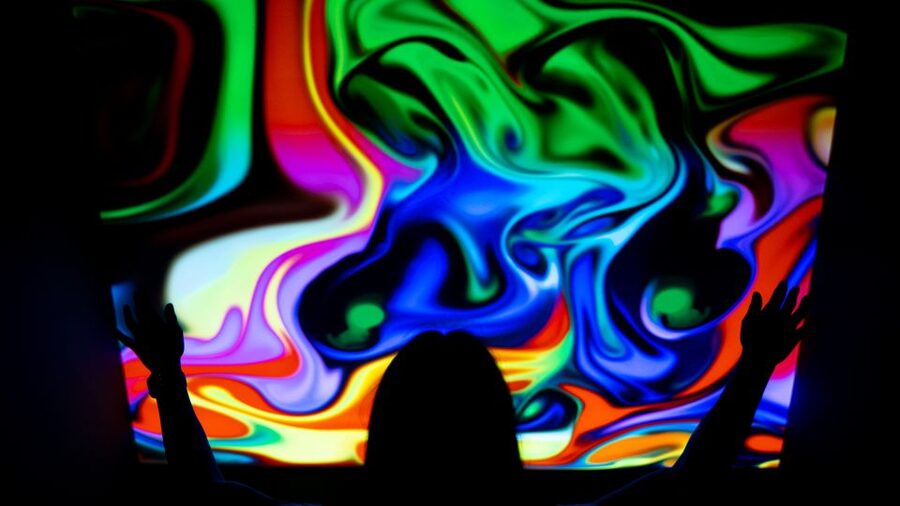
The art gallery by Oleg Shupliak gives the museum a different feel. Shupliak is known for paintings built from layered images, so one scene can contain a face, figure, or portrait hidden within the larger composition.
I would spend more time here than you might expect. At first glance, you may notice an ordinary painted scene. Then a second image appears when you shift your focus. The pleasure comes from finding the extra layer yourself.
You can also make a small game of it. Look at a portrait, decide what you think is being shown, and then search for the second image. This section is less physical than the sandbox or mirror rooms, but it gives the visit an art-based pause between the more theatrical exhibits.
The gallery also helps keep the museum from feeling like a collection of photo props. You are not only posing in unusual rooms. You are also looking closely at how an artist controls your attention and uses one image to conceal another.
A few more things to do in Berlin worth a look
- Berlin: Berlin Story Bunker Entry Ticket
★ 4.6 · 6,759 reviews - Berlin: Illuseum Berlin Entrance Ticket
★ 4.1 · 3,970 reviews - Berlin: Madame Tussauds Admission Ticket
★ 4.6 · 3,941 reviews - Berlin: Charlottenburg Palace Entry Ticket
★ 4.4 · 2,076 reviews
Projector rooms put you inside the illusion
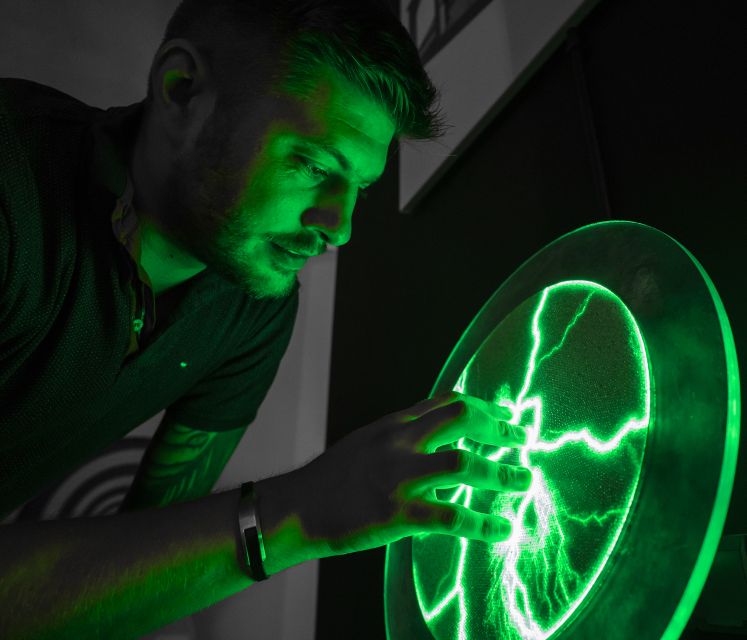
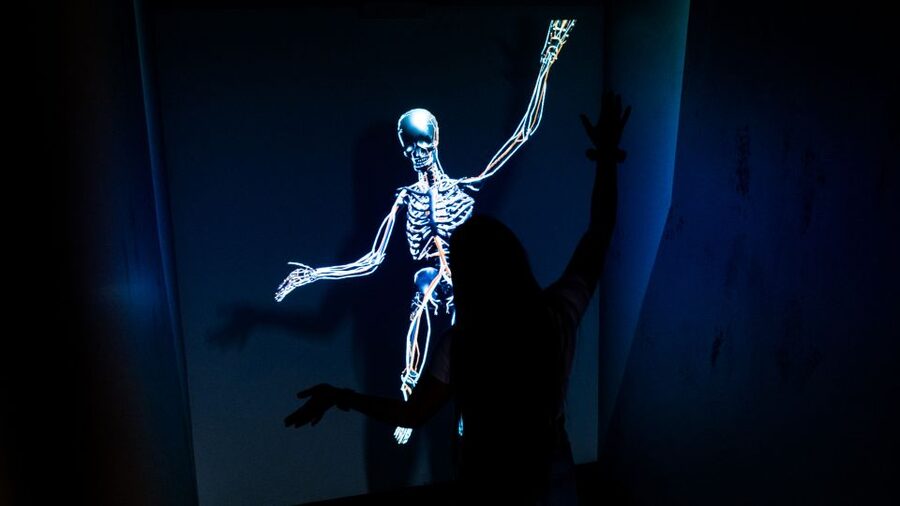
The projector rooms make you the subject. Instead of observing an image on a wall, you become part of the projected scene and watch the illusion respond to your position.
This is especially effective when you visit with another person. One of you can stand in the projection while the other takes the photo or video. Then switch places. The result is more memorable than a standard museum snapshot because the image depends on your body being in the right place.
These rooms can also be slower when the museum is crowded. People naturally want a turn, and a small space cannot accommodate a large group at once. If you want a careful photo, expect to wait at some exhibits and be considerate of the person using the display before you.
Mirror rooms, kaleidoscopes, and the best photo stops
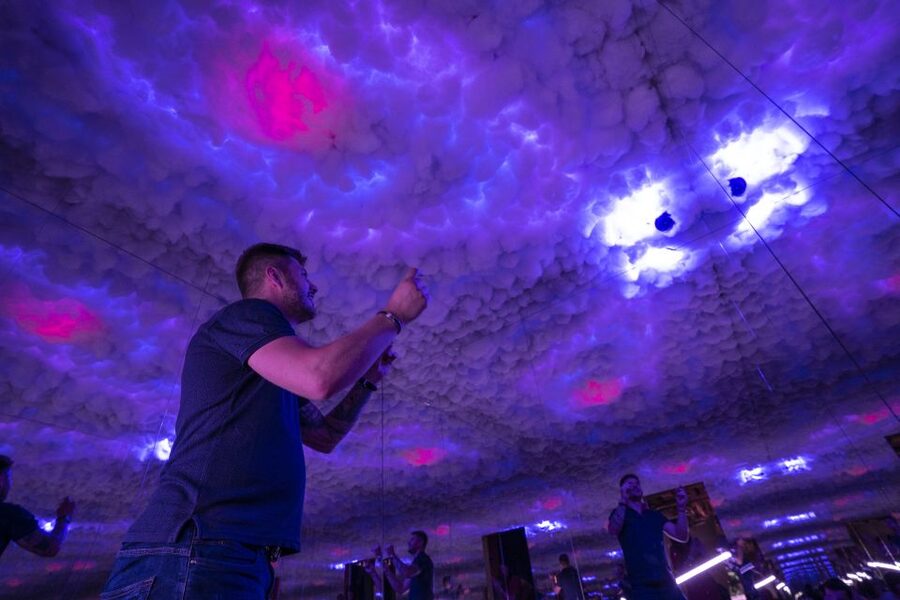
The themed mirror rooms are likely to be the most visually dramatic part of your visit. The Starroom and Abyss use reflections, light, and repeated space to create rooms that appear much larger or stranger than they are.
The effect works in person, but it also works well through a phone camera. Take both wide shots and close photos. A wide image shows the room’s repeating pattern, while a closer view can make it hard to tell where the real space ends.
Colorful kaleidoscope displays offer another strong photo opportunity. The repeated forms and shifting patterns give you something lively to frame, especially if you enjoy short videos rather than posed portraits.
Still, I would not treat the museum as only a photo studio. If you focus on getting the perfect image at every stop, you can miss the reason the rooms work. Look at the mirrors first, understand the visual trick, then take the picture.
Phone photography is clearly part of the fun, but the spaces may be shared. A little patience and a quick turn at each display will make the visit better for everyone.
How long should you plan to stay?
The stated duration is 1.5 hours, and that is a sensible target for a relaxed visit. It gives you time to read instructions, try the hands-on displays, visit the Shupliak gallery, and take photos in the mirror rooms.
Your own visit could be shorter. One person moved through all the rooms in about 30 minutes, which suggests that the museum can feel compact if you do not stop for long at each exhibit. I would not book it as a full afternoon attraction.
The best way to judge the timing is to consider your group. Adults moving quickly may finish in under an hour. Families with children may need longer because the interactive stations invite repeated attempts. A group that wants photos at every room will also use more time.
A rainy afternoon is a good fit. The museum can fill a spare hour or two without requiring a long commitment, and its location makes it easy to combine with other central Berlin plans.
Is $17 a fair price?
At $17 per person, the DeJa Vu Museum is reasonably priced for a central Berlin activity lasting around 1.5 hours. You are paying for a compact indoor attraction with interactive displays, art, puzzles, mirror rooms, and photo opportunities rather than a guided historical tour or a large traditional museum.
The value depends on how actively you use the space. If you simply walk through each room, you may feel that the visit is brief. If you try the exhibits, discuss the illusions, and take photos, the price feels more justified.
I would especially consider it good value for a family or group of friends. One ticket gives you several kinds of activity, and the exhibits do not require specialist art knowledge. You can enjoy the museum even if you know little about optical science or contemporary painting.
The $17 price is less compelling if you dislike photo-focused attractions or have already visited several illusion museums. Some exhibits repeat similar ideas, and one account found the displays interesting but repetitive. That is the main value question: do you want a compact, playful outing, or a large museum with hours of varied material?
Who should book this experience?
I would recommend the museum to families with children, teenagers, and groups of friends who want something active. It gives young visitors a reason to look closely, test ideas, and try again when an illusion does not make sense at first.
It is also a good choice for couples or adults who enjoy taking unusual photos. The mirror rooms and projector spaces provide more than standard portrait backgrounds, and the Shupliak gallery offers a quieter visual puzzle.
I would be more cautious if you have a mobility impairment. The experience is not suitable for people with mobility impairments, so check your needs carefully before booking. It is also not suitable for people with epilepsy.
The museum uses visual effects throughout, so anyone sensitive to such displays should take that into account. The supplied information specifically lists epilepsy as a restriction.
Host or greeter support is available in English, German, Polish, Spanish, and French. That helps with general orientation and exhibit instructions, though the experience itself remains largely self-guided through the displays.
Tips for making the visit better
Choose a quieter time if possible. A Thursday afternoon was described as a comfortable period with little crowding, while weekends can bring longer waits at the two-person rooms. Availability and starting times vary, so check the schedule before you set your day around it.
Keep your phone charged. The museum offers many photo and video opportunities, and a low battery would be an avoidable nuisance.
Give the art gallery a proper look. It is easy to hurry toward the mirror rooms, but the layered portraits by Oleg Shupliak are among the most distinctive parts of the visit.
If you are with children, let them lead at some stations. The museum works best when you experiment rather than watch one person do everything. At the same time, keep the group moving when a room is small.
You can cancel up to 24 hours before the activity for a full refund, and the reserve-now, pay-later option keeps your plans flexible. Check the available starting times before booking, especially if you are fitting this between other Alexanderplatz stops.
Should you book the DeJa Vu Museum?
Book it if you want a short, playful indoor activity with optical tricks, unusual photos, and plenty for children or teenagers to touch and test. The central location and $17 price make it easy to add to a Berlin day, especially in poor weather.
Skip it if you want a large museum, a detailed historical presentation, or a long visit with no waiting. The exhibits can feel repetitive, and busy weekends may slow you down.
For most families and friend groups, I think the museum earns its place as a fun one to two hour stop. Go at a quieter time, allow room for photo delays, and look beyond the camera tricks to appreciate how the illusions fool your eyes.
FAQ
Where is the DeJa Vu Museum in Berlin?
The entrance is near Alexanderplatz, roughly 300 meters from the Fernsehturm.
How long does the visit last?
The stated duration is 1.5 hours. Some people may move through the rooms in about 30 minutes, while groups stopping for puzzles and photos may take longer.
How much does admission cost?
The listed price is $17 per person.
What can I see and do inside?
You can try interactive exhibits such as the Beuchet-Stuhl, Dark Room, Interactive Sandbox, puzzles, projector rooms, mirror rooms, kaleidoscopes, and an art gallery by Oleg Shupliak.
Is the museum suitable for children?
Yes. The activity is described as suitable for people of all ages, and it is particularly recommended for families with children and teenagers.
Is the museum suitable for people with mobility impairments or epilepsy?
No. The experience is not suitable for people with mobility impairments or epilepsy.
Just added in Berlin
- Berlin: Energizing 2-Hour Morning Segway Tour★ 4.7 · 35 reviews
- Berlin: Thrilling E-Scooter Adventure Tour★ 4.4 · 66 reviews
- Beelitz-Heilstätten: Baum&Zeit Tree Top Walk Entry Ticket★ 4.9 · 7 reviews
- Beer Bike & Party Bike: Unforgettable Berlin City Tour incl. pickup★ 5.0 · 5 reviews
- AXE THROWING EXPERIENCE IN BERLIN★ 4.7 · 24 reviews
- Alternative Berlin / Street art tour – Private group★ 5.0 · 6 reviews
- Berlin: Alternative & Street Art Tour★ 4.5 · 6 reviews
- Berlin: 2.5-Hour Beer & Sunset Sightseeing Boat Cruise★ 4.6 · 61 reviews
Museums, compared.
Skip-the-Line: Berlin Wall Museum at Checkpoint Charlie
Read our review →
Browse the lists this tour appears in