
Reviewed · MUSEUMS
Berlin: “Pergamonmuseum. The Panorama” Exhibition Tickets
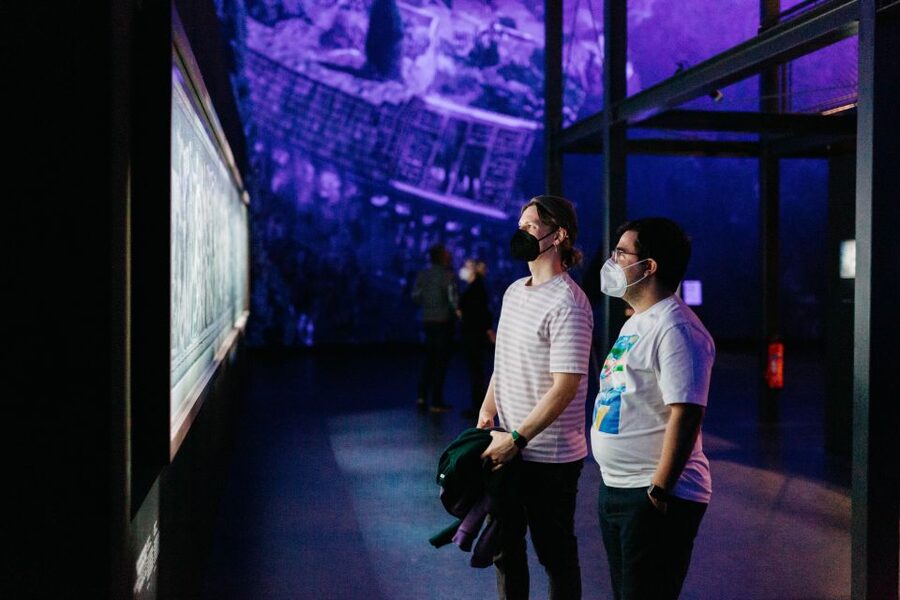
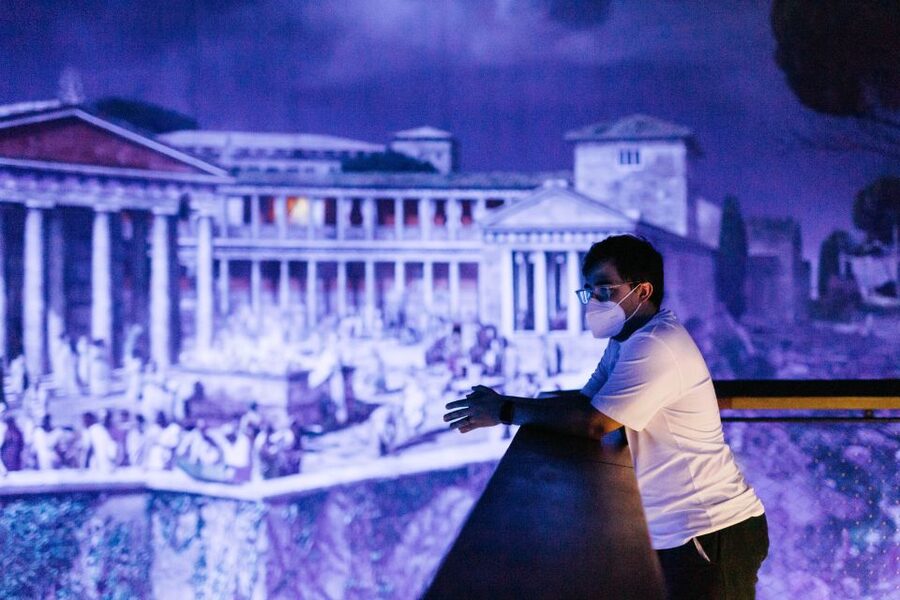
The best part of this experience is the shift from museum display to living ancient city. Yadegar Asisi’s 360-degree panorama places Pergamon in AD 129, under Emperor Hadrian, with changing light and sound that carry you from day into night.
I like the strong link between the modern artwork and the real archaeological objects. I also like the chance to see the Pergamon Altar in its original setting on the Acropolis, at least as a carefully researched reconstruction. The main drawback is the short 15-minute ticket validity, which can make the visit feel rushed if you want time with both the panorama and the sculptures.
- See Pergamon at its Roman peak: The scene recreates the city during the reign of Hadrian in AD 129.
- Watch day turn to night: Music, lighting, and changing views give the static display a sense of movement.
- View about 80 original works: Highlights include the Telephos frieze, the Beautiful Head, and the giant head of Herakles.
- Look for the hidden details: Exhibition staff can point out small Easter eggs within the panorama.
- Plan for a longer visit: The ticket is valid for 15 minutes from activation, but one visitor recommends staying in the auditorium for at least half an hour.
- Keep the limits in mind: Backpacks are not allowed, and wheelchair access is only partial.
What the Pergamon Panorama Actually Shows
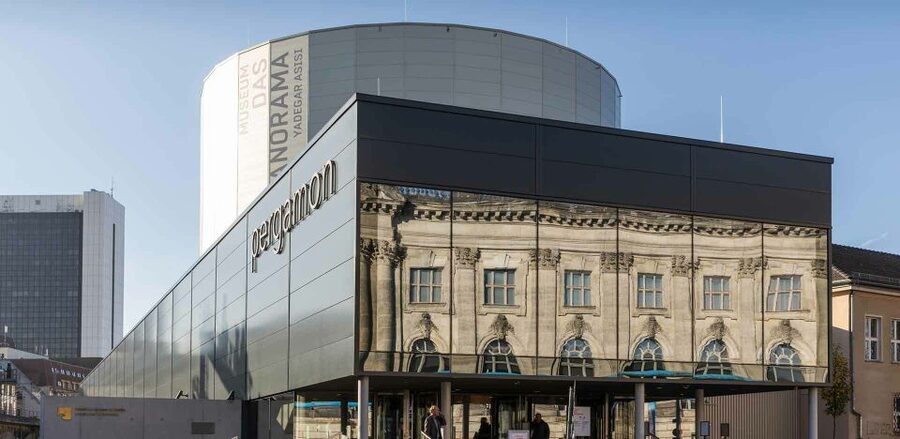
This is not entry to the main Pergamonmuseum. It is a separate exhibition at Pergamonmuseum. Das Panorama, at Am Kupfergraben 2, near Berlin’s Museum Island.
Inside, you get two related experiences. First comes a display of important ancient objects from Pergamon. Then you enter the large panorama room, where the ancient city appears around you in a single sweeping scene.
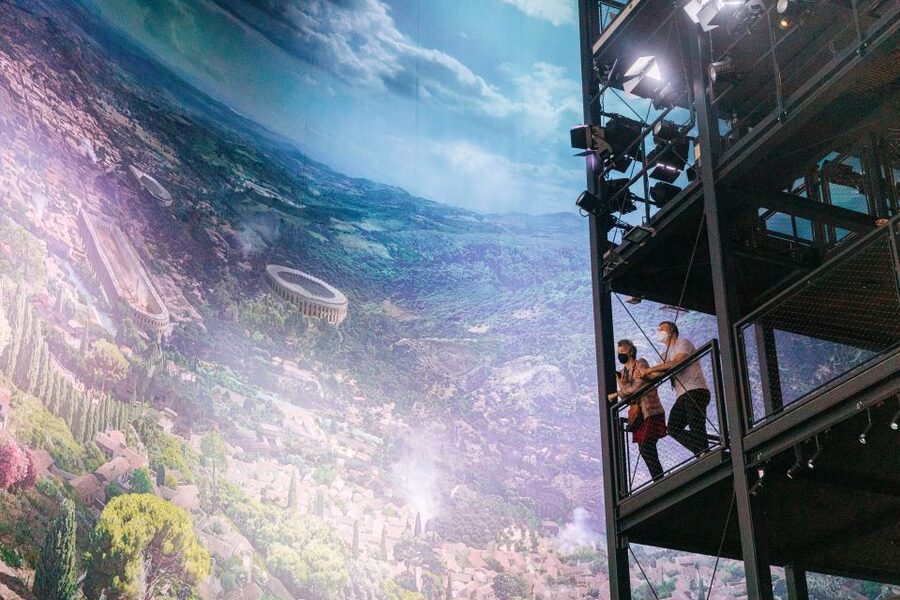
The setting is AD 129, when Pergamon was part of the Roman world and Emperor Hadrian ruled the empire. The reconstruction presents the city on the west coast of Asia Minor, including its Acropolis and major monuments.
That date matters. You are not looking at a general picture of Pergamon across hundreds of years. The exhibition aims to show the city during one particular period, when Roman power shaped its buildings, public spaces, religious life, and art.
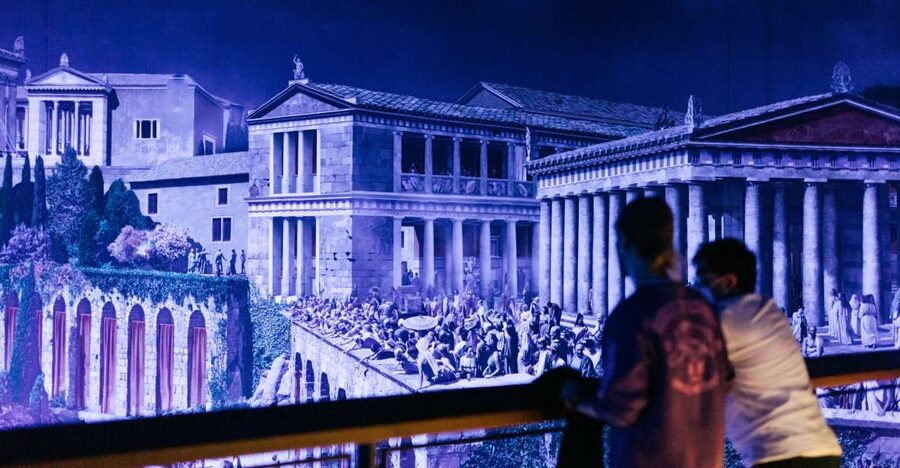
Yadegar Asisi created the panorama, with 40 new scenes added to the earlier version. Those additions give you more to inspect than a quick glance reveals. From the viewing area, you can scan rooftops, streets, religious buildings, people, and architectural details rather than simply face one famous monument.
Begin With the Original Ancient Objects
Before or around the panorama experience, you can see about 80 works from the Antikensammlung, Berlin’s collection of classical antiquities. These objects give the large image something solid to rest on.
The most important piece for many visitors is the largest surviving section of the Telephos frieze from the Pergamon Altar. The frieze tells stories connected with Telephos, the legendary founder of Pergamon, and its size helps you understand the scale of the original altar.
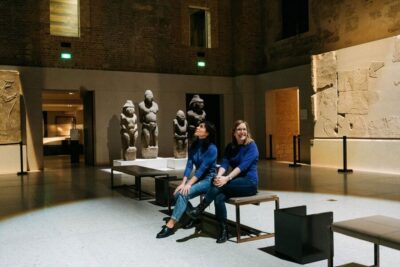
The exhibition also includes several of Pergamon’s best-known sculptures. Look for the Beautiful Head, the giant head of Herakles, portraits of the city’s kings, and the Archaistic Dancer from the palace.
You will also find the Prometheus group and Athena with a cross-strapped shield. These are not random objects placed beside a screen. They help show the artistic quality and political importance of Pergamon, and they prepare you to recognize the types of sculpture and architecture represented in the panorama.
I like this combination because it avoids a common problem with large visual installations. The panorama could be impressive but vague if you saw it without real objects. The sculptures provide scale, texture, and evidence. Then the wide city view gives those objects a possible home.
Other museums and galleries in Berlin:
- Berlin: Jewish Museum Berlin Entrance Ticket
★ 4.5 · 8,393 reviews - Berlin: Natural History Museum Entrance Ticket
★ 4.6 · 3,382 reviews - Berlin: Neues Museum Entry Ticket
★ 4.6 · 3,261 reviews
Entering the 360-Degree City Scene
The panorama room is the heart of the visit. You stand inside a circular space and look across a reconstructed Pergamon rather than at one flat wall.
The view is designed to be read slowly. You might first notice the Acropolis and the main monuments, then spot smaller scenes farther away. It is worth looking up, down, and around instead of staying fixed on the most obvious building.
A raised viewpoint helps you take in the city. One useful approach is to begin from the higher steps, get the full composition, and then move gradually closer or lower for smaller details. The exhibition does not require you to follow a formal route through the city, so your pace matters.
Lighting changes the character of the room. Daylight gives you the broad architectural view. As the scene moves toward night, artificial light and sound alter the mood and draw attention to different parts of the city.
The music is an important part of the effect. It is not just background noise filling an empty room. It helps mark the movement from day to night and makes the scene feel less like a still illustration.
Still, this is an artistic reconstruction, not a time machine. The city has been rebuilt from archaeological evidence and artistic interpretation. The exhibition is at its best when you enjoy both sides: the research behind the image and the imagination needed to make a ruined city visible again.
Why You Should Stay Longer Than 15 Minutes
The ticket is valid for 15 minutes from first activation. That is the most important timing detail to understand before booking.
Fifteen minutes is enough for a quick look at the main view, especially if you already know what you want to see. It is not much time if you plan to study the objects, wait through the lighting changes, search for small scenes, and read the available information.
If you can arrange your visit so that you are not rushing, allow more time around the ticket window. The ticket itself may be limited to 15 minutes, while practical advice from inside the exhibition points to staying in the auditorium for at least half an hour. Check the exact entry conditions when booking, since the supplied ticket information specifically says the validity begins with activation.
I would prioritize the panorama over trying to race through every label. Start with a complete turn around the room. Then watch the lighting change. After that, return to the sculptures and pick out the pieces that connect most clearly with the city scene.
Ask one of the guides in the room about the hidden Easter eggs. Small details are placed in the panorama, and you may miss them if you only take a quick photograph and leave.
The Pergamon Altar in Its Architectural Setting
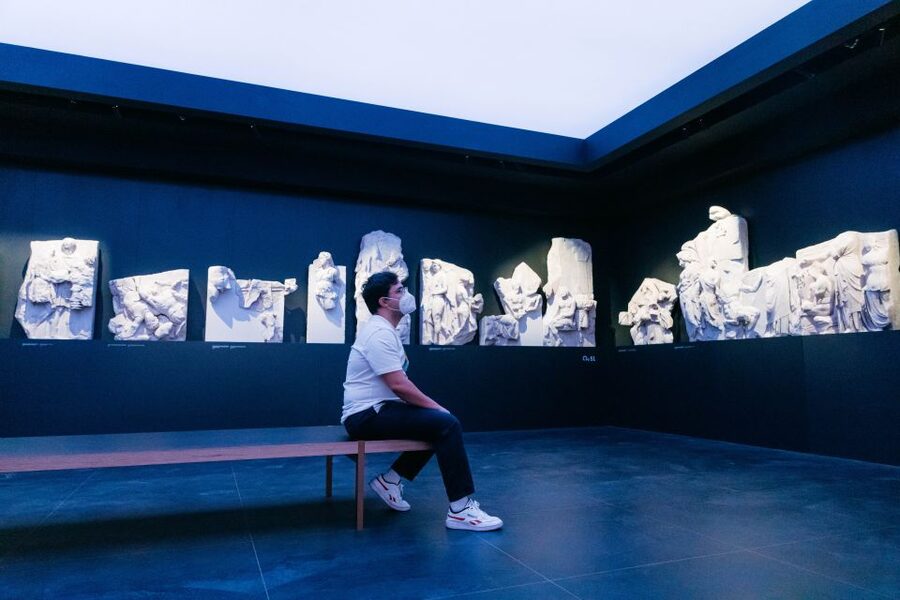
A major reason to visit is the chance to picture the Pergamon Altar on the Acropolis rather than seeing its sculptures as detached fragments.
The exhibition presents the altar in its original architectural context for a limited period. That context changes how you read the Telephos frieze and the wider collection. A museum fragment can look like an isolated wall decoration. Within the reconstructed Acropolis, you can think about its scale, position, and relationship to the city.
This is also where the exhibition offers something the main museum cannot currently provide in the same way. The Pergamonmuseum itself is not included with this ticket, and the wider Museum Island museums require separate admission. The panorama exhibition gives you a focused way to see Pergamon without treating the altar as a single famous object detached from its setting.
The reconstruction does not replace the original archaeology. It gives you a visual argument about how the pieces may have worked together. That makes it especially useful for anyone who has seen ancient sculpture but has struggled to imagine the buildings that once framed it.
A few more things to do in Berlin worth a look
- Berlin: Berlin Story Bunker Entry Ticket
★ 4.6 · 6,759 reviews - Berlin: Illuseum Berlin Entrance Ticket
★ 4.1 · 3,970 reviews - Berlin: Madame Tussauds Admission Ticket
★ 4.6 · 3,941 reviews - Berlin: Charlottenburg Palace Entry Ticket
★ 4.4 · 2,076 reviews
Music, Light, and the Experience for Families
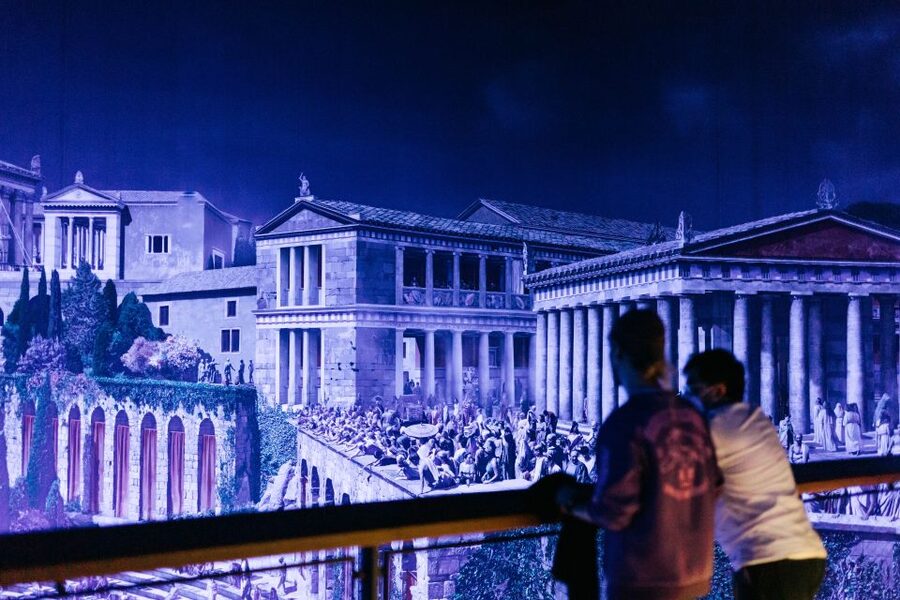
The display works well for families because it offers several ways to engage. Children can scan the panorama for activity and hidden details, while adults can spend more time with the sculpture and historical setting.
The changing light gives the visit a clear rhythm. You do not need to read every panel to understand that the city is being shown through a passing day. The music adds another sensory layer, and several visitors have found the combination of sound and lighting especially effective.
The experience is also a good choice for people who find a conventional object-by-object museum tiring. The wide image gives you an immediate point of entry, while the sculptures reward closer attention once your interest is caught.
The tradeoff is that the theatrical effects may not suit everyone. If you prefer quiet galleries and original buildings with minimal interpretation, the panorama may feel more like an art installation than a standard archaeological museum. One visitor found the 360-degree view appealing but the overall experience underwhelming. That is a fair warning: the visual idea is strong, but its impact depends on how much you enjoy light, music, and reconstruction.
Price, Timing, and What Your Ticket Covers
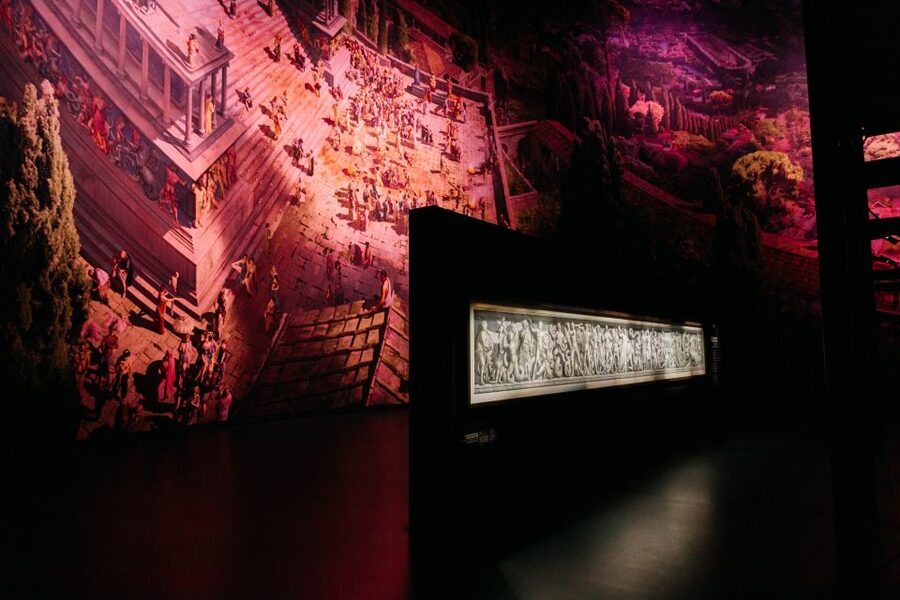
At about $16 per person, this is a reasonable price for a focused Berlin museum experience, especially if you want to understand Pergamon before visiting other classical collections.
The value is less clear if you expect a long museum visit. The ticket covers entry to Pergamonmuseum. Das Panorama only. It does not include the main Pergamonmuseum or any other museum on Museum Island.
For a short stop, the price pays for three things: the large-scale panorama, access to the original Pergamon objects in this exhibition, and the chance to see the altar presented within a reconstructed architectural setting. If you treat it as a 15-minute attraction, it can seem expensive. If you take time with the changing scene and the objects, it makes more sense.
Visitors under 18 can enter free of charge, but they still need a ticket. That makes the exhibition easier to consider for families, though you should make sure every member of your group has the required entry ticket before arriving.
The activity is non-refundable, so choose your date carefully. It is also due to close for renovations from September 1 through October 13, according to the supplied information. Check availability if your Berlin visit falls near those dates.
Finding the Entrance and Handling the Practical Details
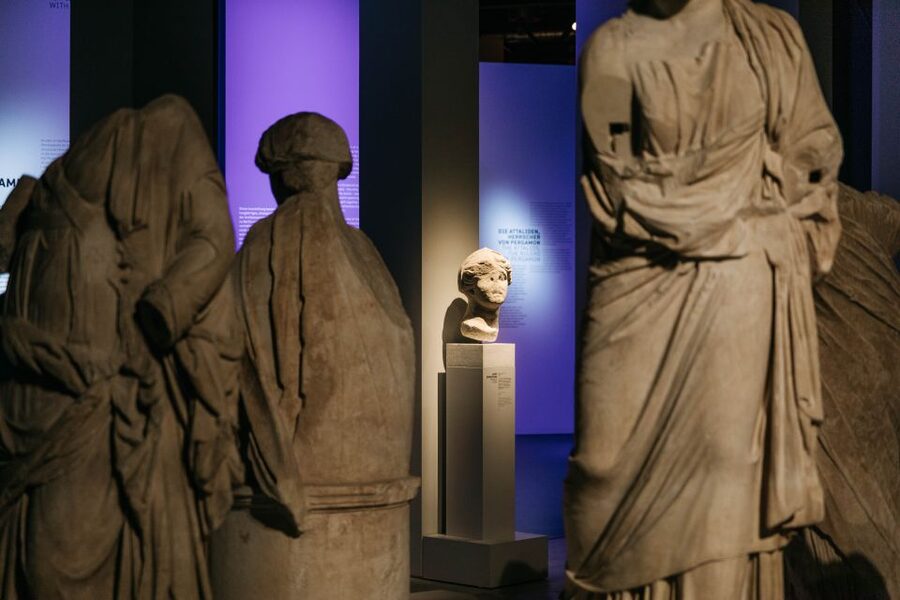
The address is Am Kupfergraben 2, 10117 Berlin. The exhibition is called Pergamonmuseum. Das Panorama, which is important because it is not the same as the main Pergamonmuseum.
One practical warning is easy to miss: backpacks are not allowed. Arrive with a small bag or confirm how your belongings can be stored before you set off. The museum shop accepts only non-cash payment methods if you decide to buy tickets there.
The exhibition is described as wheelchair accessible in the general activity information, but the detailed note says access is only partial and the experience is not suitable for wheelchair users. Take that contradiction seriously. If you use a wheelchair, contact the venue before booking and ask which parts of the building and viewing area are currently accessible.
Security may feel close and watchful. One visitor found the staff presence uncomfortable. That does not change the content of the exhibition, but it may affect how relaxed you feel while moving around the room.
There is an audio guide available, and it can add useful context to the objects and the panorama. It is worth considering if you want more than the visual effect, particularly if you are not already familiar with Pergamon.
Who Will Get the Most From This Exhibition
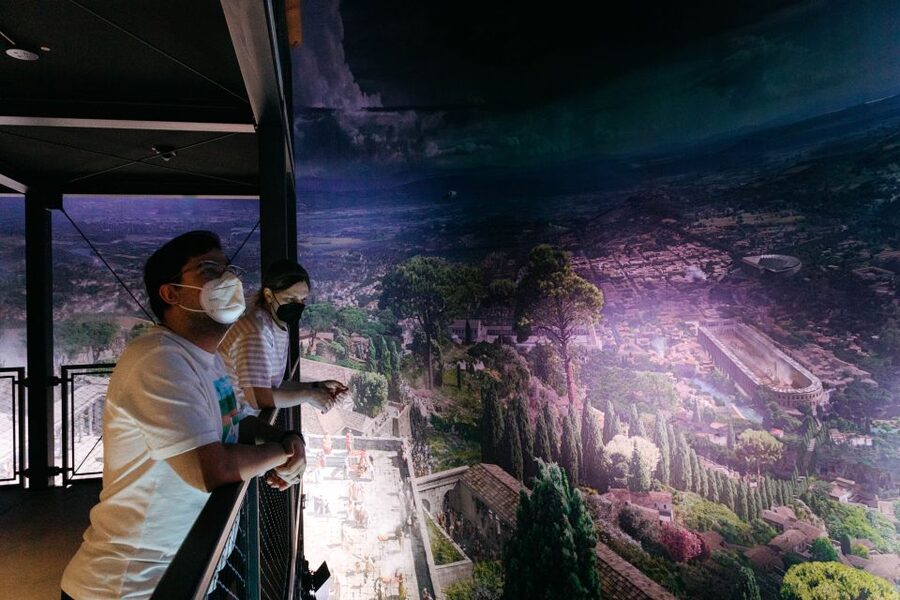
I would recommend it most strongly to people who enjoy ancient history but want help picturing ruined buildings and lost city spaces. The panorama turns a group of fragments into a wider setting without asking you to study a full scholarly catalogue first.
It also suits families, visual learners, and anyone with limited time in Berlin who wants one concentrated experience. You can see original sculptures and a large reconstruction in one stop.
It may be less satisfying for visitors who want a long, traditional museum visit included in the same ticket. It also may not suit you if loud or dramatic presentation methods distract from the objects.
For the best visit, plan around the 15-minute activation limit, avoid bringing a backpack, and ask about the hidden details. If you have an audio guide, use it after taking your first silent look at the room. The panorama is easier to understand once you have formed your own first impression.
Should You Book Pergamonmuseum. The Panorama?
Book it if you want to see Pergamon as a city rather than only as a collection of statues and carved fragments. The changing day and night scene, music, light, and raised viewpoint give the ancient site a clear visual shape.
Think twice if you want entry to the main Pergamonmuseum, since that is not included. Also check the date, ticket timing, bag rules, and current access arrangements before paying because the ticket is non-refundable.
For most people interested in ancient art, the $16 price is fair, provided you do not rush through it. Treat it as a focused presentation that works best with patience, not as a quick photo stop.
FAQ
Where is Pergamonmuseum. Das Panorama?
It is at Am Kupfergraben 2, 10117 Berlin, Germany.
Does this ticket include the main Pergamonmuseum?
No. The ticket includes entry to the exhibition Pergamonmuseum. The Panorama only.
Does the ticket include other museums on Museum Island?
No. Other museums on Museum Island require separate admission.
How long is the ticket valid?
The ticket is valid for 15 minutes from first activation.
Can I stay longer than 15 minutes?
The supplied information gives a 15-minute validity period. Practical guidance for the exhibition recommends staying in the auditorium for at least half an hour, so check the entry conditions when booking.
What period does the panorama depict?
It depicts Pergamon in AD 129, during the High Roman Empire under Emperor Hadrian, who ruled from AD 117 to 138.
Who created the panorama?
The 360-degree panorama was created by Iranian architect Yadegar Asisi.
What original objects are on display?
About 80 important works from Pergamon are shown, including the largest section of the Telephos frieze, the Beautiful Head, the giant head of Herakles, portraits of kings, the Archaistic Dancer, the Prometheus group, and Athena with a cross-strapped shield.
Can children enter for free?
Visitors under 18 can enter free of charge, but every visitor still needs a ticket.
Are backpacks allowed?
No. Backpacks are not allowed inside the exhibition.
Is the exhibition wheelchair accessible?
The information says the exhibition is only partially accessible for wheelchairs and also lists it as not suitable for wheelchair users. Contact the venue before booking to confirm current access arrangements.
When will the exhibition be closed for renovation?
The panorama is scheduled to close from September 1 through October 13 for renovations.
Just added in Berlin
- Berlin: Energizing 2-Hour Morning Segway Tour★ 4.7 · 35 reviews
- Berlin: Thrilling E-Scooter Adventure Tour★ 4.4 · 66 reviews
- Beelitz-Heilstätten: Baum&Zeit Tree Top Walk Entry Ticket★ 4.9 · 7 reviews
- Beer Bike & Party Bike: Unforgettable Berlin City Tour incl. pickup★ 5.0 · 5 reviews
- AXE THROWING EXPERIENCE IN BERLIN★ 4.7 · 24 reviews
- Alternative Berlin / Street art tour – Private group★ 5.0 · 6 reviews
- Berlin: Alternative & Street Art Tour★ 4.5 · 6 reviews
- Berlin: 2.5-Hour Beer & Sunset Sightseeing Boat Cruise★ 4.6 · 61 reviews
Museums, compared.

Skip-the-Line: Berlin Wall Museum at Checkpoint Charlie
Read our review →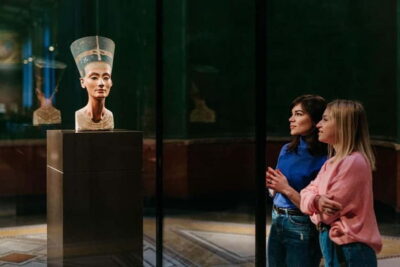
Browse the lists this tour appears in