Reviewed · TOURS IN BERLIN
Gastro Tour with Klaus though the Wrangelkiez, Kreuzberg
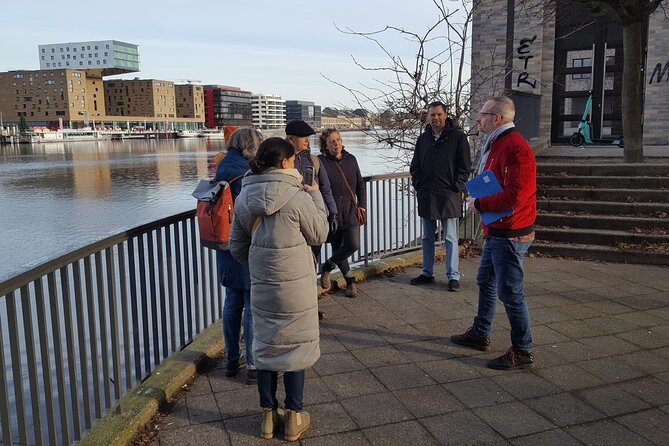
Berlin’s past and present meet over a plate on this small-group walk through Kreuzberg. Klaus links the former border zone around Oberbaumbrücke and the preserved GDR watchtower with the neighborhood’s international food stalls, cafés, and pubs. It is a good way to see how Berlin’s divided past still shapes everyday streets.
I like two things here: the five tastings turn an ordinary walk into a light meal, and the route gets away from the usual central Berlin circuit. I also like that Klaus points out places you might pass without noticing, from Lohmühleninsel’s lesser-known buildings to the Romanesque-style church on Wrangelstraße.
The main consideration is value. At $83.08 per person, this is not a cheap snack crawl, especially since drinks are extra. You are paying for the food, a three-hour guided walk, and local context, so it suits you best if you want both eating and neighborhood history rather than a simple list of restaurants.
Key points to know before booking
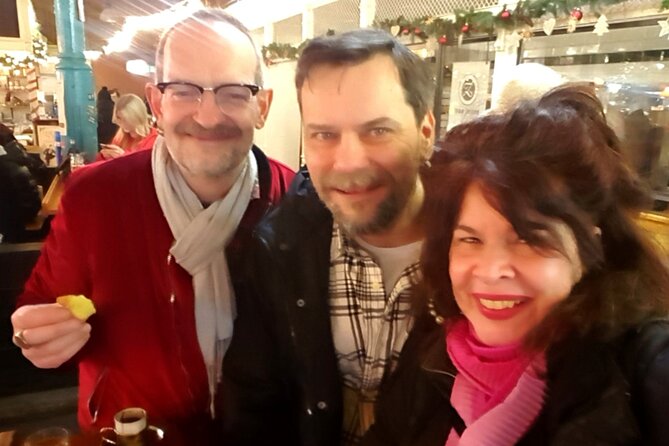
- Five tastings make up a light meal, with stops at local gastro partners and some street-food stalls.
- Klaus leads in English, combining food with stories about Kreuzberg, the Berlin Wall, and neighborhood life.
- Oberbaumbrücke and a preserved GDR watchtower give the walk a clear Cold War setting.
- The route focuses on Wrangelkiez, an area known for a high concentration of international food.
- The group is capped at 15 people, which should keep the walk more personal than a large city tour.
- Drinks are not included, and the final stop may change with the season.
Why this Kreuzberg food walk is more than a snack crawl
The appeal here is the mix. You are not simply moving from one restaurant to another, and you are not spending three hours on a standard Berlin history lecture. Instead, Klaus uses food to explain a neighborhood shaped by migration, division, reunification, and changing local fortunes.
The walk begins at Cuvrystraße 2, close to the Spree and Oberbaumbrücke. It ends near Schlesisches Tor, with the final food partner varying by season. That start and finish make practical sense: you cross through a compact part of Kreuzberg and finish near a useful subway station, where the U-Bahn runs above ground.
The five tastings are the backbone of the experience. You receive selected samples rather than ordering a full meal at each location, and some stops may be street-food stalls. That means you get variety without committing to one cuisine or carrying a large restaurant bill. The portions are described as substantial enough to make a meal of the evening, but you should still think of this as several small tastings rather than a formal dinner.
Other trips people book in Berlin:
- Berlin: Reichstag, Dome and Government District Guided Tour
★ 4.7 · 18,288 reviews - Berlin: 1-Hour City Tour by Boat with Guaranteed Seating
★ 4.3 · 16,993 reviews - Berlin: Boat Tour Along the River Spree
★ 4.4 · 11,252 reviews
Oberbaumbrücke sets the scene
The first stop is Oberbaumbrücke, one of Berlin’s best-known bridges. You get about ten minutes here, enough for Klaus to explain why the bridge matters as a link between the city’s eastern and western sides and as part of local Berlin history.
The bridge is a strong opening because it gives the rest of the walk a sense of place. Kreuzberg’s food scene can look like a collection of unrelated restaurants if you only focus on menus. From the bridge, the neighborhood’s position beside the former border becomes clearer.
Do not expect a long architectural tour at this point. The stop is short and the admission cost is free. Its purpose is to orient you, establish the East and West Berlin setting, and show how close the historic border area is to today’s busy streets.
Lohmühleninsel offers a quieter pause
From the bridge, the route continues toward Lohmühleninsel, a small piece of land with an eventful past and less familiar architectural monuments. This is one of the places where a local guide adds real value. Without context, you could easily walk past it as another patch of the city.
You spend about ten minutes here. The stop gives the tour a change of pace before the food-focused streets. It also reinforces one of the best reasons to take this walk: you see parts of Kreuzberg that do not usually make the short list for first-time sightseeing.
The information provided does not promise entry into buildings or a formal architectural visit, so expect an outdoor explanation rather than a museum stop. Wear comfortable shoes and be ready to keep moving.
A preserved watchtower recalls divided Berlin
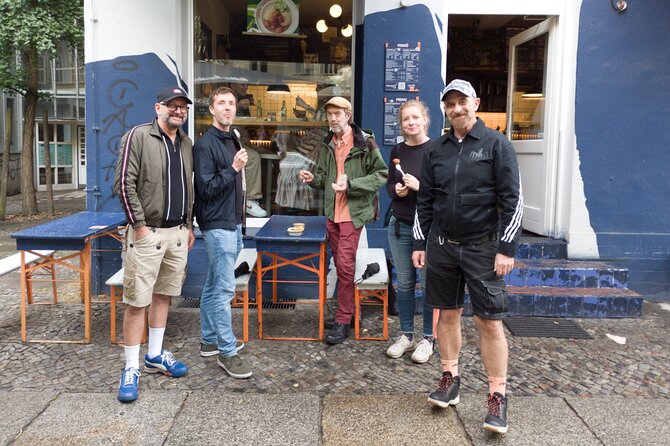
The GDR watchtower is a brief stop, lasting about five minutes. That may sound short, but the object itself carries plenty of weight. In the years when Berlin was divided, this area around Kreuzberg and Alt-Treptow sat near the city’s edge, and the Wall shaped how people moved, worked, and lived.
The preserved tower is a physical reminder of that border. Klaus uses it to explain the former border area, giving you a better sense of why parts of Kreuzberg developed in such a distinctive way.
This is not a full Berlin Wall tour, and you should not book it expecting a long examination of checkpoints or memorial sites. The watchtower is one part of a broader neighborhood story. Its value comes from seeing the relic in the middle of an ordinary urban route, with food and local streets only minutes away.
Same base, a different kind of day out:
- Discover Berlin Half-Day Walking Tour
★ 5.0 · 9,624 reviews - Berlin: Hop-on Hop-off Bus Tour with Live Commentary
★ 4.3 · 8,579 reviews - Berlin: Government District around the Reichstag Guided Tour
★ 4.7 · 8,447 reviews - Berlin: Reichstag, Plenary Chamber, Cupola & Government Tour
★ 4.6 · 8,422 reviews
Görlitzer Park has a complicated reputation
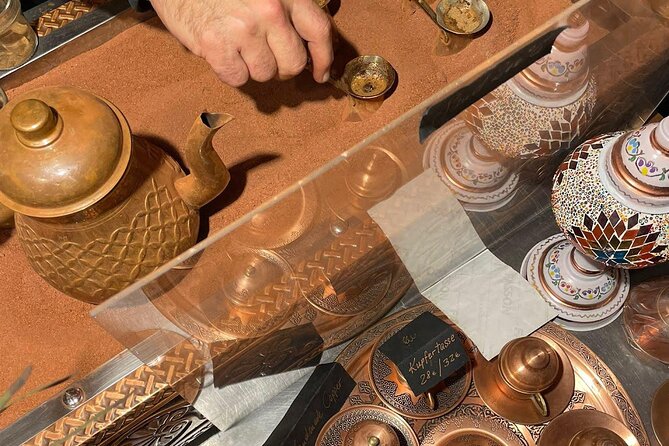
Görlitzer Park takes about ten minutes. It is a recreation area for the neighborhood, but Klaus also talks about its past and why it has a bad reputation today. That frank approach is useful. Berlin neighborhoods are not polished stage sets, and understanding local concerns gives you a more honest view of the area.
The park section is likely to interest you if you want context rather than postcard sights. Klaus can connect the park to the way Kreuzberg has changed and to how residents view the space now. The supplied details do not promise a long walk across the entire park, so expect a short guided look and some anecdotes.
This is also a point where you should stay aware of your surroundings, as you would in any busy city park. The tour presents the area plainly, without pretending every part of Kreuzberg is carefree or picture-perfect.
Falckensteinstraße turns food into the main event
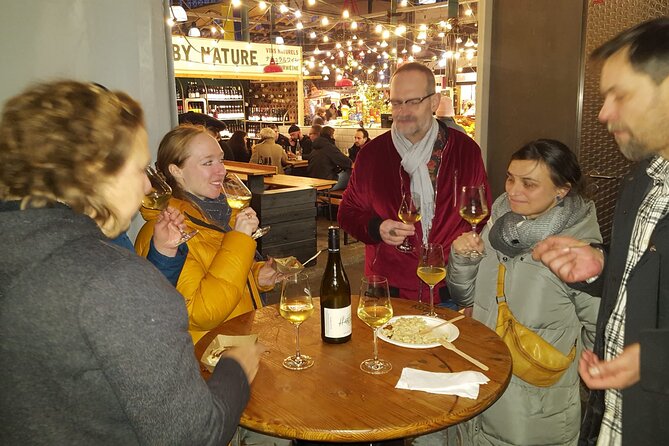
Falckensteinstraße is one of the central food streets on the route. You spend about 30 minutes here, and Klaus introduces you to personally tested highlights among the area’s international gastro options.
This is where the tour’s food focus becomes clear. Rather than asking you to choose from dozens of menus, Klaus narrows the field and leads you to selected partners. That helps if you have limited time in Berlin or feel overwhelmed by the sheer number of choices in Kreuzberg.
The phrase personally tested matters here. You are not just being taken to the first convenient snack stand. Klaus has chosen places he considers worth sharing, and the tastings give you a quick sample of the neighborhood’s range. The exact foods are not listed in advance, so you should book this with an open mind rather than expecting a specific cuisine.
Some stops can be street-food stalls. That makes the experience informal, but it also means seating and comfort may vary from place to place. You are buying into a moving food walk, not a reserved dining room meal.
Wrangelstraße keeps the international food trail going
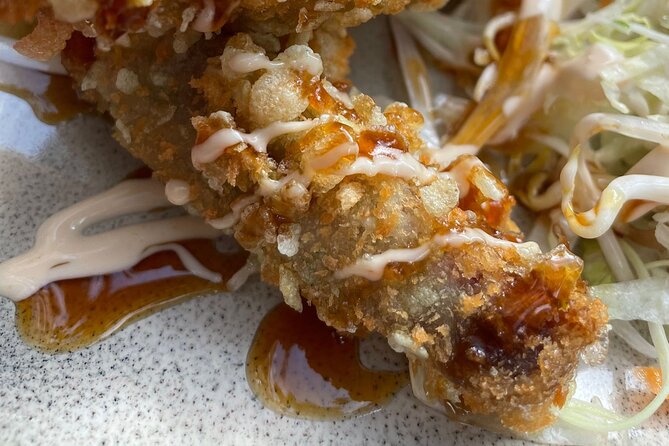
Wrangelstraße gives the neighborhood its name and continues the concentration of international food options. You also see a church built in the style of a Romanesque monastery, adding another architectural detail to a walk that otherwise could become all about eating.
This combination is one of the tour’s strongest features. You get a closer look at the street itself, then another food stop, then the chance to notice how old and new parts of Kreuzberg sit together. The area is not presented as a single attraction. It is a working neighborhood with places of worship, local businesses, public spaces, and a food scene shaped by many cultures.
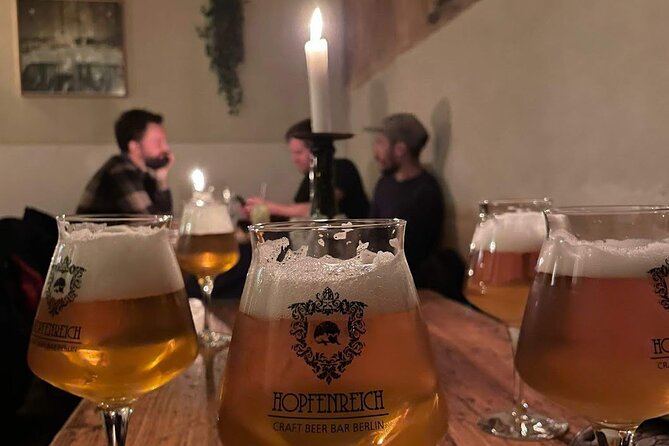
The tour finishes near Schlesisches Tor. Depending on the season, the final food partner can change, and Klaus may offer you the choice of ending at a Kiez pub or walking to the station. That flexibility is practical. If you still want to talk and linger, the pub option gives the evening a softer finish. If you have evening plans, the station is nearby and easy to use.
What the five tastings are worth at $83.08
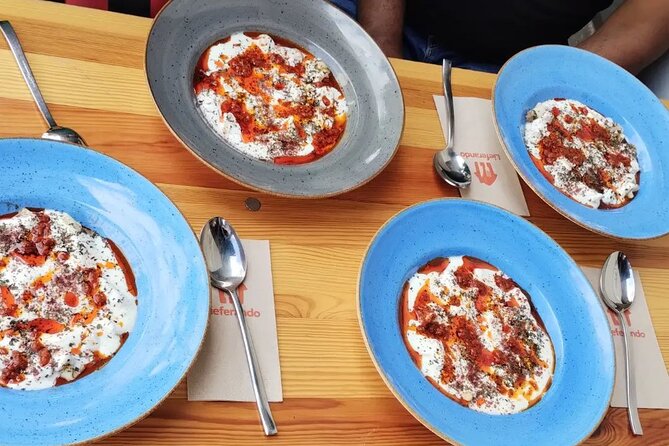
At $83.08, the price deserves a close look. The fee covers a local guide, five selected tastings, and roughly three hours of sightseeing in a neighborhood where food, architecture, and Berlin history overlap. Drinks are extra, so add that to your budget.
The value is strongest if you would otherwise spend money sampling several places on your own. You avoid ordering full portions at multiple restaurants, and Klaus helps you choose places you might not find on your own. The food can add up to a meal, according to the tour details, but the greater value is the explanation and route planning.
The price is less appealing if you want a large dinner or if you already know Kreuzberg’s restaurants well. A self-guided food walk would cost less, especially if you are happy to share dishes and make your own choices. The paid tour makes more sense for you if you want a set route, an English-speaking guide, and local food picks without spending your evening researching every stop.
Because the tour averages booking about 94 days in advance, planning early is sensible if your Berlin dates are fixed. Confirmation arrives within 48 hours, subject to availability. Free cancellation is allowed up to 24 hours before the start time, which gives you some breathing room, although changes or cancellations inside that window are not accepted.
Group size, pace, and practical comfort
The maximum group size is 15 people. That is small enough for a guide to keep the group together without turning the walk into a private tour. It also suits the food stops, where a very large crowd would be harder to manage.
The walk lasts about three hours. Since it combines six sightseeing points with five food partners, you should expect a steady pace and regular stops. Comfortable shoes are a sensible choice, even though the route is contained within one part of Kreuzberg.
The tour is offered in English and is near public transportation. Most people can participate, according to the available information. Specific accessibility details are not provided, so if you need step-free access, seating, or support for a mobility concern, ask the provider before booking.
You should also arrive ready to eat gradually. The tastings are spread across the route, so saving room for later is wise. Since drinks are not included, carry money or a payment method for beverages and any extra food you decide to buy.
Who will enjoy this tour most
I would recommend this walk to you if you want to understand Kreuzberg through daily life rather than through only major sights. It fits first-time visitors who want a guided introduction, as well as repeat visitors looking for a different corner of Berlin.
It is especially suitable if you like trying foods from different cultures but do not want to plan a restaurant crawl. One recent assessment of the experience described the food as a refreshing mix of cultures, and that is a fair way to understand the tour’s aim. You sample several styles in one evening while Klaus explains the streets around you.
It also works well for people interested in Berlin’s divided past but who do not want a dedicated Wall museum tour. Oberbaumbrücke and the watchtower provide a clear historical thread, while the park, streets, and food partners show how the area functions now.
You may want to skip it if you prefer a formal sit-down meal, detailed culinary instruction, or a tightly fixed menu. The exact food choices are not provided, the final partner can change by season, and drinks cost extra. This is an informal neighborhood walk with tastings, not a cooking class or luxury dining event.
My recommendation for the Wrangelkiez food walk
I would book this tour if you want a compact introduction to Kreuzberg that balances food with local history. Klaus appears to be the key to the experience: he brings together the Cold War setting, the neighborhood’s changing reputation, and the international food scene without treating them as separate subjects.
The strongest reasons to go are the five tastings, the small maximum group, and the route through places that can be easy to miss. The main reason to hesitate is the price. At $83.08 before drinks, it needs to replace a meal and several hours of your own planning to feel worthwhile.
Book it early if you want a specific date, keep an appetite for several small portions, and expect an informal walk rather than a polished food show. If that sounds like your kind of Berlin evening, this is a thoughtful way to get beyond the city center and into the streets of Wrangelkiez.
FAQ
How long does the Gastro Tour with Klaus last?
The tour lasts approximately three hours.
What language is the tour offered in?
The tour is offered in English.
How many food tastings are included?
You receive selected tastings at five gastro partners. Some stops may be street-food stalls.
Are drinks included in the price?
No. Drinks are not included.
Where does the tour start and finish?
The tour starts at Cuvrystraße 2, 10997 Berlin. It finishes near Schlesisches Tor, with the final gastro partner varying by season.
What is the cancellation policy?
You can cancel up to 24 hours before the experience starts for a full refund. Cancellations or changes made less than 24 hours before the start time are not accepted for a refund.
Just added in Berlin
- Private One way Airport Transfer Berlin Airport To Berlin★ 3.5 · 17 reviews
- Private Walking Tour: Berlin Wall, Cold War and Checkpoint Charlie★ 5.0 · 37 reviews
- Modern Berlin Private Walking Tour: Diverse, Vibrant and Exciting German Capital★ 5.0 · 13 reviews
- Private Day Trip to Potsdam from Berlin by Train★ 4.5 · 27 reviews
- City Explorer: Potsdam Private Day Trip★ 4.5 · 10 reviews
- Berlin Private Custom 5-Hour Tour by Car★ 5.0 · 30 reviews
- Private Half-Day Sightseeing Tour in Berlin★ 3.5 · 6 reviews
- Berlin Private Custom Tour in a Minivan, East and West★ 5.0 · 123 reviews
Tours in Berlin, compared.
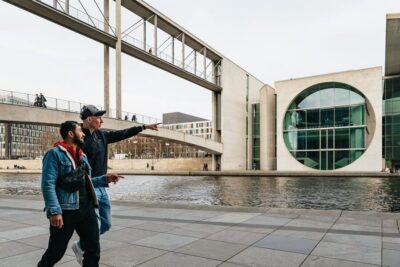
Reichstag, Dome and Government District Guided Tour
Read our review →
1-Hour City Tour by Boat with Guaranteed Seating
Read our review →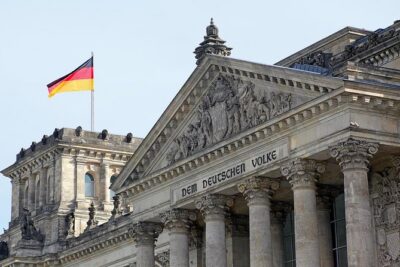
Reichstag, Plenary Chamber, Cupola & Government Tour
Read our review →