Reviewed · TOURS IN BERLIN
Dark Berlin Criminal Tour
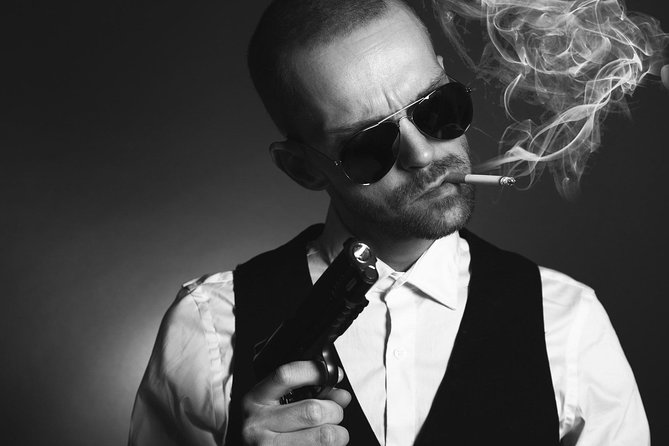
Berlin’s grand avenues and famous monuments tell only half the story. This walking tour follows the darker thread, from a 1931 shooting near the Volksbühne to gang activity, police investigations, prostitution, stolen goods, and Berlin’s first banking scandal. The stories are tied to real places, so the city around you becomes part of the evidence.
I like the original locations and the mix of grim crime, odd behavior, and dark humor. I also like the compact route, which links six stops in central Berlin over about two hours. The main drawback is the fixed, non-refundable booking, plus the need for good weather.
Key points at a glance
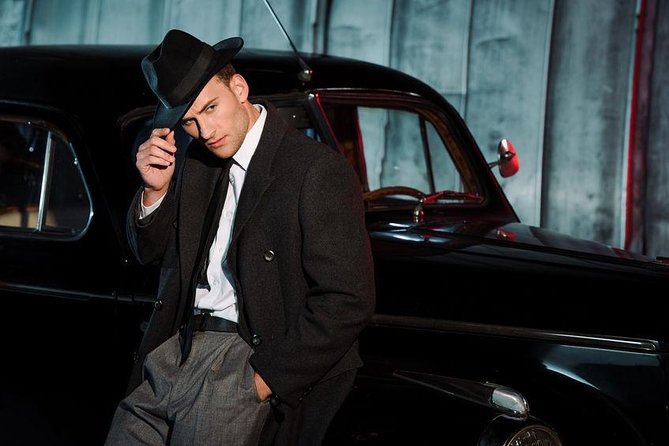
- A 1931 double police shooting: Begin near the Volksbühne and hear how a later East German security minister became linked to the crime.
- Six central Berlin stops: Walk from Rosa-Luxemburg-Platz through the Scheunenviertel, Alexanderplatz, Alexa, Littenstraße, and the Red City Hall.
- More than murder stories: The tour covers organized crime, protection money, prostitution, stolen goods, courtroom drama, and banking fraud.
- A small walking group: Numbers are capped at 25 people, enough for a more manageable guide-led walk.
- Good value at $18.52: The price is modest for a two-hour guided experience in central Berlin.
- Weather matters: The walk can be canceled for poor weather or if too few people book, with a new date or refund offered in those cases.
Berlin’s darker side begins at the Volksbühne
Meet at Rosa-Luxemburg-Platz at 2:00 pm, near the underground station. The starting point is practical rather than theatrical, and that suits the tour. You begin in a normal central Berlin square, then learn how ordinary-looking places became linked to violence and scandal.
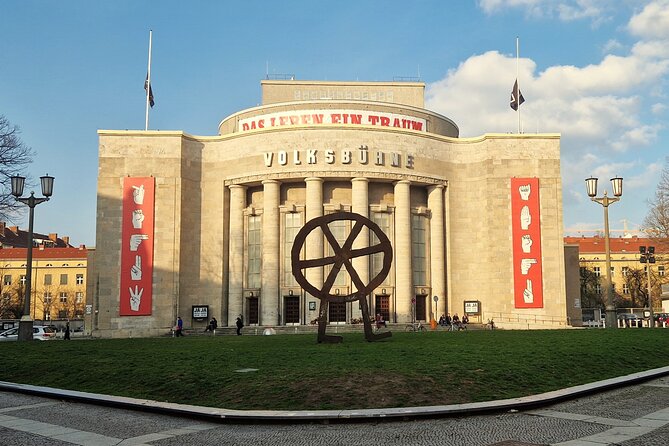
The first stop is the Volksbühne Berlin. On August 9, 1931, two police officers were shot here by two men, one of whom later became East Germany’s minister for state security. The guide explains the background that led to the crime, adding political and personal context rather than simply presenting a date and a body count.
You spend only about five minutes at this stop. That is enough to set the tone without turning the opening into a long lecture. The tour’s method is clear from the start: use a real place, add a strange or unsettling event, then connect it to the wider story of Berlin.
You should expect serious subject matter. Violence and death are central to the tour, though the experience also includes bizarre and comic episodes. That balance matters. A two-hour walk made entirely of grim murders could become exhausting. The lighter stories give you a breather while showing that crime history is not always neat or solemn.
Other trips people book in Berlin:
- Berlin: Reichstag, Dome and Government District Guided Tour
★ 4.7 · 18,288 reviews - Berlin: 1-Hour City Tour by Boat with Guaranteed Seating
★ 4.3 · 16,993 reviews - Berlin: Boat Tour Along the River Spree
★ 4.4 · 11,252 reviews
The Scheunenviertel, where everyday life met crime
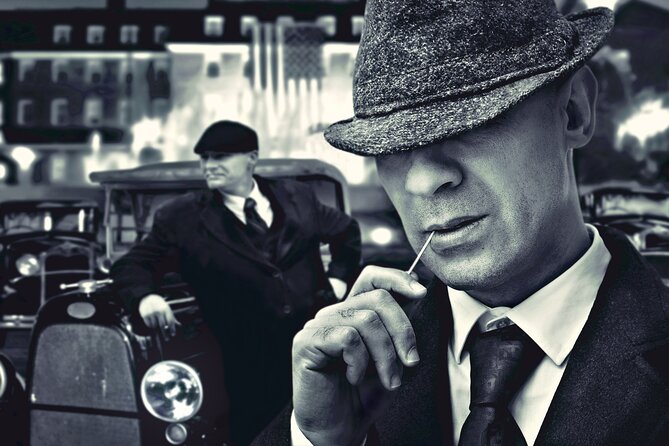
From the Volksbühne, the walk moves into the Scheunenviertel. The stop lasts around ten minutes, making it one of the longer pauses on the route. Here, the guide sets the scene of 1920s Berlin through the people who lived and worked in the area.
You hear about factory workers returning from shifts, office workers in worn clothes, drinkers talking with friends, prostitutes, crooks, and pimps. The value of this stop is its street-level view. Instead of treating crime as something committed by a few famous villains, it places illegal business beside work, nightlife, poverty, and daily routines.
The area’s importance comes from this mixture. Protection rackets, prostitution, and receiving stolen goods were major sources of income for organized crime in Berlin. You get a better sense of how criminal networks could grow when they operated close to ordinary homes, workplaces, bars, and streets.
This is also one of the places where the tour’s social detail appears strongest. Clothing, work schedules, and street behavior help you picture the period. The guide does not need to rely only on dates or names. The setting lets you imagine the city as a place where respectable life and criminal life often occupied the same blocks.
The drawback is that the modern streets may not look much like the 1920s. You are hearing about vanished conditions in a city that has changed dramatically. If you want preserved interiors or museum displays, this is not that kind of experience. If you like connecting present-day streets with past events, the contrast works well.
Alexanderplatz and a gang that frightened Berlin
Alexanderplatz is next, and the walk reaches one of Berlin’s best-known public spaces. Locals call it Alex, and the guide explains how the square received its name before turning to a more troubling subject: a gang of young people that terrified the city during the war years.
This stop lasts roughly five minutes, so the story is likely to be focused. You should not expect a long study of wartime Berlin. Instead, you get a sharp account of how a group of young criminals gained a reputation and why the city feared them.
Alexanderplatz is a useful setting because it is familiar, open, and busy with modern city life. The tour asks you to look past the shopping, transport connections, and everyday activity to consider a much rougher chapter. That shift in perspective is one of the pleasures of a city crime walk.
The guide also explains the square’s name, which gives the stop a small piece of civic history before the darker material. Those changes in tone keep the route moving. You are not simply collecting crimes. You are learning how a location acquired its identity and how that identity later collided with violence and fear.
Alexa and the vanished building behind the shopping center
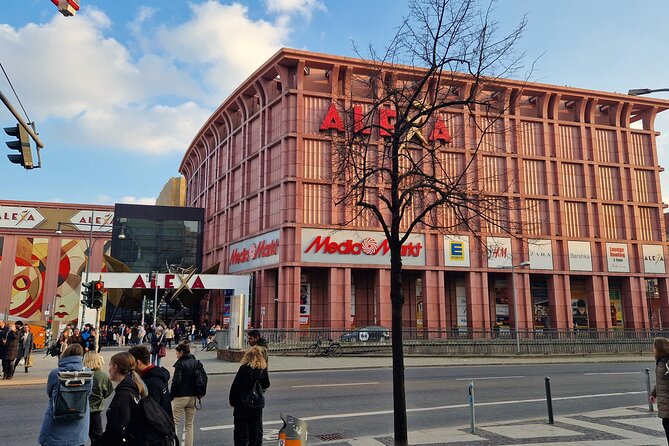
The modern Alexa shopping center provides one of the route’s more surprising contrasts. Today, it is a place to shop and spend time indoors. The tour asks you to consider what occupied this site before the war and why that earlier building became famous and highly respected.
The stop is brief, about five minutes, but its appeal is visual. You are standing beside a present-day commercial building while hearing about a very different landmark that once stood there. The value lies in the change itself. Berlin has been rebuilt, renamed, and repurposed so often that ordinary sites can conceal major chapters of the past.
The supplied details do not identify the earlier building by name, so you should treat this as a story best learned directly from the guide rather than arriving with a fixed expectation. That uncertainty is part of the stop’s purpose. It encourages you to see the city as layered rather than finished.
This may be one of the weaker points for visitors who want a visible historic structure. There may be little left to see at ground level. Still, it adds variety to the route and shows that the tour is not limited to obvious crime scenes.
Same base, a different kind of day out:
- Discover Berlin Half-Day Walking Tour
★ 5.0 · 9,624 reviews - Berlin: Hop-on Hop-off Bus Tour with Live Commentary
★ 4.3 · 8,579 reviews - Berlin: Government District around the Reichstag Guided Tour
★ 4.7 · 8,447 reviews - Berlin: Reichstag, Plenary Chamber, Cupola & Government Tour
★ 4.6 · 8,422 reviews
Littenstraße and Berlin courtroom drama
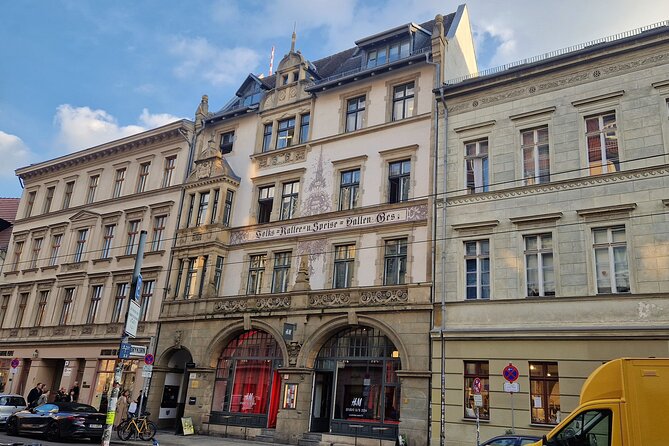
At Littenstraße, you stop outside the present-day district court of Berlin Mitte. Here the subject shifts from street crime to the legal world, with a focus on one of Berlin’s most famous defense attorneys of the 1920s.
The story includes Lola, though the available details do not explain her role. That is a useful clue about the tour’s style. The guide is not simply listing legal cases. Personalities, relationships, fame, and scandal all play a part.
This stop helps explain how crime becomes public drama. Police work may create a case, but the courtroom gives it an audience. A defense attorney can become nearly as famous as the accused, especially when the case involves public fascination, violence, or glamour.
The court building also brings you into contact with Berlin’s legal past without requiring an indoor visit. You remain on the walking route, hear the story at the relevant address, and continue. That keeps the tour efficient, though anyone hoping to enter the court or see historic rooms should not assume that will happen.
The Red City Hall and Berlin’s first banking scandal

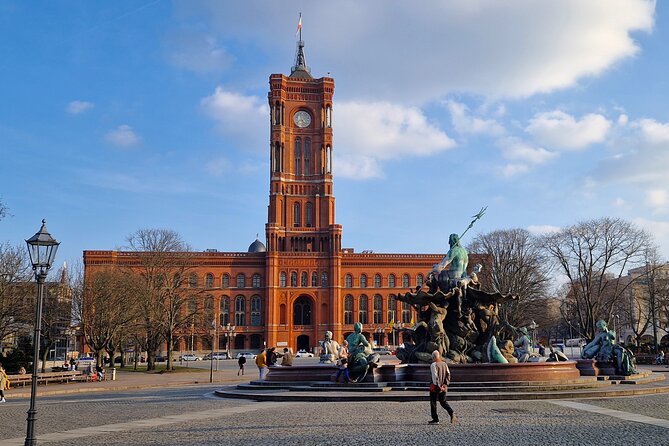
The walk ends at the Red City Hall, where you hear about Berlin’s first banking scandal in the 1920s. The story involved the mayor, making it more than a tale of private fraud. It shows how financial wrongdoing can reach into city government and damage public trust.
This final stop gives the route a strong ending. The tour begins with police officers and organized crime, moves through street life and courtroom drama, then finishes with political and financial scandal. That range makes the experience broader than a standard murder walk.
The end point is also convenient. The meeting place is at the Red City Hall entrance with direct access to the underground. After two hours on foot, easy onward transport is welcome. You can continue sightseeing in central Berlin or return to your accommodation without planning a complicated transfer.
The route includes six stops, but the listed stop times add up to only about 35 minutes. The rest of the two-hour duration is walking and narration between locations. That is important when judging the experience. You are booking a guided city walk, not six long site visits.
What the $18.52 price really gives you
At $18.52 per person, this is a low-cost way to add a themed walk to a Berlin itinerary. You are paying for a certified guide, two hours of storytelling, and a route through several central districts. There are no admission fees at the listed stops, so your main investment is time and attention.
The value is strongest if you enjoy history told through place. A short city walk can give you context that is difficult to gain from passing through Alexanderplatz or the Scheunenviertel alone. You learn why a location matters, then carry that association with you as you continue exploring Berlin.
The value is less clear if you want major interiors, exhibits, or long visits at preserved sites. Most stops are exterior locations, and several last only five minutes. The experience depends heavily on the guide’s delivery and ability to make each story clear.
The published rating is 4.2 out of 5 from five ratings, with praise focused on the interesting facts, the connection between stories and locations, and the guide’s friendly manner. That matches the tour’s strongest feature: it offers a different way to see central Berlin, including details that can interest people who already know the city.
Group size, timing, and practical details
The tour starts at 2:00 pm and lasts approximately two hours. A maximum of 25 people keeps the group from becoming unwieldy, though it is not a private walk. Arrive with enough time to find Rosa-Luxemburg-Platz 1/u and locate the guide near the underground access.
A mobile ticket is provided, which makes the booking easy to carry. The route stays near public transportation, and it ends at the Red City Hall with direct underground access. Most people can participate, but remember that this is a walking activity with outdoor stops.
Good weather is required. If poor weather forces cancellation, you are offered another date or a full refund. The same applies if the minimum number of participants is not reached. The standard cancellation rule is strict: your booking is non-refundable and cannot be changed for any reason.
That policy deserves attention because the tour is often booked well ahead, with an average booking time of 44 days in advance. If you reserve early, check your Berlin schedule carefully. You should also avoid placing it on the one day when rain would ruin your plans.
Who will enjoy this criminal history walk
I would choose this experience if you like Berlin’s political, social, and criminal past more than a standard list of monuments. It suits adults and older teenagers who are comfortable with stories of shootings, death, prostitution, organized crime, and fraud.
It is also a good choice for people who enjoy walking tours but want something more specific than a general city introduction. The route gives you a theme, while the locations keep the subject tied to the city around you.
You may want something else if you dislike dark subjects, need a fully indoor activity, or prefer long stops at major sights. The walk does not promise entry to the court, the Red City Hall, or other buildings. Its appeal comes from narration and location, not physical access.
The tour can also work for repeat visitors. One published rating came from someone who already knew Berlin and still found new material in the stories. That is a useful sign for anyone who has seen the main sights and wants a fresh angle on familiar streets.
Should you book the Dark Berlin Criminal Tour?
Book it if you want a reasonably priced, two-hour walk built around real places and unusual stories. The route covers more than murder. You get organized crime, social history, police work, legal drama, political scandal, and a banking fraud story, all within central Berlin.
I would make this a good-weather afternoon activity, especially early in a Berlin stay if you want to see how several central areas connect. Just remember that the experience is story-led and outdoors, with a strict cancellation policy. If that suits your travel style, $18.52 buys a focused and memorable look at the city’s less polished past.
FAQ
Where does the Dark Berlin Criminal Tour begin?
The tour begins at Rosa-Luxemburg-Platz 1/u, 10178 Berlin, Germany. The start time is 2:00 pm.
Where does the tour end?
The walk ends at the entrance to the Red City Hall in Berlin, with direct access to the underground.
How long does the tour last?
The tour lasts approximately two hours.
What locations are included?
The route includes the Volksbühne Berlin, the Scheunenviertel, Alexanderplatz, Alexa, Littenstraße, and the Red City Hall.
How many people can join the tour?
The group is limited to a maximum of 25 people.
Can I cancel or change my booking?
The experience is non-refundable and cannot be changed for any reason. If poor weather forces cancellation, or if the minimum number of participants is not reached, you are offered another date or a full refund.
Just added in Berlin
- Modern Berlin Private Walking Tour: Diverse, Vibrant and Exciting German Capital★ 5.0 · 13 reviews
- Private One way Airport Transfer Berlin Airport To Berlin★ 3.5 · 17 reviews
- Private Walking Tour: Berlin Wall, Cold War and Checkpoint Charlie★ 5.0 · 37 reviews
- Private Day Trip to Potsdam from Berlin by Train★ 4.5 · 27 reviews
- City Explorer: Potsdam Private Day Trip★ 4.5 · 10 reviews
- Berlin Private Custom 5-Hour Tour by Car★ 5.0 · 30 reviews
- Private Half-Day Sightseeing Tour in Berlin★ 3.5 · 6 reviews
- Berlin Private Custom Tour in a Minivan, East and West★ 5.0 · 123 reviews
Tours in Berlin, compared.
Reichstag, Dome and Government District Guided Tour
Read our review →
1-Hour City Tour by Boat with Guaranteed Seating
Read our review →
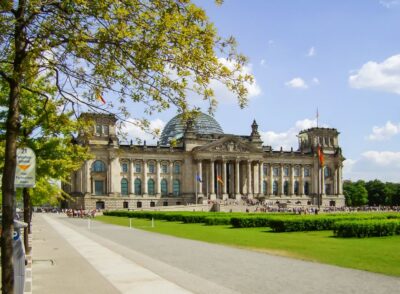
Reichstag, Plenary Chamber, Cupola & Government Tour
Read our review →