
Reviewed · HISTORICAL TOURS
Street Art & Berlin Gay, Queer, Trans History + Free Gay Map
Berlin’s street art and queer past meet on this thoughtful two-hour walk with Gali Jaffe, a trans woman guide who brings personal focus to both subjects. You’ll move from colorful walls to Schöneberg sites tied to Christopher Isherwood, El Dorado, and Magnus Hirschfeld’s Institute for the Science of Sexuality.
I like the small group limit of 10, which gives Gali room to shape the conversation around your interests. I also like the free gay map, a useful tool if you want to keep exploring after the tour. The main consideration is pace: with art, a gallery stop, public transport, and several history sites packed into two hours, this is an introduction rather than a full study of Berlin’s queer past.
Key points
- Gali Jaffe leads as a trans woman guide, adding personal perspective to Berlin’s queer and trans history.
- Street art opens the tour, giving you an easy, visual start before the historical material becomes more serious.
- Schöneberg includes several major queer landmarks, including Christopher Isherwood’s former home and the former El Dorado location.
- Urban Nation provides a short art stop, with about 20 minutes for a guided visit and some free time.
- The tour is limited to 10 people, making it easier to ask questions and keep the walk personal.
- A free Berlin Gay Map is included, and you’ll need your own public transport ticket.
Starting at Wittenbergplatz with street art in view

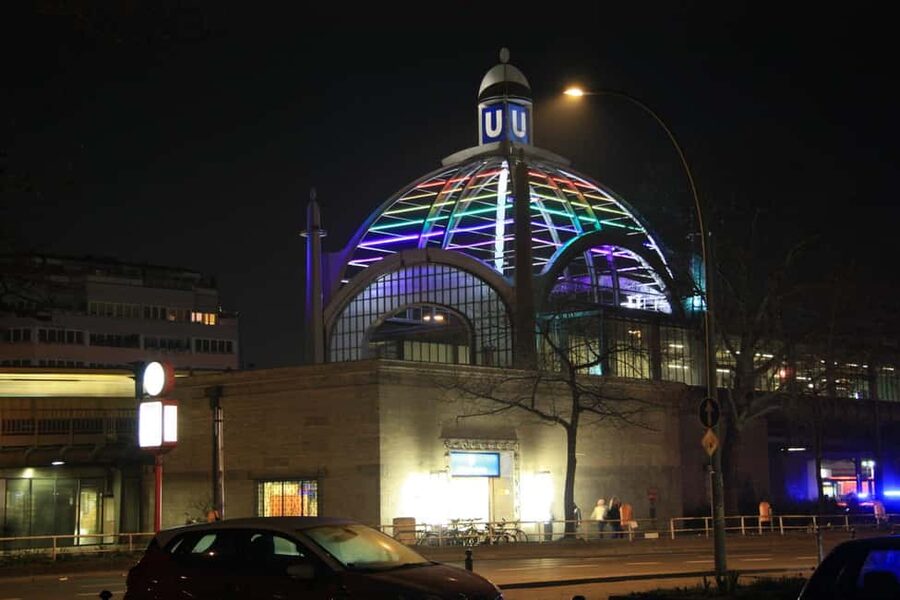
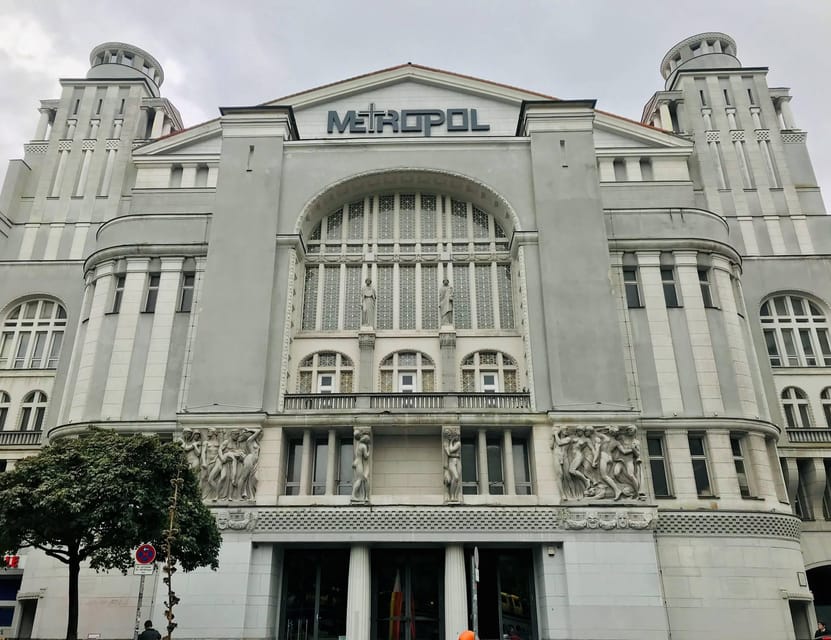
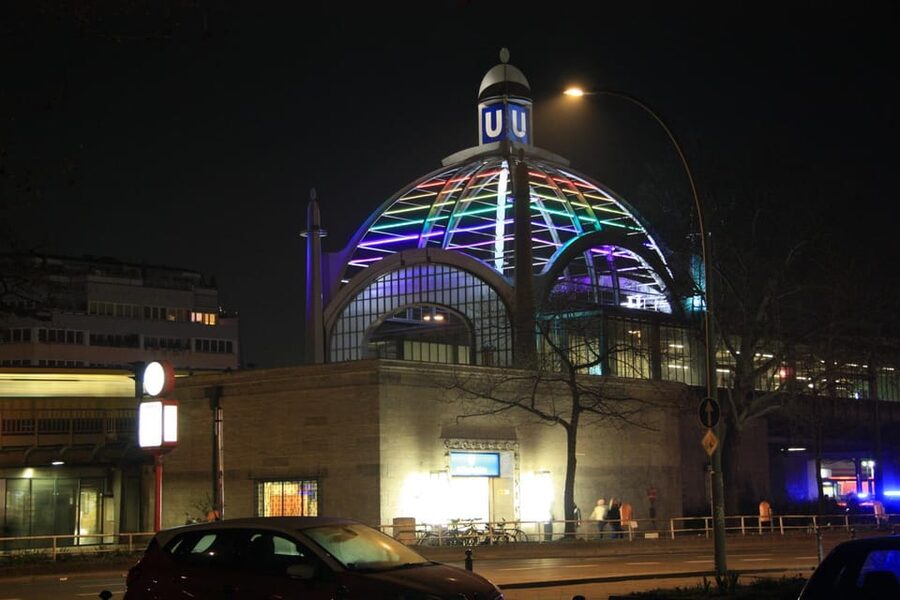
The tour begins at the entrance to Wittenbergplatz Underground Station, directly in front of the KaDeWe department store. This is a clear meeting point in a central part of Berlin, though you should arrive with enough time to identify the correct station entrance and meet the group.
From here, Gali leads you toward some of Berlin’s street art. The opening section is light in tone and visual in nature. That matters because the tour does not ask you to absorb a long history lecture from the first minute. You begin by looking at walls, colors, and public art, then connect those modern works to the city’s social and cultural life.
Street art is also a useful way to see a less familiar side of Berlin. You are not spending the entire tour at the city’s best-known memorials or grand buildings. Instead, you get a closer look at neighborhoods where creative work appears in ordinary public spaces.
The exact street art you see can vary. Outdoor works change, disappear, or are replaced, so this part is best treated as a guided introduction to Berlin’s street-art culture rather than a fixed gallery of permanent pieces.
Other street art to go and find in Berlin:
- Berlin: City Street Art Guided Walking Tour
★ 4.8 · 886 reviews - Berlin: 3-Hour Street Art Tour
★ 4.7 · 778 reviews - Berlin Street Art & Graffiti Walking Tour
★ 5.0 · 109 reviews
A short public transport ride keeps the route moving

The plan includes two short public transport sections, each listed at about five minutes. You need to bring your own public transport ticket, so do not arrive assuming transportation is included in the $57 price.
These short rides help connect the different parts of the route without turning the tour into a long march. They also give Gali a chance to shift the subject from street art toward Schöneberg’s queer past.
The transport element is simple, but it is worth planning for. If you have mobility concerns, the activity is described as wheelchair accessible, though public transport access can still depend on the station and vehicle in use. If you want precise information about step-free boarding or station facilities, ask before booking.
Schöneberg links everyday streets with queer history
The Schöneberg section lasts about 40 minutes at one point in the route, followed by another walk through the neighborhood later. This is where the experience gains its strongest historical focus.
Schöneberg is presented not just as a gay district, but as a place where people, clubs, ideas, and political movements shaped Berlin’s queer life. The tour includes the former location of El Dorado, a famous club associated with Berlin’s early queer nightlife. You will also hear about Magnus Hirschfeld and his Institute for the Science of Sexuality, described as the first institution of its kind.
That subject gives the tour more weight than a simple walk through nightlife landmarks. Hirschfeld’s work connects sexual research, public education, and the struggle for acceptance. The information is especially useful if you know little about the people and organizations that helped shape Berlin’s queer identity before the Second World War.
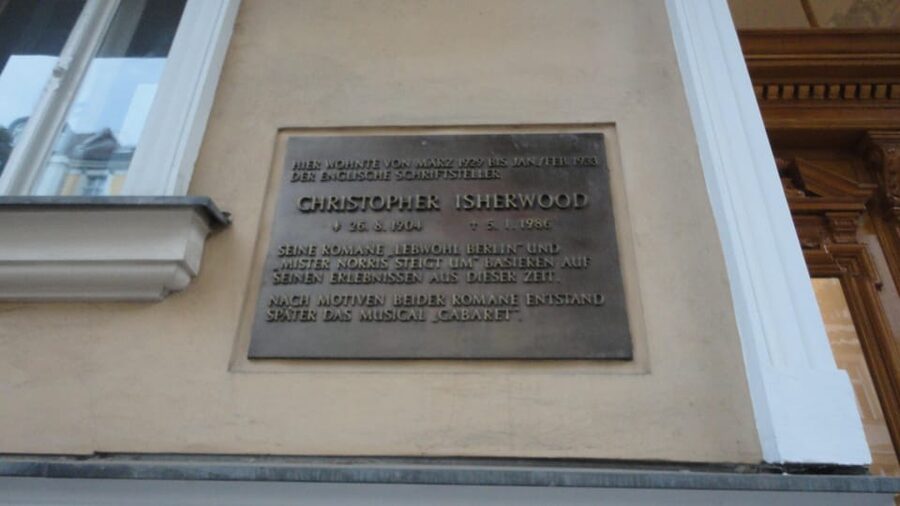
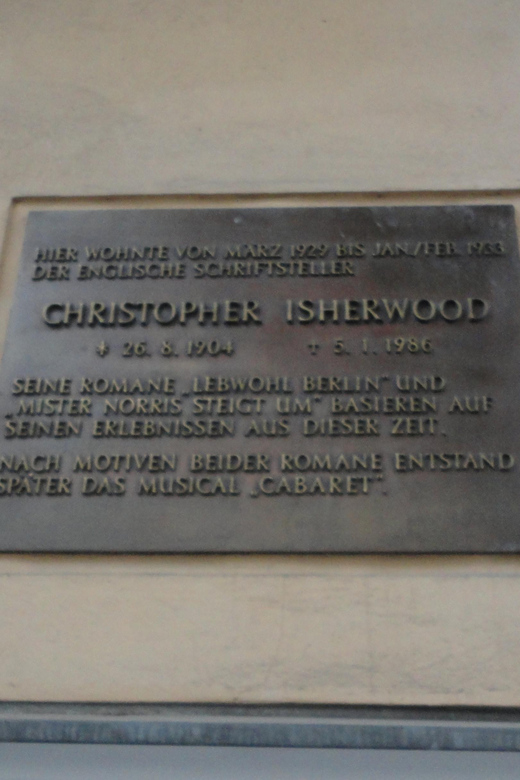
You will also see the house connected with Christopher Isherwood. Isherwood’s time in Berlin helped inspire writing about the city’s nightlife and social world, and his former home gives that literary connection a physical address.
Do not expect to enter every building or see a preserved interior at each stop. The value is in standing in the neighborhood and understanding how these locations fit together. Gali’s role is to give each address context, rather than simply point it out and move on.
Urban Nation gives the tour a modern art break
The visit to Urban Nation lasts about 20 minutes, with guided time and some time to look around independently. This is a short stop, not a full museum visit, but it adds useful balance to the walking route.
After hearing about older queer communities and historic figures, you get a chance to focus on contemporary urban art. That shift keeps the experience from becoming too solemn. It also helps you compare art made for public streets with work shown in a dedicated gallery setting.
The limited time has both an advantage and a drawback. You can see the gallery without giving up most of the afternoon, but you will not have time for a slow, detailed visit. If Urban Nation is high on your Berlin list, plan a separate return visit rather than treating this tour as your only look at the gallery.
The stop also suits people who want art and history in the same outing. You are not choosing between a conventional museum tour and a historical neighborhood walk. You get a taste of each, with the guide connecting the subjects.
Other history to see in Berlin:
- Berlin: Natural History Museum Entrance Ticket
★ 4.6 · 3,382 reviews - Berlin: World Heritage Cruise to Potsdam
★ 4.5 · 1,435 reviews - Berlin Historical Highlights Walking Tour
★ 4.9 · 657 reviews - Berlin Private Complete History All Day Walking Tour
★ 5.0 · 474 reviews
The final Schöneberg walk brings the themes together
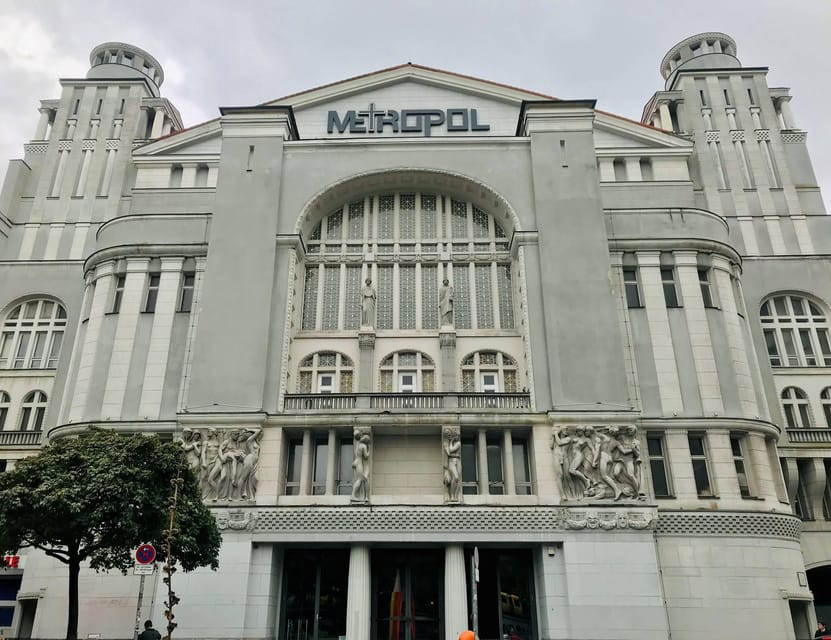
The route returns to Schöneberg for roughly 30 minutes of walking, sightseeing, and guided explanation. This second neighborhood section is where the earlier pieces fit into a clearer picture.
You have already seen street art, heard about queer institutions, and visited Urban Nation. Now the focus returns to the streets tied to Berlin’s gay, queer, and trans communities. The result is less about memorizing dates and more about understanding how art, identity, nightlife, and public space overlap.
The guide’s personal approach is central here. Gali is described as warm, flexible, and able to adjust the tour to the group’s interests. That can make a real difference on a subject with many possible directions. You might want more on street art, more on queer nightlife, or more on trans history. A small group gives you a better chance to ask for that emphasis.
The tour is in English. Because it is limited to 10 people, the setting should be more conversational than a large coach excursion. Still, two hours is a tight window. You will receive selected stories and places, not every chapter of Berlin’s queer past.
How Gali’s approach shapes the experience

The guide is the main reason to choose this experience over a standard sightseeing walk. Gali Jaffe is an expert trans woman guide, and the tour is built around queer and trans history rather than adding a brief LGBTQ note to a general Berlin route.
That perspective does not mean the tour is only for queer visitors. Anyone interested in Berlin’s social history, public art, or changing neighborhoods can find value here. The subject is presented through places you can see, which makes the material easier to follow than a purely classroom-style talk.
The strongest feature is the personal scale. With a maximum of 10 people, Gali can respond to questions and tailor parts of the experience. A published rating of 4.9 from 15 assessments also points to a consistently positive response, especially to her warmth, insight, and ability to make the walk fit the group.
One useful detail comes from a family experience: a 16-year-old joined the tour with her parent and enjoyed it. The activity is not suitable for children under 16, so the minimum age matters. Older teenagers may appreciate the art and storytelling, but the subject includes adult nightlife and serious historical issues.
What the $57 price covers
At $57 per person, this is not the cheapest way to see Berlin street art or Schöneberg. You are paying for a guided, focused experience with an expert subject guide, a small group, a gallery stop, and a free Berlin Gay Map.
The price makes more sense if you want context rather than a self-guided list of addresses. You could walk through parts of Schöneberg on your own, but you would miss the links between El Dorado, Isherwood, Hirschfeld, the Institute for the Science of Sexuality, and present-day street art.
The free map adds value after the two-hour tour. You can use it to continue exploring Berlin’s queer places independently, though the information provided does not specify its exact coverage or format.
I would consider the price fair for a first-day orientation, especially if this is your first visit to Berlin or your first time exploring its queer history. It is less useful for someone who already knows Schöneberg well and wants a long, specialized academic tour.
Practical details that affect your day
The activity lasts two hours and begins and ends at Wittenbergplatz. Since the route uses public transport, bring a valid ticket. The tour is conducted in English only.
It is wheelchair accessible, but the route includes walking and public transport. If you use a wheelchair, confirm the exact access arrangements before booking, especially if you need step-free movement at every point.
You can cancel up to 24 hours before the start for a full refund. The reserve-now, pay-later option also helps if your Berlin plans are still shifting. Check the available dates and starting times before you commit, since the schedule is not fixed in the information provided.
Dress for an outdoor walk. No special equipment is listed, but comfortable shoes and weather-ready clothing are sensible choices for a route that moves between streets, transport, and a gallery.
Who will get the most from this tour

This tour suits you if you want several subjects in one compact outing:
- Berlin street art beyond the most familiar central sights
- Queer and trans history presented through real places
- Schöneberg nightlife and cultural landmarks
- A short gallery visit
- A small group with room for questions
- A map to help you continue on your own
It is especially useful early in a Berlin stay. The route can give you a sense of where to return later, and the map may help you plan further visits.
You may want a different experience if you prefer a long museum visit, a purely architectural tour, or a detailed academic study of Magnus Hirschfeld and his institute. You should also allow extra time afterward if you want to explore Urban Nation carefully or revisit the Schöneberg sites without a guide.
Weather may affect the feel of the outing. A little snow or rain can make street art look different and add atmosphere, but outdoor walking is still outdoor walking. Check the forecast and dress accordingly.
Should you book this Berlin street-art and queer-history walk?
Book it if you want a personal introduction to Berlin’s gay, queer, and trans past, with street art and a short gallery visit to keep the route lively. Gali Jaffe’s perspective, the 10-person limit, and the free gay map give the experience more usefulness than a quick list of nightlife addresses.
Skip it if you want a longer museum tour or a route devoted only to street art. For most people interested in Berlin’s culture and social past, though, this is a well-shaped two-hour starting point. It gives you enough names, places, and ideas to keep exploring after Wittenbergplatz.
FAQ
Where does the tour start?
The tour starts at the entrance to Wittenbergplatz Underground Station, in front of the KaDeWe department store.
Where does the tour finish?
The activity ends back at the Wittenbergplatz meeting point.
How long does the tour last?
The tour lasts two hours.
What language is the tour conducted in?
The live tour is conducted in English.
Who leads the tour?
The tour is led by Gali Jaffe, a trans woman guide and the experience provider.
What places are included?
The route includes Berlin street art, Schöneberg, Urban Nation, the former home of Christopher Isherwood, the location associated with El Dorado, and places connected with Magnus Hirschfeld and the Institute for the Science of Sexuality.
Do I need a public transport ticket?
Yes. You need to bring your own public transport ticket for the short rides included in the route.
Is the tour suitable for children?
The activity is not suitable for children under 16. It is suitable for participants aged 16 and older.
Is the tour wheelchair accessible?
Yes, the activity is described as wheelchair accessible.
How large is the group?
The group is limited to 10 participants.
Is a map included?
Yes. A free Berlin Gay Map is included.
Can I cancel the booking?
Yes. You can cancel up to 24 hours in advance for a full refund.
More LGBTQ-friendly trips in Berlin
- Berlin: Gay Berlin Out in Schöneberg Walking Tour
★ 4.8 · 281 reviews - Queer Berlin Tour: Birthplace of LGBTQ+ Movements
★ 5.0 · 6 reviews - Berlin: BKA Theater “Operetta for two gay tenors”
★ 4.0 · 4 reviews
Just added in Berlin
- Modern Berlin Private Walking Tour: Diverse, Vibrant and Exciting German Capital★ 5.0 · 13 reviews
- Private One way Airport Transfer Berlin Airport To Berlin★ 3.5 · 17 reviews
- Private Walking Tour: Berlin Wall, Cold War and Checkpoint Charlie★ 5.0 · 37 reviews
- Private Day Trip to Potsdam from Berlin by Train★ 4.5 · 27 reviews
- City Explorer: Potsdam Private Day Trip★ 4.5 · 10 reviews
- Berlin Private Custom 5-Hour Tour by Car★ 5.0 · 30 reviews
- Private Half-Day Sightseeing Tour in Berlin★ 3.5 · 6 reviews
- Berlin Private Custom Tour in a Minivan, East and West★ 5.0 · 123 reviews
Historical Tours, compared.
City History Canal Sightseeing Tour on a Motorboat
Read our review →


Browse the lists this tour appears in