Reviewed · TOURS IN BERLIN
Berlin: Deutschlandmuseum – Flexible Entrance Ticket
The Deutschlandmuseum turns 2,000 years of German history into a series of theatrical rooms rather than a long row of glass cases. You move from the Battle of Varus to the 2006 summer football celebration, meeting major turning points through staged scenes, period objects, and interactive media.
I like the clear storytelling and the fact that the displays work for families as well as adults. I also like the flexible ticket: you can arrive during the valid day without pre-registering and use a separate entrance to avoid the main line. The main caution is simple: this is an entertaining overview, not a scholarly museum. One recent assessment found it too crowded to enjoy, so timing can matter.
Key points at a glance
- Twelve historical eras: Follow a broad route through German history, from the Battle of Varus to the 2006 World Cup.
- History through several senses: Staged environments, physical objects, and interactive media make the material more active than a standard display.
- Good for families: The simple explanations and atmospheric rooms can work well for children and adults together.
- A lively overview, not a detailed study: You get the main story and memorable scenes, but not extensive historical analysis.
- Flexible one-day entry: Arrive without pre-registration, use the separate entrance, and visit at a time shown as available.
- Useful booking flexibility: The $30 ticket can be canceled up to 24 hours ahead, and you can reserve now while paying later.
A walk through twelve eras of German history
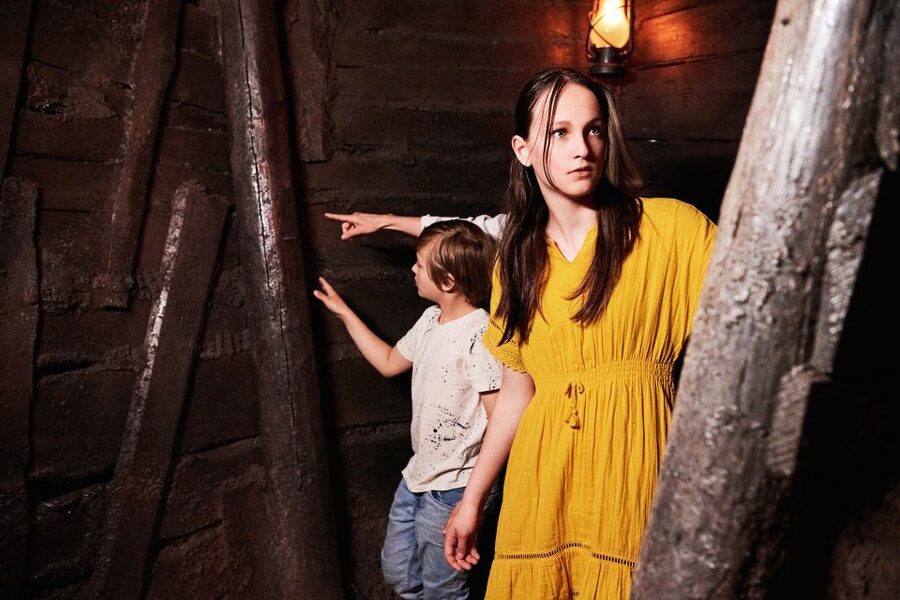
The Deutschlandmuseum is designed as a route through major moments rather than as a collection of unrelated exhibits. You move through twelve eras, with each section built around a historical turning point and supported by objects from that period.
That structure matters. German history can feel difficult to organize, especially when you are trying to connect ancient Rome, medieval power, modern politics, war, division, and reunification. Here, the museum gives you a sequence. Each room provides a new setting and a fresh point in the story.
The first historical reference provided is the Battle of Varus, an important clash between Roman forces and Germanic tribes in the year 9 CE. You should expect this opening section to frame early German history through a major military event, not through a full survey of every ancient settlement or tribe.
As you continue, the museum presents other turning points through staged settings and interactive elements. The exact list of all twelve eras is not provided, so I would not book this expecting a detailed room-by-room academic catalog. Instead, think of it as a guided visual outline of Germany’s past.
The final point named is the 2006 summer fairy tale, the affectionate German phrase for the country’s World Cup summer. Including this event gives the route a modern, popular-culture ending rather than stopping at a traditional political milestone. It also shows that the museum treats national memory as more than battles, rulers, and governments.
A few more things to do in Berlin worth a look
- Berlin: Jewish Museum Berlin Entrance Ticket
★ 4.5 · 8,393 reviews - Berlin: Berlin Story Bunker Entry Ticket
★ 4.6 · 6,759 reviews - Berlin: Illuseum Berlin Entrance Ticket
★ 4.1 · 3,970 reviews
Why the staged rooms make a difference

A conventional museum may ask you to stand in front of a label and imagine the setting around an object. The Deutschlandmuseum builds the setting for you. Historical objects from the period are placed within scenes, while media and interactive features help explain what you are seeing.
I find this approach useful when you want a fast grasp of the big picture. A physical setting can make a date or event easier to remember. The museum’s own promise is to engage all your senses, and the staged presentation is the main reason this experience feels different from a standard history exhibition.
The tradeoff is depth. A dramatic room can communicate mood, conflict, or daily life quickly, but it cannot explain every cause and consequence in the same detail as a specialist museum. One German-language assessment praised the displays as clear, varied, and interesting while also noting that the museum does not go far into historical detail.
That is not necessarily a flaw. If you have only a short time in Berlin, a broad visual introduction can be more useful than a large research museum where you leave with a few isolated facts. If you already know German history well, though, you may find the explanations too basic.
Seeing history instead of only reading about it
The experience combines three main tools: historical objects, staged scenes, and interactive media. Each serves a different purpose.
The objects provide a link to the period itself. They help keep the theatrical presentation grounded in real material culture. The staged rooms create context, showing how an event might be presented as part of a larger story. The interactive media add movement and participation, giving you another way to process the information.
This mix should suit people who learn best through images and action. It is also helpful for families because children are more likely to stay engaged when a museum asks them to look, listen, and interact instead of standing quietly beside cases.
Still, the experience is not described as a guided tour, and no guide names are provided. You should expect a self-directed museum visit rather than a personal lecture from a named historian. That gives you freedom, but it also means the quality of your visit may depend on how much time you spend with each scene.
I would give yourself enough time to pause at the major rooms instead of rushing from one era to the next. The ticket is valid for one day, but the supplied details do not state a fixed visit length. Check the available starting times before booking, then plan around the rest of your Berlin day.
A family-friendly way to introduce Germany
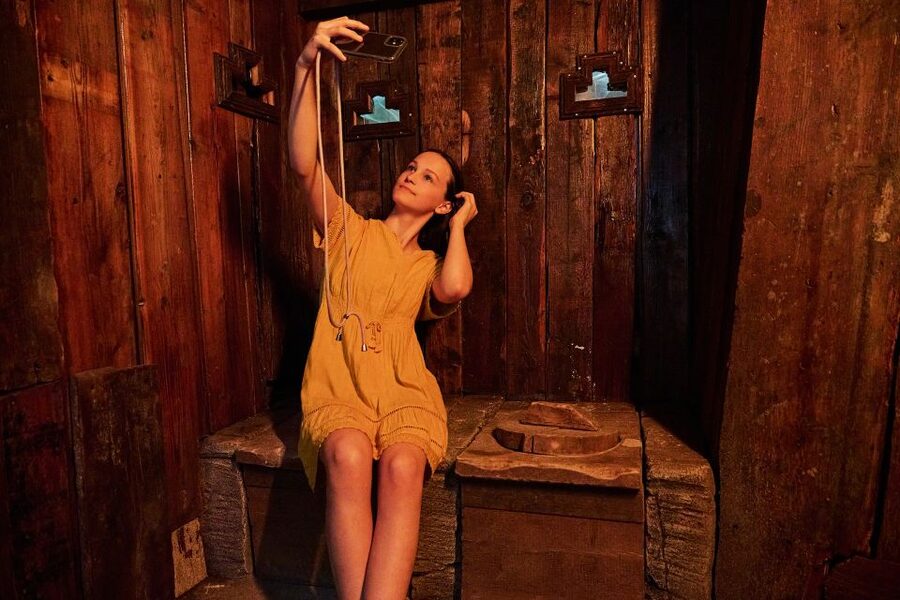
The Deutschlandmuseum seems particularly well suited to families and first-time visitors to Germany. The straightforward explanations can help children understand the broad sequence of events, while the atmosphere gives adults something more memorable than a list of dates.
A recent four-star assessment specifically noted the pleasant atmosphere for children and the easy presentation of history. That is useful guidance. You should not expect the museum to replace a school lesson or a serious history book, but it can give a young visitor a workable framework.
For adults, the benefit is speed and variety. You can cover a large span of time without committing to several separate museums. The visual approach may also help when you are traveling with someone who does not normally enjoy history museums.
The possible problem is crowding. One three-star assessment found the museum too full and said the experience was not enjoyable under those conditions. Since the displays are built around staged scenes and interactive features, a busy room may affect you more than it would in a quiet gallery with widely spaced paintings.
If you have flexibility, choose a less pressured time from the available options. The ticket’s no-pre-registration policy makes it easier to fit the museum into your day, but it does not guarantee that every visit will feel calm.
Same base, a different kind of day out:
- Berlin: Reichstag, Dome and Government District Guided Tour
★ 4.7 · 18,288 reviews - Berlin: 1-Hour City Tour by Boat with Guaranteed Seating
★ 4.3 · 16,993 reviews - Berlin: Boat Tour Along the River Spree
★ 4.4 · 11,252 reviews - Discover Berlin Half-Day Walking Tour
★ 5.0 · 9,624 reviews
What the $30 ticket is really buying
At $30 per person, this is not the cheapest way to spend an hour in Berlin. The value depends on what you want from a museum.
You are paying for a purpose-built presentation that combines twelve eras, historic objects, scenic displays, and interactive media. If you want a lively introduction that can hold the attention of a mixed-age group, the price may make sense. You are also buying flexibility: the ticket is valid for one day, allows appearance without pre-registration, and includes a separate entrance intended to reduce waiting.
The value is weaker if you want detailed scholarship. The museum’s format favors short, memorable explanations over extended analysis. You may leave with a stronger sense of the sequence and mood of German history, but you should not assume that each era receives equal space or detailed political context.
The average rating provided is 4.8 from 74 ratings, which supports the idea that the format works well for many people. At the same time, the range of individual reactions is important. One person found the museum clear and varied but not deep; another found it crowded and different from what was expected. Those two points describe the main decision: enjoy the format, but set the right expectations.
Practical details that affect your visit
The ticket is valid for one day, with availability shown through the booking calendar. You do not need to pre-register your arrival, which is useful if your Berlin plans may shift.
A separate entrance is included for skip-the-line access. That can save time, especially if you are fitting the museum between other central Berlin sights. It does not remove the possibility of crowded rooms once inside, so do not treat skip-the-line entry as a promise of a quiet visit.
The museum is wheelchair accessible. That is an important practical advantage for anyone who needs step-free access, though the supplied information does not describe the exact route, seating, or restroom arrangements.
You can cancel up to 24 hours in advance for a full refund. The reserve-now-and-pay-later option also helps if your schedule is still changing. Check the exact availability and starting times before you commit, since the ticket is tied to the available booking information even though no pre-registration is required for your appearance.
No guide names or specific language options are supplied. If you need the exhibition in a particular language, confirm that before booking rather than assuming every display is presented in the language you prefer.
How to get the most from the twelve-era format
Start by treating the museum as a story with a beginning, middle, and end. The Battle of Varus sets an early historical reference point, while the 2006 football summer brings the route into the recent past. The value comes from noticing how the museum connects these different moments across one continuous visit.
Pause at the physical objects instead of focusing only on the screens. The interactive media may catch your attention first, but the period items give the scenes historical weight.
If you are visiting with children, let them spend time with the interactive parts while you explain the larger meaning of each era in simple terms. The accessible presentation creates good openings for conversation, especially when you connect the displays to places you may see elsewhere in Berlin.
If you are visiting alone, avoid rushing simply because the route is designed to be easy to follow. The museum is likely to work best when you give each staged turning point enough time to make sense, particularly if German history is unfamiliar to you.
You may also want to pair the visit with a more traditional museum or historical site later in your trip. The Deutschlandmuseum can give you the outline. Another institution can then supply more documents, art, architecture, or political detail. That combination would provide a fuller picture without asking one museum to do everything.
Who should book the Deutschlandmuseum?
I would recommend this experience if you want an easy-to-follow introduction to German history, prefer visual and interactive displays, or are visiting Berlin with children. It is also a sensible choice when you want a flexible one-day ticket and do not want to spend your entire afternoon in a large traditional museum.
I would be more cautious if your main goal is detailed historical research. The format is intentionally broad and entertaining, and the available feedback makes clear that it does not go far into each subject. You should also think about crowding, since busy rooms can reduce the pleasure of interactive displays.
For most first-time visitors, the strongest reason to book is the combination of scope and accessibility. You get twelve eras in one place, a clear visual route, flexible entry, and a presentation that does more than place labels beside objects. Book it when you want the big story, not every footnote.
FAQ
How long is the Deutschlandmuseum ticket valid?
The ticket is valid for one day. Check availability for the starting times offered when you book.
Do I need to pre-register my arrival?
No. The ticket allows flexible appearance without pre-registration.
Does the ticket include skip-the-line access?
Yes. Entry includes a separate entrance intended to let you skip the main line.
Is the Deutschlandmuseum wheelchair accessible?
Yes. The experience is listed as wheelchair accessible.
What periods of history does the museum cover?
The museum presents twelve eras of German history, with examples ranging from the Battle of Varus to the 2006 summer fairy tale.
Can I cancel my booking?
Yes. You can cancel up to 24 hours in advance for a full refund.
Can I reserve now and pay later?
Yes. The booking option allows you to reserve your spot and pay later.
Just added in Berlin
- Private One way Airport Transfer Berlin Airport To Berlin★ 3.5 · 17 reviews
- Private Walking Tour: Berlin Wall, Cold War and Checkpoint Charlie★ 5.0 · 37 reviews
- Modern Berlin Private Walking Tour: Diverse, Vibrant and Exciting German Capital★ 5.0 · 13 reviews
- Private Day Trip to Potsdam from Berlin by Train★ 4.5 · 27 reviews
- City Explorer: Potsdam Private Day Trip★ 4.5 · 10 reviews
- Berlin Private Custom 5-Hour Tour by Car★ 5.0 · 30 reviews
- Private Half-Day Sightseeing Tour in Berlin★ 3.5 · 6 reviews
- Berlin Private Custom Tour in a Minivan, East and West★ 5.0 · 123 reviews
Tours in Berlin, compared.
Reichstag, Dome and Government District Guided Tour
Read our review →
1-Hour City Tour by Boat with Guaranteed Seating
Read our review →



Reichstag, Plenary Chamber, Cupola & Government Tour
Read our review →