Reviewed · TOURS IN BERLIN
Produce Techno and House Music in Berlin
Berlin’s club sound makes more sense when you see how it is built, one kick, bass line, and sharp synth note at a time. In Andy Sexton’s studio, you work on a real house or techno track rather than simply hearing a talk about electronic music. The studio sits in an industrial building in Berlin’s clubbing district, which gives the session a useful sense of place.
I like the small group of up to four, since you should get hands-on time instead of watching from the back. I also like the mix of modern and vintage equipment, plus the chance to finish a track and take that result with you. The main limitation is the clock: two hours goes quickly, especially if you want to explore every synthesizer and still arrange and mix a complete piece.
Key points to know before booking
- You create a track, not just watch a demonstration.
- Andy Sexton leads in English and welcomes complete beginners.
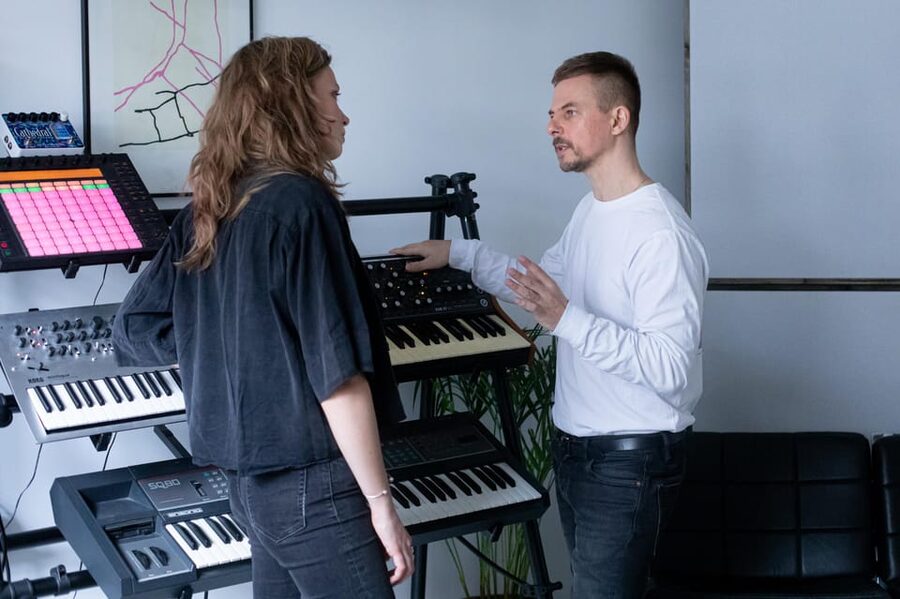
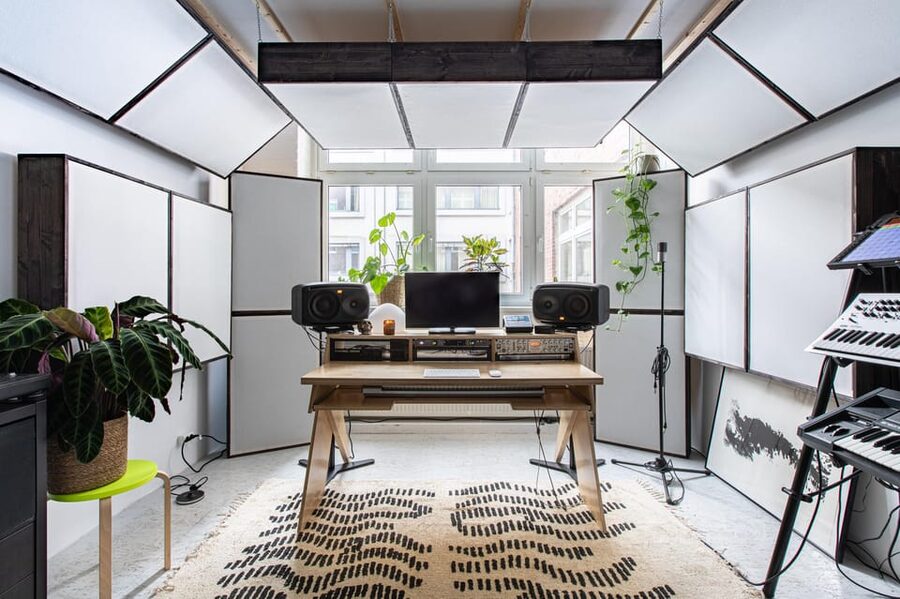
- Synthesizers, drum machines, microphones, piano, guitar, and percussion are available in the studio.
- The group is limited to four, so the session can remain practical and personal.
- The studio is in an industrial building in the heart of Berlin’s clubbing district.
- The $147 price is strongest for active learners who want expert guidance and hands-on studio time.
Making Berlin techno from the inside
Berlin is known around the world for underground house and techno. That reputation can feel abstract when you only hear music in a club or read about the city’s nightlife. This experience gives you a more useful connection: you see how a track begins, how its parts are organized, and how a rough idea is prepared for a club system.
The setting matters. You meet at the front door of a large industrial building with reddish-brown brick, in the middle of Berlin’s clubbing district. The activity is not a city tour, and you should not expect a walk through famous nightlife addresses. Instead, the location gives you a behind-the-scenes look at the kind of working environment connected with Berlin’s electronic music culture.
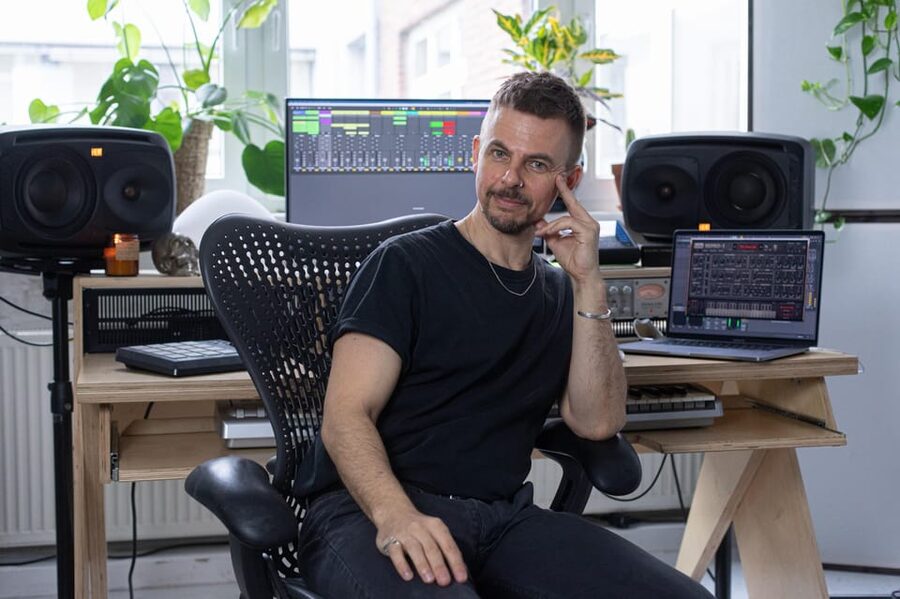
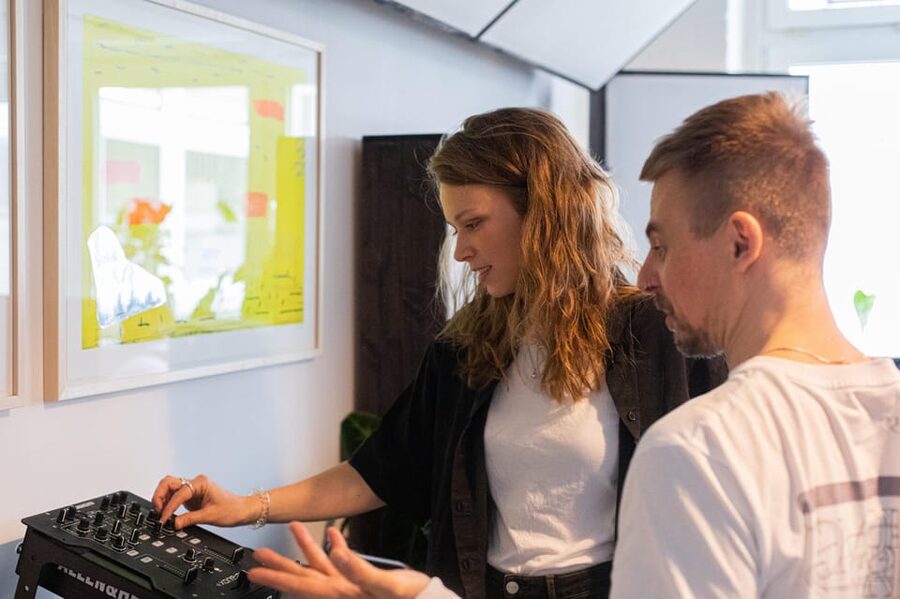
Andy Sexton runs the session in English. His role is part teacher, part producer, and part guide through the creative process. The teaching is aimed at people who have little or no production experience, but the content also has enough structure for music makers who want to work in a more professional way.
I find that mix appealing. You do not need to arrive knowing what a synthesizer filter does or how a drum machine is programmed. At the same time, you are not limited to a basic button-pressing demonstration.
Other trips people book in Berlin:
- Berlin: Reichstag, Dome and Government District Guided Tour
★ 4.7 · 18,288 reviews - Berlin: 1-Hour City Tour by Boat with Guaranteed Seating
★ 4.3 · 16,993 reviews - Berlin: Boat Tour Along the River Spree
★ 4.4 · 11,252 reviews
Your first steps with synths and drum machines
The session begins with an introduction to synthesizer and drum machine programming. You learn how electronic tracks get their basic shape through rhythm, tone, repetition, and small changes over time.
A drum machine gives you the pulse. You can work with kick drums, percussion, and other rhythmic parts to form the groove. Synthesizers provide bass, melodic fragments, pads, or more unusual sounds. The point is not simply to make noise. You learn how these parts support one another inside a house or techno arrangement.
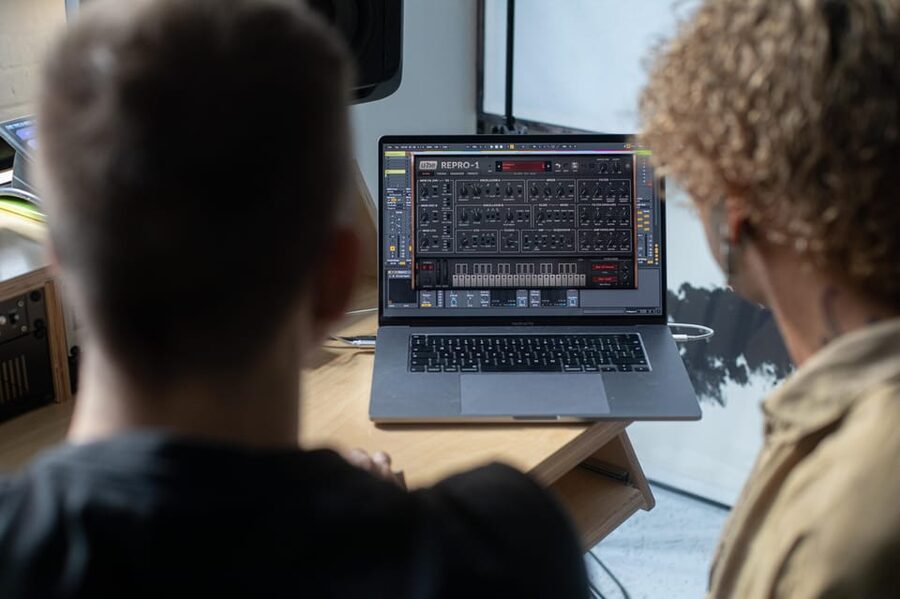
For a first-time producer, this is the most useful part of the experience. Music software can be intimidating because a screen often presents too many controls at once. Working with Andy in a professional studio lets you connect each control to a clear musical result.
If you already make music, you can use this stage to test ideas on equipment you may not have at home. The studio includes both modern and vintage music gear, so the session can show you different ways to shape a sound. The available instruments also include piano, guitar, percussion, and a wide selection of microphones.
That does not mean you will use every item in two hours. It means the studio offers more than a computer and a pair of speakers. Depending on the direction of your track, you might add an acoustic instrument or use a microphone as part of the recording process.
Recording and arranging one complete track
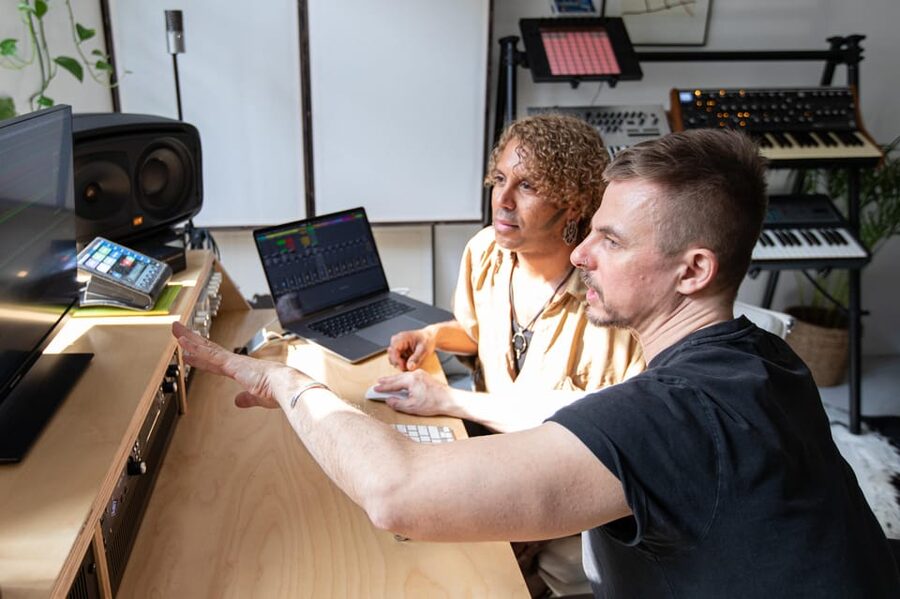
After the basic sounds and rhythms are in place, you record and arrange a house or techno track using professional music production software. This is where the activity becomes more than a lesson in individual instruments.
Arrangement means deciding how the track moves. You need to think about what begins the piece, when the beat becomes fuller, how sounds enter and leave, and how the music keeps its energy. Even a simple club track depends on careful organization.
Andy’s approach appears to focus on workflow as much as equipment. That is valuable because many new producers can create an interesting loop but do not know what to do next. A good workflow helps turn a short musical idea into something with a beginning, middle, and ending.
The time limit makes this a focused exercise. You are not trying to produce a polished album. You are building one compact track and learning the steps needed to get there. If you are new to production, that clear goal should keep the session from becoming scattered.
One participant described the value of learning Andy’s philosophy, methods, and working frameworks, not just copying a few technical actions. That distinction matters. Equipment changes, and software changes, but a sensible way to begin, organize, and finish a piece stays useful.
Mixing the track for club play
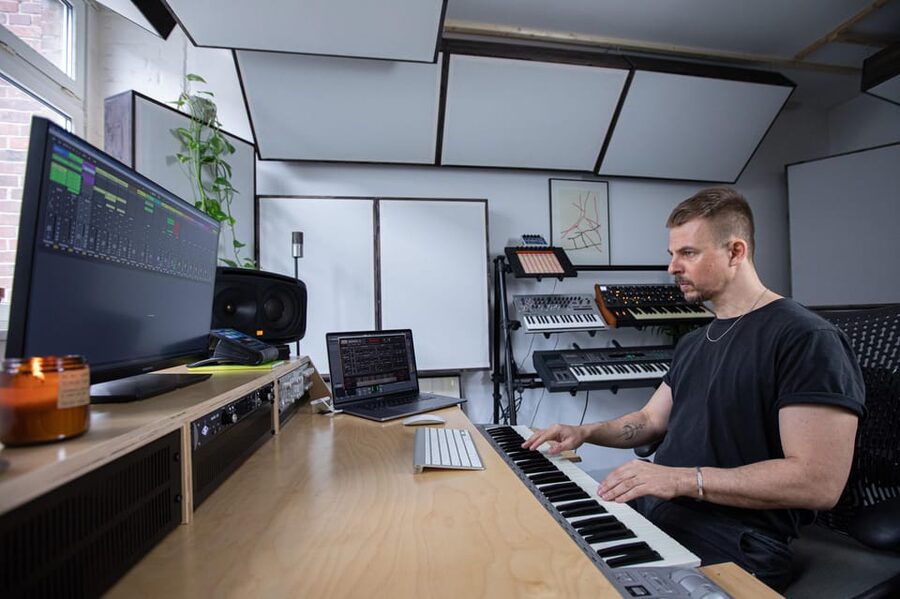
The final stage is mixing the track down so it is prepared for playing in a club. Mixing is the point where the separate elements need to work together rather than compete for attention.
You can expect to consider the balance between drums, bass, synths, and any recorded instruments. The goal is not necessarily a release-ready master in two hours. Instead, you get a practical look at how producers prepare music for a larger sound system.
This is a good place to keep expectations realistic. A short masterclass cannot turn a beginner into a finished producer, and it cannot replace months of practice. What it can do is show you the full path from a blank project to a playable track.
The best outcome is that you leave with a clearer idea of what to practice next. One participant extended the session and created a small track to take home. Extra time is not guaranteed as part of the two-hour format, so treat that as a possible addition rather than part of the standard promise.
Same base, a different kind of day out:
- Discover Berlin Half-Day Walking Tour
★ 5.0 · 9,624 reviews - Berlin: Hop-on Hop-off Bus Tour with Live Commentary
★ 4.3 · 8,579 reviews - Berlin: Government District around the Reichstag Guided Tour
★ 4.7 · 8,447 reviews - Berlin: Reichstag, Plenary Chamber, Cupola & Government Tour
★ 4.6 · 8,422 reviews
What makes Andy Sexton’s teaching useful
Andy’s teaching style is a major part of the experience. The available feedback describes him as friendly, professional, patient, and good-humored. Those qualities matter in a studio, where a beginner can feel exposed when an idea does not work.
The session has also worked for a participant accompanying someone with cognitive impairment. Andy adjusted quickly to that person’s ideas, and the pair created a song despite language barriers. That suggests a flexible teaching style, though you should still contact the provider in advance if you have specific support needs.
You do not need previous production experience. Andy explains the tools and process as you go, so you can arrive with curiosity rather than technical preparation.
The teaching is in English. If English is not your first language, the practical nature of the session may help, since you can learn by hearing an explanation and then seeing the result on the equipment. Still, comfort with basic English will make it easier to follow production terms and discuss your musical choices.
How the small group changes the experience
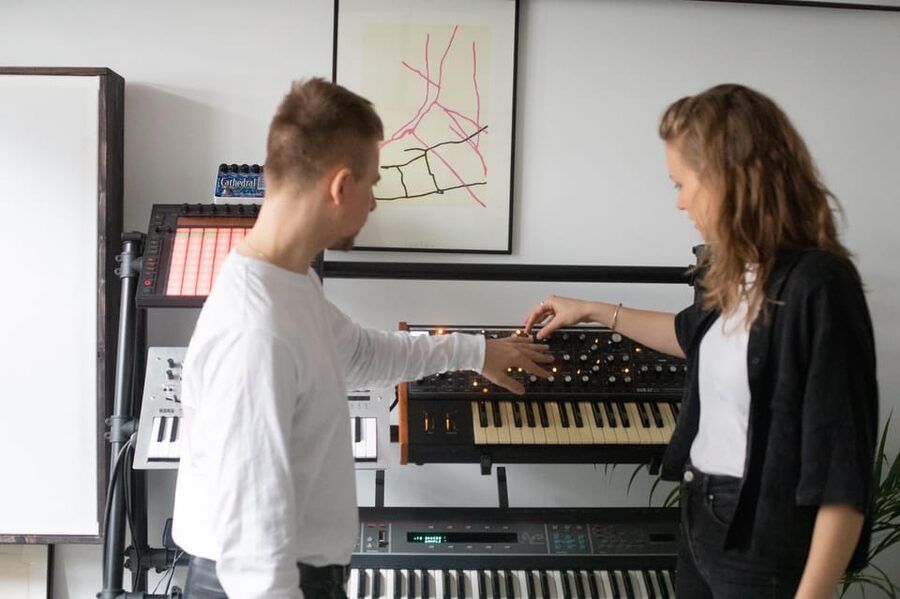
The maximum group size is four people. That is one of the strongest features for the price because music production is easier to understand when you can take part.
In a large group, you might spend most of the time watching someone else use the computer. Here, the limited size should allow more questions and more direct work with the software and gear. It also makes it easier to explain what kind of sound you want, even if you cannot yet describe it using technical language.
A small group can bring its own tradeoff. You may share decisions about the track with other participants, so the final piece may not reflect one person’s taste from start to finish. For friends or family members, that can be part of the fun. If you want a private lesson focused only on your own music, confirm the arrangement before booking.
The experience is wheelchair accessible. You meet at the front door a few minutes before the scheduled start time, and transportation to and from the studio is not included. Plan your route in advance, since the meeting point is described by the brick industrial building rather than by a famous landmark.
Is $147 a fair price for two hours?
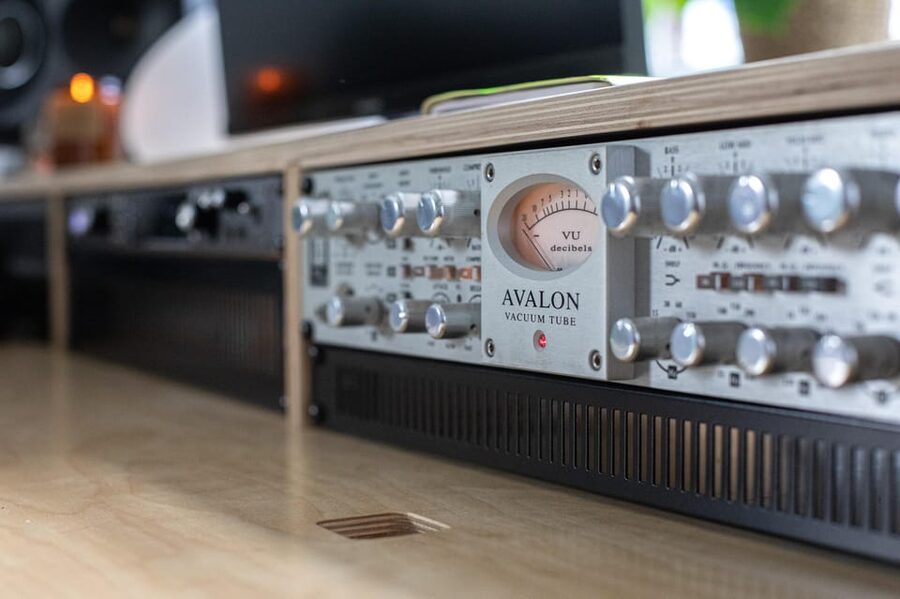
At $147 per person, this is not a cheap casual activity. You are paying for a short, specialist session in a professional studio, with access to production software, instruments, modern and vintage gear, and direct instruction from Andy.
The value depends on what you want. If you are simply curious about electronic music and would rather watch a short demonstration, the price may feel high for two hours. If you have wanted to make music but have no idea where to begin, the guided structure can save you from buying software, guessing at tutorials, and getting lost in technical menus.
The value also improves for anyone already making music at home. You can ask about workflow, arrangement, grooves, and how to move toward a more professional approach. You are not only paying to touch expensive equipment. You are paying for a producer’s judgment while you use it.
There are no meals or drinks included, though a two-hour session does not normally require a meal plan. The reserve-now, pay-later option can help if your Berlin schedule is still shifting, and free cancellation is available up to 24 hours before the start for a full refund.
Who should book this Berlin studio session?
I would recommend it to several kinds of people:
- First-time producers who want a clear, guided introduction.
- Electronic music fans curious about how Berlin house and techno are made.
- Musicians who already play instruments and want to understand electronic production.
- Friends or family members who want to make a track together.
- Music makers looking for ideas about workflow, arrangement, and club-focused mixing.
- Visitors who prefer a creative activity over another standard sightseeing stop.
It is suitable for participants aged 10 and older. Children under 10 cannot take part, and the no-smoking, no-alcohol, and no-drugs rules are firm. Littering is also not allowed.
This may not suit you if you want a long studio day, a finished commercial release, or a tour of Berlin’s club venues. It is also less suitable if you want to work alone without sharing the session. The experience is short, practical, and social.
Practical tips for getting more from the two hours
Arrive a few minutes early at the front entrance of the reddish-brown brick building. Since transport is not included, check your route before leaving and allow time to identify the correct entrance.
Think about the kind of music you want to make before you arrive. You do not need a finished idea, but deciding between a harder techno direction and a warmer house sound can help you make choices quickly.
Ask questions about workflow, not only about buttons. Andy’s method is one of the lasting benefits, and understanding how to start and organize a track may help you more than memorizing one synthesizer setting.
Also, remember that two hours is short. Try not to spend the whole session exploring equipment without building a track. The aim is to make something complete enough to arrange and mix, even if it remains a small first step.
Should you book it?
Book this experience if you want to make a real house or techno track in a professional Berlin studio, especially if you are a beginner who needs a friendly starting point. Andy’s patient teaching, small group format, and broad selection of gear give the session more substance than a simple equipment demonstration.
Think twice if you expect a full-day production course or a finished release-quality record. For most people, the best reason to book is the chance to understand the complete process, from programming a beat to arranging and mixing a track, while learning from someone who works with the music directly.
FAQ
Where does the music production session take place?
It takes place in Andy Sexton’s studio in Berlin, in the heart of the city’s clubbing district. The meeting point is the front door of a large industrial building with reddish-brown brick.
How long does the experience last?
The standard duration is two hours.
How much does it cost?
The price is $147 per person.
Is previous music production experience required?
No. The session is suitable for people with no prior music production experience.
What language is the session in?
The instructor teaches in English.
How many people can join?
The group is limited to four participants.
What will I learn during the session?
You will learn introductory synthesizer and drum machine programming, record and arrange a house or techno track, and mix it down for preparation for club play.
What equipment can I use?
The studio has professional music production software, modern and vintage music gear, microphones, and acoustic instruments including piano, guitar, and percussion.
Is the studio wheelchair accessible?
Yes, the activity is wheelchair accessible.
What is the cancellation policy?
You can cancel up to 24 hours in advance for a full refund. You can also reserve now and pay later.
Just added in Berlin
- Private One way Airport Transfer Berlin Airport To Berlin★ 3.5 · 17 reviews
- Private Walking Tour: Berlin Wall, Cold War and Checkpoint Charlie★ 5.0 · 37 reviews
- Modern Berlin Private Walking Tour: Diverse, Vibrant and Exciting German Capital★ 5.0 · 13 reviews
- Private Day Trip to Potsdam from Berlin by Train★ 4.5 · 27 reviews
- City Explorer: Potsdam Private Day Trip★ 4.5 · 10 reviews
- Berlin Private Custom 5-Hour Tour by Car★ 5.0 · 30 reviews
- Private Half-Day Sightseeing Tour in Berlin★ 3.5 · 6 reviews
- Berlin Private Custom Tour in a Minivan, East and West★ 5.0 · 123 reviews
Tours in Berlin, compared.
Reichstag, Dome and Government District Guided Tour
Read our review →
1-Hour City Tour by Boat with Guaranteed Seating
Read our review →


Reichstag, Plenary Chamber, Cupola & Government Tour
Read our review →