
Reviewed · MUSEUMS
LETTL Museum of Surreal Art Entry Ticket
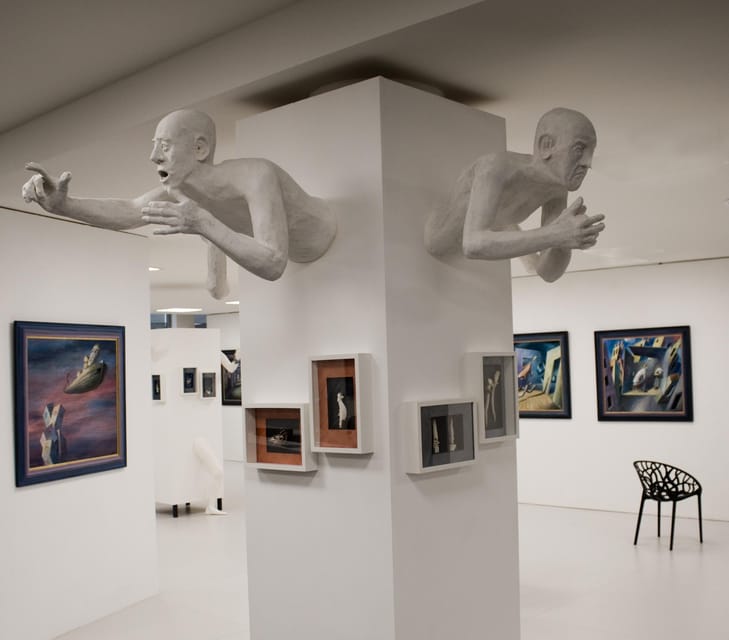
The LETTL Museum turns a former advertising artist’s inner world into a compact, personal museum. Around 140 paintings are shown from a body of roughly 500 works, with scenes that mix familiar objects, dream logic, strange spaces, and sharp social ideas. You are not simply looking at pretty pictures. You are being asked to question how reality is put together.
I like the family-run spirit and the excellent multimedia guide, which gives you time to consider the paintings at your own pace. I also like that the museum includes Lettl’s more peaceful impressionist pictures from Apulia, his second home. The main drawback is simple: photography is not allowed inside, so you will need to remember the images rather than record them.
Key points at a glance
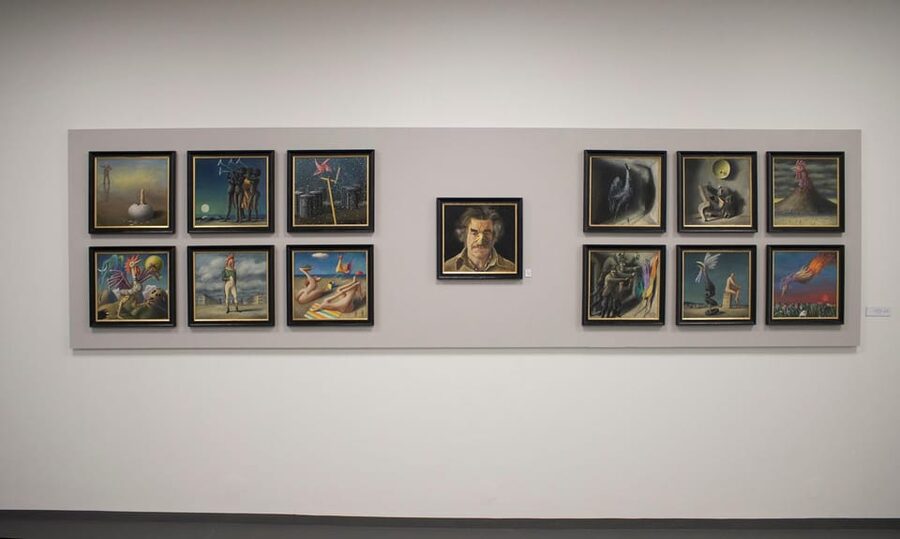
- Around 140 paintings on display: The collection covers Wolfgang Lettl’s work from 1942 to 2007, offering a useful view of his changing ideas.
- A personal welcome from the artist’s family: The artist’s son has provided a warm introduction and has also shown his own sculptural work.
- A thoughtful multimedia guide: Tablets and comfortable headphones provide information in German, English, or Italian.
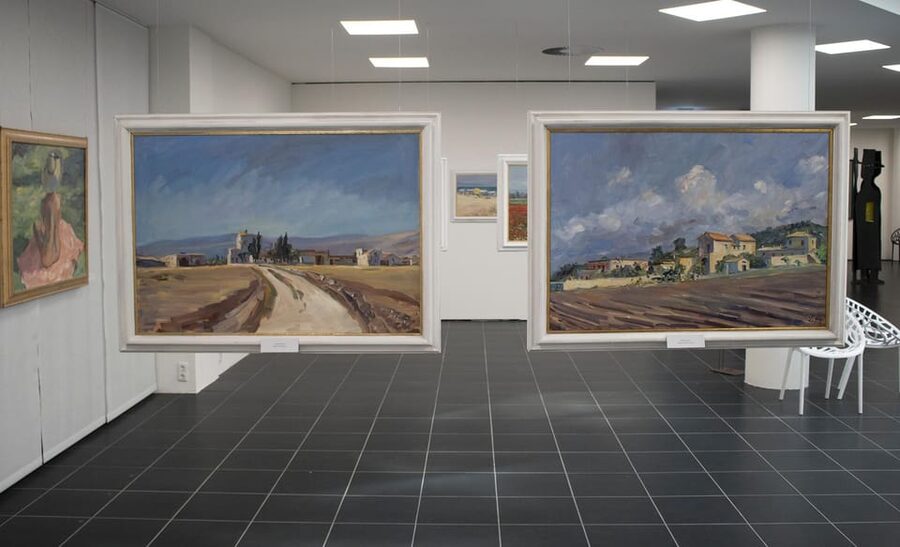
- Apulia adds a gentler side: Lettl’s impressionist scenes from southern Italy give you a break from the stranger surreal works.
- Good extras for families: A search game is available for children and adults, and the ticket includes an A3 poster.
- A low-cost, flexible museum stop: At about $11 per person, the visit offers strong value, especially if you allow around two hours.
Why Wolfgang Lettl’s surreal art feels different
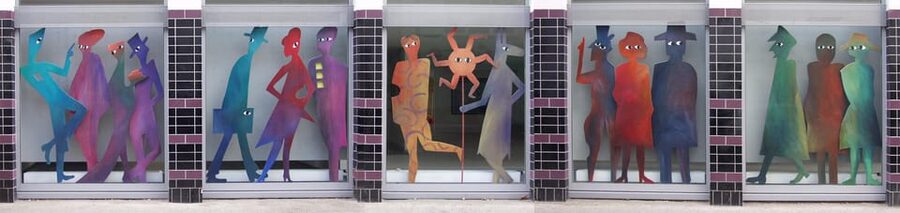
Surreal art can sometimes feel like a private joke. Lettl makes the entry point easier. His paintings often begin with things you recognize, then place them together in a way that feels wrong, funny, unsettling, or oddly familiar.
A building may appear too large. A person may be placed in an impossible setting. A common object can take on the weight of a symbol. The effect is not random decoration. Lettl wanted to draw images from the unconscious, the part of the mind that shapes us even when we are not paying attention.
His own explanation of surrealism gives you a useful key. He believed an artist should paint both real and invented objects with care, combine them in unlikely ways, and place them where they do not belong. That may sound simple, but the museum makes clear that the hard part is avoiding easy answers.
I like this approach because it gives you something to do in front of each painting. Instead of asking only if you like the picture, ask what feels familiar, what has been disrupted, and what the strange combination might be saying.
More Museums across Germany
- Berlin: Jewish Museum Berlin Entrance Ticket
★ 4.5 · 8,393 reviews - Berlin: DDR Museum Tickets
★ 4.3 · 3,443 reviews - Berlin: Natural History Museum Entrance Ticket
★ 4.6 · 3,382 reviews
Entering the Augsburg museum
You enter through the museum and register at the ticket office. The welcome is part of the visit rather than a cold handoff. A short introduction explains how the museum works, what you can see, and how to use the multimedia equipment.
The artist’s son has personally introduced the collection on some visits. That family connection matters here. Wolfgang Lettl wanted his paintings to remain together and accessible to the public, rather than being scattered through the art market. The museum exists in large part because that wish was respected.
This is a civic project operated by the Wolfgang Lettl Association for the Promotion of Surreal Art, a nonprofit organization. You can feel the difference between this and a large national museum. The collection has a focused purpose, and the welcome helps you understand why the place exists.
The instructor languages are German, English, and Italian. You can also use the audio guide in all three languages. If you prefer to look quietly, the guide lets you work at your own pace instead of depending on a timed group explanation.
Seeing 140 paintings from 1942 to 2007
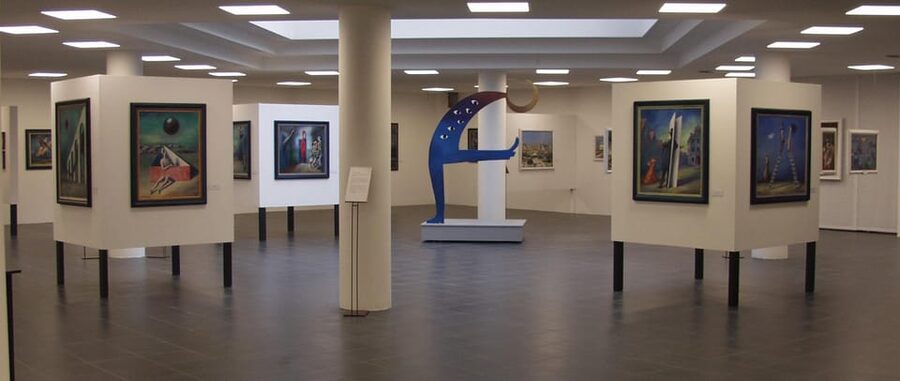
The main collection follows Lettl across more than six decades. Works from 1942 to 2007 show how an artist can return to the same questions while changing his methods and tone.
You will find paintings that ask you to look twice. Some may first seem like carefully observed scenes, then reveal a mismatch in scale, setting, or meaning. Others may feel closer to dreams, myths, or fables. The museum’s material explains that these older forms of storytelling matter to surrealism because they use memorable symbols and situations that do not behave like ordinary life.
I recommend giving yourself more time than a quick gallery circuit. One visitor found that about two hours passed quickly because the information encouraged quiet attention and interpretation. That is a fair guide for planning, although the ticket remains valid for one day, so you are not forced to rush through every room.
The collection is large enough to feel substantial but focused enough to avoid museum fatigue. You are not walking through room after room of unrelated movements. You are spending time with one artist’s way of seeing.
Using the tablet and headphones
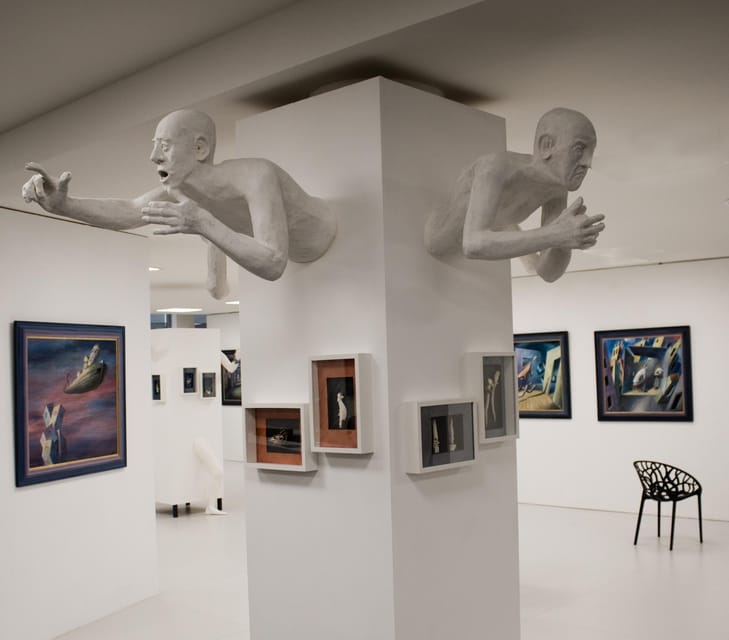
The multimedia guide is one of the strongest parts of the ticket. You receive a tablet and headphones, with content available in German, English, and Italian. The headphones are designed not to rest directly on your ears, which can make a long visit more comfortable.
The guide gives background on Lettl’s life and career, then helps you think about individual works. That balance is useful. A biography alone can turn a museum into a timeline, while interpretation without context can leave you guessing. Here, you get both the artist’s path and possible ways into the paintings.
I would use the guide selectively rather than listening to every word before moving on. Start with the works that catch your eye, then use the tablet to test your first reaction. A painting may become more interesting when you understand the symbol or idea behind it. On the other hand, you should still leave room for your own reading. Surreal art loses some of its force if an audio track explains every mystery away.
A few more things to do in Germany worth a look
- Dresden: Semperoper Tickets and Guided Tour
★ 4.7 · 12,102 reviews - Berlin: Berlin Story Bunker Entry Ticket
★ 4.6 · 6,759 reviews - Hamburg: Hamburg Dungeon Admission Ticket
★ 4.7 · 5,745 reviews - Munich Hop-On Hop-Off Tour: 1-Day or 2-Day Ticket
★ 4.3 · 4,161 reviews
The Apulia paintings offer a change of pace
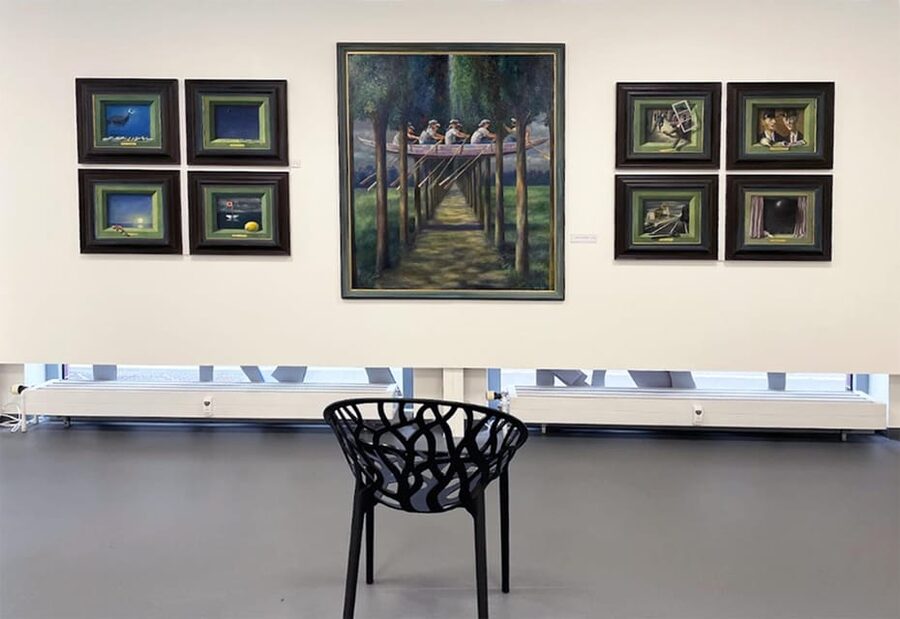
Lettl’s connection to Apulia, in southern Italy, adds another layer to the visit. The museum includes impressionist paintings from this region, described as his second home.
These works give you a quieter counterpoint to the surreal paintings. Instead of asking how an ordinary scene has been disrupted, you can look at how Lettl observed light, place, and atmosphere. The contrast helps you see that he was not limited to one visual mode.
I value this section because it prevents the museum from presenting Lettl as a one-note artist. His surreal pictures may get the most attention, but the Apulia works show his ability to look directly at the world as well as reshape it.
If you arrive expecting only bizarre images, this part may surprise you. If surrealism is not usually your subject, the impressionist pictures give you a more familiar way into the artist’s work.
A warm family connection, plus sculpture
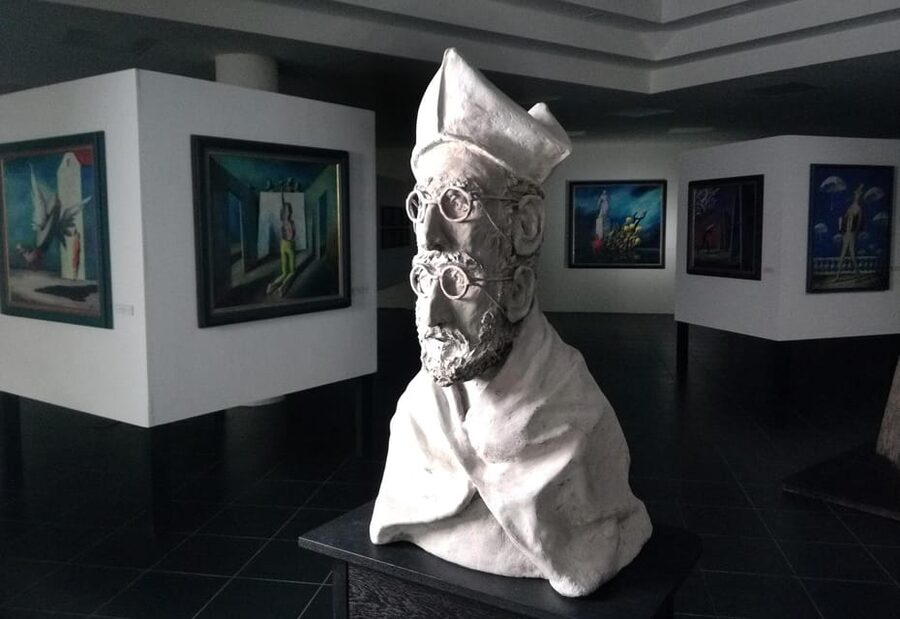
The artist’s son has given personal introductions at the museum, and his own sculptural works have also appeared in the exhibition space. That detail makes the visit feel connected to a living family rather than sealed inside an old biography.
You may not receive the same introduction every time, so treat it as a possible part of the welcome, not a guaranteed private tour. Still, the museum’s family role is clear. The collection continues through personal care and nonprofit civic effort.
The sculpture adds another point of comparison. You can consider how ideas that appear in two-dimensional paintings might work in three dimensions. Even a short look at the sculptural pieces can make you more alert to shape, volume, and physical presence in Lettl’s paintings.
Why the search game works for families
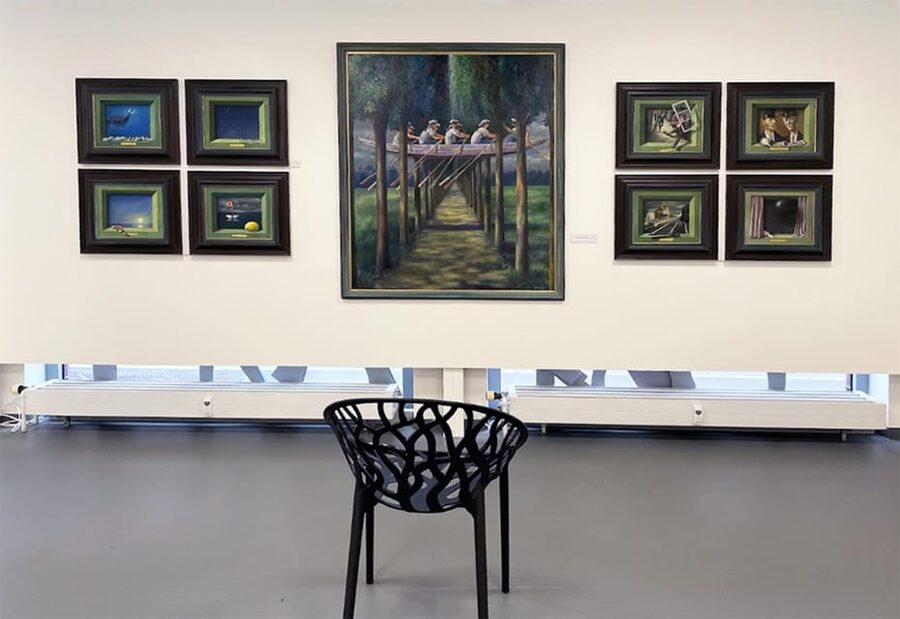
The museum includes a search game designed not only for children. This is a smart addition because surreal pictures can overwhelm younger visitors if they are asked simply to walk around and behave quietly.
A search game gives you a reason to study details. Children can look for unusual objects, repeated forms, or unexpected combinations. Adults can join in without feeling that the activity is only for school groups.
I would also use it with a mixed-age family where some people want art history and others need a task. The game turns looking into an active challenge, while the multimedia guide gives older children and adults more context.
The museum is still an art collection, not a play center. If your children dislike quiet galleries, the format may not hold their attention for two hours. But the search activity gives families a better chance of sharing the visit rather than splitting up.
The A3 poster and the no-photo rule
An A3 poster is included with admission. It is a modest extra, but it adds real value to a ticket costing about $11. You leave with something connected to the museum rather than only a digital memory.
Photography inside is not allowed. Plan for that before you arrive. One booking comment described taking pictures for social media, but the museum’s stated rule says photography is prohibited, so you should follow the official rule and not count on taking interior images.
That restriction may disappoint anyone building a photo record of an Augsburg visit. Still, it has a benefit: you are less likely to spend the gallery staring at a phone screen. Take notes if you want to remember a title or idea, and use the free poster as a physical reminder.
Is $11 a good value?
At approximately $11 per person, this is an easy museum expense to justify if you have even a modest interest in art. The ticket includes entry, a multimedia guide, headphones, the search game, and an A3 poster.
The strongest value comes from the quality of the visit rather than the number of rooms. You receive access to a focused collection of around 140 displayed works, supported by interpretation in three languages. A large museum might offer more famous names, but it may not give you this much attention on one artist’s methods and ideas.
The visit can also fit neatly into an Augsburg day. It is valid for one day, and availability determines the starting times. You should check the schedule when booking, especially if you are fitting the museum between other plans.
Free cancellation up to 24 hours in advance and reserve-now, pay-later booking make the ticket easier to fit into a changing schedule. Those terms are useful, but the artistic value is the main reason to book.
Who will enjoy this museum most?
I would recommend the LETTL Museum to anyone who likes art that raises questions rather than supplying a single answer. It suits first-time surreal art visitors because the guide explains the basic ideas without requiring a specialist background.
It also works well for:
- Couples: You can compare your interpretations after each painting.
- Families: The search game gives children a clear reason to look closely.
- Art students: The long span from 1942 to 2007 makes it possible to follow an artist’s development.
- Visitors seeking a local experience: The museum is tied closely to Augsburg and maintained by a nonprofit association.
- People with limited time: A focused visit can take about two hours, while the one-day validity gives you flexibility.
- Italian-speaking visitors: Both instruction and audio content are available in Italian, along with German and English.
You may want to skip it if you only enjoy realistic painting, dislike interpretive displays, or need to take photographs of every work. The collection asks for attention and patience. Its rewards come from looking carefully, not from racing through a checklist.
Practical details before you go
The meeting point is the museum ticket office, where you register on arrival. The experience is wheelchair accessible, an important point for anyone planning a comfortable museum day.
Instructor support is available in German, English, and Italian. The audio guide uses the same three languages. Since the ticket is valid for one day, you can check available starting times and plan around them.
Do not bring the expectation of interior photography. The museum does not allow it. Instead, use the tablet, take mental notes, and keep the A3 poster included with your ticket.
The rating is 5 out of 5 from nine ratings, with particular praise for the warm welcome, clear explanations, comfortable audio equipment, and the way the museum presents Lettl’s work. That matches the practical strengths of the visit: personal attention, good interpretation, and a collection with a clear identity.
Should you book the LETTL Museum?
Book it if you want an affordable, focused art visit with more personality than a standard gallery stop. The museum gives you about 140 works, six decades of artistic development, Apulia impressionist paintings, a multilingual guide, and family insight into the collection.
I especially recommend it for a two-hour pause in Augsburg when you want something thoughtful but not exhausting. The no-photo rule is the main limitation, and the unusual subject matter will not suit every taste. For most curious art lovers, though, the $11 ticket offers a rare chance to see a major group of Wolfgang Lettl’s paintings kept together as he wished.
FAQ
How long is the LETTL Museum ticket valid?
The ticket is valid for one day. Starting times depend on availability, so check the schedule when selecting your visit.
What languages are available?
The museum offers instructor support in German, English, and Italian. The audio guide is also available in German, English, and Italian.
Is an audio guide included?
Yes. Entry includes a multimedia guide, with a tablet and headphones provided for the visit.
Is the museum wheelchair accessible?
Yes. The LETTL Museum is wheelchair accessible.
Can I take photographs inside?
No. Photography inside the museum is not allowed.
What is included with admission?
Admission includes entry to the museum, the multimedia guide, an A3 poster, and a search game suitable for children and adults.
Just added in Germany
- Private One way Airport Transfer Berlin Airport To Berlin★ 3.5 · 17 reviews
- Private Walking Tour: Berlin Wall, Cold War and Checkpoint Charlie★ 5.0 · 37 reviews
- Modern Berlin Private Walking Tour: Diverse, Vibrant and Exciting German Capital★ 5.0 · 13 reviews
- Private Day Trip to Potsdam from Berlin by Train★ 4.5 · 27 reviews
- City Explorer: Potsdam Private Day Trip★ 4.5 · 10 reviews
- Berlin Private Custom 5-Hour Tour by Car★ 5.0 · 30 reviews
- Private Half-Day Sightseeing Tour in Berlin★ 3.5 · 6 reviews
- Berlin Private Custom Tour in a Minivan, East and West★ 5.0 · 123 reviews
Museums, compared.
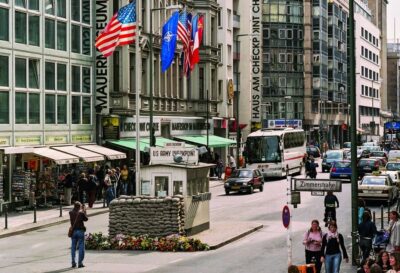
Skip-the-Line: Berlin Wall Museum at Checkpoint Charlie
Read our review →
Browse the lists this tour appears in