Reviewed · TOURS IN BERLIN
From Berlin: Kings, Crimes, & Spies Potsdam Day Trip by Van
The most striking thing about this Potsdam trip is its sharp turn from royal splendor to Cold War tension. In seven hours, you move from Frederick the Great’s Sanssouci Palace to Nazi and Stasi detention sites, the Bridge of Spies, and Checkpoint Bravo, where the division between East and West was once enforced.
I like the small group of no more than seven, since a van tour can feel personal rather than packaged. I also like the mix of palaces, prisons, and border sites. You are not seeing Potsdam as a string of pretty buildings. You are following the power struggles that shaped Germany and Europe.
The main consideration is the pace. Seven hours covers a lot, and some stops are short. You will also need to reach Alexanderplatz on your own and buy your own food, so this suits you best if you value a tightly arranged history day over a leisurely palace visit.
Key points to know before booking
- Sanssouci Palace gives the day its royal opening, with guided viewing and time to look around Frederick the Great’s former residence.
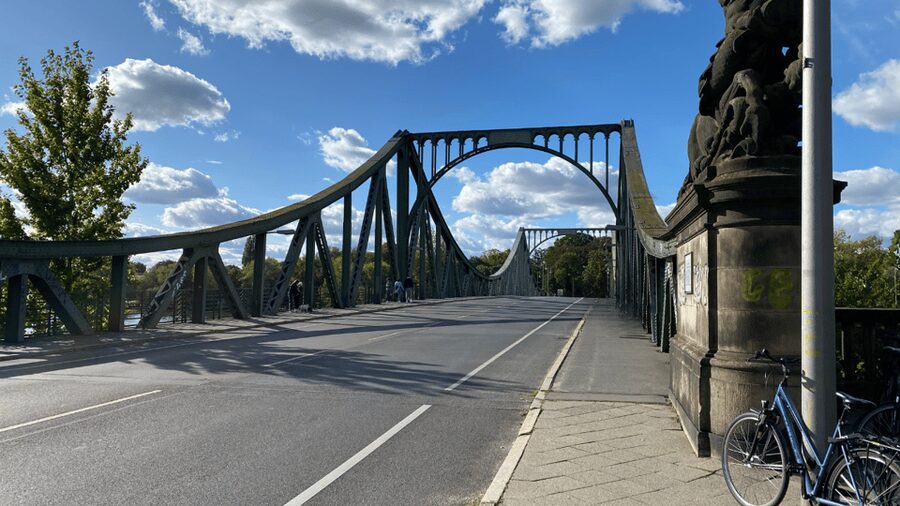
- The Bridge of Spies connects Potsdam to Cold War espionage, and the Tom Hanks film made this crossing famous far beyond Germany.
- Lindenstraße Prison and Leistikowstraße show the human cost of dictatorship, not just the political headlines.
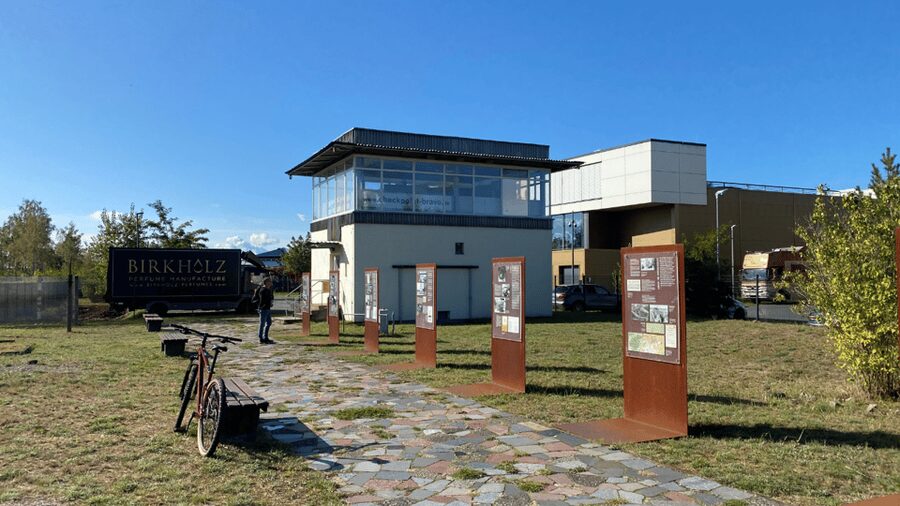
- Checkpoint Bravo adds a practical border lesson, showing where the Autobahn crossing between West Berlin and East Germany took place.
- The van keeps the route efficient, with onboard Wi-Fi, bottled water, maps, and then-and-now photographs.
- Guides such as Jochen, Steve, and Matt bring different strengths, from flexible conversation to careful historical explanation.
Why this Potsdam route tells a bigger story
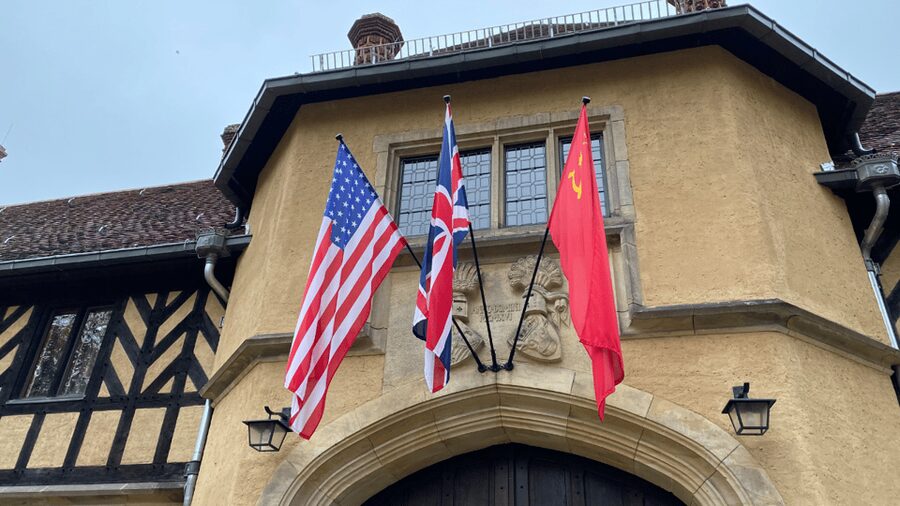
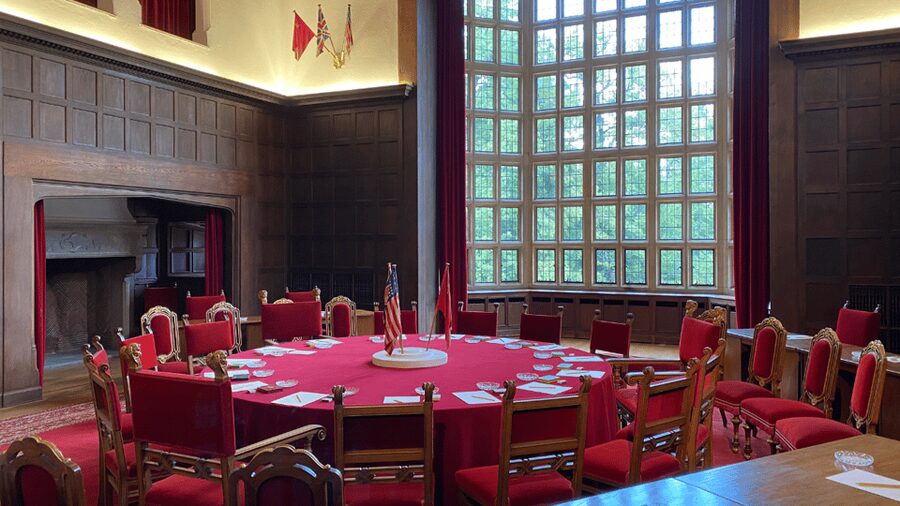
Potsdam is often sold as a palace outing from Berlin. That is only half the picture. The city was a seat of Prussian power, a setting for political imprisonment, a Cold War frontier, and the location of the 1945 conference that helped reshape postwar Europe.
This tour links those chapters in one route. That matters because the sites make more sense together. Sanssouci shows the confidence and ceremony of the Prussian monarchy. The prisons show how later governments used detention and fear. Glienicke Bridge and Checkpoint Bravo reveal how the Cold War turned ordinary crossings into symbols of global tension.
I find that structure more useful than a simple palace tour. You are given a reason to compare the buildings and events instead of treating each stop as an isolated fact.
The group is limited to seven participants. That is a strong fit for this subject, since questions often matter as much as the formal commentary. One account describes a private version of the trip where Jochen adjusted the conversation to match the group’s interests and even helped explain how to use local public transport. That flexibility may not apply in exactly the same way to every departure, but the small size gives the guide room to respond.
The tour is conducted in English. Guides named in the feedback include Jochen, Steve, and Matt. Steve was especially praised for his grasp of the subject, while Matt was described as thorough. The overall rating is 5 out of 5 from six posted ratings, though that is still a small sample. I would treat it as a useful sign, not a guarantee that every departure will feel identical.
Other day trips from Berlin:
- Berlin Complete in one day
★ 5.0 · 222 reviews - From Berlin: Sachsenhausen Concentration Camp Day Trip
★ 4.7 · 52 reviews - Private Day Trip to Potsdam from Berlin by Train
★ 4.5 · 27 reviews
Starting at Alexanderplatz and riding into Potsdam
You meet at the main entrance of the Park Inn by Radisson Berlin Alexanderplatz, along Alexander Street. Look for the guide holding a Potsdam Tour, Kaiser to Cold War sign. Transportation to this meeting point is not included, so allow time to get there before departure.
The van is a practical choice for this route. Potsdam’s sights are spread out, and moving between palace grounds, memorials, the bridge, and the former border crossing by road saves time. Wi-Fi is available onboard, and you receive a bottle of water, maps, and then-and-now photographs.
Those photographs are more than a small extra. On a tour about political change, seeing a site in its former condition beside its present appearance can make the story easier to grasp. You can compare what has disappeared, what remains, and how much meaning a location can carry after its original purpose is gone.
The ride also gives you a chance to ask questions. With a maximum of seven people, the van should be less cumbersome than a large coach. The tradeoff is that space is naturally more limited, so bring only what you need for a full day out.
Sanssouci Palace and the world of Frederick the Great
Sanssouci Palace is the most conventional stop on the route, but it is not a throwaway opening. The palace belonged to Frederick the Great, and the guide uses it to explain Prussian kings, royal power, and the struggles behind the polished image of the court.
You receive a guided visit and sightseeing time at Sanssouci. The schedule includes one 20-minute palace segment and another 45-minute visit later in the day, for roughly 65 minutes connected with the site. The exact order may vary, but you should expect the palace to receive more attention than a quick photo stop.
The appeal is visual and political at once. The building gives you the grandeur of Prussia, while the commentary explains what that grandeur meant. I like this approach because the palace is not treated only as decoration. It becomes an entry point into how rulers presented authority.
One posted account singled out Sanssouci as unlike other palaces and noted that it was not crowded on that particular visit. Crowd levels can change, so do not count on having the rooms or grounds to yourself. Still, the smaller vehicle and timed route may feel less overwhelming than joining a large day excursion.
You should wear comfortable shoes here. The program includes walking and free time, and the day continues with several additional stops. If your main goal is a slow, room-by-room palace visit, the time limit may feel brief. If you want Sanssouci as one part of a wider historical route, the allocation is sensible.
Brandenburger Tor in Potsdam, seen at a glance
The route includes a guided look and pass-by at Brandenburger Tor, with about five minutes set aside. This is not the place for a long stop or an extended photo session.
The brief visit works as a connecting point between Potsdam’s royal identity and the city’s later political story. You get a quick orientation before moving to the more serious memorial sites. Keep your expectations clear: this is a short sighting, not a full walking tour of the surrounding area.
Same base, a different kind of day out:
- Berlin: Reichstag, Dome and Government District Guided Tour
★ 4.7 · 18,288 reviews - Berlin: 1-Hour City Tour by Boat with Guaranteed Seating
★ 4.3 · 16,993 reviews - Berlin: Boat Tour Along the River Spree
★ 4.4 · 11,252 reviews - Discover Berlin Half-Day Walking Tour
★ 5.0 · 9,624 reviews
Lindenstraße 54/55 and the machinery of political imprisonment
The memorial at Lindenstraße 54/55 gives the day its hardest edge. You spend about 45 minutes here with a guided visit, walking, and free time.
The site is tied to Nazi and Stasi imprisonment. That combination makes it especially useful for understanding how different authoritarian systems used the same city and detention setting across separate periods. The focus shifts away from rulers and official ceremonies and toward people caught in the machinery of the state.
I would allow yourself a quiet moment here. This is not a cheerful sightseeing stop, and it should not be treated like one. The value comes from seeing how political control worked at a human scale, through confinement and intimidation rather than speeches and borders.
The time is enough for an informed introduction, but not for every detail. If you have a strong interest in 20th-century German political history, you may want to note the memorial’s name and return independently later. The tour gives you context and access within the day’s broader route, not an exhaustive archive visit.
Leistikowstraße and the former secret KGB prison
The Memorial and Meeting Place at Leistikow Street adds another layer to the story. The stop lasts about 45 minutes and includes a guided visit, free time, and walking.
Here you learn about a secret KGB prison. After the Nazi and Stasi material at Lindenstraße, this stop widens the picture beyond a single German institution. It helps show how the postwar division brought Soviet security structures into Potsdam and how secrecy shaped daily life.
The sequence of the two prison sites is one of the strongest parts of the tour. You first confront imprisonment under Nazi and Stasi rule, then consider the Soviet security presence. The subject matter is grim, but the arrangement gives the day an understandable line.
Expect walking and weather exposure between stops. Bring an umbrella and wear clothing suited to the forecast. The tour runs rain or shine, so this is not a day to plan around perfect conditions.
Glienicke Bridge, the original Bridge of Spies
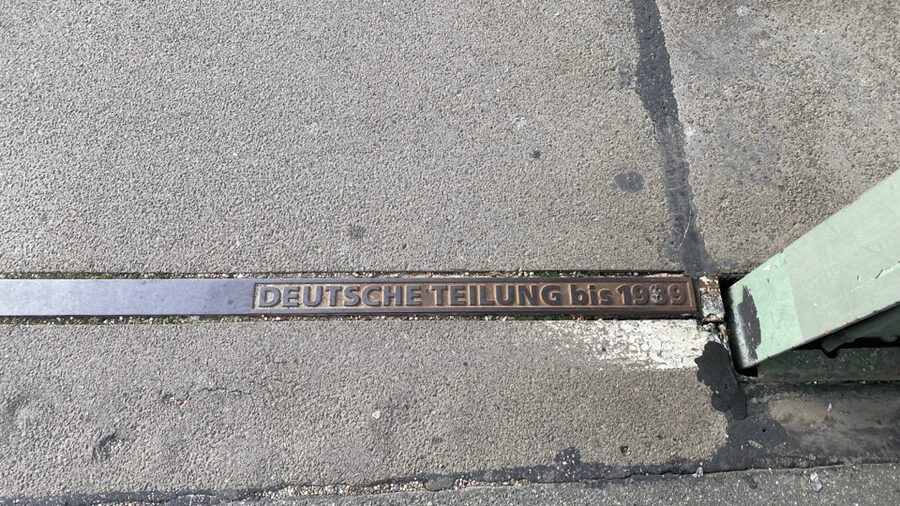
At Glienicke Bridge, you get about 15 minutes for a guided visit, sightseeing, and free time. This is a short stop, but the location carries unusual Cold War drama.
The bridge became known as the Bridge of Spies because it was used for prisoner and spy exchanges between East and West. Its fame grew further after the Tom Hanks film Bridge of Spies. The movie connection may draw you in, but the real importance is the bridge’s role in a divided Europe.
A short visit is enough to see the crossing and hear why it mattered. You will not spend the afternoon here, and the tour does not present it as a long museum experience. Instead, the guide gives you the setting and the political meaning before the van moves on.
I like the contrast with Sanssouci. At the palace, power was displayed in architecture and ceremony. At Glienicke, power was measured in secrecy, negotiation, and who could cross a bridge. The two places are only part of the same day, yet they show very different forms of authority.
Checkpoint Bravo and the practical reality of a divided city
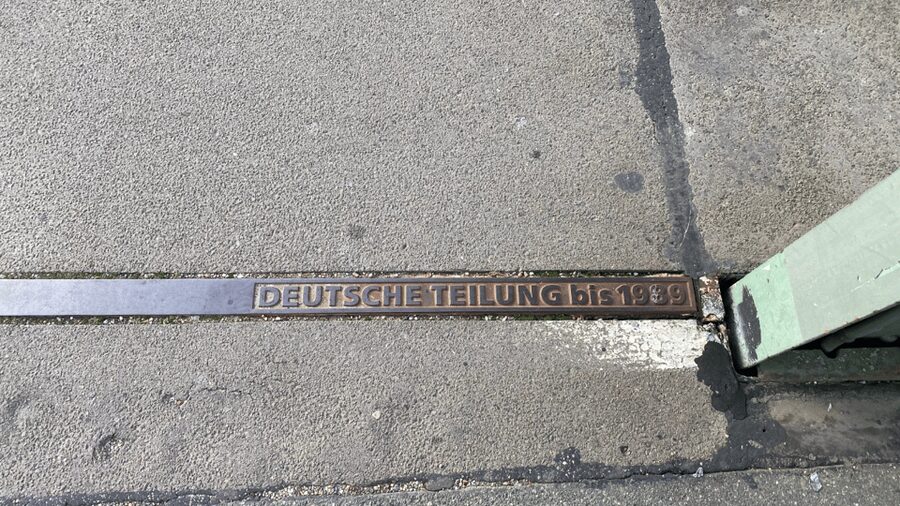
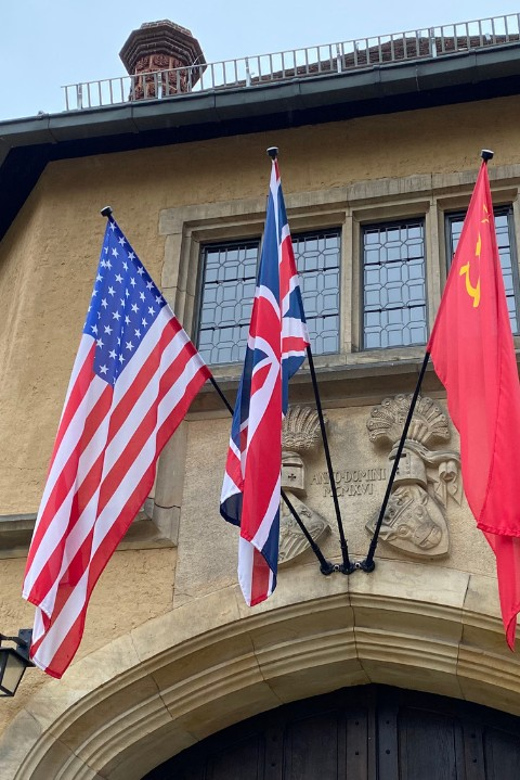
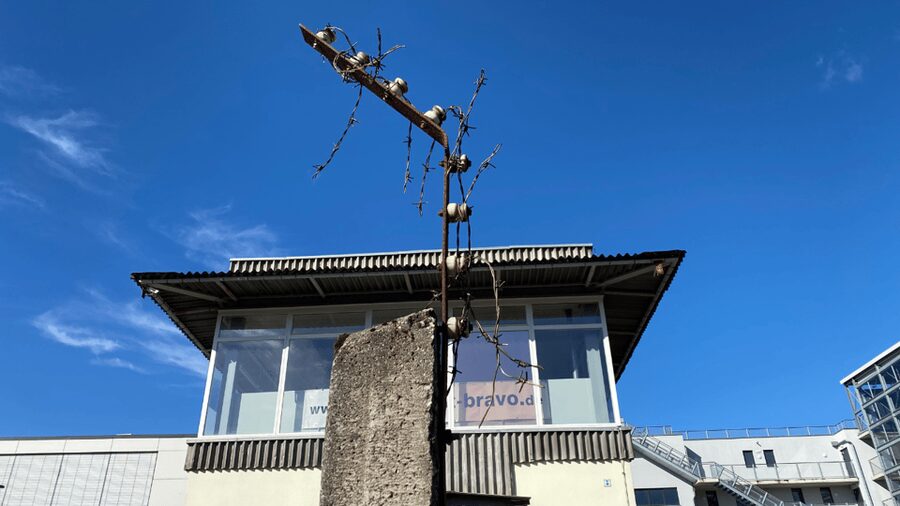
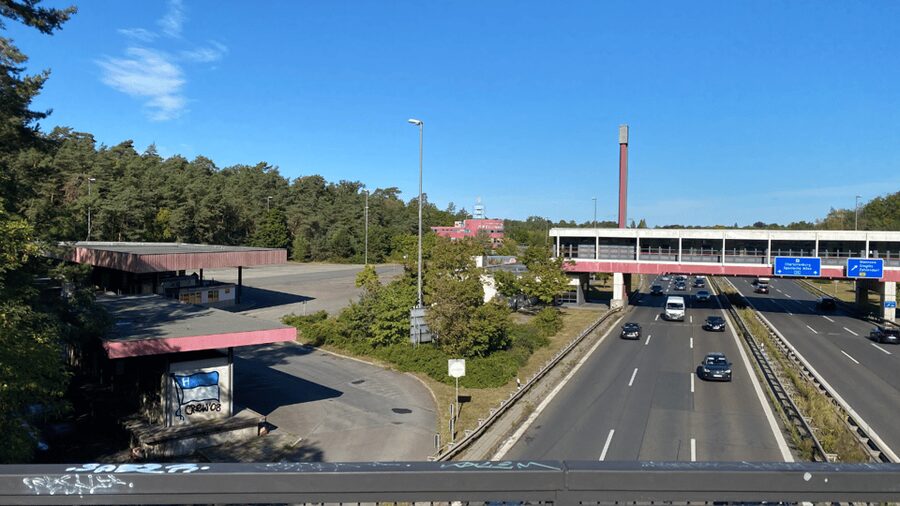
The final major stop is Allied Checkpoint Bravo, with about 20 minutes for a guided visit, sightseeing, and free time. This was the Autobahn crossing between East and West Berlin.
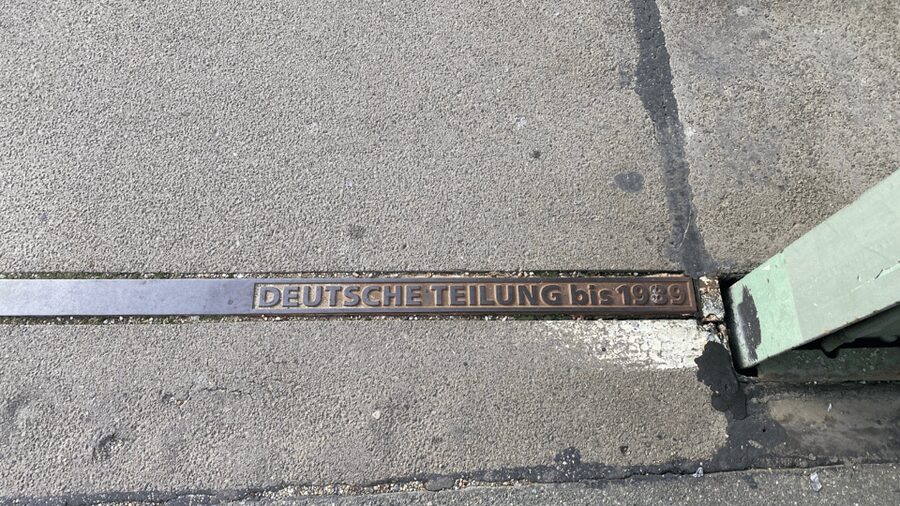
The site helps turn Cold War history into something physical. Instead of hearing only about the Berlin Wall or the division of Germany in broad terms, you see a place where movement was controlled and the border became part of an ordinary road journey.
Twenty minutes is enough for an explanation and a look around, but it is another compact stop. The guide’s maps and then-and-now images should be helpful here, since the border arrangements are easier to understand when you can see the former layout alongside the present setting.
This stop is a good reason to choose the van tour instead of trying to assemble the same route by public transport in one day. One person who took the trip also learned how to use local trains during the outing, which suggests the guide may offer useful transport pointers when time and group needs allow. Do not book it expecting a dedicated transit lesson, though. The main purpose is historical sightseeing.
What the $152 price really covers
At $152 per person, this is not the cheapest way to reach Potsdam. The price makes more sense if you value the route design and the guide’s interpretation rather than simply wanting transport to Sanssouci.
You are paying for seven hours, van transportation, a small group capped at seven, an English-speaking guide, Wi-Fi, bottled water, maps, and then-and-now photographs. You also avoid the work of linking several scattered sites yourself. That is useful when the day includes locations connected to different periods and not just one palace complex.
Food is not included, and you need to pay for your own transportation to Alexanderplatz. The supplied information does not list entrance fees as a separate inclusion, so check the booking details carefully if interior admission is important to you. The itinerary clearly includes guided visits and sightseeing at the named sites, but the exact treatment of any paid interior areas should be confirmed before booking.
For a couple or solo visitor who wants a guided history day, the cost can be reasonable. For a family or group mainly interested in palace gardens, it may be harder to justify. The strongest value comes from the variety: royal Potsdam, political prisons, espionage, and a divided border in one organized outing.
Who should book this tour
I would choose this experience if you want more than Sanssouci and prefer a guide-led explanation of 20th-century Germany. It is especially well suited to you if:
- You enjoy political and military history.
- You want a small group rather than a large coach.
- You prefer road transport between scattered sites.
- You can manage several walking stops in one day.
- You are comfortable with serious subjects, including imprisonment and state violence.
- You want the Bridge of Spies and Checkpoint Bravo included without planning separate trips.
I would look elsewhere if you want a slow palace day, long meals, or lots of unstructured time. The seven-hour schedule is efficient and full. Brandenburger Tor and Glienicke Bridge receive short visits, while the prison memorials require attention and reflection.
Bring comfortable shoes, an umbrella, and weather-appropriate clothing. The trip operates in rain or shine. Since food is not included, plan for that before setting out, though no meal arrangement is provided in the tour details.
Should you book it?
Book this tour if you want Potsdam explained through its changes in power, from Prussian kings to Nazi and Stasi imprisonment, Soviet security, Cold War espionage, and the postwar conference. The small van, limited group, and guides such as Jochen, Steve, and Matt add personal value to a route that would be difficult to cover neatly on your own.
Skip it if your ideal Potsdam visit is mostly gardens and palace interiors. At $152, the tour earns its price through breadth and interpretation, not leisurely time at one attraction. For a first visit to Potsdam from Berlin, especially if the Cold War chapter interests you as much as Sanssouci, it is a well-focused choice.
FAQ
Where does the tour begin?
The meeting point is the main entrance of the Park Inn by Radisson Berlin Alexanderplatz, along Alexander Street. Look for the guide holding a Potsdam Tour, Kaiser to Cold War sign.
How long does the experience last?
The tour lasts seven hours and returns to the Park Inn by Radisson Berlin Alexanderplatz.
How many people can join the group?
The group is limited to seven participants.
What language is the tour conducted in?
The live tour guide speaks English.
Is transportation included?
Van transportation during the tour is included. You must arrange and pay for your own transportation to the Alexanderplatz meeting point.
Is food included?
No. Food is not included in the tour price.
What should I bring?
Bring comfortable shoes, an umbrella, and clothing suited to the weather.
Does the tour operate in bad weather?
Yes. The activity takes place rain or shine.
Can I cancel for a full refund?
You can cancel up to 24 hours in advance for a full refund. A reserve-now, pay-later option is also available.
Just added in Berlin
- Private One way Airport Transfer Berlin Airport To Berlin★ 3.5 · 17 reviews
- Private Walking Tour: Berlin Wall, Cold War and Checkpoint Charlie★ 5.0 · 37 reviews
- Modern Berlin Private Walking Tour: Diverse, Vibrant and Exciting German Capital★ 5.0 · 13 reviews
- Private Day Trip to Potsdam from Berlin by Train★ 4.5 · 27 reviews
- City Explorer: Potsdam Private Day Trip★ 4.5 · 10 reviews
- Berlin Private Custom 5-Hour Tour by Car★ 5.0 · 30 reviews
- Private Half-Day Sightseeing Tour in Berlin★ 3.5 · 6 reviews
- Berlin Private Custom Tour in a Minivan, East and West★ 5.0 · 123 reviews
Tours in Berlin, compared.
Reichstag, Dome and Government District Guided Tour
Read our review →
1-Hour City Tour by Boat with Guaranteed Seating
Read our review →
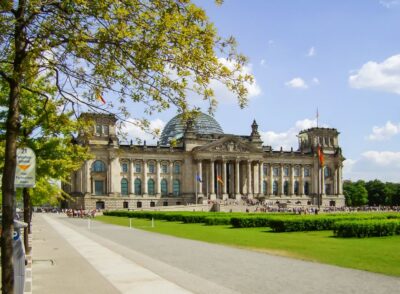
Reichstag, Plenary Chamber, Cupola & Government Tour
Read our review →