
Reviewed · COMEDY, CABARET & THEATRE SHOWS
“Look behind the scenes” – leadership in the State Theater
The most interesting part of this Darmstadt tour is seeing the theater as a working machine, not just a polished auditorium. You follow the production process behind the curtain, where sets are built, costumes are tailored, props are prepared, and many different hands turn an idea into opera, dance, or drama.
I like the focus on real theater workshops and the chance to see how craftsmen, artists, planners, and office staff share one production. I also like the modest $16 price, which makes this a sensible add-on for anyone curious about the performing arts. The main limitation is that the large stage can only be visited when the theater schedule permits.
- A working theater, not only a performance hall: See the practical side of Darmstadt’s opera, dance, and acting productions.
- Several crafts in one tour: Learn how sets are assembled, painted, welded, tailored, planned, and rehearsed.
- German-language guiding: The tour is led in German, so some language ability helps.
- Ninety minutes on site: The length gives the guide time to explain the production process without taking up an entire day.
- Main-stage access varies: The large stage is available only when rehearsals and performances allow.
- Easy booking protection: You can cancel up to 24 hours ahead for a full refund, and reserve now while paying later.
Inside Darmstadt’s Working Theater
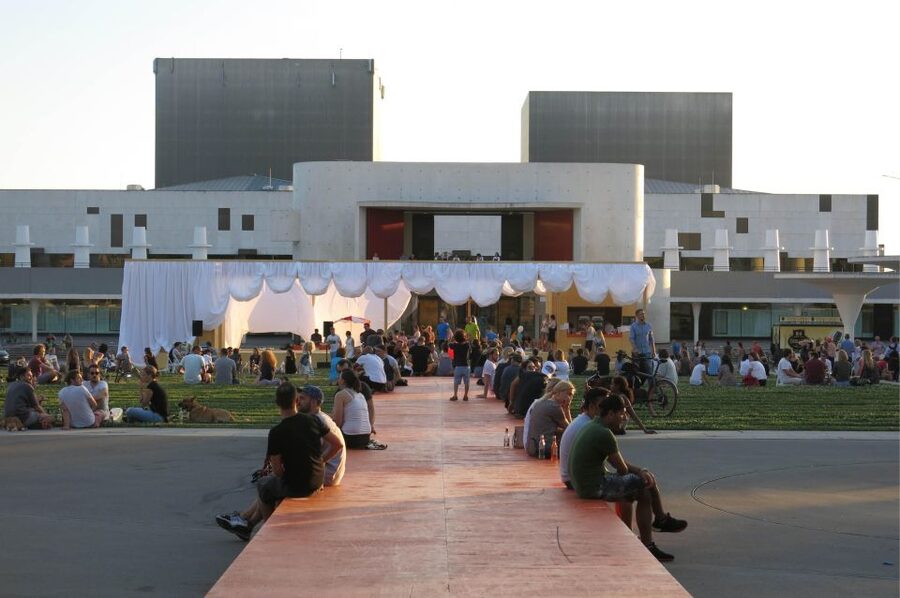
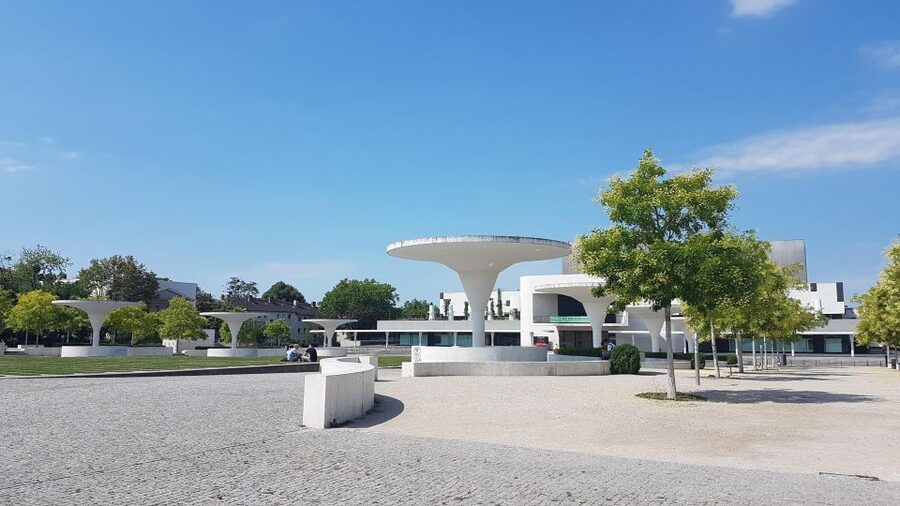
Darmstadt State Theater is a multi-division house, with opera, dance, and acting productions under one roof. That matters because the backstage work is not tied to one type of show. A costume workshop may serve an opera one week and a drama or dance production the next.
I like tours that show the machinery behind an art form. From the audience, a theater production can look effortless. Backstage, it is a chain of skilled jobs: someone plans the design, someone builds the scenery, someone paints it, someone welds the structure, someone cuts and sews the costumes, and others organize the schedule and rehearsals.
This tour gives you a view of that chain. It is less about famous performers and more about the people who make performance possible. If you are interested in stage design, theater crafts, architecture, or the practical side of culture, you will get more from this than from a standard auditorium visit.
The tour begins at the artist entrance on Hügelstraße and returns to that same meeting point. Arrive with the meeting point in mind, since this is not a general front-door admission experience. Oversize luggage is not allowed, so travel light.
From Sketches to Stage Sets
One of the strongest parts of the visit is the look at set construction. Theater scenery must do more than look good. It has to fit the stage, work with lighting, survive repeated use, and allow performers and crew to move safely.
You may see how elements are assembled, painted, and welded. Each task points to a different part of stagecraft. Painting gives a flat surface the appearance of stone, wood, metal, or another setting. Welding and construction create the physical frame. Planning makes sure the finished piece fits the production’s needs.
The tour does not promise a single fixed workshop route. Theater work changes with the production calendar, so the exact areas you see can vary. That is part of the appeal, but it also means you should not book expecting one particular set or show to be in progress.
I find this kind of access more useful than a quick peek through a backstage door. You begin to understand why a production takes so many people. The finished set may be visible for only a few hours, but its creation involves design decisions, technical work, painting, fitting, rehearsal, and careful coordination.
More Comedy, Cabaret & Theatre Shows across Germany
- Cologne: 1.5-Hour Comedy Bus Tour
★ 4.3 · 1,299 reviews - Berlin: FALLING | IN LOVE Grand Show Friedrichstadt-Palast
★ 4.7 · 1,268 reviews - Berlin: 1.5-Hour Comedy Bus Tour in German
★ 4.5 · 1,165 reviews
Costumes Made for Movement and Character
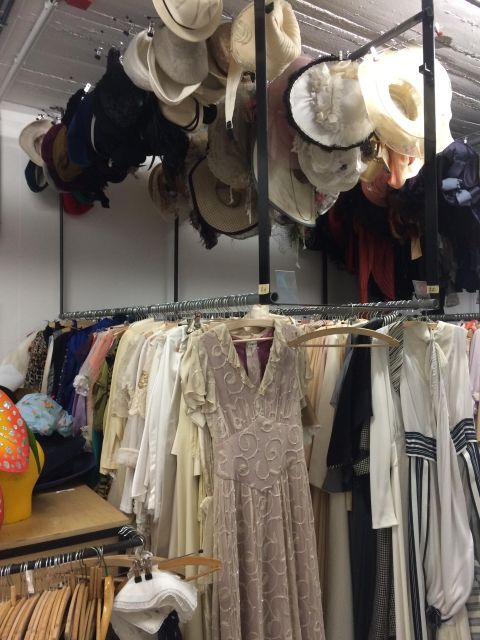
Costumes receive their own place in the tour because they are both clothing and stage equipment. A costume must communicate something about a character, fit the performer, survive movement, and work under theater lighting.
The workshops may show where garments are tailored and prepared. You might see the practical work that goes into cutting, sewing, fitting, and adapting clothing for a production. The experience is especially useful if you enjoy fashion, theater design, or the details that help actors and dancers become their roles.
Opera and dance add different demands. A singer needs freedom to perform while wearing a costume that may be elaborate or heavy. A dancer needs even more freedom of movement. A drama production may require quick changes, period clothing, or garments designed to support a particular setting. The tour’s broader focus on opera, acting, and dance helps you see why there is no single formula for theatrical clothing.
The information provided does not promise that you will watch a costume fitting or meet the people making a specific garment. It is better to think of this as an introduction to the work and the workshops, not a guaranteed demonstration.
The People Who Keep a Production Moving
A useful lesson here is that theater is not made only by actors, singers, dancers, and directors. Craftsmen, artists, and administrative employees all contribute to the final production.
That last group is easy to overlook. A show needs planning, scheduling, coordination, and organization before anyone walks onto the stage. The tour places these jobs beside the visible creative work, giving you a fuller picture of how a large theater operates.
I like this practical angle because it changes the way you watch a performance afterward. A painted wall may represent a scenic artist’s work. A complicated costume may reflect tailoring and fitting. A smooth change between scenes may depend on planning that the audience never notices.
The tour is therefore a good choice for adults and older children who ask how things work. It also suits anyone considering a job in theater production. The experience does not focus on one star or one famous performance. Its subject is the team behind the event.
The Large Stage Depends on the Schedule
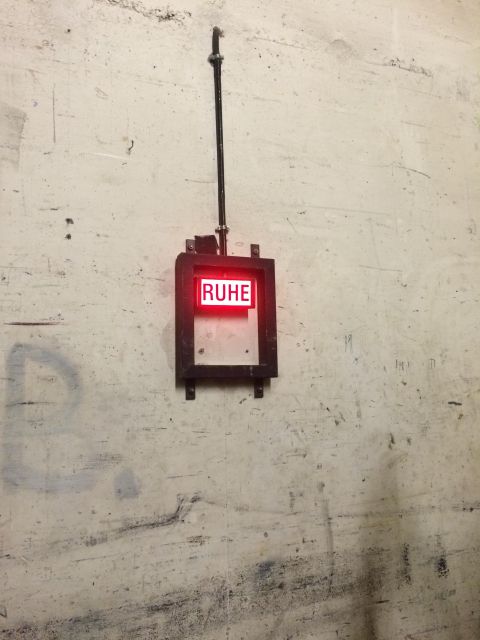
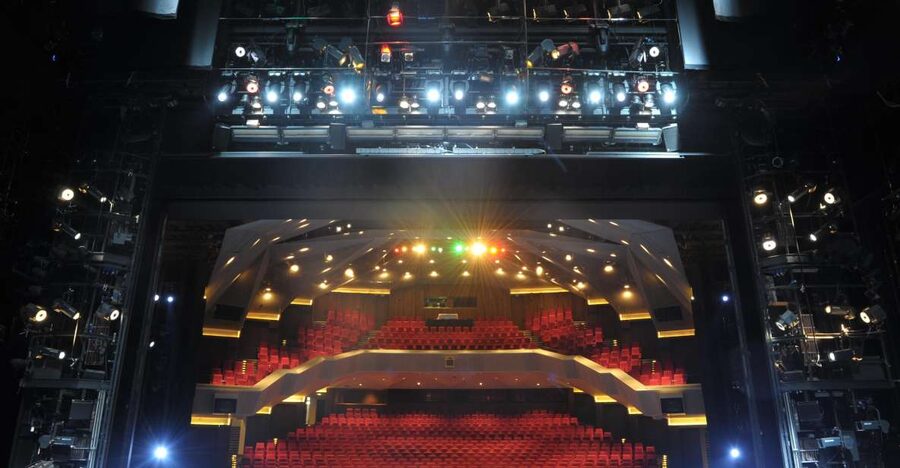
The main stage is the most obvious attraction, but access is not guaranteed. The theater can only include it when performances, rehearsals, and technical work leave enough room.
This condition is important. If seeing the full stage is your main reason for booking, you should treat it as a possible bonus rather than a promise. A live theater is an active workplace, and productions take priority.
Even without the main stage, the workshops and backstage areas provide the heart of the experience. Set building, costume work, planning, and rehearsal preparation explain how a production comes together. In some ways, these work areas offer more practical insight than a bare stage would.
The schedule rule also tells you something about the nature of the tour. This is not a museum display with every room fixed and waiting. It is a visit to an operating theater. Access must fit around the company’s work.
Same base, a different kind of day out:
- Berlin: Reichstag, Dome and Government District Guided Tour
★ 4.7 · 18,288 reviews - Berlin: 1-Hour City Tour by Boat with Guaranteed Seating
★ 4.3 · 16,993 reviews - Hamburg: Sex and Crime in St. Pauli Tour for Ages 18+
★ 4.7 · 15,447 reviews - Hamburg: 1.5-Hour Harbor and Speicherstadt Day Cruise
★ 4.6 · 14,200 reviews
What the Ninety Minutes Feel Like
The tour lasts about 1.5 hours, a useful middle length. You have enough time to move through several parts of the theater world, but the visit should not dominate your day in Darmstadt.
Expect a guided walk rather than a performance. The guide explains what happens in the workshops and how different jobs connect. The exact order depends on what the theater can open at that time.
The guide speaks German. If you understand German, you should get the full value of the explanations. If you do not, the visual parts of the tour, such as sets, tools, costume work, and theater spaces, may still be clear, but the spoken detail will be harder to follow.
No individual guide name is supplied, so you should not book expecting a particular host. The important point is that this is a live, German-language tour of the theater’s production work.
Wheelchair access is available. Since the tour moves through a working theater rather than a simple exhibition route, it is still sensible to confirm current access details when booking if you have specific mobility needs.
Is $16 a Good Value?
At $16 per person, this is reasonably priced for a 90-minute guided visit inside a major cultural institution. You are paying for access and explanation, not for an evening performance ticket.
The price works especially well if you already plan to visit Darmstadt and want an activity that takes less than half a day. It also gives you a different view of the theater than buying a seat in the audience. Instead of seeing one finished production, you learn about the work that supports opera, dance, and acting across the company.
The value depends partly on your interests. If you only want to see the main stage, the changing access policy makes the price less certain. If you are happy to explore workshops and backstage work, the tour offers a more dependable subject.
I would also consider the cost in relation to the language. German speakers will receive the full benefit of the guide’s explanations. If you do not speak German, you may still enjoy the visual access, but the value will depend on how much information you can follow.
The experience has an overall rating of 4.5 from eight ratings, with strong praise for its interest. One serious practical problem has also been recorded: a scheduled tour did not take place and the cancellation was not communicated in advance. That does not describe the planned content, but it is a reason to keep an eye on your booking status and confirm the appointment if your schedule is tight.
Who Should Book This Tour?
I would recommend it to:
- Theater fans who want to understand the work behind a production
- Visitors interested in opera, dance, or acting
- People curious about set building, painting, welding, tailoring, and stage planning
- Students or future theater workers looking for a practical introduction
- Families with older children who enjoy seeing how things are made
- German-speaking visitors who want a cultural activity beyond a standard city walk
I would be more cautious if you need a fully English-language experience, since the guide speaks German. I would also avoid making this your only theater plan if the main stage is essential to you.
The tour may be less satisfying for someone who wants a performance, a long history lecture, or a guaranteed look at a particular production. Its strength is the working process, not a named show or star.
Practical Advice Before You Go
Keep your luggage small. Oversize luggage is not allowed, and a backstage tour is easier when you are not carrying large bags.
Use the artist entrance on Hügelstraße as your starting point. The activity ends back there, so you do not need to plan a separate return route after the tour.
Check the available starting times before booking. Since the theater operates around rehearsals and performances, start times and access may be tied to the company schedule.
If the main stage matters to you, ask about its availability when arranging the visit. The theater clearly notes that the stage can only be visited when conditions allow. This simple question can prevent disappointment.
The cancellation policy is useful for flexible planning. You can cancel up to 24 hours before the tour for a full refund, and the reserve-now, pay-later option lets you hold a place without paying immediately.
Final Verdict: A Good Backstage Introduction
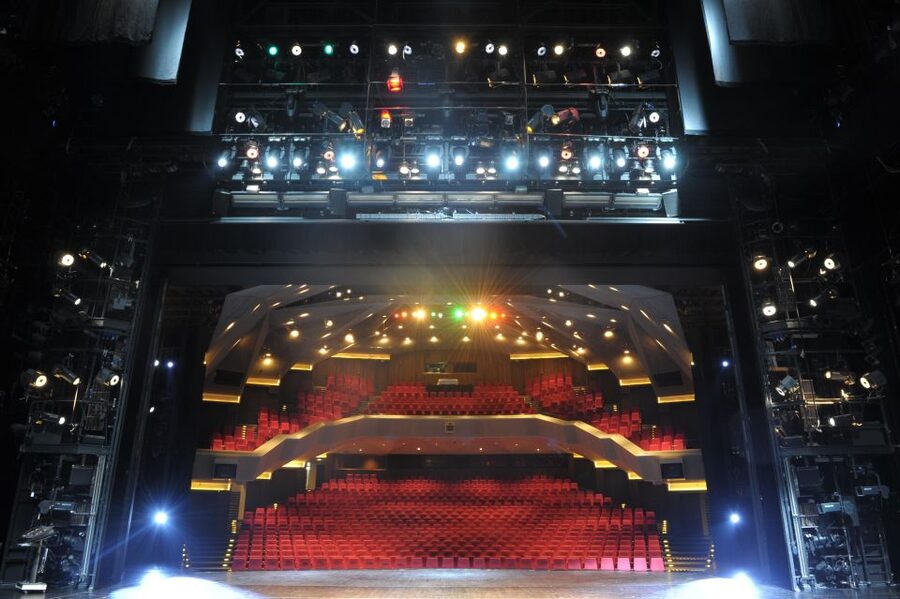
I would book this tour if I wanted to see how a theater actually functions. The price is fair, the 90-minute length fits neatly into a day, and the focus on sets, costumes, workshops, and production staff gives you access to work that an audience normally never sees.
The main cautions are clear: the tour is in German, the large stage is not guaranteed, and one booking problem has been reported involving a canceled tour that was not communicated. Confirm your plans if the visit is important.
For German-speaking visitors, theater fans, and anyone who prefers working spaces to polished displays, this is a smart cultural stop in Darmstadt. Go for the backstage craft and teamwork. Treat the main stage as an extra.
FAQ
Where does the tour begin?
The tour begins at the artist entrance on Hügelstraße.
Where does the activity end?
The tour ends back at the meeting point.
How long does the tour last?
The tour lasts approximately 1.5 hours.
What language is the tour in?
The live guided tour is conducted in German.
Is the large stage guaranteed to be part of the tour?
No. The large stage can only be visited according to the theater company’s availability.
Is the tour wheelchair accessible?
Yes, the activity is listed as wheelchair accessible. Oversize luggage is not allowed.
Just added in Germany
- Berchtesgaden: Via Ferrata Beginner Tour of Schützensteig★ 4.7 · 15 reviews
- Berlin: Energizing 2-Hour Morning Segway Tour★ 4.7 · 35 reviews
- Berlin: Thrilling E-Scooter Adventure Tour★ 4.4 · 66 reviews
- Bayreuth: German City Walking Tour (Tourist Info)★ 4.7 · 202 reviews
- Beelitz-Heilstätten: Baum&Zeit Tree Top Walk Entry Ticket★ 4.9 · 7 reviews
- Beer Bike & Party Bike: Unforgettable Berlin City Tour incl. pickup★ 5.0 · 5 reviews
- Bayreuth: Private Guided Walking Tour★ 5.0 · 15 reviews
- Bavaria: Beginner Canyoning Tour★ 4.5 · 10 reviews
Comedy, Cabaret & Theatre Shows, compared.
FALLING | IN LOVE Grand Show Friedrichstadt-Palast
Read our review →
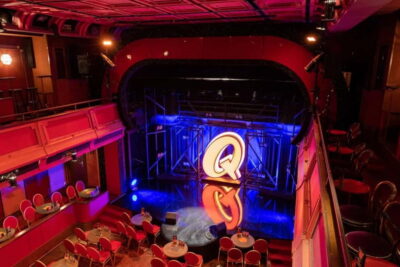
Quatsch Comedy Club Berlin: Die Live Show Entry Ticket
Read our review →


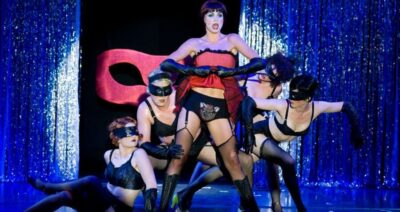
Cabaret – The Berlin Musical at Tipi am Kanzleramt
Read our review →Browse the lists this tour appears in