
Reviewed · MUSEUMS
August Horch Museum Entrance Ticket
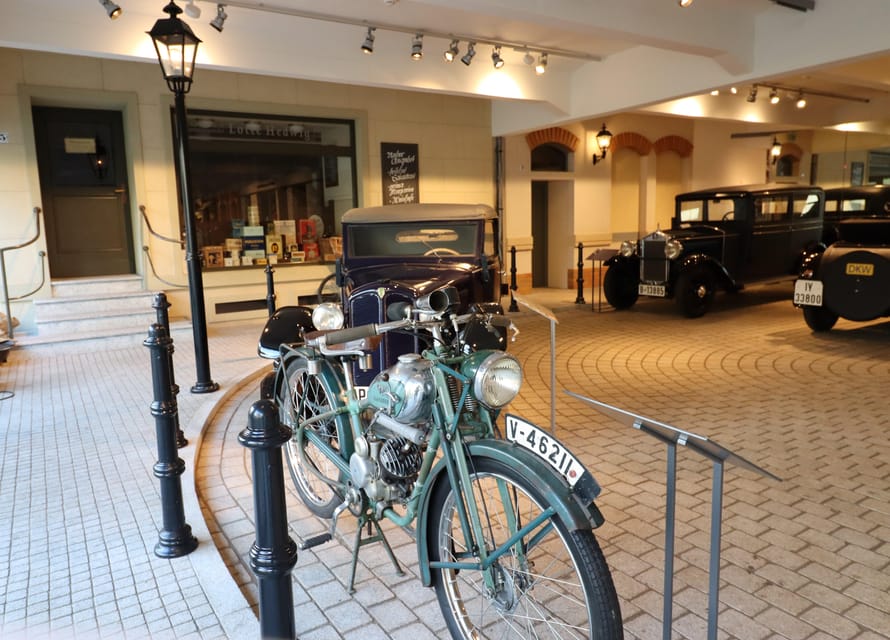
The August Horch Museum takes you to the actual site where Zwickau’s automotive story began. Inside these former factory halls, you move from early Audi and Horch cars to polished 1920s automobiles, the famous Trabant, and modern Volkswagen production. The most unusual display is a working-looking production line for Duroplast, the patented material used for the Trabant body.
I like the wide sweep of the collection, which covers more than 120 years rather than focusing on one famous brand. I also like the strong racing and film material, which gives the cars a human and competitive side. The main thing to consider is that this is a self-guided museum visit, not a guided tour, so you will need to read and pace yourself.
Key things to know before you go
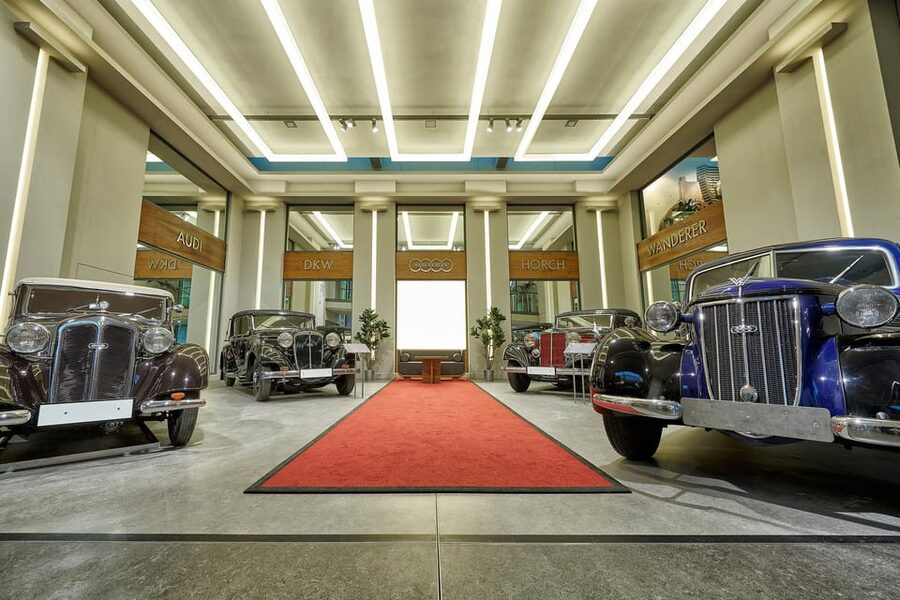
- The museum occupies Audi’s first factory site: You are seeing cars where Zwickau’s long manufacturing story began.
- About 160 large exhibits fill 6,500 square metres: Plan enough time to look beyond the headline cars.
- The Trabant display goes behind the finished vehicle: You can see equipment connected with Duroplast body production.
- The collection runs from 1904 to the present: Early Horch and Audi models share space with later cars and Volkswagen’s current role in Zwickau.
- The ticket costs about $17 per person: That is a solid price for a full day of self-guided access.
- The museum is mostly wheelchair accessible: The August Horch Mansion is the exception.
Why Zwickau is the right place for this museum
Zwickau is not simply a town with a car museum. It is the birthplace of a major German manufacturing story. The August Horch Museum sits on the ground of the first Audi factory, and the same halls later saw DKW and Trabant production.
That setting gives the visit more weight than a collection of cars moved into a modern gallery. You are looking at vehicles in the place where the work took place. The building connects design, engineering, factory labor, and changing political eras in one stop.
The museum covers more than 120 years of production in Saxony. That lets you see how priorities changed over time. Early cars emphasize mechanical invention and craftsmanship. Later displays show comfort, luxury, speed, mass production, and the demands of everyday transport.
I find that kind of timeline useful because it keeps the cars from becoming a row of shiny objects. Each vehicle belongs to a period and an industrial system. Even if you are not a serious car enthusiast, you can follow the larger story of how German motoring changed.
More Museums across Germany
- Berlin: Jewish Museum Berlin Entrance Ticket
★ 4.5 · 8,393 reviews - Berlin: DDR Museum Tickets
★ 4.3 · 3,443 reviews - Berlin: Natural History Museum Entrance Ticket
★ 4.6 · 3,382 reviews
Starting with early Audi and Horch cars
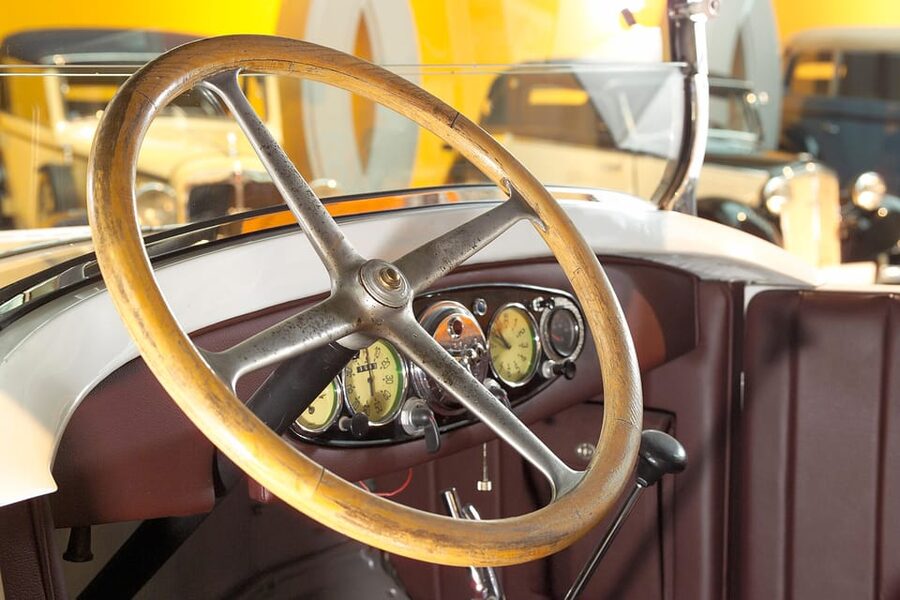
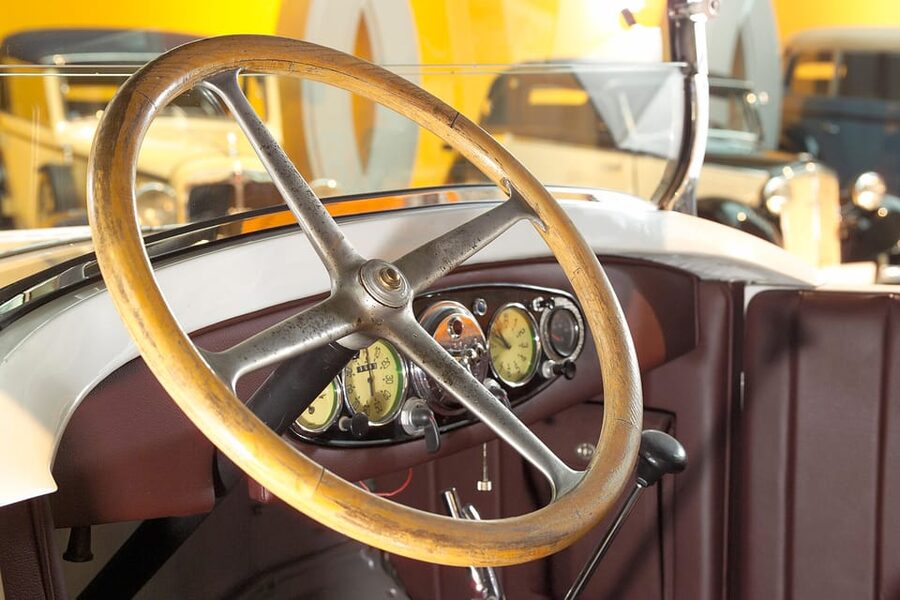
Your visit begins with the earliest part of the collection, including an Audi and a Horch from 1904. The material also includes cars dating from 1911 onward, so the opening section sets up the long arc of the museum rather than jumping straight to famous postwar models.
These early automobiles are valuable because they show how different the car was when it was still a new idea. You can look at proportions, body shapes, and construction details without needing specialist knowledge. The point is not just that the cars are old. It is that they represent the period when makers were still working out what a modern automobile should be.
The museum gives particular attention to August Horch, the founder whose name remains tied to the site. Audi’s early story is also part of this section. Together, the vehicles help explain why Zwickau became a serious center of car production.
Allow time here. It is tempting to hurry toward the Trabant, especially if you came for Cold War history. That would mean skipping the foundation of the story. The early Horch and Audi cars explain the technical and commercial tradition that came before the later brands.
Luxury cars and the polished 1920s
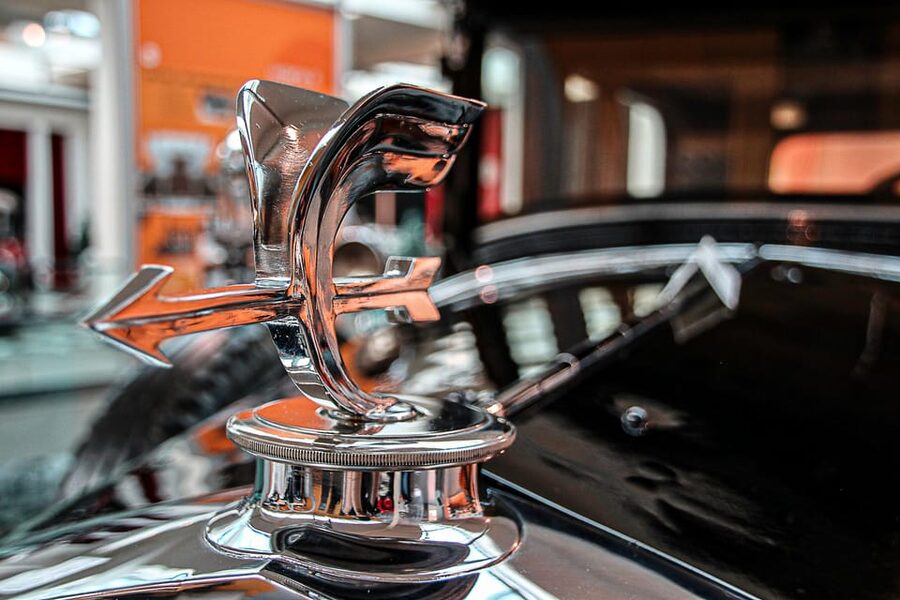
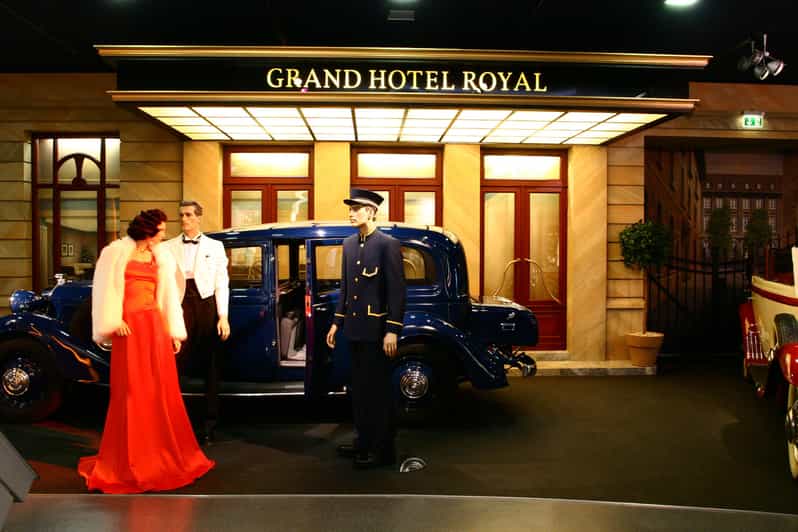
The 1920s section brings a change in mood. After the early cars, you reach more luxurious automobiles that reflect a period when a car could serve as a sign of status as well as transport.
This part should appeal even if your interest is mainly visual. Large, carefully finished cars make the contrast with the modest Trabant especially clear. You can see how car ownership once signaled wealth, and how design shifted as manufacturers tried to attract buyers who wanted comfort and prestige.
The exhibition also includes smaller objects, not just full-size vehicles. Those details help break up the scale of the main displays. The stated collection includes about 160 large exhibits along with many smaller items, spread over roughly 6,500 square metres.
That size matters. You are not looking at a compact room that can be finished in 30 minutes. The museum has enough material to reward a careful visit, and the available feedback points to people spending more than two hours without running out of interest. If you read every panel closely, you may want still more time.
Racing cars, films, and the human side of speed
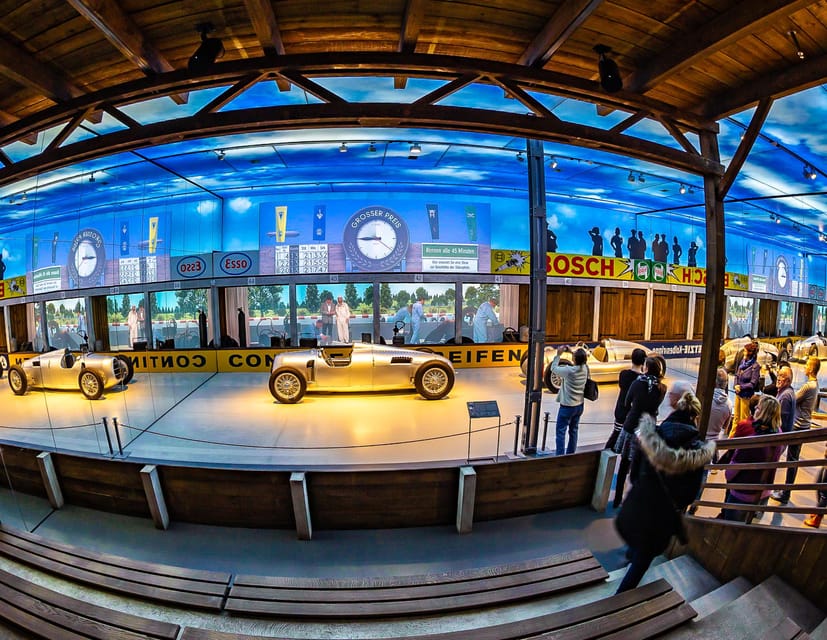
The racing-car story is one of the most praised parts of the experience. The collection includes racing history supported by films, which gives the display more movement than static cars alone can provide.
Racing matters here because it shows another side of automotive development. A factory car is built for daily use, but a racing car tests speed, control, design, and reliability under pressure. Even a visitor who does not follow motorsport can understand why these machines changed the public image of their makers.
The films are especially useful. A car can tell you about shape and engineering, but moving images show how it was used and why it mattered. They also help you picture the people behind the machines, from drivers to factory workers and designers.
Do not expect a guided explanation from a named specialist. No guide is included with this ticket. The museum’s displays and films provide the structure, so you should be comfortable setting your own pace and choosing how much technical information you want to absorb.
A few more things to do in Germany worth a look
- Dresden: Semperoper Tickets and Guided Tour
★ 4.7 · 12,102 reviews - Berlin: Berlin Story Bunker Entry Ticket
★ 4.6 · 6,759 reviews - Hamburg: Hamburg Dungeon Admission Ticket
★ 4.7 · 5,745 reviews - Munich Hop-On Hop-Off Tour: 1-Day or 2-Day Ticket
★ 4.3 · 4,161 reviews
The Trabant section and its Duroplast production line
For many people, the museum’s emotional center is the Trabant. This small East German car became one of the clearest symbols of life behind the Iron Curtain. It is easy to treat it as a joke because of its modest performance and unusual body material, but the museum gives it a proper industrial setting.
You learn about the production of the Trabant, including the patented Duroplast material used for its body. The museum is the only place where you can see a production line for Duroplast. That detail makes the display more than a finished-car exhibit.
Duroplast was not ordinary steel. Seeing the production equipment helps you understand why the Trabant looked and felt so different from many Western cars. The material was tied to shortages, manufacturing choices, and the economic limits of East German industry.
I like this section because it explains the car instead of simply presenting it as an oddity. The Trabant becomes a practical response to its time. Its story connects engineering with politics and daily life, which is exactly the sort of context a good transport museum should provide.
If you have come to see only the Trabant, you can still enjoy the visit. But the car makes more sense after you have seen the earlier Horch and Audi displays. The contrast between luxury, competition, and basic mass transport is one of the museum’s strongest ideas.
From DKW and Trabant to modern Volkswagen
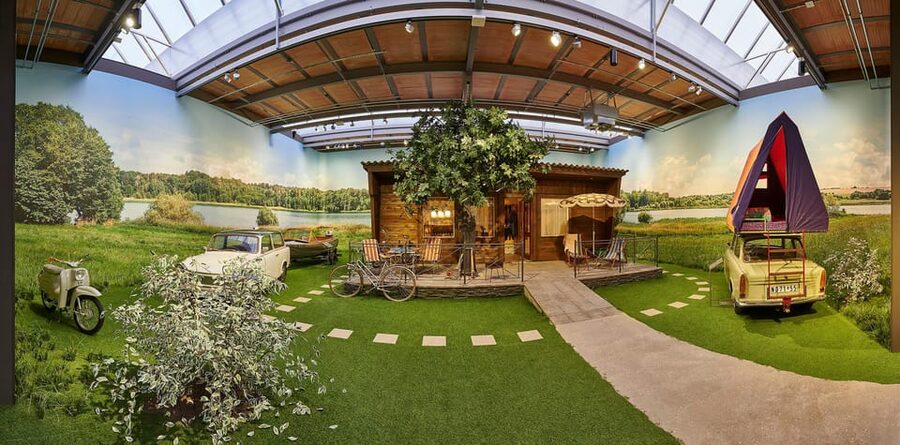
The collection continues through later production and ends with the present day. DKW and Trabant were produced in these halls, and Volkswagen remains present in Zwickau today.
That ending prevents the museum from becoming a purely historical stop. You see that Zwickau’s factories did not disappear when one brand or political system ended. Instead, production changed again, with Volkswagen carrying the city’s automotive role into the modern era.
The modern section also gives the older cars a clearer place in the story. A factory town is always adapting. Names, materials, ownership, and technology change, but the need for skilled work and large-scale production remains.
The museum describes Zwickau as the third biggest city in Saxony, and the exhibition links the city’s present identity to its manufacturing past. If you are already exploring Saxony, this is a useful way to understand a place that might otherwise seem like a stop between larger destinations.
How much time should you allow?
The ticket is valid for one day, and you should think of this as a substantial museum visit rather than a quick attraction. A visit of more than two hours is realistic if you want to watch films, study the cars, and follow the production story.
The large exhibition area gives you room to move at a comfortable pace. You can spend extra time with the racing displays, the Duroplast equipment, or the luxury cars, then move more quickly through sections that are less important to you.
A full day is not required for everyone, but the one-day validity gives you flexibility. If your schedule allows, you will not need to rush through the first half simply to reach the Trabant displays.
There is no guided itinerary to keep you moving. That is good news for independent visitors, families with different interests, and anyone who wants to linger over particular cars. It also means you should pay attention to the museum layout and manage your own time.
Is $17 good value?
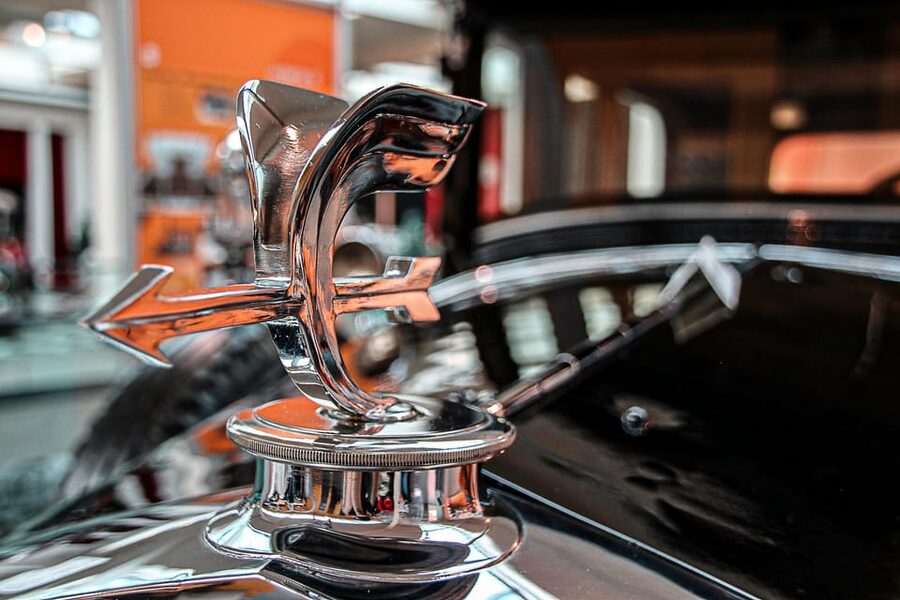
At about $17 per person, I consider this good value for the amount of material on display. You receive access to a large museum with roughly 160 major exhibits, many smaller objects, films, industrial equipment, and more than a century of automotive development.
The value is strongest if you enjoy museums that explain how things were made. The Duroplast production line adds something you cannot get from simply looking at a row of finished cars. The same is true of the factory setting and the links to DKW, Trabant, and Volkswagen.
The ticket does not include a guided tour, food, drinks, or transfers. Those exclusions are normal for an entrance ticket, but they matter when planning your day. You are paying for admission only, so arrange your own transport and refreshments.
The high rating of 4.9 from 30 published ratings fits the museum’s main strengths: the material covers a lot of ground, the racing displays include films, and the entrance fee gives you plenty to see. Still, the experience will be less satisfying if you want a personal guide or a short, tightly narrated tour.
Access, booking, and practical details
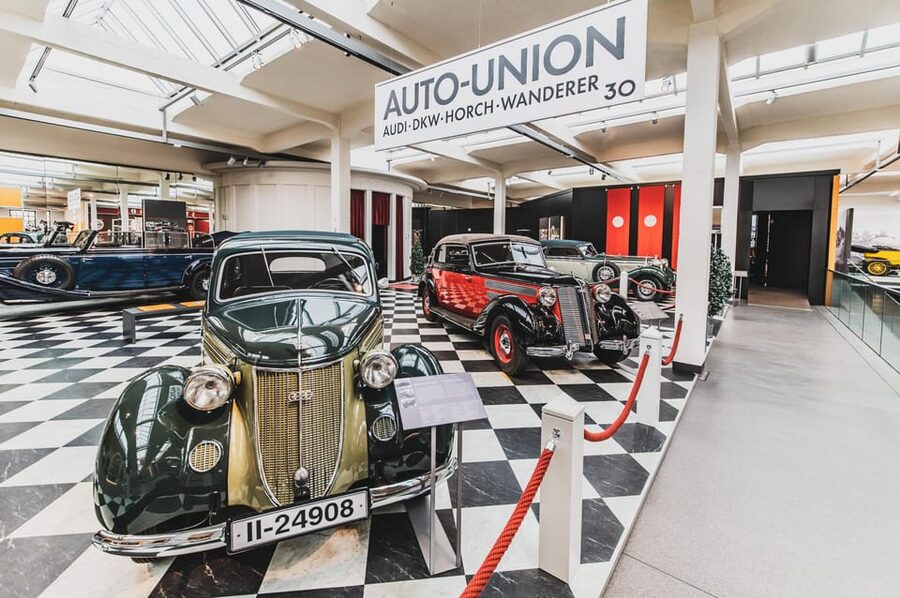
A printed voucher is required, so do not rely only on a phone confirmation unless the provider specifically tells you otherwise. The ticket is valid for one day, and you should check availability for the relevant starting times before booking.
The experience is described as a small group with a limit of 10 participants. Since this is an entrance ticket without a guided tour, the small-group detail may matter most at entry or during the scheduled access period rather than as a guided experience.
The exhibition is wheelchair accessible except for the August Horch Mansion. If full access to every part of the site is important to you, contact the museum before booking so you can plan around that limitation.
Pets are not allowed, although assistance dogs are permitted. Food and drinks are not included, and transfers to and from the museum are also your responsibility.
The booking terms are flexible. You can reserve now and pay later, and cancellation is free up to 24 hours before the scheduled visit for a full refund. That is useful if you are fitting Zwickau into a changing Saxony itinerary.
Who will enjoy the August Horch Museum most?
I would recommend this museum to anyone interested in German engineering, industrial history, design, or the social story behind everyday cars. It works particularly well for visitors who want more than a brand showroom.
Families may find the different eras helpful because the subject keeps changing. Early luxury cars, racing machines, the Trabant, factory technology, and modern Volkswagen production give younger visitors several entry points.
It is also a strong choice for anyone with an interest in East Germany. The Trabant section offers a concrete way to understand the limits and choices of that industrial system. You do not need prior knowledge to follow the story.
Car specialists may want more technical detail than the basic entrance visit provides. Since no guide is included, visitors seeking expert commentary should check separately for a guided option. The museum itself gives you plenty to examine, but the experience depends on your willingness to read and explore independently.
Should you book this museum ticket?
Book it if you want to understand why Zwickau matters to German automotive history, not just see a few famous cars. The combination of the original factory site, early Audi and Horch vehicles, 1920s luxury models, racing films, Trabant production equipment, and modern Volkswagen connections gives you a clear story from beginning to end.
At about $17, it offers strong value for a self-guided visit that can easily fill two hours or more. I would be especially keen to visit if the Trabant and Duroplast displays interest you, since that production material adds a rare factory-level detail.
Skip it only if you want a guided tour, a quick attraction, or a narrowly focused collection of one brand. For everyone else, the August Horch Museum is a practical and worthwhile stop in Saxony, with enough variety to keep the visit from becoming a simple parade of old cars.
FAQ
Where is the August Horch Museum located?
The museum is in Zwickau, Saxony, Germany, on the site of the first Audi factory.
What does the entrance ticket include?
The ticket includes entrance to the August Horch Museum.
Is a guided tour included?
No. A guided tour is not included with this ticket.
How long is the ticket valid?
The ticket is valid for one day. Check availability for the applicable starting times.
How much does admission cost?
The listed price is about $17 per person.
Do I need a printed voucher?
Yes. A printed voucher is required.
Is the museum wheelchair accessible?
The exhibition is wheelchair accessible except for the August Horch Mansion.
Are pets allowed?
Pets are not allowed. Assistance dogs are permitted.
Can I cancel the booking?
Yes. You can cancel up to 24 hours in advance for a full refund. You can also reserve now and pay later.
Just added in Germany
- Berchtesgaden: Via Ferrata Beginner Tour of Schützensteig★ 4.7 · 15 reviews
- Berlin: Energizing 2-Hour Morning Segway Tour★ 4.7 · 35 reviews
- Berlin: Thrilling E-Scooter Adventure Tour★ 4.4 · 66 reviews
- Bayreuth: German City Walking Tour (Tourist Info)★ 4.7 · 202 reviews
- Beelitz-Heilstätten: Baum&Zeit Tree Top Walk Entry Ticket★ 4.9 · 7 reviews
- Beer Bike & Party Bike: Unforgettable Berlin City Tour incl. pickup★ 5.0 · 5 reviews
- Bavaria: Beginner Canyoning Tour★ 4.5 · 10 reviews
- Bayreuth: Christmas city tour in German★ 4.9 · 12 reviews
Museums, compared.

Skip-the-Line: Berlin Wall Museum at Checkpoint Charlie
Read our review →
Browse the lists this tour appears in