
Reviewed · RICKSHAW & PEDICAB TOURS
Münster: Private Guided Sculptures Tour on a Rickshaw
Münster’s sculpture collection turns an ordinary city ride into an open-air art lesson. The works are spread through streets, parks, and courtyards, so a rickshaw lets you cover more ground while your guide explains why these pieces belong in the city.
I like the private format and the mix of art with local history. Guides such as Barbara and Beate have been praised for their friendly manner and clear background on the works. The ride itself also takes you to parts of Münster you might not notice on foot.
The main consideration is time. Ninety minutes gives you a useful introduction, but the city’s sculpture projects span decades and many artists. If you want long stops at every work, this tour may feel brisk.
Key points to know before booking
- The tour begins at the Old City Hall: Meet your guide beside the rickshaw in front of this historic building.
- The sculpture story began in 1977: Münster’s Sculpture Projects take place every 10 years, and works from each edition remain in the city.
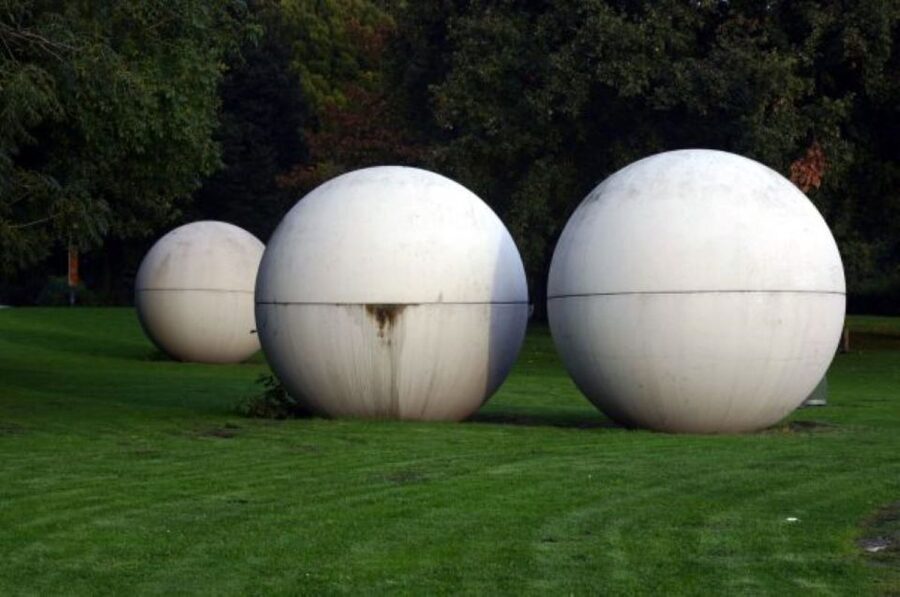
- You see major international artists: The route can include works connected with Donald Judd, Claes Oldenburg, Bruce Nauman, Rosemarie Trockel, and others.
- Your guide adds city context: The tour is not only about identifying sculptures. It connects the art to Münster’s past and changing city center.
- The experience is private: You can ask questions and keep the discussion focused on your interests.
- Bring suitable clothing: The ride takes place outdoors and runs in changing weather.
Why Münster is such a good city for public sculpture
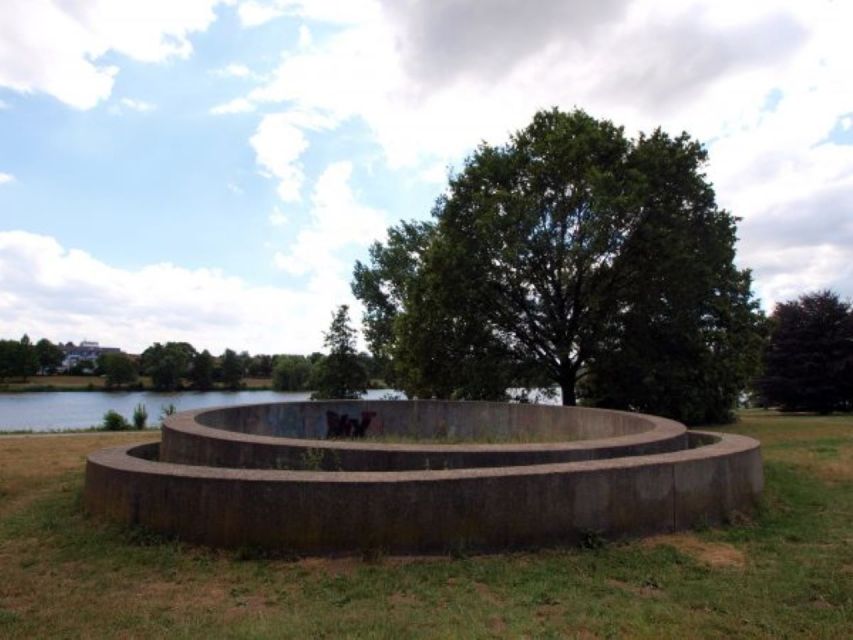
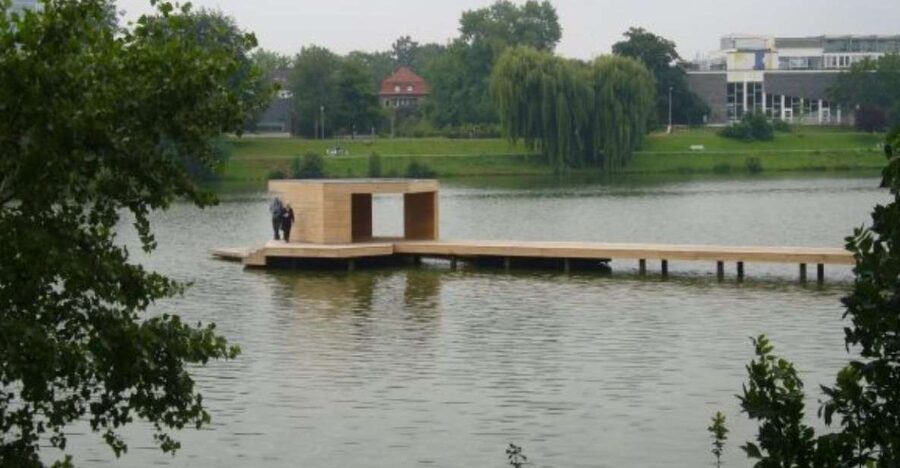
Münster’s sculpture tradition is unusual because it is not confined to one museum. The city itself is the setting. Art appears along public paths, in green spaces, beside streets, and in courtyards. You do not need to buy another museum ticket or spend the day moving between galleries.
The story begins with the Münster Sculpture Projects, first held in 1977. The event returns every 10 years, and selected works remain in Münster after each edition. That gives the city a changing collection with layers from different periods rather than one fixed style.
This matters when you see the art in person. A sculpture here is not simply an object in a white room. Its location affects how you read it. A piece beside a street may feel different from one placed in a park or tucked into a courtyard. Your guide can point out those connections while you are looking at the work, which is much more useful than trying to remember a list of artists later.
You will hear about artists including Bruce Nauman, Rosemarie Trockel, Claes Oldenburg, Donald Judd, Jorge Pado, Per Kirkeby, Ilya Kabakov, Thomas Schütte, Martha Rosler, and Daniel Buren. The range is broad. Some visitors will enjoy the visual surprise of seeing major modern works outdoors. Others may need the guide’s explanation to understand why a particular piece matters.
That is where this tour earns its place. It gives you a framework for the city’s art instead of leaving you to guess what you are looking at.
Other short rides around Munster:
- Münster: Private Guided Rickshaw City Tour
★ 4.8 · 143 reviews - Münster: Beer Tasting Rickshaw Tour
★ 4.7 · 56 reviews - Private crime city tour by rickshaw including guide
★ 5.0 · 21 reviews
Starting beside the Old City Hall
The meeting point is in front of the Old City Hall, where the guide will be next to the rickshaw. This is a practical starting place because the building itself gives the tour an immediate connection to Münster’s past.
Your guide begins with the city and the building before moving into the sculpture projects. The exact balance depends on the guide, but the experience is designed to combine a city tour with an art tour. You are not simply picked up and driven from one sculpture to another.
The Old City Hall also helps you get your bearings. If you are new to Münster, beginning at a major central landmark makes the meeting point easier to recognize. Look for the rickshaw and guide in front of the building rather than expecting an indoor check-in desk.
The guides named in the feedback include Barbara and Beate. Barbara has been praised for her friendly style and broad background on the sculptures, while Beate has received similar praise for making the subject enjoyable and explaining both the art and the places visited. The strongest pattern is clear: the guide is an important part of the experience.
That matters especially with modern sculpture. A guide who can explain the historical setting, the artist’s purpose, and the work’s role in the city can make an unusual piece much easier to appreciate.
Riding between parks, streets, and courtyards
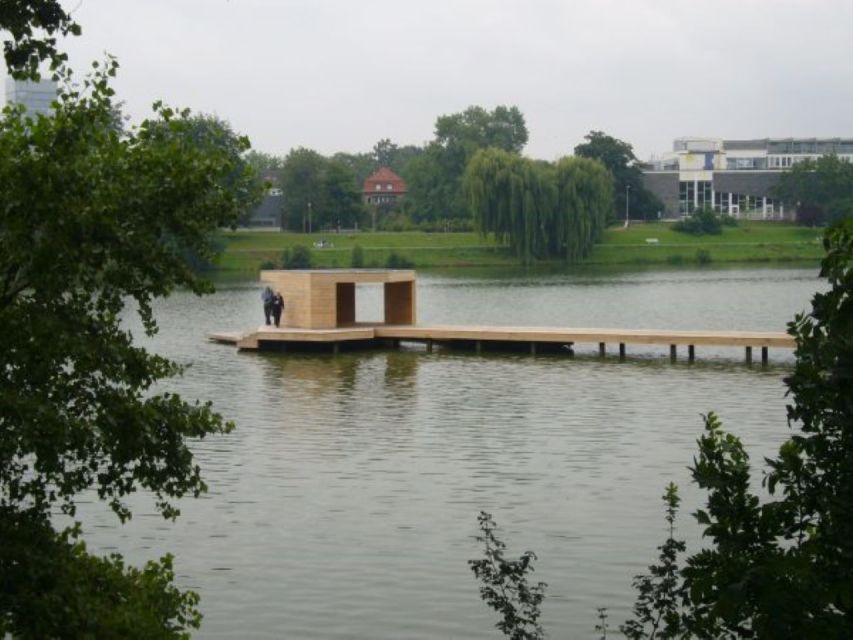
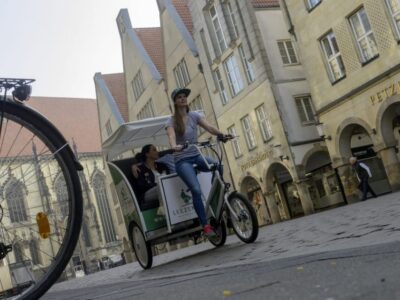
The rickshaw is more than a novelty. It changes the pace of the tour. You can cover parts of central Münster without the effort of walking between every stop, while still remaining close to the streets and public spaces around you.
The tour visits outdoor works in parks, streets, and courtyards. Since the individual route can depend on the guide and conditions, you should think of this as a guided survey rather than a fixed museum checklist. The goal is to see a selection of important works and understand how they fit into Münster.
I like this format for two reasons. First, you can look around while someone else handles the transport. Second, you see the relationship between the works and everyday city life. A sculpture encountered along a normal route can feel more memorable than one viewed in a room full of similar objects.
The tradeoff is that you may not spend a long time at each work. Ninety minutes is enough for an overview, but not enough for a slow, detailed examination of every artist named in the tour description. If one sculpture catches your attention, note its location and consider returning later on foot.
The rickshaw also keeps the group private. You are not sharing the guide with a large public crowd, and you can ask why a work was placed where it is or how the Sculpture Projects have changed Münster. That personal exchange is one of the best reasons to choose this format instead of reading a self-guided information panel.
The artists and ideas you will encounter
The artist list gives you a sense of the tour’s range. Donald Judd brings the clean, precise language of Minimalism. Claes Oldenburg is associated with oversized forms and everyday objects. Rosemarie Trockel and Martha Rosler add different perspectives from later contemporary art.
You may also see works connected with Bruce Nauman, Per Kirkeby, Ilya Kabakov, Thomas Schütte, Daniel Buren, and Jorge Pado. The experience is not built around one artistic movement. It shows how public sculpture in Münster has developed through different artists, materials, and ideas over time.
Do not expect every work to be instantly attractive. Some pieces may look simple, strange, or even out of place at first. That is part of the point. A good explanation can show how scale, location, materials, and public reaction all shape the meaning of a work.
The guide’s job is not just to name the artist. You want context about why the sculpture was selected, what it does in its setting, and how it connects with Münster’s wider project. The tour description specifically promises this link between the artworks and the city, and that is the detail that makes the outing useful for first-time visitors.
Families can also get value from the range of styles. One child may respond to a large or unusual form, while another may prefer the story of how the work ended up in the city. A family review described the children as enthusiastic, with the guide providing a friendly and capable introduction. The rickshaw ride adds movement, which can help keep younger visitors engaged during an art-focused activity.
A few more things to do in Munster worth a look
- Private Christmas Tour in Münster including Glühwein
★ 4.9 · 54 reviews - Münster Private Guided Walking Tour
★ 4.5 · 18 reviews - Münster: Private pub crawl with insider guide & free shots
★ 4.6 · 11 reviews - Berlin: Private Reichstag and Glass Dome Tour
★ 4.8 · 2,226 reviews
What the historical context adds
Münster is not presented as a backdrop for famous names. The city’s own story is part of the tour. Your guide explains local history while you move between the sculptures, so the experience has two threads running together.
One thread is the city’s past, beginning at the Old City Hall and continuing through the urban setting. The other is the modern story of the Sculpture Projects, which return every 10 years. The fact that works remain after each edition gives Münster an ongoing conversation between older buildings, daily life, and contemporary art.
This context helps you understand why the sculptures are in public places. They are not temporary decorations that vanish when an exhibition closes. Many become part of how residents and visitors move through the city. Some may be passed every day, while others reward a closer look.
You do not need a background in art history to enjoy the tour. In fact, the private format may be especially helpful if contemporary art is not normally your first choice. You can ask basic questions without worrying about slowing down a larger group, and the guide can adjust the explanation to your interests.
The feedback points to tours that are informative without feeling heavy. Descriptions such as interesting, entertaining, and easy to follow fit the experience better than a formal lecture. You should expect conversation and explanation while moving through the city, not an academic seminar.
Is 90 minutes enough for the price?
The tour costs $58 per person and lasts 90 minutes. That is not the cheapest way to see Münster, but you are paying for three things at once: a private guide, a rickshaw ride, and an organized introduction to a public art collection that would otherwise take research and careful navigation.
The value is strongest for couples, families, or small private groups who want personal attention. A standard walking route might cost less, but it would not cover the same ground in the same way. A museum visit might offer more time with individual works, but it would not show how the sculptures sit within the city.
The price makes less sense if you only want a quick ride or have no interest in public art. The sculpture theme is central, not a minor extra. You should also understand that 90 minutes is an introduction. You will see and discuss a selection of works, not complete a study of every project in Münster.
One useful approach is to schedule the tour early in your stay. It can help you identify places and artworks to revisit later. The ride also gives you a sense of the city’s layout, which can make later walking easier.
Availability depends on the starting time you select. The booking terms allow cancellation up to 24 hours before the activity for a full refund, and you can reserve now and pay later. Those options help if your Münster plans are still changing, but the important practical point is to check the available start times before you commit.
Who will enjoy this rickshaw tour most?
I would recommend it most strongly to:
- First-time visitors to Münster who want an overview of the city and its public art.
- Art lovers interested in seeing major contemporary works outside a museum.
- Families who want an art activity with a moving vehicle and a clear time limit.
- Older visitors or anyone who prefers not to walk continuously through the city.
- Couples and private groups who value the chance to ask questions without a large group around them.
- Visitors with limited time who want an organized introduction in 90 minutes.
You may want another option if you prefer long, quiet time with each sculpture or if you want a purely historical walking tour. This experience is designed around art, movement, and conversation. It is not a substitute for a full museum visit or a detailed architectural tour.
The private setting is a real advantage for mixed groups. One person can ask about the historical background while another asks about materials or the artist’s intentions. A German-speaking guide is available, as is an English-speaking guide, so confirm your preferred language when checking times.
Practical details for a smooth ride
Meet your guide in front of the Old City Hall, next to the rickshaw. Arrive with enough time to identify the vehicle and settle in before the departure time.
Wear clothing suited to the weather. The tour is outdoors, and the rickshaw does not turn the experience into an indoor activity. A light rain or cool wind can affect your comfort, so dress for the conditions rather than relying on the short duration.
The tour lasts 90 minutes, and the group is private. The exact number of people that fit in the rickshaw is not specified, so check directly if your party is larger than the usual small private group.
The tour is offered in German and English. The guide is included, as is the rickshaw ride. There is no separate museum admission listed as part of the activity, so think of the price as covering the guided outdoor experience.
The perfect day for this tour is one when you want to see a lot without rushing on foot. Keep your schedule flexible afterward if you think you may want to return to a favorite sculpture independently. The guide can introduce the works, but you may want extra time with the pieces that catch your eye.
Should you book the Münster sculpture tour?
Book it if you want a personal, easy-moving introduction to Münster’s unusual public art collection. The best parts are the private guide, the blend of city history and sculpture, and the chance to see works by artists such as Judd, Oldenburg, Trockel, Rosler, Nauman, and Buren in their public settings.
The main limitation is the 90-minute clock. You will get a well-shaped overview, not a complete tour of every work or a long discussion at each stop. At $58 per person, the experience is a good value for visitors who appreciate personal guiding and want to cover ground without a full walking tour.
I would choose it early in a Münster visit, especially for a first visit, a family outing, or a private group with different interests. If contemporary art leaves you cold, the price may be harder to justify. If you want to understand why Münster is known for sculpture beyond its museums, this rickshaw tour gives you a practical place to start.
FAQ
Where does the Münster sculpture tour begin?
The tour begins in front of the Old City Hall. Your guide will be standing next to the rickshaw.
How long does the tour last?
The tour lasts 90 minutes.
Is the tour private?
Yes. The activity is offered for a private group.
What languages are available?
The live guide is available in German and English.
What is included in the price?
The price includes the rickshaw tour and a guide.
How much does the tour cost?
The listed price is $58 per person.
Which artists can I see on the tour?
The tour can include works by Bruce Nauman, Rosemarie Trockel, Claes Oldenburg, Donald Judd, Jorge Pado, Per Kirkeby, Ilya Kabakov, Thomas Schütte, Martha Rosler, and Daniel Buren.
Where are the sculptures located?
The outdoor artworks are located in public parks, streets, and courtyards around Münster.
When did the Münster Sculpture Projects begin?
The Sculpture Projects began in 1977 and take place every 10 years. Works from each project have remained in Münster.
What should I bring?
Bring weather-appropriate clothing because the tour takes place outdoors.
Can I cancel the booking?
You can cancel up to 24 hours in advance for a full refund.
Do I have to pay when I reserve?
The reserve now and pay later option allows you to book your place without paying immediately.
Just added in Munster
- Private crime city tour by rickshaw including guide★ 5.0 · 21 reviews
- Münster Private Guided Walking Tour★ 4.5 · 18 reviews
- Münster: Private pub crawl with insider guide & free shots★ 4.6 · 11 reviews
- Münster: Old Town Historical Walking Tour by “Geo Epoche”★ 4.7 · 51 reviews
- Münster Old Town: Outdoor Escape Game★ 4.1 · 14 reviews
- Münster: Old Town Crime Mystery Tour★ 4.0 · 35 reviews
- Münster Escape Tour Kreuzviertel★ 4.2 · 8 reviews
- Münster: Beer Tasting Rickshaw Tour★ 4.7 · 56 reviews
Rickshaw & Pedicab Tours, compared.

Individual City Tour – Rickshaw Sightseeing in Berlin
Read our review →

Browse the lists this tour appears in