
Reviewed · HARBOUR & ELBE CRUISES
Hamburg: Speicherstadt Historical Guided Walking Tour
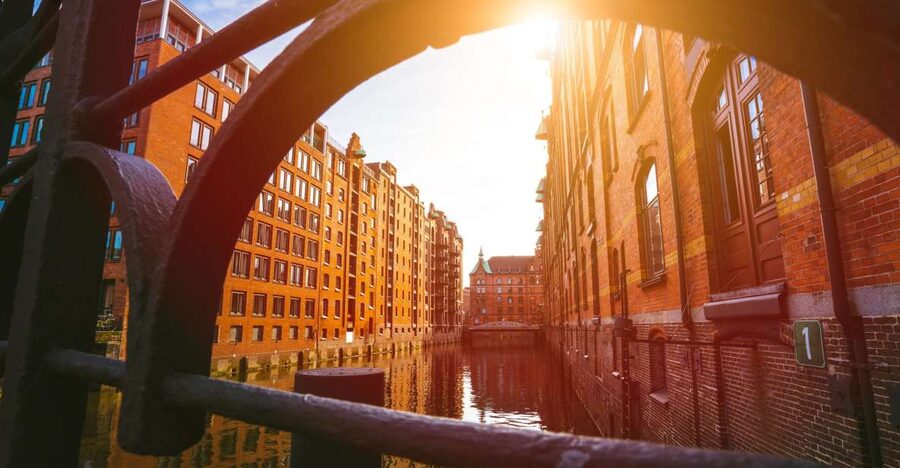
Hamburg’s Speicherstadt is more than a photogenic row of red-brick warehouses. It was built for trade, and this walking tour shows how coffee, carpets, and other duty-free goods helped turn Hamburg into a major commercial port. You’ll enter quiet courtyards and lesser-seen corners while a local historian explains how the district was formed and how it affected everyday life in the city.
I like the way this tour connects grand architecture with global trade, rather than treating the warehouses as a pretty backdrop. I also like the chance to hear a guide such as Paul or Jana add anecdotes and small historical details that are easy to miss on your own. The main drawback is clear: the tour is in German, covers 2 to 3 miles, takes place rain or shine, and finishes somewhere different from where it starts.
Key points at a glance
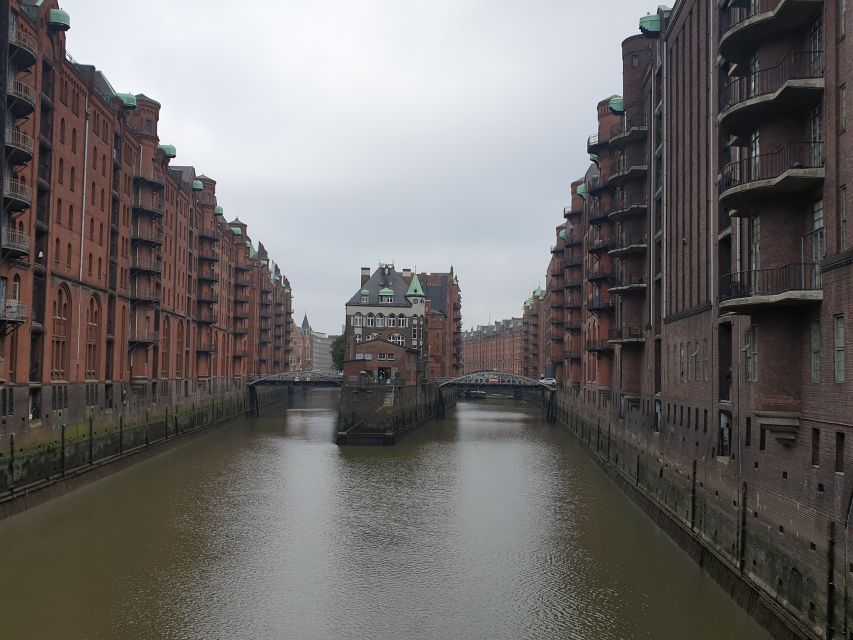
- Coffee and carpets shaped the story: Learn how duty-free goods moved through Hamburg’s warehouse district.
- UNESCO architecture with a purpose: The red-brick buildings, canals, courtyards, and alcoves were designed around trade.
- German-language guiding: Paul and Jana are among the guides associated with this experience, but the specific guide is not guaranteed.
- Two hours on foot: Plan for roughly 2 to 3 miles of walking, with no included transportation.
- Small-group feel may be possible: A recent tour with Paul offered extra information because the group was small.
- Practical but weather-dependent: Wear good shoes, bring water, and dress for changing conditions.
Why Speicherstadt deserves a closer look
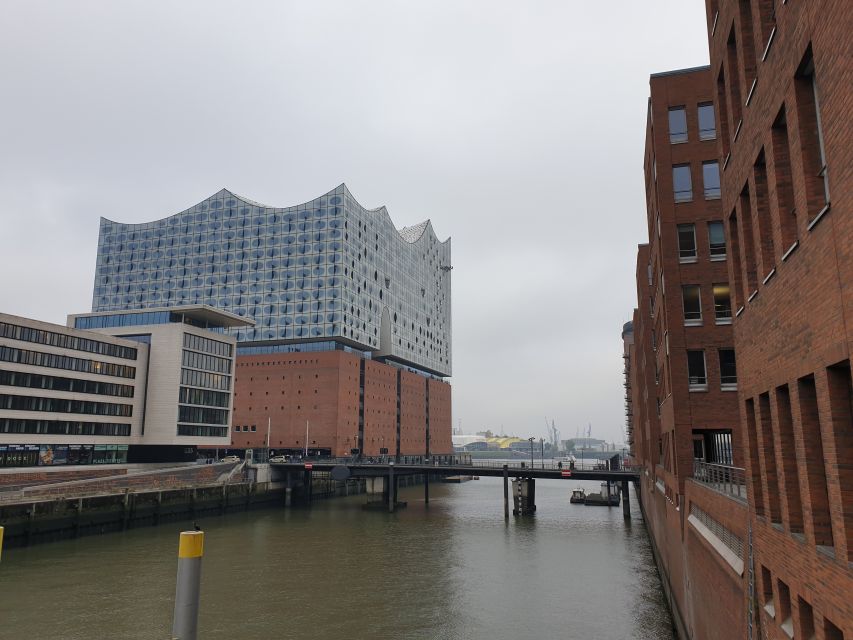
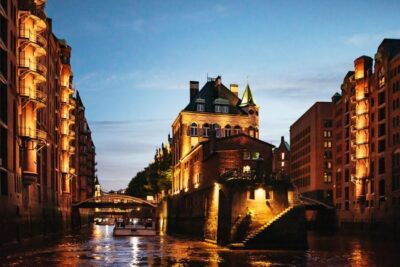
I find Speicherstadt most interesting when you stop seeing it as a collection of handsome brick buildings and start seeing it as a working machine. The district was created to store and trade imported goods, with warehouses arranged around waterways and access points that supported Hamburg’s commercial life.
That purpose explains the area’s unusual scale. The buildings are not ordinary homes or shops. They were built for storage, movement, and business, which gives the streets a different character from Hamburg’s regular historic quarters.
The tour focuses on how the district was established and how it changed the city’s economy. You’ll hear about goods such as coffee and carpets, including the role of duty-free trade. That detail helps connect local streets to larger economic forces. A sack of coffee in a Hamburg warehouse was not just a product waiting for sale. It was part of a system linking the port city to buyers and markets far beyond Germany.
I appreciate this kind of context because it gives the architecture a job to do. Without it, you may remember only brick facades and narrow waterways. With it, you can understand why the district was built in this particular form and why it mattered to local people.
Other time on the water in Hamburg:
- Hamburg: 1.5-Hour Harbor and Speicherstadt Day Cruise
★ 4.6 · 14,200 reviews - Hamburg: 90-Minute Evening Lights Harbor Cruise
★ 4.5 · 7,728 reviews - Hamburg: Elbphilharmonie Plaza Guided Tour
★ 4.7 · 5,882 reviews
Beginning the walk through the warehouse district
The exact starting point and route details should be checked when you book, but the experience is designed as a guided walk through Speicherstadt rather than a museum visit or a transport tour. You’ll spend the full two hours on foot, moving through the district and stopping at places where the guide can explain the buildings and their past use.
The pace should allow time to look up. Speicherstadt’s architecture rewards slow attention. Arched openings, tall walls, narrow passages, and tucked-away courtyards can be easy to pass if you are simply trying to reach the next attraction.
A historian-led walk also gives you a better chance to understand what you are seeing. The tour is not just about dates or building names. It covers the formation of the district, its trading role, and its economic effect on Hamburg. That makes it a useful first activity in the city if you want a framework for later sightseeing.
The downside is that this is not a flexible stroll. You need to stay with the group, and the route does not end where it begins. Keep the finish in mind when planning your next activity, especially if you have a timed reservation elsewhere.
Coffee, carpets, and the mechanics of trade

The most memorable part of the tour may be the connection between ordinary objects and international commerce. Coffee and carpets are easy to picture, which makes them useful examples as the guide explains how the warehouse district operated.
The focus on duty-free goods adds another layer. Trade rules were not an abstract matter for Hamburg. They helped determine which products passed through the district and how the city made money from its position as a port and business center.
I like tours that explain economics through physical places. Here, the warehouses give you something concrete to study while you learn. A doorway, a loading area, or a quiet inner court can prompt a discussion about storage, sales, and the flow of goods.
The tour also looks at how Speicherstadt affected Hamburg’s locals. That matters because big trading districts can bring wealth and jobs while also changing how a city works. The guide’s job is to show that economic story at street level, not simply repeat that Hamburg became important through trade.
Do not expect food tastings or market browsing as part of the experience. Food and drinks are not included, and this is a history walk. If you want coffee during the outing, you will need to arrange it separately before or after the tour.
Courtyards and quiet corners

The route includes courtyards and less obvious corners of Speicherstadt. These spaces are valuable because they let you see the district away from its best-known views.
From a practical point of view, quiet spaces also make it easier to listen. A guide can point out architectural details and explain their purpose without competing with the busiest parts of the city. You may find that these pauses become more useful than a quick photo stop along a main street.
The buildings are the main visual reward, but the pauses give the tour its rhythm. You walk, stop, look, and listen. The guide can add an anecdote, then connect it back to the larger story of trade and urban change.
This is also where a good guide makes a difference. Paul is described as bringing enthusiasm, humor, and extra information to the route. Jana is also associated with a clear and informative walk, stopping at several points to explain what you are seeing. Since guides can vary, you should treat those names as examples rather than a promise of who will lead your group.
One light touch associated with Paul’s guiding is planning a public toilet stop into the route. That may sound like a small thing, but it shows practical awareness during a two-hour walk. It is the sort of detail that can make a long outdoor outing more comfortable.
Other history to see in Hamburg:
- The Local Tour of Hamburg Historic Centre
★ 5.0 · 1,058 reviews - Hamburg: Historical Tour of the St. Pauli Sex Work District
★ 4.4 · 215 reviews - Hamburg: UNESCO-World Heritage Sites Tour
★ 4.7 · 137 reviews - German Hamburg Historic City Center Pay-What-You-Want Tour
★ 4.8 · 80 reviews
Architecture best understood on foot
Speicherstadt’s architecture is impressive from a distance, but the details make more sense at walking speed. You can examine the scale of the warehouses, move through narrow spaces, and see how the district changes from broad views to enclosed passages.
I like the way this setting turns history into something physical. You are not sitting in a room looking at old photographs. You are standing among the buildings that carried out the work being discussed.
The tour’s UNESCO World Heritage status is a useful starting point, but the label alone should not be the main reason to book. The real value comes from learning why the area earned such attention and how its design reflects its former role.
The route is not designed for people who want a short, effortless photo walk. Two to 3 miles can feel easy in good weather and more demanding in cold rain. The surface and route details are not specified, so anyone with mobility concerns should take the stated warning seriously. This experience is not suitable for people with mobility impairments.
The guide and the language matter
This tour is conducted in German. That is the single most important booking decision, because the experience depends on spoken explanation. If you understand German well enough to follow a historical talk outdoors, you can gain much more than you would from looking at the buildings alone.
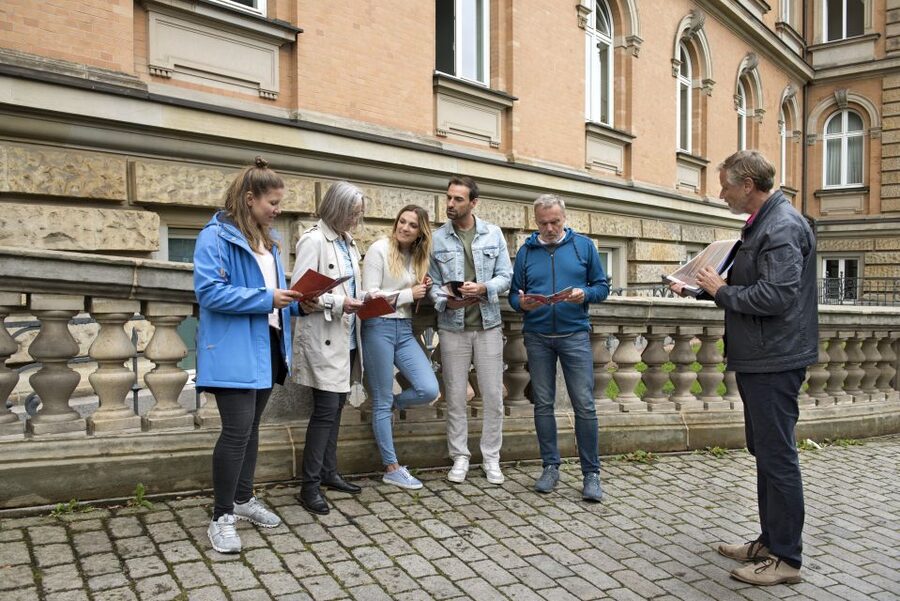
If you do not speak German, this is probably not the right choice for you. The tour brochure may provide a useful reference, but it does not replace a live explanation of the district’s formation, trade, and economic effect.
The guide style appears to include facts, anecdotes, and humor. Paul’s approach is described through lively explanations and extra information, while Jana’s walk is associated with clear stops and detailed interpretation. The strongest praised feature is not a single landmark. It is the guide’s ability to make the district understandable and enjoyable.
A small group can improve the experience. It gives you a better chance to hear the guide and ask questions, and it can make pauses feel less rushed. Group size is not guaranteed, so I would not book solely on the expectation of an intimate tour.
Is $29 a fair price?
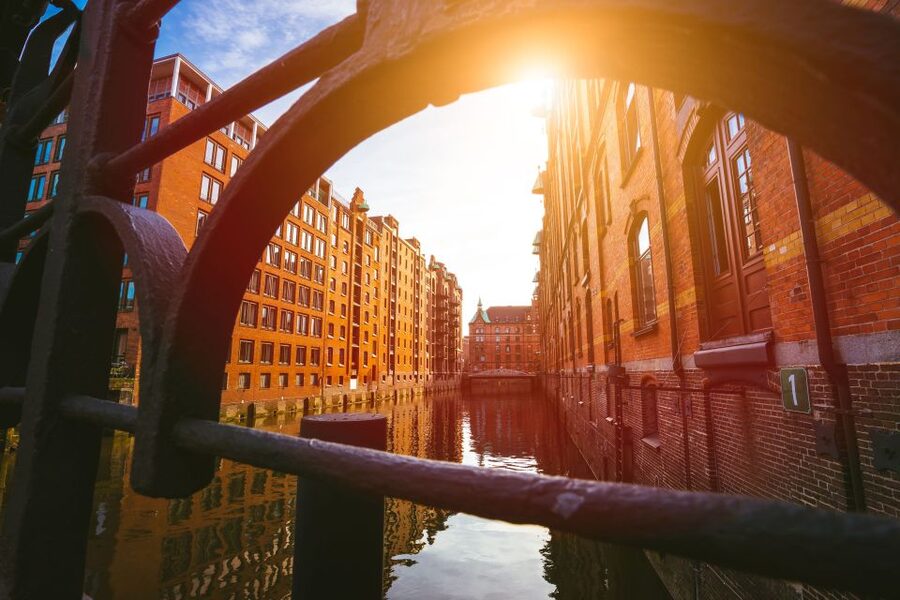
At $29 per person, I consider this a reasonable price if you want historical interpretation rather than a simple walk through Speicherstadt. You are paying for two hours with a local historian, a planned route, and context that can be difficult to assemble on your own.
The value is strongest for first-time visitors who want to understand Hamburg’s trading past. You will cover a fair amount of ground, see the district’s architecture from several angles, and learn how goods and economic policies shaped the city.
The price is less appealing if you only want photographs or prefer to explore at your own pace. Speicherstadt can be walked without a guide, and the tour does not include food, drinks, or transportation. The brochure is included, but the main product is the guide’s explanation.
I would also compare this cost with your available time. Two hours is long enough for a proper introduction but short enough to fit into a day of sightseeing. Because the walk finishes in a different place, you may save time by planning your next stop in the same general part of Hamburg.
Weather, shoes, and route planning
The tour runs rain or shine. That is manageable if you prepare, but it should affect your choice of clothing. Bring a waterproof layer or other weather-appropriate clothing, and wear comfortable shoes with enough support for 2 to 3 miles.
Bring water, especially if you are taking the tour in warmer weather. In colder months, plan for the possibility of stopping briefly somewhere warm. A recent outing took place in cool conditions, and the group used a few places to warm up before completing the route.
There is no included transportation, so arrive ready to walk from the start and make your own way onward at the end. Pets are not allowed.
The route may suit active visitors who enjoy seeing a district in detail. It is less suitable if you need frequent seating, want an indoor activity, or have a tight schedule immediately after the tour.
Who will get the most from this walk?
I would recommend it most to visitors who:
- Want the story behind Hamburg’s warehouse district, not just its appearance
- Understand German and enjoy live historical commentary
- Like walking tours that mix architecture, trade, and local economic history
- Are comfortable walking 2 to 3 miles outdoors
- Want a two-hour introduction that can shape the rest of a Hamburg visit
It is also a good fit for anyone interested in how cities grow through commerce. The examples of coffee and carpets keep the subject practical, while the warehouses make the economic story easy to picture.
I would hesitate to recommend it to someone looking for an English-language tour, a short stroll, or a fully indoor plan. The weather policy, route length, and German-only format are not minor details. They determine how much you will get from the experience.
Should you book the Speicherstadt walking tour?
Book it if you want Hamburg’s famous warehouse district explained by a local historian in German. The strongest reasons are the link between architecture and trade, the focus on coffee and carpets, and the chance to see courtyards and quieter corners that you might pass without context.
The tour is especially good value for a first visit, when you need a clear sense of why Speicherstadt matters. Guides such as Paul and Jana bring the facts to life with enthusiasm, humor, and practical stops, though the assigned guide can vary.
Skip it if you need English, cannot comfortably manage several miles on foot, or want an outing with included refreshments and transportation. For the right visitor, $29 buys a useful and engaging explanation of one of Hamburg’s most important districts, not just a walk past attractive brick buildings.
FAQ
How long does the Speicherstadt walking tour last?
The tour lasts two hours.
What language is the tour conducted in?
The live tour is conducted in German.
How far will I walk?
The tour includes approximately 2 to 3 miles of walking.
Does the tour return to its starting point?
No. The tour does not end where it begins, so plan your onward route accordingly.
What should I bring?
Bring comfortable shoes, weather-appropriate clothing, and water.
Does the tour run in bad weather?
Yes. The tour takes place rain or shine.
Are food and drinks included?
No. Food and drinks are not included in the tour price.
Are pets allowed on the tour?
No. Pets are not allowed.
Is the tour suitable for people with mobility impairments?
No. The experience is not suitable for people with mobility impairments.
Can I cancel for a full refund?
Yes. You can cancel up to 24 hours in advance for a full refund. You can also reserve now and pay later.
More walking tours in Hamburg
- Hamburg: Guided Walking Tour for Magic Fans
★ 4.8 · 1,992 reviews - Reeperbahn Walking Tour with St. Pauli Local
★ 4.8 · 577 reviews - Hamburg: Speicherstadt Walking Tour with Coffee Tasting
★ 4.6 · 360 reviews - Hamburg: Crimes of St. Pauli Guided Walking Tour
★ 4.6 · 265 reviews
Just added in Hamburg
- Hamburg: Historical Tour of the St. Pauli Sex Work District★ 4.4 · 215 reviews
- Hamburg: St. Pauli Food and Bier Tour★ 4.7 · 5 reviews
- St. Pauli Tour: Drag-Attack with Barbie Stupid & Lee Jackson★ 4.8 · 280 reviews
- Hamburg: Private Tour Red Light District Walking Tour★ 4.7 · 227 reviews
- St. Michael’s, Elbe Tunnel & Harbor 2-Hour Hamburg Tour★ 4.9 · 21 reviews
- Satt Pauli – der kulinarische Rundgang durch St. Pauli★ 4.8 · 12 reviews
- Hamburg: Safari tour in St. Pauli★ 4.9 · 11 reviews
- Radtour um die Alster & durch traumhafte Alsterviertel★ 4.9 · 34 reviews
Harbour & Elbe Cruises, compared.
1.5-Hour Harbor and Speicherstadt Day Cruise
Read our review →
1-Hour Harbor Sightseeing Cruise with HafenCity
Read our review →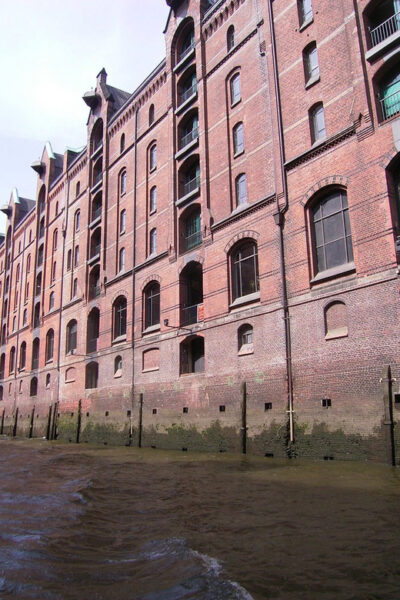
Elbphilharmonie Plaza, Highlights & Surroundings
Read our review →
Elbphilharmonie Plaza and HafenCity Food Tour
Read our review →
Browse the lists this tour appears in