
Reviewed · HISTORICAL TOURS
Hamburg: UNESCO-World Heritage Sites Tour
Hamburg’s most revealing walk links two very different faces of the city: the sharp, angular Chilehaus and the long red-brick warehouses of Speicherstadt. I like that the route shows how Hamburg grew from a Hanseatic trading center into a modern port city without treating its buildings as empty museum pieces.
I also like the practical details: old rope winches, carpet storage, spice samples, and photographs help explain how the port worked. Guides such as Albert bring plenty of information, clear speech, and a steady pace. The main consideration is language: this is a German-speaking tour, and the short ferry trip runs only on Saturdays.
Key things to know before you go
- Chilehaus and Sprinkenhof reveal how Hamburg’s office districts grew around trade, shipping, and international business.
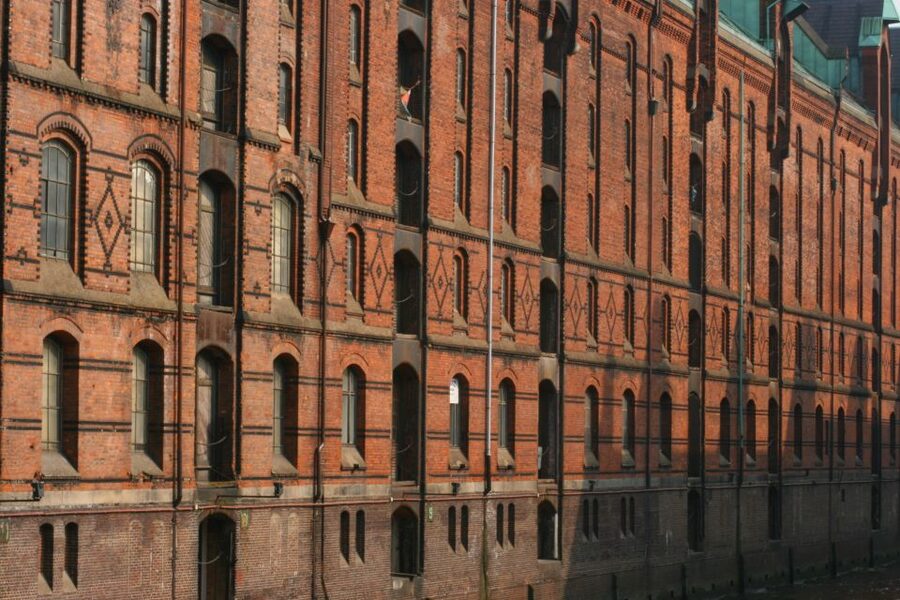
- Speicherstadt’s red-brick warehouses show where goods were stored before moving through the port.
- Spices, photographs, rope winches, and carpet storage turn architecture into a story about work and commerce.
- The route ends at Magdeburg Harbour, near the International Maritime Museum and modern Überseequartier.
- A short ferry ride is available on Saturdays only, so do not count on it for every departure.
- The two-hour length and $18 price make this a useful first look at Hamburg’s central port districts.
Why this two-hour Hamburg walk works
This tour makes sense because Hamburg’s UNESCO World Heritage area is best understood on foot. The city’s Kontorhäuser and Speicherstadt sit close enough together for you to see the connection between business, storage, shipping, and urban design in a single outing.
You begin near Jacobikirche, at the corner of Bugenhagenstraße and Barkhof. From there, the route heads toward the old office quarter and then continues through the warehouse district toward Magdeburg Harbour. The distance is manageable within two hours, but you should still wear comfortable shoes. You will be walking outdoors in all weather.
The guide does more than point out handsome facades. You hear about clerks, money-counting tables, goods, shipping firms, and the daily work that supported Hamburg’s international trade. That practical angle gives the buildings a purpose. The tour is not only about looking up at brick and stone.
The price is $18 per person, a modest sum for a live, two-hour city walk. You are paying for a German-speaking guide and a focused route through some of Hamburg’s most important historic districts. If you already know the city well, the tour can still add useful detail, especially through the objects and images used during the explanation. If you want a full port cruise or entry into several museums, this is not that kind of outing.
Other history to see in Hamburg:
- The Local Tour of Hamburg Historic Centre
★ 5.0 · 1,058 reviews - Hamburg: Historical Tour of the St. Pauli Sex Work District
★ 4.4 · 215 reviews - German Hamburg Historic City Center Pay-What-You-Want Tour
★ 4.8 · 80 reviews
Starting at Jacobikirche and entering Hamburg’s business quarter
The meeting point is Jacobikirche, at the corner of Bugenhagenstraße and Barkhof. This is a practical central starting place, but you should check the exact corner before the tour begins so you are not searching the nearby streets at the last moment.
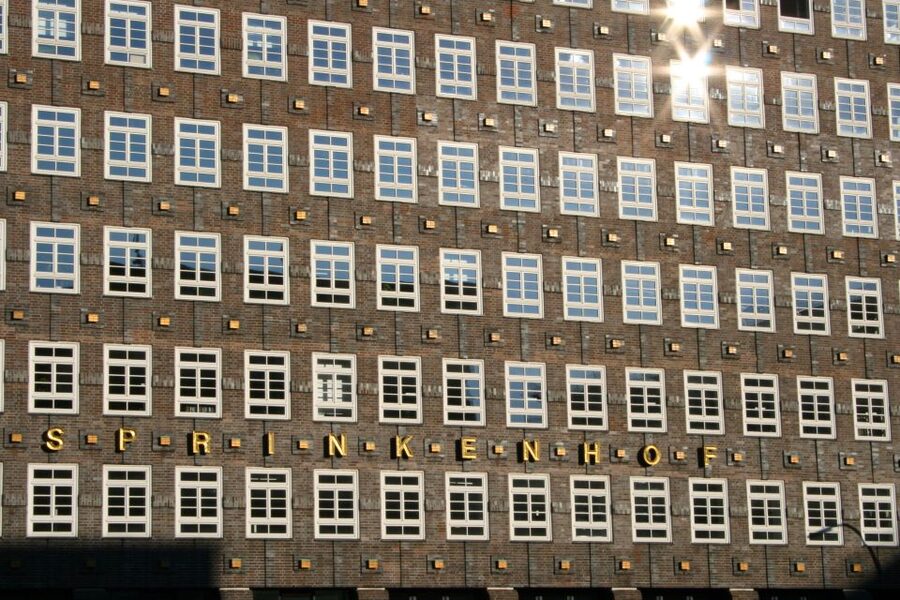
The early part of the walk focuses on the Kontorhäuser, Hamburg’s large office buildings built for trade and commerce. These structures tell a different story from the warehouses. Speicherstadt held goods, while the Kontorhäuser housed the companies, clerks, records, and financial work behind the goods.
That distinction is one of the strongest parts of the experience. You are not simply looking at a famous district and hearing dates. You are given a picture of how business was organized: clerks working at desks, money being counted, and firms managing connections that reached far beyond northern Germany.
Sprinkenhof and the scale of the Kontorhäuser
Sprinkenhof is one of the major stops early in the walk. Its large scale helps you understand the ambition of Hamburg’s commercial center. The building is part of the story of economic growth, and the guide explains how these offices reflected the city’s role in worldwide trade.
The useful thing here is the change in scale. A warehouse can feel like a container for goods, but a Kontorhaus feels like an institution. It represents a company, a workforce, and a network of business dealings. You can begin to picture the paperwork and decisions that moved goods long before modern digital systems.
The guide’s delivery matters in this part of the tour. Information about architecture and commerce can become dry if it is rushed or presented as a list. Albert, one of the guides associated with this experience, is described as clear, engaged, and easy to hear, with a pace that works well for a walking group. Those traits are especially useful here, where several buildings can look similar at first glance.
Chilehaus, Hamburg’s sharp-edged landmark
Chilehaus is the architectural star of the route. Its pointed form gives the building an almost ship-like profile, making it easy to see why it has become one of Hamburg’s best-known office buildings.
The guide places the building in the wider story of Hamburg’s trade and international links. Its name and design connect the city’s business world with overseas commerce, while its brick construction ties it visually to the older warehouse district nearby.
I like this stop because it brings together architecture and economics. You can admire the dramatic angles, brickwork, and changing views around the building, then connect those features with the business culture that produced them. It is a better way to see Chilehaus than simply arriving, taking a photograph, and moving on.
Give yourself a moment to look at the contrast between the crisp geometry of the Kontorhaus and the more repetitive walls of Speicherstadt. The difference is not accidental. One district was built for office work and representation, while the other was designed for storage and movement of goods.
Same base, a different kind of day out:
- Hamburg: Sex and Crime in St. Pauli Tour for Ages 18+
★ 4.7 · 15,447 reviews - Hamburg: 1.5-Hour Harbor and Speicherstadt Day Cruise
★ 4.6 · 14,200 reviews - Hamburg: 90-Minute Evening Lights Harbor Cruise
★ 4.5 · 7,728 reviews - Hamburg: 2-Hour XXL Port of Hamburg Cruise Tour
★ 4.7 · 6,979 reviews
Meßberg and the working city behind the facades
At Meßberg, the tour continues the shift from office architecture to the working life of the city. This part of Hamburg can look polished today, but the route keeps attention on the people and systems that made the port function.
You hear about the clerks and money-counting tables connected with the Kontorhäuser. Those details help you understand that the city’s commercial success depended on ordinary office work as much as on ships and warehouses.
The tour also uses photographs and samples of spices to explain port activity. That is a small but effective touch. A visual image can show the size or arrangement of a building, while a spice sample gives you a more direct sense of the goods that passed through Hamburg.
If you prefer tours with a lot of personal storytelling or long stops inside buildings, you may find this section more observational. The supplied information describes a sightseeing walk, not an interior tour of every structure. Much of the value comes from the guide’s explanation as you stand in the streets.
Speicherstadt and its red-brick warehouse channels
The route then reaches Speicherstadt, Hamburg’s famous warehouse district. The red-brick facades, canals, bridges, and long rows of storage buildings create a strong visual change from the office quarter.
This is the part most people picture when they think of Hamburg’s historic port. The tour gives you more than the standard view, though. You hear how the warehouses were used, including details about carpet storage and old rope winches. These objects show the physical work behind the elegant facades.
Carpet storage is a particularly useful detail because it makes the warehouse system easier to picture. Goods were not simply left in a building and forgotten. They had to be lifted, stored, checked, and moved onward. Rope winches point to the equipment that made that work possible before modern handling systems.
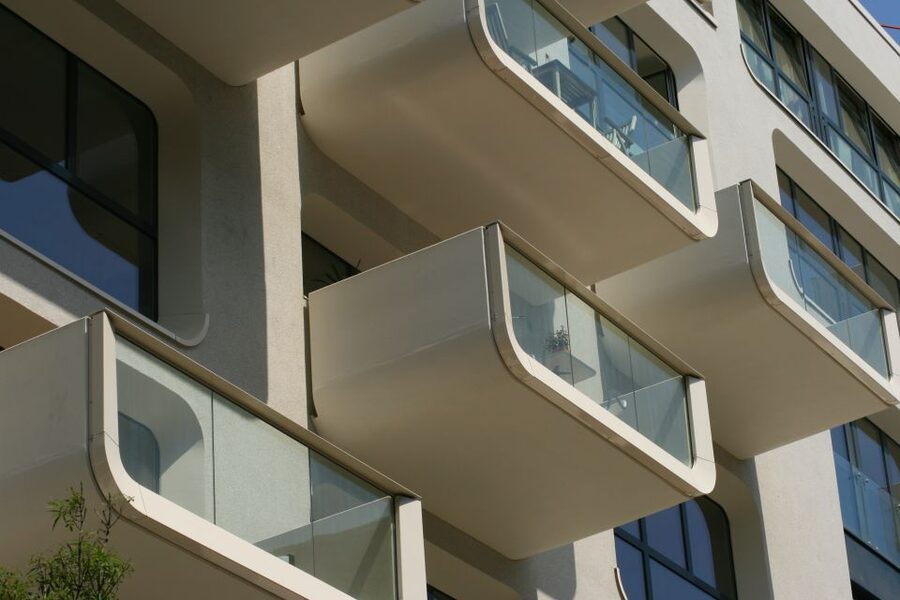
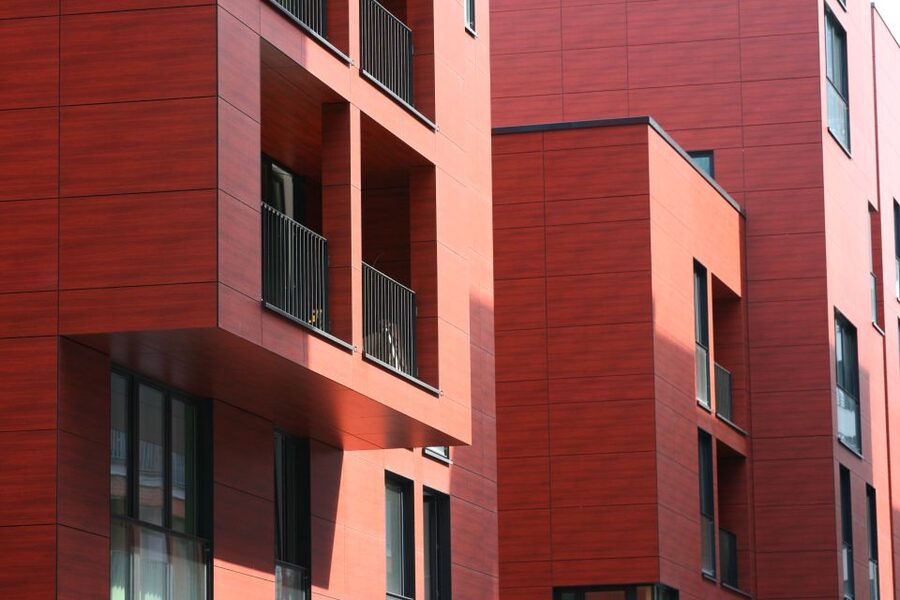
The guide also explains the contrast between the old brick buildings and newer architecture around them. Hamburg did not freeze the port district in one period. New promenades and contemporary construction sit beside the historic warehouses, producing a city view that keeps changing as you walk.
Dar es Salaam Square and Hamburg’s overseas connections
Dar es Salaam Square adds another layer to the port story. The name points toward Hamburg’s overseas connections, and the stop helps widen the discussion beyond local streets and buildings.
The tour presents Hamburg as a city shaped by long-distance trade. That does not mean you get a full history course in two hours, but you do get a clear framework: office buildings handled business, warehouses held goods, and the port connected Hamburg to places far beyond Germany.
This is also a good point to pay attention to the views and surrounding architecture. The route is not limited to old brick. You see modern dock promenades, newer buildings, and parts of the riverfront setting as the walk continues toward Magdeburg Harbour.
Ending at Magdeburg Harbour
The tour finishes at Magdeburg Harbour, an area that brings together historic port functions and newer urban development. The International Maritime Museum is one of the important buildings in this area, along with the modern Überseequartier.
Ending here gives the walk a clear shape. You start with office buildings tied to Hamburg’s commercial rise, move through warehouses that stored imported goods, and finish in a harbor district that shows the city’s continuing relationship with the water.
The ending point is useful if you want to continue exploring on your own. You can use the surrounding area as a springboard for more harbor sightseeing or a museum visit, though the tour itself does not include museum admission.
The Saturday ferry detail
A short ferry trip is available on Saturdays only. That can add a welcome change from walking and give you another view of Hamburg’s port setting, but you should treat it as a schedule-dependent extra rather than a standard feature of every tour.
If the ferry matters to you, check the departure date before booking. A weekday or non-Saturday outing still covers the main walking route, but it will not offer the same short ride on the water.
The ferry detail also shows why timing matters. This is not a general harbor cruise with a long ride and broad commentary. It is a brief part of a walking experience, designed to add another angle on the port.
Pace, weather, and the German-language format
The tour lasts two hours, which is long enough for a useful introduction without taking up an entire day. The pace is described as manageable, and clear speech is an important advantage when the guide is explaining architecture outdoors.
The only language offered is German. If you understand German well, you can expect a live explanation rather than an audio guide or printed walk. If you do not understand German, this is not the right choice, even if you are mainly interested in taking photographs.
Plan for changing weather. The walk operates in all weather, so bring clothing suited to Hamburg’s conditions. The route includes streets, open areas, and waterfront sections. Comfortable shoes and a waterproof layer are sensible choices, even if the forecast looks calm when you leave.
Because this is a guided outdoor walk, your experience can also depend on how well you can hear. Staying reasonably close to the guide is useful, especially near traffic, open squares, or waterfront areas.
Who will get the most from this tour
I would choose this tour if you want a compact introduction to Hamburg’s architecture and port history. It suits first-time visitors who want to understand what they are seeing before exploring Speicherstadt on their own.
It is also a good fit for people who like buildings with a working purpose. You get the story of offices, storage, goods, and shipping rather than only a list of architectural styles.
The tour may appeal to repeat visitors too. One strong feature is the level of detail available in the explanations. A person who already knows central Hamburg can still hear new material about the city’s development, particularly through the working details and trade connections.
You may want something else if your priority is a long boat ride, museum interiors, or a tour in English. You should also allow extra time afterward if you want to visit the International Maritime Museum or explore the harbor area in greater depth.
How the $18 price compares with the experience
At $18, this is an easy tour to fit into a Hamburg itinerary. The price is reasonable because the route covers several major areas and includes a live guide for two hours.
The value is strongest if you use the walk as an orientation. Once you understand the difference between Kontorhäuser and Speicherstadt, later visits to Chilehaus, the warehouses, or the harbor make more sense. You can look at the buildings with a clearer idea of what happened inside them.
The price is less compelling if you only want a quick photo stop at Chilehaus. You can see the exterior without booking a tour. The added value comes from the connections between buildings, trade, workers, and port systems.
Free cancellation up to 24 hours before the start and the option to reserve without paying immediately make the booking flexible. Still, check the starting time and the Saturday ferry detail before committing to your plan.
Should you book the UNESCO World Heritage Sites Tour?
Book it if you want a well-priced, German-language walk that explains Hamburg through its office buildings, warehouses, and port connections. The route is short, focused, and full of concrete details, from carpet storage to spice samples and rope winches.
I would especially recommend it for visitors who want more than attractive red-brick facades. You will come away with a better sense of the people and business systems behind Hamburg’s historic districts.
Skip it if you need English commentary, a full harbor cruise, or extensive indoor sightseeing. If you are visiting on a Saturday and like the idea of adding a short ferry ride, the timing may make the tour even more appealing.
FAQ
How long does the Hamburg UNESCO World Heritage Sites Tour last?
The walking tour lasts two hours.
Where does the tour begin?
It begins at Jacobikirche, at the corner of Bugenhagenstraße and Barkhof.
Where does the tour finish?
The tour finishes at Magdeburg Harbour.
What language is the tour conducted in?
The tour is conducted in German with a live German-speaking guide.
Is the ferry ride included on every tour?
No. The short ferry trip is available only on Saturdays.
What should I wear for the tour?
The tour operates in all weather conditions, so dress appropriately for the forecast and wear comfortable clothing for an outdoor walk.
Just added in Hamburg
- Hamburg: Historical Tour of the St. Pauli Sex Work District★ 4.4 · 215 reviews
- Hamburg: St. Pauli Food and Bier Tour★ 4.7 · 5 reviews
- St. Pauli Tour: Drag-Attack with Barbie Stupid & Lee Jackson★ 4.8 · 280 reviews
- Hamburg: Private Tour Red Light District Walking Tour★ 4.7 · 227 reviews
- St. Michael’s, Elbe Tunnel & Harbor 2-Hour Hamburg Tour★ 4.9 · 21 reviews
- Satt Pauli – der kulinarische Rundgang durch St. Pauli★ 4.8 · 12 reviews
- Hamburg: Safari tour in St. Pauli★ 4.9 · 11 reviews
- Hamburg: Reeperbahn Comedy Club★ 4.3 · 53 reviews
Historical Tours, compared.
City History Canal Sightseeing Tour on a Motorboat
Read our review →

Browse the lists this tour appears in