
Reviewed · MUSEUMS
Hamburg: Emigration Museum BallinStadt Entry Ticket
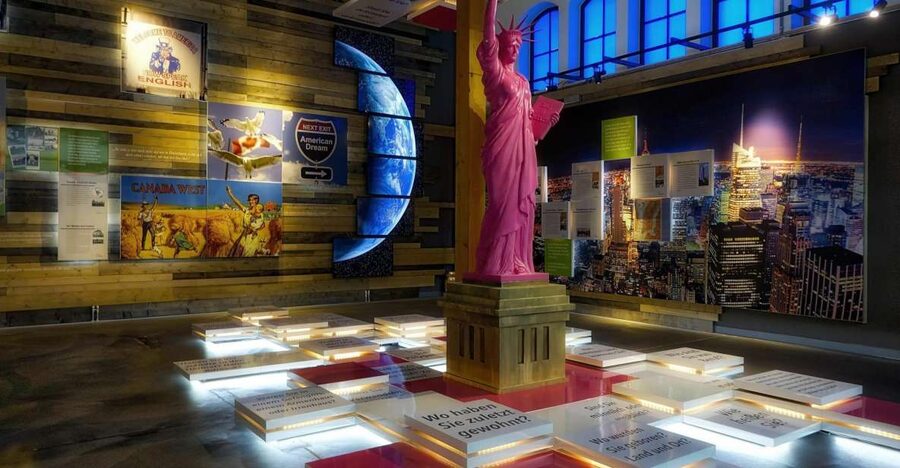
Hamburg’s BallinStadt museum tells the human story behind the city’s nickname, gateway to the world. Millions of Europeans passed through Hamburg hoping to start again across the Atlantic, and the museum makes that long journey feel personal through artifacts, reconstructed settings, and first-person migration stories. I especially like the clear, lively presentation of an important subject and the chance to research your own family history on site.
I also like that the ticket gives you time to explore three different exhibition spaces rather than rushing through a single display. The main drawback is that this is a self-guided museum visit, so you should not expect a dedicated guide or a fixed tour schedule. Some displays may also feel emotionally heavy, since they deal with poverty, separation, uncertainty, and the hard choices behind emigration.
Key points to know before you go
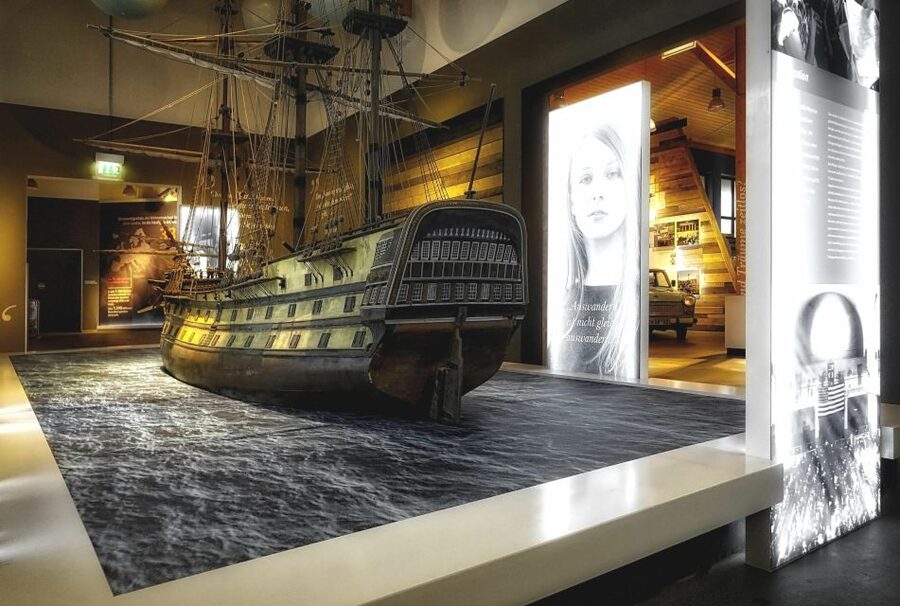
- Three exhibition areas: See Port of Dreams, World in Transit, and a changing specialty exhibition.
- Hamburg’s emigration story: Learn how the city handled millions of European emigrants from the 16th century onward.
- Albert Ballin’s role: Follow the story of the man associated with Hamburg’s emigration facilities and the museum’s name.
- Family-history research: Use the museum’s research station and a major genealogy database to investigate your own roots.
- Passenger-ship perspective: Get a sense of what travel to the New World meant for people leaving Europe.
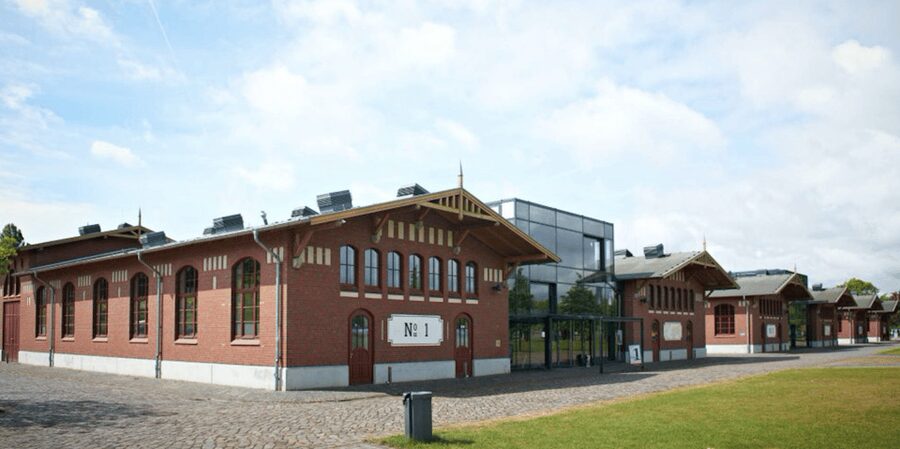
- Flexible one-day visit: Enter at House 1, explore at your own pace, and use the free parking if arriving by car.
Why BallinStadt matters in Hamburg
It is easy to see Hamburg as a port city of ships, warehouses, and trade. BallinStadt adds the human side. The port was also a departure point for people who had little choice but to leave home, people seeking work, safety, religious freedom, or a fresh start somewhere far away.
The museum traces European emigration over five centuries, beginning in the 16th century and continuing through later waves of movement. That long view helps you see emigration as more than a single period connected to steamships and Ellis Island. People have always moved because of pressure at home and hope elsewhere.
I find this setting useful for understanding Hamburg itself. The city was not simply a place where ships loaded cargo. It was also a temporary home for people waiting to leave Europe. That waiting period could last long enough for emigrants to need food, shelter, medical care, paperwork, and a place to sleep before they reached the docks.
BallinStadt focuses on those in-between days. You see the uncertainty before departure, not just the grand promise of arrival. For many people, the trip began with leaving familiar streets, family members, and languages behind.
Other museums and galleries in Hamburg:
- Hamburg: International Maritime Museum Entrance Ticket
★ 4.7 · 547 reviews - Hamburg: Entrance to the Museum Ship Cap San Diego
★ 4.7 · 467 reviews - Hamburg: RICKMER RICKMERS Museum Entry Ticket
★ 4.6 · 269 reviews
Port of Dreams and the road to departure
The first main exhibition area, Port of Dreams, introduces the people who wanted to leave Europe and the system that made large-scale emigration possible. It also tells the story of Albert Ballin, whose name is tied to the museum and to Hamburg’s emigration facilities.
This section is valuable because it puts organization behind the migration story. A transatlantic voyage required far more than buying a ticket and stepping aboard a ship. Emigrants had to reach Hamburg, wait for their sailing, meet travel requirements, and manage life in a city they might never have seen before.
You can follow how people arrived in Hamburg and lived there before sailing to the New World. The exhibition looks at the emigration camp, including the routines and difficulties of temporary life. That detail changes the way you think about the journey. The crossing was only one stage. The days spent waiting could be stressful, crowded, and filled with questions about what lay ahead.
The presentation is interactive, which helps keep the subject approachable. Instead of reading one long account, you move through different parts of the story and encounter objects and information in shorter sections. I like this format for families and for anyone who finds traditional museum displays tiring.
The museum also gives you a glimpse into passenger-ship life. That does not mean you are taking a ship tour, but the displays help explain the conditions and experience of traveling by sea. You get a better sense of the difference between the dream of a new life and the physical reality of reaching it.
Allow time to read. The subject is easy to reduce to a simple story of departure and arrival, but the smaller details matter. A person’s reason for leaving, the time spent waiting, and the uncertainty about the future are often more revealing than a list of dates.
World in Transit covers five centuries of movement
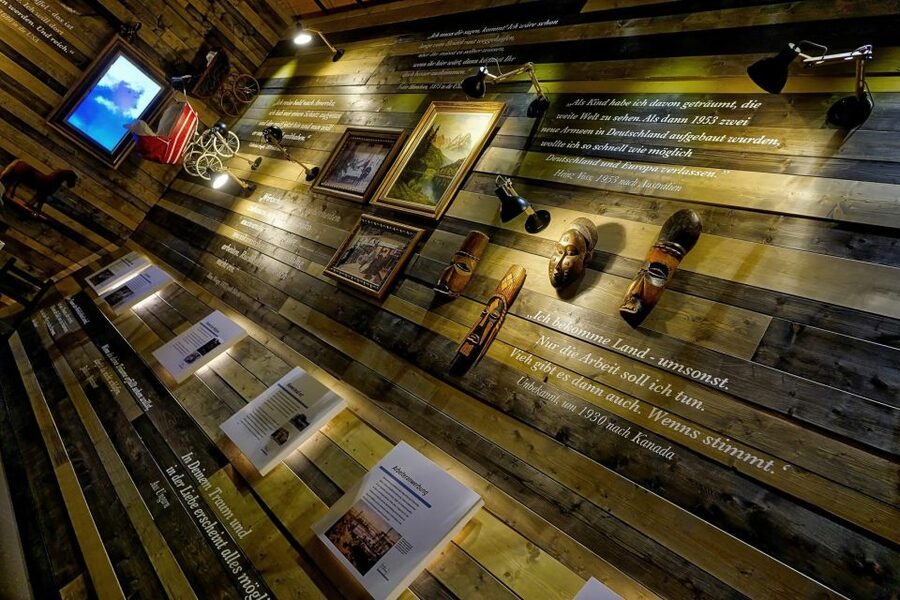
The second main exhibition, World in Transit, broadens the focus from Hamburg to emigration and immigration around the world. It uses 14 themed rooms to look at countries and communities that may seem distant but have connections to familiar places and modern life.
This is where the museum moves beyond a single port or a single generation. You are asked to think about why people leave and why other places draw them in. The exhibition examines both push factors and pull factors, including the pressures that make home difficult and the hopes that make another country seem possible.
The multi-visual presentation should appeal to you if you prefer displays with images and varied media rather than wall text alone. Each themed room offers another angle on migration, so you can compare different places and periods.
The most useful idea here is that migration is rarely caused by one thing. A person may leave because of poverty, but also because of family, work, politics, religion, or the wish for a safer future. A destination may attract someone with jobs, land, education, or the promise of joining relatives already abroad.
World in Transit also includes personal reasons for emigration. That keeps the exhibition from feeling like a dry lesson in population movement. You are encouraged to consider the individual choices behind large numbers.
This area may take longer than you expect if you read every section. The ticket is valid for one day, so you can take your time instead of treating BallinStadt as a quick stop between other Hamburg sights. If your interest is mainly in the city’s port history, you might spend less time here. If you want a wider view of migration, this is likely the most rewarding part of the museum.
The changing specialty exhibition
A third exhibition space changes its subject every few months. The exact topic is not provided in advance here, so you should treat it as an extra rather than the main reason for booking.
That changing format gives repeat visitors a reason to return. It also prevents the museum from becoming fixed around one familiar story. The temporary display may add another historical period, region, or current angle to the main exhibitions.
Since the subject changes, check what is showing when you plan your visit if this section matters to you. The entry ticket includes access to the museum, but the material in this third area will depend on the date of your visit.
A few more things to do in Hamburg worth a look
- Hamburg: Hamburg Dungeon Admission Ticket
★ 4.7 · 5,745 reviews - Hamburg: Ticket to the Panoptikum Waxworks
★ 4.3 · 2,489 reviews - Hamburg Dungeon Admission Ticket
★ 4.5 · 438 reviews - Hamburg: Hop-On Hop-Off Bus Tour Family Ticket
★ 4.3 · 305 reviews
Use the genealogy station to search your family past
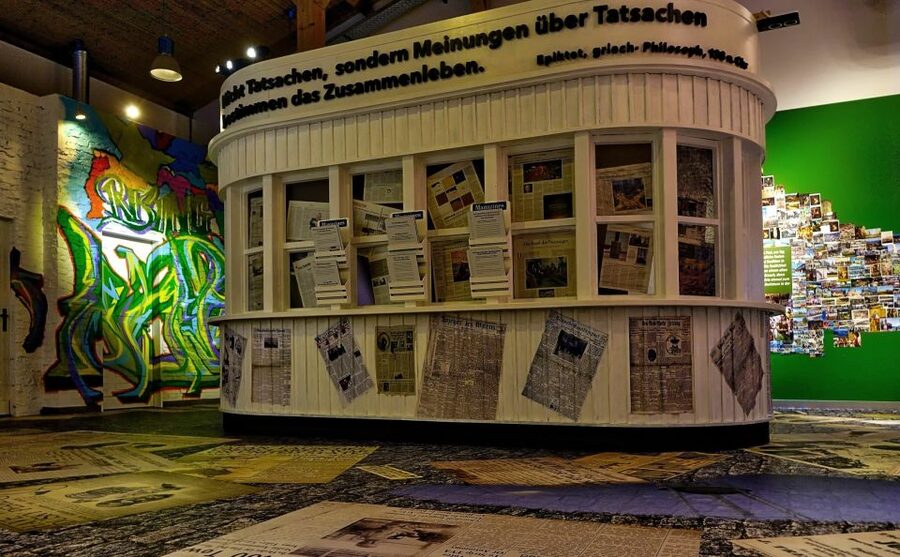
For many people, the most personal part of BallinStadt is the research station. You can use the world’s largest genealogical database to investigate your own family history.
You should not assume that every search will produce a clear answer. Family research can be slow, and names, dates, and places may not line up neatly. Still, the station gives your visit a practical purpose. Instead of only learning about other people’s departures, you can ask if someone in your own family made a similar journey.
Bring whatever family information you already have, if available. Names, approximate dates, countries of origin, and possible destinations can give you a better starting point. The supplied information does not promise that staff will conduct a full research project for you, so plan to use the station as a place to begin or continue your own search.
I would allow extra time for this section if genealogy interests you. It may be the feature that turns a general museum visit into something memorable and personal. It is also a good reason not to squeeze BallinStadt into a rushed one-hour schedule.
How long to spend inside
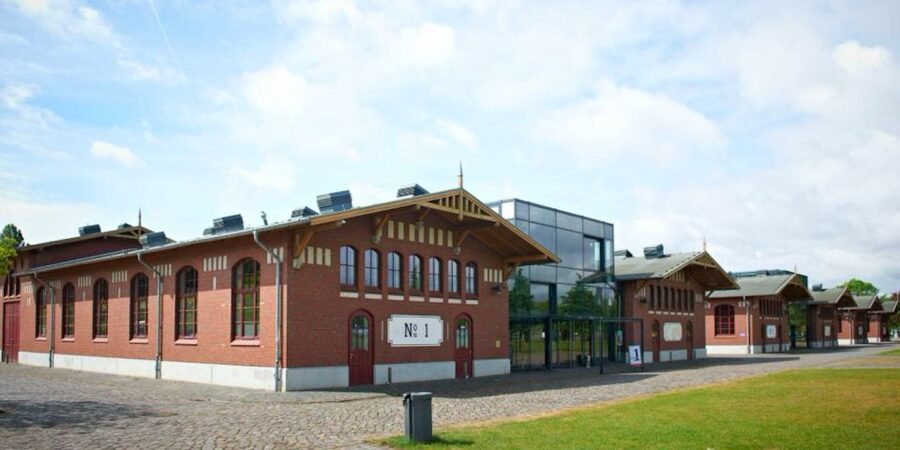
Your ticket is valid for one day, and the museum does not give a fixed visit duration. That flexibility is useful because the three exhibition areas suit different levels of interest.
For a short visit, you can focus on Port of Dreams and get the main Hamburg story. For a fuller visit, add World in Transit, the specialty exhibition, and the genealogy station. If you read carefully and spend time with the interactive material, the day can pass quickly.
There is no need to follow a guide or meet a group at a particular hour. You check in at the ticket office in House 1, then explore independently. This works well if you like to pause, return to an exhibit, or move at your own pace.
The lack of a scheduled guide is also the main limitation. You will need to create your own route and decide how much context you want. If you prefer a tour leader to explain each room and answer questions as you go, this ticket may feel less satisfying than a guided museum visit.
Price, access, and practical value
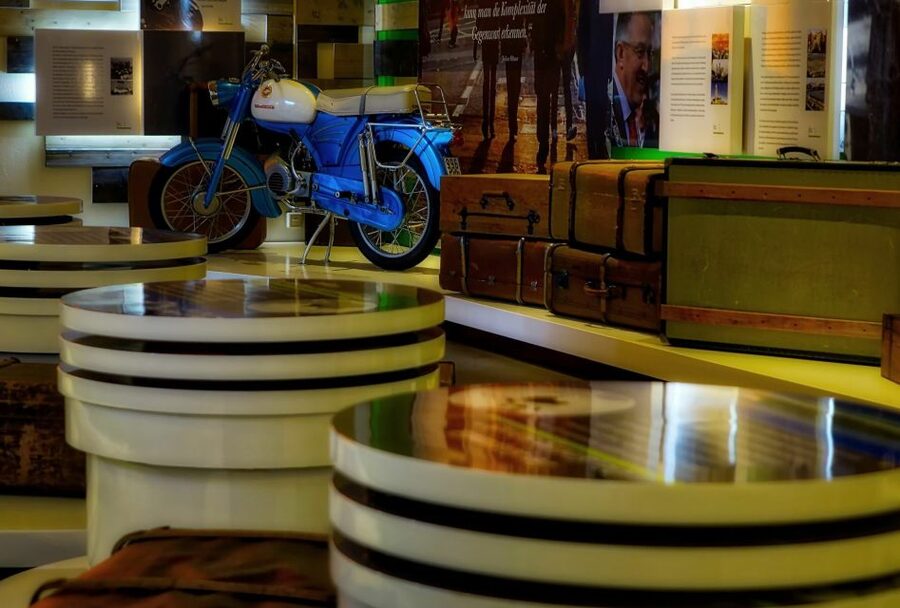
At $16 per person, the ticket is reasonably priced for a full-day museum visit with three exhibition areas and access to a genealogy database. The value is strongest if you plan to stay long enough to explore World in Transit and the family-history station, not just walk through the first hall.
The one-day validity gives you useful flexibility. You can visit without trying to rush through every display, and you have time to read the material that interests you most. Food and drinks are not included, so plan those separately.
You check in at the ticket office in House 1. Free parking is available at the museum, which is a real help if you are driving in Hamburg. The museum is wheelchair accessible, and pets are not allowed.
Free cancellation is available up to 24 hours before the visit, with a full refund. You can also reserve now and pay later, which is useful if your Hamburg plans are still shifting.
Who will get the most from BallinStadt
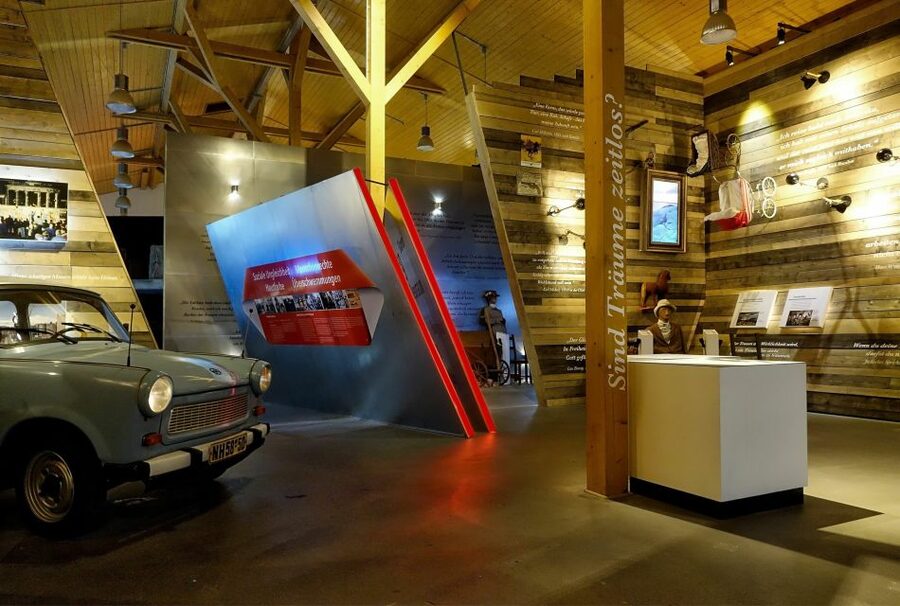
I recommend BallinStadt to anyone interested in family history, European migration, Hamburg’s port, or the personal side of major historical events. It is also a good choice for families because the interactive format gives younger visitors more to do than a room of static labels.
The museum suits you particularly well if you enjoy choosing your own pace. You can spend ten minutes on a display that catches your attention or stay much longer at the genealogy station.
It may be less suitable if you want a light, purely entertainment-focused attraction. The subject includes hardship, separation, and uncertainty. You may also find the visit less useful if you only have a few minutes and want a quick overview of Hamburg’s harbor.
The museum’s greatest strength is clarity. Its story is important, but the presentation is meant to be understandable and engaging rather than academic. The result is a visit that can be serious without becoming difficult to follow.
Should you book the BallinStadt ticket?

Book it if you want to understand why Hamburg became a departure point for millions of Europeans, or if you would like to connect that larger story with your own family past. The mix of Port of Dreams, World in Transit, the changing exhibition, and genealogy research gives the $16 ticket more substance than a standard single-gallery visit.
I would skip it only if your schedule is extremely tight or if you need a live guide to lead you through every room. For most visitors with half a day or more, BallinStadt offers a thoughtful look at the choices, fears, and hopes behind emigration. Arrive at House 1, plan time for all three exhibition spaces, and do not rush the family-history station.
FAQ
Where is the BallinStadt museum located?
The museum is in Hamburg, Germany. You begin at the ticket office in House 1.
How much does the entry ticket cost?
The listed price is $16 per person.
How long is the ticket valid?
The ticket is valid for one day. Starting times and availability should be checked when booking.
What does the ticket include?
It includes entry to the BallinStadt museum and its exhibition areas.
Are food and drinks included?
No. Food and drinks are not included in the entry ticket.
Can I research my family history at the museum?
Yes. The museum has a research station where you can use a major genealogical database to investigate your family history.
Is the museum wheelchair accessible?
Yes. The activity is wheelchair accessible.
Is parking available?
Yes. Free parking is available at the museum.
Can I bring a pet?
No. Pets are not allowed.
Just added in Hamburg
- Hamburg: Historical Tour of the St. Pauli Sex Work District★ 4.4 · 215 reviews
- Hamburg: St. Pauli Food and Bier Tour★ 4.7 · 5 reviews
- St. Pauli Tour: Drag-Attack with Barbie Stupid & Lee Jackson★ 4.8 · 280 reviews
- Hamburg: Private Tour Red Light District Walking Tour★ 4.7 · 227 reviews
- St. Michael’s, Elbe Tunnel & Harbor 2-Hour Hamburg Tour★ 4.9 · 21 reviews
- Satt Pauli – der kulinarische Rundgang durch St. Pauli★ 4.8 · 12 reviews
- Hamburg: Safari tour in St. Pauli★ 4.9 · 11 reviews
- Radtour um die Alster & durch traumhafte Alsterviertel★ 4.9 · 34 reviews
Museums, compared.


Skip-the-Line: Berlin Wall Museum at Checkpoint Charlie
Read our review →
Browse the lists this tour appears in