
Reviewed · GERMAN-LANGUAGE TOURS
Goslar: Führung durch die Kaiserpfalz
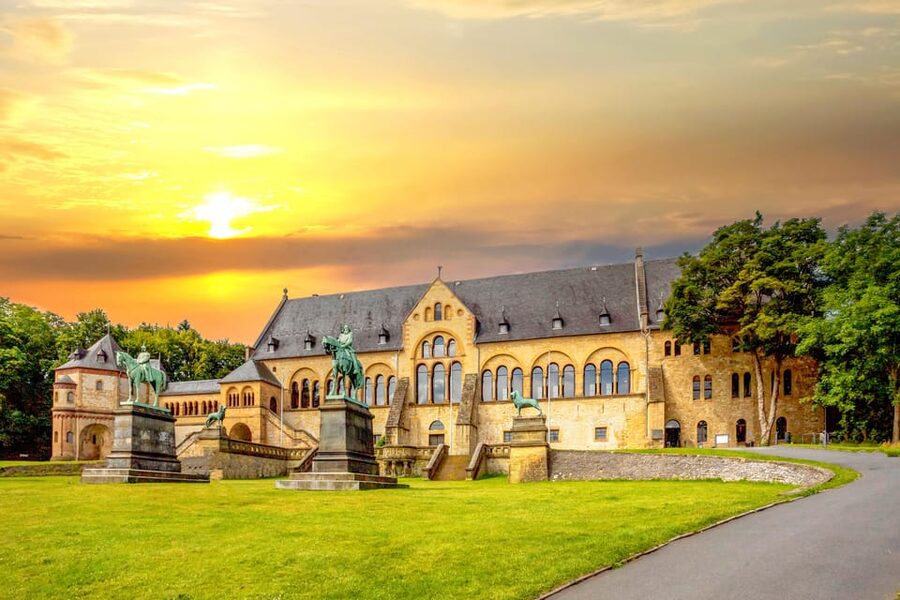
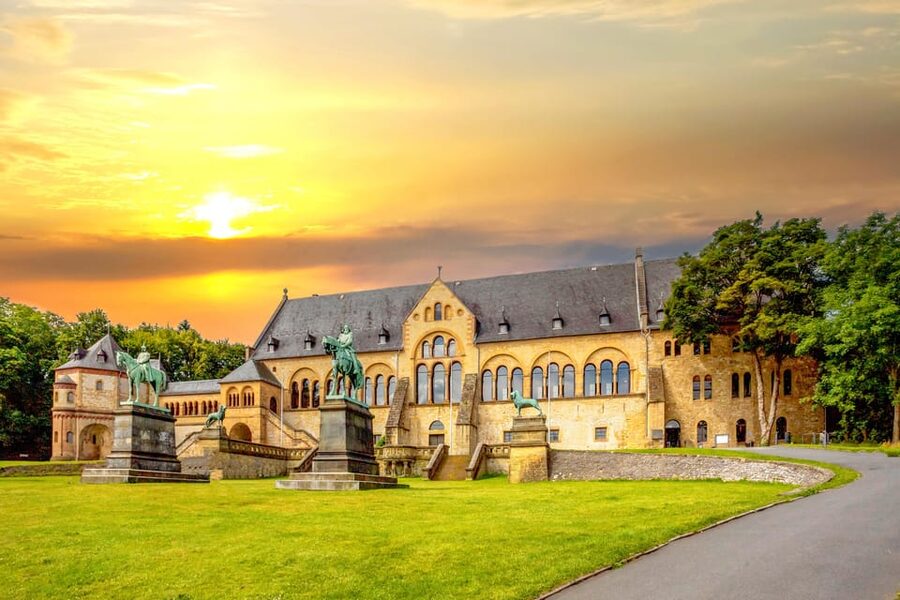
Goslar’s Imperial Palace is not just an old royal building. It is a place where Romanesque architecture, imperial power, and dramatic 19th-century paintings meet under one roof. The great hall is the visual high point, with Hermann Wislicenus’s historical scenes covering its walls from floor to ceiling.
I like the tour’s focused 90-minute length and its clear route through the most important rooms. I also like the small but striking detail in St. Ulrich Chapel: the heart of Emperor Henry III still rests beneath his grave slab. The main consideration is language, since the live guide speaks German only.
Key points to know before you book
- The great hall is covered with paintings: Hermann Wislicenus filled its wall surfaces with scenes from German imperial history.
- Henry III’s heart rests beneath his grave slab: St. Ulrich Chapel gives the visit a personal and solemn detail.
- The tour is part of Goslar’s UNESCO World Heritage setting: The Imperial Palace received this recognition in 1992.
- You see the imperial throne area: The surviving throne backrests offer a direct link to the palace’s ceremonial past.
- The visit lasts 90 minutes: It gives you a useful introduction without taking up most of your day.
- German is the only tour language: This matters if you need detailed explanation in English or another language.
Entering Goslar’s Imperial Palace
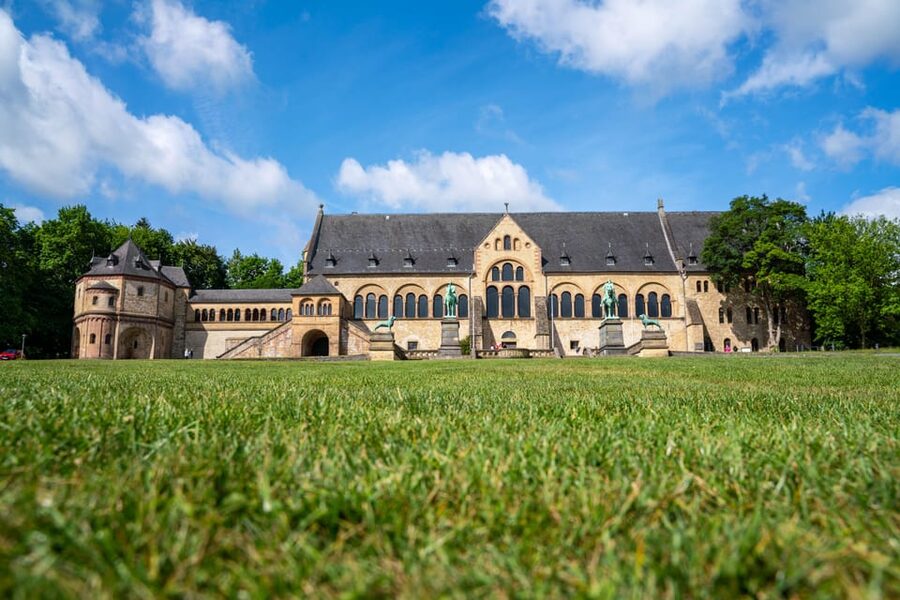
The tour begins at the meeting point in front of the Atrium. From there, the route includes a short walk through Goslar’s old town before you enter the Imperial Palace. That opening stroll helps place the palace in the setting that made Goslar important, rather than treating it as an isolated museum building.
Goslar’s Imperial Palace forms part of the city’s UNESCO World Heritage recognition, awarded in 1992. That title also reflects the wider historic importance of Goslar and its mining tradition, but this tour concentrates on the palace interior. You are here to see the rooms, artworks, chapel, and surviving ceremonial features up close.
I appreciate this arrangement because you get a quick sense of the old town before spending the bulk of the time indoors. It also makes the tour a practical choice on a cold or wet day. The walk is brief, but you should still arrive ready to move between the meeting point and the palace entrance.
More German-Language Tours across Germany
- Hamburg: Night Watchman’s Tour of St. Pauli in German
★ 4.7 · 4,818 reviews - Bremen: Walking Tour in German with Night Guard
★ 4.7 · 2,922 reviews - Munich: Old Town & Viktualienmarkt City Walk in German
★ 4.7 · 2,304 reviews
The great hall and its wall-to-wall paintings
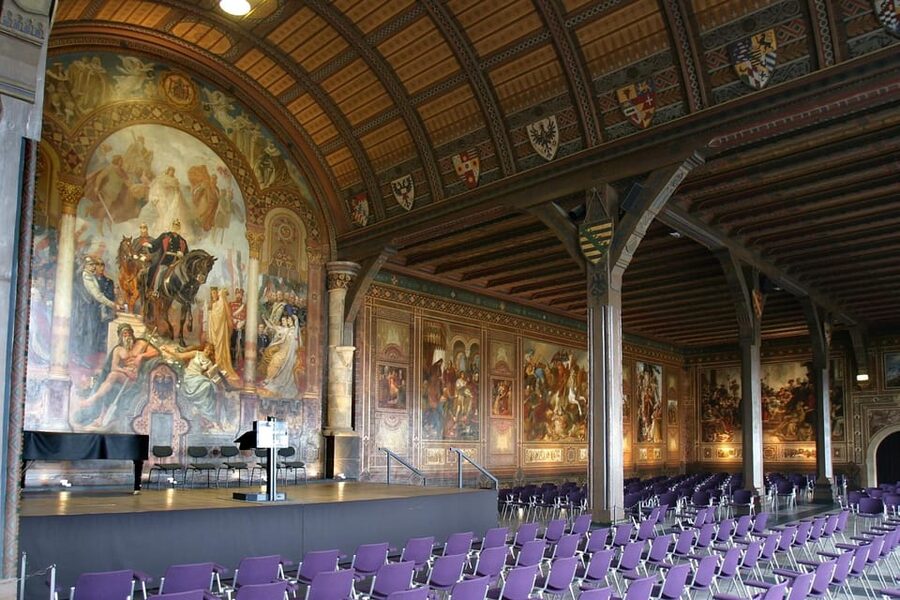
The great hall is the visual centerpiece. Historical paintings by art professor Hermann Wislicenus fill all the wall surfaces, creating a room that feels more like a grand illustrated storybook than a plain architectural interior.
Wislicenus worked in the 19th century, so these paintings are not medieval decoration. They present Germany’s imperial past through a later artistic lens. That distinction matters. You are looking at a powerful interpretation of history, not a room preserved exactly as an emperor saw it.
The scale does much of the work. With pictures covering the walls, the room can feel busy, even overwhelming. A guide is useful here because it can help you sort out the major scenes and explain how the images relate to the palace and its rulers. Without that context, you might simply see a large room packed with paintings.
The guide-led format also keeps the visit moving. You have enough time to look carefully, but the 90-minute schedule discourages getting stuck on one panel while missing the rest of the palace.
St. Ulrich Chapel and the heart of Henry III
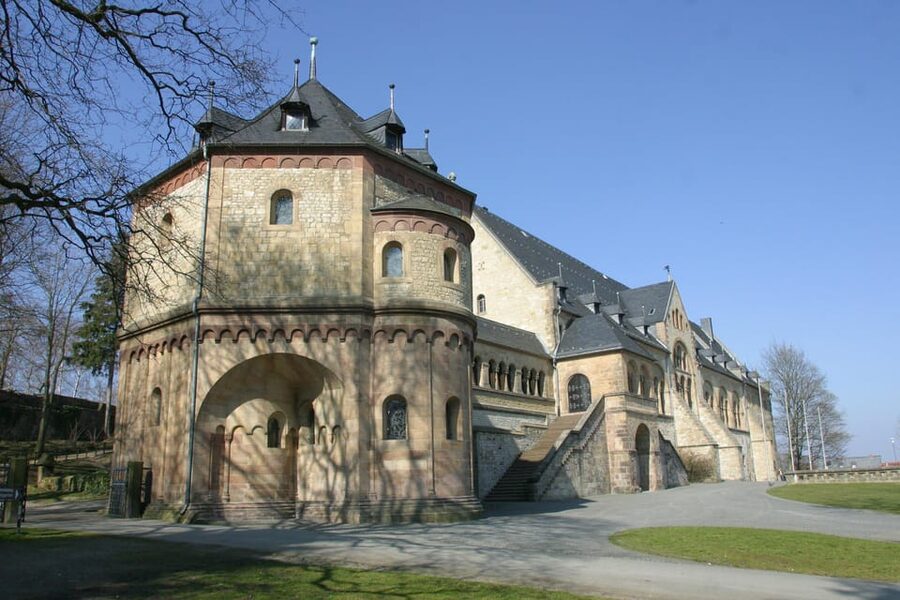
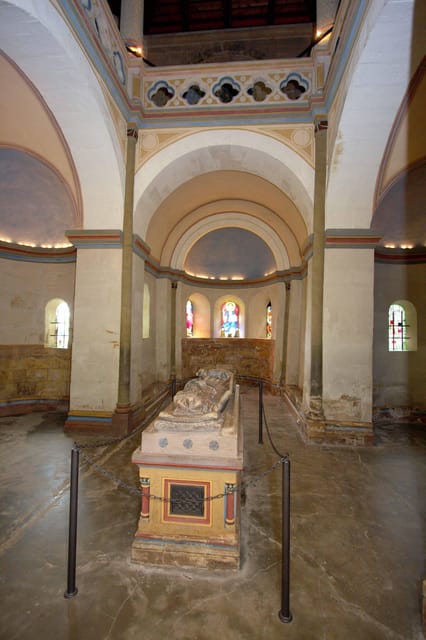
St. Ulrich Chapel offers a quieter change of mood. Here you see the grave slab of Emperor Henry III, with his heart still resting beneath it. That small physical detail gives the chapel a direct human connection that grand halls often lack.
The chapel is Romanesque, which gives it a different character from the large painted hall. The architecture is more restrained, and the focus shifts from imperial ceremony to remembrance. I find this contrast important: the tour is not only about power and pageantry. It also brings you face to face with the remains of a particular ruler.
The wording around the burial is worth paying attention to. The heart, rather than the full body, lies beneath the slab. Your German-speaking guide can explain the significance as part of the visit, though visitors who do not understand German may miss some of that detail.
If you have a strong interest in medieval rulers, church spaces, or burial customs, this may be the most memorable stop. If you prefer only grand rooms and art, it is still a short and meaningful part of the route.
The imperial throne area
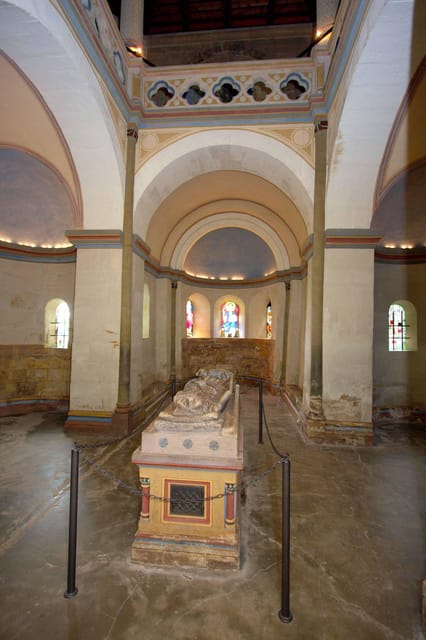
The tour also includes the throne area, with the backrests of the imperial chair still on view. These are not the entire spectacle of an intact royal throne room, so it is best to keep expectations measured. Their value lies in the connection they provide to the ceremonies once held here.
Small surviving objects can make history easier to grasp. A throne backrest is something you can picture being used, unlike a general description of imperial authority. It helps you understand that the palace was a working place of ceremony, not simply a residence or decorative monument.
Your guide’s explanation matters here because the objects may not speak for themselves. The tour’s strongest feature is the way it links individual details, such as the throne pieces and the grave slab, to the larger story of the palace.
Same base, a different kind of day out:
- Berlin: Reichstag, Dome and Government District Guided Tour
★ 4.7 · 18,288 reviews - Berlin: 1-Hour City Tour by Boat with Guaranteed Seating
★ 4.3 · 16,993 reviews - Hamburg: Sex and Crime in St. Pauli Tour for Ages 18+
★ 4.7 · 15,447 reviews - Hamburg: 1.5-Hour Harbor and Speicherstadt Day Cruise
★ 4.6 · 14,200 reviews
The Winter Hall exhibition in the vaults
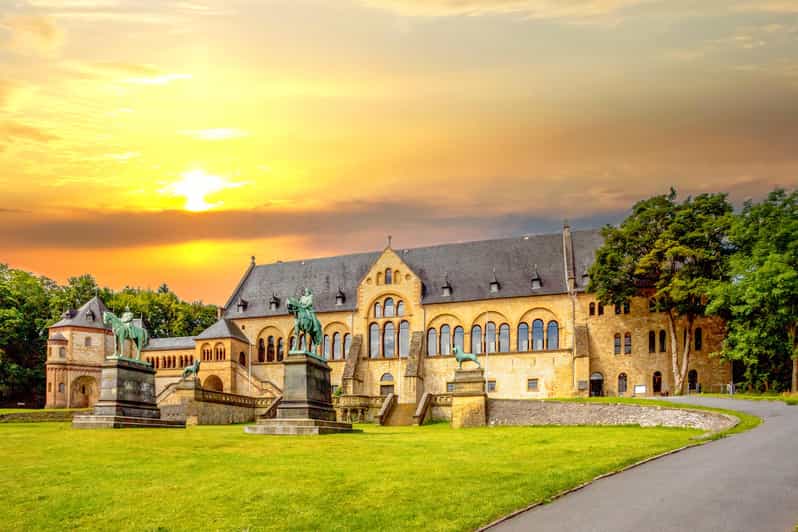
The route continues into the vaulted spaces of the Winter Hall, where an extensive exhibition adds more background. This section gives the visit a museum-like dimension and helps balance the grand display of the great hall.
Vaulted rooms can feel more enclosed and practical than the ceremonial spaces above. That change gives you a different sense of the building. Instead of seeing only what emperors wanted visitors to see, you get a look at the supporting material and historical information that helps explain the site.
The exact focus of every display is not specified, so you should expect an exhibition connected to the palace and its history rather than a single narrow theme. Allow yourself time to read and look, but remember that the full interior tour lasts only an hour and a half.
What the German-speaking guide adds
The live guide speaks German only. For German speakers, this is a strong part of the experience, since the paintings, chapel, and throne area all benefit from explanation. A good guide can turn a series of impressive rooms into a connected story.
The feedback about the guiding is especially consistent: the tour has been described as lively, engaging, informative, and easy to follow. One particularly useful detail is that children have enjoyed the presentation. That suggests the guide does more than recite dates and names. The style appears to include storytelling that can hold a family’s attention.
No guide’s name is provided, so you should not book expecting a particular individual. The quality of a live tour can vary with the person leading it, but the available comments point toward a competent and committed presentation. The strongest praise centers on clear delivery, interesting history, and a pleasant pace.
If you do not understand German, you can still appreciate the rooms and art, but much of the explanation will be inaccessible. An English tour is not listed among the available options, so check your language needs before paying.
Is 90 minutes enough?
For an introduction to the palace interior, 90 minutes is a useful amount of time. You get the great hall, St. Ulrich Chapel, the throne area, and the Winter Hall exhibition without committing half a day.
The short format is also helpful if you are building a larger day in Goslar. You can pair the palace with more old-town sightseeing, though the activity itself does not provide a full city tour. The brief walk at the start gives you a taste of the surrounding streets, but the main focus remains indoors.
You should arrive ready to pay attention rather than rush through. The paintings alone invite close looking, and the chapel and exhibition add several different layers to the visit. If you want to study every artwork in detail, you may find the time limited. If you want the main story and the most important rooms, the schedule works well.
Wheelchair access and practical restrictions
The interior tour is wheelchair accessible, which makes it a useful choice for visitors who need step-free access. The available information does not give further details about lifts, restroom access, or the exact route, so contact the provider if you need specific accessibility arrangements.
Pets are not allowed, but assistance dogs are permitted. That rule is simple, though families should plan ahead if they are traveling with a non-assistance pet.
The meeting point is in front of the Atrium. Check the starting time when you book, since available departure times can vary. The activity includes the interior palace tour, while the short old-town walk forms part of the approach to the building.
What the $16 price gets you
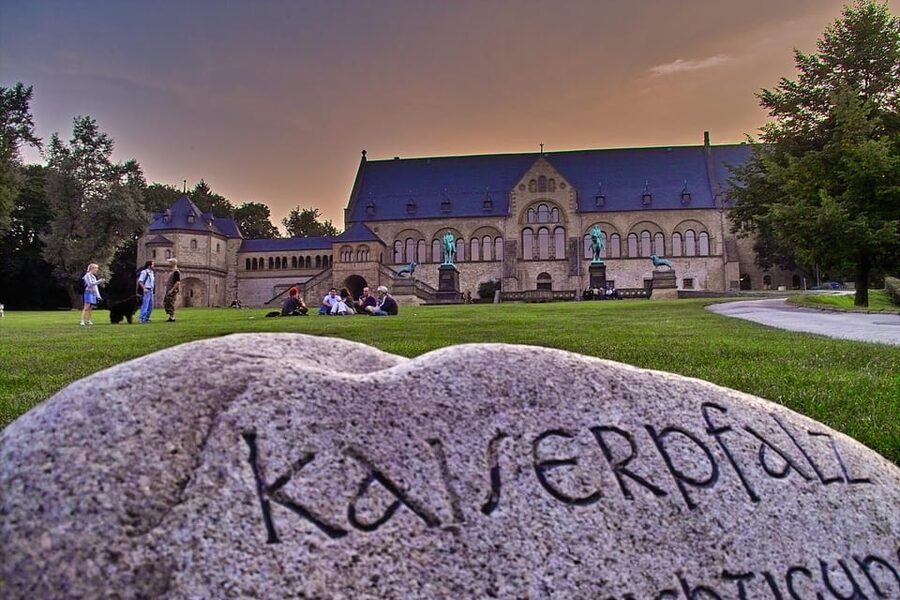
At $16 per person, this is a reasonable price for a guided 90-minute visit to one of Goslar’s key historic buildings. You are paying not only to enter the palace but also for a live explanation in the great hall, chapel, throne area, and Winter Hall exhibition.
The value is strongest if you understand German and want context for what you are seeing. The wall paintings and Romanesque chapel can be visited without a guide, but the story behind them is easier to follow with someone leading the route. The guide also saves you from spending your limited sightseeing time trying to work out which details matter most.
For families, the price can be worthwhile if the guide keeps children involved. The reported child-friendly presentation is a useful sign, especially because large historic interiors can lose younger visitors quickly. Still, families should consider the German-only format.
The reserve-now-and-pay-later option adds flexibility, and cancellation is free up to 24 hours before the tour for a full refund. These policies do not change the cultural value of the visit, but they make it easier to fit into an uncertain travel plan.
Who should book this palace tour?
I would choose this tour if you want a clear introduction to Goslar’s imperial past without spending several hours inside a museum. It suits visitors who enjoy historic art, church interiors, royal ceremony, and guided storytelling.
German speakers get the full benefit of the live commentary. Families may also find it a good fit, since the guide’s lively approach has worked well with children. The wheelchair-accessible format broadens its appeal, though anyone needing detailed access information should confirm the arrangements before booking.
You may want to skip it if you need an English-language tour or if you prefer to explore entirely at your own pace. The great hall is the main visual draw, and the tour follows a set route with a guide. That structure is helpful for some visitors and restrictive for others.
Should you book Goslar’s Imperial Palace tour?
Book it if you want to see Goslar’s most important palace rooms with a guide who can connect the paintings, chapel, throne pieces, and exhibition. The best moments are the wall-to-wall Wislicenus paintings and the quiet detail of Henry III’s heart beneath his grave slab.
At $16 and 90 minutes, it offers a solid introduction with little time risk. Just remember the key limitation: the tour is in German only. If that works for you, this is a practical way to understand why the Imperial Palace matters rather than simply walking through impressive rooms.
FAQ
Where does the Imperial Palace tour meet?
The meeting point is in front of the Atrium.
How long does the tour last?
The tour lasts 1.5 hours, or 90 minutes.
What language is the tour in?
The live guided tour is conducted in German.
Is the tour wheelchair accessible?
Yes, the activity is listed as wheelchair accessible.
Are pets allowed on the tour?
Pets are not allowed. Assistance dogs are permitted.
What does the tour include?
It includes an interior tour of Goslar’s Imperial Palace.
Does the tour include the great hall?
Yes. You will see the great hall and its historical paintings by Hermann Wislicenus.
Can I see Henry III’s burial place?
Yes. In St. Ulrich Chapel, you can see Henry III’s grave slab, beneath which his heart rests.
Can I cancel for a full refund?
Yes. You can cancel up to 24 hours in advance for a full refund.
Just added in Germany
- Berchtesgaden: Via Ferrata Beginner Tour of Schützensteig★ 4.7 · 15 reviews
- Berlin: Energizing 2-Hour Morning Segway Tour★ 4.7 · 35 reviews
- Berlin: Thrilling E-Scooter Adventure Tour★ 4.4 · 66 reviews
- Beer Bike & Party Bike: Unforgettable Berlin City Tour incl. pickup★ 5.0 · 5 reviews
- Bayreuth: German City Walking Tour (Tourist Info)★ 4.7 · 202 reviews
- Beelitz-Heilstätten: Baum&Zeit Tree Top Walk Entry Ticket★ 4.9 · 7 reviews
- Bavaria: Beginner Canyoning Tour★ 4.5 · 10 reviews
- Bayreuth: Christmas city tour in German★ 4.9 · 12 reviews
German-Language Tours, compared.

Old Town & Viktualienmarkt City Walk in German
Read our review →

The Night Watchman Old Town Walking Tour in German
Read our review →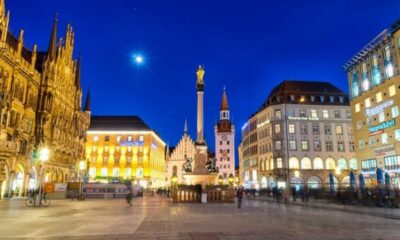

Browse the lists this tour appears in