
Reviewed · HISTORICAL TOURS
Berlin: Historic Center Walking Tour with a Real Berliner
Berlin’s story unfolds neatly on this two-hour walk through Mitte, from a medieval trading village on the Spree to the capital of a reunited Germany. You’ll pass the Television Tower, Museum Island, the Humboldt Forum, Unter den Linden, and Brandenburg Gate, with the city’s royal, wartime, divided, and modern chapters tied together as you go.
I like the route’s clear sense of place and its focus on more than the usual World War II talking points. I also like the guide-led format: Carlo, identified in several bookings, is praised for explaining complicated events plainly and for answering questions. The main consideration is pace. Two hours covers a lot of ground, and you’ll see many major buildings from the outside rather than tour their interiors.
Key points
- Starts at St. Nicholas’ Church Museum: Begin in Berlin’s oldest historic quarter, Nikolaiviertel, close to the Spree.
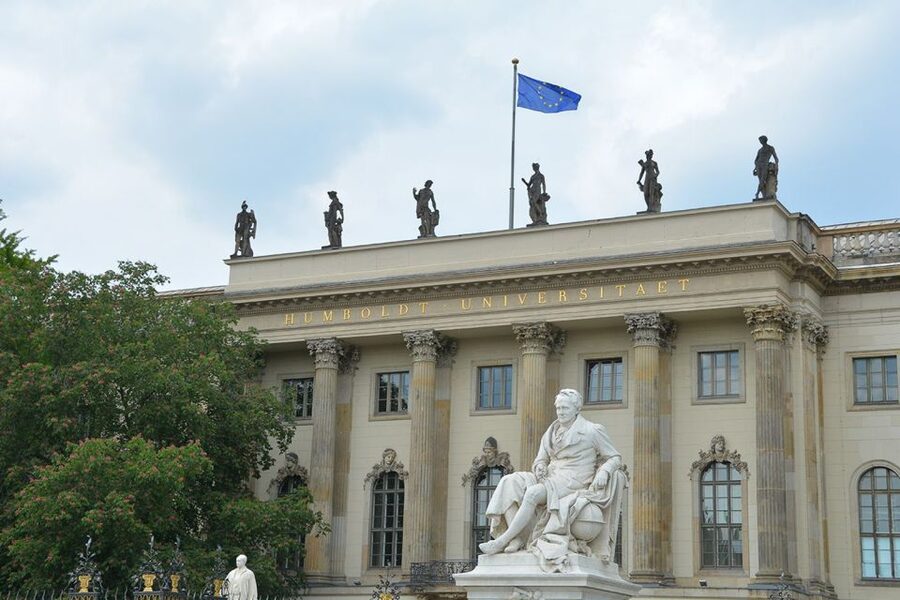
- Covers the royal heart of Mitte: See Museum Island, the Humboldt Forum, Berlin Cathedral, the State Opera, and Humboldt University.
- Connects several eras: The route moves from Prussian kings and emperors to division, reunification, and present-day Berlin.
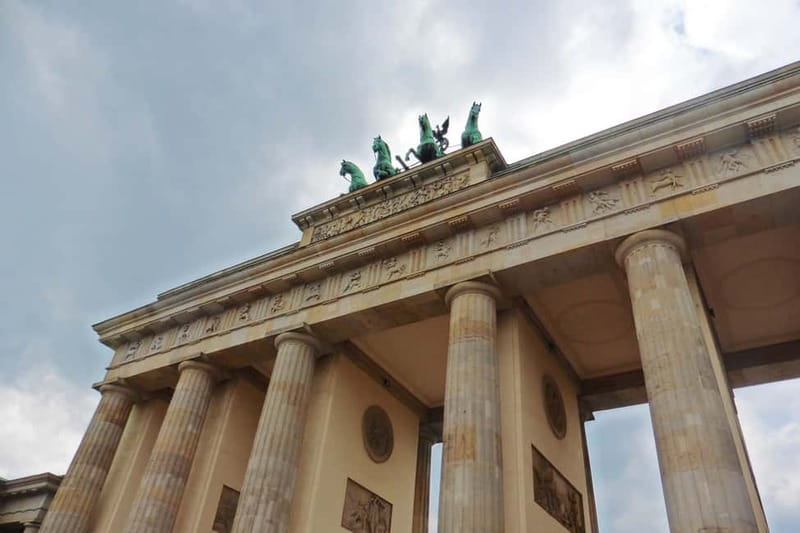
- Ends at Brandenburg Gate: Finish at Berlin’s best-known symbol and a key site in the story of German reunification.
- English-speaking guide: Carlo is the guide name most often associated with the experience, and the activity is offered in English.
- Useful first-day orientation: The route can help you get your bearings before exploring Berlin on your own.
A compact route through Berlin’s biggest story
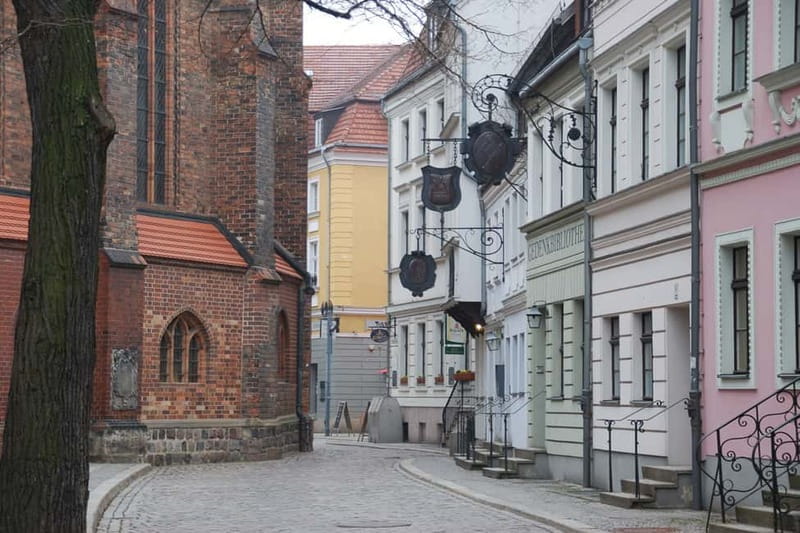
This is a sightseeing walk with a strong historical backbone. You are not simply ticking off monuments. The guide’s job is to explain why Berlin grew where it did, how Prussian power shaped the city, and how the same central streets later became part of a divided capital.
The route is especially useful if this is your first visit. In two hours, you reach many of the city center’s essential sights without spending time on long transport connections. You also get a framework for later visits to museums, memorials, and historic neighborhoods.
The tradeoff is depth. You cannot properly visit Museum Island, Berlin Cathedral, the Humboldt Forum, Humboldt University, the State Opera, and Brandenburg Gate in two hours. This tour gives you the outside view and the story behind each place. Plan to return to the sites that catch your eye.
Other history to see in Berlin:
- Berlin: Natural History Museum Entrance Ticket
★ 4.6 · 3,382 reviews - Berlin: World Heritage Cruise to Potsdam
★ 4.5 · 1,435 reviews - Berlin Historical Highlights Walking Tour
★ 4.9 · 657 reviews
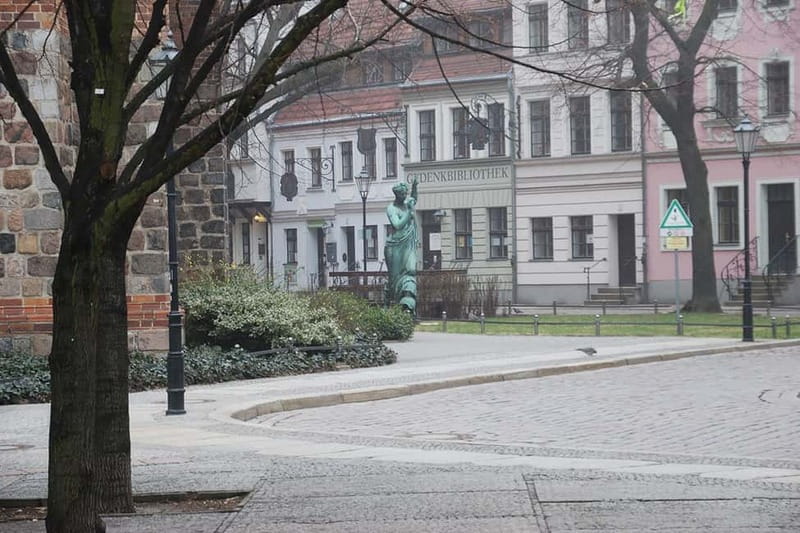
Starting in Nikolaiviertel beside the Spree
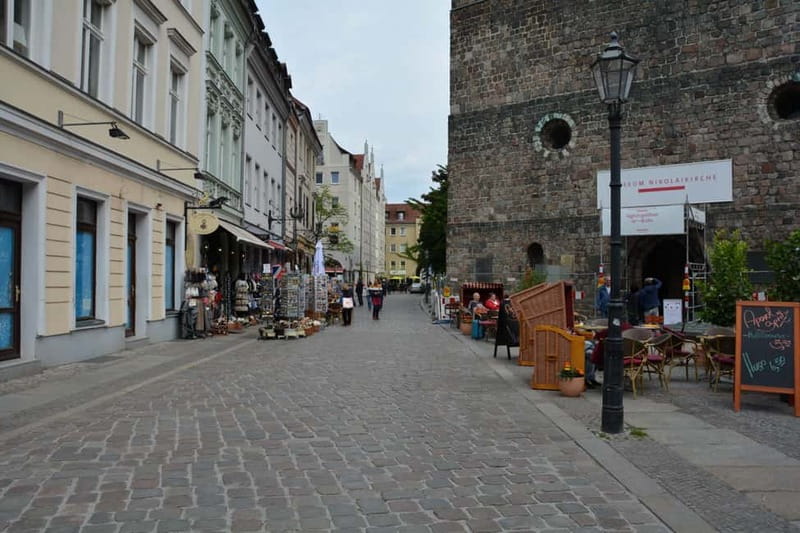
Meet your guide outside the main entrance of the Nikolaikirche Museum, or St. Nicholas’ Church Museum. Look for the Get Your Guide, You in Berlin flag. This is a useful meeting point because it puts you in Nikolaiviertel, the historic quarter associated with the city’s early beginnings.
The area helps set up the first chapter of Berlin’s story. The city began as a small settlement and trading center on the Spree, not as the grand capital you see today. Starting here makes the later royal buildings feel like part of a long process of growth rather than isolated monuments.
The itinerary includes a guided walk through Nikolaiviertel, but the tour does not include entry to the museum. If you want to see the interior, its exhibits, or St. Nicholas’ Church in detail, treat that as a separate visit.
This part of the route is also a practical orientation point. You are close to the Spree, Museum Island, and several major central sights. Wear comfortable shoes from the beginning. The walk is accessible to wheelchair users, but the route still takes place outdoors and continues in all weather.
The Television Tower and Berlin’s changing skyline
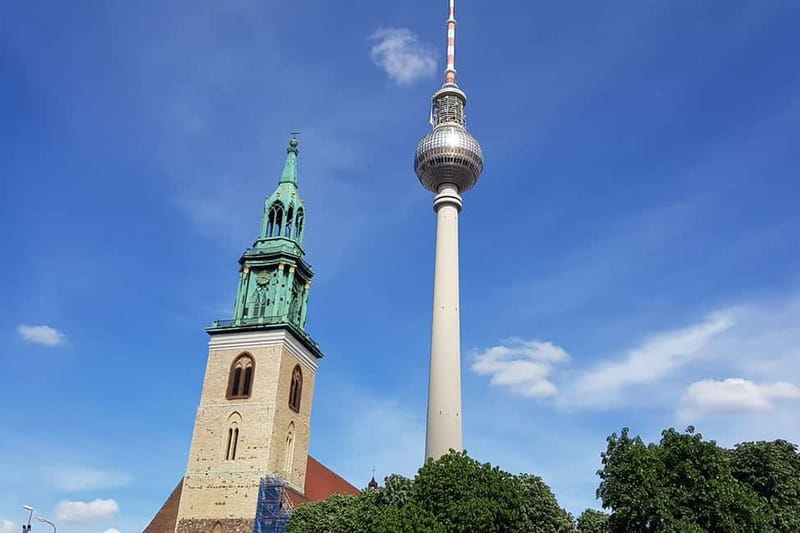
Early in the walk, you see Berlin’s Television Tower, the tallest building in the city. Its needle-like profile is hard to miss, and it gives you a quick visual reminder that Berlin is not only a city of old stone buildings and royal avenues.
The tower belongs to the era of East Berlin, when the German Democratic Republic wanted a powerful modern symbol in the city center. From this point, the guide can place the older quarter in relation to the postwar city and explain how Berlin’s skyline reflects different political periods.
The tour does not include a visit to the tower’s viewing platform. You’ll see it as part of the city walk, so choose a separate time if you want panoramic views from above.
Walking along the Spree to Museum Island
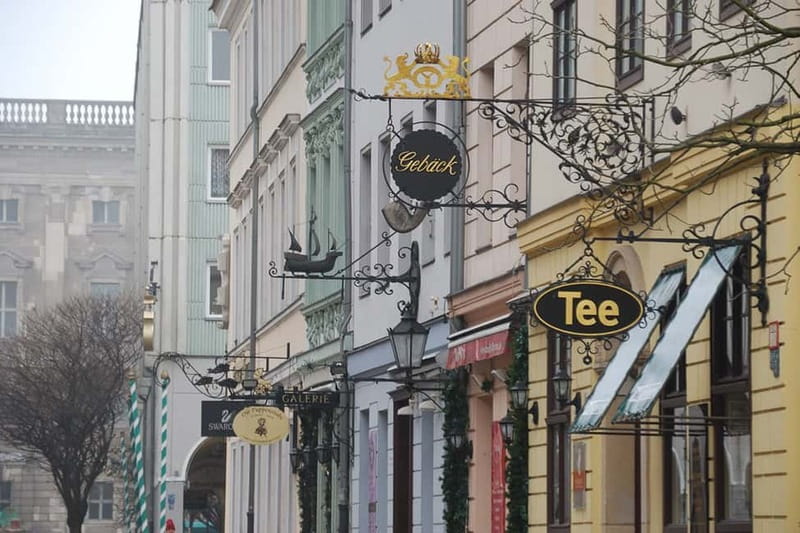
From the early settlement area, the route follows the Spree toward Museum Island. This is one of the strongest parts of the walk because the river, museums, cathedral, palace reconstruction, and old royal center come together within a short distance.
Museum Island is home to major cultural institutions, though this activity focuses on exterior sightseeing rather than museum entry. You can expect explanations of the island’s role in Berlin’s development and time to take in the buildings from outside.
The route then reaches the Berlin Cathedral. Its large dome and grand facade make it one of the easiest landmarks in the center to recognize. The tour includes sightseeing at the cathedral, but admission is not part of the $44 price.
That distinction matters. If you want a slow look at the interior, organ, royal burial crypt, or dome view, you’ll need to return separately. On the walking tour, the value comes from seeing the cathedral in context with the Spree and the surrounding institutions.
Other walks around Berlin:
- Discover Berlin Half-Day Walking Tour
★ 5.0 · 9,624 reviews - Berlin: Third Reich and Cold War 2 Hour Walking Tour
★ 4.9 · 6,830 reviews - Berlin: Discover Berlin Walking Tour
★ 4.9 · 5,998 reviews - Berlin’s Best: 2 Hour Walking Tour Third Reich and the Cold War
★ 5.0 · 5,486 reviews
The Humboldt Forum and the reconstructed City Palace
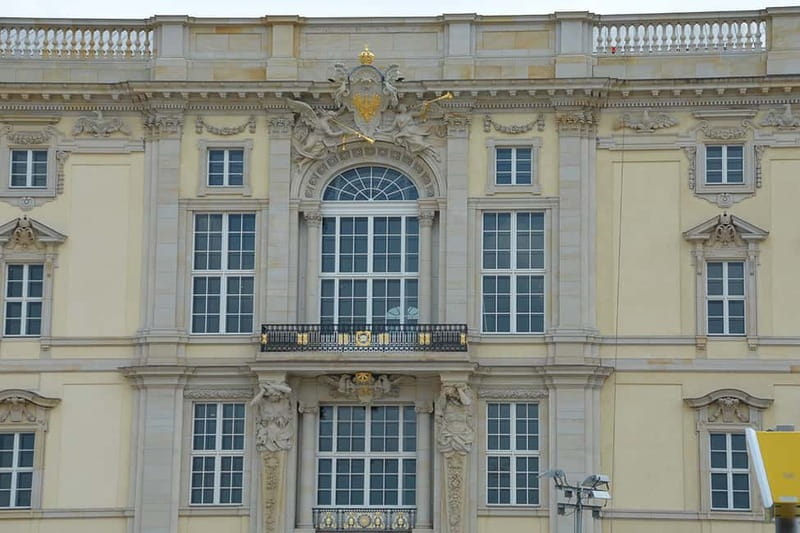
The Humboldt Forum occupies the reconstructed form of Berlin’s former City Palace. It is one of the city center’s most debated and visually striking buildings because its historic exterior was recreated while the institution inside serves modern cultural purposes.
The tour brings you across the Palace Bridge, or Schlossbrücke, and into the historic center around the former royal residence. This is where Berlin’s Prussian and imperial past becomes especially visible. The guide can explain how the palace area changed across different political eras, rather than presenting the building as a frozen royal relic.
The exterior is the main focus here. You should not expect an extended museum visit during the two-hour walk. If architecture, palace reconstruction, or the collections inside interest you, save time later for a separate stop.
I like this portion because it gives you a better way to read Berlin’s rebuilt center. The city contains both restored historical forms and modern uses, and the Humboldt Forum makes that tension easy to see.
Unter den Linden, Berlin’s grand central avenue
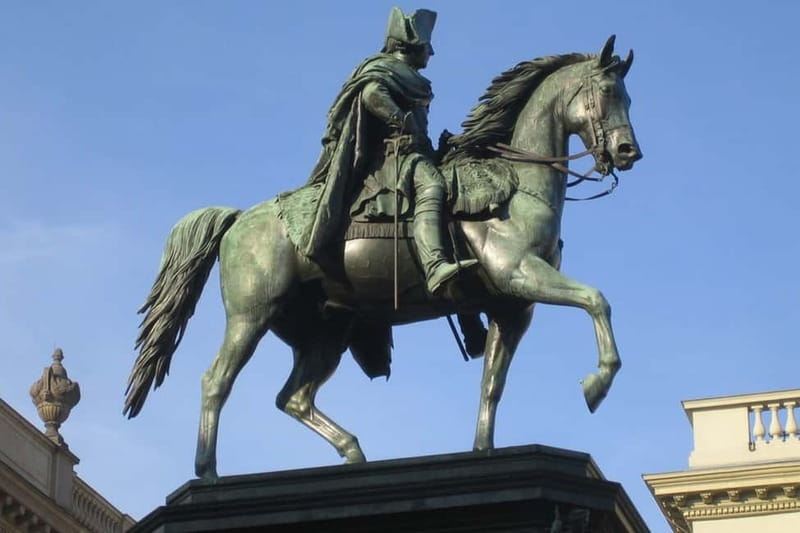
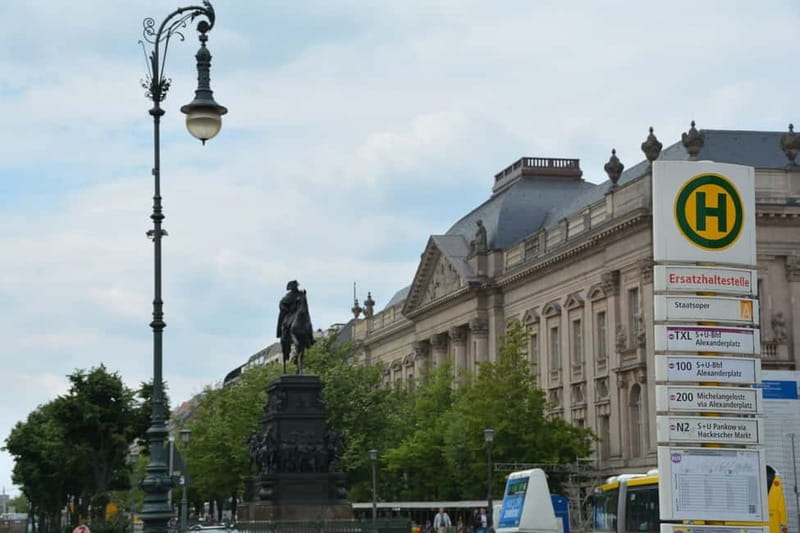
The route continues along Unter den Linden, Berlin’s oldest boulevard. This broad avenue links the former royal center with Brandenburg Gate and provides the clearest sense of Berlin as a capital shaped by kings, emperors, universities, opera, and state power.
Several important sights appear along the way:
- The Equestrian Statue of Frederick the Great recalls Prussian rule.
- The State Opera represents Berlin’s long connection with music and court culture.
- Humboldt University adds an academic presence to the royal avenue.
- St. Hedwig’s Cathedral brings a religious landmark into the sequence of civic and royal buildings.
The strength of this section is the way the guide can connect buildings that might otherwise seem like a series of unrelated photo stops. Frederick the Great, the Prussian monarchy, cultural institutions, and the modern German state all meet along this road.
The weakness is that Unter den Linden can feel like a long procession if you want frequent interior visits. The tour keeps moving, so you get explanations and exterior views rather than extended time at each landmark.
Brandenburg Gate and the story of reunification
The walk ends at Brandenburg Gate, the most recognizable symbol in the itinerary. It was once a city gate, later became a major political symbol, and during Berlin’s division sat near the border between East and West Berlin.
The guide explains the gate’s importance before, during, and after Germany’s division. The story reaches its emotional point with reunification in 1990, when Brandenburg Gate became a focal point for a country rebuilding its political identity.
This is more than a final photo stop. The gate brings together the main themes of the tour: royal Berlin, imperial power, war, division, and reunification. It also gives you a useful reference point for further sightseeing around the central government district.
The supplied meeting information creates a small practical wrinkle. The route description finishes at Brandenburg Gate, while the meeting-point information says the activity ends back at the meeting point. Check the exact end arrangement when you book, especially if you have a timed reservation afterward. Either way, Brandenburg Gate is the stated final landmark.
Carlo and the guide-led format
The guide is a major part of this experience. Carlo, also referred to in some bookings as Karlo or Carlos, is the guide name most closely associated with the tour. The strongest praise centers on his ability to explain Berlin’s past in a clear, friendly way and to handle questions without making the walk feel like a lecture.
One useful feature is the broad historical coverage. The tour does not limit Berlin’s story to the Nazi era or the Berlin Wall. You move from the city’s origins through Prussian rule, the imperial period, cultural institutions, East Berlin, and reunification.
That wider frame matters. Berlin’s central buildings often date from different periods, and you understand them better when you know what came before and after. The guide also helps prevent the common problem of seeing only isolated landmarks with no sense of how they relate.
The tour may operate with a very small group. One booking resulted in a private-style walk for two people, and another described a solo participant receiving the full tour rather than having it canceled. Group size can change, so do not assume every departure will be private. Still, the experience has shown flexibility when numbers are low.
What $44 buys you
At $44 per person, this is not the cheapest way to see Berlin’s center. You can walk past many of these buildings for free. The price pays for the guide’s explanations, the organized route, and the connections between places that are easy to miss on your own.
I consider it fair value if you want a historical introduction on your first day. You cover several key sights in two hours, and the route avoids the time cost of planning your own sequence through Mitte. It is also useful if you want to ask questions and adjust your understanding as you go.
The value drops if you already know Berlin well or prefer to explore at your own speed. You may want to stop for photographs, enter museums, sit in a church, or linger over architecture. A self-guided walk gives you more freedom, though it requires more preparation.
Food, drinks, hotel pickup, and hotel drop-off are not included. You are paying for the walking tour and professional guide only. That keeps the arrangement simple, but plan your own refreshment stop before or after the walk.
Timing, comfort, and weather
The activity lasts two hours, with starting times shown when you check availability. I would choose an early slot during a first day in Berlin if possible. The route gives you a working map of Mitte and helps you decide which sights deserve a longer return visit.
Bring comfortable shoes and clothes suited to the forecast. The tour operates in all weather and on public holidays, so rain or cold can affect your enjoyment even though the schedule continues. There is no promise of sheltered viewing at every stop.
The walk is listed as wheelchair accessible. Since the experience takes place outdoors and moves between several sites, it is still wise to consider the day’s weather and your own comfort before booking.
The activity is offered in English, with a live guide. Although the general description refers to multilingual guiding, the specific booking information identifies English as the tour language. Check the available option carefully if you need another language.
Cancellation is flexible: you can cancel up to 24 hours before the start for a full refund. You can also reserve now and pay later, which helps if your Berlin schedule is still changing.
Who should book this Berlin walking tour
I would choose this tour if you are visiting Berlin for the first time and want a strong central overview before tackling museums and memorials. It suits people who prefer stories, landmarks, and questions over a silent audio guide.
It also works well for families and mixed-age groups because the route focuses on visible landmarks and clear historical connections. The two-hour length is long enough to feel worthwhile without taking up the whole day.
You may want a different format if your main goal is the Berlin Wall, Cold War sites, Nazi history, or museum interiors. Those subjects are part of Berlin’s wider story, but this route concentrates on the historic center and its major buildings.
Should you book it?
Book this walk if you want an efficient introduction to Mitte, especially on your first day. The combination of Nikolaiviertel, Museum Island, the Humboldt Forum, Unter den Linden, and Brandenburg Gate gives you a useful structure for understanding central Berlin.
The strongest reason to choose it is the guide-led storytelling, particularly if Carlo is leading your departure. The main caution is that two hours moves quickly, and the route offers outside views rather than full visits inside the museums, cathedral, palace complex, or university.
For $44, I see it as a sensible orientation tour, not a complete exploration of Berlin. Use it to get your bearings, listen carefully, note the places you want to revisit, and then spend the rest of your trip going deeper.
FAQ
How long does the walking tour last?
The tour lasts two hours.
Where does the tour begin?
It begins outside the main entrance of the Nikolaikirche Museum, or St. Nicholas’ Church Museum.
How do I identify the guide?
Look for the guide with the Get Your Guide, You in Berlin flag.
What language is the tour offered in?
The activity information specifies a live English-speaking guide.
Is the tour wheelchair accessible?
Yes, the activity is listed as wheelchair accessible.
Does the tour operate in bad weather?
Yes. The tour operates in all weather conditions and on public holidays.
What is included in the price?
The price includes a professional city guide and the walking tour. Hotel pickup and drop-off, food, and drinks are not included.
Just added in Berlin
- Private One way Airport Transfer Berlin Airport To Berlin★ 3.5 · 17 reviews
- Private Walking Tour: Berlin Wall, Cold War and Checkpoint Charlie★ 5.0 · 37 reviews
- Modern Berlin Private Walking Tour: Diverse, Vibrant and Exciting German Capital★ 5.0 · 13 reviews
- Private Day Trip to Potsdam from Berlin by Train★ 4.5 · 27 reviews
- City Explorer: Potsdam Private Day Trip★ 4.5 · 10 reviews
- Berlin Private Custom Tour in a Minivan, East and West★ 5.0 · 123 reviews
- Berlin Private Custom 5-Hour Tour by Car★ 5.0 · 30 reviews
- Private Half-Day Sightseeing Tour in Berlin★ 3.5 · 6 reviews
Historical Tours, compared.
City History Canal Sightseeing Tour on a Motorboat
Read our review →

Browse the lists this tour appears in