
Reviewed · HISTORICAL TOURS
Berlin: Charité Hospital History Walking Tour
Charité began in 1710 as a simple plague house. From there, it grew into one of Europe’s major medical centers, where doctors such as Robert Koch and Rudolf Virchow changed modern medicine. This two-hour walking tour connects that large story to real buildings, people, and uncomfortable chapters.
I like the visit to the Veterinary Anatomy Theatre, Berlin’s oldest surviving academic building, and I like the way the tour treats Charité as more than a place of scientific triumph. You also hear about Rachel Hirsch, Nazi medical crimes, and the East German period. The catch is simple: much of the tour is outside, so cold weather and two hours on your feet can test your resolve.
Key things to know before you go
- The tour begins at Robert-Koch-Platz: Meet by the Robert Koch statue and look for the guide carrying an orange umbrella.
- The Veterinary Anatomy Theatre adds a rare indoor stop: This 18th-century building explains how doctors studied illness in livestock and cavalry horses.
- Charité’s past includes both progress and cruelty: The tour covers medical breakthroughs, women in medicine, Nazi racial policies, and East German censorship.
- Most of the route is outdoors: Wear warm clothing in cold weather, comfortable shoes, and bring water.
- Martina is one guide praised for clear, lively storytelling: She used extra material to explain difficult parts of the tour.
- The $28 price is fair for a focused history walk: Admission to the Veterinary Anatomy Theatre is included, while hospital and university interiors are not.
Why Charité makes an unusual Berlin walking tour

Many Berlin history walks focus on kings, war, walls, and political power. This one follows medicine through the city. That gives you a different way to understand Berlin, from an emergency plague facility to a modern hospital tied to major discoveries and serious ethical failures.
The tour opens with Charité’s foundation in 1710. The hospital was first built as a plague house, meant to protect Berlin as an epidemic approached. At that time, treatment could mean bloodletting, mercury, or amputation. These methods were common in European medicine, but they also show how limited doctors’ understanding of disease was.
I find this opening useful because it keeps medical progress in perspective. You are not simply hearing a list of famous doctors. You are seeing how ideas about illness changed over several centuries, often slowly and with painful mistakes along the way.
The experience then moves around the historic Charité campus. Its neo-Gothic architecture gives the walk a strong visual setting, though you should not expect a broad tour of hospital interiors. Active hospital and university buildings are not part of the entry, and some campus areas are restricted.
Other history to see in Berlin:
- Berlin: Natural History Museum Entrance Ticket
★ 4.6 · 3,382 reviews - Berlin: World Heritage Cruise to Potsdam
★ 4.5 · 1,435 reviews - Berlin Historical Highlights Walking Tour
★ 4.9 · 657 reviews
Starting beneath Robert Koch’s statue
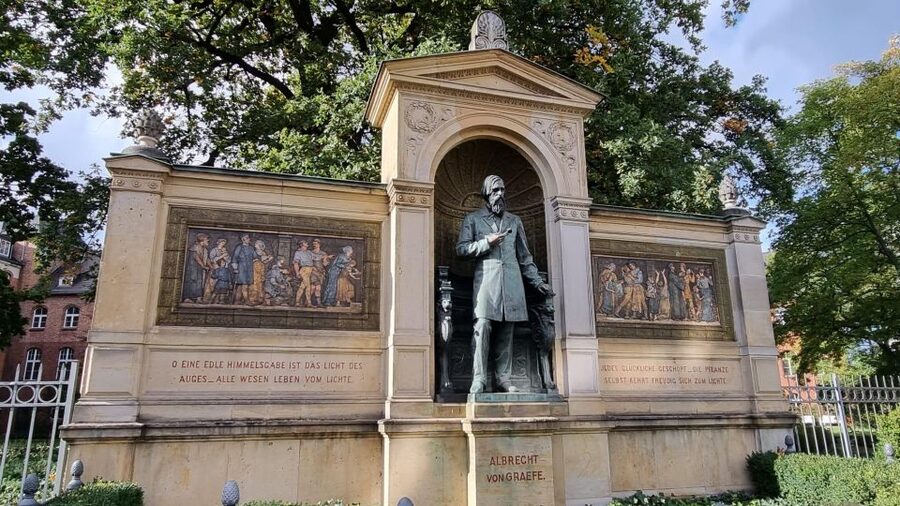
The meeting point is Robert-Koch-Platz, beside the statue of Robert Koch. Look for the guide with an orange umbrella. This clear landmark should make the start easy, though you will want to arrive ready for an outdoor walk rather than an indoor museum visit.
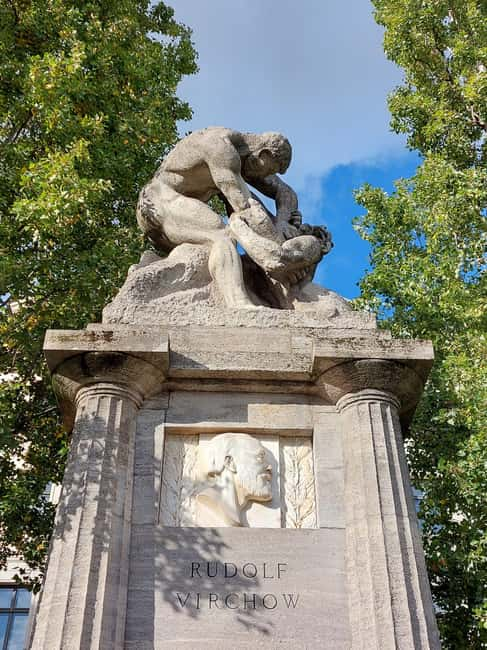
Koch is one of the major names connected with Charité. His work helped establish the role of specific microorganisms in causing disease. The tour uses figures such as Koch and Rudolf Virchow to show how Charité became a center for medical research.
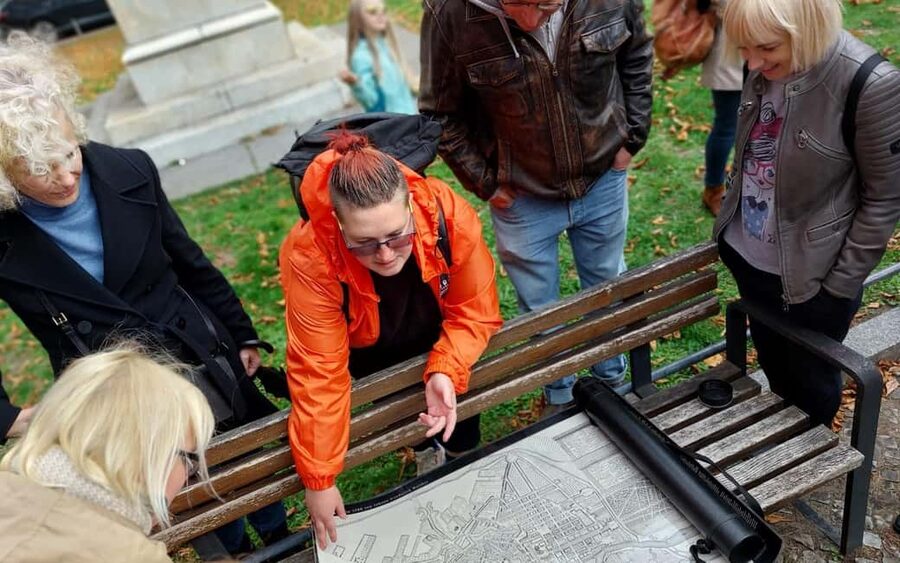
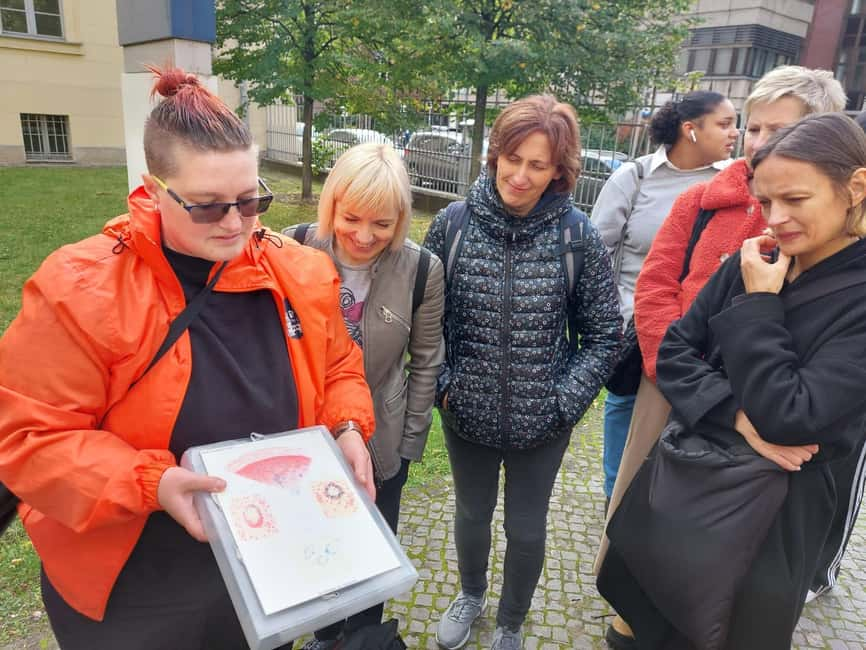
The value here is the human scale. Instead of hearing only that Berlin produced important scientific work, you connect those achievements to the campus where doctors taught, studied, argued, and treated patients. Your guide may also use extra photographs or other visual material to make the stories easier to follow. Martina, one of the named guides, was praised for using additional material and for keeping a large amount of information moving at a good pace.
The two-hour length suits the subject. It is long enough to cover the major periods without becoming a full-day commitment. Still, the content is dense. The tour is recommended for ages 14 and up because it deals with medical treatment, institutional wrongdoing, and the murder of psychiatric patients under the Nazi regime.
Inside the Veterinary Anatomy Theatre

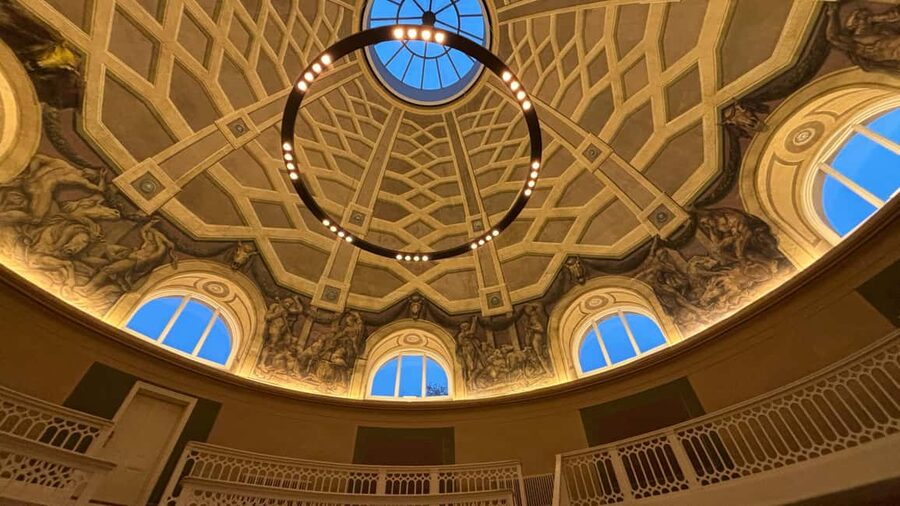
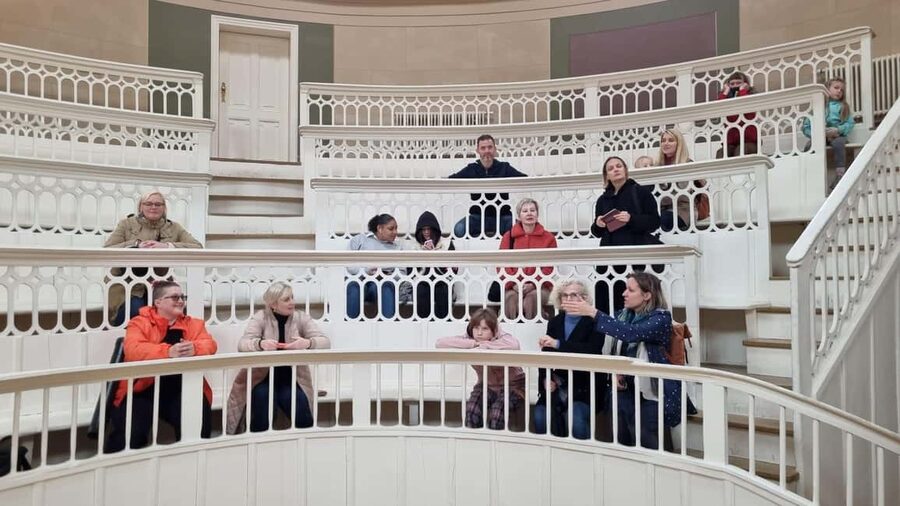
The Veterinary Anatomy Theatre is the tour’s clearest physical highlight. You visit Berlin’s oldest surviving academic building, dating from the 18th century. The stop lasts about 15 minutes, according to the planned route, and admission is included.
The building was connected to the study of disease in livestock and cavalry horses. That may sound narrower than human medicine, but it gives you a useful picture of 18th-century Berlin. Healthy animals mattered to farming, transport, and the military, so understanding animal illness had direct effects on city life.
This is also the part of the tour that takes you back most clearly to the early days of formal medical education. The theatre helps explain how anatomy was taught and how doctors investigated the body before modern diagnostic tools. You get a building, not just an abstract lecture.
There is one important limitation. The theatre can close for internal events or public holidays. Since it is a central part of the experience, check the situation when booking if this stop matters most to you. The tour can still cover Charité’s history, but the visit will be less complete without access to the building.
Neo-Gothic walls and medical pioneers

After the theatre, the route circles the historic Charité campus. You will see the neo-Gothic architecture from outside while your guide explains the people and discoveries linked to the institution.
Robert Koch is one central figure. Rudolf Virchow is another. Their work helped move medicine toward research based on observation, evidence, and close study of disease. The tour does not present Charité as a place where progress happened without conflict. It shows an institution changing over time, with each generation working within the limits and beliefs of its own period.
For me, this is where the walk earns its price. At $28, you are paying for more than a look at old buildings. You are getting an organized explanation of why Charité mattered, supported by the places around you. If you already have a strong interest in medical history, the content should give you plenty to think about. If you know little about the subject, the guide provides a clear route into it.
The campus also connects to the popular Charité television series. The tour explains the real events and people behind the drama, which adds interest if you have watched the show. You do not need to know the series beforehand, but fans should find this part especially useful.
Other walks around Berlin:
- Discover Berlin Half-Day Walking Tour
★ 5.0 · 9,624 reviews - Berlin: Third Reich and Cold War 2 Hour Walking Tour
★ 4.9 · 6,830 reviews - Berlin: Discover Berlin Walking Tour
★ 4.9 · 5,998 reviews - Berlin’s Best: 2 Hour Walking Tour Third Reich and the Cold War
★ 5.0 · 5,486 reviews
Rachel Hirsch and the slow progress of women in medicine

One of the tour’s strongest stories concerns Rachel Hirsch. In 1913, she became the first woman to hold a medical professorship in Prussia.
That appointment marked a major step for women in medicine, but it was not presented as an easy victory. Hirsch faced resistance within the institution, which makes her story more useful than a simple note about a first. The tour shows that social change can happen alongside continued prejudice.
I like this part because it broadens the idea of medical progress. A hospital can produce major scientific discoveries while still limiting who gets authority, recognition, or a formal place in its academic structure. Hirsch’s career gives you a personal story that makes those institutional barriers easier to understand.
It also keeps the tour from becoming a parade of famous men. Charité’s past includes scientists, physicians, patients, administrators, and people pushing against the rules around them.
The Nazi period and the danger of medical authority
The darkest part of the walk covers Charité under the Nazi regime. Medical ethics were cast aside, and racial hygiene ideas were imposed through the medical system.
The subject is difficult, but it belongs in any honest account of Charité. Doctors did not all respond in the same way. Some stayed silent. Others actively organized the extermination of psychiatric patients. The tour examines how a respected medical institution could become involved in persecution and murder.
This section is not light sightseeing. You should expect serious material and give it your attention. The tour’s value comes from placing these crimes within the institution’s wider history instead of treating them as an unrelated footnote.
It also raises a question that matters beyond Berlin: what happens when professional authority serves an abusive state? By walking through the same institutional setting where medical advances occurred, you see how expertise can be used for healing or for harm.
Charité in East Germany
The story continues after the Nazi period. In East Germany, Charité was held up as a source of national pride and medical achievement. At the same time, the institution reflected the division of Berlin.
Some windows facing the capitalist West were bricked up. That small, physical detail says a great deal about the period. It shows how political division reached into daily life and even altered the buildings themselves.
This part gives the tour a distinctly Berlin character. You are not only learning about a hospital. You are seeing how the same institution had to operate under different political systems, each eager to claim its achievements while controlling what could be seen and said.
The progression from plague house to modern hospital, through Nazi Germany and East Germany, is what gives the walk its shape. Each period changes the meaning of the campus around you.
What the two-hour route feels like
The planned route includes the opening at Robert-Koch-Platz, a visit to the Veterinary Anatomy Theatre, several guided stops around the campus, and a finish near Alexanderufer, close to Berlin Central Station. The meeting information also describes the activity as ending back at the meeting point, so confirm the exact finishing arrangement when you reserve.
Plan on walking and standing for about two hours. Comfortable shoes matter more than stylish ones. Bring water, and bring a warm layer even if the day seems mild when you leave your hotel. Much of the experience takes place outside, and there is no reason to let cold wind distract you from the guide.
The tour is wheelchair accessible, but the experience still includes an outdoor walking route and standing. If you have specific mobility needs, confirm the current route and theatre access before booking. The available information confirms accessibility but does not describe every surface or entrance in detail.
The guide speaks English or German. If you want the fullest experience, choose the language in which you can follow detailed explanations about science, politics, and medical ethics most easily.
How the guide affects the experience
This tour depends heavily on the guide. Charité contains many buildings and names, but the route becomes worthwhile only when someone explains how the pieces connect.
Martina is one guide specifically praised for being friendly, well prepared, and energetic. Her tour was described as carefully planned, with extra material that helped explain certain stories. That kind of preparation matters here because the subject covers several centuries and includes technical medical terms, political history, and personal biographies.
A good guide also needs to handle the Nazi section with care. The subject requires more than dramatic storytelling. It calls for clear facts, respectful language, and enough context to explain how professional institutions became involved in state crimes.
The public score is 4.8 from 191 ratings, which points to a consistently strong experience. Still, a rating cannot remove the practical limits. You may not enter hospital wards, university interiors, or every campus area. You are buying interpretation and access to the Veterinary Anatomy Theatre, not a backstage tour of a working hospital.
Is $28 a fair price?
At $28 per person, the tour is reasonably priced for a two-hour guided walk with an included visit to a historic academic building. The cost makes sense if you want a focused subject and a guide who can connect architecture, science, and politics.
The value is weaker if you mainly want to see the inside of Charité’s modern medical facilities. Those buildings are active workplaces, and entry is not included. You should also know that some campus sections are restricted, so the tour cannot show you every significant room or courtyard.
Compared with a general city walk, this one gives you a much narrower subject. That is its strength and its limit. I would choose it for a second or third day in Berlin, after getting familiar with the city’s broad story. It gives you a more specialized look at how Berlin’s medical world developed.
Flexible booking also helps. You can cancel up to 24 hours before the activity for a full refund, and you can reserve now while paying later. Those terms are useful if your schedule is still changing, but the main decision should be your interest in the subject and your comfort with an outdoor walk.
Who should book this Charité walk?
I would recommend it to you if you enjoy:
- Medical and scientific history
- Berlin’s Nazi and East German past
- Architecture tied to real institutions
- The stories behind the Charité television series
- Guided walks with serious historical content
- Smaller, more specialized experiences after the main Berlin sights
It suits older teenagers and adults better than young children. There is no strict age rule, but the suggested minimum is 14, and all minors must be with an adult.
You should think twice if you dislike standing, walking in cold weather, or listening to difficult material about medical abuse. The tour is not designed as a quick photo stop. It asks you to pay attention.
Should you book it?
Book this tour if you want Berlin history told through one institution and you value context more than a long list of sights. The Veterinary Anatomy Theatre, Robert Koch and Rudolf Virchow, Rachel Hirsch, Nazi medical crimes, and East German restrictions give the walk a strong range.
Skip it if your main goal is to enter hospital buildings or see a broad selection of Berlin landmarks. For everyone else, $28 buys a thoughtful two hours, an included historic building visit, and a better understanding of how science, politics, and human choices shaped Charité.
FAQ
Where does the Charité Hospital History Walking Tour begin?
The tour begins at Robert-Koch-Platz, by the Robert Koch statue. Look for the guide holding an orange umbrella.
How long does the tour last?
The walking tour lasts two hours. Check availability for the current starting times.
Which languages are available?
The tour is offered in English and German.
Is the Veterinary Anatomy Theatre included?
Yes. Admission to the Veterinary Anatomy Theatre is included in the tour price.
Can I enter Charité hospital and university buildings?
No. Entry to buildings where hospital or university activities take place is not included. Some parts of the Charité campus are also restricted for guided tours.
Is the tour suitable for children?
The tour has no strict age restriction, but it is recommended for ages 14 and up because of its serious historical content. All minors must be accompanied by an adult.
What should I bring?
Bring comfortable shoes and water. Dress warmly in cold weather because most of the tour takes place outside.
What happens if the Veterinary Anatomy Theatre is closed?
The theatre can sometimes close because of internal events or public holidays. Check availability and current conditions when booking.
Just added in Berlin
- Private One way Airport Transfer Berlin Airport To Berlin★ 3.5 · 17 reviews
- Private Walking Tour: Berlin Wall, Cold War and Checkpoint Charlie★ 5.0 · 37 reviews
- Modern Berlin Private Walking Tour: Diverse, Vibrant and Exciting German Capital★ 5.0 · 13 reviews
- Private Day Trip to Potsdam from Berlin by Train★ 4.5 · 27 reviews
- City Explorer: Potsdam Private Day Trip★ 4.5 · 10 reviews
- Berlin Private Custom 5-Hour Tour by Car★ 5.0 · 30 reviews
- Private Half-Day Sightseeing Tour in Berlin★ 3.5 · 6 reviews
- Berlin Private Custom Tour in a Minivan, East and West★ 5.0 · 123 reviews
Historical Tours, compared.
City History Canal Sightseeing Tour on a Motorboat
Read our review →





Browse the lists this tour appears in