
Reviewed · HISTORICAL TOURS
Berlin Uncensored: A History of Sex & Freedom
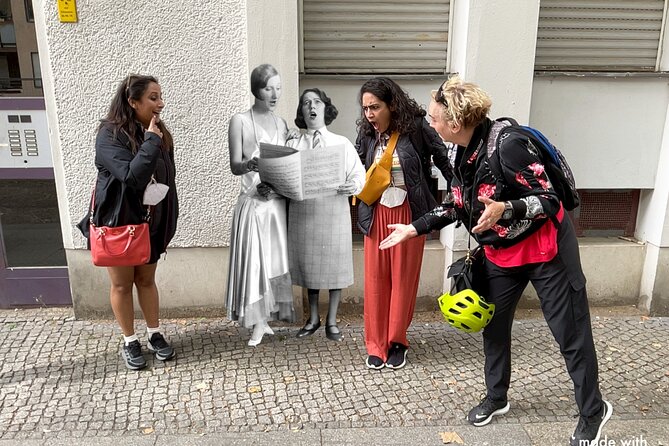
Berlin’s sexual past is not a side note. It connects to medicine, politics, queer rights, nightlife, censorship, war, and the city’s identity today. This 210-minute walk follows that story through Schöneberg and nearby streets, using Augmented Reality to place lost clubs, cabarets, and institutes back onto the city.
I like two things right away. First, sociologist and certified sex educator Jeff brings academic background without turning the walk into a lecture. Second, the mix of 200-plus archival photos, films, sound clips, and quizzes gives you more than a guide talking beside a building. The main drawback is that you usually view historic sites from outside, and three and a half hours without a planned refreshment stop may feel long.
Key points at a glance
- A 210-minute walk through Schöneberg: Follow Berlin’s sexual story from the 1920s to the present.
- AR brings vanished places back: See historic clubs and the Eldorado recreated on Jeff’s iPad.
- Sexual science began here: Learn about the former Institute for Sexual Science and its pioneering work.
- A serious look at persecution: Explore Nazi censorship, the destruction of research, and the targeting of sexual minorities.
- Small, English-speaking group: The tour accepts up to 10 people and includes time for questions and discussion.
- Useful modern context: Get background on KitKat Club, Berghain, Lab.Oratory, Folsom Europe, and Berlin’s current kink and club culture.
Why Berlin’s sexual past needs a full walking tour
Berlin’s reputation for freedom did not appear overnight. The city’s sexual culture grew through experiments in medicine, changing ideas about gender, lively cabaret scenes, political activism, and a willingness to question social rules.
This tour treats sex as part of public history rather than gossip. You hear about contraception, sexual health, sex work, queer life, lesbian bars, feminism, nudism, and the AIDS crisis. That wider frame is important. It shows how private choices can become public battles over law, religion, medicine, art, and power.
Jeff’s background as a sociologist, sex educator, and journalist suits the subject. You can expect explanation and context, not only colorful anecdotes. The tone also allows room for difficult material, including Nazi persecution and the loss of Berlin’s early sexual research.
The group size, limited to 10, helps. A topic like this can lead to questions, and a small group makes discussion easier. It also keeps the walk from feeling like a large sightseeing procession.
Other history to see in Berlin:
- Berlin: Natural History Museum Entrance Ticket
★ 4.6 · 3,382 reviews - Berlin: World Heritage Cruise to Potsdam
★ 4.5 · 1,435 reviews - Berlin Historical Highlights Walking Tour
★ 4.9 · 657 reviews
Meeting at Nollendorfplatz
The tour starts outside the entrance to the Alnatura organic supermarket at Else-Lasker-Schüler-Straße 18, near Nollendorfplatz. This is a practical meeting point, but check the address carefully before you set out. A public transport ticket is not included, so you need to arrange that yourself.
From the supermarket, the group walks for about five minutes to the first stop. The route is not a museum circuit with indoor galleries and reserved rooms. It is a street-based history lesson, so comfortable shoes matter. Some paths may be bumpy, though the route is wheelchair accessible.
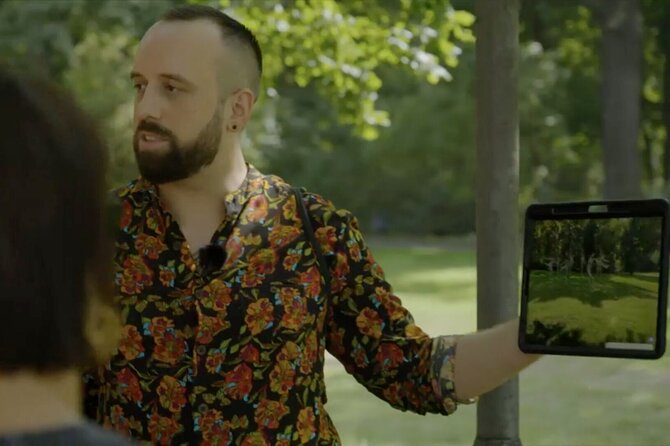
You will spend much of the tour standing outdoors while Jeff works from his iPad. Bring clothing suited to Berlin weather. One earlier walk continued during rain with a changed plan, but you should still prepare for wet conditions rather than count on luck.
Magnus-Apotheke and the practical side of sexual science
The first main stop is Magnus-Apotheke, where the tour spends about 20 minutes. This section connects Berlin’s sexual past to contraception and sexual health.
One of the memorable details is Berlin’s role in the invention of the first rubber condom. That fact shifts the subject away from nightclub stories and toward practical science. Sexual freedom depends not only on bold ideas, but also on the tools that let people make safer choices.
This is also a useful point to understand the tour’s method. Jeff uses historical images, videos, audio recordings, and short questions to keep the material active. You are not simply asked to listen while looking at a modern street. The archival material helps you picture what is no longer visible.
The stop may appeal most to people who like social history with a concrete object or invention at its center. If you want a tour built around entering historic interiors, keep your expectations in check. The emphasis is on interpretation at the location, not access to a preserved period room.
The memorial and the cost of repression
After around 10 minutes on foot, the group reaches the Memorial to the Homosexuals Persecuted Under Nazism. The guided portion lasts about 15 minutes.
This is one of the tour’s most serious sections. Berlin’s sexual history cannot be reduced to glamorous cabarets and daring clubs. Nazi rule brought censorship, closure, surveillance, and persecution. Sexual minorities were targeted, and people were sent to concentration camps because of their sexuality.
The tour also covers sex workers and the regime’s double standards. That detail matters because authoritarian sexual policy is rarely as simple as saying that all sexuality was banned. Some behavior was condemned, while other behavior was tolerated or used for political purposes. The discussion shows how control can operate through both punishment and hypocrisy.
You should expect the mood to change here. The early material about nightlife and experimentation gives way to loss and state violence. That contrast is necessary, but it means this is not a light entertainment walk. The subject calls for respect, especially at the memorial.
Same base, a different kind of day out:
- Berlin: Reichstag, Dome and Government District Guided Tour
★ 4.7 · 18,288 reviews - Berlin: 1-Hour City Tour by Boat with Guaranteed Seating
★ 4.3 · 16,993 reviews - Berlin: Boat Tour Along the River Spree
★ 4.4 · 11,252 reviews - Discover Berlin Half-Day Walking Tour
★ 5.0 · 9,624 reviews
Kurfürstenstraße, Schwerinstraße, and Nollendorfstraße
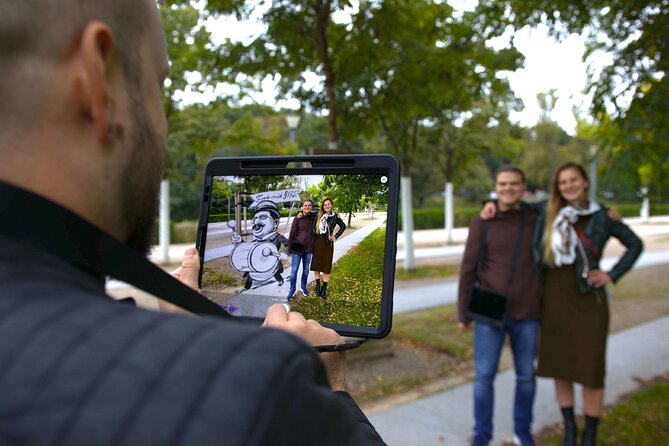
The next section moves through several streets that connect Berlin’s past and present. Kurfürstenstraße receives about 20 minutes of guided attention, followed by around 15 minutes on Schwerinstraße and 10 minutes on Nollendorfstraße.
These stops help show how sexual culture is tied to ordinary city blocks. You may be standing on a normal-looking street while Jeff explains what once took place there. Historic clubs, cabarets, sex-work sites, and meeting places have vanished or changed function, but the street plan remains.
The route also covers the 1920s, when Berlin became known for nightlife that blurred art, performance, erotic expression, and social experimentation. Clubs and cabarets offered space for behavior that would have been less visible elsewhere. Nudism, different relationship models, and queer life all form part of the story.
The value here comes from comparison. You can look at present-day Berlin while learning how quickly a city’s public culture can change. The drawback is also clear: the buildings may not look historic, and you are often outside rather than inside the original venue. The AR material is meant to fill that gap.
Denns BioMarkt and the lost Institute for Sexual Science
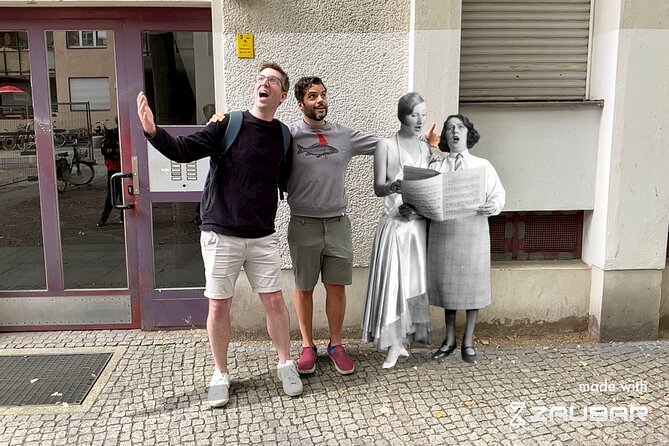
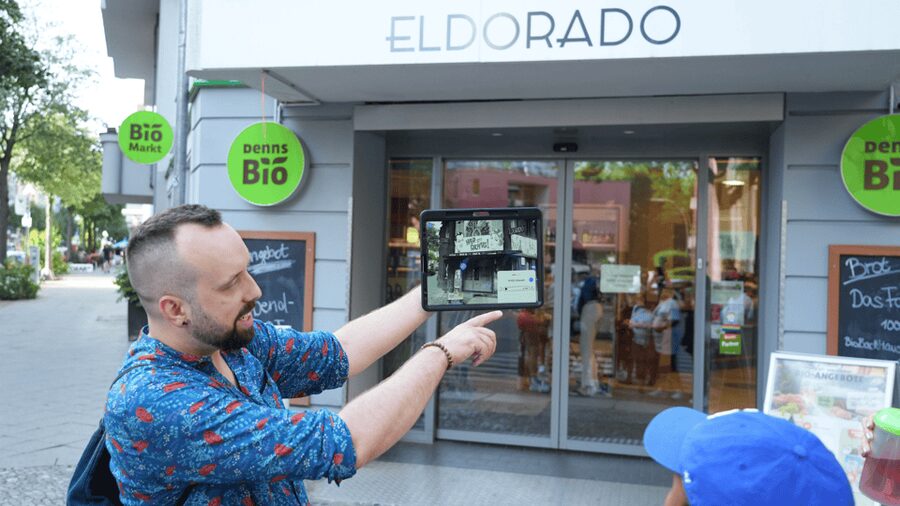
A further stop at Denns BioMarkt lasts about 15 minutes and leads into one of the most important chapters: the birth of modern sexual science.
Berlin was home to the Institute for Sexual Science, where researchers studied desire, attraction, sexual behavior, contraception, health, and relationships. The work was unusually open for its time and included questions about gender and sexuality that remained controversial for decades.
The institute’s destruction under the Nazis is a key turning point. Its research and materials were erased, and the attack showed that sexual knowledge itself could be treated as a threat. This is not only a story about a building that disappeared. It is about how political power can destroy records, institutions, and the people who rely on them.
The stop makes good use of the city’s missing places. The original institute is not presented as a preserved attraction, so the historical images and explanations do much of the work. For me, this is one of the strongest reasons to choose the tour over a standard sightseeing walk. You learn to read absence as part of Berlin’s history.
Prinz Eisenherz and queer life in the city
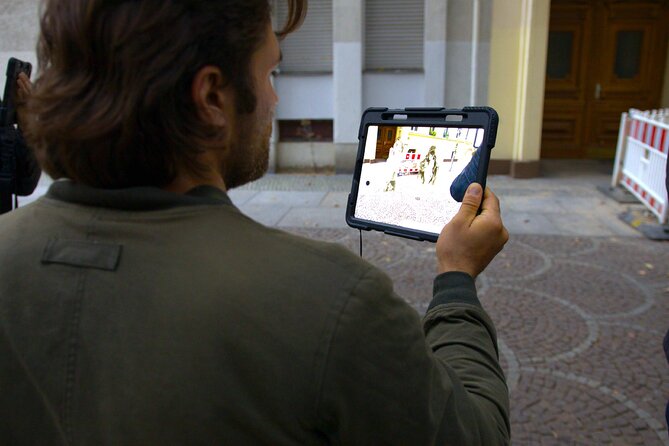
At Prinz Eisenherz, the tour spends about 20 minutes. The stop connects Berlin’s sexual past to its queer cultural life and continuing role as a place where people have built communities, businesses, and political movements.
The wider discussion includes queer and feminist liberation, lesbian bars, and the changing meaning of public space. You also hear about the AIDS crisis, an essential part of modern sexual history that is often skipped on general city tours.
This section can help you place current Berlin culture in context. Today’s clubs and events did not appear without struggle. They grew from earlier organizing, resistance, public health work, and the creation of places where people could meet safely.
The stop is likely to be especially useful if you know Berlin mainly through its current nightlife. It gives you a longer view. The city’s present-day openness is not fixed or guaranteed, and the tour makes that point without treating the past as a simple march toward progress.
Metropol and the final chapter of Berlin nightlife
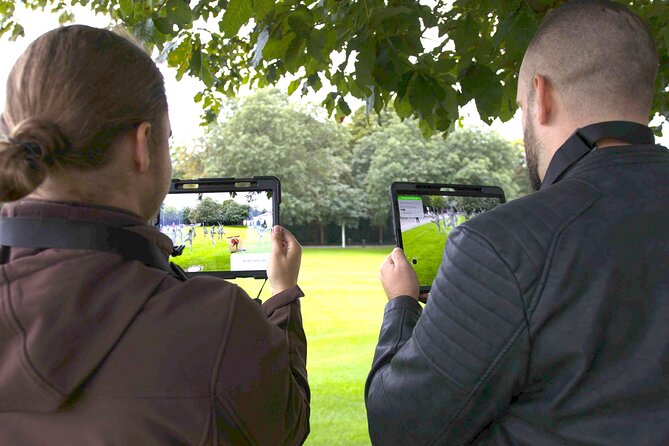
The last major stop is Metropol, with about 20 minutes of guided material before the group returns to Alnatura. This brings the tour toward the modern club scene.
Jeff discusses the KitKat Club, Berghain, Lab.Oratory, Folsom Europe, fetish culture, and electronic music. These names are not presented merely as places to visit. They help explain how Berlin’s current sex-positive identity grew from earlier traditions of performance, experimentation, and chosen community.
You also get insider tips about modern nightlife and events. The tour does not include entry to any club, and it is not a pub crawl. That is a benefit if you want context before deciding how to spend an evening, but a limitation if you expect a night out to be built into the experience.
The AR images can be especially useful at the final stop because current nightlife is often discussed through places that change quickly. Seeing archival material beside the present street gives you a clearer sense of continuity and change.
How the Augmented Reality works in practice
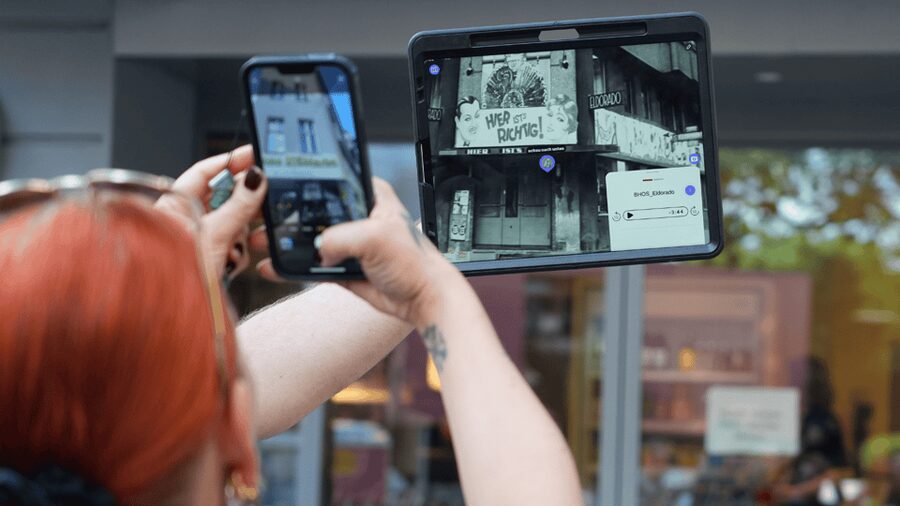
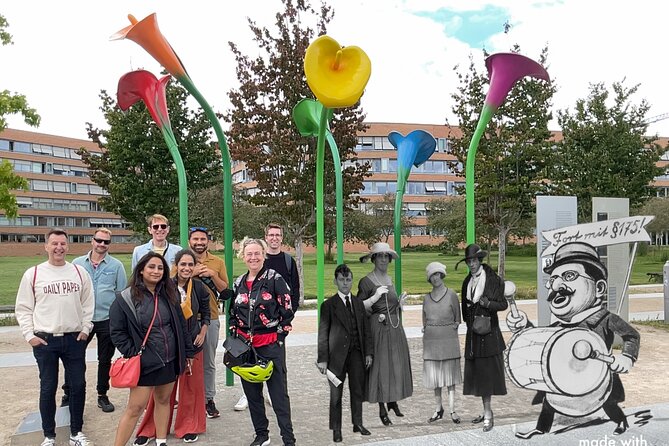
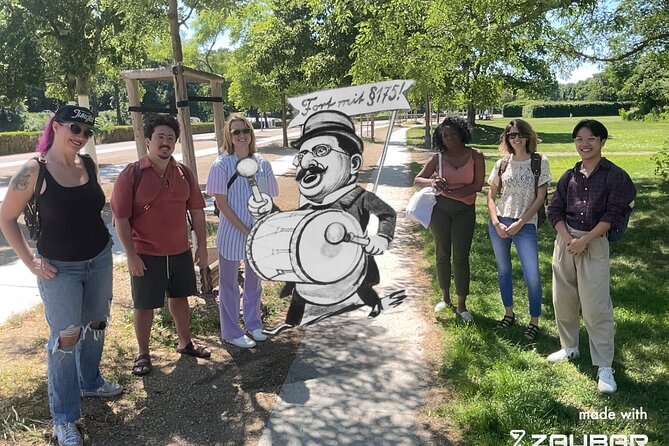
The guide uses an iPad to show historic sites, images, videos, sound clips, and recreated locations. The Eldorado Club is one of the places brought back through AR. You can also take personalized AR photos, called Mixies.
The technology is not a replacement for the guide. It works best as a visual aid when the original building or club has disappeared. A photo of a performer, an audio recording, or an image of an old interior can make a street corner easier to understand.
You should not expect a full virtual-reality ride or a polished theme-park display. One useful caution is that the AR may feel less impressive if you want dramatic three-dimensional reconstructions at every stop. Its real strength is the way it supports Jeff’s explanations.
The material is available with English, German, or both-language subtitles. Detailed descriptions of visual material can be provided for people with visual disabilities. Some sections may involve strong sensory input, and indoor mask use can be arranged when needed.
Is $81 a fair price?
At $81 per person, this costs more than a basic city walking tour. The price makes more sense if you value a specialist guide, a small group, archival material, and a subject you are unlikely to find covered in a standard Berlin route.
You receive three and a half hours of guiding, with a certified sex educator and sociologist leading the discussion. The tour also covers a broad span of time, from the 1920s through Nazi rule, divided Berlin, the AIDS crisis, and today’s club culture. That is a lot of ground for one afternoon.
The value is weaker if you mainly want to enter historic buildings, sit down for a meal, or visit active clubs. There is no included food or drink stop, and public transport is extra. Bring water and plan a meal before or after the walk.
The high rating of 4.9 from eight reviews matches the tour’s strongest features: Jeff’s friendly delivery, detailed explanations, steady energy, and ability to keep the group engaged even in rain. The clearest criticism is practical rather than historical. One person expected stronger AR and more access to real interiors, and found the walk too long without a refreshment break.
Who should book this experience?
I would choose this tour if you want Berlin explained through social change rather than royal palaces, wartime monuments alone, or famous museums. It suits adults interested in queer history, feminism, sexual health, sociology, nightlife, political repression, or the history of medicine.
It also works well for people who enjoy discussion. The quiz elements and small group can make the walk more interactive than a standard guide talk. You do not need specialist knowledge, but you should be comfortable with frank discussion of sex, sex work, persecution, and kink culture.
This is not suitable for children under 18. It may also be a poor fit if you dislike standing outdoors, need frequent scheduled breaks, or expect every historic site to be an intact building you can enter.
Practical details before you go
The tour is in English and lasts 210 minutes. It starts and ends at the Alnatura entrance near Nollendorfplatz, and the group walks between stops. Allow extra time to reach the meeting point and bring a public transport ticket.
The route is wheelchair accessible, though some surfaces may be uneven. Accessible toilets can be arranged on request. If you have visual or sensory access needs, contact the provider ahead of time so descriptions or other arrangements can be prepared.
You can cancel up to 24 hours before the start for a full refund, and you can reserve now while paying later. That flexibility is useful for a Berlin schedule, but I would still check the starting time carefully and avoid placing a tight museum or train booking immediately afterward.
Should you book Berlin Uncensored?
Book it if you want a thoughtful, adult look at how Berlin’s sexual culture was shaped by science, art, repression, liberation, and nightlife. Jeff’s expertise, the small group, and the archive-based AR give the walk a clear purpose.
Skip it if your priority is entering historic clubs, having a meal during the tour, or seeing only famous landmarks. For the right audience, $81 buys a rare angle on Berlin and a much fuller picture of the city than its party reputation alone suggests.
FAQ
Where does the tour start?
It starts directly outside the entrance to the Alnatura Super Natur Markt at Else-Lasker-Schüler-Straße 18, 10783 Berlin, near Nollendorfplatz.
How long does Berlin Uncensored last?
The experience lasts 210 minutes, or three and a half hours.
What language is the tour offered in?
The live tour is conducted in English. Videos include English, German, or both-language subtitles.
Who leads the tour?
The guide is Jeff, a sociologist, certified sex educator, and journalist who has studied Berlin’s sexual history for more than a decade.
Is the tour suitable for children?
No. The experience is not suitable for children under 18.
Is the walking route wheelchair accessible?
Yes. The tour is wheelchair accessible, although some paths may be bumpy. Accessible toilets can be arranged upon request.
What is included in the price?
The price includes the guided walking tour, AR elements, Mixies personalized AR photos, more than 200 historical photos and other archival materials, and tips about modern sex-positive nightlife and events.
Do I need a public transport ticket?
Yes. Public transport is not included, so you should bring your own ticket for getting to the meeting point or moving around Berlin as needed.
Can I cancel the booking?
Yes. You can cancel up to 24 hours in advance for a full refund. A reserve-now, pay-later option is also available.
Just added in Berlin
- Private One way Airport Transfer Berlin Airport To Berlin★ 3.5 · 17 reviews
- Private Walking Tour: Berlin Wall, Cold War and Checkpoint Charlie★ 5.0 · 37 reviews
- Modern Berlin Private Walking Tour: Diverse, Vibrant and Exciting German Capital★ 5.0 · 13 reviews
- Private Day Trip to Potsdam from Berlin by Train★ 4.5 · 27 reviews
- City Explorer: Potsdam Private Day Trip★ 4.5 · 10 reviews
- Berlin Private Custom 5-Hour Tour by Car★ 5.0 · 30 reviews
- Private Half-Day Sightseeing Tour in Berlin★ 3.5 · 6 reviews
- Berlin Private Custom Tour in a Minivan, East and West★ 5.0 · 123 reviews
Historical Tours, compared.
City History Canal Sightseeing Tour on a Motorboat
Read our review →
Browse the lists this tour appears in