
Reviewed · LOCAL LIFE & HIDDEN GEMS
Berlin: Sights and Highlights Bike Tour with a Local Guide
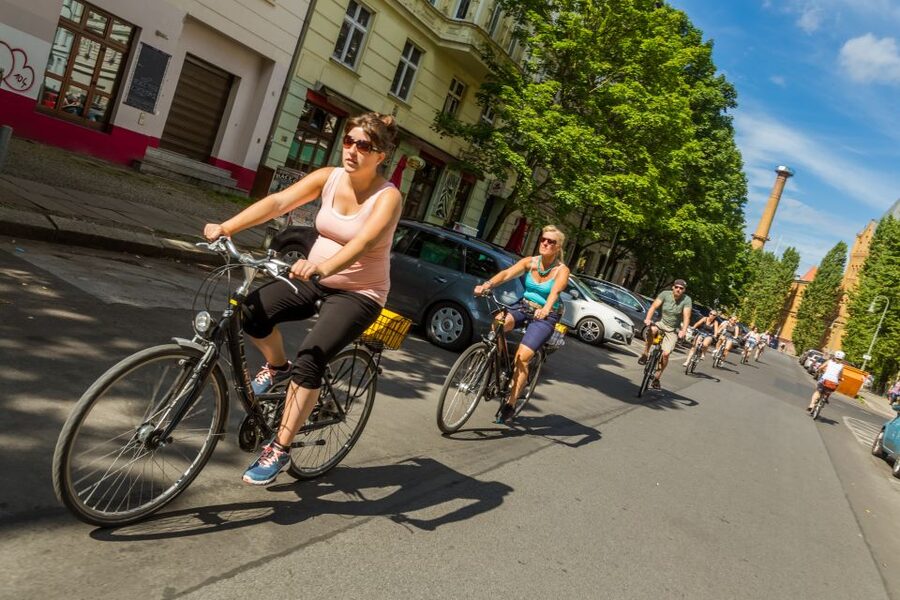
Berlin makes more sense from a bicycle seat. In three hours, you can connect the Brandenburg Gate, Reichstag, Museum Island, and Berlin Wall instead of treating them as separate dots on a sightseeing map. The route also slips through less obvious corners, giving you a better feel for how Berlin changes from one district to the next.
I like two things right away: the relaxed pace makes this manageable for ordinary cyclists, and the guides turn bare monuments into understandable stories. Guides such as Brendan, Angus, Elisa, Andy, and Ana have been praised for mixing clear history with humor and good questions. The main consideration is that you still ride on city streets, so you must watch traffic lights and road conditions rather than blindly following the person ahead.
Key points to know before you book
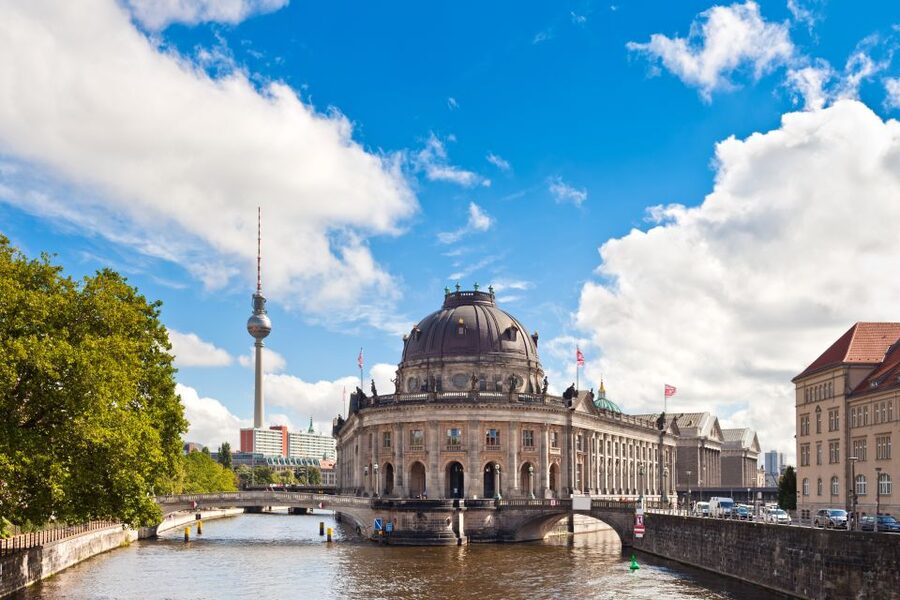
- A three-hour history lesson on wheels: Cover major sights from Prussian Berlin through the Nazi era, the Cold War, and reunification.
- Kulturbrauerei is the usual starting setting: The tour begins at the restored former brewery in Prenzlauer Berg, though the exact meeting point can depend on the option booked.
- Small groups keep the ride personal: The maximum is 15 people, and guides commonly stop to answer questions and adjust the experience to the group.
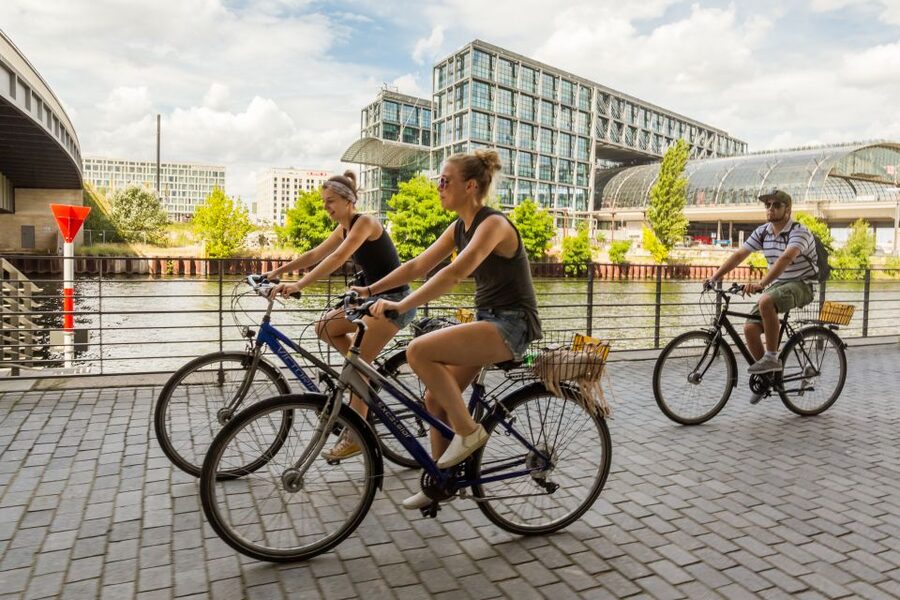
- The route is gentle, not a fitness test: Bikes are supplied, baskets handle small bags, and the pace is designed for sightseeing rather than speed.
- Practical extras are included: Helmets and gloves are available on request, along with sunscreen, trouser clips, and rain ponchos in poor weather.
- Best for a first Berlin day: You get a useful city overview, then can return to the museums, memorials, and neighborhoods that catch your interest.
Why a bike is a smart way to see Berlin
Berlin is spread out. The main sights sit across several districts, and walking between them can eat up much of a day. Public transport gets you across town, but from a train or tram you miss the changing streets between the headline attractions.
A bicycle solves that problem without turning sightseeing into a race. You move far enough to cover ground, yet slowly enough to notice courtyards, former border zones, grand government buildings, and ordinary residential streets. I especially like this format for a first visit, since it helps you understand where places are in relation to one another.
The ride is described as relaxed, and the feedback consistently points to a manageable pace. One rider covered just over six miles, while another recorded about 19 kilometers, so the precise distance may vary by route, traffic, weather, or the guide’s choices. Either way, this is not presented as a demanding cycling excursion.
You do need basic road awareness. At junctions, judge the light and traffic for yourself. The group waits on the far side if people get separated, but you should not treat the guide as a substitute for looking around you.
Other trips with a local in Berlin:
- Explore Berlin: See All The Iconic Sights & Some Hidden Gems
★ 5.0 · 4,429 reviews - Private Berlin: Iconic Sights and Hidden Gems Walking Tour
★ 5.0 · 292 reviews - Cologne: Guided Highlights Tour with a Local
★ 4.5 · 975 reviews
Starting in Prenzlauer Berg at Kulturbrauerei
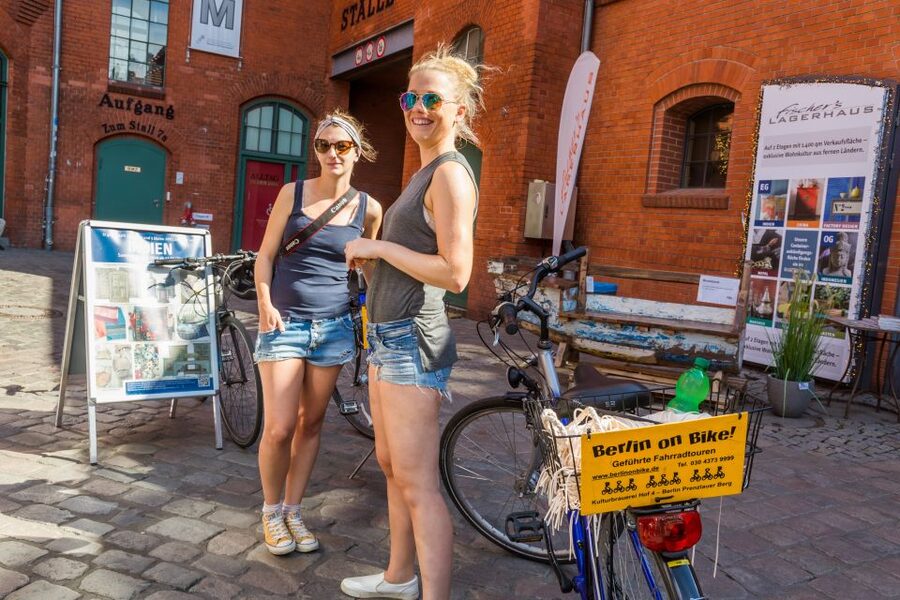
The usual departure point is Kulturbrauerei, a carefully restored former brewery in Prenzlauer Berg. It is a fitting place to begin because it gives you an immediate sense of Berlin’s ability to reuse old industrial spaces for modern cultural life.
The exact meeting location can vary according to the option you book, so check your confirmation rather than assuming every departure leaves from the same door. One useful detail from the start and finish area is that a toilet is available, and there may also be time for coffee during the tour.
This is where you choose a bike from a large fleet. Different sizes are available, and the bikes can be fitted to your height. They have baskets for lightweight bags, which is handy, though I would still keep luggage small and secure.
Helmets are optional but available, as are gloves. The gloves are particularly useful in cooler months, while sunscreen and trouser clips help in warmer weather. If rain arrives, ponchos are provided. Wear comfortable clothing and shoes, and avoid bringing anything that needs to be carried in your hands.
Prenzlauer Berg and the first view of Berlin
The opening ride through Prenzlauer Berg helps ease you into the city. You are not simply transported to a monument, then dropped off for a photo. You begin by moving through a real Berlin neighborhood before reaching the central sights.
That matters because Berlin’s story is not only about palaces, war memorials, and government buildings. Districts such as Prenzlauer Berg show the city as a place where older structures and new uses sit side by side. Your guide can also use this early part of the route to explain how Berlin has changed since reunification.
The small-group limit of 15 works well here. A guide can keep an eye on the group, pause without creating a huge traffic jam, and speak in a conversational way. Past guides including Brendan, Benny, Angus, Guy, and Ana have been singled out for making the history easy to follow and adding humor without turning the tour into a comedy routine.
If you are riding with teenagers, this opening stretch is useful. The movement keeps the experience from feeling like a long indoor lecture, and several families have found the format more appealing than a standard walking tour.
Government District and Berlin Central Station
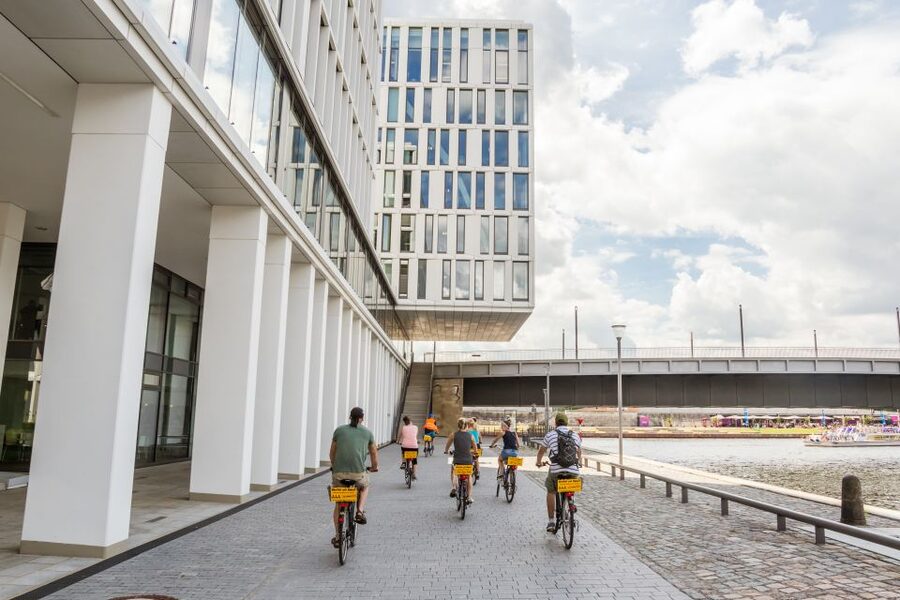
The route then heads toward the Government District, passing Berlin Central Station. This section shows the modern political face of the capital, with the Reichstag and other government buildings forming a sharp contrast to Berlin’s older monuments.
The value here is the connection between place and politics. Your guide can explain why this part of Berlin matters today, then link it to the city’s earlier periods. You are not just collecting photographs of official buildings. You are seeing the area where present-day Germany conducts its national business.
Berlin Central Station also makes a useful reference point. Its modern scale helps you understand the city’s current role as a major national hub. Because you arrive by bicycle, you experience the area from street level rather than from a platform or underground passage.
The stop is brief, as it needs to be on a tour covering so much ground. If you want to enter the Reichstag or spend time inside any government building, plan a separate visit. This bike tour is about orientation and explanation, not interior admission.
Other rides around Berlin:
- Berlin Highlights 3-Hour Bike Tour
★ 5.0 · 948 reviews - Berlin City Bike Tour with Beer Garden Stop
★ 5.0 · 917 reviews - Berlin Highlights: 3-Hour Bike Tour
★ 4.9 · 809 reviews - Berlin Highlights Sightseeing Bike Tour in Small Groups
★ 5.0 · 652 reviews
Brandenburg Gate and the weight of the Holocaust Memorial
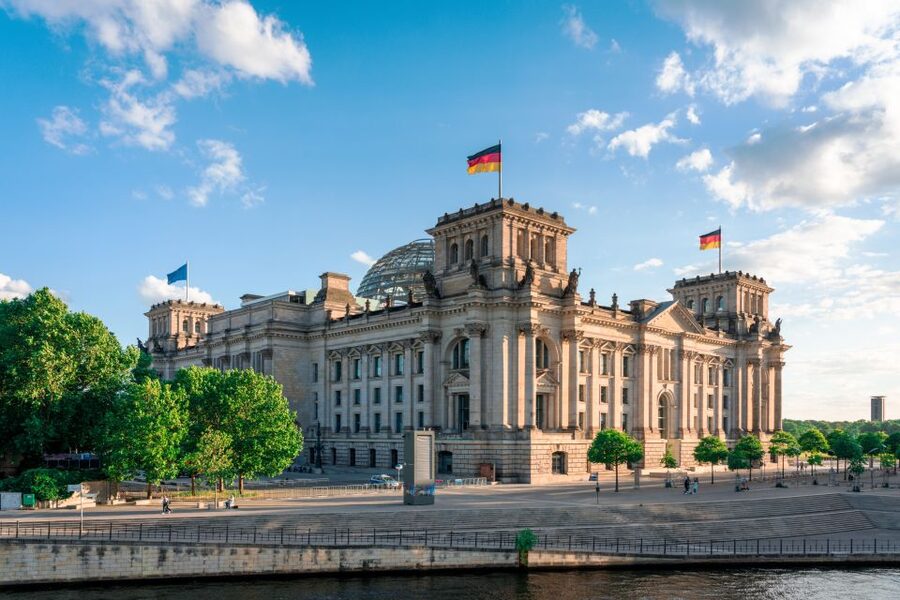
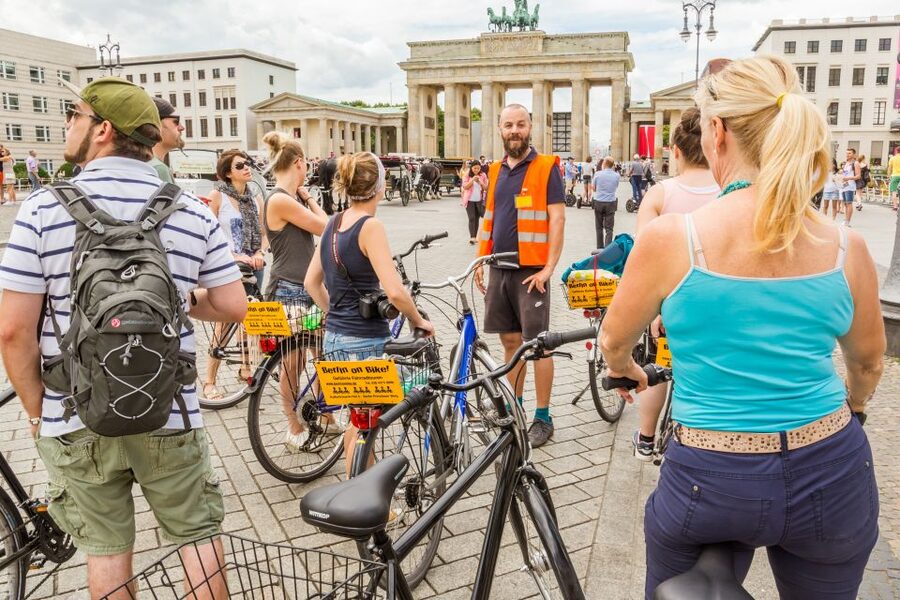
Brandenburg Gate is one of the route’s essential stops. Its neoclassical columns and famous position make it instantly recognizable, but the guide’s explanation gives it more meaning than a quick photograph can provide.
This is a good point to hear about Berlin’s Prussian past and the political events that later made the gate a symbol of division and reunification. The tour’s wider theme is how the same city has passed through several very different eras, and Brandenburg Gate brings those layers together in one place.
Nearby, the Holocaust Memorial requires a slower, more thoughtful pause. The field of concrete slabs is visually simple but emotionally serious. A good guide does not rush this stop or reduce it to a list of dates. Guides on this tour have used printed photographs at stops to show how locations looked during earlier periods, which can help you connect the present-day site with the past.
The bike format has one limitation here: your time is shared among several major locations. If you want to explore the memorial at length, or visit its underground information center, return later on foot. The tour provides context, but it cannot replace a dedicated visit.
The Berlin Wall and the story of division
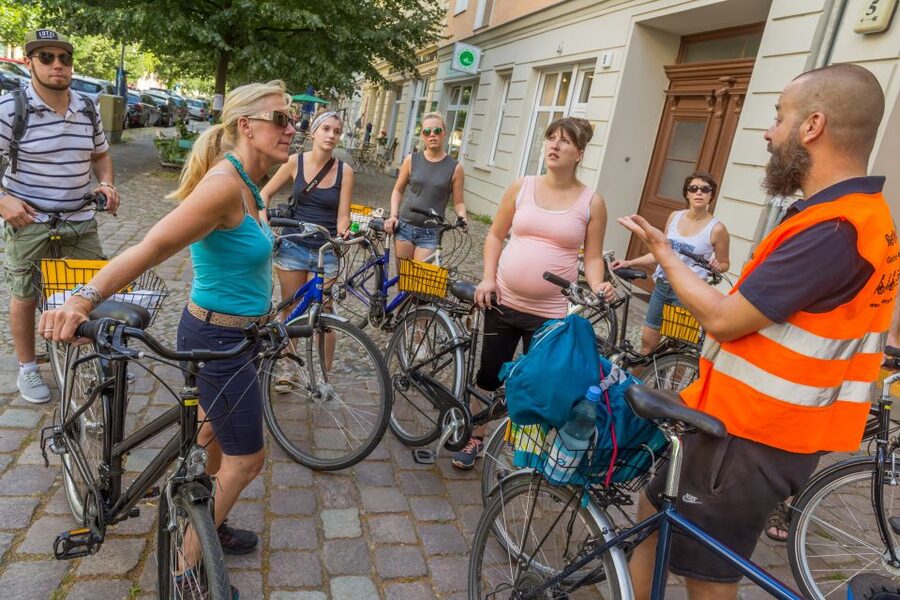
The ride past the Berlin Wall is one of the most useful parts of the itinerary because you experience the former border as part of the city, not as an isolated museum display. Berlin’s Wall story can be hard to grasp from a single preserved section. Cycling between sites helps you understand how the barrier once cut through everyday neighborhoods and transport routes.
Your guide explains the Wall, the Cold War, and the changes that followed its fall. Printed images can be especially helpful here, showing what stood in the same place before the city was reunited.
This stop also benefits from the bike itself. You are moving through the spaces that were once divided, crossing from one part of Berlin to another with an ease that would have been impossible during the Wall years. That physical contrast says a lot without requiring a long speech.
Do not expect the tour to cover every Wall memorial or checkpoint. The route gives you a strong introduction, then points you toward places you may want to visit later. If Berlin’s twentieth-century history is your main interest, write down the guide’s suggestions before you leave.
Gendarmenmarkt, Museum Island, and Berlin’s grand center
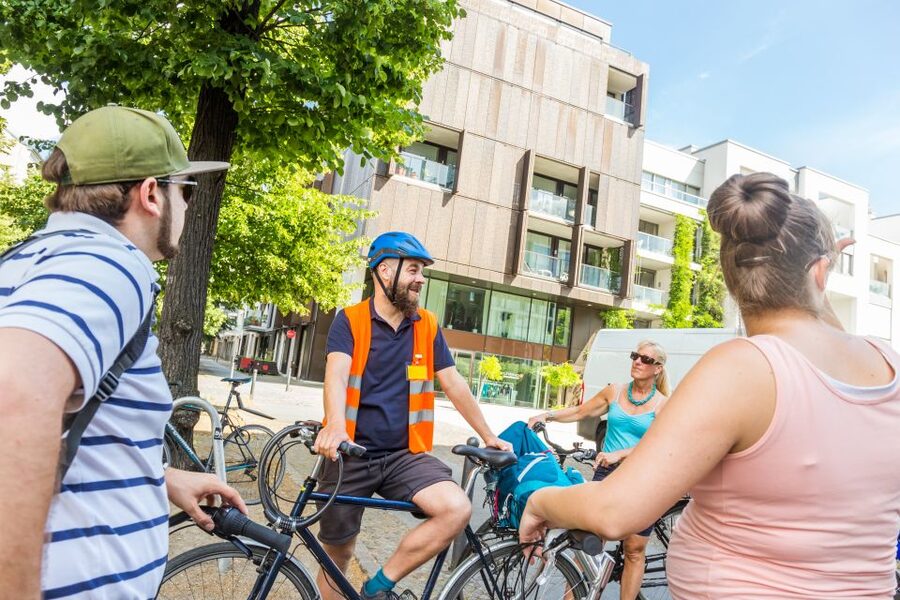
Gendarmenmarkt brings a different mood, with its grand architecture and formal public square. It is a useful stop for understanding Berlin’s Prussian and imperial ambitions, especially after the more difficult subjects of war and division.
Museum Island shifts the focus toward art, archaeology, and the cultural life of the capital. From the bicycle, you see the island’s position in the city and can identify the museums you may want to visit later. The tour does not include museum entry, so think of this as a preview rather than a museum tour.
I like this sequence because it keeps the experience from becoming a single story about conflict. Berlin’s past includes royal ceremony, political power, destruction, division, rebuilding, and culture. The guide’s job is to connect those pieces without burying you under dates.
The stops are designed for explanation and photographs. You will hear the story, look around, and then move on. If you prefer to spend 30 minutes examining one facade or reading every plaque, a slower walking tour may suit you better.
Guides, storytelling, and the small-group feel
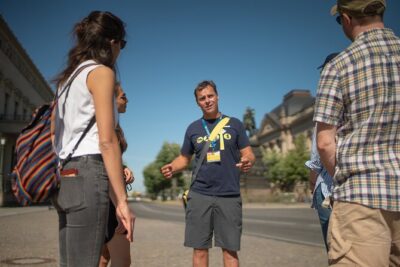
The guide makes a major difference on a route like this. The strongest guides do more than recite facts. They adjust the detail to the group, invite questions, use humor carefully, and help you see why a location matters.
Names that appear repeatedly in the tour’s guide pool include Brendan, Angus, Andy, Elisa, Benny, Guy, Ana, and Frey. You cannot choose a particular guide unless the booking option says so, but the repeated strength of the guiding team is an important part of the experience.
Several guides have used printed photographs to show earlier scenes at the places where you stop. That simple tool is valuable in Berlin, where a plain modern street may once have been blocked by a wall, damaged by war, or filled with a very different kind of ceremony.
The small-group maximum of 15 is another advantage. It is large enough for a sociable atmosphere, but not so large that every question becomes a production. Solo visitors may find it an easy way to meet people, while families can usually stay together without needing to manage a huge group.
How comfortable and safe is the ride?
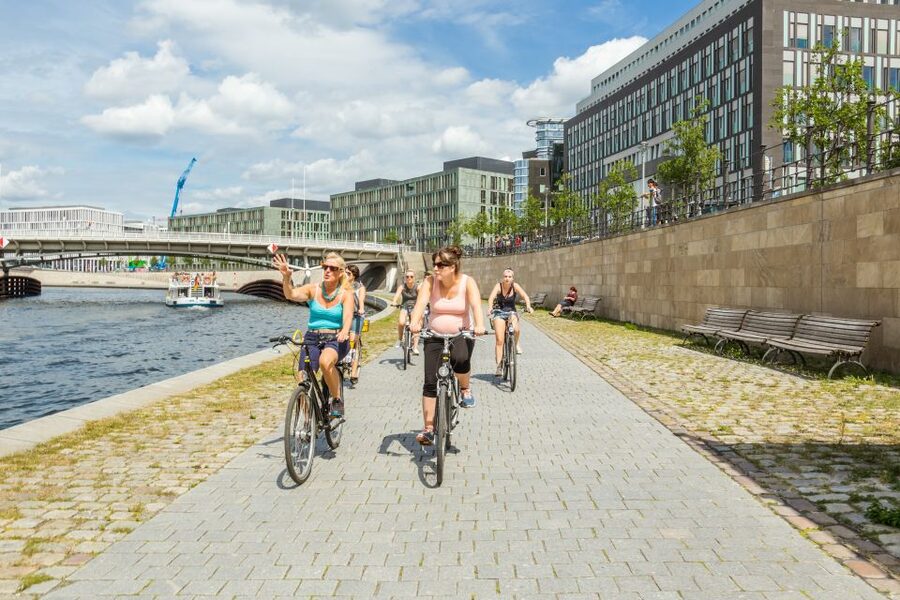
The supplied bikes are intended for city riding, with several sizes available and seat adjustments possible. One rider needed a seat changed at the first stop, and the guide carried tools to make the adjustment. That is worth remembering: if something feels wrong, speak up early rather than tolerating an uncomfortable saddle for three hours.
The pace is easy, but you are not riding on a closed course. Berlin has traffic, crossings, signals, and other cyclists. Pay attention at intersections, keep your spacing, and do not assume the person in front has made the correct decision for you.
The route feels accessible to people who ride a bicycle from time to time. It is not described as strenuous, and the regular stops break up the cycling. Still, anyone who is very nervous in city traffic should think carefully before booking.
Weather affects the experience. Rain ponchos are available, and gloves can help in cold conditions, but you should still dress for the forecast. On hot days, guides may pause in shade and adjust the pace, though you should carry water if you need more than a short break.
What the $41 price gets you
At $41 per person, this is a solid value if you want both transport and interpretation. You receive a bicycle for the tour, a guide in English, German, or Dutch, and access to a route that links many of Berlin’s major sights in one outing.
The value is strongest for a first or short visit. Instead of paying for separate transport between attractions, you cover a broad central route while learning what deserves a longer return visit. It can also save your feet for museums and memorials later in the day.
The price does not include snacks, coffee, or other purchases. There may be a short café stop, but plan to pay for anything you order. Museum admissions and interior visits are also outside the experience.
Free cancellation up to 24 hours before the start and the option to reserve now and pay later make the booking less rigid. Check the available departure time and meeting point for your date, since these can vary by option.
Who should book this Berlin bike tour?
I would choose this for a first morning or afternoon in Berlin, especially if you have only a weekend. It gives you a working map of the city and a historical framework for the rest of your stay.
It is also a good fit for:
- Families with older children and teenagers who prefer movement to a long walking lecture
- Solo visitors who want a social activity with a small group
- Curious cyclists who want local stories along with the main monuments
- Visitors who want to cover a lot of ground before choosing which sites deserve more time
- People who enjoy history but prefer short stops, clear explanations, and conversation
I would hesitate if you dislike cycling in traffic, need long uninterrupted time at each sight, or want admission to museums and memorial interiors included. This is an overview tour, not a substitute for dedicated visits to the Reichstag, Museum Island, the Holocaust Memorial information center, or a detailed Wall museum.
Final verdict: book it early in your Berlin stay
I recommend this tour for most first-time visitors who are comfortable on a bicycle. The combination of major sights, smaller city details, flexible storytelling, and a relaxed pace gives you more than a simple list of photo stops.
Book it near the start of your stay so you can use the guide’s suggestions afterward. Bring comfortable clothes, small luggage, and a willingness to stay alert on the road. If you want Berlin explained while you see it at street level, $41 is a sensible spend.
FAQ
How long does the Berlin bike tour last?
The advertised duration is 3 hours, or 210 minutes. The exact start time depends on availability for the date you choose.
What sights does the tour visit?
The route includes the Government District, Berlin Central Station, Brandenburg Gate, the Holocaust Memorial, Gendarmenmarkt, Museum Island, and the Berlin Wall. It also begins in or around Prenzlauer Berg and includes lesser-known corners along the way.
Where does the tour start?
The tour starts at the restored Kulturbrauerei in Prenzlauer Berg, although the meeting point may vary depending on the option booked. Check the details for your selected departure.
What languages are available?
The live guide may conduct the tour in English, German, or Dutch.
Are bicycles and helmets provided?
A rental bicycle is included. Helmets and gloves are available on request, and the bikes have baskets for lightweight bags.
What should I wear and bring?
Wear comfortable shoes and comfortable clothing. Sunscreen and trouser clips are provided, and rain ponchos are available if the weather is poor.
How many people are in each group?
The tour has a maximum of 15 participants. This keeps the group small enough for questions and regular contact with the guide.
Can I cancel the booking?
You can cancel up to 24 hours in advance for a full refund. A reserve-now, pay-later option is also available.
Just added in Berlin
- Berlin: Energizing 2-Hour Morning Segway Tour★ 4.7 · 35 reviews
- Berlin: Thrilling E-Scooter Adventure Tour★ 4.4 · 66 reviews
- Beelitz-Heilstätten: Baum&Zeit Tree Top Walk Entry Ticket★ 4.9 · 7 reviews
- Beer Bike & Party Bike: Unforgettable Berlin City Tour incl. pickup★ 5.0 · 5 reviews
- AXE THROWING EXPERIENCE IN BERLIN★ 4.7 · 24 reviews
- Alternative Berlin / Street art tour – Private group★ 5.0 · 6 reviews
- Berlin: Alternative & Street Art Tour★ 4.5 · 6 reviews
- Berlin: 2.5-Hour Beer & Sunset Sightseeing Boat Cruise★ 4.6 · 61 reviews
Local Life & Hidden Gems, compared.
Explore Berlin: See All The Iconic Sights & Some Hidden Gems
Read our review →
Munich Private Tour with a Local – Highlights & Hidden Gems
Read our review →
Lunch Like a Local: Munich’s ORIGINAL Viktualienmarkt Food Tour
Read our review →
Private Berlin: Iconic Sights and Hidden Gems Walking Tour
Read our review →
Browse the lists this tour appears in