
Reviewed · FOOD TOURS
Classic Bites and Culinary Trends Neighborhood Food Tour in Berlin
Berlin’s food story is best told one snack at a time. This three-and-a-half-hour walk through Prenzlauer Berg links former East Berlin streets with coffee bars, handmade pastries, kebabs, beer, and food shaped by immigrant communities.
I like the small group size, with a maximum of eight people, and the way the guide connects every bite to Berlin’s social and political changes. I also like that lunch is covered by more than 10 tastings, including sweet and savory stops, rather than one large restaurant meal.
The main drawback is the price: $205.67 per person is a serious spend for a walking food tour. You also need a healthy appetite and comfortable shoes, since the route can cover several miles and some streets are uneven.
Key points at a glance
- East Berlin focus: Start with an introduction to the former East Berlin before walking through Prenzlauer Berg.
- Six tasting locations: Expect more than 10 samples, enough to cover lunch and often leave you very full.
- Berlin beyond German food: Try classic local fare alongside kebabs, falafel, pastries, coffee, and other international influences.
- Beer is part of the lesson: Taste local Berlin beer and learn why drinking outdoors is accepted in the city.
- Guides shape the experience: Holger, Tiago, Violeta, Jane, Dov, Marcel, Lee, Sean, and others have led this route.
- Useful for a first visit: The guide shares food suggestions and neighborhood tips that can help shape the rest of your stay.
Starting at Espresso House in former East Berlin
Meet at Espresso House, Schönhauser Allee 116, at the start of a route built around Berlin’s old division and present-day food culture. The first 15 minutes are used for a historical introduction to former East Berlin, giving you a framework for the streets ahead.
That opening matters. Berlin can feel like a jumble of rebuilt blocks, old industrial buildings, new apartments, and traces of the Wall era. A guide such as Holger, described as a native of West Berlin, can offer a personal angle on how the city changed after reunification. Other guides, including Tiago, Violeta, Jane, and Dov, have also led the walk.
You are not simply moving from one snack counter to another. The guide points out how neighborhoods changed, how immigrant communities shaped Berlin’s eating habits, and how Prenzlauer Berg shifted from its pre-Wall days into one of the city’s popular residential districts.
More Food Tours in Berlin
- Berlin Center Food Tour with 8+ Authentic Local Tastings
★ 5.0 · 1,227 reviews - Kreuzberg: Culinary Food Tour
★ 4.5 · 770 reviews - Berlin: Mitte Culinary Food Tour
★ 4.5 · 447 reviews
Schönhauser Allee and Berlin’s old street food
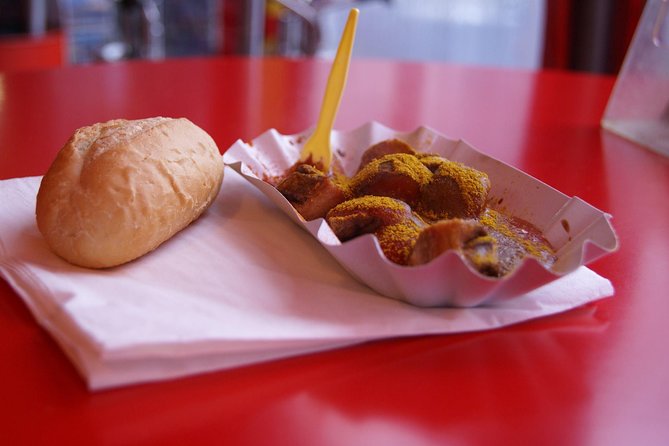
The first food stop on Schönhauser Allee introduces a historical Berlin street snack associated with East Berlin. The exact food is not identified in the schedule, but the tour’s food examples include Currywurst and Ketwurst, two useful reference points for Berlin’s casual food culture.
This is the sort of tasting that works well early in the walk. You get a quick local bite, then hear why simple street food mattered in a city divided by politics and shortages. It is not a formal German meal, and that is the point. Berlin’s food identity often comes through portable, inexpensive snacks rather than elaborate regional dishes.
If you expect a parade of pork dishes and sausages, adjust your expectations. The route includes classic Berlin foods, but its purpose is to show how the city eats now. One food stop may feel more familiar than another, and the balance leans toward street food and international cooking.
Stargarder Straße and the changing face of Prenzlauer Berg
At Stargarder Straße, the walk turns into the side streets of Prenzlauer Berg. The buildings and restored streets provide a setting for stories about everyday life before the Berlin Wall and the area’s later changes.
The route is appealing here because the neighborhood itself becomes part of the meal. You may pause for local details, street art, or small architectural features rather than walking directly from one shop to the next. One guide-led route included alleys with Berlin street art, while another passed through a street market.
Keep in mind that this is a walking tour, not a bus ride between restaurants. You need to be comfortable standing, walking, and eating in several places. One account put the total walk at about four miles, though the exact distance can vary.
Pappelallee and the small coffee bar
The second food stop is a neighborhood coffee bar that roasts its own beans and serves eight types of espresso. The tasting lasts about 15 minutes, so expect a focused coffee stop rather than a long café break.
For coffee fans, this may be one of the most distinctive parts of the tour. Berlin’s café culture is not presented as a generic pause for caffeine. You get a look at a local business and a chance to compare espresso styles in a compact setting.
The practical catch is that espresso is not a full drink for everyone. If you prefer milk coffee, tea, or a slower café experience, this stop may feel brief. Still, it adds variety to a route that could otherwise become a succession of heavy snacks.
Other eating walks in Berlin:
- Berlin: 3-Hour Secret Food Tour
★ 4.8 · 269 reviews - Berlin: Guided Street Food Tour with Tastings
★ 4.8 · 192 reviews - Berlin Private Walking Food Tour With Locals: the 10 Tastings
★ 4.5 · 139 reviews - Berlin Evening Culinary Tour – Award Winning
★ 5.0 · 118 reviews
Dunckerstrasse for pastries and handmade cakes
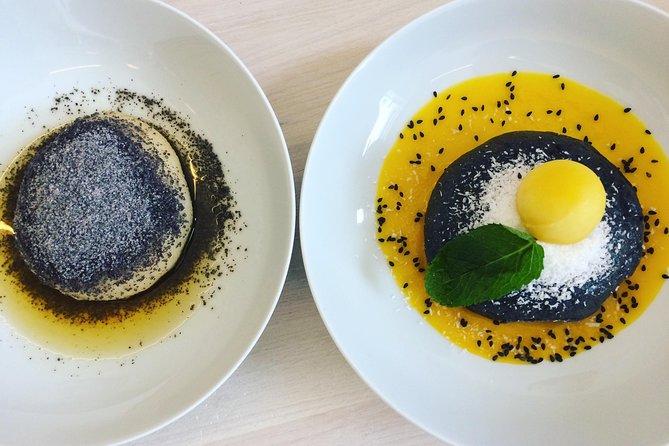
The patisserie on Dunckerstrasse provides the first major sweet stop. You can expect handmade cakes and selected pastries, with about 20 minutes to taste and talk.
This is where the route breaks up its savory food. Several food examples associated with the tour include Berliner donuts, and one particularly popular ending has included a donut shop. The schedule does not promise one fixed pastry, so what you receive can change.
That flexibility is useful in Berlin, where seasonal produce and small food businesses affect what is available. It also means you should not book this expecting a precise menu. You are paying for a guided food route and a range of tastings, not a fixed restaurant tasting menu.
A savory fusion stop with a local drink
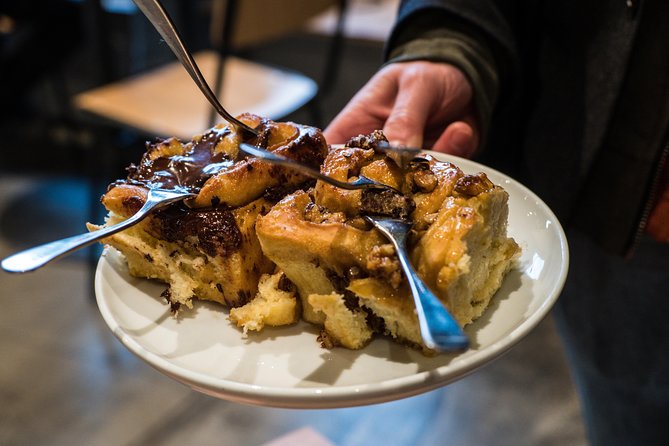
The fourth tasting, in Prenzlauer Berg, is described as a fusion savory dish paired with a locally brewed drink. This is a key part of the tour’s modern Berlin theme.
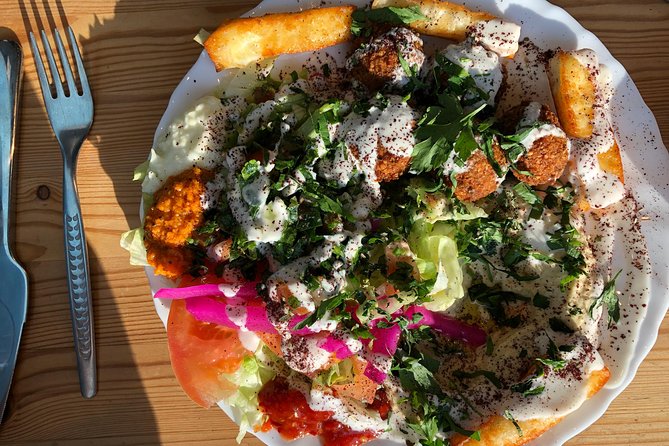
Berlin’s food scene is shaped by people who arrived from many places and built businesses in the city. Kebab, falafel, and other immigrant-influenced foods are not side notes here. They are central to how Berlin eats, and the guide explains that role while you sample the food.
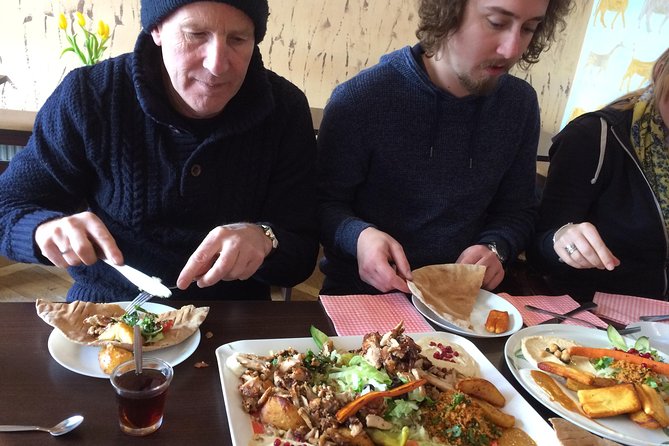
Examples from the route have included kebab plates, falafel, and a stop known as Kebab with Attitude. These are not guaranteed items for every departure, but they show the broad direction of the menu. The food is meant to be eaten, discussed, and connected to the city around you.
Beer time in Prenzlauer Berg
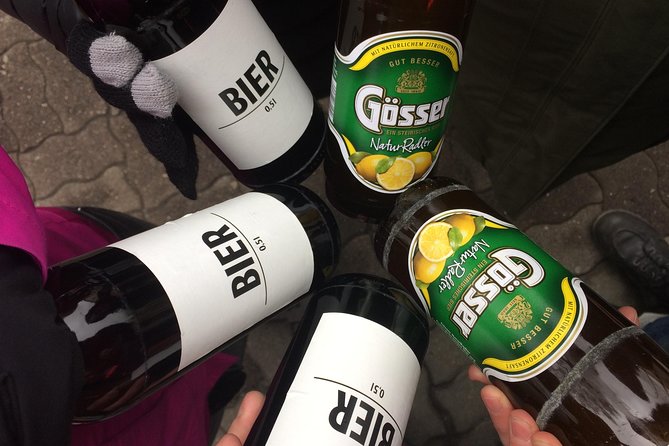
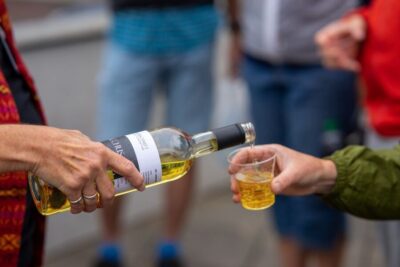
The beer stop lasts about 20 minutes and includes a tasting game with classic and craft Berlin beers. You also learn why drinking beer on the street is accepted in Berlin, a small custom that says a lot about the city’s relaxed public life.
This is more than adding alcohol to the schedule. The beer stop gives the group time to compare tastes and talk with the guide. It also creates a natural pause after several food tastings.
The included alcohol is described as a local beer garden visit in spring, summer, and autumn, weather permitting. That seasonal note matters. In poor weather, the beer portion may not take place outdoors, and the route may use a different arrangement.
If you do not drink alcohol, check the details before booking. The tour includes regional beer, and the beer stop is part of the planned experience. The provided information does not state what nonalcoholic alternatives are available.
Kastanienallee and immigrant influence
At Kastanienallee, the guide turns directly to immigration and its effect on Berlin’s food scene. You taste another food influenced by the city’s international population while hearing how those communities helped shape everyday eating.
This is one of the tour’s strongest ideas. Berlin is not presented as a city with one neat food identity. You get classic local snacks, modern café fare, pastries, beer, and food traditions brought by people from elsewhere.
That approach also explains why the tour may not satisfy someone looking only for traditional German dishes. You may not receive a full pork roast, dumpling plate, or formal regional menu. Instead, you see how Berlin’s food identity grew through movement, adaptation, and inexpensive street meals.
Kulturbrauerei and a useful historical pause
The route passes the brick Kulturbrauerei, a former brewery that was Germany’s largest beer producer in the mid-1800s. The stop is for views, photographs, and context rather than a listed tasting.
This is a good example of why the walking sections matter. A brewery building gives the beer discussion a physical setting, while the older brickwork helps you picture a very different Berlin. It also adds variety after the cafés and food counters.
You will want your phone or camera ready here. The route provides a photo opportunity, but the schedule does not promise an extended interior visit or admission. Treat it as an exterior passage with historical commentary.
Oderberger Straße and the final sweet course
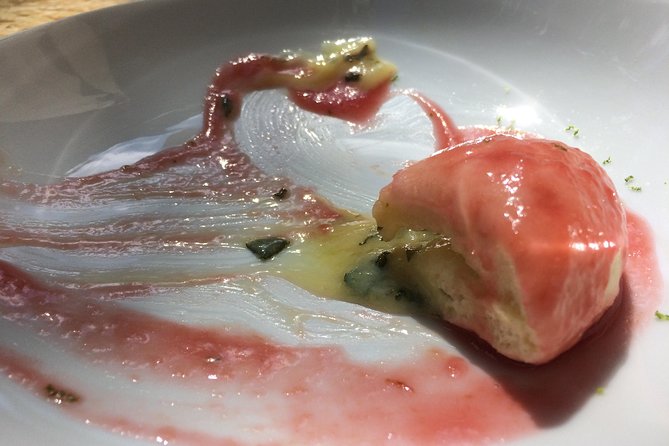
The final named stop is on Oderberger Straße, where dessert changes with the season. You might receive natural ice cream, visit a Berlin beer garden, or try a warm, fluffy dessert.
That seasonal design keeps the route from feeling rigid, but it also means you cannot select the final item in advance. One food example associated with the tour is Hokey Pokey ice cream, and the final stop has also included a donut shop on some outings.
By this point, you may already be full. One portion of the experience includes six places and more than 10 tastings, enough to cover lunch and, for some people, much more. The sensible plan is to arrive hungry and be willing to share or take smaller portions if the group agrees.
What the $205.67 price really covers
At $205.67 per person, this is not a bargain food crawl. The value depends on how much you want a guide to connect the food with Berlin’s history, neighborhoods, and immigrant communities.
The price includes the guide, food tastings, regional beer, snacks, and lunch coverage through the tastings. You are also paying for access to a sequence of small businesses that would be hard to organize efficiently on your own in three and a half hours.
The strongest value comes if you are new to Berlin and want food suggestions for later. Guides such as Jane have offered recommendations for places to eat during the rest of a stay, while Holger and others have added context about the city’s division and reunification.
The value is weaker if you mainly want a cheap lunch. Much of the food is street food, beer, coffee, and pastries, and one careful assessment found the price high for that mix. You should book this for the combination of food, walking, and interpretation, not for the raw cost of the meals.
Group size, walking comfort, and access
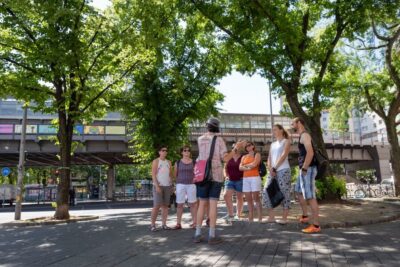
The stated maximum is eight people, which is a real advantage. A small group makes it easier to ask about ingredients, history, and later food suggestions. It also helps at compact cafés and food counters.
The route is near public transportation, and the ending at Eberswalder Straße is practical. From there, you have access to the U2 underground line and trams M10 and M12.
Most people can take part, but the surface of Berlin’s streets deserves attention. The tour is marked as suitable for wheelchairs and strollers, with no steps at the listed food places, yet uneven pavement can make the route difficult. If someone in your group uses a wheelchair, contact the provider before booking and explain your needs. A private tour may be more suitable than slowing a public group.
Service animals are allowed. Confirmation arrives when you book, and free cancellation is available up to 24 hours before the start time. If the minimum number is not reached, the provider offers another date or a full refund.
Who should book this Berlin food walk
I would choose this tour for a first or second visit to Berlin, especially if you want a practical introduction to Prenzlauer Berg and the city’s mixed food culture. It also suits people who enjoy learning while they eat and do not need every dish to be traditionally German.
It works well for couples, small groups, and solo visitors who like conversation. The named guides have different personalities, but the strongest pattern is clear: the guide is central to the experience. Tiago, Violeta, Holger, Jane, Marcel, Dov, Lee, and Sean have all led versions of the route, and the quality of the historical explanation can shape your day.
I would think twice if you have strict dietary needs, dislike alcohol, want a seated meal, or prefer a short walk. The available information does not provide a full allergen or dietary menu, and the food can be substantial.
Should you book Classic Bites and Culinary Trends?
Book it if you want food plus Berlin context, not just a list of tastings. The combination of former East Berlin, Prenzlauer Berg, local coffee, pastries, street food, immigrant cooking, beer, and seasonal dessert gives you a useful introduction to how the city eats.
Skip it if $205.67 feels too high for casual food or if you want a clearly fixed menu of classic German dishes. For everyone else, schedule it early in your visit, arrive very hungry, wear good walking shoes, and use the guide’s suggestions to plan the meals that follow.
FAQ
Where does the tour start?
The tour starts at Espresso House, Schönhauser Allee 116, 10439 Berlin, Germany.
Where does the tour end?
The tour ends at Eberswalder Straße, 10437 Berlin, Germany.
How long does the experience last?
The tour lasts about 3 hours and 30 minutes.
How many people can join?
The stated maximum is eight participants.
What does the price include?
The price includes the guide, food tastings, regional beer, snacks, and lunch through the included tastings. Alcoholic drinks at a local beer garden are included in spring, summer, and autumn when weather allows.
How much food is included?
The tastings cover six places with more than 10 tastings. They are intended to cover lunch, with extra food for some people.
Is the tour offered in English?
Yes. The tour is offered in English.
Is public transportation available near the end?
Yes. The ending near Eberswalder Straße has access to the U2 underground line and trams M10 and M12.
Can I cancel for a full refund?
Yes. You can cancel at least 24 hours before the start time for a full refund. Cancellations or changes made less than 24 hours before the start time are not refunded or accepted.
More eating and drinking in Berlin
- Berlin City Bike Tour with Beer Garden Stop
★ 5.0 · 917 reviews - Berlin: BRLO BRWHOUSE Tour and Craft Beer Tasting
★ 4.4 · 654 reviews - Berlin Craft Beer & Cultural Tour With Snack
★ 5.0 · 343 reviews - Berlin City Bike Tour with Beer Garden Stop
★ 4.9 · 308 reviews
Just added in Berlin
- Private One way Airport Transfer Berlin Airport To Berlin★ 3.5 · 17 reviews
- Private Walking Tour: Berlin Wall, Cold War and Checkpoint Charlie★ 5.0 · 37 reviews
- Modern Berlin Private Walking Tour: Diverse, Vibrant and Exciting German Capital★ 5.0 · 13 reviews
- Private Day Trip to Potsdam from Berlin by Train★ 4.5 · 27 reviews
- City Explorer: Potsdam Private Day Trip★ 4.5 · 10 reviews
- Berlin Private Custom Tour in a Minivan, East and West★ 5.0 · 123 reviews
- Berlin Private Custom 5-Hour Tour by Car★ 5.0 · 30 reviews
- Private Half-Day Sightseeing Tour in Berlin★ 3.5 · 6 reviews
Food Tours, compared.
Elbphilharmonie Plaza and HafenCity Food Tour
Read our review →
Berlin Center Food Tour with 8+ Authentic Local Tastings
Read our review →
Beer and Food Tour with Dinner & Oktoberfest Museum
Read our review →
Browse the lists this tour appears in