
Reviewed · CAR FACTORY TOURS
Stuttgart: Mercedes-Benz Museum Entry Ticket
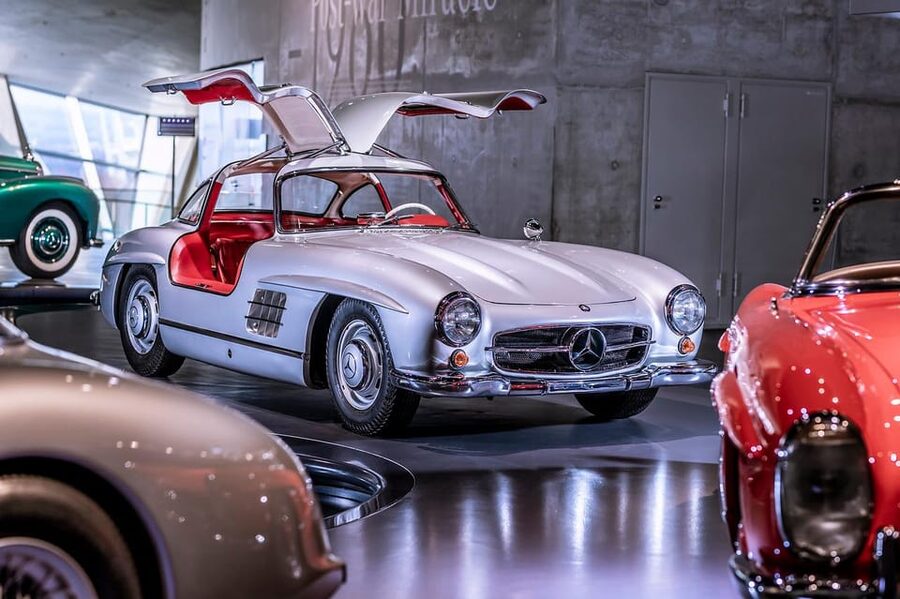
The Mercedes-Benz Museum is not just a hall full of shiny cars. It tells the story of the automobile from Carl Benz’s 1886 invention through racing legends, everyday vehicles, aircraft connections, trams, and futuristic research machines. The cars are the stars, but the museum also sets them against changes in technology, daily life, and world history.
I like the chronological layout, which gives you a clear sense of how the company and the automobile changed over time. I also like the free audio guide in eight languages, since it turns a large collection into a story rather than a parade of unfamiliar models. The building and its clean, carefully planned interior add to the experience.
The main drawback is time. This is a large museum, spread across 16,500 square meters and twelve exhibition rooms, and a late entry can leave you rushing. A 4:30 pm arrival gives you only 90 minutes before closing, which is enough for a quick look but not for the full experience.
Key points to know before you go
- Carl Benz’s 1886 automobile begins the story: The museum links the invention of the car to the wider growth of engines, industry, and modern life.
- Two routes shape the visit: Follow the Legend route for a chronological story, or the Collection route for a different look at the vehicles and their themes.
- More than 160 vehicles fill 12 exhibition rooms: You will see early automobiles, classic cars, racing machines, commercial vehicles, and experimental designs.
- Plan at least 2 to 3 hours: Car fans may want 4 or 5 hours, while a rushed visit can be done in about 90 minutes.
- The audio guide is free and multilingual: Choose German, English, Italian, Spanish, French, Chinese, Japanese, or Russian.
- The $18 ticket is strong value: It gives you a full day of access to a major museum, with cancellation up to 24 hours before entry and a reserve-now, pay-later option.
The museum begins with the birth of the automobile
The first thing that makes this museum special is its sense of order. Instead of placing cars in random display bays, it takes you through the development of the automobile and the Mercedes-Benz company in a broad historical sequence.
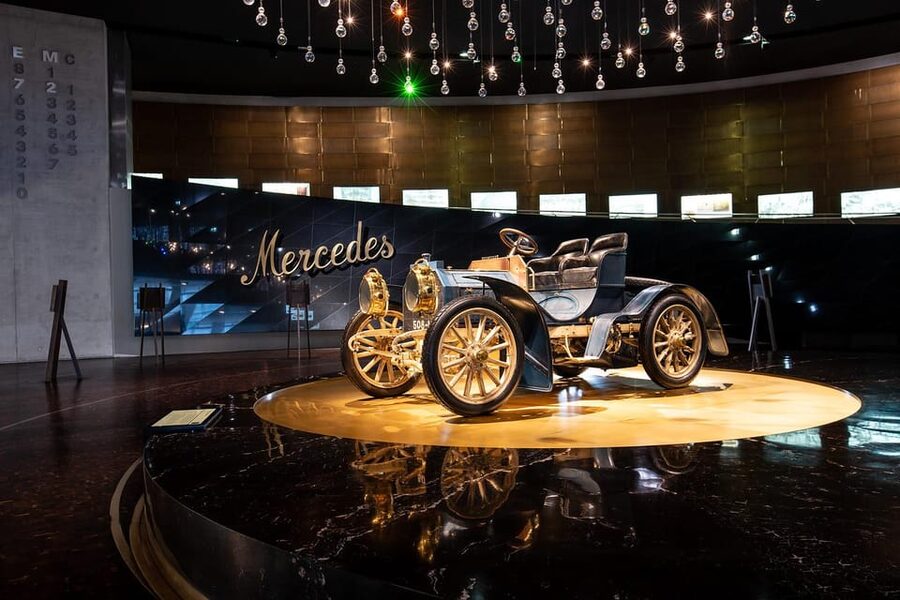
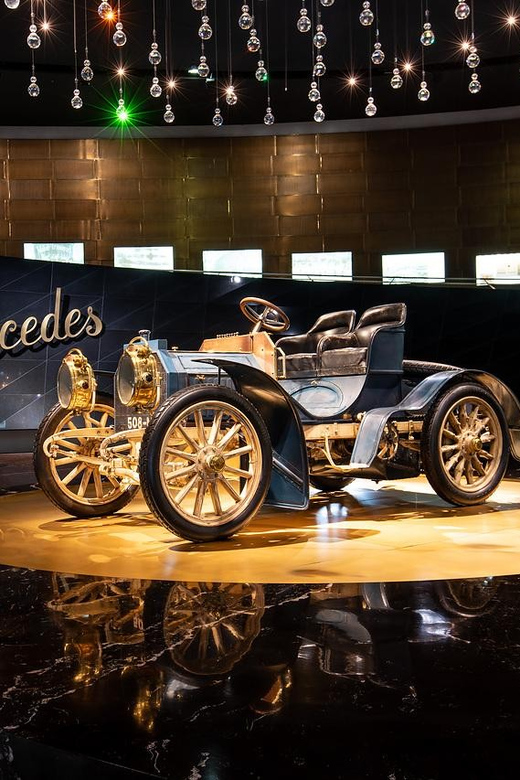
Carl Benz’s 1886 automobile provides the starting point. From there, the story moves through the growth of engines, the spread of motor vehicles, changing design, motor racing, and the search for new forms of transport. You are not simply looking at old metal and polished paint. You are seeing how a new machine changed work, leisure, travel, industry, and popular culture.
That wider frame helps if you are not a car specialist. You can admire the shapes and details without knowing model names, while the audio commentary and written displays explain why each period matters. The museum also connects engine technology with other uses, including aircraft and trams, so the story reaches beyond private cars.
I especially like this approach because it gives each vehicle a reason to be there. An early car represents a technical breakthrough. A racing car shows the pressure to improve speed and handling. A futuristic research vehicle points toward questions about what driving might become.
More Car Factory Tours across Germany
- Berlin: Sightseeing Tour in Classic Volkswagen T1 Samba Bus
★ 4.9 · 993 reviews - Leipzig: Exclusive BMW & MINI Behind-the-Scenes Factory Tour
★ 4.6 · 289 reviews - Berlin: BMW Motorrad Production – See How Bikes Are Built
★ 4.6 · 93 reviews
Follow the Legend and Collection routes
The permanent exhibition is arranged around two narratives called Legend and Collection. Together, they cover twelve rooms across 16,500 square meters.
The Legend route is the clearest choice if you want a chronological visit. It takes you through the company’s story in time order, beginning with the earliest automobiles and continuing through major phases of automotive development. This route works well for a first visit because you can see the technology change step by step.
The Collection route offers another way to understand the vehicles. Rather than treating the museum only as a timeline, it groups the material around broader themes and types of vehicle. That gives you a chance to compare machines that may come from different periods but served related purposes.
The building itself makes the route part of the experience. The exhibition rises through several levels, and the open, modern interior lets you see the scale of the collection as you move. Several visitors describe the museum as a seven-floor experience, so expect plenty of walking and repeated changes in height.
I would not try to race through both routes. Read and listen to the sections that interest you, then move on when your attention starts to fade. The museum is large enough that trying to absorb every label can turn a fascinating visit into homework.
Early cars explain more than company history

The oldest vehicles are important not only because they are rare or visually unusual. They show how uncertain the early automobile was. Designers were testing engines, body shapes, controls, and practical uses, often before anyone knew what the finished product should look like.
This part of the museum gives you a useful sense of scale. The modern car feels ordinary because it has been refined over more than a century. The early machines make clear how much had to change before cars became dependable objects of daily life.
The displays also place automotive progress beside major events and social changes. That context is one of the museum’s strongest features. You can see the brand’s growth alongside industrial development in Germany and the wider changes taking place around the world.
If you use the audio guide, this is where it can add the most value. A row of early vehicles may look similar at first glance, but the commentary can explain the differences in design and purpose. You can select from eight languages: German, English, Italian, Spanish, French, Chinese, Japanese, and Russian.
The audio equipment is included with admission, though it may need a little patience. Some users have reported that a handheld unit did not activate immediately, and one party found that two of four headsets were not working. If your device is silent or fails to start, ask staff for help at once instead of carrying on without it.
Racing cars provide the big finish
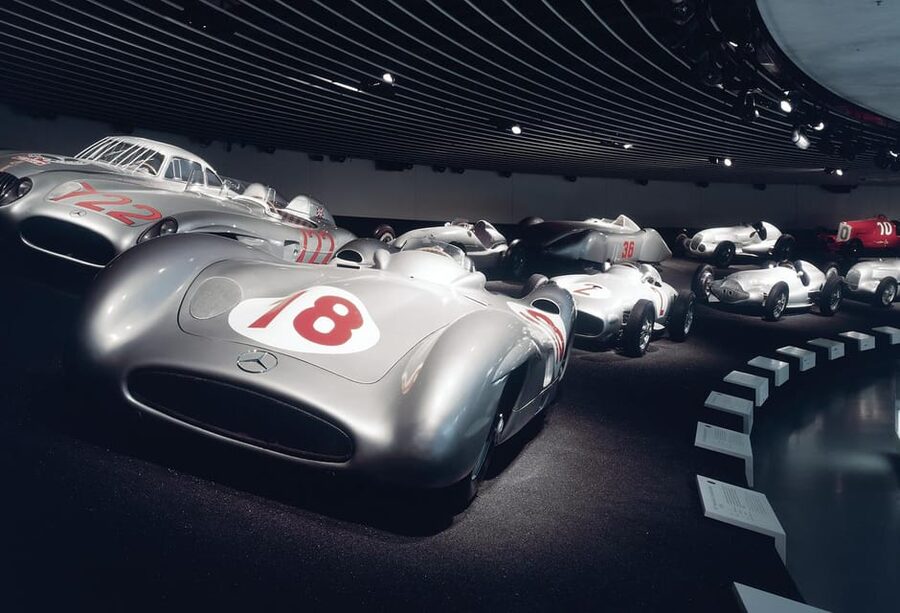
For many people, the racing cars will be the museum’s high point. The collection includes legendary competition vehicles, and the racing section gives the visit a natural burst of energy after the slower development of early automobiles and everyday models.
Racing cars show a different side of the company. They are built around speed, engineering, risk, and constant improvement. Their shapes can look extreme compared with road cars, but the connection between competition and road-going design is part of the wider story.
You will also find futuristic research vehicles and concept designs. These displays are useful because they show Mercedes-Benz testing ideas rather than only presenting finished products. They make the museum feel less like a record of the past and more like a look at how engineers think about the future.
There is no simulator listed as part of the visit, so do not book this expecting an interactive driving attraction. The experience is mainly about viewing vehicles, following the displays, and using the audio guide. Visitors who want hands-on racing games may find the museum more traditional than expected.
More Museums across Germany
- Berlin: Jewish Museum Berlin Entrance Ticket
★ 4.5 · 8,393 reviews - Berlin: DDR Museum Tickets
★ 4.3 · 3,443 reviews - Berlin: Natural History Museum Entrance Ticket
★ 4.6 · 3,382 reviews - Berlin: Neues Museum Entry Ticket
★ 4.6 · 3,261 reviews
The museum works for more than car enthusiasts
A car enthusiast can easily spend four or five hours here. The sheer number of vehicles, the racing section, and the details in the audio guide reward a slow visit.
You do not need to be a serious motor fan, though. The museum also covers industrial change, design, engineering, German history, and everyday life. Classic vehicles can appeal even to someone who normally skips car collections, because the shapes and materials reflect the tastes of their time.
Families have good reasons to come, too. Children can use a kids’ audio guide and puzzles, and younger visitors may find special activities such as coloring. Teenagers may respond to the videos shown on each floor, while adults can spend more time with the historical displays.
The museum is wheelchair accessible. That matters in a building this large, where a full visit requires plenty of movement between levels. You should still expect a substantial amount of walking, and the number of resting points may feel limited during a long visit.
How long should you allow?
For a quick overview, 90 minutes is possible, but it is not enough if you want to follow the historical development carefully. A late afternoon entry at 4:30 pm leaves only until the 6 pm closing time, and that short window can feel frustrating.
I recommend allowing at least 2 to 3 hours. That gives you time to see the major sections, listen to selected audio stops, and pause for the cars that interest you most.
Plan on 4 hours or more if you are a dedicated car enthusiast or intend to hear most of the commentary. Several visitors who had only one hour or 90 minutes felt they had to leave before seeing everything. That is useful advice: the museum looks manageable from the entrance, but the exhibition expands as you move through it.
The museum is open Tuesday through Sunday from 9 am to 6 pm, with last admission at 5 pm. It is closed on Mondays according to the hours provided here. Check the available starting time when booking, especially if the museum is one stop among several in Stuttgart.
Is the $18 admission good value?
At $18 per person, this is a strong-value museum ticket if you have enough time to use it. You receive admission to a major permanent exhibition, access to more than 160 vehicles, and a free audio guide in eight languages.
The one-day validity gives you room to plan your visit around the rest of your Stuttgart schedule, though the museum’s opening hours still limit how long you can stay. This is not a short attraction that you squeeze in between lunch and a train. The ticket becomes better value the longer you spend inside.
The booking terms also help if your plans may change. You can cancel up to 24 hours in advance for a full refund, and the reserve-now, pay-later option lets you hold a place without paying immediately. Those details are useful for a multi-city Germany trip where transport plans can shift.
Skip-the-ticket-line access is included. Even so, prepaid visitors should look for clear directions at the main entrance, since some people have found the ticket process less obvious than expected. Have your booking ready and ask staff where prepaid admission begins if you see a queue.
Practical tips for a smoother visit
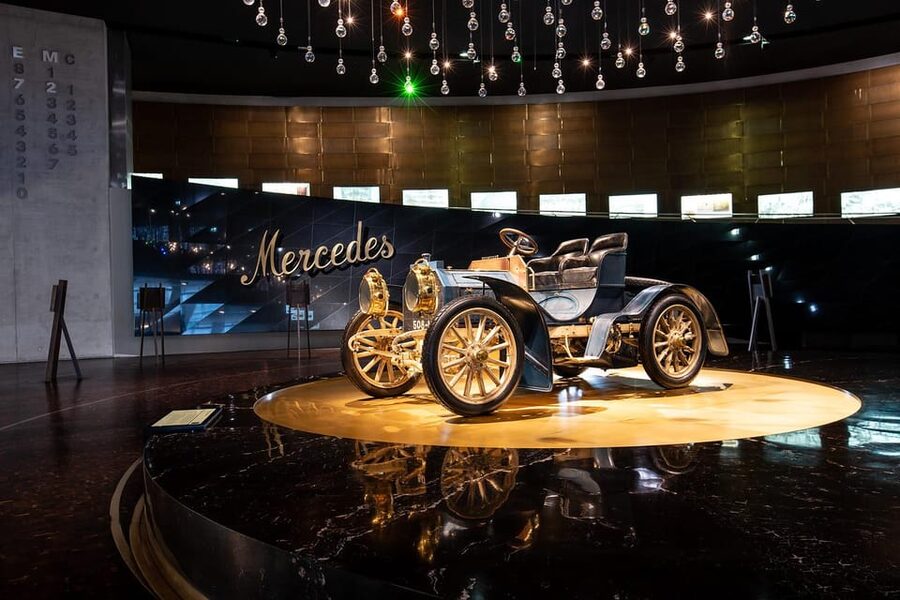
Arrive early if you want the museum at a calmer pace and need several hours. The building opens at 9 am, and an early start gives you time to listen to the audio guide without watching the clock.
Bring your own priorities. If you care most about early automobiles, spend more time at the beginning. If racing is your main interest, move steadily through the earlier displays so you have energy for the competition cars and concept vehicles later.
Use the audio guide selectively rather than treating every stop as compulsory. English is available, along with seven other languages, but the amount of material can become tiring. Pick the vehicles and historical moments that catch your eye.
Allow extra time for children. Coloring activities, puzzles, and the kids’ audio guide can make the visit more enjoyable, but families should not expect to see the whole collection at an adult pace.
Wear comfortable shoes. The exhibition covers a very large area and several levels. Rest when you need to, since some visitors have found the number of seating areas modest.
If you have only 90 minutes, accept that you are choosing highlights rather than completing the museum. A rushed visit can still be worthwhile, but I would not choose a late admission if this is your main reason for visiting Stuttgart.
Who should book this museum?
I would book it if you like cars, engineering, industrial design, or social history. It is also a good family choice because the subject can be approached at several levels, from colorful vehicles and puzzles to detailed historical displays.
It suits independent visitors who prefer to move at their own pace. There is no named live guide attached to the experience. Instead, you explore the museum directly with the included audio guide and the exhibition material.
I would be more cautious if you have limited time, dislike large indoor museums, or want a hands-on driving experience. The museum is spacious and polished, but the main activity is looking, reading, and listening.
Should you book the Mercedes-Benz Museum?
Yes, if you can spare at least 2 to 3 hours. The museum turns the story of the automobile into a clear journey, with enough technical detail for enthusiasts and enough social context for everyone else.
Book it especially if you are already near Stuttgart, have children who like vehicles, or want to compare it with other German automobile museums. At $18, the ticket offers a lot for the money, but only if you avoid treating the museum as a quick stop.
Choose an earlier entry for the best experience. If your schedule allows only 90 minutes before closing, you will see impressive cars but miss much of the story that makes this museum worth visiting.
FAQ
Where is the Mercedes-Benz Museum located?
The museum is in Stuttgart, in the Baden-Württemberg region of Germany.
How much does admission cost?
The listed price is $18 per person.
How long is the ticket valid?
The ticket is valid for one day.
What are the museum’s opening hours?
The museum is open Tuesday through Sunday from 9 am to 6 pm. Last admission is at 5 pm.
Is an audio guide included?
Yes. An audio guide is included with admission.
Which languages are available for the audio guide?
The available languages are German, English, Italian, Spanish, French, Chinese, Japanese, and Russian.
How many vehicles are on display?
The permanent exhibition includes more than 160 vehicles of different types.
How much time should I allow for a visit?
Allow at least 2 to 3 hours for a useful visit. Car enthusiasts may want 4 or 5 hours, while 90 minutes is enough only for a quick selection of highlights.
Is the museum wheelchair accessible?
Yes. The museum is wheelchair accessible.
Just added in Germany
- Berchtesgaden: Via Ferrata Beginner Tour of Schützensteig★ 4.7 · 15 reviews
- Berlin: Energizing 2-Hour Morning Segway Tour★ 4.7 · 35 reviews
- Berlin: Thrilling E-Scooter Adventure Tour★ 4.4 · 66 reviews
- Bayreuth: German City Walking Tour (Tourist Info)★ 4.7 · 202 reviews
- Beelitz-Heilstätten: Baum&Zeit Tree Top Walk Entry Ticket★ 4.9 · 7 reviews
- Beer Bike & Party Bike: Unforgettable Berlin City Tour incl. pickup★ 5.0 · 5 reviews
- Bavaria: Beginner Canyoning Tour★ 4.5 · 10 reviews
- Bayreuth: Christmas city tour in German★ 4.9 · 12 reviews
Car Factory Tours, compared.
Sightseeing Tour in Classic Volkswagen T1 Samba Bus
Read our review →
Exclusive BMW & MINI Behind-the-Scenes Factory Tour
Read our review →
BMW Motorrad Production – See How Bikes Are Built
Read our review →Browse the lists this tour appears in