
Reviewed · GERMANY
Adventure Darkness – Guided tour in the dark
The first surprise here is how quickly a familiar room becomes a puzzle when you cannot see a thing. At Adventure Darkness, a blind or severely visually impaired guide leads you through total darkness with a long cane, using sounds, smells, touch, and taste to shape each scene.
I like the direct human connection with the guide, and I like that the tour moves beyond a simple blackout room into everyday situations, a road crossing, and a sporting challenge. The small group, limited to eight people, helps keep the experience personal. One caution: the activity is in German, and the accessibility information is contradictory, so you should confirm wheelchair arrangements before booking.
Key points at a glance
- Total darkness for about 60 minutes: You rely on hearing, touch, smell, and taste instead of sight.
- Real-life situations: The route recreates ordinary tasks, a simulated road crossing, and a sporting challenge.
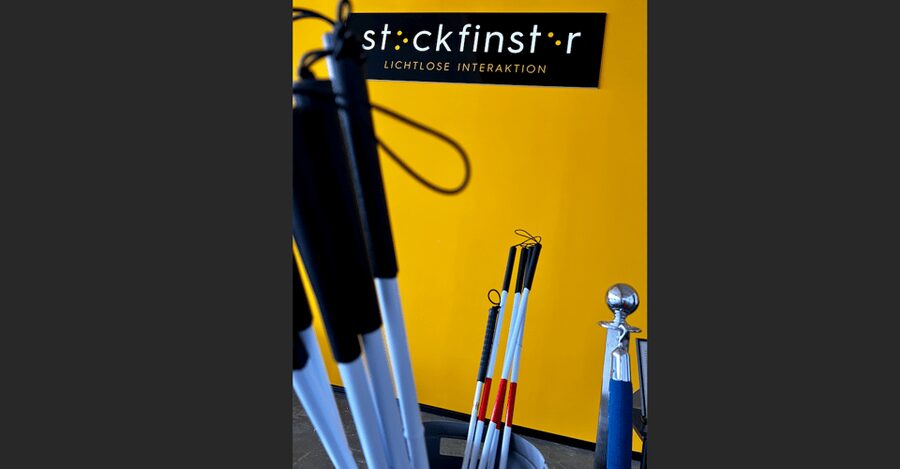
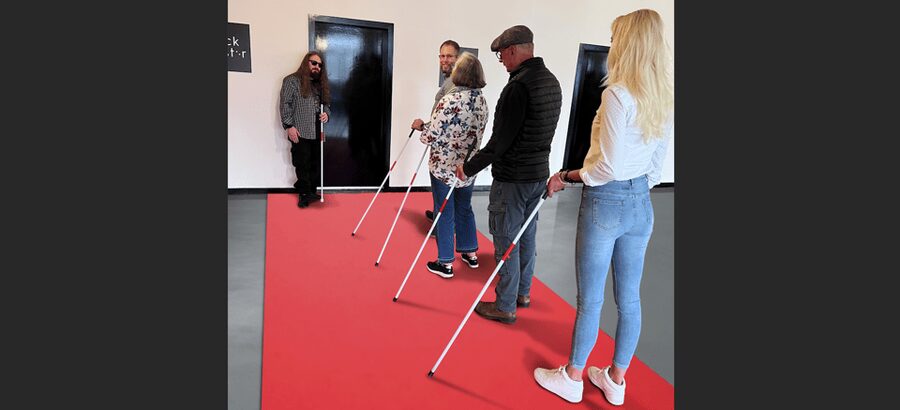
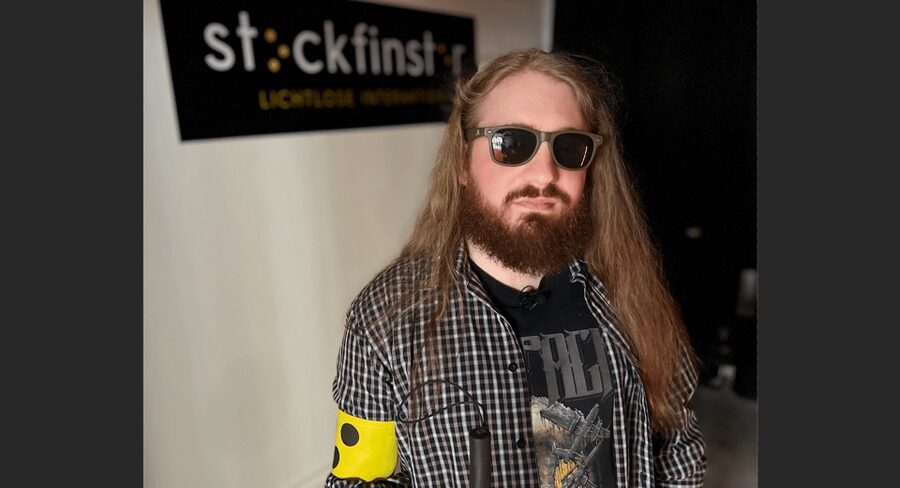
- Blind-led experience: Your guide uses a long cane and gives you the information needed to move safely.
- A drink at the dark bar: The final part gives you time to talk with your guide over fritz-kola, coffee, or beer.
- Small German-speaking group: A maximum of eight people makes it easier to ask questions and stay together.
- A strong inclusion lesson: The experience gives you a practical sense of how much planning and trust daily life can require without sight.
What Adventure Darkness asks you to do
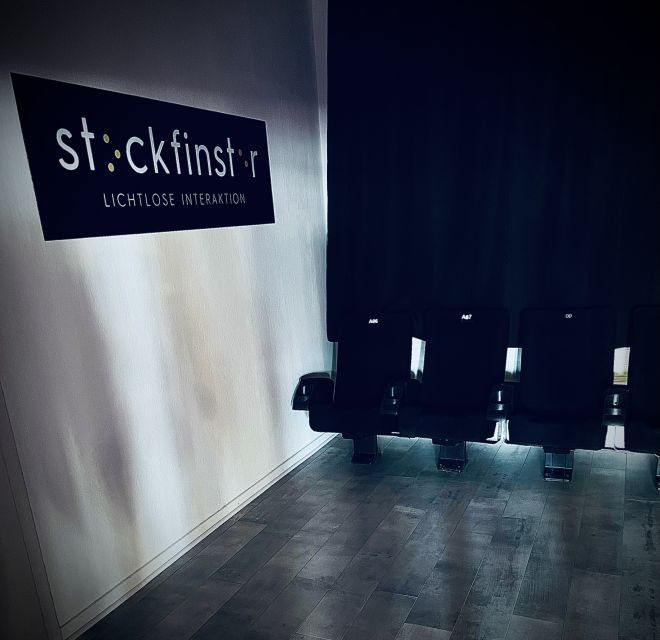
This is not a sightseeing tour in the usual sense. You will not be looking at old buildings, taking photographs, or following a guide through a museum. You will enter a series of rooms with no visual information at all, then use the rest of your body to work out where you are and what to do.
Your guide leads with a long cane and gives instructions in German. The point is not to pretend that 90 minutes can reproduce the life of a visually impaired person. It cannot. Instead, the tour gives you a short, carefully designed lesson in dependence, orientation, and sensory attention.
I find that distinction important. The experience is most useful when you treat it as an introduction to accessibility and inclusion, not as a game or a test of bravery. You may laugh at your own confusion, but the real value comes from noticing how quickly small tasks become difficult when sight disappears.
The group size helps. With no more than eight participants, the guide can keep the group together and respond to questions. A large crowd would make the rooms noisier and the instructions harder to follow. Here, you should have a better chance to listen closely and reflect as you go.
A few more things to do in Germany worth a look
- Berlin: Reichstag, Dome and Government District Guided Tour
★ 4.7 · 18,288 reviews - Dresden: Semperoper Tickets and Guided Tour
★ 4.7 · 12,102 reviews - Berlin: Government District around the Reichstag Guided Tour
★ 4.7 · 8,447 reviews
The first minutes in complete darkness
The opening stretch is likely to feel the strangest. Your eyes will search for even a trace of light, but there will be none. That first reaction is useful because it shows how strongly you normally depend on vision for balance, direction, and reassurance.
The guide helps you move through the rooms with the long cane and spoken directions. You will need to listen for cues and pay attention to surfaces and objects you can feel. The human brain responds strongly when visual information is removed, so ordinary sounds and textures may suddenly seem much more important.
You should expect a few awkward moments. You may reach for something and miss it, turn the wrong way, or hesitate before taking a step. That is part of the lesson, and the small group means you do not need to rush.
The tour also asks you to trust the guide. That relationship is one of the strongest parts of the experience. Several sessions have been led by Florian, who is described as friendly and good at adapting to the group. Guide quality matters greatly here because clear instructions and a calm manner make the difference between a thoughtful challenge and needless frustration.
Smells, sounds, touch, and taste take over
The rooms are designed around several senses rather than sight. You will mainly use hearing and touch, but smell and taste also play a role. This gives the tour more variety than simply walking around in a dark room.
Sounds can help you judge distance and direction, though they can also confuse you. One session had a problem with the sound effects in the simulated street scene, so you should not expect every technical element to work perfectly every time. That is a fair limitation to keep in mind.
The smell and taste elements make the experience more memorable because they connect the rooms to familiar situations in a different way. You may notice how quickly your mind builds an idea of a place from a few sounds or scents. Without a visual picture to organize everything, your attention becomes narrower and more deliberate.
The tour does not need expensive spectacle to work. A sound, a textured surface, or a carefully placed object can do a lot when you cannot see. I like that the experience encourages you to notice simple details rather than burying the lesson under special effects.
Everyday scenes, a road crossing, and a sporting task
The route includes typical daily situations as well as more unusual challenges. The everyday scenes are likely to be the most revealing because they show how much routine depends on visual shortcuts.
Crossing a road in simulated conditions is one of the clearest examples. Sight normally helps you judge vehicles, signals, direction, and timing at once. In the dark, you must make sense of sound and instructions instead. One report found that the sound setup in this section was not fully working, so the road scene may be less effective if the audio has not been corrected.
The sporting challenge changes the pace. It gives you a task with a clear goal, but without sight, even a familiar physical activity can require a new method. This is where the tour can feel playful, yet it still supports the larger point: access to an activity depends on design, communication, and the willingness of others to adapt.
You should not expect a full recreation of every difficulty faced by someone with a visual impairment. The value lies in the short shift of perspective. You get a practical sense of why clear directions, predictable spaces, and considerate behavior matter.
Same base, a different kind of day out:
- Berlin: 1-Hour City Tour by Boat with Guaranteed Seating
★ 4.3 · 16,993 reviews - Hamburg: Sex and Crime in St. Pauli Tour for Ages 18+
★ 4.7 · 15,447 reviews - Hamburg: 1.5-Hour Harbor and Speicherstadt Day Cruise
★ 4.6 · 14,200 reviews - From Munich: Neuschwanstein & Linderhof Castle Full-Day Trip
★ 4.5 · 12,494 reviews
Finishing at the dark bar
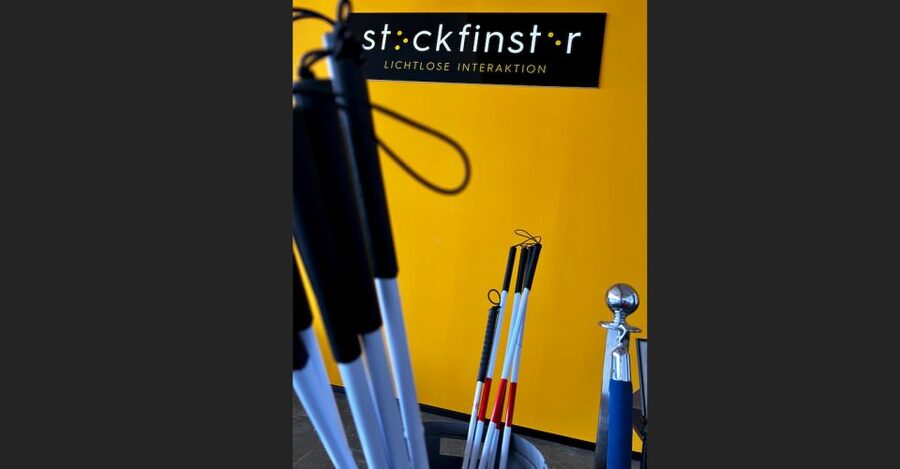
After roughly 60 minutes in the rooms, you reach the dark bar. The full activity lasts about 90 minutes, so the final half hour gives you time to sit, talk, and process what happened.
You can have fritz-kola, coffee, or a cold beer while speaking with your guide. This is more than a pleasant ending. The conversation lets you ask about the experience and connect the sensory exercise to real questions about inclusion and daily life.
I would not hurry through this part. The rooms may leave you with a jumble of impressions, and the bar offers a calmer setting for sorting them out. The guide’s perspective is central here. A blind-led conversation can help you avoid treating the tour as a temporary stunt and instead think about how public spaces and social habits affect people with limited vision.
The bar also gives the experience an approachable finish. You do not leave directly from a stressful challenge into the street. You have a chance to regain your bearings, drink something, and talk with the person who led you.
Is $21 a fair price?
At about $21 per person, this is reasonably priced for a 90-minute, small-group activity with a dedicated guide and specially prepared rooms. You are paying for more than admission to a dark space. The fee supports a guided program led by a blind or severely visually impaired person, with several sensory scenes and a closing drink.
The value depends on what you want from an outing. If you need constant visual entertainment, this may feel spare. There are no photographs, displays, or grand set pieces to take home. If you are interested in inclusion, sensory awareness, and a guided activity that differs from standard Ruhr Area sightseeing, the cost is easier to justify.
The maximum of eight participants is another reason the price works. A small group should make the instructions clearer and the final discussion more useful. It also reduces the chance that you will feel lost in a crowd, which matters when nobody can see.
The tour offers reserve-now, pay-later booking and free cancellation up to 24 hours before the appointment. Those terms help if your plans are still shifting, but appointments are required by phone with the voucher code. The voucher is valid for six months from purchase, and late cancellation or failure to attend does not guarantee a replacement date.
Practical details before you book
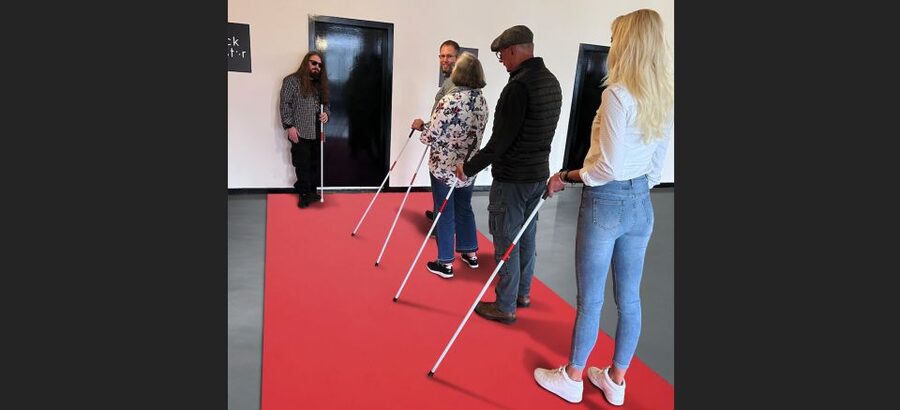
The activity is conducted in German. If you do not understand German well, the safety instructions and sensory descriptions may be hard to follow, and the tour’s main lesson could be weakened. Confirm the language fit before paying.
Leave your phone, camera, flashlight, and jewelry behind. These items are not allowed. The rule makes sense in a tour built around total darkness, but you should plan accordingly rather than arriving with valuables you cannot take inside.
Bring the voucher in the booking app or as a printout. You also need an appointment, and the voucher is valid only for the option purchased, with one voucher redeemed per person.
Children under five are not suitable for the activity. The supplied information also says the venue is wheelchair accessible, while another section says the activity is not suitable for wheelchair users. That conflict needs a direct answer from the operator before you book. Do not rely on a general accessibility label when the tour takes place in completely dark rooms and includes movement through staged situations.
The activity provider is Stockfinster. The experience is located in Germany’s Ruhr Area, but the supplied details do not give a precise address or transport instructions, so check the meeting point carefully after booking.
Who will get the most from this tour?
I would recommend Adventure Darkness to adults, older children who meet the minimum age, and small groups looking for a thoughtful change from ordinary sightseeing. It works particularly well for people interested in disability awareness, inclusive design, education, or unusual sensory experiences.
It can also suit a family or friend group that is willing to listen and cooperate. You will not get much from it if everyone treats the rooms as a race or a joke. The experience works best when you give the guide your attention and accept that confusion is part of the exercise.
People with strong discomfort around complete darkness should think carefully before booking. The activity is built around the absence of sight, not a brief blackout. The exact support available inside the rooms is not described, so ask the operator if you have concerns about anxiety, balance, or other needs.
I would also choose another activity if your main goal is photography or independent exploration. Cameras and cellphones are not allowed, and the entire point is to remove visual information.
Should you book Adventure Darkness?
Book it if you want a compact, unusual Ruhr Area experience that combines sensory challenge with a clear lesson about inclusion. The blind-led format, small group, and discussion at the dark bar give it more purpose than a simple novelty attraction.
Skip it if German will be a barrier, if total darkness sounds overwhelming, or if you need confirmed wheelchair access. Before booking, contact Stockfinster about the conflicting accessibility information and ask whether the road-crossing sound system is operating.
For most suitable participants, $21 is a fair price for the chance to slow down, listen harder, and understand a familiar world from a very different point of view.
FAQ
How long does Adventure Darkness last?
The activity lasts 1.5 hours, or 90 minutes. About 60 minutes are spent in the dark rooms, followed by time at the dark bar.
What language is the tour conducted in?
The live tour guide speaks German. The supplied activity information lists German as the available language.
How many people are in each group?
The activity is limited to eight participants, making it a small-group tour.
What happens during the dark-room section?
A blind or severely visually impaired guide leads you with a long cane through dark adventure rooms. You encounter everyday situations, a simulated road crossing, a sporting challenge, and sensory prompts involving sound, smell, touch, and taste.
What can I have at the dark bar?
You can talk with your guide over a glass of fritz-kola, a cup of coffee, or a cold beer.
Are children allowed to join?
Children under five are not suitable for this activity.
Is the tour wheelchair accessible?
The supplied information gives conflicting details. One section says the activity is wheelchair accessible, while another says it is not suitable for wheelchair users. Contact the provider before booking to confirm the current arrangements.
Just added in Germany
- Private One way Airport Transfer Berlin Airport To Berlin★ 3.5 · 17 reviews
- Private Walking Tour: Berlin Wall, Cold War and Checkpoint Charlie★ 5.0 · 37 reviews
- Modern Berlin Private Walking Tour: Diverse, Vibrant and Exciting German Capital★ 5.0 · 13 reviews
- Private Day Trip to Potsdam from Berlin by Train★ 4.5 · 27 reviews
- City Explorer: Potsdam Private Day Trip★ 4.5 · 10 reviews
- Berlin Private Custom 5-Hour Tour by Car★ 5.0 · 30 reviews
- Private Half-Day Sightseeing Tour in Berlin★ 3.5 · 6 reviews
- Berlin Private Custom Tour in a Minivan, East and West★ 5.0 · 123 reviews