
Reviewed · TOURS IN LUBECK
Lübeck: Backyards and Town Houses Private Guided Tour
Lübeck’s best surprises are often tucked behind its grand streets. This private walk leads you through narrow lanes, low passages, and small courtyards where the city’s medieval town planning still feels close at hand. I like the way it shifts attention from famous facades to the everyday spaces behind them, including house signs, gables, craft stalls, and old living quarters.
I also like the flexible private format and the clear route from Holsten Gate to Heiligen-Geist-Hospital. The main consideration is language: the live tour is offered in German only, and 90 minutes gives you a focused look rather than a full survey of Lübeck.
Key details at a glance
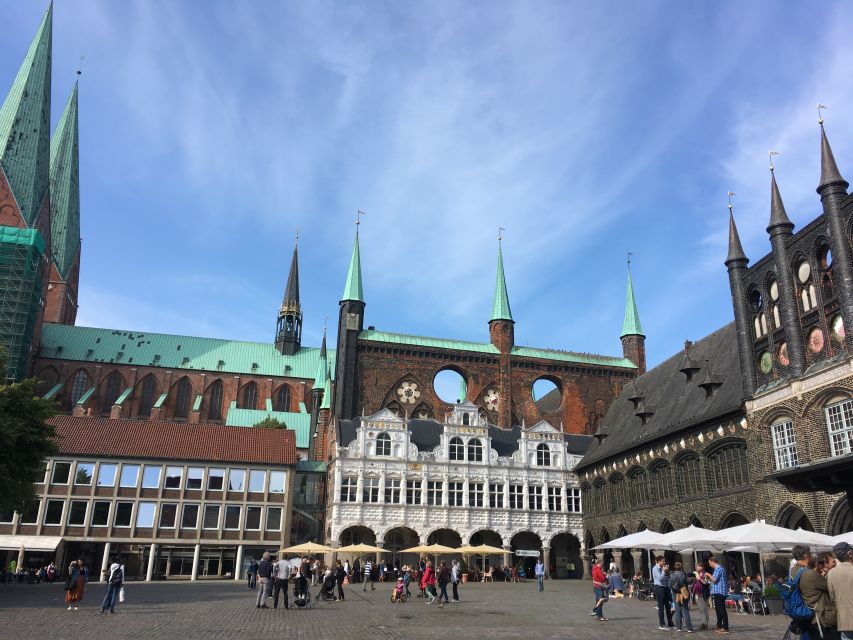
- Medieval spaces behind the main streets: Follow your guide through courtyards, narrow alleys, secluded corners, and low passages.
- A private group of up to six: The $259 group price works out to about $43 per person when six people share it.
- A route between two major sights: Begin at Holsten Gate and finish at Heiligen-Geist-Hospital, with St. Jakobi Church along the way.
- Small details with big stories: Learn why Lübeck’s Angel Pit has nothing to do with angels and what makes the city’s street lamps unusual.
- A strong focus on town life: House signs, gables, living conditions, and traditional townhouses matter as much as the grand churches.
- German-language guiding: Your guide contacts you after booking to arrange a start time between 9 AM and 7 PM.
Why Lübeck’s backyards tell the real story
Lübeck is famous for its Gothic brick churches and Hanseatic trading past. Yet the city’s character is easier to understand when you look beyond the large squares and impressive towers.
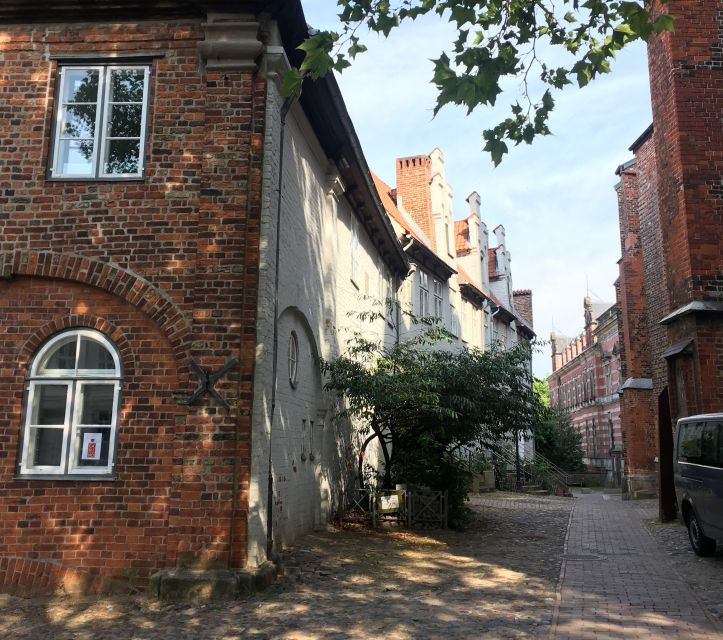
This walk takes you into the spaces where people lived, worked, passed through, and made do with limited room. Narrow lanes and small courtyards reveal a practical side of medieval urban design. Houses had to fit tightly inside the old city, so the gaps between them became important routes and shared spaces.
You’ll see traditional townhouses with distinctive gables and house signs. These details helped identify homes and businesses in a time when modern street numbering was not the norm. A guide can point out how the buildings relate to one another, rather than leaving you to see them as a row of attractive old fronts.
I like this approach because it gives the old town a human scale. The churches may dominate the skyline, but the small passages explain how the city functioned at ground level.
Lübeck’s UNESCO World Heritage status relates to this complete historic setting, not just one monument. The Gothic brick architecture, street plan, churches, houses, and courtyards work together. A short walking tour cannot cover every part of that story, but this one concentrates on a less obvious piece of it.
A few more things to do in Lubeck worth a look
- Lübeck: Old Town Highlights Private Walking Tour
★ 4.8 · 8 reviews - Lübeck: Private Historical and Architectural Walking Tour
★ 4.5 · 6 reviews - Lübeck: Architecture and Local Craft Private Guided Tour
★ 4.0 · 6 reviews
Starting beneath the Holsten Gate
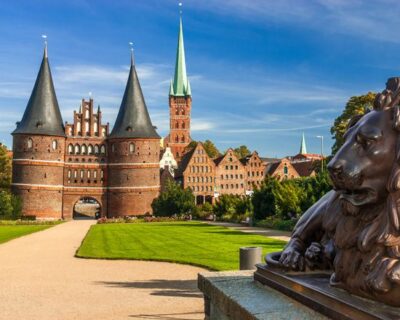
The meeting point is the Holsten Gate, one of Lübeck’s clearest landmarks. It gives you an easy place to meet your guide and a strong visual introduction to the city’s past.
From here, you move into the old town on foot. The contrast matters. The Holsten Gate is broad, formal, and instantly recognizable. The streets beyond it become tighter and more private in feel, leading you toward the townhouses and back courtyards that form the heart of the walk.
Your guide contacts you after booking to arrange the start time. You can request a time between 9 AM and 7 PM, which helps if you are fitting the tour around a train arrival, museum visit, or meal. Since the guide sets the time with you, do not assume a fixed departure hour shown elsewhere. Confirm the appointment after reserving.
The activity lasts 90 minutes. That is long enough for a focused walk without taking over your day, but you should not expect a complete tour of every major sight in Lübeck.
Narrow streets, house signs, and Gothic brick
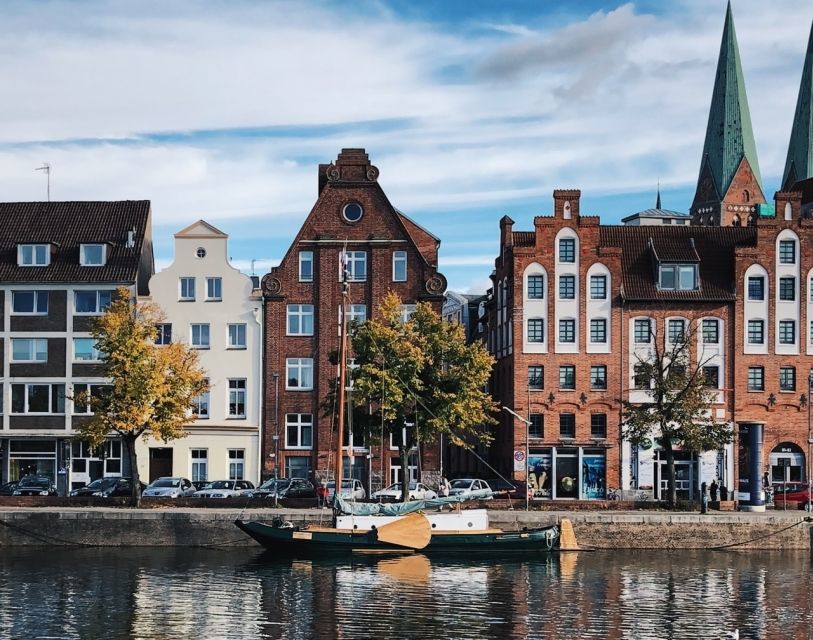
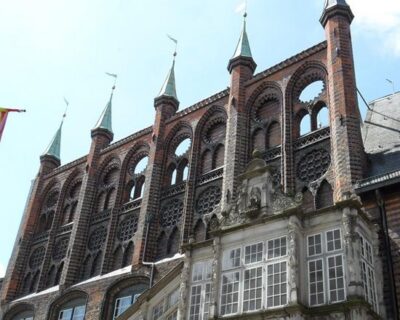
Once inside the old town, the tour focuses on the city’s traditional buildings and the tight network of streets around them. You’ll pass romantic-looking houses, local craft stalls, and gabled facades that show how Lübeck’s Hanseatic identity was built into daily life.
The term Hanseatic can sound grand and distant, but here it becomes easier to grasp. Trade made Lübeck prosperous, and that prosperity shaped the houses, churches, warehouses, and public spaces. The route lets you see how private homes fit into that larger commercial city.
Look closely at the house signs and gables. They are not mere decoration. They help connect the buildings to the people and trades that once occupied them. Your guide also explains the living conditions of citizens, giving you a sense of how crowded or carefully arranged these spaces could be.
This is a good place to slow down. The old town rewards small observations: a sign above a doorway, a change in brickwork, a passage so low that you naturally duck, or a view of a church tower framed between buildings.
You might find some lanes quiet and atmospheric, while others feel more like working parts of the city. That mix is useful. Lübeck is not a museum set built only for sightseeing. Its historic fabric remains part of an active town.
Courtyards and the city behind the facades
The courtyards are the heart of the experience. From the main streets, they can be easy to miss. Once you pass through an entrance, the sense of space changes, and the city becomes smaller and more enclosed.
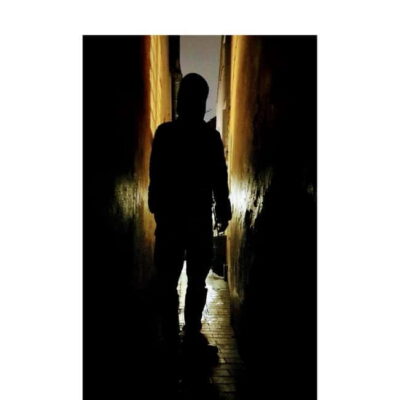
Your guide leads you through small courtyards, secluded spots, and winding alleyways. These places show how urban life developed behind the street-facing houses. Some areas were reached through narrow entrances or low passages, and the layout reflects the need to use every available patch of land.
The appeal is not only visual. These spaces help explain social and living arrangements. You learn how citizens lived in and around the townhouses, and why the city developed such a distinctive pattern of lanes and passages.
For me, this is more useful than simply collecting dates. You begin to understand why the old town feels so intricate. The street plan was shaped by practical needs, property boundaries, trade, and limited space.
Keep your expectations realistic. The tour description does not promise entry into every courtyard or house, and access to small spaces can vary. The guide’s route is designed to show you the character of these places, not to provide a full interior tour of private homes.
Same base, a different kind of day out:
- Lübeck: 1-Hour Splash Bus City Tour
★ 4.0 · 2,626 reviews - Lübeck: entertaining guided tour to old town highlights
★ 4.7 · 594 reviews - Lübeck: Entertaining Tour Through Hidden Courtyards
★ 4.8 · 483 reviews - SEA LIFE Timmendorfer Strand Ticket
★ 4.0 · 256 reviews
The curious Angel Pit and Lübeck’s street lamps
Two details give the walk extra personality: the Angel Pit and the city’s street lamps.
The Angel Pit has a misleading name. Your guide explains why it has nothing to do with heavenly messengers. That kind of local detail is exactly what makes a short city walk memorable. It gives you a story to carry into the rest of your time in Lübeck, and it reminds you that old place names often have practical or historical roots rather than poetic ones.
You’ll also hear what is special about the street lamps. The provided details do not specify the full explanation, so expect your guide to interpret the lamps on site rather than relying on a long written account. This is another reason a private walk can work well: you can stop and ask what you are looking at instead of passing it by.
These small subjects may seem minor beside Lübeck’s churches, but they connect the city to ordinary public life. Streets need names, lamps, signs, and routes. Those features reveal how people moved through the town after the grand building projects were complete.
Church towers and the view toward St. Jakobi
Lübeck’s church towers appear again and again as you move through the old town. They help you orient yourself and show how strongly religious buildings shaped the medieval city.
You pass by St. Jakobi, known here as a pilgrim church. Its place along the route adds another layer to the walk. Lübeck was not only a trading center. It was also part of wider religious travel, and churches served local communities as well as people passing through.
The tour does not present St. Jakobi as a long interior visit. Instead, you see it as part of the old town’s sequence of streets, towers, and buildings. If you want an extended church visit, plan separate time before or after the walk.
I like the way the towers function as more than photo subjects. In a city of tight streets and frequent turns, they become visual markers. Your guide can connect them to the way the medieval town was organized and experienced.
Ending at the Heiligen-Geist-Hospital
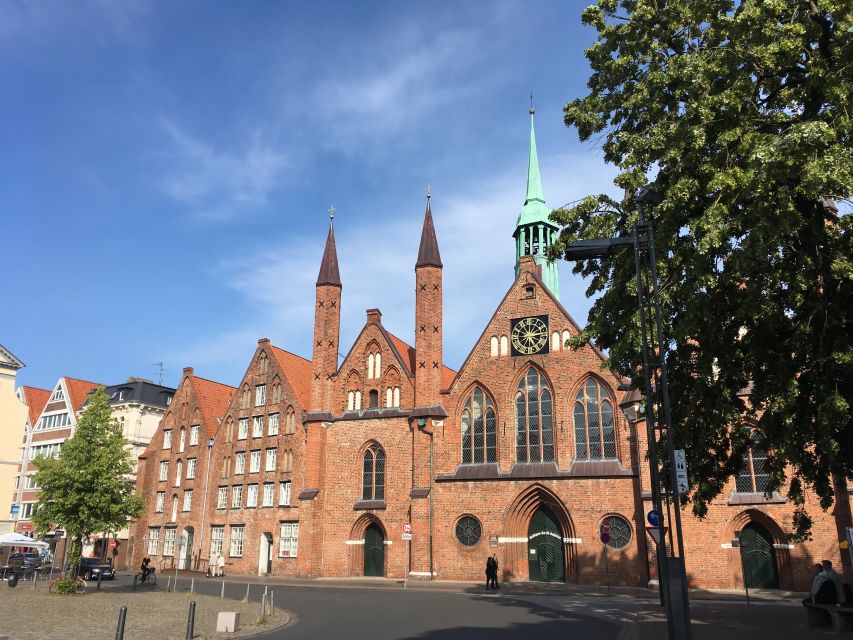
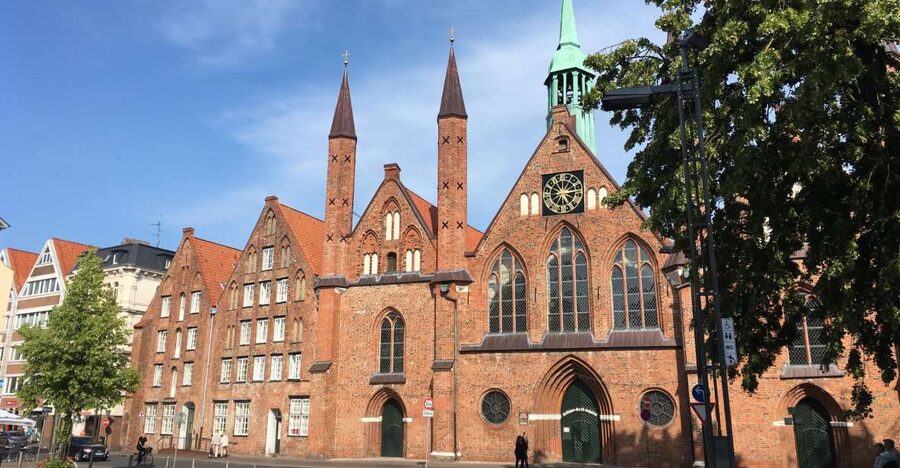
The tour finishes at the Heiligen-Geist-Hospital, where small turrets give the building a distinctive finish. This makes a satisfying endpoint because the route concludes with another architectural detail rather than simply returning you to the starting gate.
The hospital belongs to Lübeck’s long tradition of religious and civic institutions. Here, the focus is on its striking little turrets and the building’s place within the historic town. The stop also leaves you near another major area of the old city for further sightseeing.
Ending at a different location is practical. You can continue exploring instead of retracing the route to Holsten Gate. The activity does not include food or drinks, so you may want to plan a café or meal afterward.
Because the route ends at Heiligen-Geist-Hospital, check your plans if you need to meet transport at Holsten Gate. The walk is compact, but the beginning and end are not the same place.
What the private format adds
The tour costs $259 per group of up to six people. That price is not per person, so a full group pays about $43 each. For six people who want a private guide, that is a reasonable way to share the cost. A couple paying the full group price will find it much more expensive per person.
The main value comes from the format. You are not joining a large group with a fixed script and limited chances to stop. The guide can shape the pace around your group and explain details that catch your attention. One piece of available feedback specifically describes the walk as well matched to the group, which fits the main advantage of booking privately.
That flexibility also makes the experience useful for families or friends with different interests. You can ask for more detail about architecture, daily life, church history, or unusual local stories. Still, the tour is conducted in German, so the private format does not solve a language barrier if you need English guiding.
The 4.9 rating from 23 ratings suggests a consistently positive experience, and the written comments describe the walk as interesting and worth recommending. One person was unable to attend because of illness, while the rest of the group was delighted. That does not tell you every detail about the route, but it does support the idea that the experience works well for a small party sharing the same interests.
Who should book this Lübeck walk
I would recommend this tour to you if you have already seen Lübeck’s main landmarks and want to understand the spaces between them. It is also a good first activity if you prefer a guide to set the context before you explore alone.
It suits:
- Small groups of up to six who want a private pace.
- Architecture fans interested in brick Gothic buildings, gables, house signs, and townhouses.
- History-minded visitors who want daily living conditions explained, not just monument dates.
- Photographers looking for courtyards, framed towers, narrow lanes, and unusual details.
- German speakers who can get the full benefit from the live guide.
- Short-stay visitors who want a compact 90-minute introduction to the old town.
It may not suit you if you want a museum-style tour, a food stop, a long church interior visit, or guiding in English. It is also not the best choice if you need a broad survey of all Lübeck attractions. The route has a clear specialty: medieval urban spaces and the buildings around them.
Wear comfortable shoes for a walking tour through narrow streets and passages. No special equipment is listed, but sensible footwear will make the experience easier.
Booking details worth knowing
You meet at Holsten Gate, and your guide arranges the exact start time after you book. The available window is broad, from 9 AM to 7 PM, so you have useful control over your day.
The tour is private, lasts 90 minutes, and includes a professional city guide. Food and drinks are not included. German is the stated tour language.
You can cancel up to 24 hours before the start for a full refund. You can also reserve now and pay later, which helps if your schedule is still taking shape.
Should you book it?
Book this walk if you want Lübeck’s small-scale history, not just its famous skyline. The courtyards, low passages, house signs, Angel Pit, street lamps, and gables give you a closer look at how the old town worked.
The strongest case is for a full group of German speakers. At $259 for up to six people, the cost becomes much easier to justify when shared. Couples should compare the per-person price with other guided options, while anyone needing English should choose a different tour.
For the right group, this is a focused and personal way to see Lübeck’s medieval city plan. You leave with a better sense of what lies behind the grand facades, and you finish in a useful spot for continuing your own exploration.
FAQ
Where does the Lübeck backyards and townhouses tour begin?
The tour begins at the Holsten Gate in Lübeck.
Where does the tour finish?
The walk finishes at the Heiligen-Geist-Hospital.
How long does the tour last?
The tour lasts 90 minutes.
Is this a private tour?
Yes. It is offered for a private group of up to six people.
What is the price?
The price is $259 per group of up to six people.
What language is the tour conducted in?
The live tour guide speaks German.
What time can the tour start?
The tour can start at any time between 9 AM and 7 PM, based on your preference and arrangement with the guide.
How is the start time arranged?
Your guide contacts you after booking to schedule the tour.
What is included in the price?
A professional city guide is included.
Are food and drinks included?
No. Food and drinks are not included.
Can I cancel for a full refund?
Yes. You can cancel up to 24 hours in advance for a full refund.
Can I reserve now and pay later?
Yes. The reserve now and pay later option lets you book without paying immediately.
Just added in Lubeck
- Timmendorfer Strand: SEA LIFE Behind the Scenes Tour★ 4.9 · 15 reviews
- Lübeck Day Pass – Day ticket for Lübeck museums★ 4.0 · 15 reviews
- Lübeck zwischen Grusel und Geschichte Truecrime zu Halloween★ 4.9 · 35 reviews
- Lübeck: Old Town Highlights Private Walking Tour★ 4.8 · 8 reviews
- Lübeck: Private Historical and Architectural Walking Tour★ 4.5 · 6 reviews
- Lübeck: Hanseatic League History Walking Tour★ 4.9 · 57 reviews
- Lübeck: Architecture and Local Craft Private Guided Tour★ 4.0 · 6 reviews
- Lübeck: Classic Tour of the Hanseatic City★ 4.8 · 64 reviews
Tours in Lubeck, compared.

entertaining guided tour to old town highlights
Read our review →

Lübeck zwischen Grusel und Geschichte Truecrime zu Halloween
Read our review →Browse the lists this tour appears in