
Reviewed · TOURS IN LUBECK
Lübeck: Architecture and Local Craft Private Guided Tour
Lübeck’s real story is written in brick. On this private walk, you’ll see how Hanseatic wealth shaped the city, then look closer at sagging houses, altered gables, narrow passages, and courtyards that reveal how people once lived behind the grand façades. I like the focus on architecture you can actually read, not just names and dates.
I also like the flexible timing and private format. You can choose a start between 9 AM and 7 PM, and a group of eight pays $277 total, or about $35 per person when full. The main drawback is the short 90-minute running time. You’ll get a smart introduction to Lübeck, but not a leisurely look inside every church or building.
Key points to know before you book
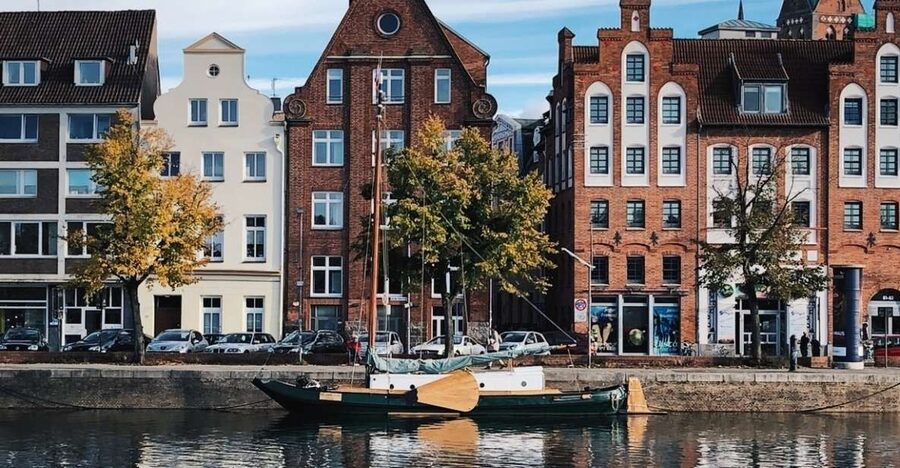
- Brick tells the story: Learn why brick-making mattered so much in medieval Lübeck and how it shaped the city’s churches, homes, and public buildings.
- A private walk for up to eight: Your guide can tailor the pace and answer questions without a large group crowding the streets.
- A strong old-town route: The walk links the Holstentor, market square, town hall, St. Marien, Buddenbrockhaus, and Glockengießerstraße.
- Look beyond grand façades: Passages, courtyards, sagging houses, and changed gables show the less polished side of old Lübeck.
- English or German guiding: The tour is offered in both languages, with the guide arranged after booking.
- Church entry costs extra: Optional church admission is listed at €2, while food and drinks are not included.
Why Lübeck’s brick architecture matters
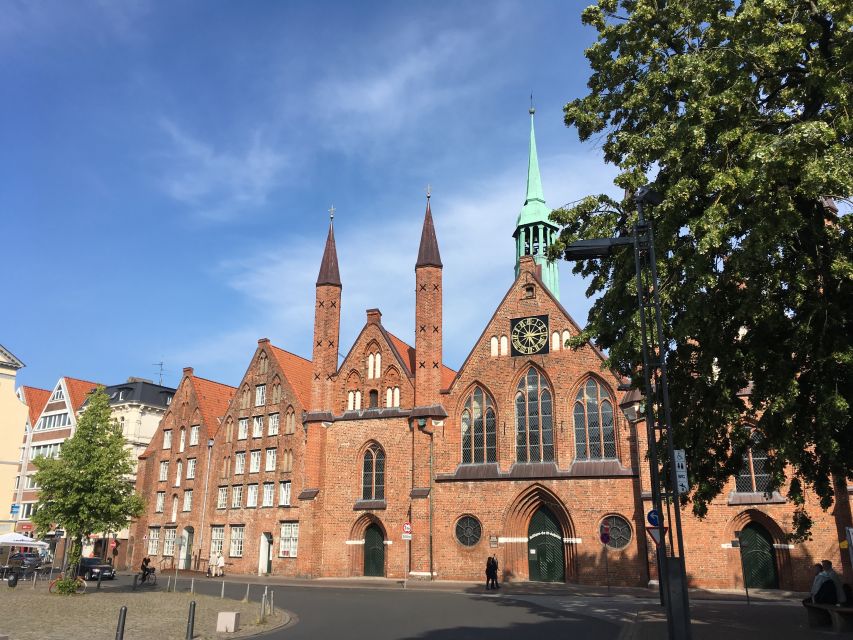
Lübeck is one of those cities where the building material is part of the local identity. The old town is known for Gothic brick architecture, and this tour gives you a way to understand why brick became so important here instead of treating the buildings as pretty backdrops.
Your guide explains the original street system and how construction areas were expanded artificially during the Middle Ages. That detail matters because Lübeck’s streets and blocks were not simply laid out by chance. The city had to make room for growth, trade, homes, and public buildings within a tightly planned urban setting.
Brick also tells you something about money and power. Large churches and impressive civic buildings required skilled labor, materials, and long periods of construction. At the same time, ordinary homes were altered, repaired, and squeezed into the same dense city. You’ll hear about sagging houses and modern gable changes, reminders that old buildings do not remain frozen in their original form.
I find that angle useful because it keeps the tour grounded. You are not only looking at a handsome church or townhouse. You are learning how materials, trade, construction methods, and later repairs changed the city over time.
A few more things to do in Lubeck worth a look
- Lübeck: Backyards and Town Houses Private Guided Tour
★ 4.9 · 23 reviews - Lübeck: Old Town Highlights Private Walking Tour
★ 4.8 · 8 reviews - Lübeck: Private Historical and Architectural Walking Tour
★ 4.5 · 6 reviews
Starting at the Holstentor
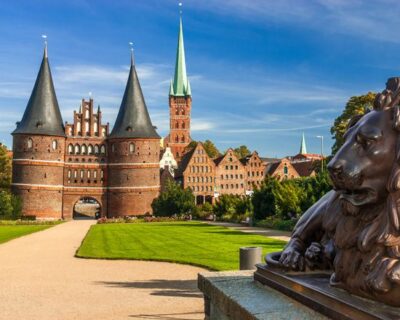
Meet your guide directly at the entrance of the Holstentor. This is an easy landmark to find and a fitting place to begin because the gate is one of Lübeck’s most recognizable symbols.
The Holstentor is also a good visual introduction to the city’s defensive and civic character. Before you set off, your guide can establish the basic story of Lübeck and its place as a major Hanseatic city. From there, the tour moves into the streets of the old town rather than keeping you at one monument.
Pay attention to the way the brickwork changes across the city. The point is not simply to see one famous gate, but to compare the construction ideas used in churches, public buildings, and private houses. Since the tour ends with another look at the mighty Holstentor, the monument frames the experience from beginning to end.
The meeting instruction is specific: wait directly at the entrance of the Holstentor. Do not assume that a nearby square or street corner will be enough. Your guide will contact you after booking to arrange the exact time.
The market square, town hall, and St. Marien
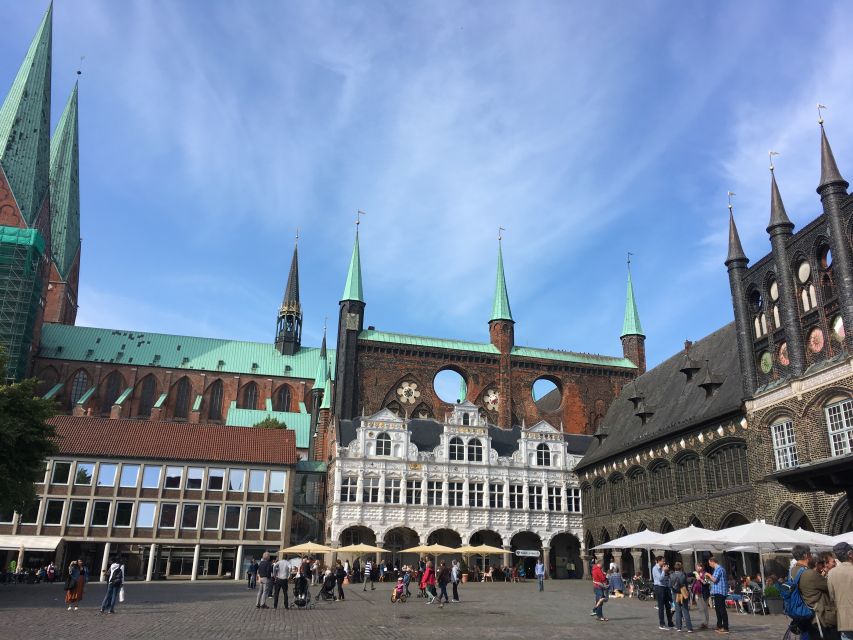
One of the main stops is Lübeck’s market square. Here, the town hall and St. Marien church give you two strong examples of the city’s public and religious architecture.
The town hall shows how commerce and local government shaped the center of Lübeck. St. Marien, also known as the Ratskirche, adds the religious side of that same civic world. The word Ratskirche connects the church to the city council, so this is not just a place of worship. It reflects the close link between religion, government, and trade in medieval Lübeck.
The church buildings are among the tour’s major visual rewards. You’ll hear about Lübeck’s world-famous churches and the role they played in the city’s identity. If you want to enter churches, optional admission is listed at €2. That small extra cost is not included in the tour price, so carry some money if an interior visit matters to you.
The 90-minute schedule means you should set your expectations carefully. This is a guided introduction, not a full architectural survey of every church interior. You’ll get context and exterior views, with the option of paying for church entry if time and access allow.
Buddenbrockhaus and the old-town street plan
The route then passes through the Baroque Buddenbrockhaus. This adds a different period and style to the walk, showing that Lübeck is not made up of one single architectural moment.
The building also helps connect architecture with local life. Rather than discussing only churches and city walls, the guide brings in the houses associated with merchants and residents. That shift is useful because the story of Lübeck belongs to private homes as much as to public monuments.
You’ll also learn about the city’s original street system and the ways building areas were expanded during the Middle Ages. As you move through the old town, these ideas become easier to picture. Narrow streets, dense blocks, and changing façades make more sense when you understand the pressure placed on the medieval city as it grew.
I would listen closely during this part if you enjoy urban history. The guide is not just pointing out isolated buildings. You are learning to see the relationship between streets, plots, homes, and public spaces.
Same base, a different kind of day out:
- Lübeck: 1-Hour Splash Bus City Tour
★ 4.0 · 2,626 reviews - Lübeck: entertaining guided tour to old town highlights
★ 4.7 · 594 reviews - Lübeck: Entertaining Tour Through Hidden Courtyards
★ 4.8 · 483 reviews - SEA LIFE Timmendorfer Strand Ticket
★ 4.0 · 256 reviews
Glockengießerstraße and Lübeck’s courtyards
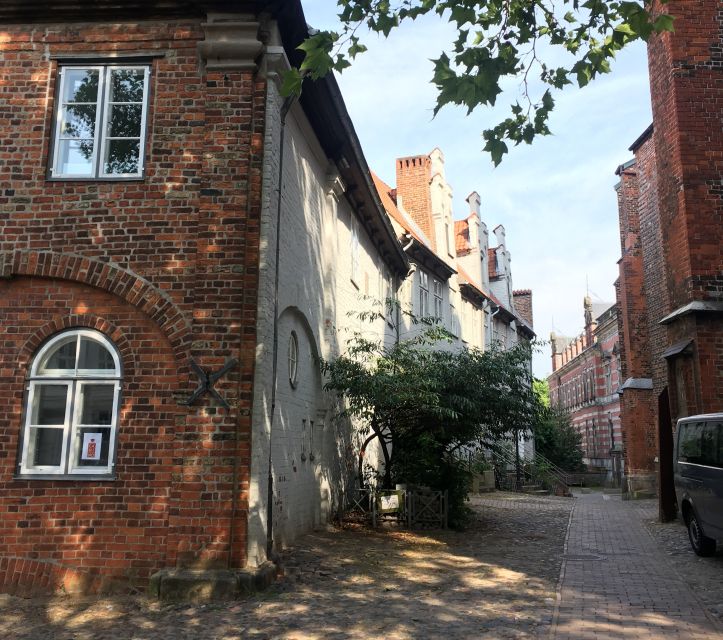
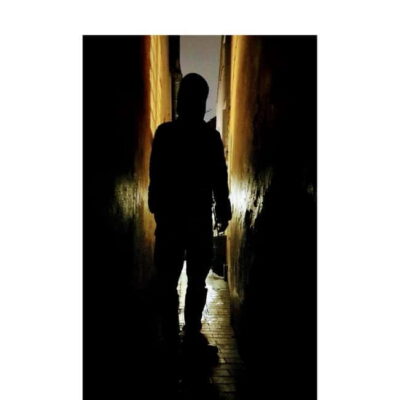
Glockengießerstraße is one of the most interesting sections of the walk because it brings you into Lübeck’s passages and courtyards. These spaces are easy to miss if you explore on your own with only a map and a list of major sights.
The courtyards reveal how much life existed behind the street façades. They also show how builders used limited urban space. The tour explains their history and construction, giving you a closer look at the practical side of old-town housing.
This is where the experience moves beyond postcard views. A grand church is easy to notice, but a narrow passage or altered courtyard often tells you more about everyday city life. You may see how homes were packed into the available space, how access worked, and how buildings changed as needs changed.
The route also includes a local merchant’s house. That stop helps put Lübeck’s trading class into the picture. You’ll hear about brick-making and why mastering the craft was so important to the city and its inhabitants.
Why brick-making is more than a technical detail
The brick-making discussion is one of the tour’s most useful features. It explains why the city looks the way it does and why the craft had real economic weight.
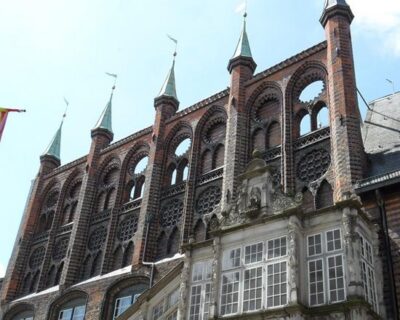
Brick was not simply a decorative choice. It required skill and reliable production, especially for large churches, civic buildings, and merchant homes. If you understand the work behind the material, the walls and façades become more interesting. Their color, shape, scale, and patterns are tied to local skill and the demands of urban construction.
Your guide also connects the buildings to the people who lived and worked among them. The stories include Lübeck’s residents and the secret events that took place behind closed doors. That wording suggests a tour with human detail, not only architectural labels.
Still, the tour does not promise a hands-on workshop or a long technical demonstration. The value is in the explanation you receive while seeing the actual buildings and homes around you.
Stories behind the façades
The strongest part of a private tour is the chance to ask questions. The guide speaks English or German, and the private format means your group can pause when a building catches your eye or when you want more detail about a local story.
Past guide feedback has praised the tour leaders as competent, engaged, and good at explaining Lübeck’s history. One Danish booking specifically praised the guide’s command of the subject, while German-language comments highlighted detailed answers and an exciting look at the city’s past. That matters because a short tour depends heavily on the person leading it.
You should still tell the guide what interests you. If you care most about churches, ask for more religious and civic context. If courtyards, merchant homes, or building methods appeal to you, say so early. The private setup gives you more room to shape the conversation than a fixed large-group walk.
The stories about residents and events behind closed doors also add a welcome human touch. Old buildings can feel distant when they are presented only as dates and styles. Personal stories help you imagine how the spaces were used, who controlled them, and what daily life may have looked like.
What the $277 price means for your group
The price is $277 per private group of up to eight people. For a full group, that works out to about $34.63 per person. For two people, it becomes $138.50 each, so the value depends heavily on your group size.
For a family or group of friends, the private rate can make good sense. You receive a professional guide, a flexible start time, and a route centered on Lübeck’s most distinctive architectural subjects. You are also paying for the ability to ask questions and keep the pace within your own group.
For a solo visitor or couple, the price is harder to justify if you only want a quick introduction. The tour lasts 90 minutes, and food, drinks, and optional church entry are extra. You should book it for the private attention and local interpretation, not because it includes a long list of admissions.
The flexible timing helps. You can arrange a start at any point between 9 AM and 7 PM, subject to scheduling with the guide. That makes it easier to fit around a train arrival, another sightseeing plan, or an evening meal.
Who will get the most from this walk
I would choose this tour if you care about how a city was built, not just which famous sights you can photograph. It is especially well suited to:
- Groups of friends or families who want a private guide
- Visitors interested in Gothic brick architecture
- People who enjoy churches, town halls, merchant homes, and old streets
- First-time visitors who want a clear introduction to Lübeck’s old town
- Anyone who prefers to ask questions in English or German
- Guests with a limited schedule who can spare 90 minutes
It may not be the best match if you want long interior visits, a food experience, or a full-day historical tour. The focus is walking, architecture, construction, and stories connected to Lübeck’s buildings.
Wear comfortable shoes, since the experience takes place on city streets and through passages and courtyards. Also remember that the meeting point is at the Holstentor entrance, not simply somewhere in the surrounding area.
Booking flexibility and practical details
You can cancel up to 24 hours before the tour for a full refund. You can also reserve now and pay later, which helps if your Lübeck schedule is still shifting.
The tour can begin between 9 AM and 7 PM, but the exact time is arranged after booking. Your guide will contact you to schedule it. English and German are available.
There is no food or drink included, so plan those separately. The listed church admission is €2, and that cost is optional.
The experience is private, with a maximum group size of eight. That is a real advantage on narrow streets and in courtyards, where a large group could make the walk feel crowded.
Should you book the Lübeck architecture tour?
Book it if you want a focused, private introduction to Lübeck’s brick-built old town and you like learning why buildings look the way they do. The combination of St. Marien, the market square, Buddenbrockhaus, Glockengießerstraße, merchant homes, courtyards, and brick-making gives the 90 minutes a clear theme.
I would be most comfortable recommending it to a group of four to eight, where the price becomes reasonable. Couples should book only if the private guide and architecture focus are worth the higher per-person cost. If you want a short route with strong local context, flexible timing, and room for questions, this is a useful choice. If you want extensive church interiors or a slower tour, look for a longer experience.
FAQ
Where does the tour begin?
The guide meets you directly at the entrance of the Holstentor in Lübeck.
How long does the tour last?
The tour lasts 90 minutes.
What time can the tour start?
It can start at any time between 9 AM and 7 PM, based on your preference and the guide’s availability.
Who arranges the exact start time?
Your guide will contact you after booking to schedule the tour.
How many people can join the private tour?
The price covers a private group of up to eight people.
Which languages are available?
The live tour guide is available in English and German.
What sights are included in the route?
The route includes the Holstentor, Lübeck’s old-town streets, the market square, the town hall, St. Marien, Buddenbrockhaus, Glockengießerstraße, passages, courtyards, and a local merchant’s house.
Is church admission included?
No. Optional church entry costs €2.
Are food and drinks included?
No. Food and drinks are not included.
Can I cancel the booking?
Yes. You can cancel up to 24 hours in advance for a full refund.
Just added in Lubeck
- Timmendorfer Strand: SEA LIFE Behind the Scenes Tour★ 4.9 · 15 reviews
- Lübeck: Old Town Highlights Private Walking Tour★ 4.8 · 8 reviews
- Lübeck Day Pass – Day ticket for Lübeck museums★ 4.0 · 15 reviews
- Lübeck zwischen Grusel und Geschichte Truecrime zu Halloween★ 4.9 · 35 reviews
- Lübeck: Private Historical and Architectural Walking Tour★ 4.5 · 6 reviews
- Lübeck: Hanseatic League History Walking Tour★ 4.9 · 57 reviews
- Lübeck: Classic Tour of the Hanseatic City★ 4.8 · 64 reviews
- Lübeck: Express Walk with a Local★ 4.9 · 10 reviews
Tours in Lubeck, compared.

entertaining guided tour to old town highlights
Read our review →

Lübeck zwischen Grusel und Geschichte Truecrime zu Halloween
Read our review →Browse the lists this tour appears in