
Reviewed · CYCLING TOURS
Berlin: Alternative Bike Tour of Kreuzberg & Friedrichshain
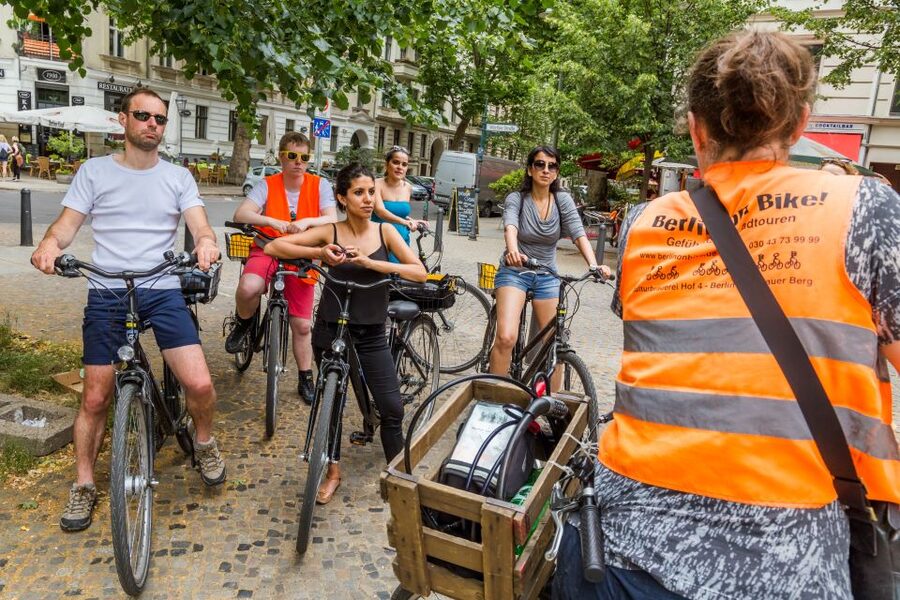
Berlin’s alternative neighborhoods make far more sense from a bicycle seat. This 17-kilometer ride links Prenzlauer Berg, Friedrichshain, and Kreuzberg, giving you East German architecture, street art, parks, nightlife districts, and the River Spree in one well-paced outing.
I like the tour’s small groups of no more than 15 and its relaxed pace, which leave room for photos and questions. I also like the guides’ personal touch. Anna, Patricia, Oli, Andy, and others have been praised for turning city history into lively stories rather than a dull roll call of dates.
The main drawback is city cycling. Most of the route uses bike paths and quieter streets, but you do share some busier sections with traffic. One rider also found a two-gear bicycle hard work at times, so speak up when choosing your bike.
Key things to know before you book
- 17 kilometers across three very different districts: You move from Prenzlauer Berg to Friedrichshain and Kreuzberg, seeing how Berlin changes block by block.
- The East Side Gallery is a major stop: Ride beside the longest remaining stretch of the Berlin Wall, now covered with murals.
- Small groups make the ride personal: The maximum is 15 people, and guides often learn names and adjust the pace for the group.
- The focus is modern Berlin: Expect stories about the Cold War, reunification, subculture, gentrification, music, and daily life.
- Comfortable bikes and useful extras are included: Baskets, sunscreen, trouser clips, and rain ponchos help keep the ride easy.
- Plan for roughly three to three and a half hours: The activity is listed as 210 minutes, with the route described as taking 3.5 hours.
Why a bike is the right way to see this Berlin
Berlin is spread out, and the neighborhoods in this tour are too far apart to connect comfortably on foot in one afternoon. Public transport can get you between them, but it cannot give you the same feel for the spaces in between.
A bicycle lets you cover real ground without rushing past everything in a train carriage. You see apartment courtyards, murals, parks, former industrial sites, and stretches of the Spree that are easy to miss from a main road. You also get a useful sense of scale. Berlin’s divided past did not leave one neat memorial district. Its effects appear in buildings, streets, vacant lots, nightlife zones, and whole neighborhoods.
The pace is described as relaxed, with regular time for questions and pictures. That matters because the tour is not designed as a fitness challenge. You ride about 17 kilometers, but you are not expected to race through the city.
Still, this is an urban cycling tour, not a traffic-free country ride. Some parts are smooth and calm, while others require attention around cars and ordinary city traffic. If you cycle rarely, tell the guide. The strongest guides, including Andy and Patricia, have been praised for keeping less experienced riders comfortable and together.
Other rides around Berlin:
- Berlin: Sights and Highlights Bike Tour with a Local Guide
★ 4.8 · 2,698 reviews - Berlin Highlights 3-Hour Bike Tour
★ 5.0 · 948 reviews - Berlin City Bike Tour with Beer Garden Stop
★ 5.0 · 917 reviews
Starting at Kulturbrauerei in Prenzlauer Berg
The tour begins at Kulturbrauerei in Prenzlauer Berg, a useful starting point for a ride about Berlin’s changing identity. From here, you head toward Volkspark Friedrichshain rather than starting with the city’s grand central monuments.
That choice sets the tone. You are not simply ticking off famous sights. You are moving through districts where everyday Berlin, old East German planning, creative businesses, nightlife, and political change sit close together.
You might find the first section especially useful if this is your first day in Berlin. A good city tour should help you understand how the pieces fit, and this one gives you a broad map of the eastern neighborhoods before you explore them on your own.
The guide’s role is important here. The route includes many places that do not explain themselves. A courtyard, an old boulevard, or an industrial compound can look ordinary until someone points out how it connects to Berlin’s divided past or present-day subculture.
Volkspark Friedrichshain and Karl-Marx-Allee
The route continues toward Volkspark Friedrichshain and Karl-Marx-Allee. The park gives you a break from dense streets, while Karl-Marx-Allee shows a very different side of Berlin’s postwar city planning.
This broad DDR-era boulevard is not simply a pretty avenue. It reflects the political ambitions of East Germany and the monumental style used to present a model socialist city. The scale feels different from the smaller streets of Kreuzberg, and that contrast is one of the tour’s strengths.
You do not need to be an architecture specialist to enjoy this section. The guide supplies the context, then you can look at the buildings and boulevard with a better idea of why they were built that way. The tour is at its best when it connects a physical place with the people and political choices behind it.
The drawback is that this section is still part of an active city. You may spend less time stopped than you would on a walking tour, so listen carefully when the guide explains what you are seeing. The bicycle keeps the route moving, but it also means the commentary has to fit around the ride.
Boxhagener Platz and RAW Tempel
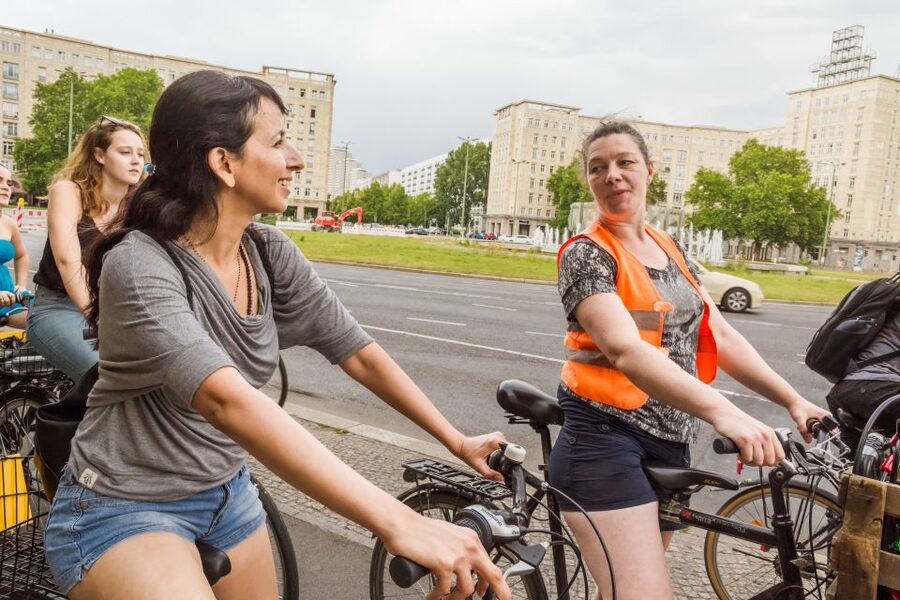
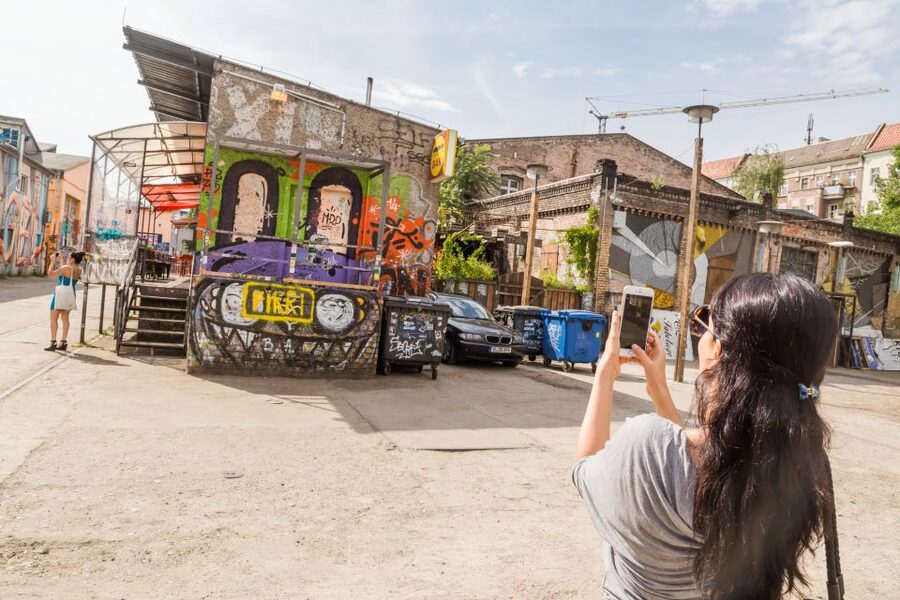
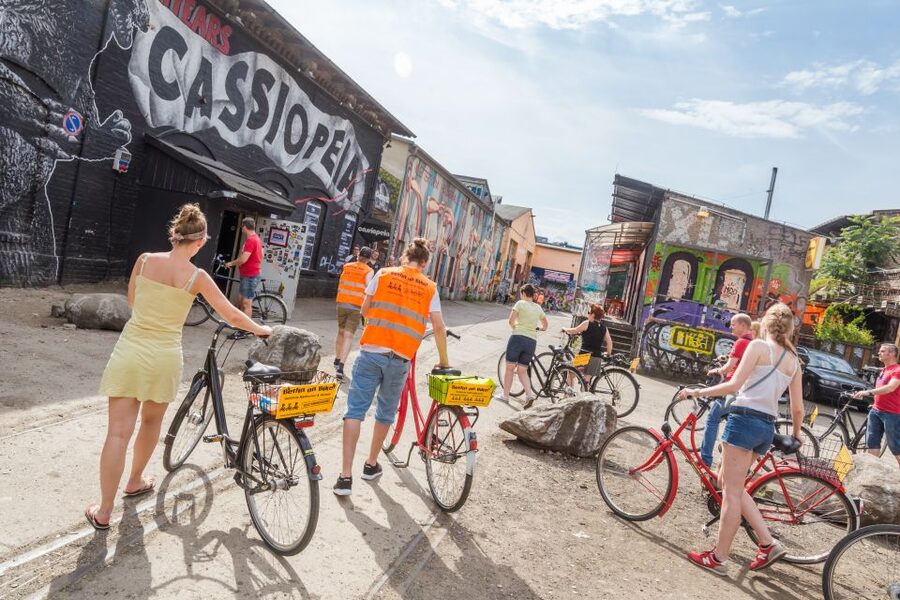
In Friedrichshain, the tour heads around Boxhagener Platz and RAW Tempel. These stops show the district’s social and creative side, with a stronger focus on nightlife, art, and alternative culture.
Boxhagener Platz is part of the neighborhood’s popular daytime and evening life. RAW Tempel, set in a former industrial area, adds a rougher, more improvised feel. Together, they help explain why Friedrichshain became associated with clubs, street art, independent projects, and unconventional uses of old urban spaces.
The daytime timing is worth noting. You can see where the nightlife happens, but the atmosphere will not be the same as late at night. That is not a flaw. In daylight, you can look at the buildings and public spaces more clearly, and the guide can explain how the area has changed.
This is also where the tour’s discussion of gentrification becomes useful. Berlin’s alternative districts are not frozen in time. Places that once attracted artists and squatters can later attract new businesses, higher rents, and more visitors. The ride gives you a way to see that change without reducing it to a simple good-or-bad story.
Same base, a different kind of day out:
- Berlin: Reichstag, Dome and Government District Guided Tour
★ 4.7 · 18,288 reviews - Berlin: 1-Hour City Tour by Boat with Guaranteed Seating
★ 4.3 · 16,993 reviews - Berlin: Boat Tour Along the River Spree
★ 4.4 · 11,252 reviews - Discover Berlin Half-Day Walking Tour
★ 5.0 · 9,624 reviews
The East Side Gallery and Oberbaumbrücke
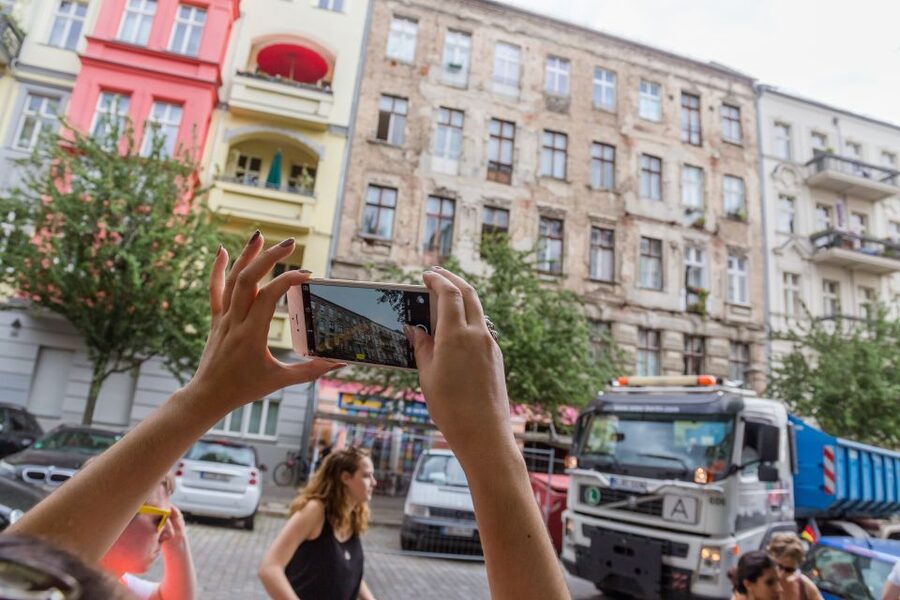
The East Side Gallery is the tour’s most obvious landmark. You ride beside the largest remaining section of the Berlin Wall, now known around the world for its murals.
The important thing is not just the wall art. Riding alongside the wall helps you grasp how a barrier once cut through ordinary neighborhoods. You are not looking at an isolated museum piece. You are following a long physical line through the city, then crossing over it as the route continues toward Kreuzberg.
The murals can be crowded, and this is one section where you may need to slow down and pay attention to other cyclists and pedestrians. Your guide will provide the political and artistic background, but you will also have time to look at the paintings and take photographs.
Then comes Oberbaumbrücke, one of Berlin’s most recognizable bridges. Crossing it by bicycle gives you a strong visual transition between Friedrichshain and Kreuzberg. The River Spree opens up around you, and the city’s old division becomes easier to picture.
This section combines major Berlin history with a pleasant ride. You get a famous landmark, but you also experience it as part of a working route rather than stopping at it by taxi and leaving again.
Along the Spree toward Kreuzberg
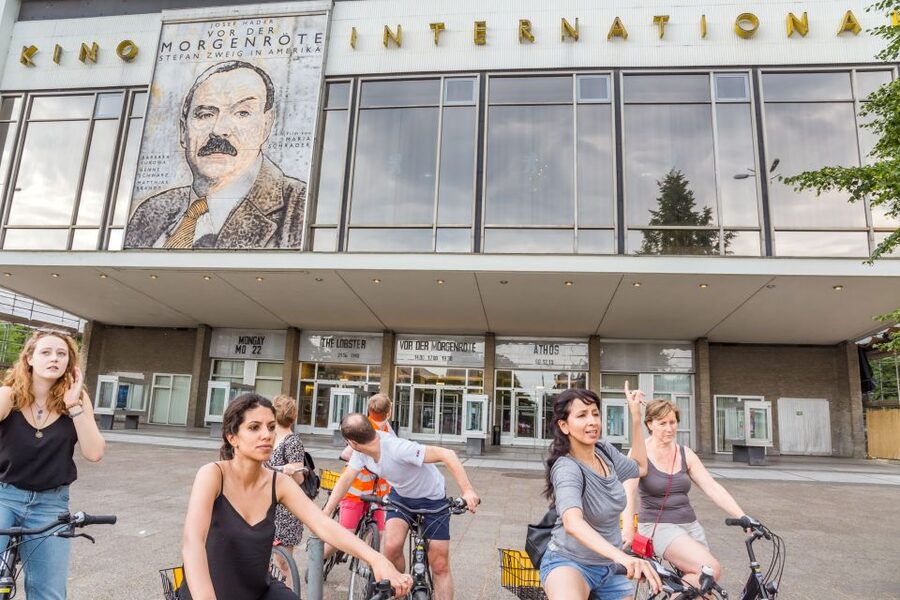
The ride along the River Spree brings a quieter change of pace. Parks, open water, and recreational areas break up the dense streets, giving you room to enjoy the scenery and catch your breath.
I like this part because it keeps the tour from becoming a string of urban talking points. Berlin’s alternative districts are not only clubs, murals, and political stories. They also include places where people walk, sit, cycle, and spend time outdoors.
The river section is a good chance to take photographs, but do not expect a long riverside cruise. This remains a city tour with a fixed route and several neighborhoods to cover. The value comes from the changing views and the way the guide links them to Berlin’s wider development.
Baskets are fitted to the rental bikes for lightweight bags. That is useful, but keep your load small. A bike is easier to handle when you are not carrying a heavy backpack or a large shopping bag.
Görlitzer Park and the SO36 district
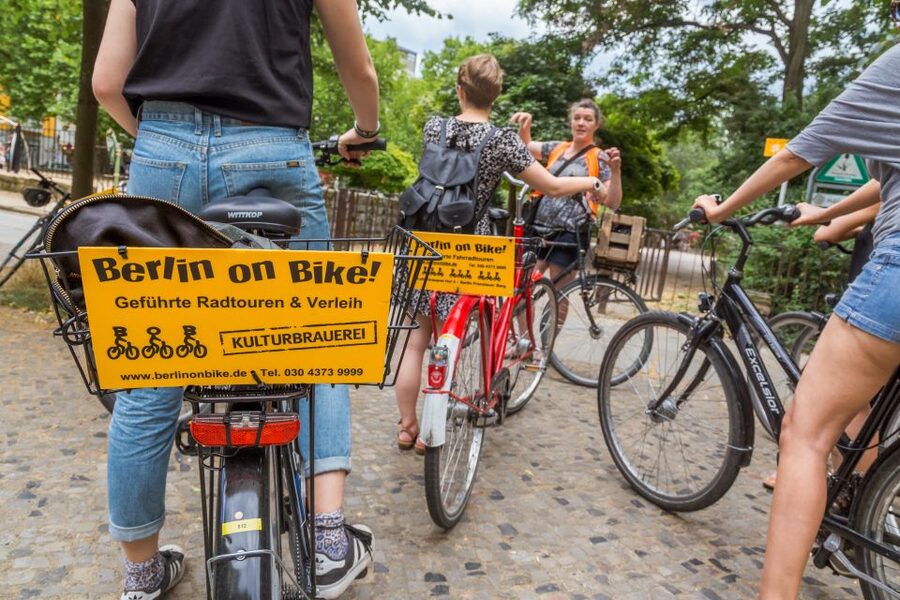
The route continues through Görlitzer Park and into SO36, the colorful part of Kreuzberg that has long been associated with alternative Berlin.
Here the tour focuses on the district’s mixed identity. You see parks, back courtyards, street art, and signs of different communities living close together. The guide also discusses the city’s cultural changes and the way Kreuzberg developed after Berlin was divided and later reunited.
SO36 is not polished in the way a historic center might be. That is precisely the point. You see a district shaped by migration, activism, independent culture, nightlife, and pressure from redevelopment. The guide’s stories help you notice details that would otherwise pass by as ordinary urban clutter.
Several guides have been praised for making this part personal. Anna was described as warm and attentive, even learning the names of people in the group. Patricia has been singled out for her stories about alternative Berlin, while Andy was praised for explaining how the neighborhoods changed over the last 50 years.
The route may also point out music-related places. One guide showed the group a studio connected with a David Bowie recording, and the broader ride includes places associated with Bowie and Iggy Pop. Treat these as contextual stops rather than guaranteed museum visits. The tour is about seeing the districts and hearing their stories, not entering a series of formal attractions.
The guides make or break this experience
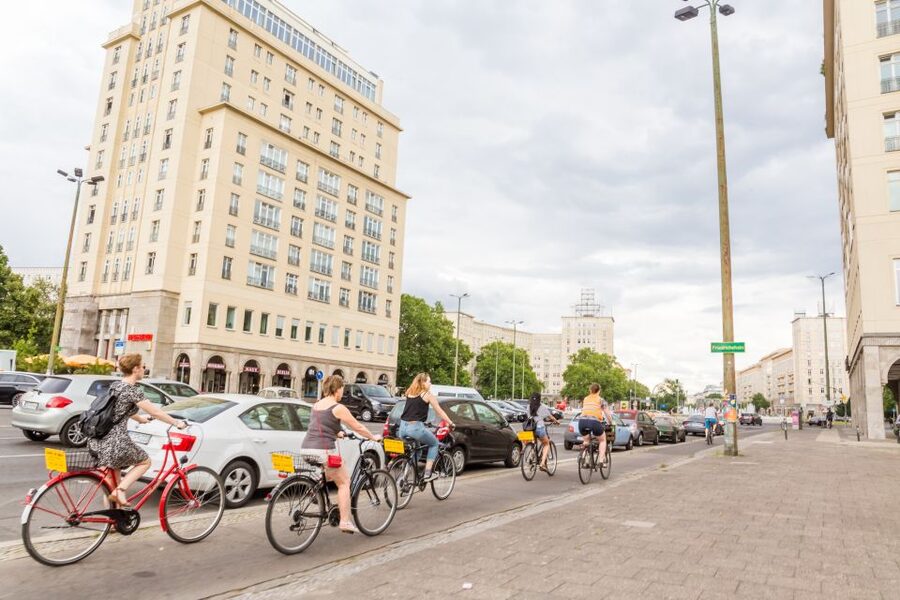
The strongest feature of this tour is the guide. That is not unusual for a city ride, but it matters even more here because many stops need explanation.
The guides work in English, Dutch, or German. Names that have received particular praise include Anna, Patricia, Andy, Oli, Emma, Joost, Phillip, and Angus. You cannot choose a particular guide from the information provided, but the repeated pattern is clear: guides are expected to tell stories, answer questions, and give practical advice about where to eat and drink afterward.
The best guide style for this route is conversational rather than lecture-like. You want someone who can explain Karl-Marx-Allee, then shift naturally to street art, music, or a personal story about Kreuzberg. The reviews of Anna, Emma, Oli, and Joost point to that mix of warmth, humor, and strong local insight.
A small group helps. With up to 15 people, the guide can keep an eye on the riders and stop for questions without turning every halt into a long production. It also makes it easier to hear the commentary than in a large bicycle column.
Bikes, clothing, and weather
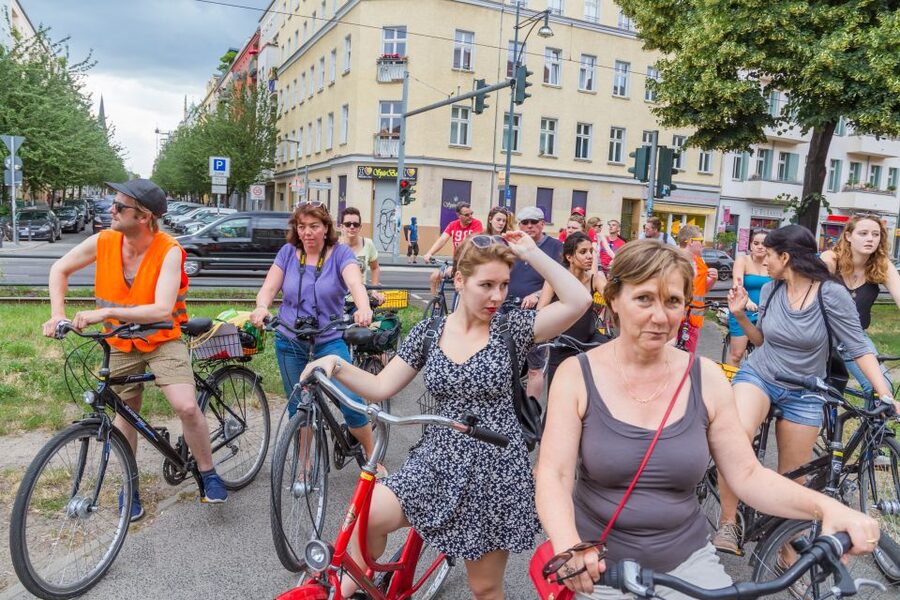
The tour includes a reliable rental bicycle, with a large fleet so you can select a bike that fits. Helmets and gloves are available on request. Baskets hold lightweight bags, while sunscreen and trouser clips are supplied. Rain ponchos are available in poor weather.
Wear comfortable clothes. Practical trousers or shorts and shoes suitable for cycling are the sensible choice. The supplied trouser clips are a helpful detail if you are riding in loose trousers, but you should still avoid clothing that catches easily in a wheel or chain.
Bike quality appears generally good, though one rider found a bicycle with only two gears difficult on parts of the route. Gear choice can affect comfort, especially if you are not used to city cycling. Ask about the available bikes before setting off and mention any concerns immediately.
The tour runs in small groups, but weather still affects the experience. Rain ponchos help, though bad weather can make a three-hour ride less pleasant. Check the forecast and dress for conditions rather than assuming Berlin will stay dry.
Is $41 good value for three hours?
At $41 per person, this tour is not the cheapest way to see Berlin, but it covers a lot of ground and includes the bicycle. You also receive a helmet and gloves on request, a basket, sunscreen, trouser clips, and rain protection when needed.
The real value is the route. You see several districts that would take much longer to connect by walking, and you receive interpretation along the way. If you tried to visit Prenzlauer Berg, Karl-Marx-Allee, Boxhagener Platz, the East Side Gallery, Oberbaumbrücke, Görlitzer Park, and SO36 independently, you would spend time planning transport and working out what each place means.
This is especially good value early in your stay. The ride can help you decide where to return for dinner, drinks, music, street art, or a longer look. One rider returned to two stops the next day, which is exactly how I would use this tour: treat it as a guided introduction, then choose your favorite areas for a slower second visit.
Snacks and drinks are not included. Bring water and expect to buy your own food afterward. One rider wished for a quick beer stop, but skipping a long break is also what lets the tour cover so much ground in its allotted time.
Who should book this bike tour?
I would choose this ride if you want Berlin beyond the Brandenburg Gate and the usual central sights. It suits adults, families with older children, and anyone who enjoys learning through neighborhoods rather than formal museums.
A family with children aged 9 and 11 completed the route successfully, and teenagers aged 14 and 16 also enjoyed it. Still, every rider needs to manage a bicycle for several hours and pay attention in city traffic.
This is a good match for you if:
- You want an introduction to Kreuzberg and Friedrichshain.
- You enjoy street art, local stories, architecture, and social change.
- You are comfortable cycling 17 kilometers at a relaxed pace.
- You want practical ideas for places to revisit.
- You prefer a small group to a large sightseeing bus.
I would look for another activity if you dislike cycling, want a short ride with almost no traffic, or prefer spending long periods inside major attractions. This tour shows many places from the outside and depends on the guide to provide the detail.
My booking advice
Book this tour early in your Berlin stay if you can handle a few urban traffic sections and want a quick feel for the city’s eastern districts. The route is broad, the pace is manageable, and the guides add the personal stories that make Kreuzberg and Friedrichshain more than photo stops.
At $41, the combination of bicycle rental, three-plus hours, a 17-kilometer route, and a small group makes good sense for a first or second day in Berlin. Just wear comfortable clothes, bring water, ask for a bike with gears that suit you, and keep your schedule flexible after the ride so you can return to the places that catch your eye.
FAQ
How long does the Berlin alternative bike tour last?
The activity is listed as three hours, or 210 minutes. The route information describes the ride as taking about 3.5 hours, so allow roughly three to three and a half hours.
How far will I cycle?
You will cover about 17 kilometers at a relaxed pace, with time for photos and questions.
Which neighborhoods does the tour visit?
The route starts in Prenzlauer Berg, then continues through Friedrichshain and Kreuzberg. Stops and riding areas include Volkspark Friedrichshain, Karl-Marx-Allee, Boxhagener Platz, RAW Tempel, the East Side Gallery, Oberbaumbrücke, Görlitzer Park, the River Spree, and the SO36 district.
Is the East Side Gallery included?
Yes. The route rides along the largest remaining section of the Berlin Wall, known as the East Side Gallery.
What languages are available?
Live guides are available in English, Dutch, and German.
Are bicycles and helmets included?
A rental bicycle is included. Helmets and gloves are available on request, and the bikes have baskets for lightweight bags.
What happens if it rains?
Rain ponchos are provided for bad weather. You should still wear comfortable clothing suited to the forecast.
Can I cancel the tour if my plans change?
You can cancel up to 24 hours in advance for a full refund. The reserve-now, pay-later option lets you book without paying immediately.
Just added in Berlin
- Berlin: Energizing 2-Hour Morning Segway Tour★ 4.7 · 35 reviews
- Berlin: Thrilling E-Scooter Adventure Tour★ 4.4 · 66 reviews
- Beelitz-Heilstätten: Baum&Zeit Tree Top Walk Entry Ticket★ 4.9 · 7 reviews
- Beer Bike & Party Bike: Unforgettable Berlin City Tour incl. pickup★ 5.0 · 5 reviews
- AXE THROWING EXPERIENCE IN BERLIN★ 4.7 · 24 reviews
- Alternative Berlin / Street art tour – Private group★ 5.0 · 6 reviews
- Berlin: Alternative & Street Art Tour★ 4.5 · 6 reviews
- Berlin: 2.5-Hour Beer & Sunset Sightseeing Boat Cruise★ 4.6 · 61 reviews
Cycling Tours, compared.
Sights and Highlights Bike Tour with a Local Guide
Read our review →
Classic Mike’s Bike Tour daily @ 11.30 incl Beer Garden & Surfers
Read our review →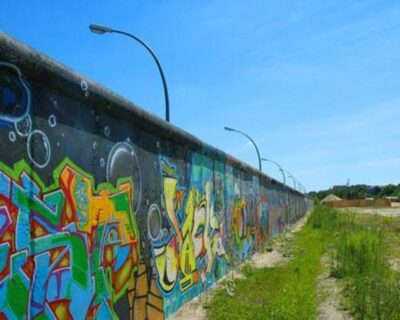
Berlin Highlights Sightseeing Bike Tour in Small Groups
Read our review →
Browse the lists this tour appears in