
Reviewed · CRIME, WITCHES & CEMETERY TOURS
Hanover: Crime Walking Tour
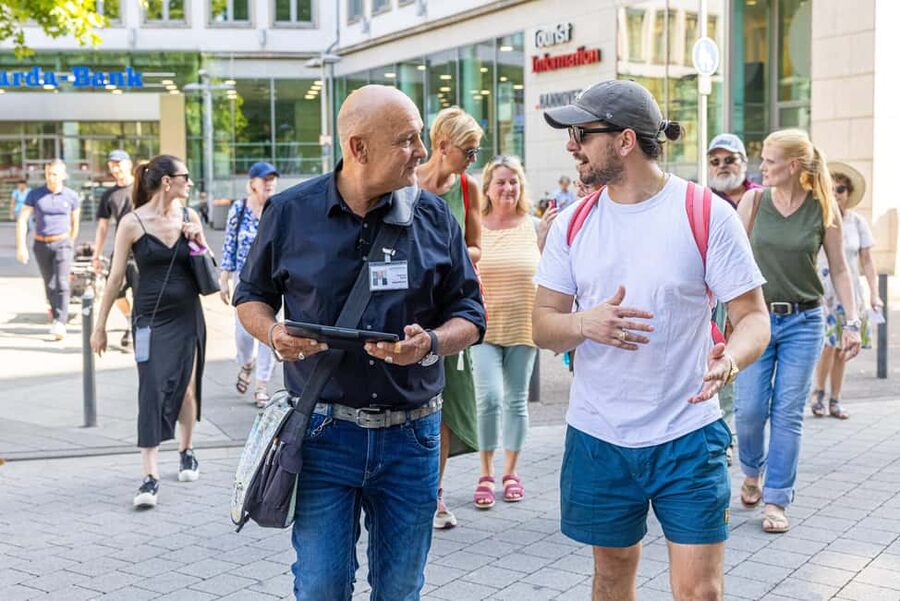
Hanover’s darker past comes into focus on this two-hour walk through the city center and old town. The route connects crimes to the places where they happened, or to locations tied to the city’s police, prisons, and legends. You’ll hear about Fritz Haarmann, Jasper Hanebuth, the Königsmarck Affair, and several lesser-known cases.
I like the original locations, which give the stories more weight than a standard city lecture. I also like that the guide mixes crime history with familiar sights, so you get useful Hanover orientation along the way. The main drawback is that the tour is German only, and the subject matter is not suitable for children under 16 or people uncomfortable with crime stories and confined spaces.
Key points at a glance
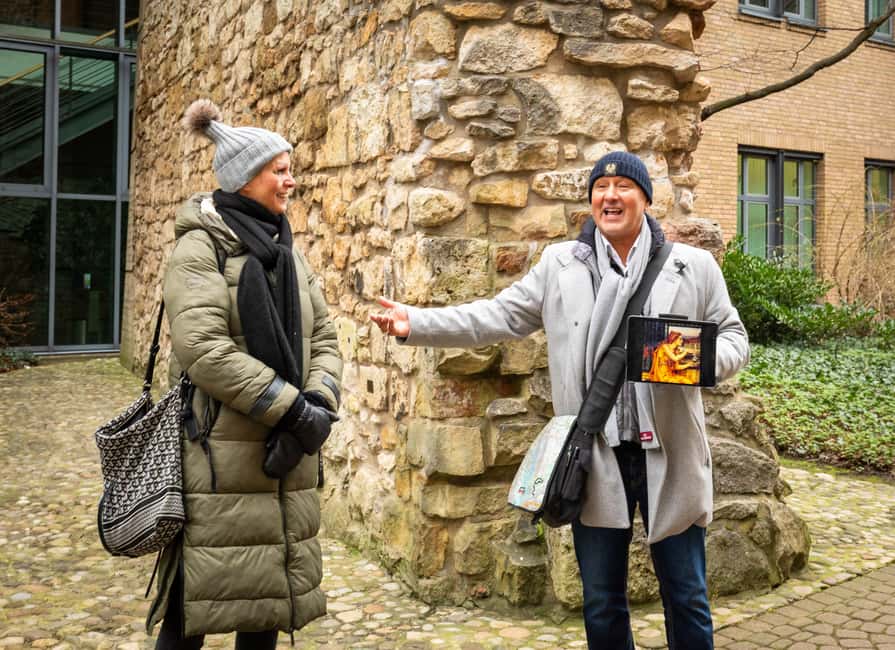
- Haarmann and Hanebuth: Follow stories connected to two of Hanover’s best-known criminal figures.
- Real city locations: Visit Georgsplatz, Leibnizufer, Hanebuth-Gang, Clevertor Prison, and Kröpcke.
- More than murder cases: The tour also covers fraud, robbery, family killing, political violence, and the Königsmarck Affair.
- City sightseeing included: The guide adds background on well-known Hanover sights during the walk.
- Good local orientation: A manageable two-hour route starts and ends at the Hannover Tourism information point.
- Practical format: The tour runs rain or shine, is wheelchair accessible, and requires comfortable shoes.
A crime walk through Hanover’s center and old town
This is not a general walking tour with a few spooky stories added at the end. Crime is the main subject from the first stop, and the route is built around actual places in Hanover.
That makes the walk a useful choice if you already know the city’s main sights and want a different way to understand them. Instead of hearing only about architecture or famous residents, you’ll connect streets and squares with murder investigations, prison history, fraud cases, and old legends.
The guide speaks German, so you need a solid command of the language to follow the details and shifting names in the cases. The tour is aimed at adults and older teenagers, and the content can be grim. It is best for you if historical crime interests you more than polished sightseeing.
The group moves through central Hanover on foot for about two hours. Because the tour begins and ends at the Hannover Tourism information point, it is easy to fit into a day of sightseeing. You do not need to arrange transportation between stops.
More Crime, Witches & Cemetery Tours across Germany
- Hamburg: Sex and Crime in St. Pauli Tour for Ages 18+
★ 4.7 · 15,447 reviews - Cologne: Melaten Cemetery Life, Love and Death Tour
★ 4.9 · 2,728 reviews - Nuremberg: Medieval Dungeons Guided Tour
★ 4.8 · 1,726 reviews
Starting at Hannover Tourism
The meeting point is the Hannover Tourism information point. This is a practical place to begin because you can ask about the wider city before or after the walk, and you are already in the central sightseeing area.
The activity ends back at the same meeting point. That simple layout matters if you have a train connection, another reservation, or a short visit in Hanover. You will not need to work out where the guide leaves you or find your way back from an unfamiliar district.
Wear comfortable shoes. The walk lasts two hours, and the route includes several city-center stops rather than one fixed indoor venue. The tour runs in rain or shine, so check the forecast and bring suitable outerwear when the weather looks poor.
The tour is wheelchair accessible. Still, anyone who needs detailed information about the exact surface of each street or any temporary obstacles should confirm those points when booking, since the route takes place outdoors in the city.
Georgsplatz and the first layer of city crime

Georgsplatz is one of the route’s named stops. Here, the guide begins connecting Hanover’s urban setting with criminal cases and the city’s past.
The value of a stop like this is not simply seeing a square. A crime story tied to a familiar public place changes the way you read the city. You stop treating the center as a collection of names on a map and start noticing how streets, crossings, public spaces, and old routes fit into the stories.
The precise order of the cases can vary, so you should think of this as a guided route rather than a fixed theatrical performance. The guide supplies the context and takes you from location to location, explaining what happened in each case and why the place matters.
A key part of the tour is its mix of famous and less familiar names. The Königsmarck Affair and the Haarmann case may be the best-known subjects, but the walk also covers Christian Friedrich Lorenz, Christine Fricke, and the jeweler Düe and Mauss case.
Leibnizufer and the question of the body in the Leine

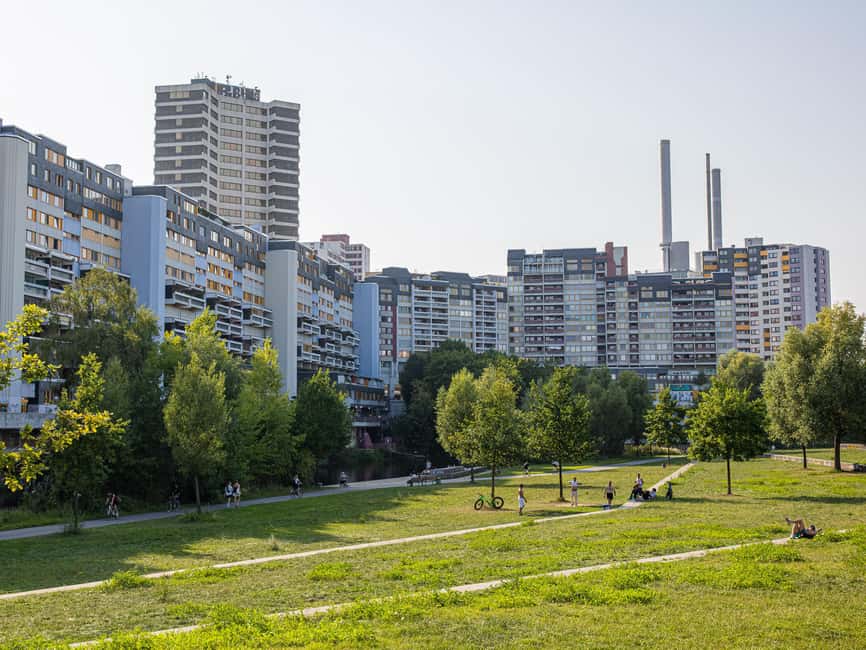
The route continues to Leibnizufer, alongside the Leine. One of the tour’s central questions concerns the discovery of a body in the river, a detail that gives the walk its strongest sense of place.
This is where the original-location format earns its price. Hearing about a body in an abstract lecture is one thing. Standing by the river while the guide explains the case gives you a clearer sense of how Hanover’s waterways fit into its urban story.
The river setting also helps break up the darker material. You are still on a city walk, not inside a museum or a darkened room. You can take in the streets and waterway while listening, which gives the two-hour route a steady rhythm.
Do not expect a forensic investigation or a role-playing game. The emphasis is historical background, named cases, and the locations connected with them. The appeal comes from the link between place and story, not from solving clues yourself.
More Walking Tours across Germany
- Discover Berlin Half-Day Walking Tour
★ 5.0 · 9,624 reviews - Berlin: Third Reich and Cold War 2 Hour Walking Tour
★ 4.9 · 6,830 reviews - Munich: Third Reich & WWII Walking Tour
★ 4.6 · 6,181 reviews - Berlin: Discover Berlin Walking Tour
★ 4.9 · 5,998 reviews
Hanebuth-Gang and the legend of the robber camp

Hanebuth-Gang brings the tour to one of its most distinctive names. It is connected with Jasper Hanebuth, known in the program for robbery murders, and with the legend of where Hanebuth’s camp may have been.
This part of the walk is useful because it shows how crime stories can sit between documented events and local legend. The guide addresses both the known case and the traditional story surrounding the camp, giving you a chance to separate historical record from the way a city remembers its past.
Hanebuth is one of the figures that makes this tour different from a standard Hanover city walk. The story belongs to the city’s local identity, rather than being a general tale that could be placed in any German town.
The Hanebuth-Gang stop also gives the tour a strong sense of continuity. You are not simply hearing a list of unrelated crimes. The route uses streets, names, and remembered places to show how crime has been woven into Hanover’s public memory.
Clevertor Prison and the city’s punishment system
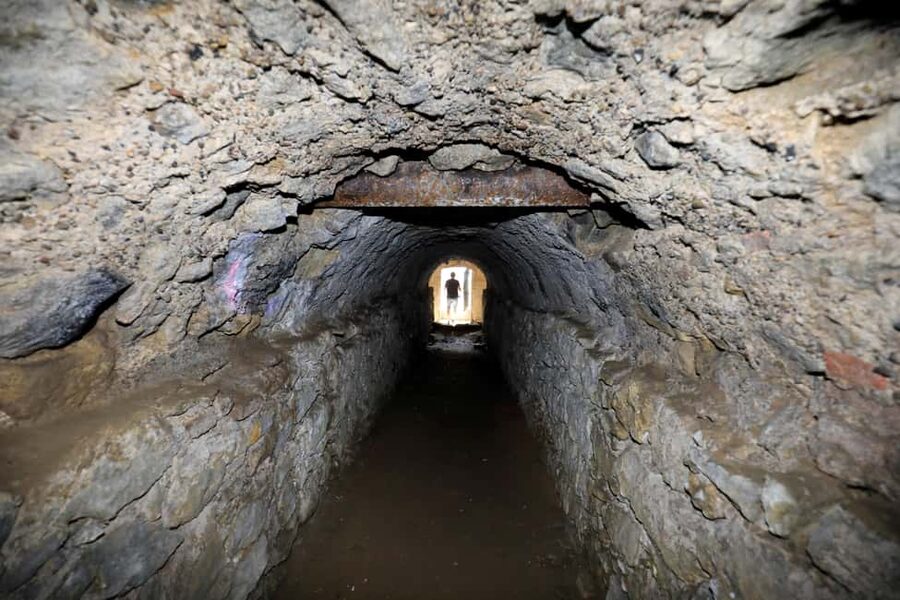
Clevertor Prison is another named stop. The prison connection widens the tour beyond individual murderers and victims, bringing in the institutions that dealt with crime.
You will hear about prisons as part of Hanover’s criminal past, though the available information does not specify an interior visit. Plan on an outdoor guided stop rather than assuming you will enter the former prison site.
This distinction matters. If you want a prison museum or a detailed look at cells, this tour may feel too brief. If you want to understand how prison locations fit into the city’s history while walking between other sights, the stop adds useful context without turning the whole experience into a museum visit.
The route is also suitable for people who prefer a moderate amount of structure. Two hours is long enough to develop several cases, but short enough to leave time for Hanover’s other sights, a meal, or a museum afterward.
Kröpcke and the modern city
Kröpcke is the final named city-center stop. It brings the route into one of Hanover’s best-known public areas and helps tie the historical cases to the modern center.
The program also includes the attack claimed by the IRA on July 3, 1989. That subject gives the tour a more recent political dimension and shows that the crime history is not limited to old murders or legends.
This range is one of the tour’s strengths. You move from the Königsmarck Affair to robber murders, from family killing to fraud, and then to a politically connected attack. The result is a broader picture of public danger and criminal justice across different periods.
At the same time, the range may feel uneven if you want one narrow theme. This is not only a serial-killer tour. It is a survey of Hanover cases, places, and criminal episodes, with the city itself providing the connecting thread.
The cases you will hear about
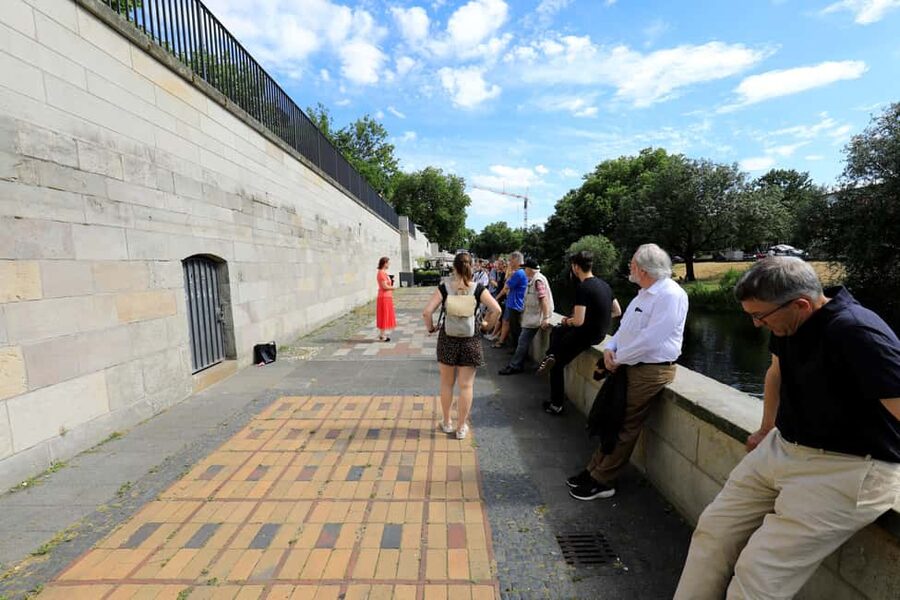
The tour covers a substantial list of people and incidents for a two-hour walk:
- The jeweler Düe and the Mauss case
- Christine Fricke, described as a husband killer
- The Königsmarck Affair
- Jasper Hanebuth and robbery murders
- Fritz Haarmann, described as a murderer and police informer
- Christian Friedrich Lorenz, identified as a family killer
- The IRA-claimed attack of July 3, 1989
The guide is expected to provide background at the relevant locations, but you should not expect a full book-length account of every case. The time is divided among several subjects, and some stories will naturally receive more attention than others.
Fritz Haarmann is likely to be one of the most recognizable names on the route. The walk asks where Haarmann carried out his crimes and how he interacted with the police. That combination of criminal and police informer gives the case a particularly unsettling angle.
The Königsmarck Affair offers a different kind of story, linking the route to courtly and political history rather than only street crime. Hanebuth brings in robbery and local legend, while the cases involving Christine Fricke, Christian Friedrich Lorenz, and the jeweler Düe add less familiar material.
The best approach is to treat the tour as a guided introduction to Hanover’s criminal past. If one case catches your interest, note the name and explore it further later.
Why the city-sightseeing element matters

The tour does not leave sightseeing behind. Along with crime stories, the German-speaking guide gives information about well-known sights in Hanover.
That is helpful if this is your first time in the city. You get orientation while following the themed route, and the guide can place the cases within the wider center and old town rather than presenting them as isolated incidents.
It also makes the tour a better value than a narrowly focused lecture. At $19 per person, you are paying for a two-hour guided walk that combines local history, city orientation, and a specific theme. The price is reasonable if you want both a tour of central Hanover and stories you would be unlikely to find by simply walking around on your own.
The value is lower if you already know the city well but do not speak German. In that case, the location-based format still has appeal, but the language barrier limits what you can take from the guide.
Group atmosphere and the role of the guide
The tour is designed to involve the group rather than deliver a completely closed lecture. A German-language account from a Hanover native describes a comfortable group size and active participation, including information that local residents did not already know.
That is a useful clue about the tone. You should expect a guided walk with room for interaction, not a large, anonymous procession. The precise group size is not stated, so do not book on the assumption that it will be a private tour.
The guide’s role is important here. The quality of the experience depends on how clearly the cases are explained, how well the guide links each story to its location, and how easily you can follow the German. Since no individual guide names are provided, you should judge the activity by its format rather than expect a particular presenter.
The 4.5 out of 5 rating from 243 reviews suggests that the combination of local information, manageable timing, and active involvement works well for many people. I would still give the language and subject matter more weight than the rating when deciding if it suits you.
Who should book this Hanover walk?
I would book it if you enjoy historical crime, local legends, and city walks that take you beyond the usual postcard stops. It is especially useful for a first visit because the route adds basic information about Hanover’s main sights while giving you a focused reason to walk through the center.
It also suits repeat visitors who want a new angle on familiar streets. The original locations, including Leibnizufer, Hanebuth-Gang, Clevertor Prison, and Kröpcke, give the city a different mood without requiring a full-day commitment.
You should skip it if you want an English-language activity, a family outing for young children, or a lighthearted introduction to Hanover. Children under 16 are not permitted, and the crime subjects can be disturbing.
People with claustrophobia should also take note. The tour is primarily outdoors, but it is specifically listed as unsuitable for people with claustrophobia. If that is a concern, ask the operator for more detail before reserving.
The walk is wheelchair accessible, and its two-hour length is fairly manageable, but comfortable shoes remain important. Since it goes ahead in all weather, a rainy day may reduce the pleasure of the outdoor stops even if the guide continues as planned.
Booking value and final advice
At $19, this is a modestly priced way to spend two hours in Hanover. You are not paying for admission to a major attraction or a long excursion. You are paying for a guide who links criminal cases to real streets and adds city background along the way.
I think the strongest value comes from the locations. Reading about Haarmann or Hanebuth later is easy, but hearing the stories where the city still carries their names and memories gives the material a local edge.
Book it if German is comfortable for you and you want an adult-focused walk with a darker subject. If you need English commentary, want a gentle family activity, or prefer museums and architecture to crime stories, choose another Hanover tour.
FAQ
How long does the Hanover Crime Walking Tour last?
The tour lasts two hours.
Where does the tour start?
It starts at the Hannover Tourism information point.
Where does the tour end?
The activity ends back at the same meeting point.
What language is the tour conducted in?
The live tour guide speaks German.
What locations are included on the route?
The route passes Georgsplatz, Leibnizufer, Hanebuth-Gang, Clevertor Prison, and Kröpcke.
Which criminal cases are covered?
The tour covers the jeweler Düe and Mauss case, Christine Fricke, the Königsmarck Affair, Jasper Hanebuth, Fritz Haarmann, Christian Friedrich Lorenz, and the IRA-claimed attack of July 3, 1989.
Is the tour wheelchair accessible?
Yes, the activity is listed as wheelchair accessible.
Can children join the tour?
No. The activity is not suitable for children under 16.
Just added in Germany
- Berchtesgaden: Via Ferrata Beginner Tour of Schützensteig★ 4.7 · 15 reviews
- Berlin: Energizing 2-Hour Morning Segway Tour★ 4.7 · 35 reviews
- Berlin: Thrilling E-Scooter Adventure Tour★ 4.4 · 66 reviews
- Bayreuth: German City Walking Tour (Tourist Info)★ 4.7 · 202 reviews
- Beelitz-Heilstätten: Baum&Zeit Tree Top Walk Entry Ticket★ 4.9 · 7 reviews
- Beer Bike & Party Bike: Unforgettable Berlin City Tour incl. pickup★ 5.0 · 5 reviews
- Bavaria: Beginner Canyoning Tour★ 4.5 · 10 reviews
- Bayreuth: Christmas city tour in German★ 4.9 · 12 reviews
Crime, Witches & Cemetery Tours, compared.



Raven Black Witches and Executioners Walking Tour
Read our review →Browse the lists this tour appears in