
Reviewed · MUSEUMS
Dresden: Guided City Walk and City Museum Entrance Ticket
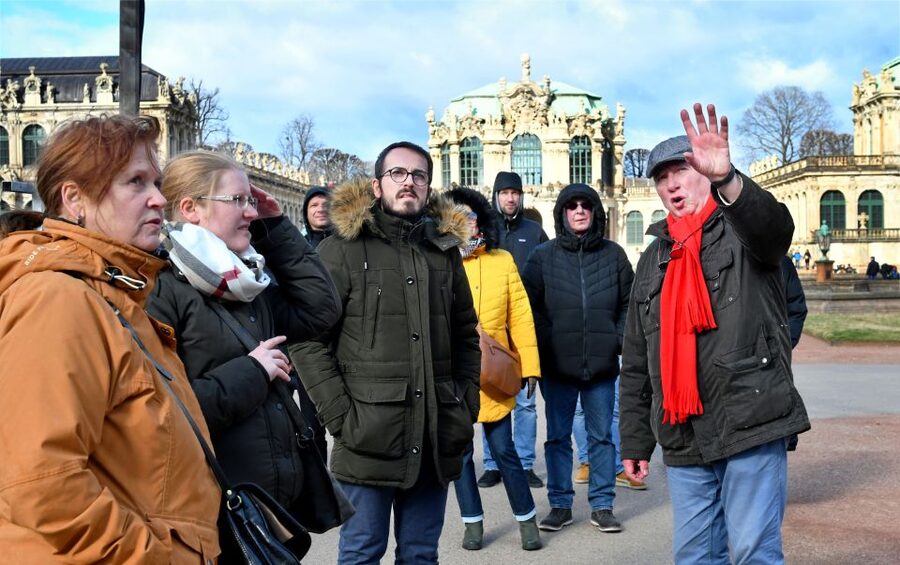
Dresden’s past is packed into a short walk: grand Baroque buildings, wartime destruction, the rebuilding of Neumarkt, and the peaceful revolution of 1989. I like that this tour pairs the famous sights with the City Museum, where Dresden’s story continues beyond the postcard views.
I also like the practical value. For $20, you get a 100-minute guided walk plus admission to two central museums. The main drawback is that your guide does not accompany you inside the museums, and the tour is in German only. One guide, Herr Richter, received special praise for his clear and friendly manner, but the guide may vary.
Key points at a glance
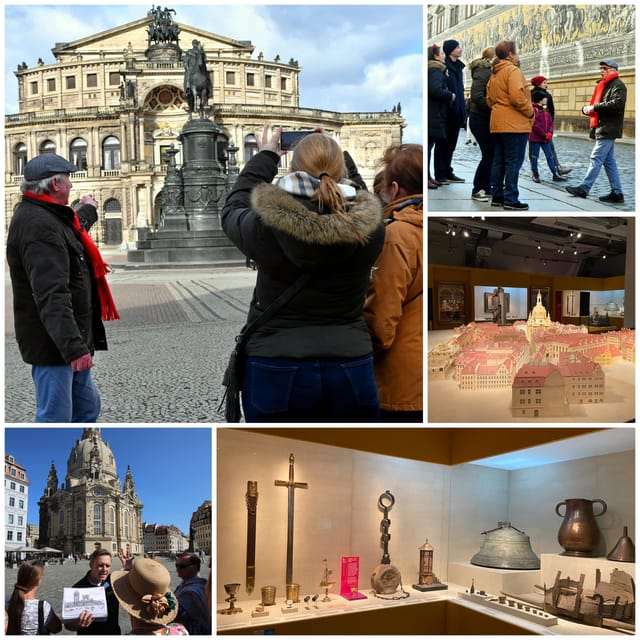
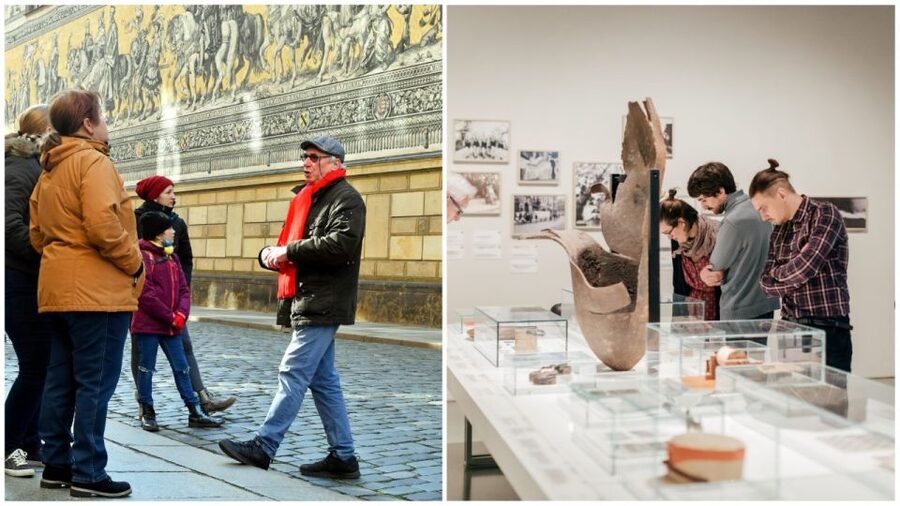
- See Dresden’s essential old town sights in 100 minutes: The route includes the Frauenkirche, Semperoper, Zwinger, Residenzschloss, and Fürstenzug.
- Begin at the rebuilt Neumarkt: This central square was destroyed during the Second World War and now helps explain Dresden’s changing identity.
- Hear about 1989 as well as the Baroque era: The guide covers the peaceful revolution and daily life in the former GDR.
- Visit two museums after the walk: Your ticket includes the Dresden City Museum and Städtische Gallery.
- Expect German guiding only: You need enough German to follow spoken explanations and anecdotes.
- Bring headphones for the museum app: A Danish participant found the app useful and advised bringing your own headphones.
Why this compact Dresden tour works
Dresden can feel like two cities at once. One is the polished Baroque center, with domes, towers, grand courtyards, and ceremonial buildings. The other is the city shaped by war, division, socialist rule, and reunification.
This experience gives you a quick introduction to both. The walk focuses on the historic center, while the museums add documents, film footage, paintings, inventions, and objects from everyday life. I like that balance. You are not simply led from one pretty building to the next. You get some help understanding how Dresden became the city you see today.
The walk lasts about 1.5 hours, or roughly 100 minutes. That is long enough to cover the major sights without consuming half your day. It is also short enough to fit before a museum visit, lunch, an evening performance, or another Dresden attraction.
The pace should suit anyone who wants a first orientation. You will not receive an exhaustive study of every building, and there is no time for long interior visits during the walking portion. Instead, the guide connects the main sights with stories from the Middle Ages through the present.
Other museums and galleries in Dresden:
- Dresden: Church of Our Lady Guided Tour of Gallery
★ 4.7 · 2,421 reviews - Dresden: Guided Walking Tour and Chocolate Museum Ticket
★ 4.5 · 385 reviews - Dresden: Dresden Transport Museum Entrance Ticket
★ 4.6 · 189 reviews
Starting in Neumarkt, a square rebuilt from memory
Meet your guide in the basement of the QF Passage, in the seating area of Dresden Information. This meeting point deserves a little care because one participant specifically found the directions unclear. Go to the lower level rather than waiting outside on Neumarkt, and allow a few extra minutes to find the seating area.
The tour begins around Neumarkt, one of Dresden’s most important public spaces. The Frauenkirche dominates the square with its tall church towers and broad stone form. It is often described in the tour material as Gothic-style, though its familiar rebuilt appearance is part of Dresden’s later Baroque identity.
The key point is not only the church’s architecture. Neumarkt was destroyed during the Second World War, then changed again during the years of division and reconstruction. Walking through the square gives your guide a natural place to explain how Dresden’s old center was damaged, altered, and later restored.
That makes this opening stop more useful than a quick photograph. You begin to see the city as a work in progress rather than a perfectly preserved old town. Dresden’s beauty is real, but so is the story of loss behind it.
Frauenkirche and the meaning of Dresden’s skyline
The Frauenkirche is one of the main visual anchors of the walk. Its high towers are easy to spot, and the building gives the tour a strong sense of place right away.
Your guide uses the church and its surroundings to connect architecture with history. The important lesson is that Dresden’s skyline carries several eras at once: medieval roots, the Baroque court city, wartime destruction, the GDR period, and post-reunification rebuilding.
If you are interested in architecture, this part of the route should be especially helpful. You can admire the scale and detail of the building while hearing why the surrounding square matters. If you have already read a great deal about Dresden’s churches, the stop may feel more like a brisk overview than a detailed architectural lecture.
The tour is best for seeing the main exterior views. It does not promise an interior visit to the Frauenkirche, so plan a separate visit if going inside is important to you.
Semperoper, music, and the old royal city
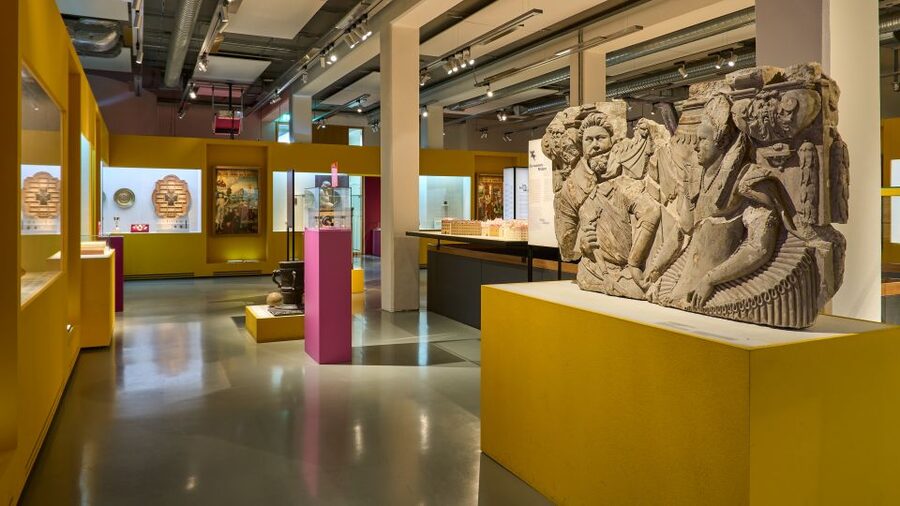
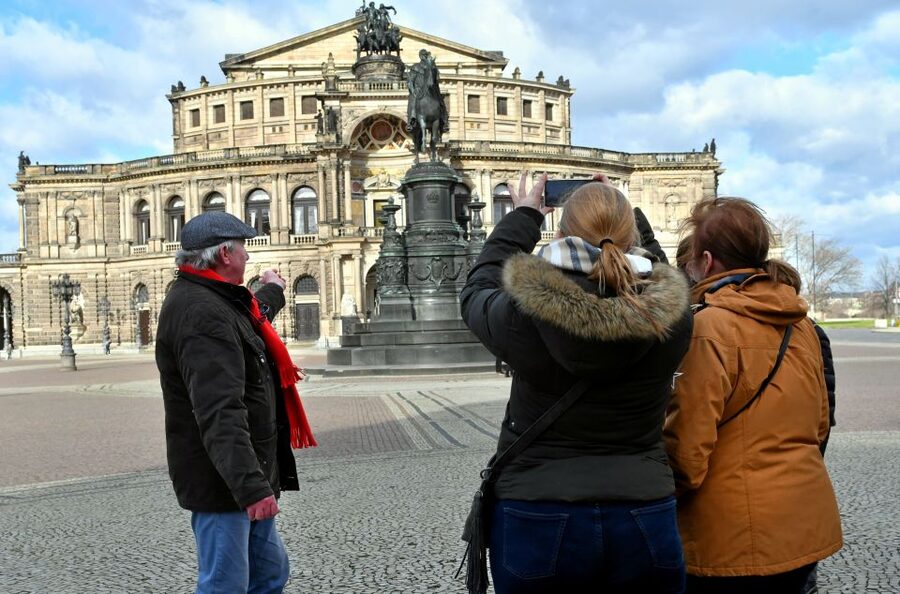
From the Frauenkirche, the walk continues toward the Semperoper, Dresden’s famous opera house. The building is tied to major musical history, with works by Richard Strauss and Richard Wagner premiered there.
That detail gives the stop more weight than a simple photo opportunity. You are looking at a building linked to Dresden’s role as a court and cultural center, not just an ornate theater. The guide can place the opera house within the wider story of the city’s Baroque ambitions and royal patronage.
You should expect an exterior explanation rather than a performance or backstage visit. The value lies in the setting and the story. Even if you are not an opera fan, the Semperoper helps explain why Dresden attracted artists, composers, architects, and court officials.
The route also helps you understand the relationship between Dresden’s grand buildings. The Semperoper, the Zwinger, the Residenzschloss, and the church are not scattered sights with no connection. Together, they express the power and taste of the old court city.
Other walks around Dresden:
- Dresden: City & Semperoper Guided Walking Tour
★ 4.8 · 2,293 reviews - Dresden: Guided City Walk with a Cup of Coffee
★ 4.7 · 1,568 reviews - Görlitz: Old Town Guided Walking Tour
★ 4.7 · 723 reviews - Dresden: Complete Walking Tour with Frauenkirche Visit
★ 4.8 · 700 reviews
The Zwinger’s fountains and formal Baroque style
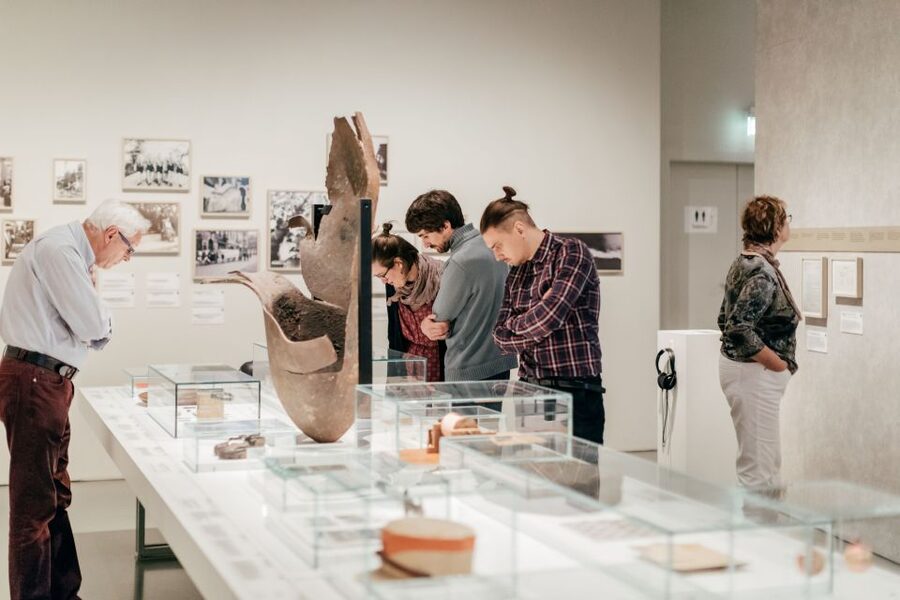
The Zwinger is one of the highlights of the walk. This great Baroque complex is known for its formal courtyards, green lawns, and water fountains. Your guide points out the architecture and explains why it is regarded as one of Germany’s most important Baroque buildings.
The Zwinger is a good place to slow down mentally, even if the group keeps moving. Its design is made for ceremony and display. The open spaces, sculpted details, and fountains show how architecture once served power, celebration, and court life.
I like this stop because it gives you a visual break from the dense streets around Neumarkt. It also makes the city’s Baroque period easier to grasp. You do not need to know architectural terms to appreciate the contrast between the open courtyard and the heavy stone façades.
As with the other stops, the walk focuses on the outside. If you want to spend time inside the Zwinger museums or examine its details at leisure, save that for another visit. The guided route gives you a useful first look, not a full exploration.
Residenzschloss and the Fürstenzug
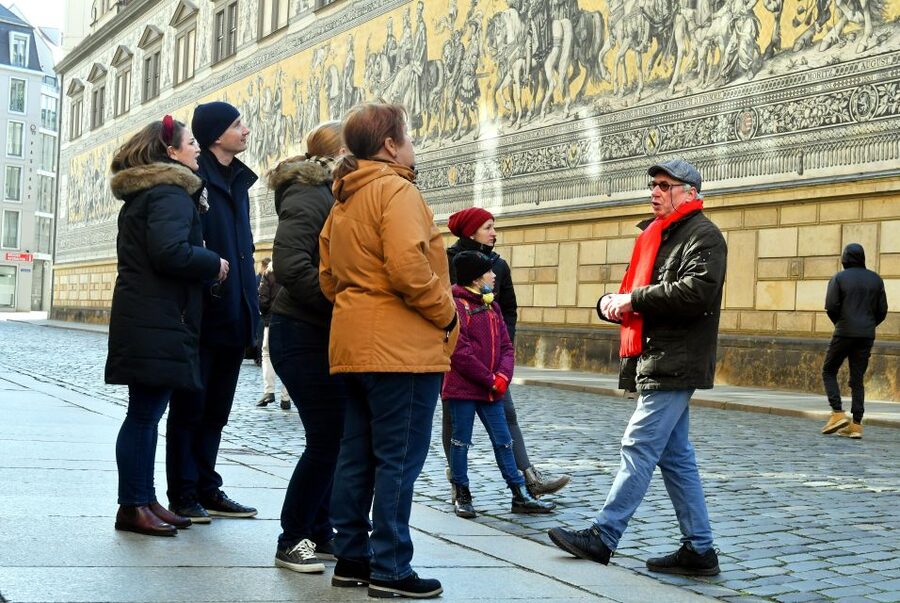
The included route also passes the Residenzschloss and the Fürstenzug. These sights broaden the tour beyond the best-known church, opera house, and palace gardens.
The Residenzschloss helps place Dresden in the context of its rulers and court life. It is part of the central group of buildings that made Dresden a seat of power. The Fürstenzug adds a different kind of historical view, presenting a long procession of rulers in a public artwork.
These stops matter because they show how Dresden told its own story. The city center was designed not only for daily life but also for ceremony, dynastic memory, and public display. A good guide can turn that into a human story rather than a list of dates.
The walk covers many landmarks quickly. That is its strength if you have limited time, but it also means you should not expect lengthy stops at every site. Take notes or mark places you want to revisit later.
The City Museum: 800 years in one central building
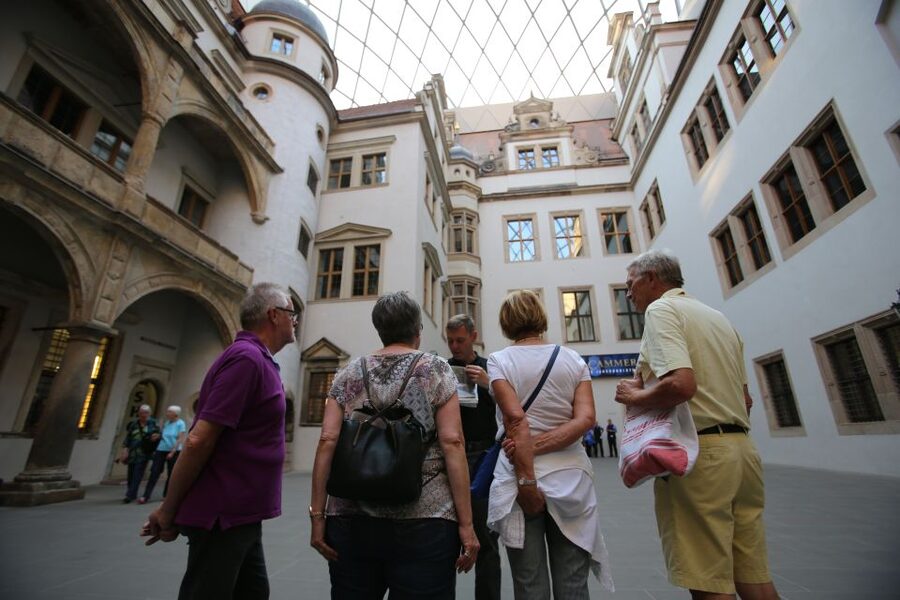
After the walk, you visit the Dresden City Museum at Landhausstrasse 2. It is right in the old town, so you do not need transport to reach it. The guide does not accompany you into the museum, and this is the main practical point to understand before booking.
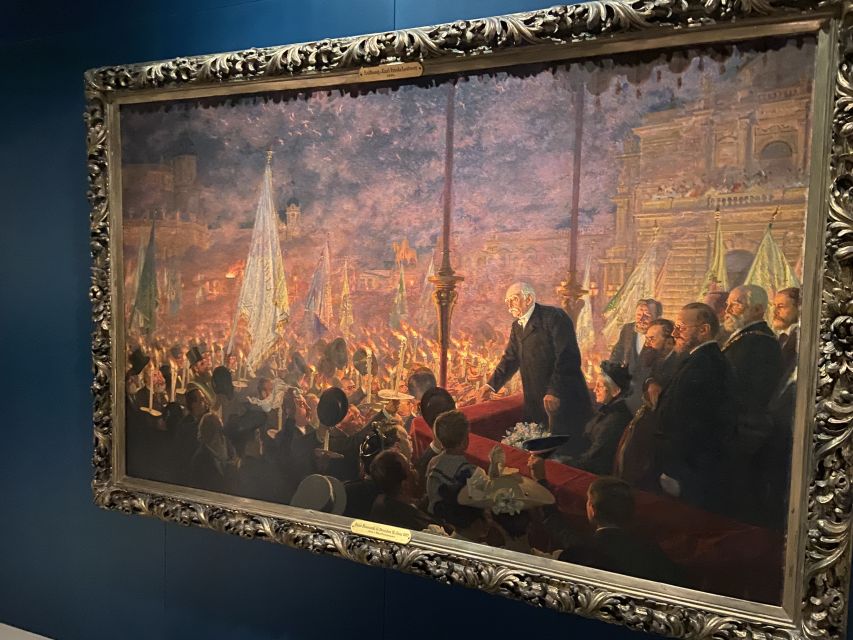
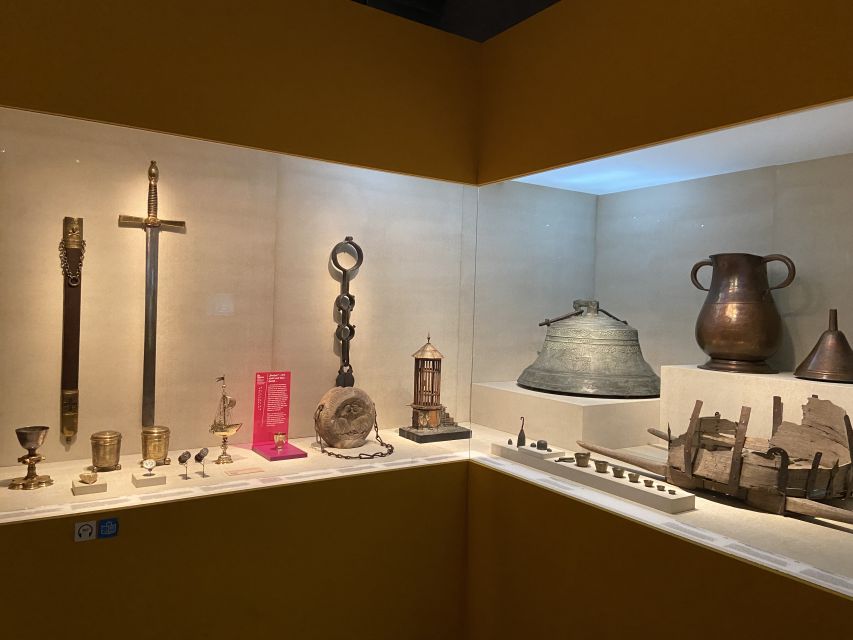
The museum covers more than 800 years of Dresden’s history through about 1,000 exhibits. The displays move from the first settlement of the Elbe valley and the founding of the city to the Baroque golden age, the destruction of the old city, life in the GDR, and the events of 1989.
I like the range. You are not limited to paintings of palaces and churches. Ancient documents, rare film footage, art treasures, and objects from ordinary life help show how people lived through the city’s many changes.
The museum also includes unusual objects, such as a neck ring intended for quarrelsome women and a fool’s house for drunks. These curious pieces may sound odd, but they help make social history concrete. They show the rules, punishments, humor, and habits that official timelines often leave out.
The museum presents the myth of Dresden as part of its wider story. That can help you think about how a city builds its public image, especially after war and political change. Give yourself enough time to read and watch the material. The 100-minute figure belongs to the walking tour, not necessarily to the museum visit.
GDR life and the Peaceful Revolution of 1989
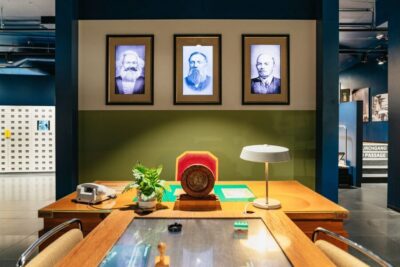
The modern section is one of the most useful parts of the museum for anyone unfamiliar with East German history. You can learn about everyday life in the GDR and the events surrounding the Peaceful Revolution of 1989.
The walking guide also introduces these subjects through anecdotes. This is important because Dresden’s story did not stop with the Baroque era. The city played a role in the political changes that helped bring the East German state to an end.
You should keep one reservation in mind. One German-speaking participant felt that a few details about people and events from the GDR period were not fully correct. That does not erase the value of the tour, but it is a reason to treat the walk as an introduction rather than your final word on recent history.
I would especially recommend the museum section to anyone who wants more than pretty architecture. The documents and film footage can give the political story a human scale, while the objects linked to daily life show how large events affected ordinary people.
The Städtische Gallery, from 1500 to today
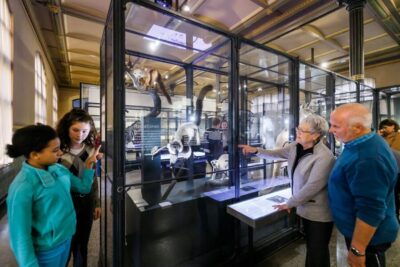
Your ticket also includes the Städtische Gallery, located with the City Museum at Landhausstrasse 2. Its collection covers artworks from 1500 to the present.
This gives the experience a useful second track. The City Museum explains Dresden as a place and community, while the gallery shows how artists represented changing ideas, styles, and periods. You get a broader look at the city’s cultural life than the outdoor walk alone can provide.
The supplied details do not specify individual artists or galleries within the collection, so I would not book this as a single-artist exhibition visit. Think of it as a historical art collection that complements the city museum.
A museum app is available, and one participant found it helpful. Bring headphones if you want to use audio on your phone. Since the guide leaves you at the museum, the app can provide extra structure as you explore independently.
Price, language, and who gets the best value
At $20 per person, this is a strong value if you intend to visit both museums. A paid guided walk plus admission to the City Museum and Städtische Gallery would normally be more useful than a sightseeing stroll alone, especially for a first day in Dresden.
The value is strongest for first-time visitors with limited time. In 100 minutes, you see the principal old town sights and receive a basic historical framework. You can then continue at your own speed inside the museums.
German is the only stated tour language. That is not a minor detail. You need to follow spoken German to benefit from the guide’s explanations and anecdotes. The museum displays may offer other forms of support, but no other walking-tour language is specified.
The tour is wheelchair accessible, which makes the central route and included museums more practical for many people. You can also cancel up to 24 hours ahead for a full refund, and reserve now while paying later. Those flexible terms are useful if your Dresden plans are still shifting.
Who should book this Dresden experience
I would choose this tour if you want the basic shape of Dresden explained by a local guide, then want museum time without arranging separate admission. It suits history-minded visitors, first-time city guests, and anyone who prefers a compact introduction to a sprawling story.
It is also a good choice if you enjoy small, memorable details. The unusual museum objects, stories of daily life, and discussion of 1989 add texture to the grand buildings.
I would hesitate if you want an English-language tour, a private guide, long interior visits, or detailed art commentary. The guide does not continue into the museums, and the walk has to cover many major sights in a short period.
Should you book the Dresden guided walk?
Book it if you can follow German and want an efficient introduction to Dresden’s famous center. The combination of the Frauenkirche, Semperoper, Zwinger, Residenzschloss, and Fürstenzug with two museum admissions makes $20 reasonable.
Go in with the right expectations. This is a brisk orientation, not a full architectural study or a private history seminar. Meet carefully at the lower-level Dresden Information seating area, bring headphones for the museum app, and allow separate time for the museums.
For a short Dresden stay, this experience gives you both the grand postcard city and the harder stories behind it. That is its real value.
FAQ
How long does the guided Dresden walk last?
The walking tour lasts 1.5 hours, or about 100 minutes.
What sights are included on the walking route?
The route passes the Frauenkirche, Semperoper, Zwinger, Residenzschloss, and Fürstenzug. It also begins around Neumarkt.
Are museum tickets included?
Yes. Admission to the Dresden City Museum and the Städtische Gallery is included.
Where are the City Museum and Städtische Gallery?
Both are at Landhausstrasse 2 in the center of Dresden’s old town.
Does the guide enter the museums with the group?
No. The guide does not accompany you into the City Museum or Städtische Gallery.
What language is the guided tour in?
The live walking tour is conducted in German.
Is the activity wheelchair accessible?
Yes, the activity is listed as wheelchair accessible.
Where is the meeting point?
Go to the basement of the QF Passage. The meeting point is in the seating area of Dresden Information.
Can I use an app in the museum?
A museum app is available. Bring your own headphones if you want to use it.
Can I cancel the booking?
You can cancel up to 24 hours in advance for a full refund. You can also reserve now and pay later.
Just added in Dresden
- Test Drive Electric Vehicles from the VW brand (ID. model)★ 4.8 · 190 reviews
- SRF CoBi | City Tour by ConferenceBike★ 4.7 · 38 reviews
- Dresden: Scavenger Hunt to Elbe River & Castles★ 4.7 · 15 reviews
- Dresden: Bike Rental – City Bike with Option Children Seat★ 4.5 · 13 reviews
- Moritzburg: Scavenger Hunt Self-Guided Walking Tour★ 4.8 · 12 reviews
- Historical tour of the old town including a Saxon dinner★ 4.7 · 23 reviews
- Görlitz: Scavenger Hunt Self-Guided Tour★ 4.6 · 22 reviews
- Görlitz: Ghosts and Spooky Historical Night Walking Tour★ 4.8 · 197 reviews
Museums, compared.

Skip-the-Line: Berlin Wall Museum at Checkpoint Charlie
Read our review →
Browse the lists this tour appears in