
Reviewed · MUSEUMS
Dresden: Dresden Transport Museum Entrance Ticket
The most fun part of Dresden’s Transport Museum is its range. In one building, you can move from a massive locomotive to an elegant old car, then test a penny-farthing or design a digital boat race. Rail, road, air, and shipping all get their turn.
I like the museum’s mix of original vehicles and hands-on displays. I also like the downloadable audio guide, since it lets you set your own pace and hear stories about the machines, their makers, and the people who used them. The main thing to consider is time: this is a self-guided museum visit, so you will need to choose your own route and decide how deeply to explore each section.
Key points
- Four major transport themes: Explore railways, road travel, aviation, and shipping under one roof.
- Hands-on activities: Ride a penny-farthing, board a steam locomotive, and create a boat for a digital regatta.
- Original vehicles and models: See rare vehicles, imposing models, vintage cars, flying machines, ships, and locomotives.
- Downloadable audio guide: Use the museum’s free Wi-Fi to access information in a range of languages.
- Flexible one-day visit: Your ticket covers all exhibitions for one day, with no fixed tour group or guide.
- Good family option: Interactive displays give children something to do while adults study the technology and design.
Why the Johanneum makes a strong museum setting
The Dresden Transport Museum occupies the Johanneum, giving your visit a sense of place before you even reach the first vehicle. The building provides a fitting home for a collection focused on how people moved, traded, worked, and explored.
This is not a museum devoted to only one famous train or one narrow slice of motoring. The appeal comes from seeing several forms of transport together. You can compare the engineering problems faced by railway builders with those faced by car designers, shipbuilders, and early aviators.
That broad scope matters because transport technology is easier to understand when you can compare it. A locomotive shows the demands of power and weight. A vintage car shows the shift toward personal travel. A ship model makes you think about scale and stability. An early aircraft brings home how bold early flight could be.
The museum’s rating of 4.6 from 189 reviews points to a strong overall experience, and the most useful praise is directed at the exhibitions themselves. Karl-Heinz, writing after a December 4, 2025 visit, found the displays good enough to plan another visit. That is a useful clue for you: this is not only a quick photo stop. If you enjoy machinery, design, or social history, you may want more than one pass through the galleries.
Other museums and galleries in Dresden:
- Dresden: Church of Our Lady Guided Tour of Gallery
★ 4.7 · 2,421 reviews - Dresden: Guided Walking Tour and Chocolate Museum Ticket
★ 4.5 · 385 reviews - Dresden: Albertinum Museum Entry Ticket
★ 4.5 · 149 reviews
Four transport worlds under one roof
Start by treating the museum as four connected stories rather than a random collection of machines. The main sections cover rail, shipping, road transport, and air travel. Each area gives you a different view of progress and its costs.
Rail transport
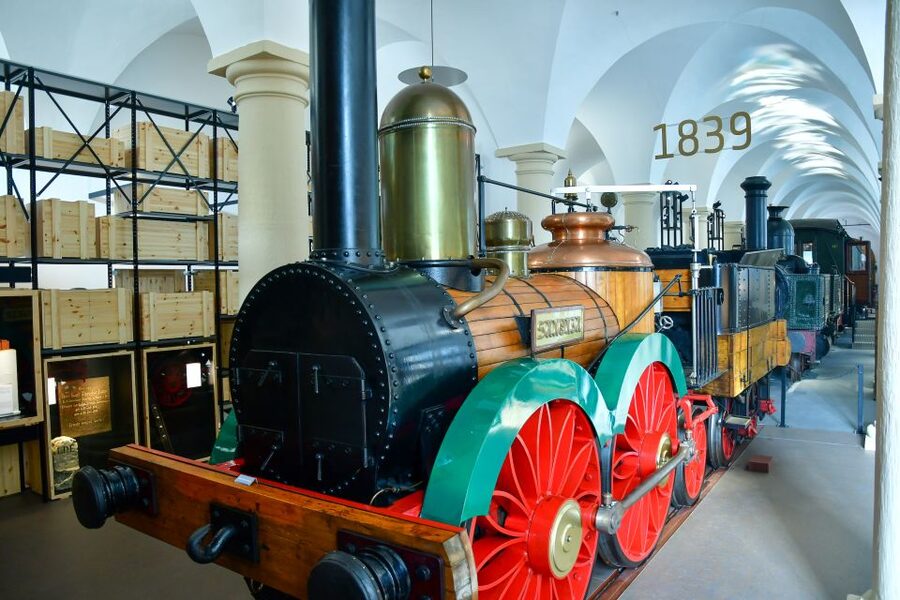
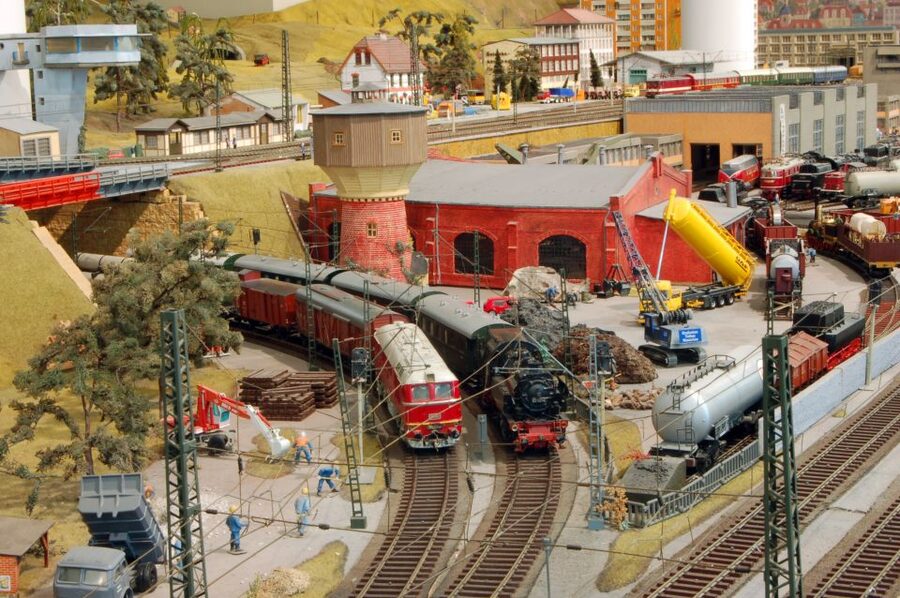
The railway section is likely to be the most imposing part of the visit. The museum presents once-powerful locomotives, and their size gives you an immediate sense of what steam power changed.
You can board a steam locomotive, which turns a technical display into a physical experience. Instead of seeing a machine only behind a barrier, you get a better feel for the cramped, purposeful world built around railway travel.
Rail exhibits also work well for children because the shapes are easy to read. Wheels, boilers, cabs, and connecting rods give young minds a clear starting point. Adults can spend longer looking at the details, especially if they use the audio guide to add the human and technical stories behind the equipment.
Do not rush this section. Large machines need a little time to appreciate, and the audio guide can help explain why particular designs mattered. Since no guided tour is included, the app is your main source of added context beyond the display labels.
Road travel and vintage cars
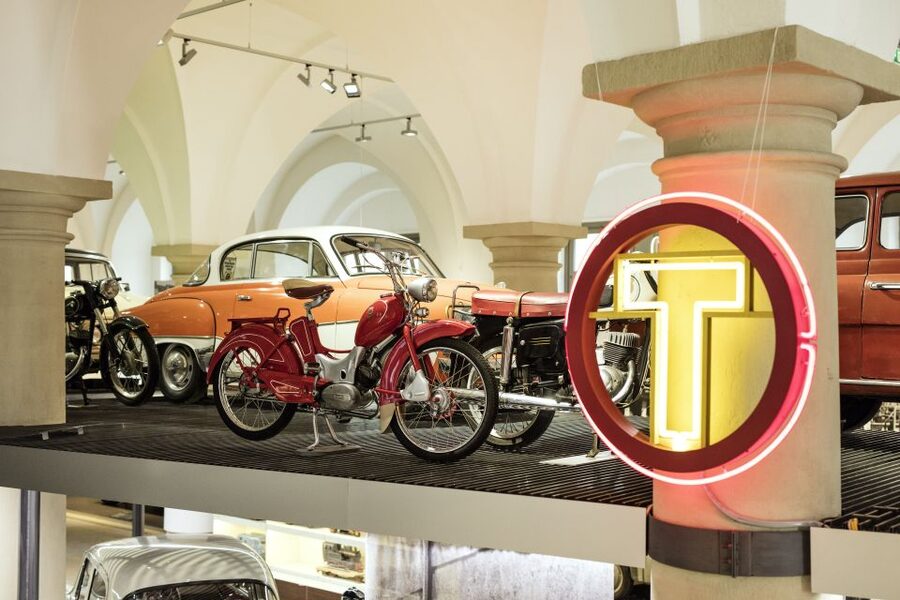
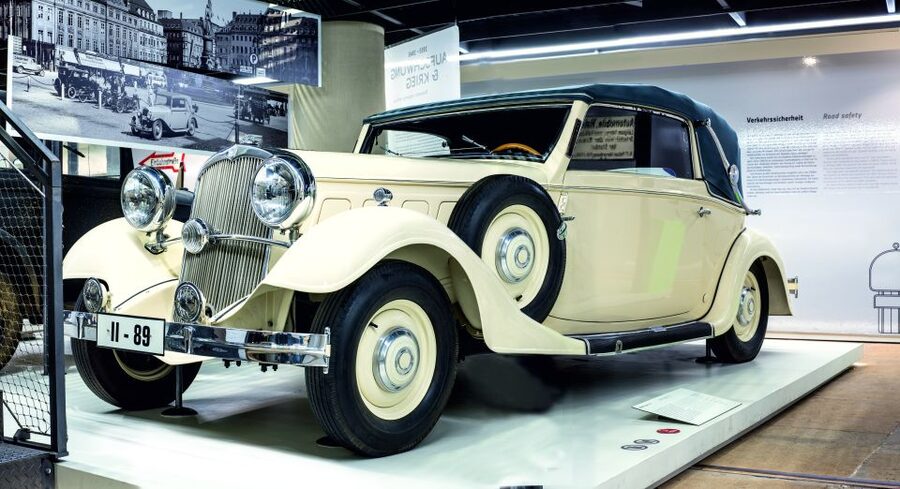
The road section shifts the scale from industrial transport to personal movement. Elegant vintage cars and rare vehicles show how driving developed from a new technology into a normal part of daily life.
Cars are often an easy entry point for a mixed group. One person may care about styling, another about engineering, and someone else may simply enjoy seeing how strange early vehicles look beside modern cars. The display works best when you notice the changes in shape, size, and purpose rather than viewing each car as an isolated object.
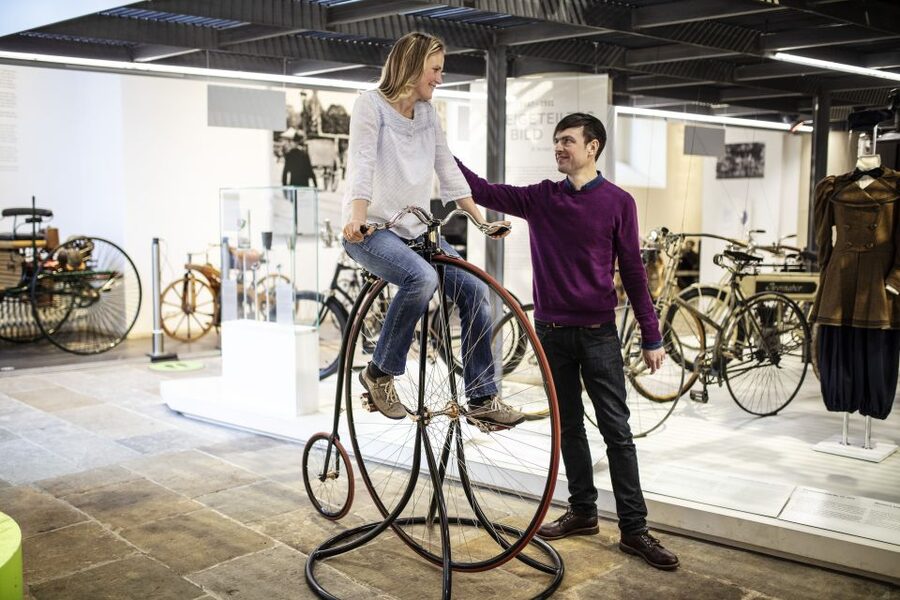
The penny-farthing adds a welcome bit of physical humor. You can ride one, at least as an interactive experience, and gain a more direct sense of how different early cycling was from riding a modern bicycle. It is the kind of small activity that keeps a museum visit from becoming a long march past silent objects.
If you are visiting with children, plan to let them spend time at these interactive stations. They may not remember every date or technical term, but they will remember trying an unusual cycle and seeing machines that look very different from anything on today’s roads.
A few more things to do in Dresden worth a look
- Dresden: Semperoper Tickets and Guided Tour
★ 4.7 · 12,102 reviews - Dresden Castle General Admission Ticket
★ 4.6 · 1,328 reviews - Dresden: Hop-On Hop-Off Sightseeing Bus Tickets
★ 4.5 · 1,036 reviews - Dresden: Virtual Reality Time Travel Experience Ticket
★ 4.5 · 748 reviews
Shipping and boat design
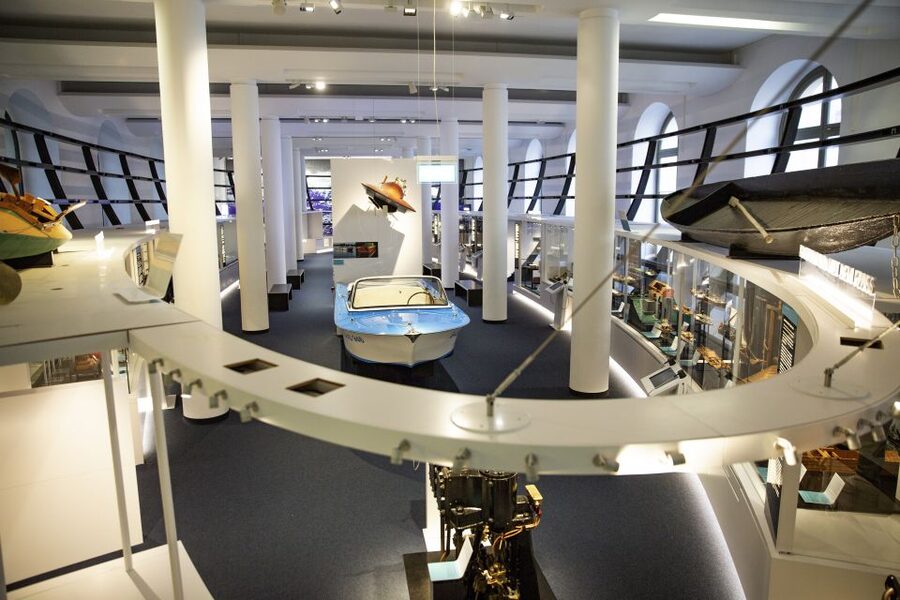
The shipping exhibits broaden the visit beyond land travel. Stunning ship models show how builders solved problems of scale, balance, and movement on water.
The digital regatta is one of the museum’s more creative activities. You can design your own boat and put it into a digital race. That gives you a simple way to think about design choices, rather than only reading about them.
This section may suit you especially well if you like models. Smaller displays can reward close attention, since a model lets you see a complete vessel in a way that a full-size ship cannot. Look for the relationship between hull shape, size, and purpose as you move through the exhibits.
The drawback is that interactive stations can attract attention and take time. If you want to hear every audio-guide segment, you may need to make a choice between trying each activity and studying the displays in detail.
Air travel and flying machines
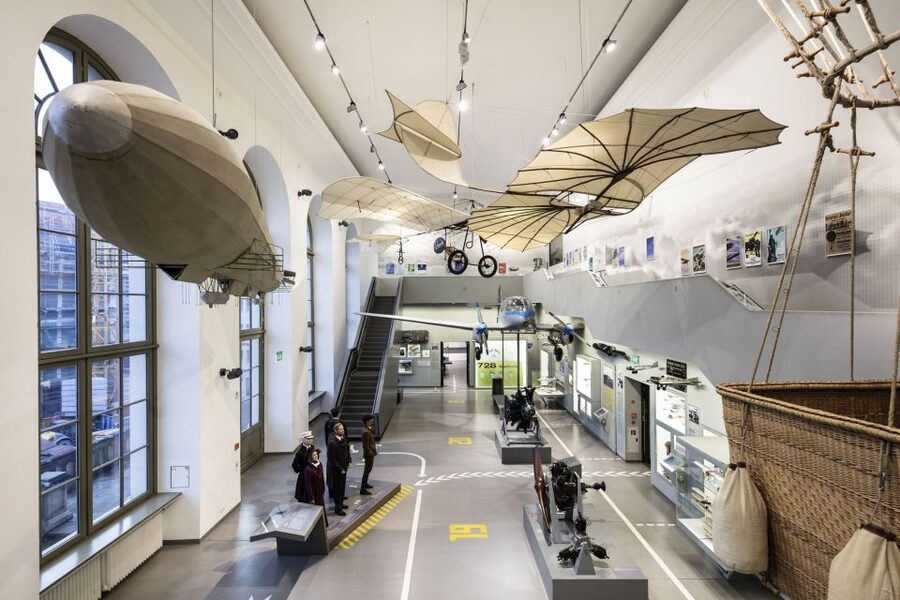
The aviation section brings a different mood to the museum. Flying machines show the risks and ambitions tied to early air travel, when designers were still working out how to make powered flight reliable.
The exhibit includes adventurous flying machines, giving you a chance to see how unusual some early designs were. The audio guide is especially useful here because a short explanation can make an unfamiliar aircraft easier to understand.
Air displays often appeal to people who are less interested in trains or cars. They also help complete the museum’s larger story: transport changed not only how quickly people traveled, but also how far they could imagine going.
What the audio guide adds
The audio guide is downloadable through the museum’s free Wi-Fi and works on your own mobile device. It is available in a variety of languages, which makes the visit easier to follow if you do not want to rely on German display text.
You should download the app soon after arriving, using the free Wi-Fi before you get deeply into the exhibits. Bring a charged phone and headphones if you have them, since listening to several sections can use battery power and holding a phone to your ear becomes tiring.
The guide covers the vehicles, the people connected with them, and the technology that helped shape the modern world. That balance is important. A transport museum can easily become a room full of machinery, but personal stories help you understand why the machines mattered.
You also control the pace. You can listen to a full explanation for a locomotive, skip a display that does not interest you, or return to a section later. A live guide would offer more conversation, but this ticket does not include one. For independent visitors, the app is a practical substitute for basic interpretation.
Interactive exhibits make the visit work for families
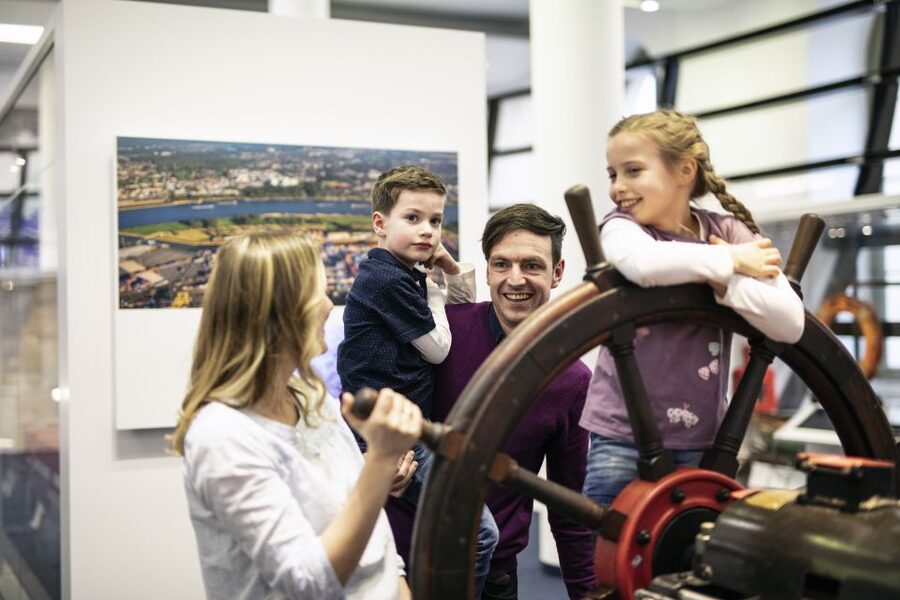
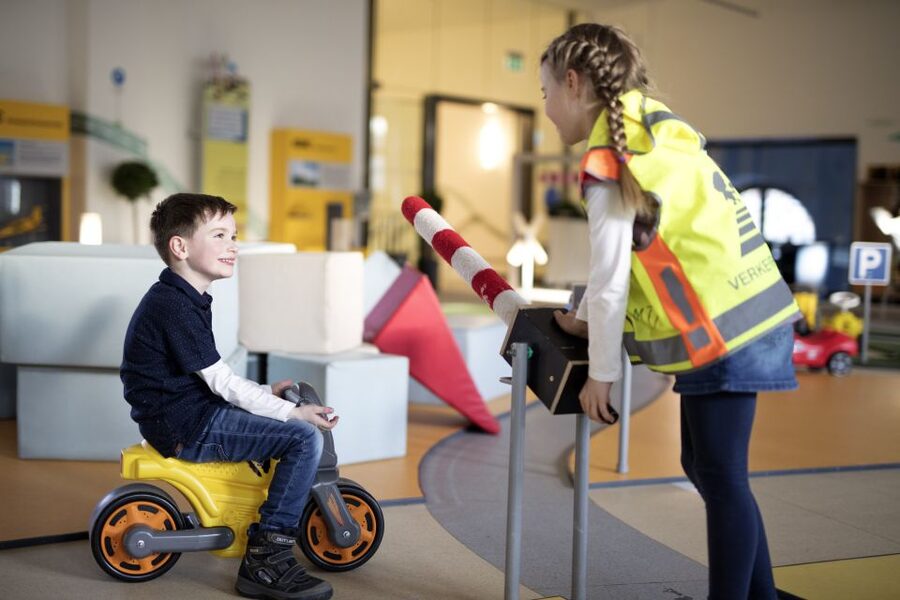
The museum’s hands-on activities are not just extras. They give children a reason to stay engaged while adults look at the longer explanations.
The penny-farthing offers a physical challenge. Boarding a steam locomotive gives you a sense of scale. Designing a boat for the digital regatta lets you experiment with transport rather than only observe it.
These activities also help adults. A machine can be hard to understand when you see only its exterior. An interactive display turns an abstract idea into something you can test, compare, or feel.
I would still set realistic expectations. Hands-on features do not mean every part of the museum is a play area. There are also original vehicles, models, and information to study. Families will get the most from the visit if they mix active stops with quieter viewing.
The museum is a good match for a group with different interests because no one has to enjoy the same section. One person can focus on locomotives, another on cars, and another on ship models, then meet up at an interactive station.
How much time should you allow?
The ticket is valid for one day, and the museum includes all exhibitions. That gives you useful freedom. You do not need to race through the building simply because a timed tour is moving on.
You can make the visit a short museum stop or give it a large part of your day. The right choice depends on how closely you want to use the audio guide and how much time your group spends at the interactive exhibits.
For a quick visit, focus on the major original vehicles and the activities you most want to try. For a fuller visit, move through all four transport themes and listen to selected audio segments. If you enjoy technical displays, models, and design, the one-day validity is valuable because you can revisit sections rather than trying to absorb everything at once.
The lack of a fixed itinerary is both a strength and a weakness. You get control, but you also need to manage your own energy. A simple plan helps: begin with the largest vehicles, choose a few audio-guide stories, then leave time for the interactive displays.
Is $14 good value?
At $14 per person, this ticket offers solid value if you have even a moderate interest in transport, engineering, design, or family activities. Entrance covers all exhibitions, and the audio-guide app and Wi-Fi are included rather than sold as extras.
The value improves for anyone who wants a flexible museum visit. You are not paying for a short guided route that ends after an hour. You can spend the day exploring at your own speed and return to sections that caught your attention.
The price is less compelling if you want a personal guide, a tightly organized tour, or a highly specialized focus on one type of vehicle. No tour guide is included, and you need to use your own phone for the audio guide.
You should also budget separately for food and drinks, transport to and from the museum, and parking fees. Those costs are not included. The ticket itself remains straightforward, but your total outing will depend on how you reach the Johanneum and how long you stay.
Practical details before you go
You must exchange your voucher at the ticket counter before entering. Do not assume that showing the voucher directly at an exhibition entrance will be enough. Allow time for this step before you begin the museum visit.
The ticket is valid for one day, and you should check availability for the current starting times. The information provided does not give a fixed daily schedule, so confirm the available option when you book.
The museum is wheelchair accessible, making it suitable for visitors who need step-free access. Food and drinks are not included, and no parking is included with the ticket.
Cancellation is flexible up to 24 hours in advance for a full refund. You can also reserve now and pay later, which helps if your Dresden plans are not fully settled.
Who will enjoy this museum most?
I would recommend it first to families, transport enthusiasts, and anyone who likes museums with something to do. The mix of original vehicles, models, and interactive stations gives you more variety than a display-only collection.
It also suits couples or solo visitors who prefer to set their own pace. The downloadable audio guide lets you choose what deserves your attention, and the one-day ticket avoids pressure to finish within a short tour window.
You may find it less satisfying if you want a museum centered on Dresden’s art, architecture, or local political history. This is a focused transport museum. Its strength is the story of how people moved and how machines changed that process.
The 4.6 rating from 189 reviews, along with Karl-Heinz’s plan to return after seeing the exhibitions, supports the idea that the displays have enough substance for a repeat visit. I would not treat that as a promise that every gallery will suit you, but it is a useful sign for anyone who enjoys taking time with museum collections.
Should you book the Dresden Transport Museum?
Book it if you want a flexible, family-friendly museum with railways, cars, aircraft, ships, models, and hands-on activities in one place. At $14, the ticket is reasonably priced, especially since it includes every exhibition, free Wi-Fi, and the downloadable audio guide.
I would skip it only if you have very little interest in transport or if you specifically want a live guide. For most people with a free half-day or full day in Dresden, the Johanneum offers a practical indoor stop with enough variety to keep different ages interested. Exchange your voucher at the ticket counter, download the guide early, and give the largest vehicles and interactive displays the time they deserve.
FAQ
Where is the Dresden Transport Museum located?
The museum is located in the Johanneum building in Dresden, Germany.
How long is the ticket valid?
The ticket is valid for one day.
What areas of transport does the museum cover?
The museum covers rail transport, shipping, road transport, and air travel.
Is an audio guide included?
Yes. You can download the audio-guide app using the museum’s free Wi-Fi on your own mobile device.
Is the audio guide available in different languages?
Yes. The downloadable audio guide is available in a variety of languages.
Does the ticket include all exhibitions?
Yes. Entrance to all exhibitions is included.
Do I need to exchange my voucher before entering?
Yes. You must exchange your voucher at the ticket counter before entering the museum.
Is the museum wheelchair accessible?
Yes. The activity is wheelchair accessible.
Just added in Dresden
- Test Drive Electric Vehicles from the VW brand (ID. model)★ 4.8 · 190 reviews
- SRF CoBi | City Tour by ConferenceBike★ 4.7 · 38 reviews
- Dresden: Scavenger Hunt to Elbe River & Castles★ 4.7 · 15 reviews
- Dresden: Bike Rental – City Bike with Option Children Seat★ 4.5 · 13 reviews
- Moritzburg: Scavenger Hunt Self-Guided Walking Tour★ 4.8 · 12 reviews
- Historical tour of the old town including a Saxon dinner★ 4.7 · 23 reviews
- Görlitz: Scavenger Hunt Self-Guided Tour★ 4.6 · 22 reviews
- Görlitz: Ghosts and Spooky Historical Night Walking Tour★ 4.8 · 197 reviews
Museums, compared.






Skip-the-Line: Berlin Wall Museum at Checkpoint Charlie
Read our review →
Browse the lists this tour appears in