
Reviewed · MUSEUMS
Potsdam: Museum Barberini Entry Ticket
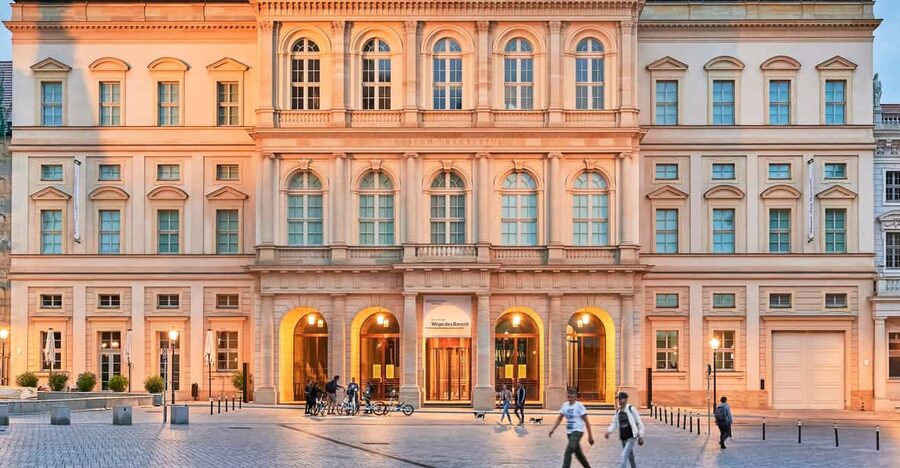
Museum Barberini gives you a strong dose of French Impressionism inside a reconstructed palace in the heart of Potsdam. The collection includes more than 100 paintings, with Claude Monet represented by the second-largest collection in Europe. You can move from shimmering outdoor scenes to paintings that show how careful observation led artists toward abstraction.
I like the excellent range of artists, from Berthe Morisot and Pierre-Auguste Renoir to Paul Cézanne, Gustave Caillebotte, and Paul Signac. I also like the free digital guide, which lets you explore at your own pace instead of relying on a fixed tour. The main drawback is that two hours can feel short if you want to study every painting or attend a special event.
Key points
- Over 100 Impressionist paintings: Focus on major works from Hasso Plattner’s collection.
- A major Monet display: See one of Europe’s largest collections of paintings by Claude Monet.
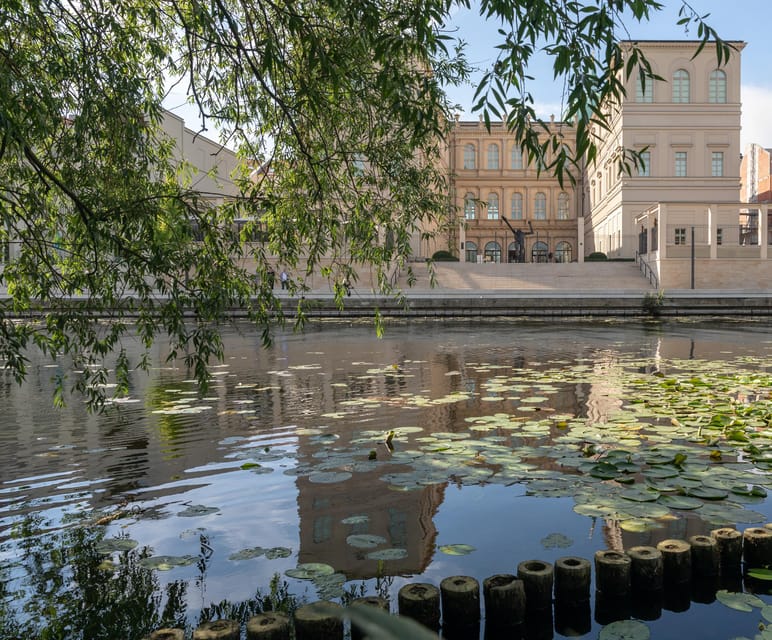
- A reconstructed palace setting: The museum occupies a prominent building in Potsdam’s historic center.
- Special exhibitions included: Your entry ticket covers the permanent collection and the current special exhibition.
- Free digital guide: Download the Barberini app to add commentary during your visit.
- Good value at $11: The ticket covers a substantial collection and temporary exhibitions for a modest price.
Why Museum Barberini deserves two hours in Potsdam
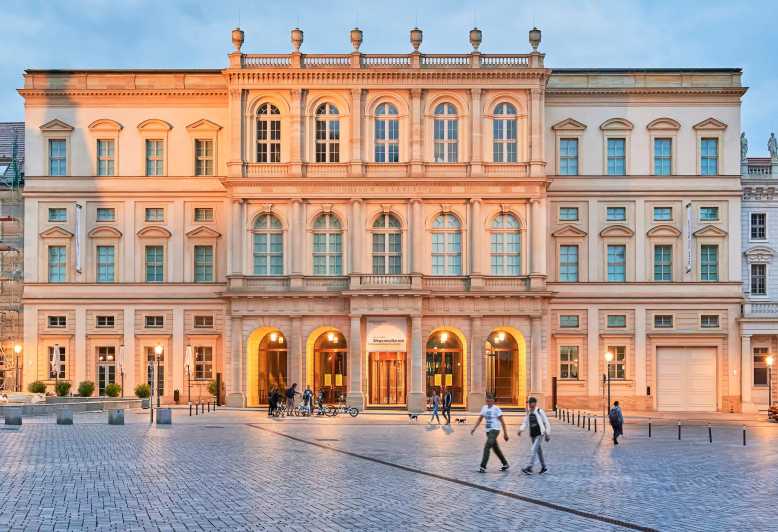
Museum Barberini is a focused art stop rather than an all-day institution. At about two hours, it fits neatly into a Potsdam sightseeing day, especially if you want a break from outdoor monuments and palace grounds.
The main draw is the Impressionist collection assembled by founder Hasso Plattner. You are not looking at a few token works scattered among unrelated galleries. The museum gives this style room to breathe, with more than 100 paintings covering several artists and approaches.
I find this useful because Impressionism makes more sense when you can compare paintings side by side. You can watch artists handle light, weather, water, gardens, streets, and people in different ways. One painting may seem loose and spontaneous, while another depends on careful structure and precise observation.
The museum also includes three special exhibitions each year. The subjects change, and the exhibitions use loans from international museums and private collections. That means a repeat visit can feel quite different, although you should check the current exhibition details before booking if the temporary show is important to you.
More Museums across Germany
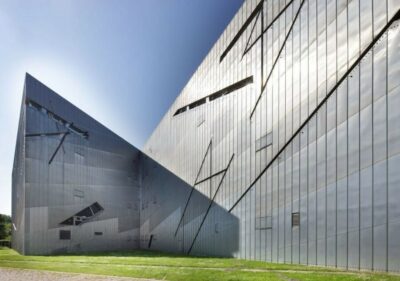
- Berlin: Jewish Museum Berlin Entrance Ticket
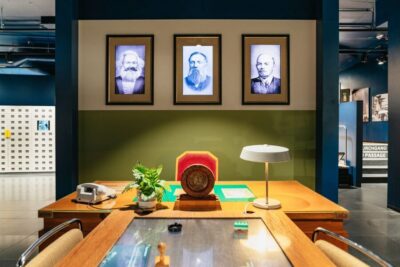
★ 4.5 · 8,393 reviews - Berlin: DDR Museum Tickets
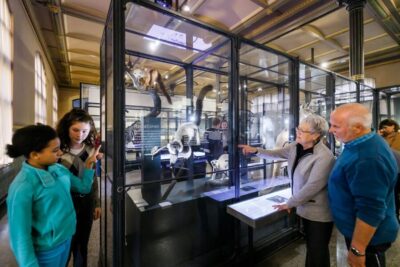
★ 4.3 · 3,443 reviews - Berlin: Natural History Museum Entrance Ticket
★ 4.6 · 3,382 reviews
Entering the reconstructed palace in Potsdam’s historic center
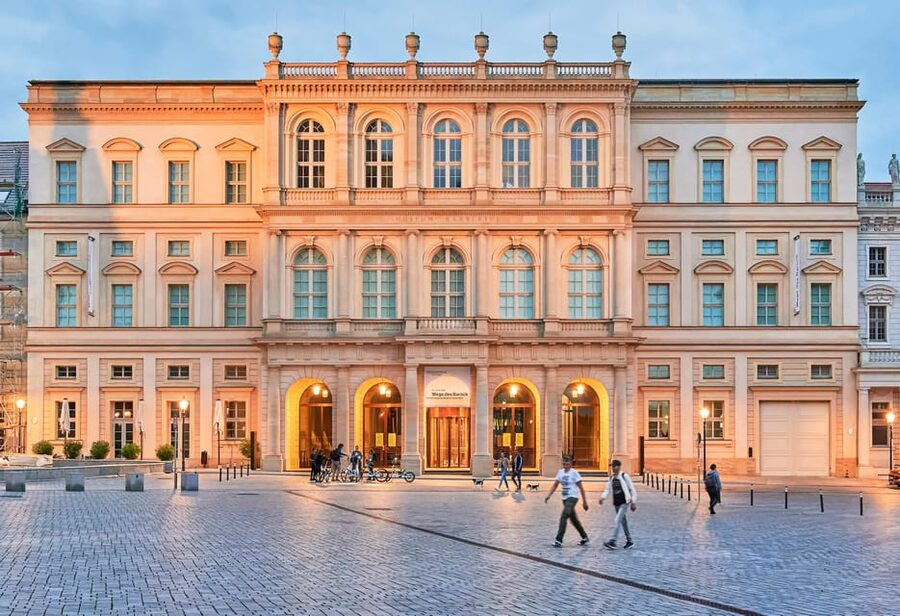
The setting adds weight to the visit. Museum Barberini occupies a reconstructed palace in Potsdam’s historic center, so the building itself forms part of the experience.
The palace setting gives the paintings a formal frame, but the art remains the main reason to come. You are not booking a guided walk through Potsdam or a palace tour with period rooms. You are entering a museum built around paintings, with the historic center providing a convenient location before or after your visit.
This central position makes the museum easy to pair with other Potsdam sights, though the supplied information does not specify transport arrangements or walking times. Plan your day around the museum’s roughly two-hour duration, and allow extra time if you want coffee, shopping, or a slower look at the special exhibition.
The building has practical rules that are worth knowing. Food and drinks are not allowed, and backpacks and bags are also prohibited. Bikes, pets except assistance dogs, littering, climbing, touching the exhibits, and making fire are not allowed. Pack lightly so you do not arrive with items that cannot enter.
The permanent collection, from Morisot to Signac
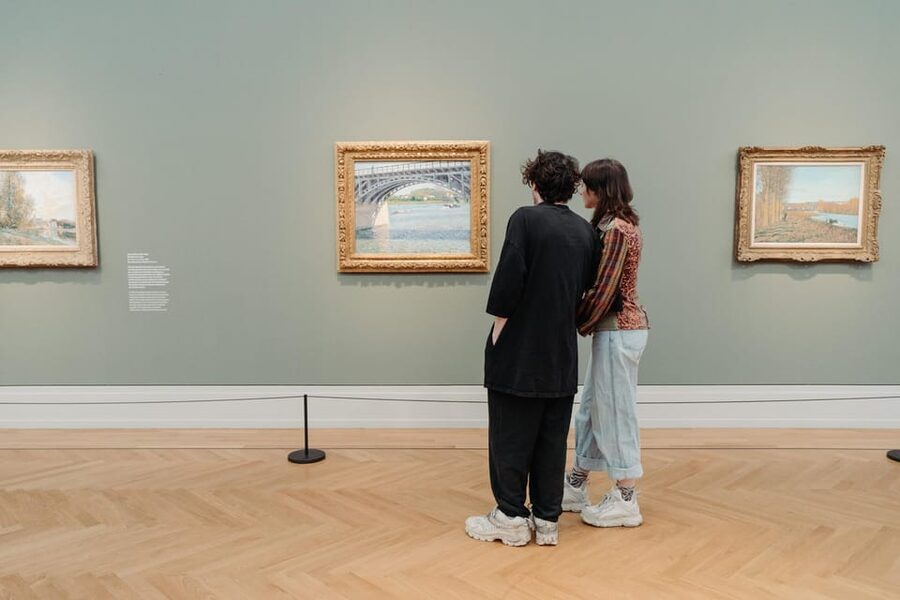
The permanent collection gives you a broad look at Impressionist painting rather than a single-artist display. Claude Monet is the biggest name, but the experience gains variety from the presence of Renoir, Morisot, Cézanne, Caillebotte, and Signac.
Berthe Morisot is especially important in this lineup. Her work helps widen the usual Impressionist story beyond the most familiar male painters. You can compare her handling of people and domestic or outdoor scenes with the different concerns found in Monet or Renoir.
Cézanne brings a more solid, structured way of seeing. His paintings can help you understand the shift from Impressionism toward later modern art. Caillebotte adds another point of contrast through his interest in composition and the modern world, while Signac represents a more methodical approach to color.
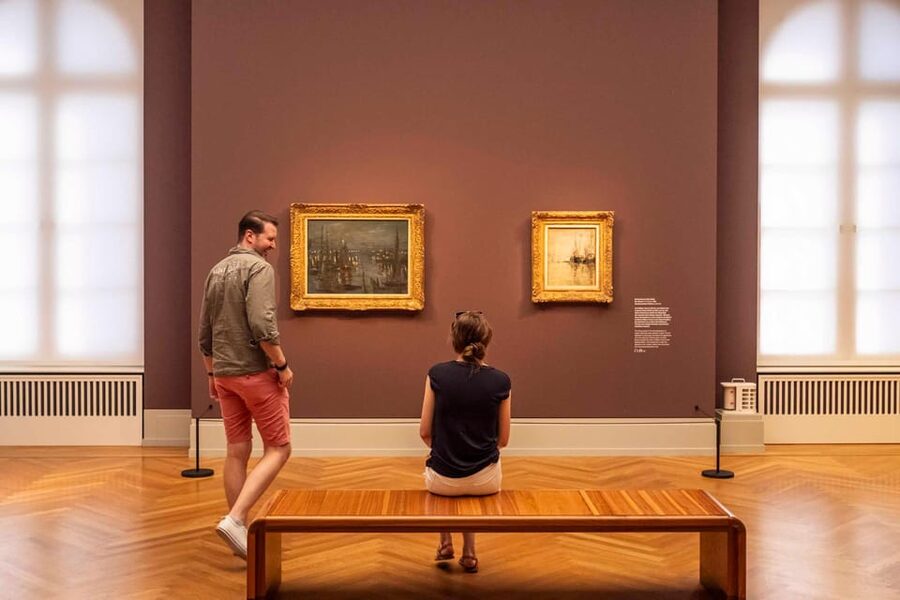
I like collections arranged this way because you get a visual conversation rather than a parade of famous names. You can ask simple questions as you move through the rooms: How does each artist treat light? How close is the image to what the eye sees? At what point does a realistic scene begin to look abstract?
The collection is particularly good for anyone who wants to understand how artists used observation as a path toward abstraction. The paintings are not simply loose sketches of pretty scenery. Their surface marks, color choices, and shifting forms show artists testing how much a painting can change while still suggesting a real place or object.
A closer look at the Monet collection
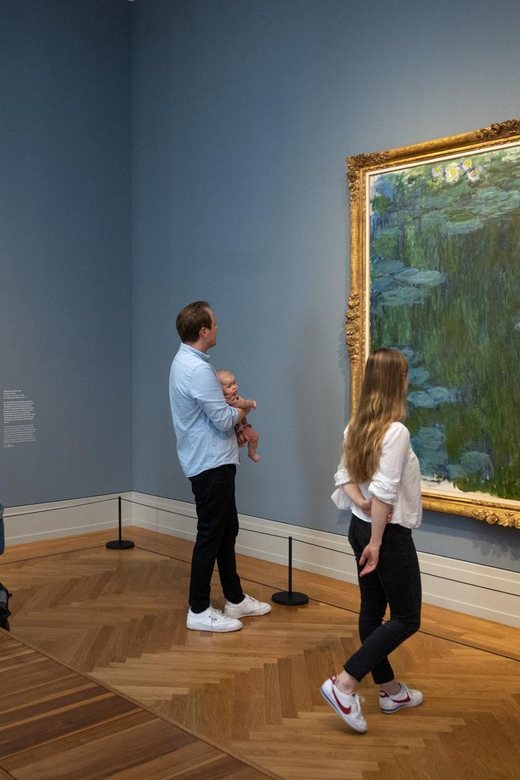
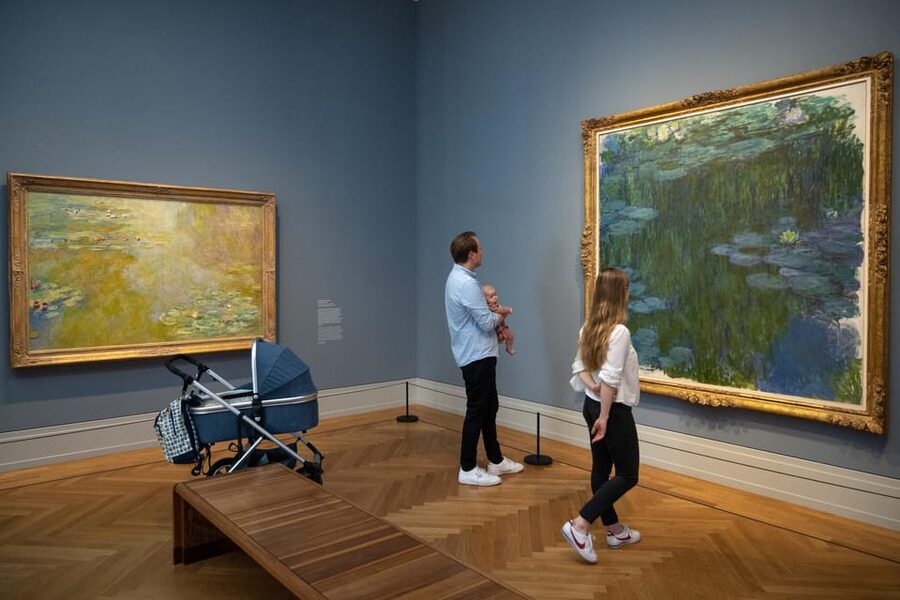
Monet is the museum’s major calling card. Museum Barberini holds the second-largest collection of Monet paintings in Europe, a fact that gives the visit real weight for anyone interested in his work.
That does not mean every painting follows the same familiar formula. A larger group lets you see recurring subjects and changing techniques across different works. You can pay attention to the way Monet adjusts his color and brushwork as he records shifting light and atmosphere.
For newcomers, this is a useful way to get past the postcard version of Monet. Instead of seeing one famous water-lily image and moving on, you can compare several paintings and notice how his approach develops. For people who already know his work, the collection offers enough scale to make close comparison worthwhile.
The museum does not provide a named personal guide as part of this ticket. Instead, you can use the free Barberini app on your own phone. This makes the visit flexible, but you will need to download the app and keep your phone available while you look around.
A few more things to do in Germany worth a look
- Dresden: Semperoper Tickets and Guided Tour
★ 4.7 · 12,102 reviews - Berlin: Berlin Story Bunker Entry Ticket
★ 4.6 · 6,759 reviews - Hamburg: Hamburg Dungeon Admission Ticket
★ 4.7 · 5,745 reviews - Munich Hop-On Hop-Off Tour: 1-Day or 2-Day Ticket
★ 4.3 · 4,161 reviews
Using the free Barberini app
The digital audio guide is included with admission. It is a practical substitute for a scheduled tour, especially if you want to set your own pace or stop listening whenever a painting catches your eye.
A digital guide also helps you decide how much information you want. You can spend more time with Monet, switch to Morisot or Cézanne, or simply walk through the rooms without commentary. The provided information does not state which languages are available, so check the app details before you rely on it for a particular language.
Bring a charged phone. The guide is accessed through the Barberini app, and the experience works best when you can listen without worrying about a nearly empty battery. Headphones may also make the commentary easier to follow, though they are not listed as a requirement.
If you prefer a human-led visit, the museum offers guided tours, symposia, readings, concerts, film evenings, and workshops as part of its broader events program. These activities are not included in this entry ticket and require an extra ticket.
Special exhibitions and the changing side of the museum
Your admission includes access to the current special exhibition as well as the permanent Impressionist collection. This is a useful part of the ticket because the temporary show may give you a different subject, period, or group of artists after you have spent time with Monet and his peers.
Museum Barberini presents three special exhibitions each year, using loans from international museums and collections. The exact content changes, so do not assume that a particular artist or theme will be on view unless you confirm it before booking.
I would plan to see both parts of the museum rather than treating the special exhibition as an optional extra. The permanent collection gives you the core reason to visit, while the temporary show can add fresh context and prevent the two-hour route from feeling too narrow.
If you are passionate about one temporary exhibition, allow more than two hours if your schedule permits. The stated duration is enough for a purposeful visit, but not necessarily for careful reading, extended sketching, or a full event program.
How much time should you allow?
The listed duration is two hours, and that is a sensible target for a first visit. It gives you enough time to see the main collection, spend meaningful time with the Monet paintings, and include the special exhibition without rushing through every room.
You can shorten the visit if you have a packed Potsdam schedule. A quick look at the main works may take less than two hours, though that approach will limit the benefit of the digital guide.
You should add time if you plan to attend a museum event, browse the store, or stop at the Barberini Café. Events and educational programs are separate purchases, so they are not part of the simple entry-ticket visit.
The best approach is to choose a few priorities before you enter. You might focus on Monet and Morisot, compare Cézanne with Caillebotte, or follow the story of how observation moved toward abstraction. A little planning helps you avoid spending the entire visit reading labels at the expense of looking closely.
The $11 ticket and what it includes
At $11 per person, this is a strong-value museum ticket for anyone interested in Impressionism. You get entry to the permanent collection, the current special exhibition, and the digital guide without paying separately for each part.
The value is especially good if you care about Monet. A major concentration of his work can justify the admission on its own, while the other artists give you a broader view of the period.
The price does not cover workshops, educational programs, guided events, concerts, readings, film evenings, or symposia. Those activities can add to your day, but you should budget separately if you want a structured program rather than independent gallery time.
The ticket also offers free cancellation up to 24 hours before the visit and a reserve-now, pay-later option. Those terms help if your Potsdam plans may change, but they do not replace checking the available start times before you book.
Access and practical rules
The museum is wheelchair accessible. That makes it a practical choice for many people who need step-free access, though the supplied information does not give further details about seating, restrooms, or specific access routes.
The bag policy requires attention. Backpacks and bags are not allowed, so travel with only what you need and confirm the museum’s storage arrangements if you must carry larger items. Since no cloakroom details are provided, do not assume that every prohibited item can be stored on site.
Food and drinks must remain outside the museum. Assistance dogs are allowed, but other pets are not. Touching the paintings is forbidden, as are climbing and littering.
These rules are ordinary for a major art museum, but they matter when you are planning a full day outdoors. A small, simple day bag is safer than arriving with a large backpack or picnic supplies.
Stop at the museum store and Barberini Café
The museum store and Barberini Café give you an easy way to round off the visit. The available information does not list the café menu or store selection, so I would treat both as convenient extras rather than plan the day around them.
The café is useful after concentrating on paintings for two hours. The store can also extend the experience if you want a book or art-related souvenir, though prices and stock are not specified.
Because food and drinks are not allowed in the galleries, use the café only after you have finished viewing the collection. It is a natural pause before continuing around Potsdam’s historic center.
Who will enjoy Museum Barberini most?
I would recommend this ticket to art lovers, first-time visitors who want an accessible introduction to Impressionism, and anyone already interested in Monet. The range of artists makes it more rewarding than a single-name exhibition.
It also suits independent museumgoers. You are not tied to a guide’s route, and the app lets you choose how much explanation you want.
Families and casual visitors can benefit from the two-hour length, but the experience is still centered on looking at paintings. If your group prefers hands-on activities, note that workshops and education programs cost extra.
The museum is less suitable if you want a full palace tour, a historical Potsdam walking tour, or a long schedule of included activities. This is a focused art visit, not an all-purpose sightseeing ticket.
Should you book the Museum Barberini ticket?
Book it if you want a concentrated Impressionist collection, especially a serious group of Monet paintings, in a central Potsdam setting. At $11, the combination of permanent works, a special exhibition, and a free digital guide offers good value.
Think twice only if your schedule cannot spare about two hours, you need to bring a backpack or food inside, or you are mainly seeking a guided event. For most art-minded visitors, Museum Barberini is an easy addition to a Potsdam day and one of the better choices for seeing Impressionism without committing to a full-day museum visit.
FAQ
How long does the Museum Barberini visit take?
The stated duration is about two hours. You may need extra time if you want to study every painting, visit the store and café, or attend an event.
What does the Museum Barberini ticket include?
It includes entry to the museum, the permanent Impressionist collection, the current special exhibition, and a digital audio guide through the Barberini app.
Is the digital guide free?
Yes. The digital audio guide is included with admission and can be accessed by downloading the Barberini app to your phone.
Which artists can I see at Museum Barberini?
The collection includes Claude Monet, Pierre-Auguste Renoir, Berthe Morisot, Gustave Caillebotte, Paul Cézanne, Paul Signac, and other Impressionist artists.
Does the ticket include special exhibitions?
Yes. Entry to the permanent collection and special exhibition is included. The museum presents three special exhibitions each year, but the specific subject changes.
Are workshops and museum events included?
No. Workshops, education programs, symposia, readings, guided tours, concerts, and film evenings require an extra ticket.
Is Museum Barberini wheelchair accessible?
Yes, the museum is wheelchair accessible. Food and drinks, pets other than assistance dogs, bikes, backpacks, bags, and touching the exhibits are not allowed.
Just added in Germany
- Berchtesgaden: Via Ferrata Beginner Tour of Schützensteig★ 4.7 · 15 reviews
- Berlin: Energizing 2-Hour Morning Segway Tour★ 4.7 · 35 reviews
- Berlin: Thrilling E-Scooter Adventure Tour★ 4.4 · 66 reviews
- Bayreuth: German City Walking Tour (Tourist Info)★ 4.7 · 202 reviews
- Beelitz-Heilstätten: Baum&Zeit Tree Top Walk Entry Ticket★ 4.9 · 7 reviews
- Beer Bike & Party Bike: Unforgettable Berlin City Tour incl. pickup★ 5.0 · 5 reviews
- Bavaria: Beginner Canyoning Tour★ 4.5 · 10 reviews
- Bayreuth: Christmas city tour in German★ 4.9 · 12 reviews
Museums, compared.
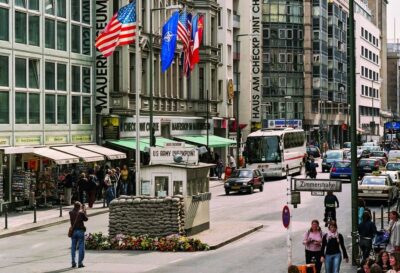
Skip-the-Line: Berlin Wall Museum at Checkpoint Charlie
Read our review →
Browse the lists this tour appears in