
Reviewed · SEGWAY TOURS
Munich: City Highlights Guided Segway Tour
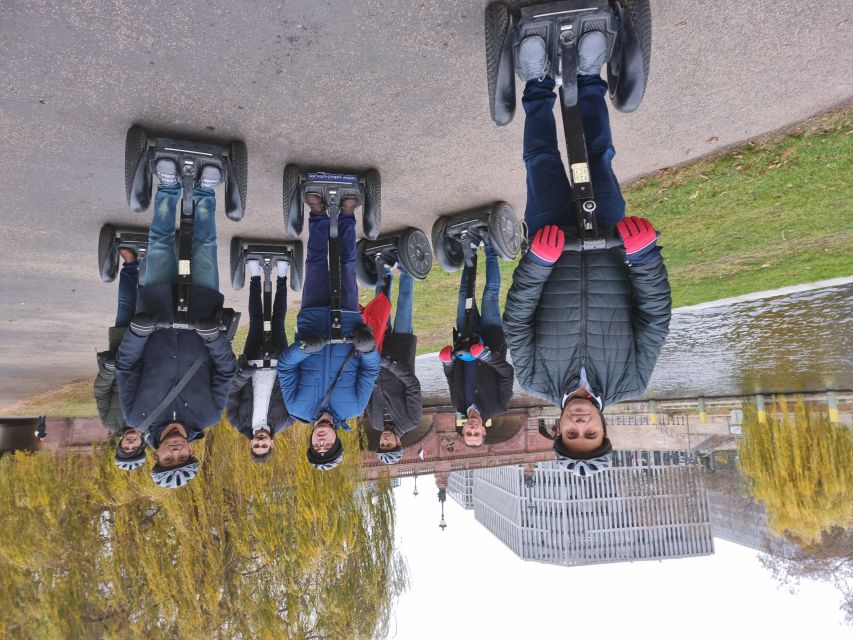
Munich’s grand center and leafy English Garden are a lot to cover on foot, so this two-hour Segway tour gives you a quick, lively introduction without wearing out your shoes. You’ll roll past royal buildings, broad squares, the Eisbach surfers, and the Chinese Tower beer garden while a local guide explains the Bavarian kings and the city’s past. I especially like the chance to cover so much ground and the patient beginner training. The catch is that crowded paths, cobblestones, and bike lanes can make riding less smooth than it looks.
I like this tour for two clear reasons: the small-group format allows the guide to adjust the pace, and the Segway makes scattered sights feel connected. Guides such as Jalal, Rauen, Dunja, and Abdul have been praised for friendly instruction, photo stops, and good stories. Still, you need to be at least 14, and anyone nervous about balance should expect a short learning period at the start.
Key points at a glance
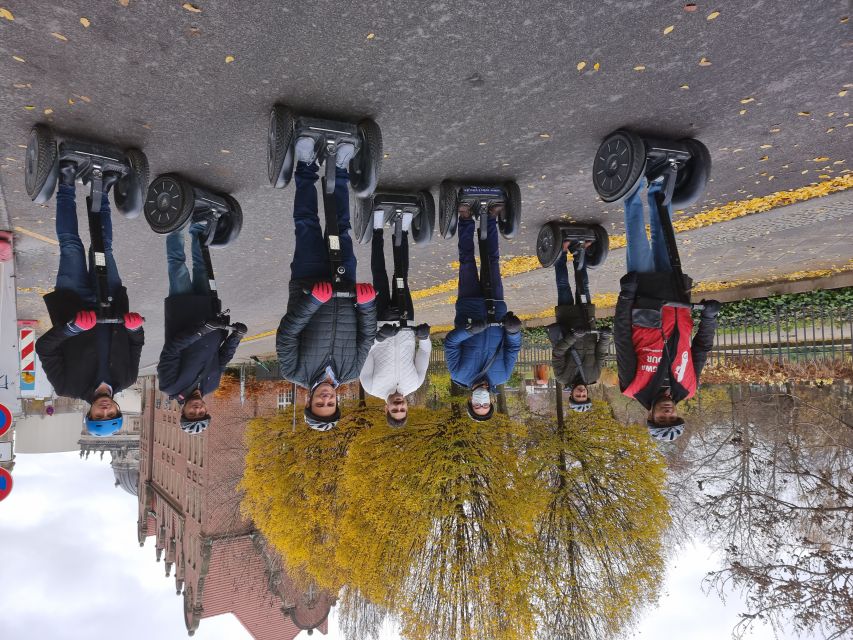
- A fast route through central Munich: See royal buildings, grand avenues, gardens, and the English Garden in two hours.
- Beginner-friendly instruction: Your guide gives a safety demonstration and lets you get comfortable before setting off.
- Small-group attention: The tour is limited to two participants, making it easier to ask questions and request a slower pace.
- A mix of famous and playful sights: The route includes Friedensengel, the Eisbach surfers, the Chinese Tower, Residenz, and Siegestor.
- Good for a short Munich visit: It works well if you have only a day or two and want an overview before exploring on foot.
- Some riding demands: Crowds, cobblestones, and city traffic areas can challenge first-time riders.
Why a Segway works well in Munich
Munich’s central sights are spread across a wide area. The Residenz, Odeonsplatz, the English Garden, Maximilianeum, and Königsplatz are all easy to recognize on a map, but walking between them takes time and energy. A Segway lets you link these places in one outing.
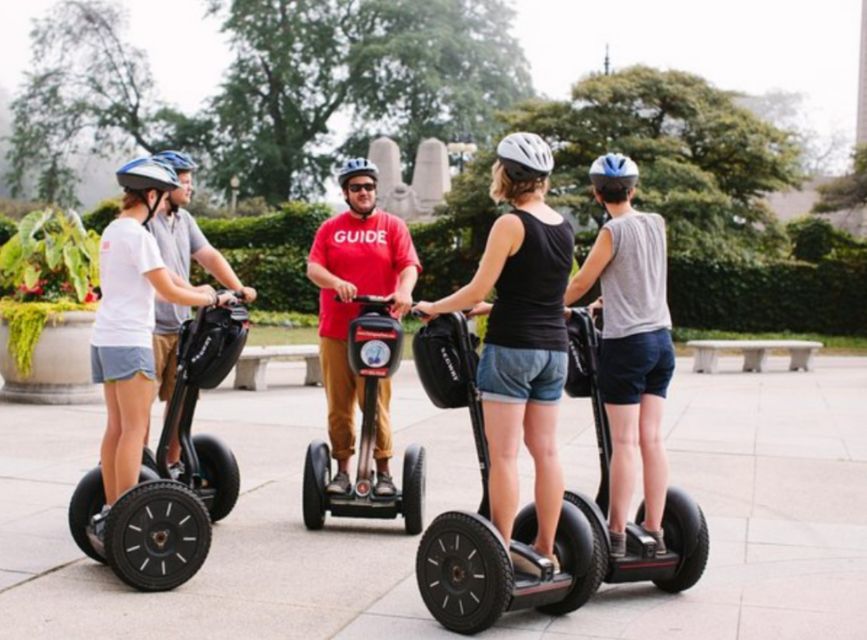
I like the change of pace. You are not sealed inside a vehicle, and you are not marching behind a guide in a large group. You hear the city, feel the air, and stop at major points for stories and photographs. The ride itself adds a little fun to what could otherwise be a standard city overview.
The tour is also useful at the start of a Munich stay. In two hours, you can get a sense of how the old royal center, formal avenues, parks, and river areas fit together. Then you can return to the places that caught your eye, perhaps the Residenz for its interiors or the English Garden for a slower afternoon.
There is a tradeoff. Munich is not a closed museum set aside for Segways. You share space with pedestrians, cyclists, and regular city traffic. Cobblestones can feel uneven, and busy areas require attention. The ride is manageable for beginners, but it is not completely effortless.
Other easy ways to cover Munich:
- Munich: City Highlights Guided Segway Tour
★ 4.6 · 266 reviews - Munich 3-Hour Segway Tour: Nazi Munich & Royal Architecture
★ 4.9 · 194 reviews - Munich: Third Reich and World War II Segway Tour of the City
★ 4.1 · 44 reviews
Starting at Robot City München
The meeting point is the Office Robot City München. The tour begins with a practical introduction rather than an immediate rush into town. Your guide explains how the Segway responds to your weight and movements, then gives you time to practice and feel steady.
That first lesson matters. Several guests had never ridden a Segway before, and guides such as Abdul were praised for giving clear safety demonstrations and helping nervous riders gain confidence. You should use this time to say if you feel uncertain. A small group gives the guide room to slow down and offer extra help.
The listed group size is limited to two participants. That is unusually personal for a city tour and can change the whole feel of the outing. You can ask questions without calling across a crowd, and the guide can make small adjustments for your comfort or interests.
One practical point is worth noting: the activity is not suitable for children under 14 or pregnant women. English and German tours are available. The price is $69 per person, which is fair if you value the transport, instruction, and local guiding, though a self-guided walk costs less.
Friedensengel and the first Munich views
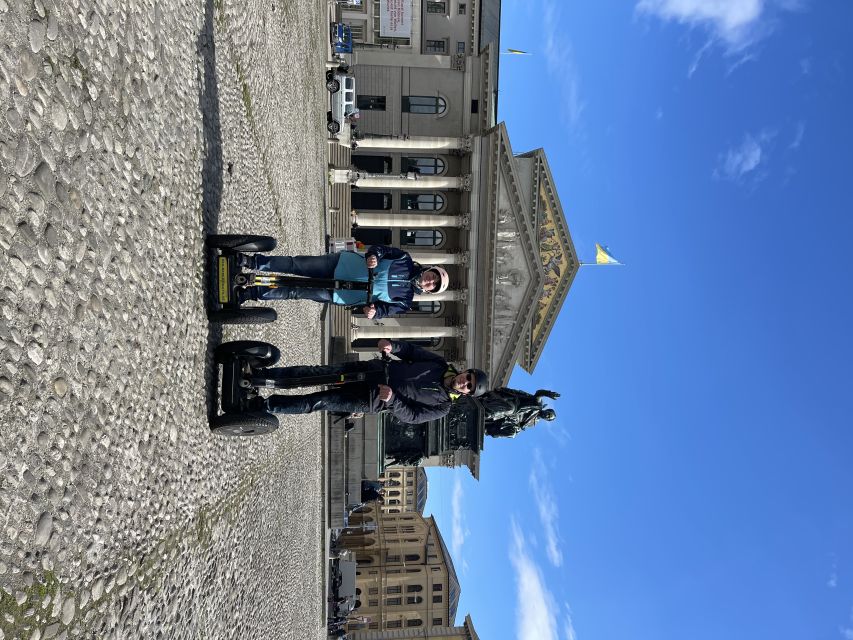
Once you are comfortable, the route heads toward some of Munich’s most recognizable sights. Friedensengel, or the Angel of Peace, gives the tour a strong early landmark. Its column and golden figure are easy to spot, and the setting helps introduce Munich’s grand civic style.
This part of the ride shows why a guide adds value. A photograph tells you what the monument looks like, but the guide can explain its place in Bavarian and German history, along with stories tied to the city’s rulers and public buildings. The commentary is intended to be entertaining as well as factual, so you are not simply collecting names.
The route also includes the Maximilianeum, a major building connected with Bavaria’s political life. From there, you begin to see how Munich combines royal display with modern civic institutions. Your guide may pause at suitable points to explain the architecture and give you time for photographs.
Guides have been praised for taking pictures for participants, which is helpful when you are handling a Segway and want a shot with the monument behind you. Do not expect a long architectural lecture at every stop. The format is a moving overview, with short explanations designed to keep the route flowing.
The English Garden, Chinese Tower, and Eisbach surfers
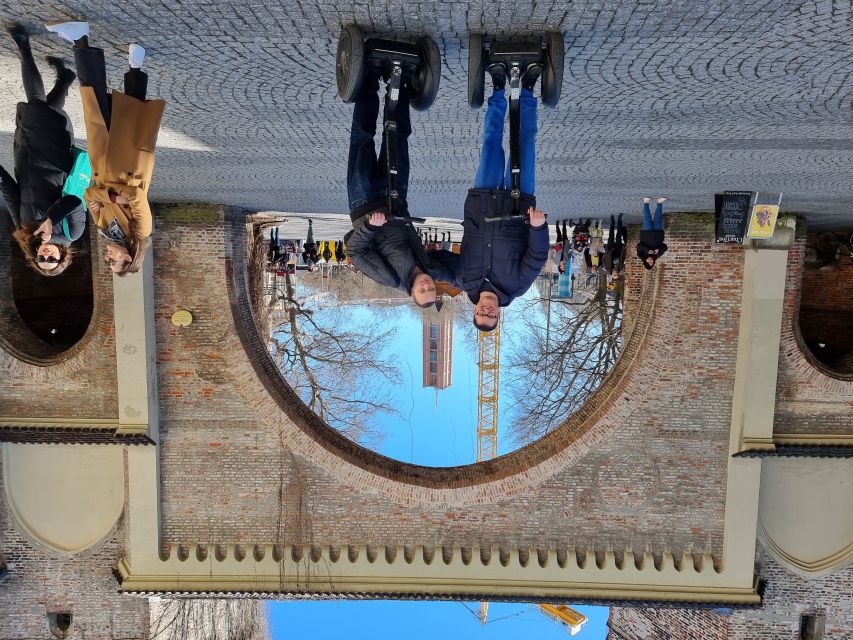
The English Garden is one of the tour’s most appealing changes of scene. After streets and formal buildings, you roll into a broad park setting with paths, trees, and the Biergarten am Chinesischen Turm, the beer garden by the Chinese Tower.
The Chinese Tower area gives you a taste of Munich’s outdoor beer culture without requiring a separate excursion. You may see people relaxing in the garden setting, while the guide explains why the park is such an important part of local life. Since the stop is part of a wider route, do not assume you will have time for a full meal or long beer-garden visit.
The Eisbach surfers are another memorable stop. The artificial wave draws surfers within the city, creating one of Munich’s most unexpected sights. It is a quick visual reward and a good example of how the city mixes old buildings, public parks, and modern urban recreation.
The English Garden section is also where riding conditions may feel easier or more relaxed, though the route still uses shared paths. You need to watch for pedestrians and cyclists. The Segway can cover ground efficiently, but you should not treat it like a race.
A few more things to do in Munich worth a look
- Munich 3-Hour Guided Bike Tour
★ 4.5 · 1,731 reviews - Munich’s Beer Halls and Breweries: 3-Hour Guided Tour
★ 4.6 · 928 reviews - Guided Dachau Concentration Camp Memorial Site Tour with Train from Munich
★ 5.0 · 920 reviews - Munich: Birthplace of the Third Reich Guided Walking Tour
★ 4.6 · 771 reviews
Residenz, Opera, and the royal center
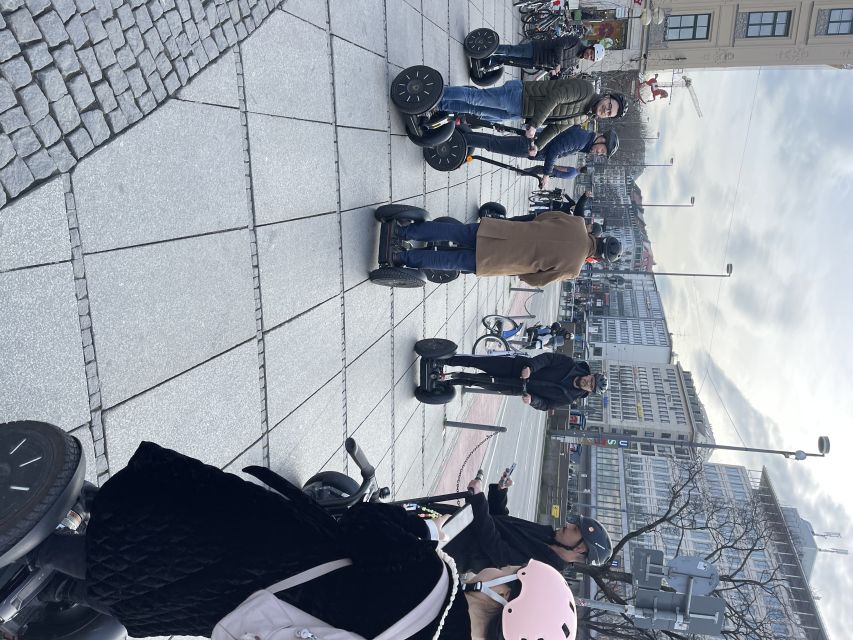
The route returns to Munich’s formal heart, including the Residenz and the Opera. The Residenz was the city residence of Bavaria’s rulers, and its presence helps make sense of the royal stories threaded through the tour.
You will view these places from outside rather than take a full interior visit. That distinction matters. If you want the Residenz museum, treasury, or richly decorated rooms, plan a separate visit. The Segway tour gives you context and orientation, not an indoor palace tour.
The Opera and nearby buildings add another layer to Munich’s public image. Here, the guide’s short stories can help connect architecture, court life, music, and the Bavarian monarchy. You are moving between stops, so the experience works best if you enjoy learning in short bursts rather than sitting through a long lecture.
I particularly like this part of the itinerary for first-time visitors. The buildings are impressive, but a guide also points out how the spaces function as part of the city today. You get the visual impact of the royal center without spending the entire day inside museums.
Odeonsplatz, Ludwigstrasse, and Hofgarten
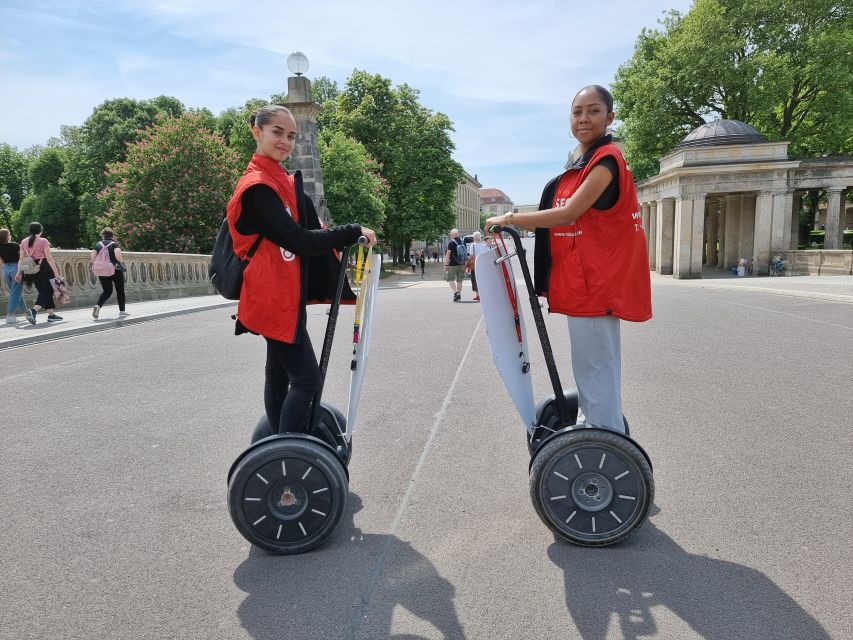
Odeonsplatz is one of Munich’s grandest urban spaces. From here, Ludwigstrasse stretches away with monumental buildings and a broad, formal design. Riding through the area gives you a strong sense of scale that can be harder to appreciate when you are walking at street level.
The guide explains the landmarks and adds local stories about Munich’s past. This is where comments from an experienced local guide can turn a pretty square into a place with meaning. Rauen, for example, has been praised for bringing the city to life through short historical tales and personal knowledge of Munich.
Nearby Hofgarten offers a quieter counterpoint. Its ordered layout and central position make it easy to combine with Odeonsplatz and the Residenz. You will not spend long wandering its paths, but the stop helps show how Munich’s gardens fit into the royal city plan.
The route can be affected by closures or city conditions. A past guide, Miroslav, worked around closed areas while still covering as much as possible. That is a useful reminder that the exact order and length of stops can change. The tour’s strength is its range, not a guarantee of lingering at every landmark.
Siegestor and Königsplatz
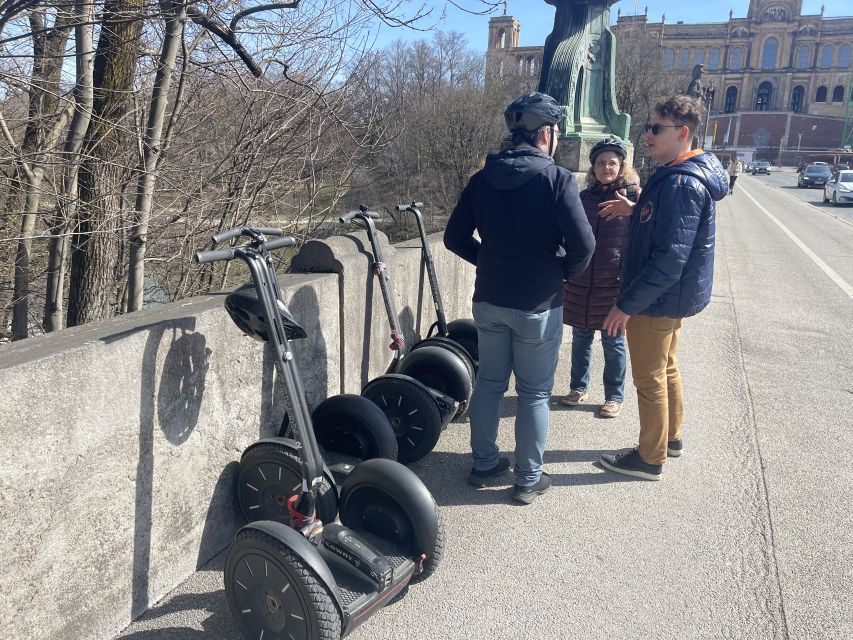
Siegestor, the Victory Gate, provides another strong architectural stop along Ludwigstrasse. Its scale and position make it a natural point for a quick explanation and a photograph. From there, the route may continue toward Königsplatz, an important square known for its formal arrangement and monumental buildings.
Königsplatz gives the tour a final broad look at Munich’s architectural character. The city can feel polished and grand here, but the guide’s historical commentary adds useful context about Bavarian rulers, public memory, and the events that shaped Munich.
You should think of these stops as part of a connected city story. Friedensengel, the royal Residenz, Odeonsplatz, Siegestor, and Königsplatz are not random photo points. Together, they show the ambitions of Bavaria’s rulers and the way those ambitions shaped Munich’s streets.
The tour is especially useful if you have only 36 hours in town. One participant who had a short stay found the Segway a practical way to get a feel for the city without spending most of the visit walking. You can use the remaining time for the sights that deserve a slower look.
Riding comfort, weather, and pace
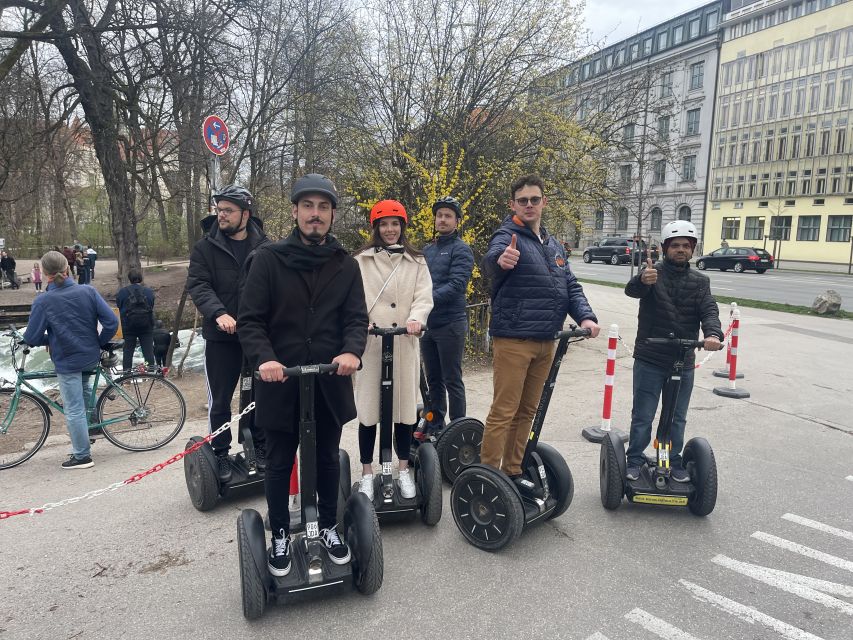
A Segway is simple to operate once you understand it, but the first few minutes can feel strange. You control movement through balance and gentle shifts, so you need to pay attention rather than simply stand still. The initial practice session is designed to help with that adjustment.
Crowds and cobblestones are the main practical concerns. One family found the route challenging in crowded areas and on uneven surfaces, though the guide was patient with a nervous rider. If you dislike bikes, scooters, or any activity that requires balance, this may not be your ideal city tour.
Winter deserves special thought. The tour runs for two hours outdoors, and an afternoon start can become cold and dark in winter. One guide, Sheriff, contacted a group about moving an afternoon booking earlier, which made the timing more comfortable. You should dress for the weather and choose a daylight start when possible.
Rain can also affect comfort. A guide provided ponchos when rain began at the end of one tour, but weather protection is not listed as a standard inclusion. Plan clothing accordingly rather than assuming the tour will supply it.
Guide quality and the value of local stories
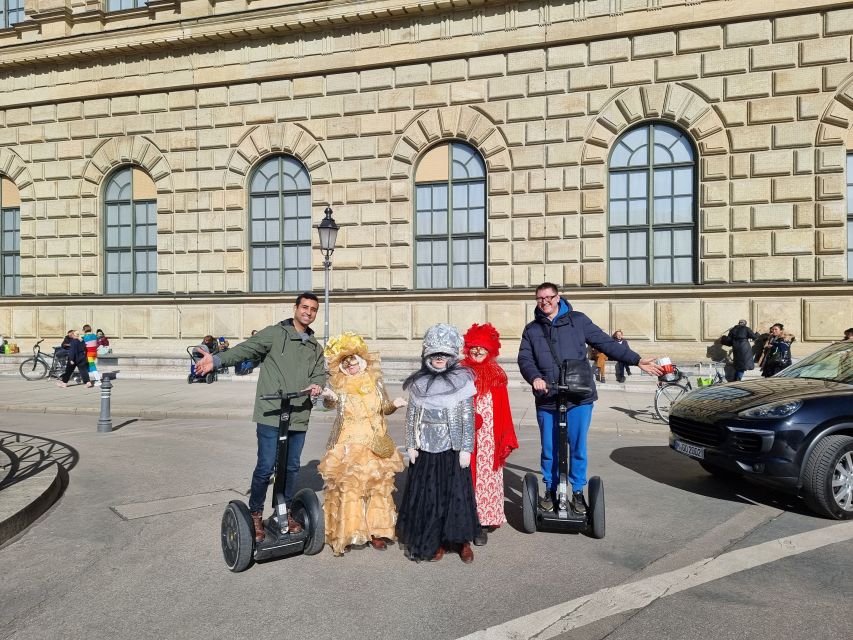
The guide is the most important part of this activity. The Segway gets you from place to place, but the commentary gives the ride purpose. The strongest guiding notes include patient safety help, clear explanations, humor, and a willingness to answer questions.
Several guides have been singled out for these qualities. Jalal was praised for making riders feel safe while sharing history. Dunja was noted for patience, useful facts, and taking photographs. Erblin handled questions well and kept the ride entertaining, while Rauen was appreciated for his personal connection to Munich and lively stories.
Abdul has also been praised for adapting the tour to individual likes and dislikes. That matters in a two-person group. You can tell the guide if architecture interests you most, if you want extra photo stops, or if you need a calmer pace.
The guide lineup can change, of course, so you cannot book a particular personality unless the operator confirms it. Still, the repeated emphasis on patience and friendly instruction is encouraging, especially for first-time riders.
Who should book this Munich tour
I would choose this tour if you want a broad first look at Munich, enjoy a little movement, and have limited time. It suits couples, friends, and small family groups with children aged 14 or older. It is also a good option for people who find a full walking tour tiring.
It is less suitable if you want long museum visits, detailed interior access, or a slow photographic walk. You will see many places, but mostly from the outside, with brief stops and moving commentary.
The $69 price makes the most sense when you count the equipment, safety instruction, live guide, and amount of ground covered. It is not the cheapest way to see central Munich, but it can be good value compared with paying for separate transport and a guided overview. If your schedule is tight, the time saved is part of the value.
Free cancellation up to 24 hours before the start and the option to reserve now and pay later make the booking less rigid. Check available start times before choosing, particularly in colder months.
Should you book it?
Book this Munich Segway tour if you want to see royal buildings, gardens, famous squares, and the Eisbach surfers in one energetic outing. The small-group format, patient instruction, and strong guide feedback make it a sensible choice for beginners who want help getting started.
Skip it if cobblestones, shared paths, balance, or outdoor weather are likely to spoil the day. For everyone else, it is a practical way to get your bearings fast, then return to your favorite places at a slower pace.
FAQ
How long is the Munich Segway tour?
The tour lasts two hours. Starting times vary, so you need to check availability when booking.
How much does the tour cost?
The listed price is $69 per person.
Where does the tour meet?
The meeting point is the Office Robot City München.
Which languages are available?
The live tour guide is available in English and German.
How many people are in the group?
The activity is listed as a small-group tour limited to two participants.
What sights are included?
The route includes sights such as Friedensengel, the English Garden, the Chinese Tower beer garden, Eisbach surfers, Maximilianeum, Residenz, the Opera, Odeonsplatz, Ludwigstrasse, Hofgarten, Siegestor, and Königsplatz.
Who cannot join the tour?
Children under 14 and pregnant women are not permitted to take part.
Just added in Munich
- Pub crawl incl. Oktoberfest museum guided tour with beer tasting (private)★ 5.0 · 5 reviews
- South Tyrolean specialties and wine tasting★ 5.0 · 5 reviews
- Short & sweet: Tasting the Viktualienmarkt★ 4.8 · 37 reviews
- Size Matters Beer Tour Munich★ 4.6 · 105 reviews
- Secret Food Tours Munich★ 4.8 · 5 reviews
- Munich: Romantic Wine Experience for Two at Viktualienmarkt★ 4.2 · 14 reviews
- Munich: Resistance against Hitler – Historical Walking Tour★ 5.0 · 5 reviews
- Residence of Munich private tour with skip the line ticket★ 5.0 · 4 reviews
Segway Tours, compared.

Heidelberg & Neckar Valley: Segway Tour – 360 Degrees
Read our review →
Munich 3-Hour Segway Tour: Nazi Munich & Royal Architecture
Read our review →
Browse the lists this tour appears in