
Reviewed · HARBOUR & ELBE CRUISES
Hamburg: Speicherstadt and HafenCity Tour
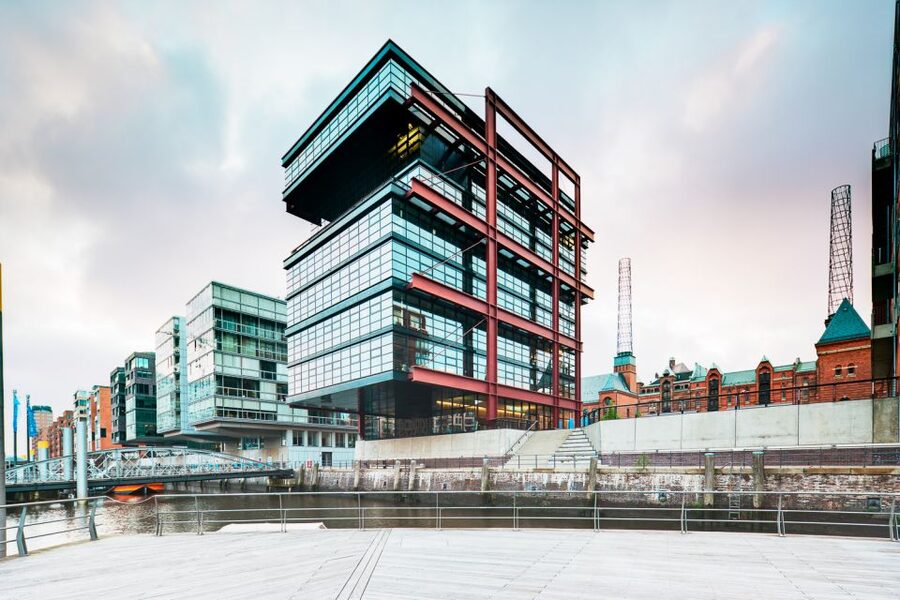
The most interesting part of this Hamburg walk is the sharp change in scenery. You begin among the red-brick warehouses of Speicherstadt, built for storage and trade, then move into the clean lines and bold forms of modern HafenCity. It is one compact lesson in how Hamburg changed from port warehouse to city of culture and design.
I like the tour’s clear two-hour length and its practical focus. I also like the use of photos on an iPad, which helps a guide explain buildings and vanished scenes that you cannot see today. The main consideration is language: the live tour is in German, and food, drinks, and museum admission are not included.
Key points at a glance
- Two Hamburg districts in one walk: See historic Speicherstadt and modern HafenCity without committing half a day.
- A useful visual contrast: Brick storehouses built for convenience lead to ambitious contemporary architecture.
- Stories of trade and storage: Learn about the Hanseatic era and how the warehouses functioned in the past and today.
- A choice of side interest: Follow your nose toward a coffee roaster or decide on the Spice Museum.
- The Elbphilharmonie finale: The route reaches Hamburg’s famous concert hall at the meeting point of old and new.
- Practical format: The tour lasts two hours, costs $18 per person, is conducted in German, and is wheelchair accessible.
Starting at Sandtorkai, where the two districts meet
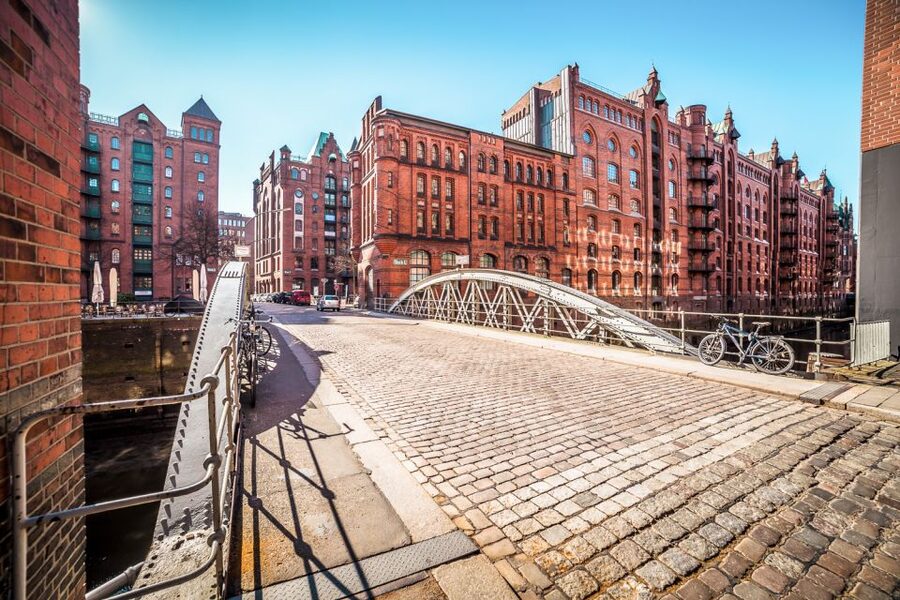
The meeting point is at Sandtorkai 74, on the corner of Sandtorkai and Kaiserkai. Look for the square in front of the stairs and the white wall with a hole in the middle. That precise landmark matters in HafenCity, where large open spaces and modern buildings can make a street address less obvious than it sounds.
Arrive ready for a walking tour rather than a museum visit. The activity includes the guide and the tour itself, plus a visit to the Kesselhaus except on Mondays. Food and drinks cost extra, and the description does not promise entry to every building along the route.
At $18, the price is modest for a guided two-hour introduction to two of Hamburg’s most important districts. You are paying mainly for context. You could walk these streets on your own, but a guide can explain why the warehouses were built as they were, how the port economy shaped the district, and why HafenCity looks so different.
The tour is conducted in German. That is an important booking detail, not a footnote. If you understand German, you should get the full value from the explanations and questions. If you do not, the buildings remain easy to see, but the historical side of the walk will be harder to follow.
Other time on the water in Hamburg:
- Hamburg: 1.5-Hour Harbor and Speicherstadt Day Cruise
★ 4.6 · 14,200 reviews - Hamburg: 90-Minute Evening Lights Harbor Cruise
★ 4.5 · 7,728 reviews - Hamburg: Elbphilharmonie Plaza Guided Tour
★ 4.7 · 5,882 reviews
Speicherstadt: practical brick warehouses, not decorative palaces
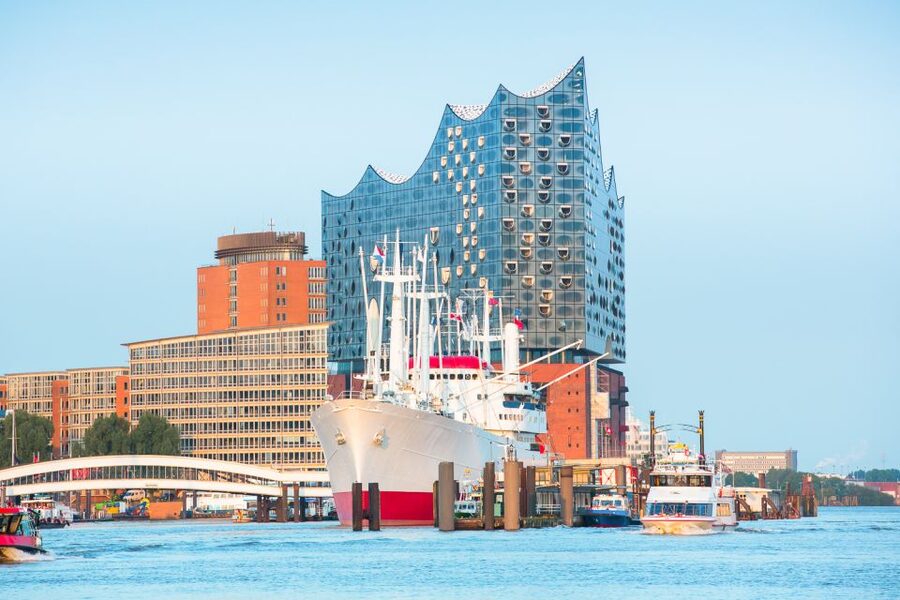
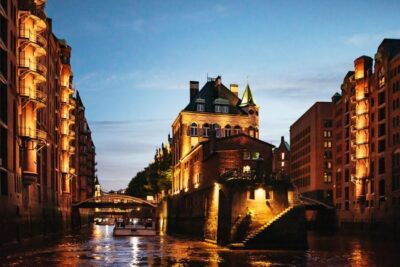
Speicherstadt is often photographed for its canals, red brick, and ornate details. The guide gives you a useful corrective: the district was not designed first for beauty. It was built for convenience and storage.
That point helps you read the buildings properly. Their repeated forms and exposed structural elements were meant to serve a working port. Different architects designed the houses, yet the district holds together as one large scene. The result is handsome, but its good looks come from a practical system rather than a plan to create a grand showpiece.
You will learn about Speicherstadt in the days of the Hanseatic League, when northern European trade linked port cities through commerce and shared interests. The tour connects that wider trading world to the imposing storehouses in front of you. The warehouses were not just attractive facades. They were part of the machinery that handled goods moving through Hamburg.
This is where the guide’s use of an iPad can add real value. Old photographs and other images help fill in the parts of the story that brick walls cannot show. A recent guide used photos to support a large number of explanations, which is especially useful when the present-day view looks polished and quiet compared with its working past.
Look up as you walk. The individual buildings include exposed elements and varied architectural details, but the whole district still feels orderly. That balance is one of the better lessons of the tour: a place can be built for function and still become one of a city’s most memorable sights.
The Kesselhaus and the working side of Speicherstadt
The Kesselhaus is included in the tour except on Mondays. Its name points to the practical machinery and infrastructure that kept the warehouse district operating. For a short walking tour, this stop gives you a chance to connect the grand brick exteriors with the systems behind them.
I would pay close attention here rather than treating it as a quick photo stop. Speicherstadt can seem like a row of handsome facades if you only walk along the canals. The Kesselhaus helps explain the working side of the district and gives the tour a more grounded feel.
Because the visit is not available on Mondays, check the day before booking if this stop matters to you. The rest of the tour still covers Speicherstadt and HafenCity, but the route is not identical in every detail when the Kesselhaus cannot be visited.
The tour also touches on how the warehouses are viewed today. Their original purpose was storage, yet the district now serves as one of Hamburg’s best-known historic areas. That change gives the guide room to explain both yesterday’s port and today’s city.
Coffee and spices: choose your own side interest
At one point, you can follow your nose toward a coffee roaster or consider the Spice Museum. This is a small but appealing feature because it lets you connect the port district with the goods that once passed through it.
Coffee and spices are not abstract history. They are the sort of products that make a warehouse district easier to imagine as a place of work, trade, smell, and movement. You are not simply hearing that Hamburg handled imported goods. You are being nudged to think about what those goods were and how they shaped the character of the port.
The information provided does not include admission to the Spice Museum, and food and drinks are not included. Treat this part as a choice or suggestion rather than a bundled tasting. If you want coffee, a snack, or museum entry, plan to pay separately.
This is also one reason the tour works well early in a Hamburg stay. It gives you ideas for what to explore afterward. You might continue with the coffee theme, visit the museum if available, or simply use the new context as you walk through the district on your own.
Same base, a different kind of day out:
- Hamburg: Sex and Crime in St. Pauli Tour for Ages 18+
★ 4.7 · 15,447 reviews - Hamburg: 2-Hour XXL Port of Hamburg Cruise Tour
★ 4.7 · 6,979 reviews - Hamburg: Line A Sightseeing Hop-On Hop-Off Bus Tour
★ 4.6 · 6,958 reviews - Hamburg: Hamburg Dungeon Admission Ticket
★ 4.7 · 5,745 reviews
Crossing into HafenCity and modern Hamburg
The change into HafenCity is the tour’s main visual turn. After the repeated brick forms of Speicherstadt, you encounter modern architecture with a more polished and experimental feel. The tour presents these buildings as part of Hamburg’s new urban direction, not as a replacement for the old district.
I like this pairing because it avoids treating history as something sealed off from present life. Speicherstadt shows the city’s trading foundations. HafenCity shows how Hamburg is adding new buildings, public spaces, and cultural uses beside that older port world.
The modern buildings are not described as one uniform style. Instead, the route lets you walk among different designs and consider how they shape the district. You get maritime atmosphere along with architecture, since the water and port setting remain central to the experience.
Do not expect a long architectural lecture on every building. The tour lasts only two hours and covers a lot of ground in a compact area. Its strength is comparison: old storage district beside new urban development. If you want technical detail on individual architects or a full building-by-building study, you may need a separate architecture tour.
The guide’s manner makes a difference here. The strongest feedback has praised guides for being friendly, well prepared, informative, and entertaining. Hannes has been singled out for his knowledge, while Christian has been praised for making the history of both the past and present city engaging. Guide assignments can change, so book for the route and format rather than expecting one specific person.
The Elbphilharmonie, a fitting end point
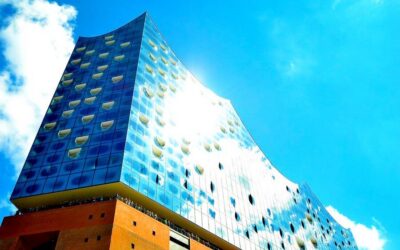
The Elbphilharmonie sits at the end of the HafenCity and Speicherstadt area covered by the walk. This striking concert hall is also one of Hamburg’s most controversial building projects. Construction began in 2007, and its unusual design quickly made it a major part of the city’s modern image.
The tour uses the building as a natural point of contrast. Behind you are warehouses created for practical storage. Ahead is an ambitious cultural building designed to draw attention. That change says a lot about Hamburg’s current identity and its effort to connect port traditions with art, music, and new development.
You should not assume the tour includes a concert, interior visit, or special access to the Elbphilharmonie. The supplied details describe the building as part of the route and highlight its history as a project. The value is in seeing it within the setting of Speicherstadt and HafenCity, where the contrast makes more sense.
This is also a good place to take stock of the tour’s theme. Hamburg is not presented as only an old port or only a modern city. You see both at close range, with the Elbe and maritime setting tying them together.
How the two-hour format works for you
Two hours is long enough to give the districts a proper shape without taking over your day. You get a guided introduction, historic explanations, modern architecture, and at least a look at the Kesselhaus on days when it is open.
The compact length makes this a useful choice before another Hamburg activity. It can fit into a morning or afternoon, and the route ends near some of the city’s most recognizable modern sights. The tradeoff is pace. You should expect a steady walking experience rather than a slow visit with extended time inside each stop.
A live guide also gives the experience more flexibility than a printed route. You can ask about a building or pause over a detail that catches your eye. The strongest guide feedback points to preparation, clear explanations, and the use of visual material. An iPad with historical photos can make a short stop more useful than a bare description of dates and names.
The tour is wheelchair accessible, which makes the format practical for more visitors. Still, the details supplied do not specify the condition of every surface or the exact route used on every date. If you have particular mobility needs, confirm the current route when booking.
Who will get the most from this walk
I would recommend this tour to you if you want a first look at Hamburg’s central port districts and prefer a guide to connect the sights. It suits anyone interested in urban change, trade, architecture, or the relationship between an old warehouse area and a new waterfront quarter.
It is especially useful if you have only a short time in Hamburg. For $18, you get a focused introduction instead of spending hours working out the story on your own. The 4.6 rating from 277 ratings also reflects a consistently strong response to the format, particularly the guides’ preparation and ability to make the information enjoyable.
German speakers are the natural audience. The tour is listed with German as its language, and no other language is provided. If your German is limited, you may still appreciate the sights, but you should not book this as an English-language history lesson.
Families and first-time visitors can also benefit from the visual contrast. Children may find the old warehouses and striking modern buildings easier to remember when a guide shows related photos and explains what the structures were used for. The tour is not built around food, shopping, or entertainment, so choose it for place and history rather than a hands-on activity.
A few practical things to know before booking
Wear shoes suited to a two-hour walking route. The experience is outdoors for much of its course, and the description does not promise long indoor periods.
Keep the meeting point details on your phone. Go to Sandtorkai 74, then look for the square by the stairs and the white wall with the hole in the middle. This is more useful than relying on a general search for HafenCity.
Remember that Monday is different because the Kesselhaus visit is excluded. Also budget separately for drinks, food, or the Spice Museum. The coffee roaster and Spice Museum are suggested interests, not included refreshments or guaranteed admissions.
The booking terms are flexible. You can cancel up to 24 hours before the start for a full refund, and you can reserve now while paying later. Check the available starting times because the two-hour duration does not mean the tour runs at one fixed time each day.
Should you book the Speicherstadt and HafenCity Tour?
Book it if you want clear historical context in a short format, especially if you understand German. The route shows Hamburg’s old warehouse economy, modern waterfront building, and the Elbphilharmonie in one connected walk. The $18 price is good value for a first orientation, and the guides’ use of photos can turn familiar buildings into more meaningful sights.
Skip it if you need an English-language tour, a food tasting, or extensive interior access. Also think twice if you want a very slow architectural study. For most German-speaking visitors who want to understand why these two districts look so different, this is a practical, well-priced start.
FAQ
How long does the Speicherstadt and HafenCity Tour last?
The tour lasts two hours. Starting times vary, so check availability when booking.
How much does the tour cost?
The listed price is $18 per person.
Where does the tour meet?
Meet directly at Sandtorkai 74, at the corner of Sandtorkai and Kaiserkai. The exact spot is on the square in front of the stairs, by the white wall with the hole in the middle.
What language is the tour conducted in?
The live tour guide speaks German. German is the only language provided for this activity.
Is the tour wheelchair accessible?
Yes, the activity is listed as wheelchair accessible.
Is the Kesselhaus included?
A visit to the Kesselhaus is included except on Mondays.
Are food, drinks, and museum admission included?
No. Food and drinks are not included, and the supplied information does not include admission to the Spice Museum.
Just added in Hamburg
- Hamburg: Historical Tour of the St. Pauli Sex Work District★ 4.4 · 215 reviews
- Hamburg: St. Pauli Food and Bier Tour★ 4.7 · 5 reviews
- St. Pauli Tour: Drag-Attack with Barbie Stupid & Lee Jackson★ 4.8 · 280 reviews
- Hamburg: Private Tour Red Light District Walking Tour★ 4.7 · 227 reviews
- St. Michael’s, Elbe Tunnel & Harbor 2-Hour Hamburg Tour★ 4.9 · 21 reviews
- Satt Pauli – der kulinarische Rundgang durch St. Pauli★ 4.8 · 12 reviews
- Hamburg: Safari tour in St. Pauli★ 4.9 · 11 reviews
- Radtour um die Alster & durch traumhafte Alsterviertel★ 4.9 · 34 reviews
Harbour & Elbe Cruises, compared.
1.5-Hour Harbor and Speicherstadt Day Cruise
Read our review →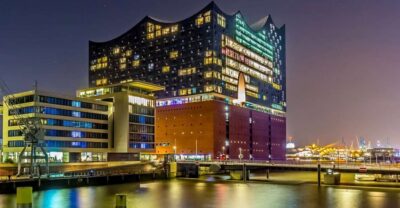
1-Hour Harbor Sightseeing Cruise with HafenCity
Read our review →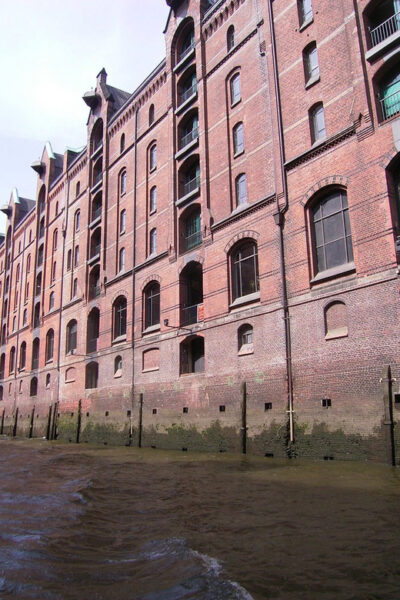
Elbphilharmonie Plaza, Highlights & Surroundings
Read our review →
Elbphilharmonie Plaza and HafenCity Food Tour
Read our review →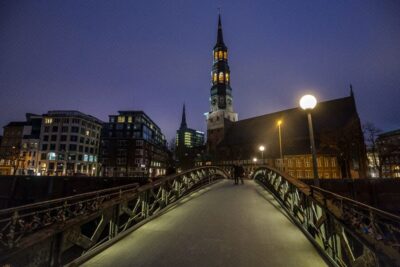
Browse the lists this tour appears in