
Reviewed · TOURS IN HAMBURG
Hamburg: Private Tour – Schanzenviertel & Karolinenviertel
Hamburg’s Schanzenviertel and Karolinenviertel are best understood from the side streets, old factory grounds, back courtyards, and politically charged corners that you can easily miss from a sightseeing bus. This private walk brings you to the Rote Flora, the huge Feldstrasse bunker, the former cattle abattoir, and local spots such as Tim Mälzer’s Bullerei. The tour shows Hamburg beyond its polished center, with plenty of room for questions.
I like the private format, since your group of up to 15 can ask about the neighborhood’s changes instead of following a fixed script. I also like the local angle: guides such as Frau Evers and Basti have been praised for clear explanations, humor, and candid accounts of the district’s social and political tensions.
The main drawback is the language. The tour is offered in German, and two hours can feel short for two districts with this much to explain. One past tour also finished at a different point than expected, so you should leave a little time after the walk before booking a meal or appointment.
Key points at a glance
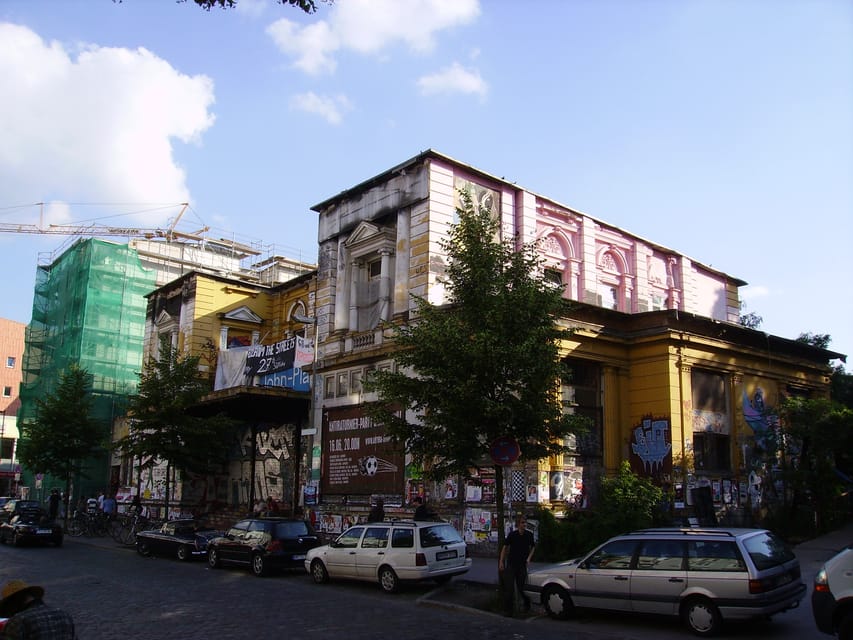
- Rote Flora: See Hamburg’s famous former theater and a long-running symbol of protest and alternative politics.
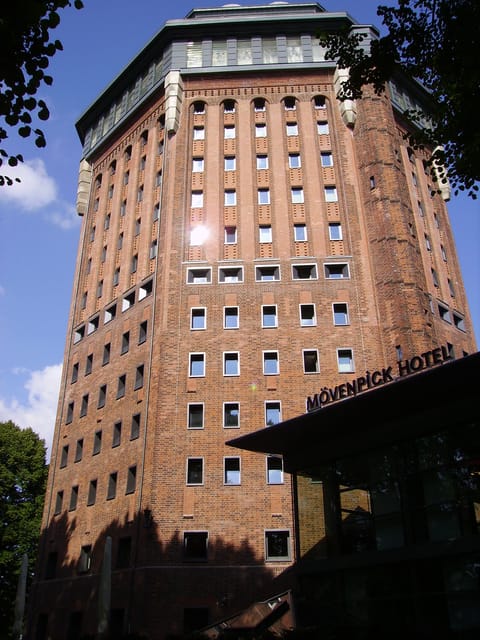
- Feldstrasse bunker: Visit the enormous bunker beside Heiligengeistfeld and hear how it fits into the area’s past and present.
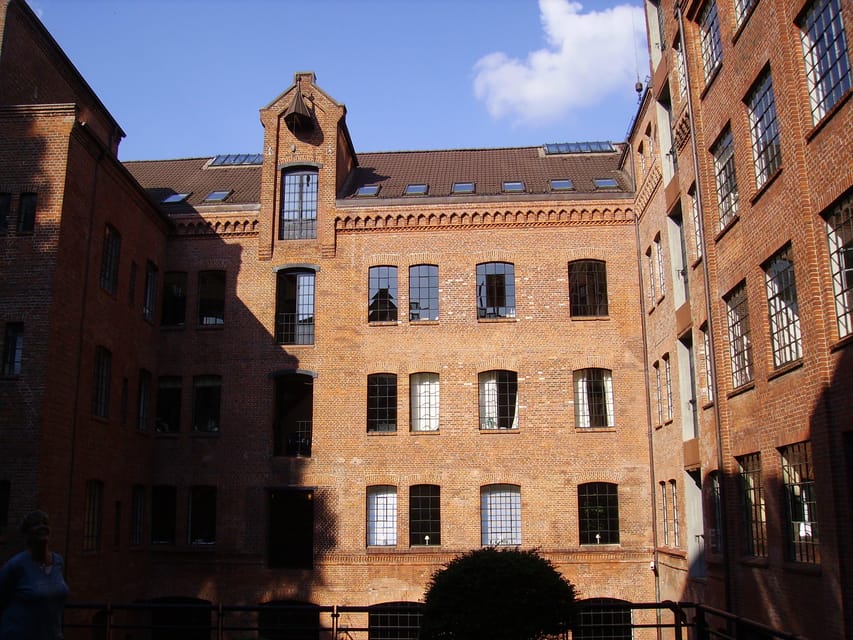
- Old abattoir district: Walk through the former cattle slaughterhouse area linking Karolinenviertel and Schanzenviertel.
- Back streets and courtyards: Leave the main shopping roads for old industrial sites, small shops, and less polished corners.
- Private German-language format: Pay $294 per group of up to 15, not per person, which can be good value for a larger group.
- Flexible booking: You can cancel up to 24 hours before the start for a full refund, or reserve now and pay later.
Starting at Sternschanze, where Hamburg changes character
The tour begins at Sternschanze U-Bahn station, at the Sternschanze exit beside Sternschanzenpark. This is a useful meeting point because you start right on the edge of the district rather than spending your first part of the tour walking in from Hamburg’s central sights.
From here, the guide introduces the Schanzenviertel, known locally as the Schanze. Its name points back to the area’s earlier role as a defensive position for Hamburg. That military origin is easy to overlook today, with restaurants, bars, clubs, independent stores, and apartment buildings shaping the streetscape.
The value of this opening is the contrast. You are not simply being shown a fashionable neighborhood. You are learning how an area once treated as a working-class outer district became one of Hamburg’s most sought-after urban quarters. That shift brings energy, but also pressure on residents and older businesses. A good guide can make those changes easier to read in the buildings and streets around you.
The Schanzenviertel section is planned for about 30 minutes. That is enough for an introduction and a few key stops, but not enough to examine every street. If you want long photography pauses or extended time inside shops, you may need to choose between taking pictures and keeping up with the group.
A few more things to do in Hamburg worth a look
- Your private 3-hour Hamburg driving tour with a former policeman
★ 5.0 · 304 reviews - Hamburg: Private Tour Red Light District Walking Tour
★ 4.7 · 227 reviews - Hamburg: Private Couples’ Photoshoot and Walking Tour
★ 4.9 · 212 reviews
Walking the Schanzenviertel beyond its main streets
The appeal here is not a checklist of grand monuments. It is the chance to see the less polished side of Hamburg, including old factory sites, courtyards, and traces of earlier industry. The tour description specifically directs you away from the main streets, where the neighborhood’s character becomes easier to understand.
You might pass independent shops and places that give the district its current appeal, but the guide also addresses the harder questions. Why did the area change? Who benefited from that change? What problems followed? The supplied guide information points to demonstrations and conflicts as only one part of the story, not the entire identity of the neighborhood.
That balance matters. Schanzenviertel is often reduced to nightlife, trendy restaurants, or political protests. This walk aims to connect those visible features with the area’s working-class roots and more recent social changes. Basti, described as a committed resident of the Schanzenviertel, offered especially personal and sometimes emotional explanations on one previous tour. If your guide has a similar local connection, expect more than dates and building names.
You should also expect a walking tour rather than a museum visit. The interesting details are outside, and the experience depends on the guide’s storytelling and your willingness to look closely. Wear comfortable shoes and keep your schedule reasonably open, since the route may include uneven urban surfaces and unplanned discussion.
Karolinenviertel and the former abattoir grounds
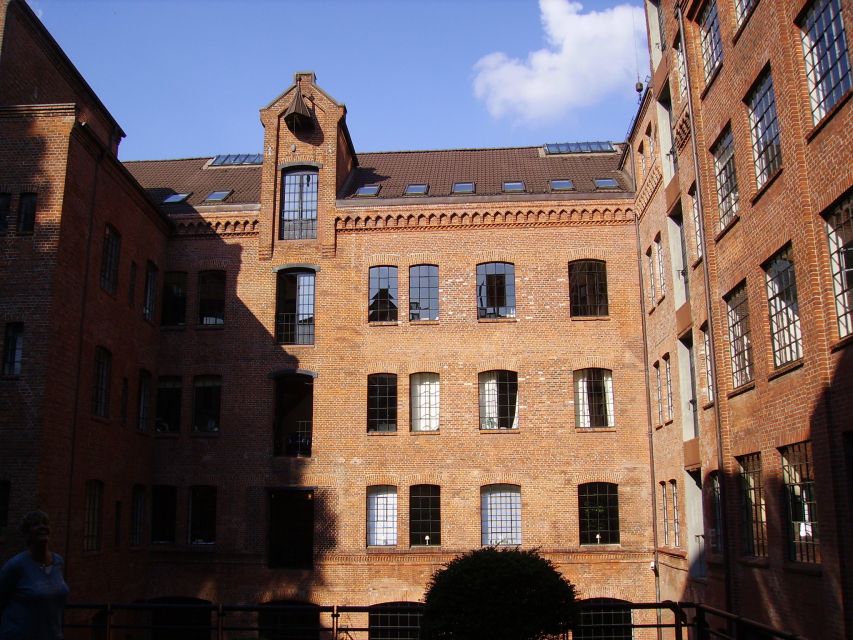
The walk continues into the Karolinenviertel, with about 20 minutes set aside for a guided look at the district. Together with Schanzenviertel, it forms part of Hamburg’s former foreland, the area outside the old embankments that later developed into a city district of its own.
One of the most useful stops is the former cattle abattoir, which connects Karolinenviertel and Schanzenviertel. This is not just an old industrial site to photograph. It helps explain why the two districts feel linked, both physically and socially, despite having their own identities.
The former abattoir also gives the guide a practical way to discuss urban change. Working sites once shaped employment and daily life here. As those uses faded, the buildings and surrounding streets took on new roles. The tour’s focus on old industrial places and back courtyards gives you a better sense of that transition than a quick stroll along a restaurant-lined road.
The Karolinenviertel portion is fairly brief. I would see it as a connected chapter in the larger story rather than a separate neighborhood tour. If you have a strong interest in architecture, urban planning, or Hamburg’s industrial past, ask questions while you are there. A private group makes that easier.
The Rote Flora, Hamburg’s political landmark
The itinerary allows about 10 minutes at the Rote Flora. This former theater is one of the area’s best-known landmarks and a key reason the Schanzenviertel appears in accounts of demonstrations and political disputes.
The stop is short, but the subject is not simple. The Rote Flora represents alternative culture and protest, while also raising questions about ownership, redevelopment, and the future of older urban spaces. The tour presents it as part of the neighborhood’s wider story rather than treating it as a sensational photo stop.
This is where guide quality matters most. A flat explanation can make the Rote Flora seem like a building with a controversial reputation. A thoughtful guide can place it within the social changes that shaped both neighborhoods. The strongest comments in the supplied feedback praised guides for being direct, funny, well prepared, and willing to explain parts of Hamburg that are often missed in standard city tours.
Because the tour is in German, you need enough German to follow discussion of politics, local history, and social issues. The listing does not offer another language. If your German is limited, this is an important point to settle before you pay.
Same base, a different kind of day out:
- Hamburg: Sex and Crime in St. Pauli Tour for Ages 18+
★ 4.7 · 15,447 reviews - Hamburg: 1.5-Hour Harbor and Speicherstadt Day Cruise
★ 4.6 · 14,200 reviews - Hamburg: 90-Minute Evening Lights Harbor Cruise
★ 4.5 · 7,728 reviews - Hamburg: 2-Hour XXL Port of Hamburg Cruise Tour
★ 4.7 · 6,979 reviews
Bullerei and the neighborhood’s food scene
The route includes a detour toward the Bullerei, Tim Mälzer’s Hamburg restaurant. This stop gives you a glimpse of the district’s current food culture and its connection to the wider change in the neighborhood.
It is worth keeping expectations sensible. This is a city walk, not a restaurant meal or tasting tour. You are being shown the location and its place in the area, not promised a table, a kitchen visit, or food included in the price.
Still, the Bullerei is a useful example of how the Schanzenviertel has attracted well-known businesses alongside small independent places. That mix is part of the district’s appeal, but it also ties into the larger question of rising popularity and changing prices. A guide can help you see both sides without turning the stop into an advertisement.
If you plan to eat at the restaurant afterward, do not assume the walking tour finishes close enough for a tight reservation. One past participant had to hurry to reach a restaurant because the tour ended somewhere different from the stated expectation. Confirm the final location and allow a buffer.
The Feldstrasse bunker beside Heiligengeistfeld
The Feldstrasse bunker is one of the route’s strongest visual stops. The large bunker beside Heiligengeistfeld is hard to miss, and its scale gives the tour a sharp change of mood after the smaller streets and courtyards.
The planned visit lasts about 10 minutes. That is enough to discuss the building and its setting, but not enough for a detailed architectural study. The tour focuses on seeing the bunker as part of Hamburg’s urban fabric, alongside the surrounding district and its later uses.
This stop also shows why a neighborhood walk can add value to a general Hamburg tour. You get more than a famous facade. You see how a massive structure affects the streets around it and how a place associated with wartime history continues to occupy a central role in modern city life.
The bunker is near the end of the route, so it can serve as a useful landmark for finding your bearings afterward. The planned finish is at Messehallen, placing you near the exhibition grounds and public transport connections. Again, confirm the exact end point on the day if you have a reservation to catch.
Two hours, one private group, and the real value
The listed price is $294 for a private group of up to 15 people. That works out to about $19.60 per person if you fill all 15 places. For two people, the effective cost is much higher, about $147 each. For a family, club, school group, or company outing, the price becomes easier to justify.
The private format is the key value here. You are not paying only to be led from one landmark to another. You are paying for a guide who can respond to your questions and adjust the emphasis toward food, local politics, industrial history, architecture, or neighborhood change.
The two-hour length keeps the experience manageable. It covers the Schanzenviertel, Karolinenviertel, Rote Flora, Bullerei area, former abattoir, and Feldstrasse bunker without taking over your day. The tradeoff is that each place gets a short treatment. The itinerary lists roughly 30 minutes for Schanzenviertel, 20 minutes for Karolinenviertel, and 10 minutes each for the Rote Flora and bunker, with additional guided time between stops.
Past tours have sometimes lasted closer to three hours, while the stated duration is two. That may reflect a generous guide or a group with many questions, but you should plan around two hours rather than count on the extra time. If the guide is as engaging as Basti or Frau Evers was described, you may be tempted to keep talking.
Who should book this Hamburg neighborhood walk?
I would choose this tour if you have already seen Hamburg’s main central sights and want a more local, urban side of the city. It suits people who care about social change, politics, independent businesses, industrial traces, and the way neighborhoods evolve.
It is also a strong choice for a German-speaking private group. Families with older children, university groups, work teams, and friends traveling together can make good use of the flexible format. The group limit of 15 is large enough for an organized outing but still allows questions.
I would hesitate if you want a broad introduction to all of Hamburg, a multilingual tour, or a route built around major monuments. This is a focused walk through two connected districts, and its best moments come from context rather than grand sights.
The 4.8 rating from 15 recorded ratings points to consistently strong satisfaction, with particular praise for clear explanations, humor, personal insight, and an engaging pace. That praise fits the tour’s purpose: it works best when the guide turns ordinary streets into evidence of how Hamburg has changed.
Practical details before you reserve
Meet at Sternschanze U-Bahn station, using the Sternschanze exit at Sternschanzenpark. The tour is led in German by a live guide and is offered as a private group experience.
Alternative start times can be requested through GetYourGuide. You can cancel up to 24 hours before the tour for a full refund, and the reserve-now, pay-later option keeps your plans flexible.
Bring shoes suited to city walking and avoid placing an important appointment immediately after the tour. The stated finish is Messehallen, but one past tour ended at a different place than expected. That is a small point, but it matters in Hamburg if you have a restaurant booking or train to catch.
Should you book the Schanzenviertel and Karolinenviertel tour?
Book it if you want Hamburg’s less obvious story, especially if you are comfortable touring in German and have a group large enough to make the $294 fee worthwhile. The Rote Flora, former abattoir, Feldstrasse bunker, old industrial sites, and independent shops give the walk a clear sense of place.
Skip it if you need an English-language tour, a food tasting, or a standard list of famous sights. For the right audience, this is a thoughtful and personal look at two changing districts, with enough political and social context to make the streets feel far more meaningful.
FAQ
Where does the tour begin?
It begins at Sternschanze U-Bahn station, at the Sternschanze exit beside Sternschanzenpark.
Where does the tour finish?
The planned finish is at Messehallen.
How long does the tour last?
The stated duration is two hours. One past tour lasted almost three hours, but you should plan around the official two-hour duration.
What language is the tour in?
The live tour guide speaks German. No other tour language is listed.
Is this a private tour?
Yes. It is offered for a private group of up to 15 people.
How much does the tour cost?
The price is $294 per group of up to 15 people.
What neighborhoods does the tour cover?
It covers Hamburg’s Schanzenviertel and Karolinenviertel.
Does the tour visit the Rote Flora?
Yes. The route includes a guided stop at the Rote Flora.
Does the tour include the Feldstrasse bunker?
Yes. The itinerary includes a guided visit to the Feldstrasse bunker near Heiligengeistfeld.
Can I cancel for a full refund?
Yes. You can cancel up to 24 hours in advance for a full refund. You can also reserve now and pay later.
Just added in Hamburg
- Hamburg: Historical Tour of the St. Pauli Sex Work District★ 4.4 · 215 reviews
- Hamburg: St. Pauli Food and Bier Tour★ 4.7 · 5 reviews
- St. Pauli Tour: Drag-Attack with Barbie Stupid & Lee Jackson★ 4.8 · 280 reviews
- Hamburg: Private Tour Red Light District Walking Tour★ 4.7 · 227 reviews
- St. Michael’s, Elbe Tunnel & Harbor 2-Hour Hamburg Tour★ 4.9 · 21 reviews
- Satt Pauli – der kulinarische Rundgang durch St. Pauli★ 4.8 · 12 reviews
- Hamburg: Safari tour in St. Pauli★ 4.9 · 11 reviews
- Radtour um die Alster & durch traumhafte Alsterviertel★ 4.9 · 34 reviews
Tours in Hamburg, compared.
1.5-Hour Harbor and Speicherstadt Day Cruise
Read our review →


Browse the lists this tour appears in