
Reviewed · TOURS IN HAMBURG
Hamburg: Kunsthalle Entrance Ticket
Hamburg’s Kunsthalle gives you eight centuries of European art in one visit, from medieval altarpieces to major contemporary works. The star is Caspar David Friedrich’s Wanderer above the Sea of Fog, but the museum is far more than one famous painting. You can follow the changing idea of art from religious panels and royal portraits to Munch, Warhol, Richter, and Jenny Holzer.
I like the museum’s range and its strong focus on northern European painting. I also like the freedom of a one-day ticket: you can make a serious visit, take a break at Das Liebermann, then return to the galleries without rushing. The main drawback is scale. With eight centuries under one roof, you need a plan, or the sheer number of rooms can blur together.
Key points at a glance
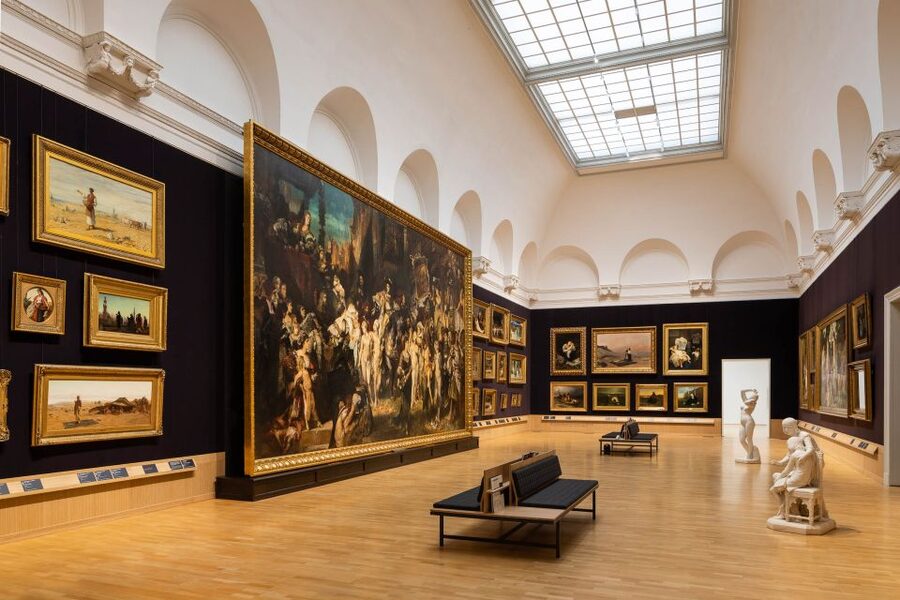
- Eight centuries in one museum: Move from northern German medieval art through the Renaissance, Dutch Golden Age, Impressionism, modern art, and current international work.
- Caspar David Friedrich’s famous wanderer: See one of Germany’s best-known paintings alongside other works by Friedrich and fellow German Romantic artists.
- A strong northern European collection: Look for Bertram von Minden, Master Francke, Rembrandt, Pieter de Hooch, Cranach, Holbein, and van Dyck.
- Modern art with real range: Find Munch, Klee, Paula Modersohn-Becker, Max Beckmann, the Brücke group, and other major figures.
- Useful food breaks inside the museum: Das Liebermann occupies the pillared hall, while The Cube offers food and views toward the Inner Alster Lake.
- Flexible one-day admission: Your ticket includes the permanent collection, with free cancellation up to 24 hours before the visit and reserve-now, pay-later booking.
Why the Kunsthalle is worth your time
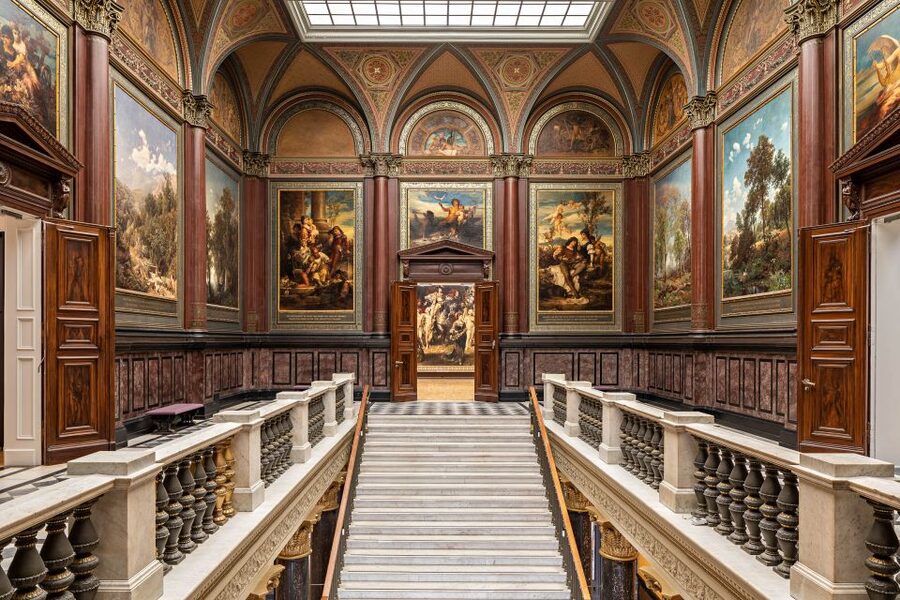
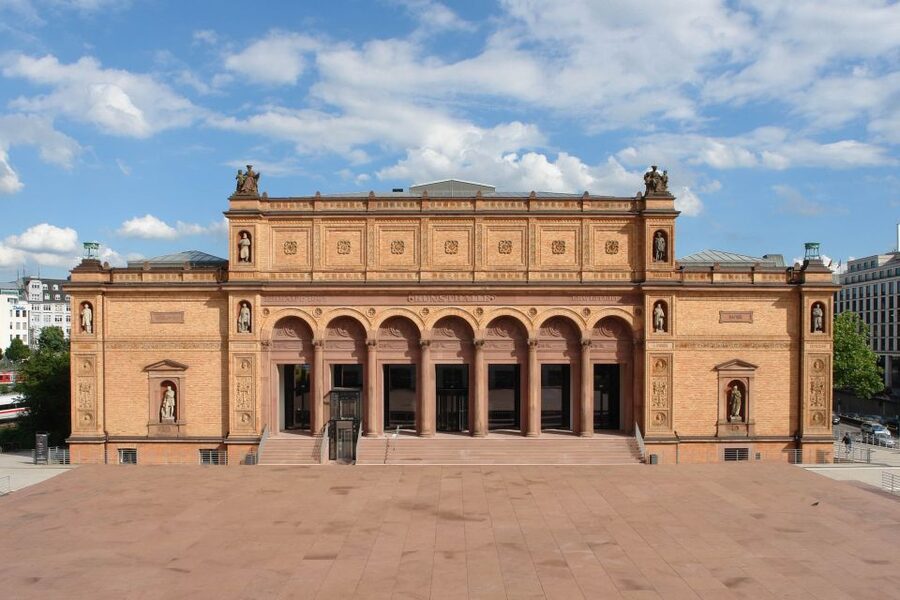
The Hamburger Kunsthalle is one of Germany’s largest and most important art museums. Its appeal is not just the size of the collection. It is the way the rooms let you trace European art across time, with Hamburg and northern Germany playing an important part.
You can begin with a medieval altarpiece, pass into Renaissance portraiture, then watch painting loosen during the nineteenth century. Later rooms bring the shocks of modern art and the questions of contemporary work. That long arc makes the museum useful even if you are not an art specialist. You do not need to arrive with a list of artists. The building gives you a broad sense of how European art changed, one period at a time.
I would allow several hours for a first visit. The ticket is valid for one day, so you are not forced to treat the museum like a quick stop between other sights. That matters here. You may want time for the famous Friedrich painting, but the less familiar works often reward a slower pace.
A short visit can still work. If you have only an hour, head first to the nineteenth-century collection, then choose either the old masters or modern art. If you have half a day, follow the collection in historical order and use the café or restaurant as a break.
A few more things to do in Hamburg worth a look
- Hamburg: Hamburg Dungeon Admission Ticket
★ 4.7 · 5,745 reviews - Hamburg: Ticket to the Panoptikum Waxworks
★ 4.3 · 2,489 reviews - Hamburg: International Maritime Museum Entrance Ticket
★ 4.7 · 547 reviews
Caspar David Friedrich and the power of the nineteenth century
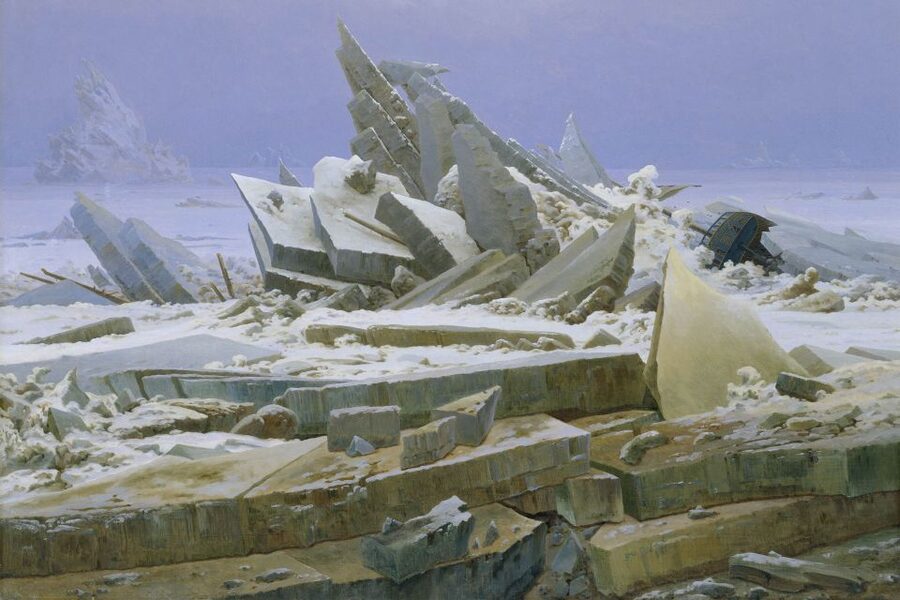
The most famous work here is Caspar David Friedrich’s Wanderer above the Sea of Fog. It is an image many people recognize even before seeing it in person: a solitary figure looks over a misty mountain scene, his back turned toward you.
Seeing the painting in the museum gives you a chance to place it within Friedrich’s wider concerns. The work is not simply a dramatic mountain view. It asks you to think about the individual, nature, uncertainty, and the limits of what can be seen. You may find that the painting feels more thoughtful than its familiar image suggests.
The nineteenth-century collection includes extensive holdings by Friedrich, Philipp Otto Runge, and Max Liebermann. Those artists show different sides of German painting, from Romantic feeling to closer observation of modern life.
The museum also connects German art with French Realism and Impressionism. This is one of the collection’s strongest features. You can compare how artists in different parts of Europe handled light, everyday subjects, and the changing pace of the modern world.
If Friedrich is your main reason for coming, plan extra time around this section. The famous canvas can attract your attention immediately, but it is worth resisting the urge to take one quick look and move on. The surrounding works help explain why Friedrich matters.
Medieval art, Renaissance masters, and the Dutch Golden Age
The old master collection begins with northern German medieval painting. Altarpieces by Bertram von Minden and Master Francke are especially important. These works were made for religious settings, so their scale, detail, and purpose differ sharply from the individual paintings you encounter later.
Look closely at the way medieval artists organize a story. A panel may contain several figures, gestures, and scenes, all arranged to guide the eye. The work can feel formal at first, but details often reveal strong emotion and careful observation.
The Renaissance rooms bring a different sense of space and human character. Works by Lucas Cranach the Elder, Hans Holbein, and Paris Bordone show the period’s interest in portraiture, status, anatomy, and visual control.
Cranach and Holbein are useful names to keep in mind if you want a clear comparison. Their paintings can make you think about how a sitter’s clothing, expression, and pose communicate power. Paris Bordone adds a Venetian connection to the collection, broadening the story beyond northern Europe.
The Dutch Golden Age section is another major attraction. Rembrandt van Rijn, Pieter de Hooch, and Anton van Dyck represent a period when artists explored portraiture, domestic interiors, daily life, and polished public images.
Pieter de Hooch’s interiors are especially valuable for anyone interested in space and light. Rembrandt brings psychological force and dramatic handling of paint. Van Dyck represents a more formal style of portraiture, shaped by elegance and courtly presentation.
I suggest taking these rooms slowly rather than trying to identify every famous name. Notice how a religious altarpiece, a Renaissance portrait, and a Dutch interior each ask you to look in a different way. That change in visual language is one of the museum’s best lessons.
Modern art from Munch to Beckmann
The modern collection covers the unsettled first half of the twentieth century. This part of the museum can feel more demanding than the old masters because artists were questioning not only what to paint, but what a painting should be.
The Brücke group receives strong attention. Their work is marked by forceful color, simplified forms, and a direct response to modern life. You will also find significant works by Edvard Munch, Paul Klee, Wilhelm Lehmbruck, Paula Modersohn-Becker, Lovis Corinth, and Max Beckmann.
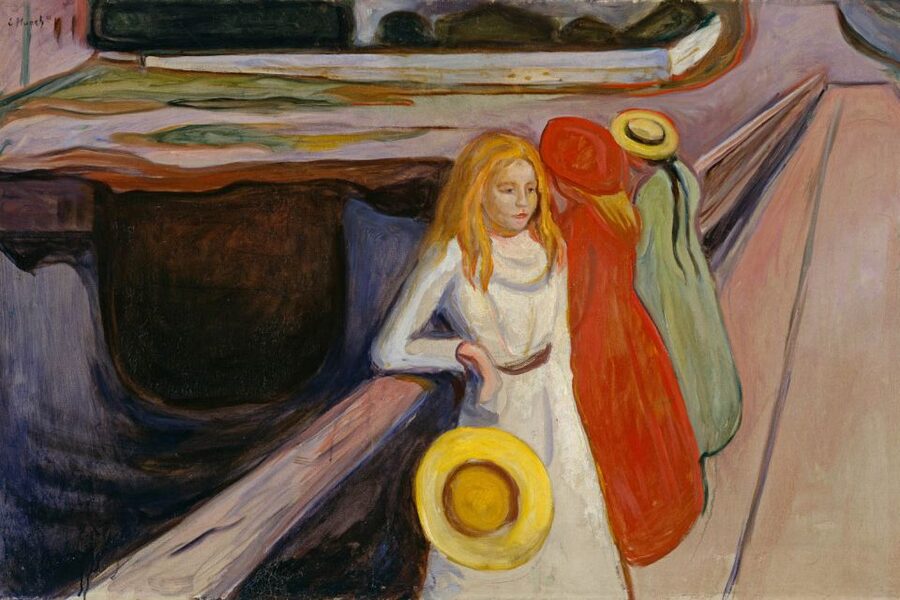
Edvard Munch gives the collection a powerful emotional edge. His art often turns inner feeling into a visual language of uneasy color and distorted form. Paul Klee offers a different kind of challenge, with signs, symbols, and playful structures that can look simple until you spend time with them.
Paula Modersohn-Becker is an important presence. Her work helps broaden the story of modern art beyond the most familiar male names. Wilhelm Lehmbruck brings sculpture into the account, while Corinth and Beckmann show different approaches to expression, portraiture, and the pressures of their time.
This section suits you if you enjoy art that does not explain itself at once. It may not be the easiest part of the museum for children or for anyone who wants only recognizable scenes. Still, the range is a major strength. You can see how artists moved away from traditional realism without losing the human concerns that shaped earlier painting.
Same base, a different kind of day out:
- Hamburg: Sex and Crime in St. Pauli Tour for Ages 18+
★ 4.7 · 15,447 reviews - Hamburg: 1.5-Hour Harbor and Speicherstadt Day Cruise
★ 4.6 · 14,200 reviews - Hamburg: 90-Minute Evening Lights Harbor Cruise
★ 4.5 · 7,728 reviews - Hamburg: 2-Hour XXL Port of Hamburg Cruise Tour
★ 4.7 · 6,979 reviews
Contemporary art with sharper questions
The international contemporary collection brings the story into the present. Major works by Bruce Nauman, Gerhard Richter, Jenny Holzer, Nan Goldin, Andy Warhol, Richard Serra, and Sigmar Polke give the Kunsthalle a serious voice in current art.
This is a useful final chapter after the older collections. Once you have seen artists build images through religious symbolism, perspective, portraiture, and impressionistic color, contemporary works can feel like a direct challenge to those earlier rules.
Gerhard Richter is known for moving between photographic imagery, abstraction, and uncertainty. Andy Warhol raises questions about fame, repetition, and mass culture. Jenny Holzer works with language and public messages, while Richard Serra is associated with the weight and physical presence of sculpture.
Bruce Nauman and Nan Goldin bring still other concerns, including the body, private experience, performance, and the role of the artist. Sigmar Polke complicates the boundary between painting, popular imagery, and visual confusion.
Do not expect every work to offer an instant answer. Contemporary art often asks you to spend time with an idea rather than admire a polished image. If you prefer traditional painting, save this section for the end and give yourself permission to choose only a few pieces to consider carefully.
A sensible way to plan your one-day visit
A full day is not required, but the one-day validity gives you options. I would begin with the permanent collection while your attention is fresh, then stop for food before returning to the rooms that interested you most.
A practical route might look like this:
- Start with the medieval and Renaissance works if you want to follow the collection chronologically.
- Continue through the Dutch Golden Age and nineteenth-century galleries.
- Spend your longest stretch with Friedrich and the nineteenth-century collection.
- Move into modern art, including the Brücke group, Munch, Klee, and Beckmann.
- Finish with contemporary art, then return to one or two works you want to see again.
The museum also hosts special exhibitions that attract large international audiences. Your ticket includes the permanent collection, so check the current arrangements if a special exhibition is a priority. The audio guide can cover both the permanent collection and current special exhibitions.
The audio guide is available in German and English as a loan device at the ticket desk for €6. You can also use the Hamburger Kunsthalle app, which is free to download. I would choose the app if you want to avoid another fee, but the loan device may be more convenient if your phone battery or mobile connection is a concern.
Food, views, and a proper pause
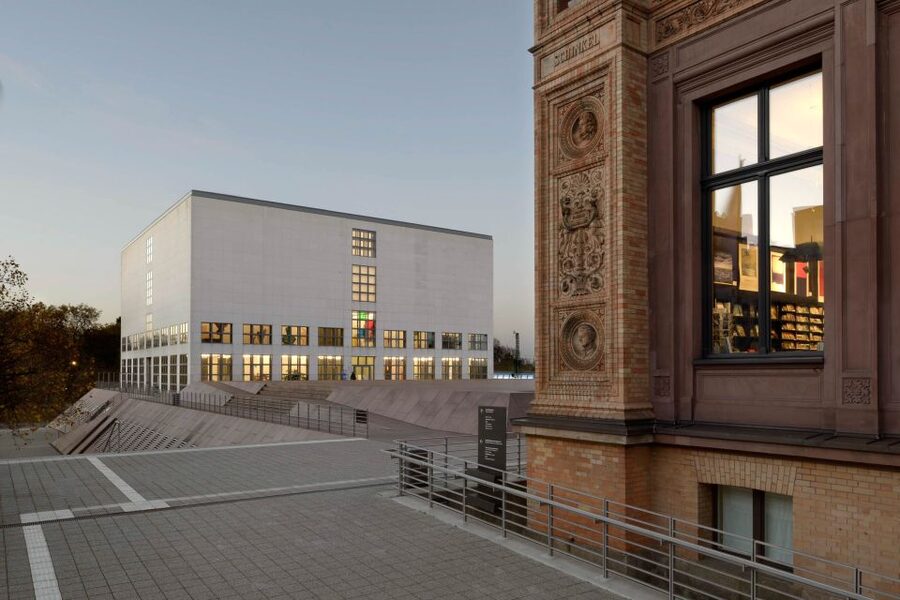
A museum this size needs a break, and the Kunsthalle provides two different options. Das Liebermann is the café in the impressive pillared hall. It is suited to a drink or a snack and gives you a chance to sit without leaving the building.
The Cube is in the Gallery of Contemporary Art and offers views of the Inner Alster Lake. Its daytime menu includes snacks and lunch choices, while dinner is served à la carte in the evening.
These are not minor details. A meal break can help you reset before the modern and contemporary rooms, where sustained attention may be harder. The Cube’s view also gives you a change of scene without sacrificing more museum time.
You should check the restaurant’s current hours if dining is central to your plan. The ticket itself covers museum admission, not food or drinks.
Price, access, and practical details
At $21 per person, this is a fair price if you plan to spend several hours with the collection. The value is strongest for visitors who enjoy comparing periods and artists, since the same admission takes you from medieval painting to contemporary installations.
It is less of a bargain if you only want to see one famous painting and leave. In that case, your time may be better spent deciding how much of the museum you can realistically cover before buying. The one-day validity helps, especially if you want to break for lunch and return.
The museum is wheelchair accessible. Larger than DIN A4 bags, backpacks, umbrellas, suitcases, and trolleys must be deposited in lockers. Pack lightly if you want to get through the entrance and into the galleries without a storage stop.
Free cancellation is available up to 24 hours before the visit, and you can reserve now while paying later. Availability and starting times should be checked for your chosen date.
Who will enjoy the Kunsthalle most?
I recommend this museum to anyone who likes seeing connections between art periods. It works especially well for visitors interested in German Romanticism, northern European painting, modern art, or the shift from traditional images to contemporary ideas.
Families can choose a shorter route around the most visually striking works, but the full collection may be a lot for younger children. Art students and serious museum fans will find plenty to study, especially in the Friedrich, old master, and modern sections.
You should also come if you want an indoor cultural stop with flexible timing. There is no fixed group itinerary to follow, and you can set your own pace through the permanent collection.
Should you book the Hamburg Kunsthalle ticket?
Book it if you want more than a single famous painting. The combination of medieval art, Dutch masters, Friedrich, Munch, Beckmann, Warhol, Richter, and contemporary artists gives you a full day of visual history for a reasonable admission price.
Skip it only if your Hamburg schedule allows for a very short museum visit or if your interests are limited to one narrow period. For most art-minded visitors, the best plan is to reserve the ticket, download the free app, pack light, and give yourself enough time to pause at Das Liebermann or The Cube. The Kunsthalle rewards patience, and its greatest pleasure is seeing how one period changes the way you understand the next.
FAQ
What does the Hamburg Kunsthalle ticket include?
The ticket includes entrance to the Hamburger Kunsthalle and access to its permanent collection.
How long is the ticket valid?
The ticket is valid for one day.
Is the audio guide included in the ticket?
The audio guide is not included in the ticket price as a loan device. It is available at the ticket desk in German and English for a €6 fee.
Can I use a free audio guide option?
Yes. The Hamburger Kunsthalle app can be downloaded free of charge and provides audio guide access.
Does the audio guide cover special exhibitions?
Yes. Audio guides are offered for both the permanent collection and current special exhibitions.
Is the museum wheelchair accessible?
Yes, the Hamburger Kunsthalle is wheelchair accessible.
What items must be left in a locker?
Bags larger than DIN A4, backpacks, umbrellas, suitcases, trolleys, and other larger items must be deposited. Lockers are available.
Is food available inside the museum?
Yes. Das Liebermann café serves drinks and snacks. The Cube offers snacks and lunch during the day, plus an à la carte dinner menu in the evening.
Can I cancel my booking?
Yes. You can cancel up to 24 hours in advance for a full refund.
Just added in Hamburg
- Hamburg: Historical Tour of the St. Pauli Sex Work District★ 4.4 · 215 reviews
- Hamburg: St. Pauli Food and Bier Tour★ 4.7 · 5 reviews
- St. Pauli Tour: Drag-Attack with Barbie Stupid & Lee Jackson★ 4.8 · 280 reviews
- Hamburg: Private Tour Red Light District Walking Tour★ 4.7 · 227 reviews
- St. Michael’s, Elbe Tunnel & Harbor 2-Hour Hamburg Tour★ 4.9 · 21 reviews
- Satt Pauli – der kulinarische Rundgang durch St. Pauli★ 4.8 · 12 reviews
- Hamburg: Safari tour in St. Pauli★ 4.9 · 11 reviews
- Radtour um die Alster & durch traumhafte Alsterviertel★ 4.9 · 34 reviews
Tours in Hamburg, compared.
1.5-Hour Harbor and Speicherstadt Day Cruise
Read our review →

Browse the lists this tour appears in