
Reviewed · MUSEUMS
Frankfurt: Museum of Communication Exhibitions
Frankfurt’s Museum of Communication turns an everyday subject into a hands-on story. Inside its award-winning building on Schaumainkai, you follow human messages from cuneiform tablets to data glasses, with old telegraphs, telephones, radios, fax machines, and television sets along the way. I like the permanent exhibition’s clear focus on four forces: acceleration, networks, control, and participation.
I also like the mix of serious ideas and playful objects, including old communication equipment and unusual personal stories. The Main River café terrace gives you a pleasant place to sit after the galleries. The main drawback is noise. On busy days, loud children in the lobby can make it harder to concentrate, so choose a weekday if you want a quieter visit.
Key points to know before you go
- Communication across thousands of years: Follow the changing ways people send information, from writing on clay to modern wearable technology.
- 2,500 square meters of permanent exhibits: The main collection gives you enough material for a focused visit or a full day at an easy pace.
- Hands-on presentation: Interactive displays and curious objects make the subject accessible to families and adults alike.
- KLIMA_X temporary exhibition: Think about how daily actions affect climate change and which simple changes may help.
- A café terrace beside the Main: Finish with coffee and a river view, but bring cash because card payment may not be accepted at the café.
- Good value at $10: The ticket covers the museum for one day, with free cancellation up to 24 hours before the visit and wheelchair access.
Entering the Museum on Schaumainkai
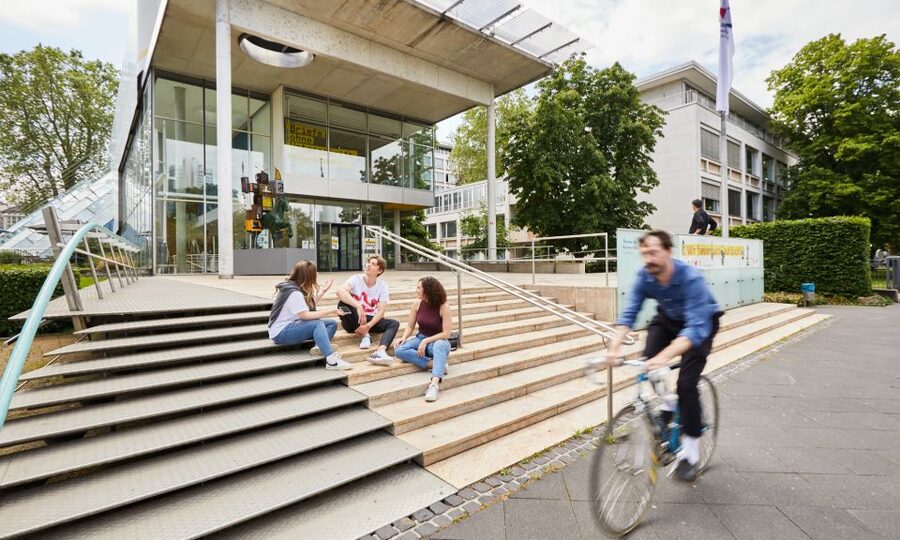
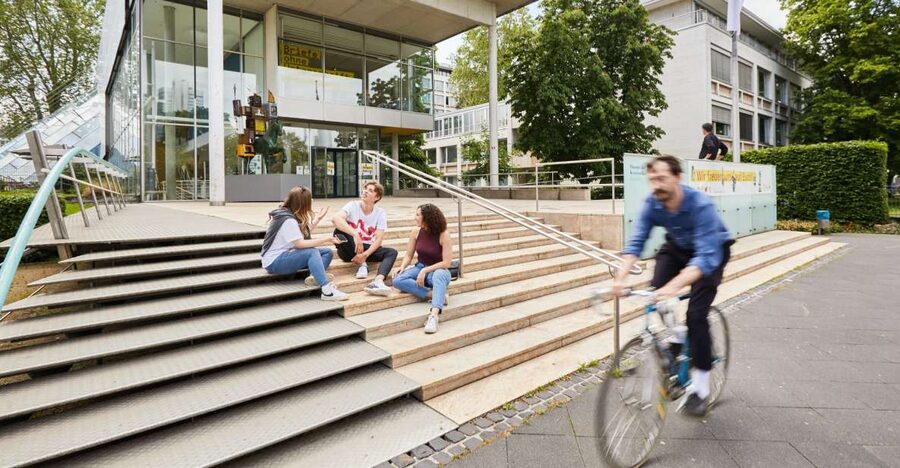
The Museum of Communication is on Frankfurt’s Schaumainkai, the riverside stretch known for its museums. You head directly to the museum rather than meeting a guide or joining a group. That makes the visit easy to fit around the rest of your day.
The ticket costs $10 per person and is valid for one day. At that price, I see this as a strong choice for anyone who enjoys museums but does not want to spend a large amount on a single attraction. You can move quickly through the main displays in a couple of hours, or slow down and give the temporary exhibition and interactive stations more time.
There is no guide included, so the pace and order are yours. That is useful if you want to focus on telephones, skip a section that does not interest you, or return to a display. It also means you should expect to learn through the museum’s own exhibits rather than through a personal explanation.
The building has won multiple awards, and the design plays an important role in the visit. The subject could easily become a dry collection of machines. Instead, the museum presents communication as a series of changes in how people connect, share power, store information, and take part in public life.
Other museums and galleries in Frankfurt:
- Frankfurt: Struwwelpeter Museum Entry Ticket w/Audio Guide
★ 4.5 · 22 reviews - Berlin: Jewish Museum Berlin Entrance Ticket
★ 4.5 · 8,393 reviews - Berlin: DDR Museum Tickets
★ 4.3 · 3,443 reviews
Following communication from clay to digital glasses
The permanent exhibition, called Mediengeschichte|n neu erzählt!, covers 2,500 square meters. Its route stretches from the cuneiform tablet to data glasses, giving you a wide view of how communication has changed over time.
The story is organized around four large themes: acceleration, networks, control, and participation. These ideas help the displays make sense. You are not simply looking at old objects in glass cases. You are considering what each new tool changed for the people using it.
Acceleration is easy to understand through the movement from slow written messages to faster electrical and electronic communication. A cuneiform tablet required a very different process from a telegraph, telephone, or fax. The museum lets you see how each step shortened the time between sending and receiving information.
Networks show how communication tools connect people beyond face-to-face contact. Telegraph systems, telephones, radio, television, and later digital devices each created new ways to reach a wider audience. I like this part of the story because it explains why certain inventions mattered, not just what they looked like.
Control asks who manages information and who decides what can be sent, stored, or seen. Participation brings the subject closer to your own life, especially in an age when many people both consume and create media. These themes give the collection a modern purpose.
Old telegraphs, phones, radios, and televisions
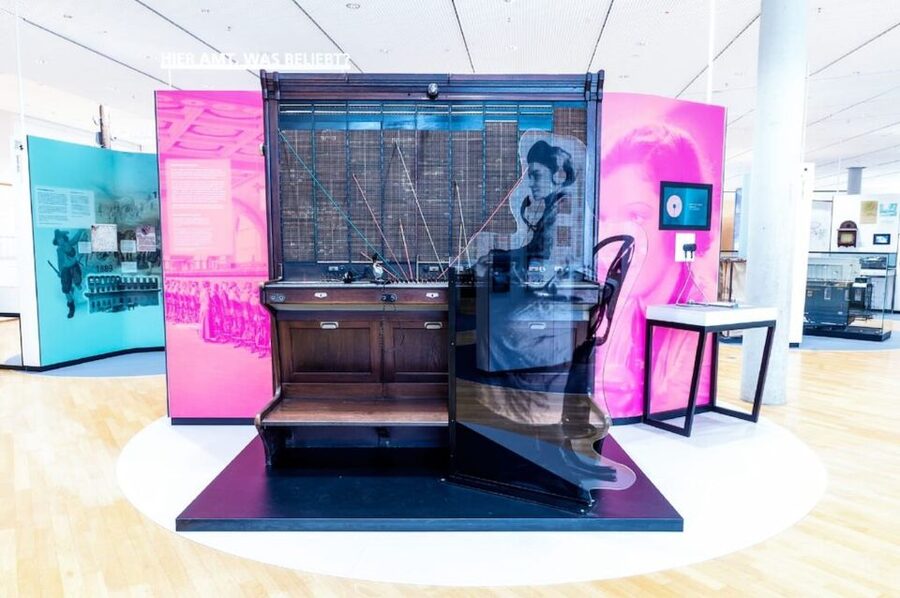
The equipment is one of the museum’s biggest draws. You can see a wide range of older communication technology, including telegraphs, telephones, fax machines, radios, and television sets. For many adults, these objects are not ancient at all. A fax machine or early mobile phone may remind you of an office, school, or family home.
That mixture of distant and familiar technology gives the exhibition a useful rhythm. One moment you are looking at an early device from a completely different age. The next, you see an object that was once normal but now feels dated. It is a good reminder that technology changes faster than people expect.
The old telephones are especially effective as visual objects because their shape and controls show how much communication equipment has changed. The museum also includes more unusual displays and personal stories, so you are not left with a row of machines and a list of dates.
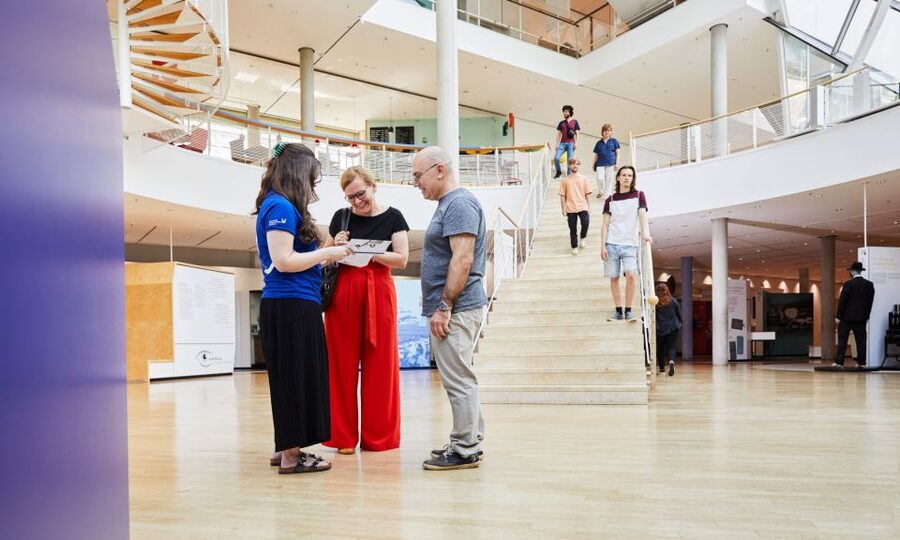
A family may spend time at the interactive stations, while adults may enjoy the contrast between older devices and current digital habits. The museum does not require you to be a technology expert. The displays are built around everyday communication, something you already understand from your own life.
What the interactive displays add
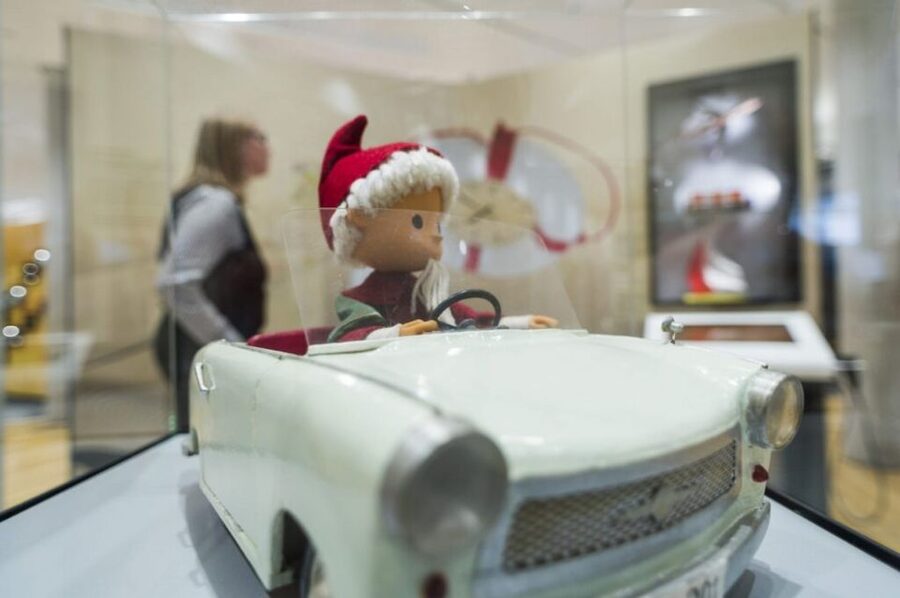
The interactive approach helps keep the subject from feeling like a technical lecture. You can examine how communication developed through curious experiences and practical examples, rather than only reading labels.
That matters because communication is easy to take for granted. Sending a message now feels simple, but the museum shows the steps, tools, and social changes behind that convenience. You begin to notice how much each invention affected speed, distance, privacy, and access.
I would plan extra time if you enjoy trying displays rather than simply walking through galleries. The museum is large enough that a rushed visit can become a parade of objects. Give yourself room to stop at the sections that connect with your own experience.
Noise is the main concern here. The lobby can become very loud, especially when many children are present, and that sound may carry into the visit. If you want to read carefully and think about the exhibits without distractions, a weekday is the safer choice.
Same base, a different kind of day out:
- Frankfurt: River Main Sightseeing Cruise with Commentary
★ 4.3 · 5,127 reviews - Frankfurt: Hop-On, Hop-Off Grand or Express Bus Ticket
★ 3.9 · 2,088 reviews - Frankfurt: 1-Hour Panorama Boat Cruise on the river Main
★ 4.4 · 1,822 reviews - From Frankfurt: Rhine Valley Day Trip
★ 4.4 · 1,317 reviews
KLIMA_X and the question of daily action
The temporary exhibition KLIMA_X shifts the subject from communication technology to communication about climate change. It asks you to consider how your actions affect the climate and what you can do to help change the situation.
This is not simply a display of environmental facts. Its purpose is to make you reflect on everyday choices and on the difficulty of changing habits. The exhibition points to simple methods that may improve the current climate crisis, while also encouraging you to think about the larger issues around it.
The connection to a communication museum is useful. Climate action depends not only on science and policy, but also on the way people explain problems, share information, influence one another, and take part in public decisions. The temporary exhibit gives the museum a current focus while the permanent galleries explain how information has been passed around in the first place.
Because KLIMA_X is temporary, its availability may change. If this is the main reason you want to visit, check that it is still running before you book. The permanent exhibition remains the more dependable part of the experience.
Taking a break on the Main River terrace
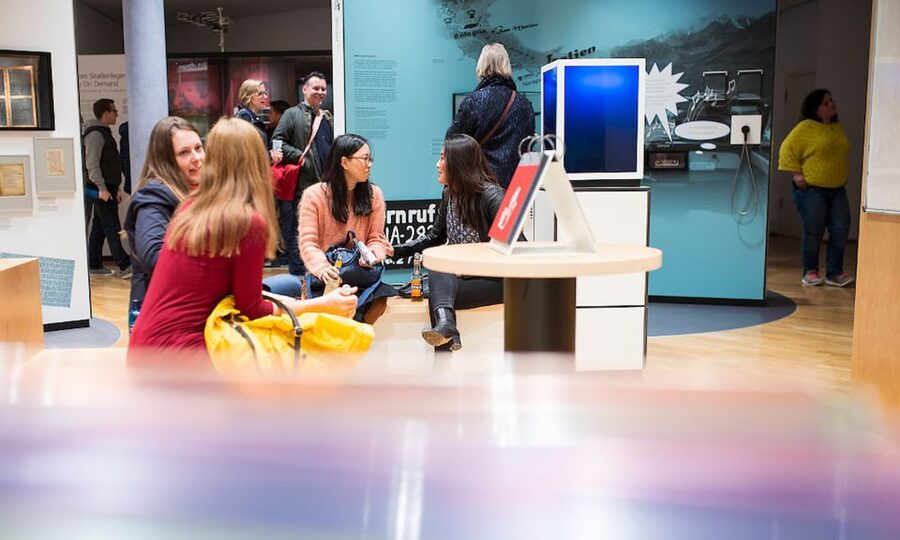
A museum about communication can leave you with plenty to think about, so the café terrace is a welcome finish. You can sit with a coffee and look toward the Main after spending time indoors with machines, screens, and historical displays.
The terrace also helps the museum work as part of a larger day in Frankfurt. You do not need to treat the visit as a quick stop between other attractions. At $10, you can take your time, pause for a drink, and return to the displays during the same day.
Food and drinks are not included in the admission price. One practical warning is important: the café may not accept Mastercard or Visa, so carry another payment method or cash. That small detail can save you an awkward moment when you are ready for a break.
The terrace is a good reason to avoid rushing out as soon as you finish the galleries. The river view changes the mood from information overload to a slower pause. It is also useful for families who need a short rest before deciding if they have the energy for another section.
How much time should you allow?
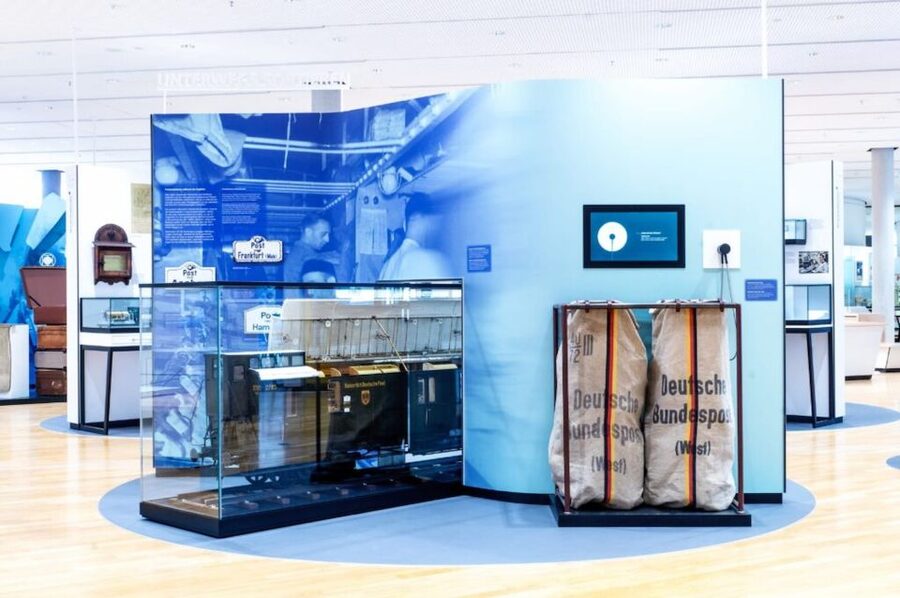
The ticket is valid for one day, and the museum gives you enough material to fill a long visit if you read labels and try the interactive displays. You can also make it a shorter museum stop if you focus on the permanent exhibition’s main objects and themes.
I would allow at least a few hours for a satisfying visit. Add more time if you want to examine the older machines closely, spend time in KLIMA_X, or take a café break on the terrace. The museum’s size gives you flexibility, but it also means the experience rewards an unhurried pace.
There is no stated fixed tour start time. You check availability for the date you want, then go directly to the Museum of Communication in Frankfurt. On public holidays, the museum is open from 10:00 a.m. to 6:00 p.m. Check the current schedule for other days before setting out.
The ticket allows you to skip the ticket line, which is helpful when you have a packed day. Free cancellation is available up to 24 hours in advance, and you can reserve now and pay later if you need to keep your plans flexible.
Who will enjoy this museum most?
This is a good pick for families, especially those who prefer museums with things to see and do rather than long rows of text. The interactive elements and familiar objects give children a way into the subject, though the possible noise level may bother adults who want a calm visit.
It also suits adults who remember older phones, televisions, and office equipment. Seeing these objects in a museum can be oddly entertaining because they connect large technological changes with ordinary household memories.
You do not need a special interest in engineering. The museum is really about how people communicate and how that communication changes society. If you enjoy museums that connect objects with daily life, you should find plenty here.
It may be less suitable if you want a guided tour, a quiet gallery at all times, or a narrowly focused collection. No guide is included, and the lobby can be loud. Still, wheelchair access makes the museum available to a wider range of visitors.
Is the $10 ticket good value?
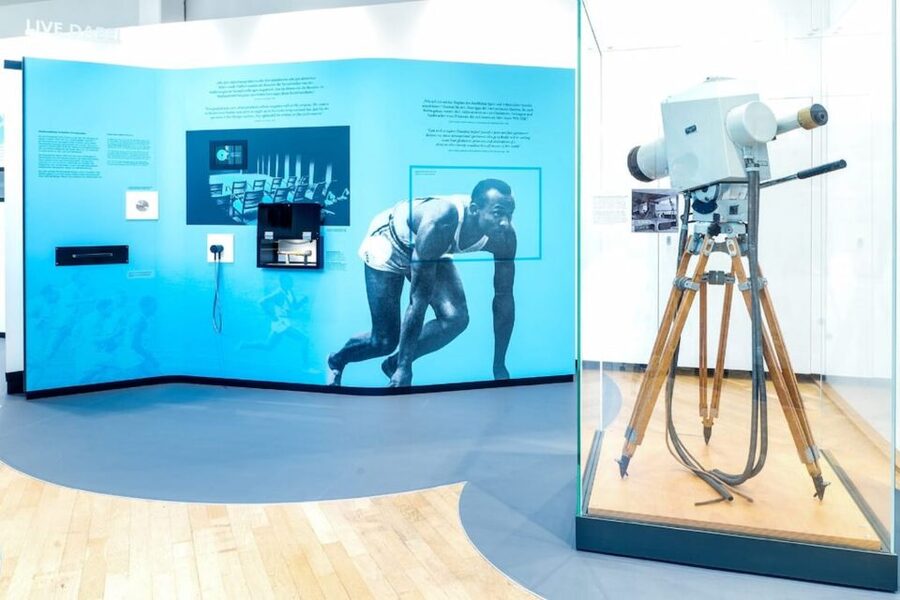
Yes, especially if you plan to stay several hours. The permanent exhibition covers a broad period, the temporary climate exhibit adds another subject, and the ticket remains valid for the day. You are paying for a full museum visit, not a short display of old telephones.
The value is also in the range of audiences it serves. A child can enjoy the interactive side, an adult can recognize older technology, and anyone interested in climate action can spend time with KLIMA_X. That gives the museum more flexibility than a specialist collection with only one point of appeal.
The main limits are practical rather than financial. You pay separately for food and drinks, and the café’s card policy may require planning. Noise can also reduce the pleasure of a careful visit. Go on a weekday if quiet matters to you, and do not count on the café accepting Visa or Mastercard.
Should you book the Museum of Communication?
Book it if you want an accessible, fairly priced museum that links old inventions with the way you communicate today. The combination of cuneiform tablets, telegraphs, phones, radios, televisions, fax machines, and data glasses gives you a clear sense of change across time.
I would especially recommend it for families, technology-curious adults, and anyone looking for an indoor stop along Frankfurt’s museum district. The café terrace overlooking the Main is a useful bonus, and the climate exhibition gives the visit a current question to consider.
Skip it if you need a quiet, guided experience or have only a few minutes in Frankfurt. For everyone else, the $10 ticket offers a full day of flexible museum time, with enough variety to keep the visit from feeling like a collection of obsolete machines.
FAQ
Where is the Museum of Communication Frankfurt?
The museum is located on Schaumainkai in Frankfurt, in the state of Hessen, Germany.
How much does admission cost?
The listed price is $10 per person.
How long is the ticket valid?
The ticket is valid for one day.
Is a tour guide included?
No. The entry ticket includes admission to the museum, but no tour guide is included.
What can I see in the permanent exhibition?
You can follow communication from the cuneiform tablet to data glasses and see old telegraphs, telephones, fax machines, radios, and television sets.
What is KLIMA_X?
KLIMA_X is a temporary exhibition about climate change, personal actions, and simple ways people may help improve the current climate situation.
Is the museum wheelchair accessible?
Yes, the museum is wheelchair accessible.
Can I visit on a public holiday?
Yes. On public holidays, the museum is open from 10:00 a.m. to 6:00 p.m.
Are food and drinks included?
No. Food and drinks are not included in the admission ticket.
Can I cancel my booking?
You can cancel up to 24 hours in advance for a full refund. Reserve now and pay later is also available.
Just added in Frankfurt
- Day Trip to Rothenburg from Frankfurt★ 4.6 · 25 reviews
- Rhine Valley: Half Day Tour from Frankfurt★ 3.7 · 66 reviews
- Private Tour with Native English speaking Local★ 4.9 · 60 reviews
- Hohenzollern Castle: Full-Day Tour from Frankfurt★ 4.3 · 11 reviews
- From Frankfurt: Day Tour to Heidelberg with Local Guide★ 4.8 · 250 reviews
- Heidelberg and Rhine Combination Tour from Frankfurt★ 4.1 · 33 reviews
- Frankfurt: Guided walk between palm trees and skyline★ 4.8 · 9 reviews
- From Frankfurt: Heidelberg & Baden-Baden Full-Day Tour★ 4.9 · 23 reviews
Museums, compared.
Skip-the-Line: Berlin Wall Museum at Checkpoint Charlie
Read our review →
Browse the lists this tour appears in