
Reviewed · HARBOUR & ELBE CRUISES
Die Kiez-Kapitän Hamburger Stadtführung & Speicherstadt Tour
Hamburg’s story comes into focus on this walk from the Alster to the Elbphilharmonie. In two hours, you move from elegant lakefront streets and the Town Hall into old merchant districts, the brick warehouses of Speicherstadt, and the modern harbor district. The city’s past is not treated as a list of dates. It is tied to fires, floods, war, shipping, and a poodle on a roof.
I like the strong mix of landmarks and local stories, especially the Great Hamburg Fire of 1842, the 1962 flood, and the city’s seafaring links to Hans Albers. I also like the excellent value: $18 gets you a live German-language guide and a route that covers several major sights without rushing from one photo stop to the next.
The main consideration is language. The tour is offered in German, so you need a good command of German to follow the explanations. The Elbphilharmonie interior is not part of the walk, though you can visit its Plaza afterward.
Key points at a glance
- From Jungfernstieg to the Elbphilharmonie: The route crosses central Hamburg in a clear two-hour line from lake to harbor.
- Jens Hartmann’s storytelling: Guide Jens Hartmann is known for lively explanations, detailed answers, and a relaxed pace.
- Hamburg’s disasters explained: The Great Fire of 1842, the 1962 flood, and wartime destruction give the city’s streets added meaning.
- Speicherstadt and HafenCity together: You see both the historic brick warehouse quarter and the new harbor development.
- A practical $18 price: The tour offers broad central coverage at a modest cost, especially for first-time visitors.
- Wheelchair accessible route: Accessibility is listed, but the exact conditions of every street surface and stop should still be confirmed if needed.
From the Alster waterfront into Hamburg’s past
The meeting point is Jungfernstieg 58, directly beside the water at Alster boat landing number 1. This is a handy place to begin because it sits at a major public transport hub, with S-Bahn and U-Bahn exits and several bus lines nearby.
Jungfernstieg gives you a useful first look at Hamburg. The Alster is not just a scenic backdrop. It helps explain the city’s layout and its long relationship with water, trade, and transport. From here, the walk heads toward the Town Hall and the older commercial center.
Guide Jens Hartmann leads the tour in German. His approach, based on the available details, is conversational rather than hurried. A small group may give you more room to ask questions. One recent group even received an extra 30 to 45 minutes because the conversation kept going, though you should treat that as a pleasant possibility rather than a guaranteed extension.
Other time on the water in Hamburg:
- Hamburg: 1.5-Hour Harbor and Speicherstadt Day Cruise
★ 4.6 · 14,200 reviews - Hamburg: 90-Minute Evening Lights Harbor Cruise
★ 4.5 · 7,728 reviews - Hamburg: Elbphilharmonie Plaza Guided Tour
★ 4.7 · 5,882 reviews
Town Hall, commerce, and the city’s public face
Hamburg’s Town Hall is one of the route’s major early stops. This is where the city’s political and civic identity comes into view. A guide can help you read the building as more than an impressive facade, connecting it to Hamburg’s role as a wealthy Hanseatic city.
The nearby Hamburg Chamber of Commerce adds an important commercial angle. Hamburg grew through business, shipping, and trade, and this stop helps explain why the city has long looked outward toward the North Sea and beyond.
The Patriotic Society of 1765 continues that civic story. Its name may sound formal, but it points to Hamburg’s tradition of organized public life and concern for the city’s future. These stops work well together because they show Hamburg through its institutions, not only its monuments.
I appreciate this part of the route for its context. If you simply walk past the Town Hall on your own, you may admire its scale and move on. With the Chamber of Commerce and Patriotic Society included, you get a clearer sense of how Hamburg’s government, merchants, and civic groups shaped the city.
Bridges, merchants, and the memory of fire
At Trostbrücke, the city’s waterways and trading past become more visible. Hamburg is crossed by canals, bridges, and routes that once carried goods between the port and the city. This is a good place to connect the old center with the warehouses farther south.
The Laeiszhof adds another piece to the seafaring story. The route does not treat maritime history as a separate museum subject. Instead, it points to the companies, people, and buildings that made Hamburg a port city.
You also hear about the Great Hamburg Fire of 1842. The fire changed large parts of the city and affected how Hamburg rebuilt itself. This is one of the tour’s most useful historical stops because it explains why some areas feel old, rebuilt, or unexpectedly different in style.
A good city walk should help you notice what is missing as well as what remains. The fire story does that. It turns ordinary streets into evidence of change, showing that Hamburg’s appearance is the result of repeated rebuilding rather than one uninterrupted period.
St. Nikolai Memorial and the cost of war
The St. Nikolai Memorial is one of the most serious points on the route. The church site recalls the destruction of Hamburg during World War II. Its remains and memorial role offer a direct contrast to the grand civic buildings and polished waterfront seen earlier.
The stop also helps place Hamburg’s wartime story in the city itself. You are not hearing about distant events in a classroom. You are standing among the traces of destruction and reconstruction.
This part may feel heavier than the lighter stories elsewhere on the walk, including the curious detail about a poodle on a roof. That contrast is useful. Hamburg is presented as a real city with odd stories, painful memories, civic pride, and everyday humor.
The tour also covers the Great Hamburg Flood of 1962. That disaster is especially important because it shows how water remains both Hamburg’s strength and its danger. The city’s connection to the Elbe and the sea has brought wealth and identity, but it has also demanded protection and careful planning.
Other tours run in German:
- Hamburg: Night Watchman’s Tour of St. Pauli in German
★ 4.7 · 4,818 reviews - St. Pauli Nightlife Tour with Drag Queen in German
★ 4.8 · 733 reviews - Hamburg: 1.5-Hour Comedy Bus Tour in German
★ 4.3 · 568 reviews - Hamburg: Original Kiez Tour in German with Eddy Kante
★ 4.5 · 510 reviews
Deichstrasse and the old Hamburg streetscape
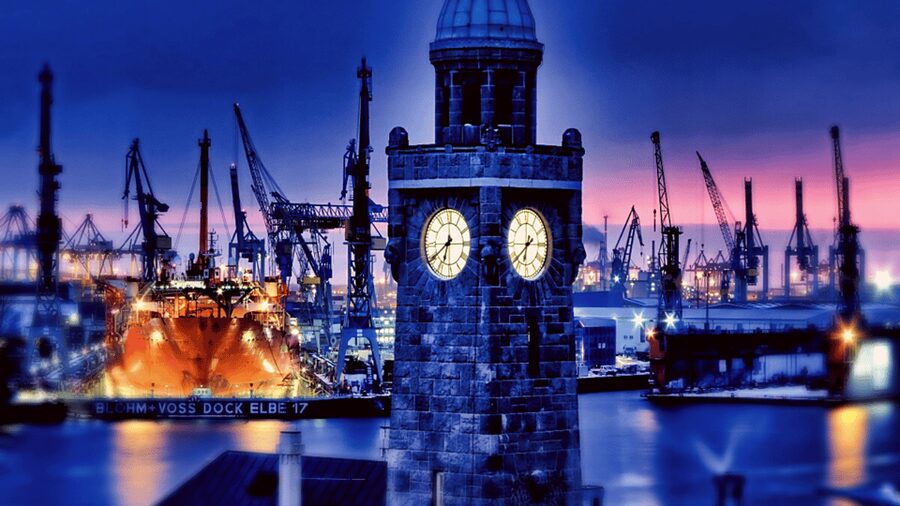
Deichstrasse is one of the most atmospheric sections of the walk. Its historic buildings help you picture older Hamburg before the route moves into the warehouse district and modern HafenCity.
The street is valuable because it gives the city’s history a human scale. The Town Hall and major memorials tell big civic stories. Deichstrasse lets you look at the kind of built environment where business and daily life once met.
You may find this stop particularly useful if you want more than grand architecture. The route pauses for explanation instead of treating the street as a quick photo opportunity. At the same time, the walk covers many locations, so the time spent at each place will be limited.
Speicherstadt, brick warehouses beside the Elbe
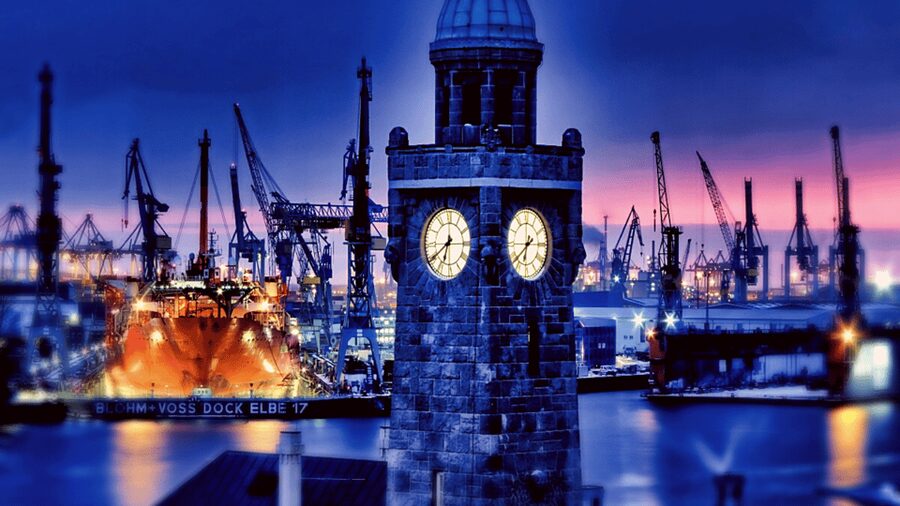
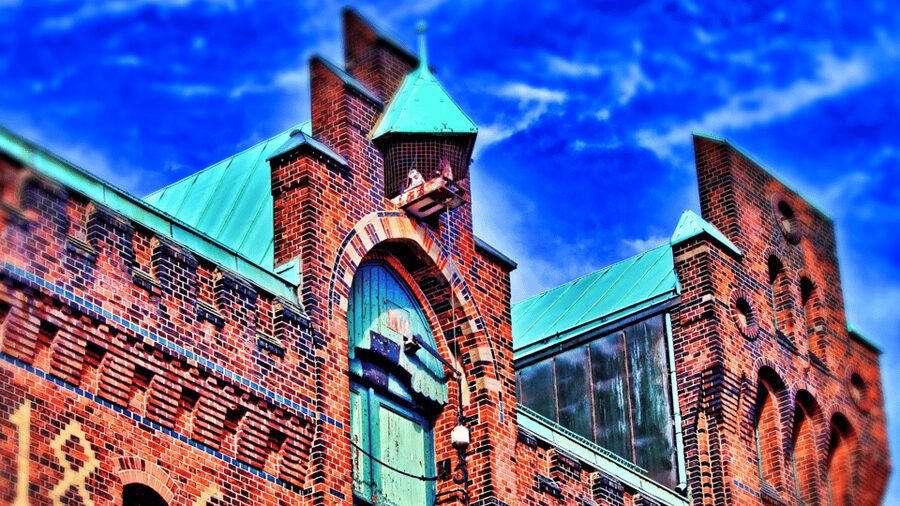
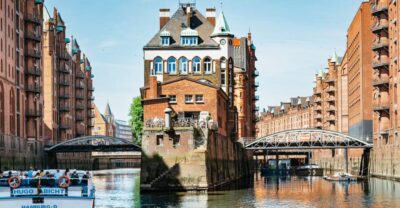
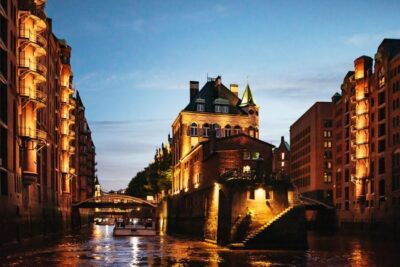
Speicherstadt is the visual centerpiece for many people on this route. Its tall brick warehouses, waterways, and bridges show Hamburg’s commercial past in a very distinct form. The district is a UNESCO World Heritage Site, and the tour explains how the warehouse quarter fit into the port economy.
The brick construction gives Speicherstadt a strong sense of place. Here, the material itself matters. The dark red brick, narrow waterways, and large warehouse walls make the district feel separate from the civic center you saw earlier.
This is also where the city’s trading history becomes easy to understand. Goods once needed storage close to the port, and Speicherstadt was built for that purpose. The guide’s job is to connect the buildings to the people and systems behind them, rather than simply point out attractive views.
Bring comfortable shoes. The walk lasts two hours and includes several districts, with no mention of a scheduled rest stop. The route is wheelchair accessible according to the activity details, but if you need precise information about pavement, gradients, or restroom access, ask the operator before booking.
HafenCity and the changing harbor
After Speicherstadt, the route enters HafenCity. This district presents a newer Hamburg, shaped by harbor redevelopment and contemporary architecture. The change from historic warehouses to modern buildings is one of the walk’s strongest visual contrasts.
HafenCity helps you see that Hamburg is still changing. The city has not placed its port history under glass and stopped there. It continues to build, rethink the waterfront, and connect old commercial areas with new public spaces and cultural buildings.
I like this sequence because it avoids treating old Hamburg and new Hamburg as unrelated attractions. Speicherstadt explains the port’s earlier working life. HafenCity shows how the waterfront is being used and imagined in the present.
The guide can also tie this section to the city’s older seafaring culture. The route includes references to Hamburg’s port on the Elbe and to Hans Albers, a singer and actor strongly linked with Hamburg’s popular image. That gives the harbor story a cultural side, not just an economic one.
The Elbphilharmonie finish and what is not included
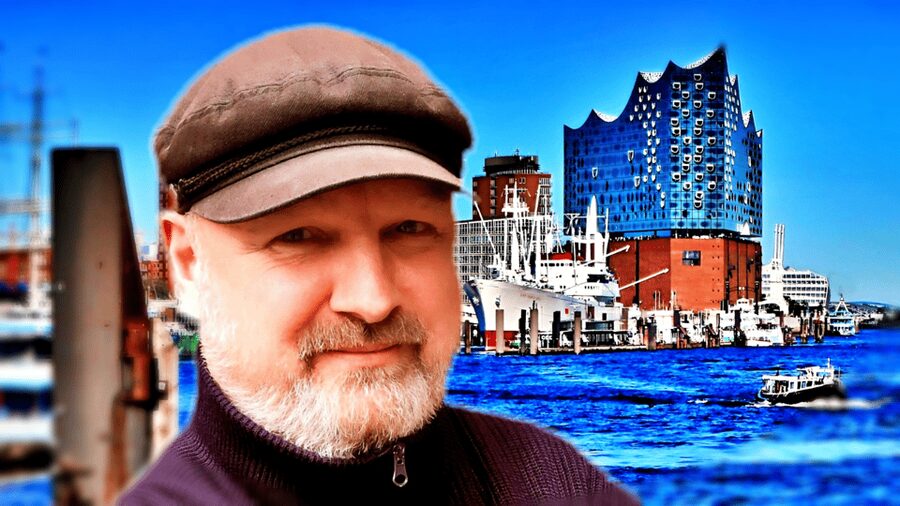
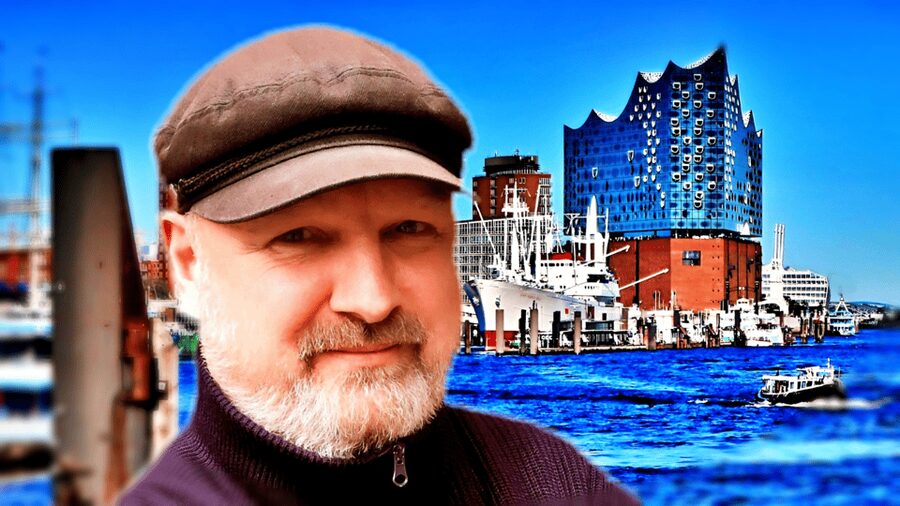
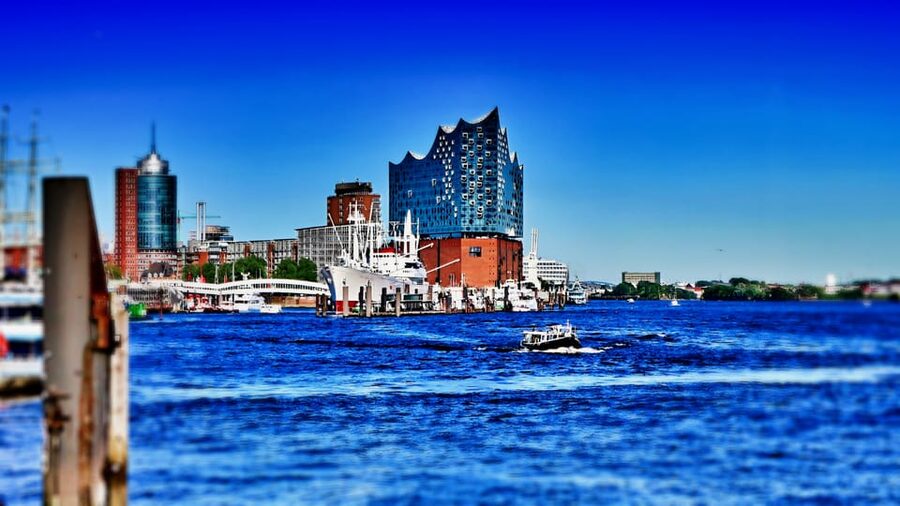
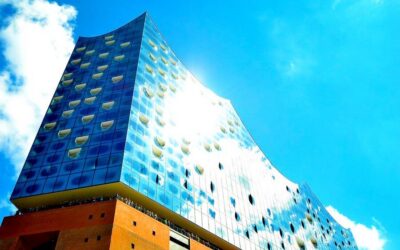
The final stop is the Elbphilharmonie, Hamburg’s striking concert hall at Am Sandtorkai 68. Its position on the harbor makes it a natural finish for a walk that begins at the Alster and follows the city toward the Elbe.
You get information about the building and a view toward its architecture, but the concert hall interior is not part of the guided tour. This distinction matters when you compare the experience with a dedicated Elbphilharmonie visit.
After the walk, you can visit the Elbphilharmonie Plaza. Plaza tickets are available free at the entrance, although charges may apply for larger groups. The Plaza is an optional follow-up, not part of the $18 tour itself, so allow extra time if you want to add it.
Ending here is practical. You finish near a major Hamburg sight instead of returning to the starting point. The endpoint at Am Sandtorkai 68 also leaves you in HafenCity, where you can continue exploring on your own.
How the guide shapes the experience
The route covers a lot, but the guide makes the difference between a useful orientation walk and a simple list of stops. Jens Hartmann is the named guide associated with this experience, and the strongest praise centers on his clear explanations, humor, and willingness to answer questions.
The tone appears relaxed rather than rushed. That matters in Hamburg, where the most useful details may be small ones: why a bridge mattered, how a flood changed the city, or what an odd roof ornament has to do with local stories.
Several bookings have involved small groups, which can improve the experience. You may have more time to ask about a building or request clarification. Still, group size is not specified as a fixed feature, so do not book on the assumption that every departure will be tiny.
The tour is in German only. If German is not comfortable for you, you will miss much of the value because the experience depends on spoken history and storytelling rather than a printed route.
Is $18 a fair price for two hours?
Yes, the price is strong for the amount of central Hamburg covered. At $18 per person, you get a live guide, a route linking the Alster, Town Hall, St. Nikolai Memorial, Deichstrasse, Speicherstadt, HafenCity, and the Elbphilharmonie, plus stories that connect the stops.
The value is best for a first visit. You can use the walk to get your bearings and then decide which areas deserve more time later. It is also useful if you have only a short stay and want a broad introduction without paying for several separate attractions.
The price does not include transport to Jungfernstieg, entry to the Elbphilharmonie, or any private visit inside the concert hall. Those exclusions are reasonable, but they mean you should think of this as a guided city walk, not a full attraction package.
The activity has a 4.8 rating from 37 reviews, and the most consistent strengths are the guide’s explanations, friendly manner, good selection of stops, and lack of pressure. The rating is encouraging, but the German-only format remains the key limitation for many international visitors.
Who should book this Hamburg walk?
I would recommend it to first-time visitors who want a clear introduction to central Hamburg. You will see major civic, historic, commercial, and architectural sights in one continuous route.
It also suits anyone who prefers stories to formal museum displays. The walk combines major events with unusual details, including the poodle on the roof and the connection between Hamburg’s port culture and Hans Albers.
History-minded visitors will get the most from the sections on the 1842 fire, the 1962 flood, wartime destruction, and the rise of Speicherstadt. Architecture fans will appreciate the contrast between Town Hall, brick warehouses, HafenCity, and the Elbphilharmonie.
I would be cautious if you need an English-language tour, want a long interior visit, or prefer to spend most of your time inside attractions. This experience is about moving through the city and understanding what you see.
Cancellation is free up to 24 hours before the start, and you can reserve now and pay later. Those terms make it easier to fit the walk into a changing Hamburg schedule.
Should you book it?
Book this tour if you want a compact, story-led introduction to Hamburg at a modest price. The route is unusually well balanced, moving from the Alster and civic center through disaster history, old port streets, Speicherstadt, HafenCity, and the Elbphilharmonie.
The best reason to choose it is Jens Hartmann’s personal style: detailed, humorous, open to questions, and willing to let a good conversation run a little longer when time allows. The main reason to skip it is simple: the tour is in German.
If you understand German and have two hours free, this is a sensible way to meet Hamburg before exploring the city on your own.
FAQ
Where does the tour start?
It starts at Jungfernstieg 58, 20354 Hamburg, directly beside the water at Alster boat landing number 1.
Where does the tour finish?
The tour finishes at Am Sandtorkai 68, near the Elbphilharmonie in HafenCity.
How long is the tour?
The scheduled duration is two hours.
What language is the tour in?
The live guided tour is offered in German.
How much does the tour cost?
The listed price is $18 per person.
Is transport to the meeting point included?
No. Your journey to Jungfernstieg is not included.
Is the tour wheelchair accessible?
Yes, the activity is listed as wheelchair accessible.
Does the tour include a visit inside the Elbphilharmonie?
No. The guided city tour does not include a visit inside the Elbphilharmonie.
Can I visit the Elbphilharmonie Plaza afterward?
Yes. Plaza tickets are available free at the entrance. Entrance charges may apply for larger groups.
Can I cancel the booking?
Yes. You can cancel up to 24 hours in advance for a full refund. You can also reserve now and pay later.
Just added in Hamburg
- Hamburg: Historical Tour of the St. Pauli Sex Work District★ 4.4 · 215 reviews
- Hamburg: St. Pauli Food and Bier Tour★ 4.7 · 5 reviews
- St. Pauli Tour: Drag-Attack with Barbie Stupid & Lee Jackson★ 4.8 · 280 reviews
- Hamburg: Private Tour Red Light District Walking Tour★ 4.7 · 227 reviews
- St. Michael’s, Elbe Tunnel & Harbor 2-Hour Hamburg Tour★ 4.9 · 21 reviews
- Satt Pauli – der kulinarische Rundgang durch St. Pauli★ 4.8 · 12 reviews
- Hamburg: Safari tour in St. Pauli★ 4.9 · 11 reviews
- Hamburg: Reeperbahn Comedy Club★ 4.3 · 53 reviews
Harbour & Elbe Cruises, compared.
1.5-Hour Harbor and Speicherstadt Day Cruise
Read our review →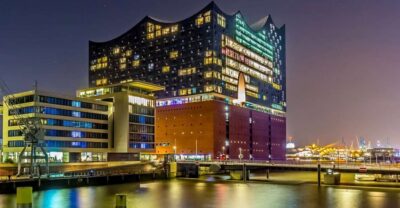
1-Hour Harbor Sightseeing Cruise with HafenCity
Read our review →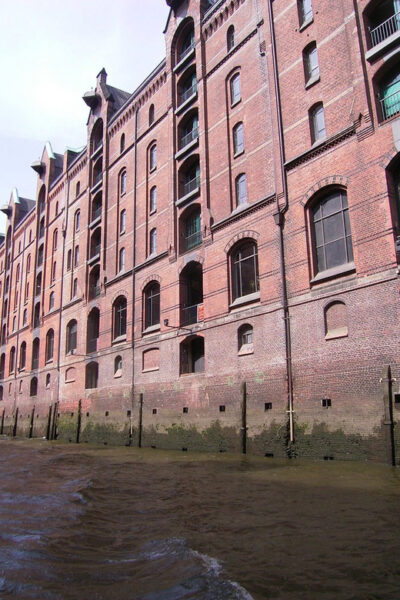
Elbphilharmonie Plaza, Highlights & Surroundings
Read our review →
Elbphilharmonie Plaza and HafenCity Food Tour
Read our review →
Browse the lists this tour appears in